Nishiki Market

Kyoto has a kitchen in a vibrant retail market specializing in all things related to food –

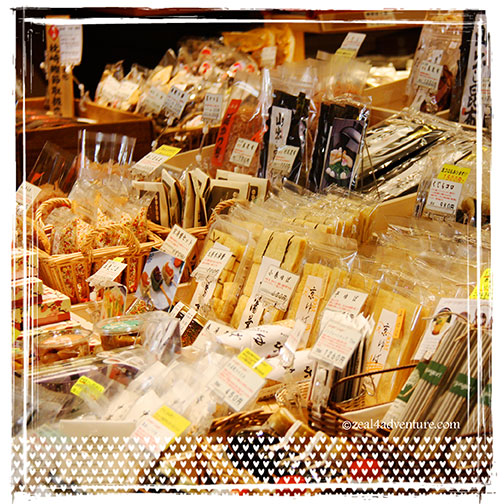
assortments

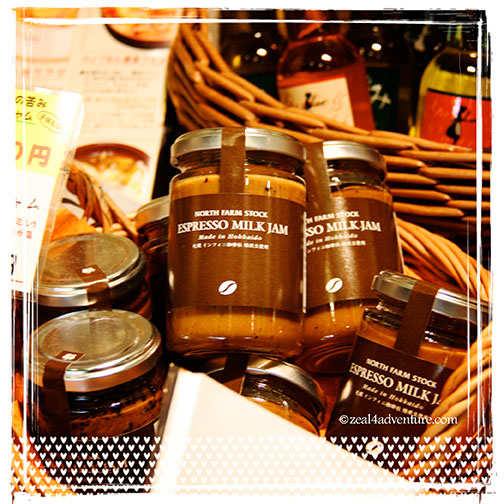
espresso-milk-jam

fresh seafood, fresh produce, fresh fruits, sweets, knives, cookware, etc. – 5 blocks long, lined with more than one hundred shops and restaurants.  This is where to find Kyoto’s specialties and many seasonal foods.

Untitled-1

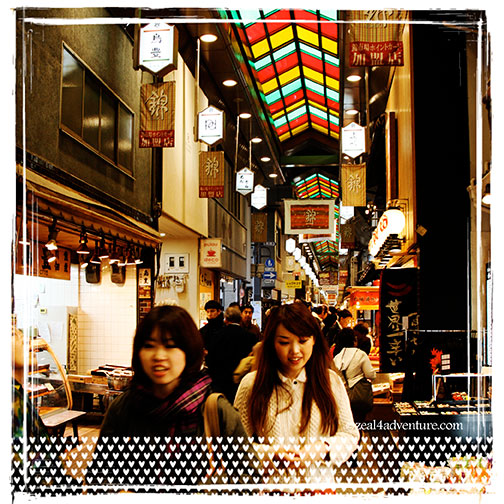
Located in central Kyoto, this narrow market has supplied Kyoto’s residents with high quality traditional ingredients for centuries.  The history extends some 400 years ago, and many shops are still operated by their founding families.

nishiki-market

A walk down Nishiki-koji will give you a sense of what Kyoto is all about.  This may not appeal to just any visitor, but this can be pure heaven to lovers of food and the kitchen.

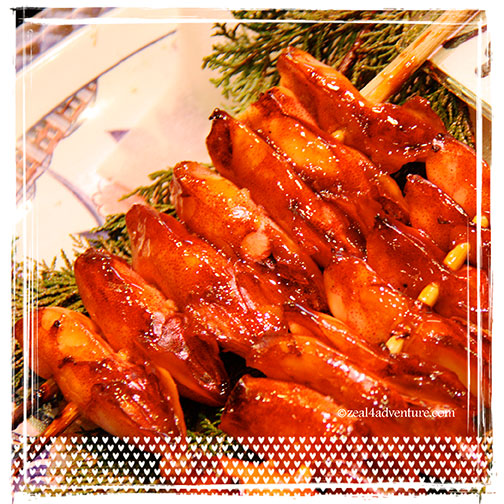
teriyaki-squid

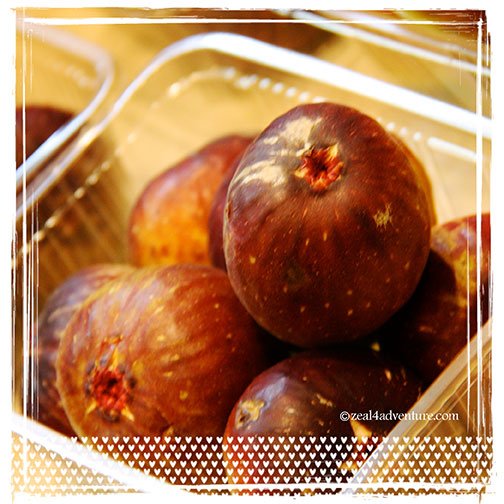
figs

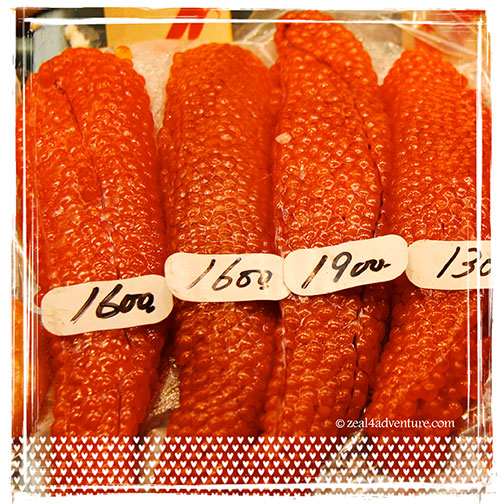
fish-roe

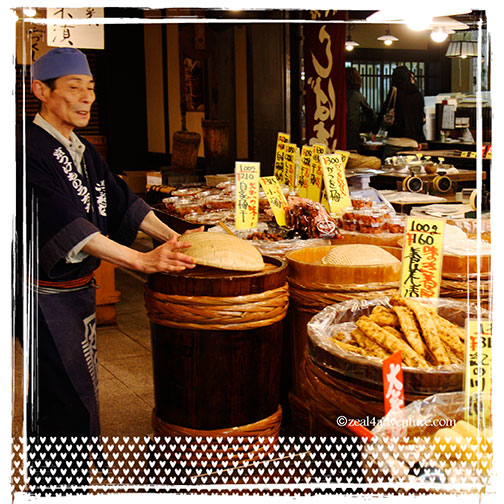
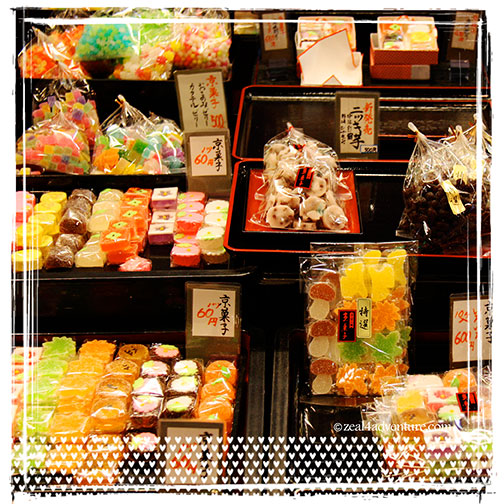
In the narrow alleys of the market, the stalls are filled with food items of any kind – some already prepared while others yet to be cooked.  A great place to eat too, with so many intriguing eateries to choose from and we could have, but they close at 5.

sweets

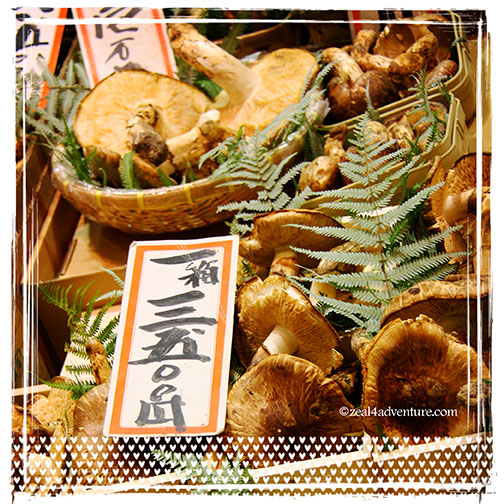
shitake

Local markets, I believe, reflects the culture and economy of a place and visiting these markets is one of my joys in traveling.  Whenever you can on your next trip, go hit the market.  It usually is a plethora of everyday stuff that characterizes a city.

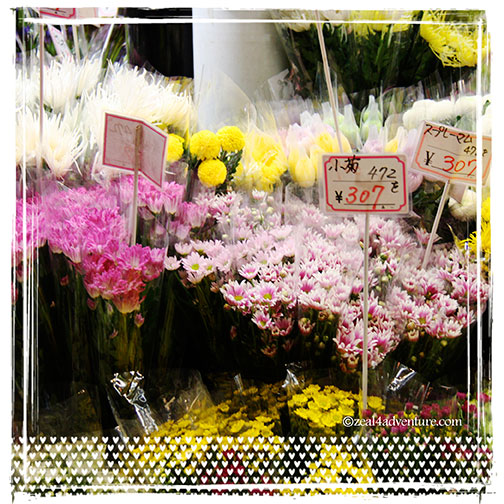
flowers

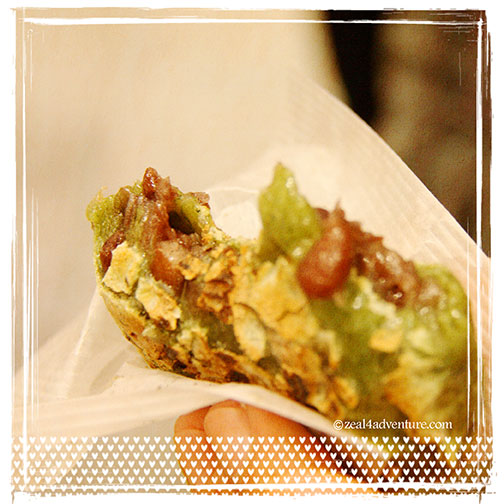
roasted-mochi

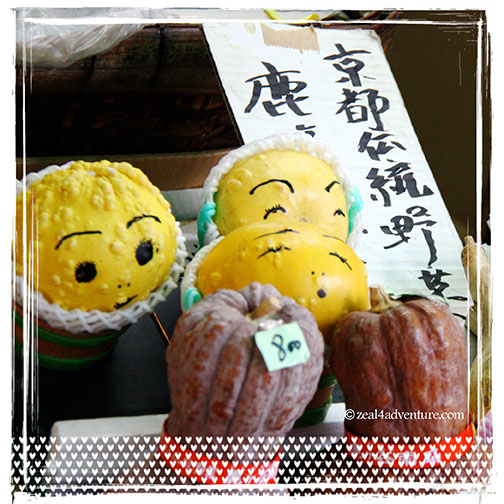
gourds

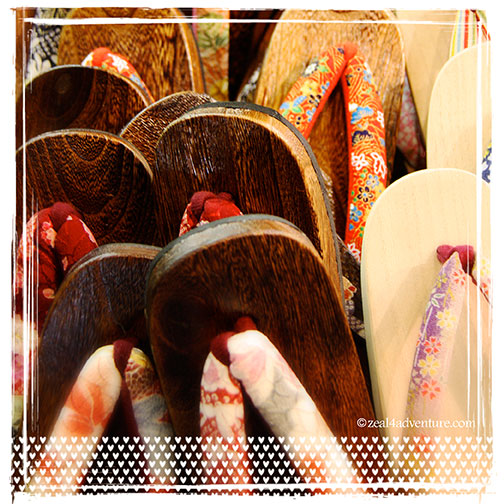
japanese-slippers

Useful Info

Getting There:  From JR Kyoto Station, take the Karasuma Subway to the Shijo Station.  It is a 5 mins walk to the market.  The market is parallel to Shijo Ave., connected to the Teramachi Shopping arcade.

Nishiki Market
Nishikikōji-dōri between Teramachi & Takakura
Opens daily except Wednesday from 9am – 5pm

The Train Station and The Ramen

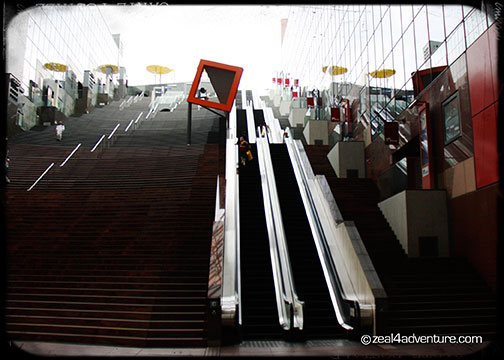
steel-and-glass

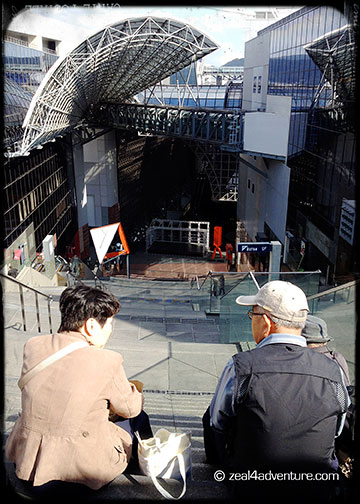
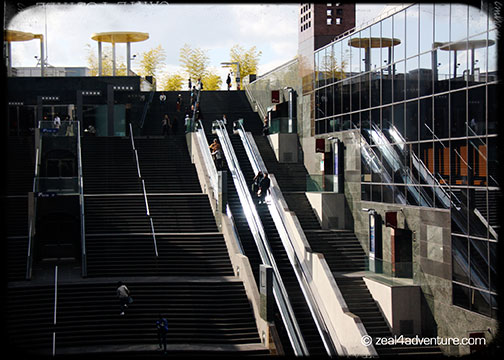
It is a feast of steel and glass with a concave shape interior that opens to the sky, massive with a 60-mile long atrium and 171 steps of stairs.

171-steps

With a hotel, a shopping mall, a movie theater, a department store, a food court and 2 tourist information centers in one roof, the Kyoto Train Station is a splendid example of modern architecture and somewhat controversial when it was built in the mid ‘90s.

hub

It is, nevertheless, a chic way to enter or leave Kyoto.

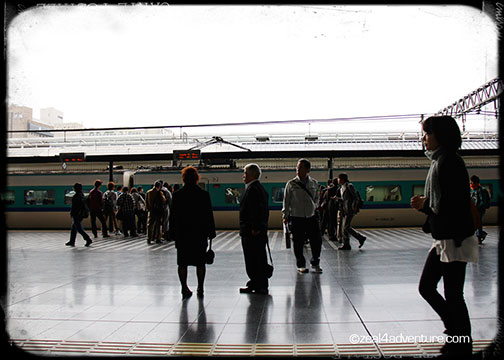
platform

It has an old fashion charm to it, but I am partial to traveling by train because not only is it easier on the budget, it is also less of a hassle and more flexible in terms of schedule.  However, purchasing train tickets and finding your way around stations can be confusing if English is not spoken fluently.  We believe that being there a day before to get the tickets and familiarize ourselves with the place makes it less stressful on the day itself.

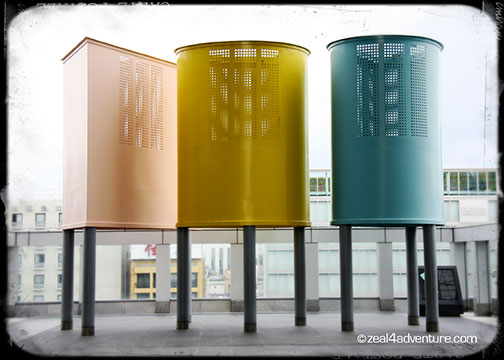
modern-art

And spending the morning at the incredible Kyoto Train Station was enjoyable.  With the essentials done and over with, we explored the building.

view-from-the-top

stairs

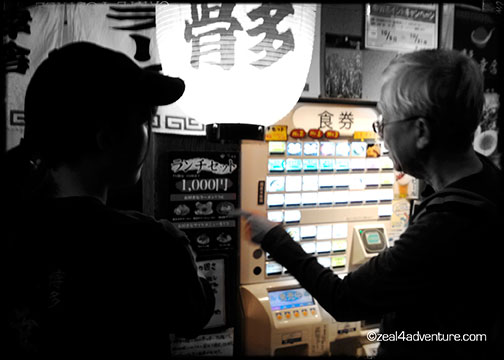
The Cube is a shopping mall that starts at the basement and goes all the way up to the 11th floor.  Kyoto Ramen Koji is on the 10th.  It is a “ramen alley” with seven different ramen shops and a coffee and dessert station.  Choosing a place was a daunting task – never thought ramen could be so complicated.  So we decided to choose the one with the longest line – the popular one, we thought.  The problem was we needed to order through a vending machine, which was all in Japanese.  The restaurant staffs do not speak English and therefore, could not explain the process.  We finally chose Hakata Ikkousha because:

a) girl at the door knew some English.

vending-machine

b) they had the 2nd longest line

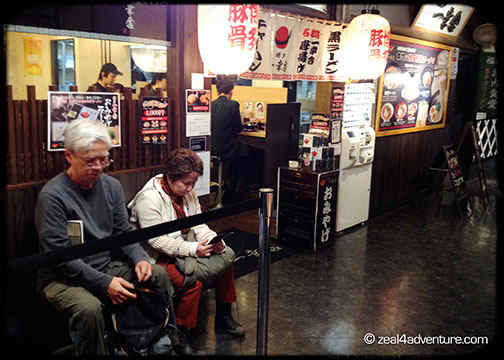
waiting-in-lineIt was a long line… really!

c) it also has an English name and it promises to make people happy with their dish.

ikkousha

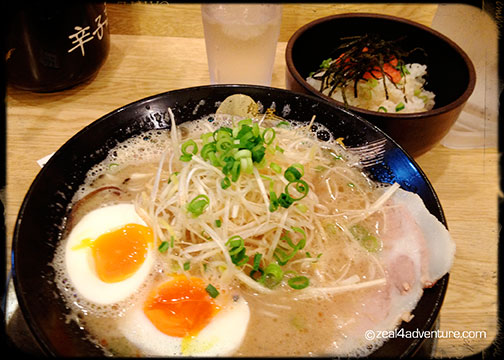
No way of comparing, we decided that the ramen we had was fantastic, though I could go without the rice with fish roe, which came as a set for  ¥1,000.

ramen

The pork literally melts in the mouth; the broth flavorful and the noodles are al dente.  It could be, by far, our cheapest meal in Kyoto.

chasen

display

On our way out of ramen alley, I could hear the desserts at the corner ever so softly but persistently calling my name.

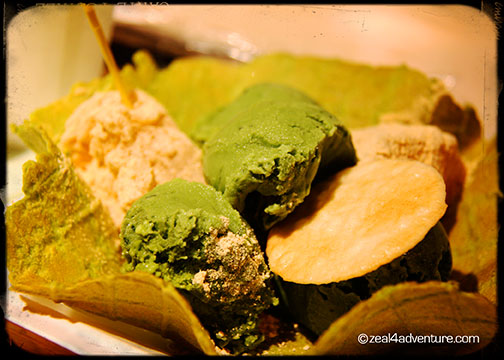
green-tea-ice-cream-with-mochi

Thank you Chasen, for calling out to me.  You did not disappoint.  The mochi was exceptional.

Useful Info

Kyoto Train Station
901, Higashi-Shiokojicho (JR west)
1-3, Higashi-Shikoji Takakura0cho (JR central)

East of Kyoto: Of Geishas and Wagyu

Their world a mystery to me, my fascination with Geishas is one reason I am walking the streets of Gion.

Gion-Kaikan

To catch a Gion Odori  (a geisha dance performance) at the Gion Kaikan Theater was high on my list of priorities but the timing was off.  So the next best thing is to take the streets where they frequent.

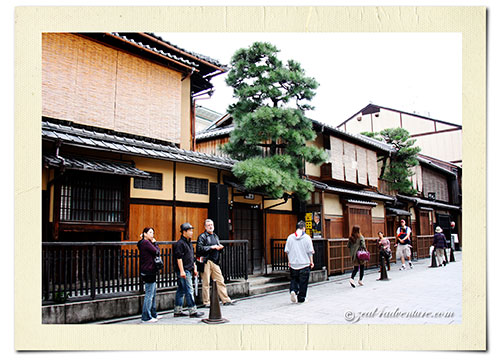
Filled with shops, restaurants and ochoyas (teahouses), Gion is Kyoto’s most celebrated geisha district, Hanami-koji being the most popular.
hanamikoji

The street and side alleys are lined with beautifully preserved traditional wooden townhouses called machiyo.  Many of which have become expensive restaurants, serving Kyoto-style kaiseki ryori (Japanese haute cuisine), some even extend to dance performances by real maiko dancers.

The number of geishas has significantly declined in the last one hundred years and to catch a glimpse, of either a geisha, or a maiko is scarce today.   But despite the dwindling lot, the present “women of art” still practice her skill with the same diligence  as those before her.

More than my fascination with geishas, my obsession with food brought me to Gion.  The best way to get acquainted with the places I visit (in my opinion) is to immerse in the local cuisine.  Japanese food is no exception even if it is arguably among the top in the international cuisine scene these days.  In fact, as I ventured into its different cuisine, I went home with a deeper appreciation and understanding of its food.
shinbanshi-st

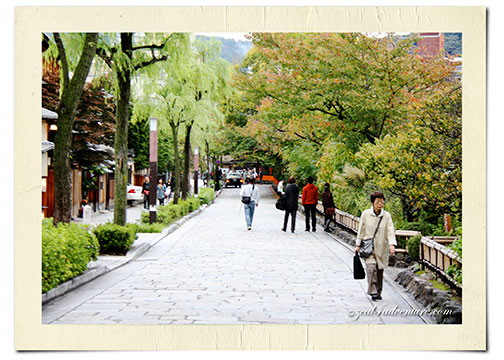
The cobbled-stoned Shinbanshi St. is a traditional building preservation area in Gion Shinbanshi.

Shirakawa-canal

The street runs along the Shirakawa canal lined with willow trees, making it one beautiful, scenic stroll.

Shinbanshi

On top of that, it is a restaurant row, most of which overlooks the canal.  We walked the strip of high-end restaurants and teahouses partly in search for a place to dine that evening.
Kamo-River

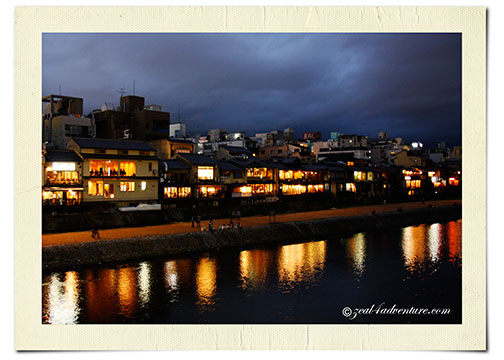
Pontocho-restos-overlooking-KamoPontocho restaurants overlooking the river transform into a spectacular view at night.

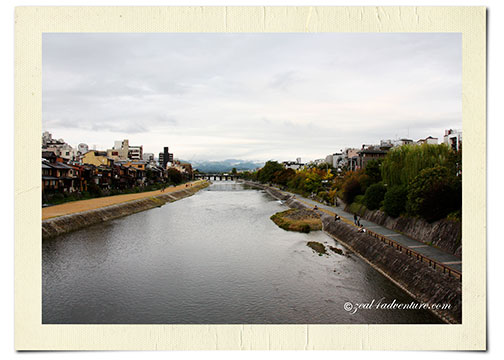
Across the Kamogawa river is Pontocho, said to be home to many geisha houses and traditional teahouses.

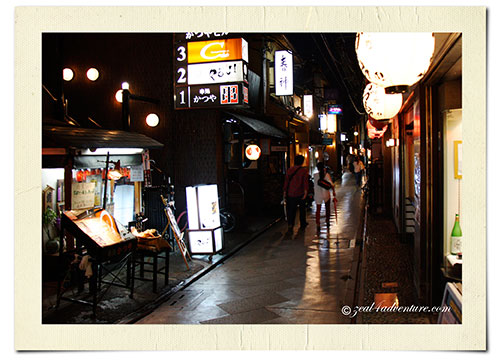
pontocho-alley-daytime

The alley that runs parallel to the Kamo River, once a leading geisha district, is also one of Kyoto’s most atmospheric dining areas.  It is packed with a range of dining options, including affordable Yakitori, traditional Kyoto cuisines and private establishments.
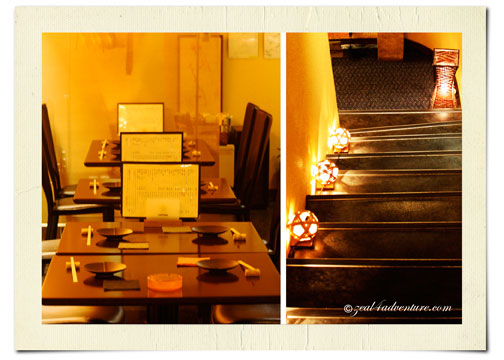
Kyoshikian-interior

In this small alleyway, we found Kyoshikian – a well-appointed teppanyaki-style restaurant that had us at Wagyu.

wagyu-dinner

So relieved that we opted to share, as I could only take so much of the beef sirloin due to its intense marbling.
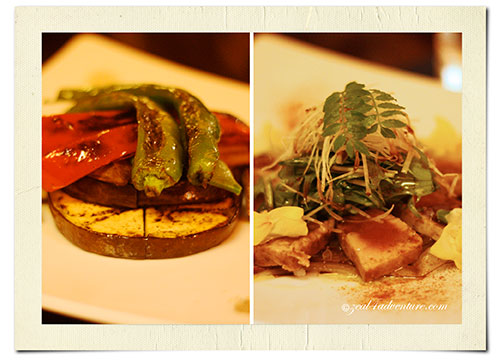
sides

A side of grilled vegetables and seared tuna was perfect to tone down the richness.

pontocho-alley-at-night

Walking back to Shoji-dori, Gion’s main street, after a truly filling dinner, a woman totally made up and in full kimono regalia walked pass me.

shoji-dori-at-nightShoji-dori at night

“There’s a geisha”, I whispered to my friends.  “She could also be a maiko”, one whispered back.

Useful Info:

Gion Kaikan Theater
Address: 323 Gionmachi Kitagawa, Higashiyama-ku, Kyoto 
Tel: +81 75 561 0160
Transport: Gion Shijo Station
 
Kyoshikian
Address: 227 Nabeyamachi, Pontocho Shijo-dori Agaru, Nakagyo-ku, Kyoto 
Schedules:  click here