Rest of Batan: Mahatao

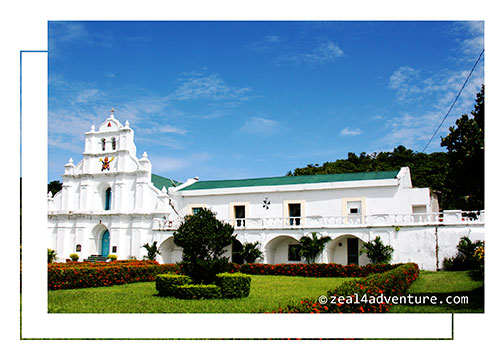
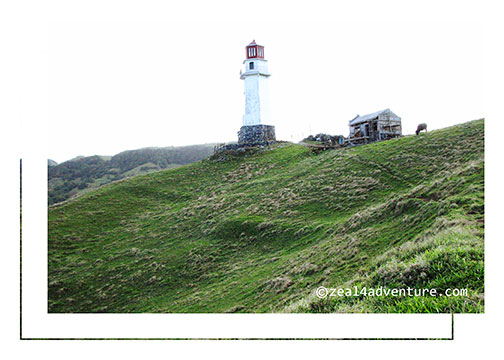
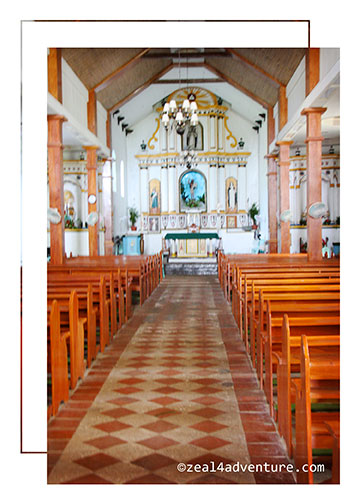
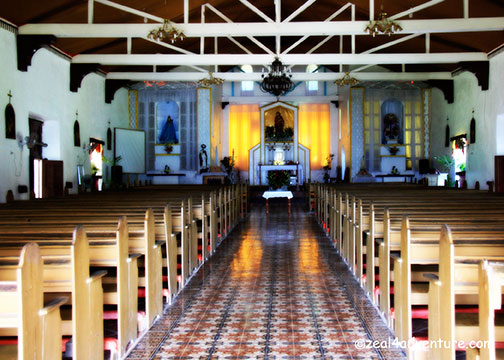
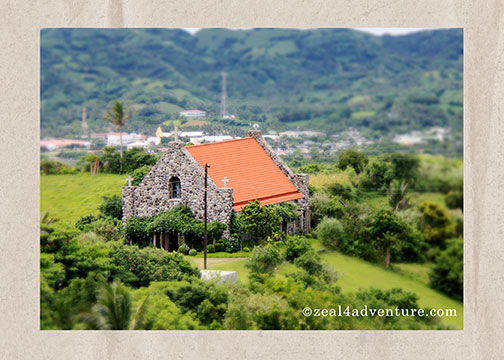
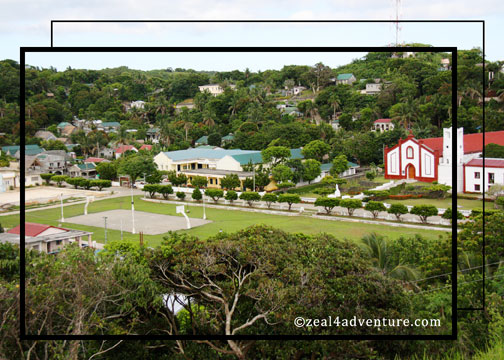
When I think of Mahatao, this simple church is the first thing that comes to mind – not the lighthouse,

Photo taken in 2006.

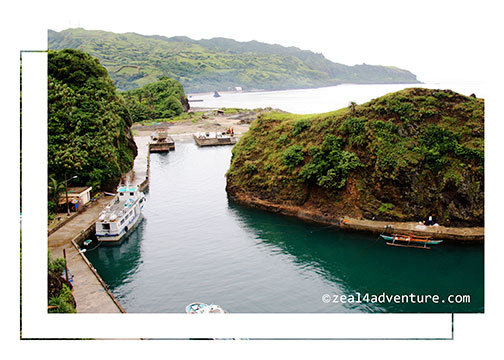
and certainly not the boat shelter,

An island detached from the main island provides shelter for inter-island vessels.

both constructed sometime around the mid-2000 only.  The church, however, has been a fixture in this old sleepy town since the days of yore and every time I am in Batanes, I get to visit it.

It is, after all, the biggest structure in Mahatao.

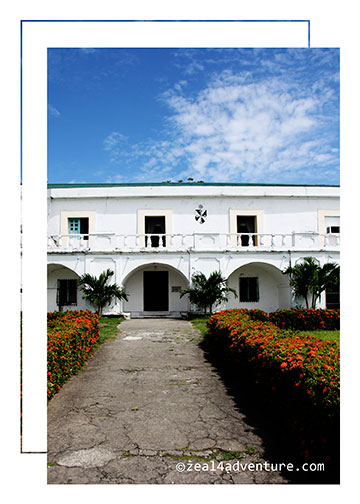
San Carlos Borromeo Church is one of the oldest existing church in Northern Luzon that still keep its centuries old features making it a National Cultural Heritage Treasure.

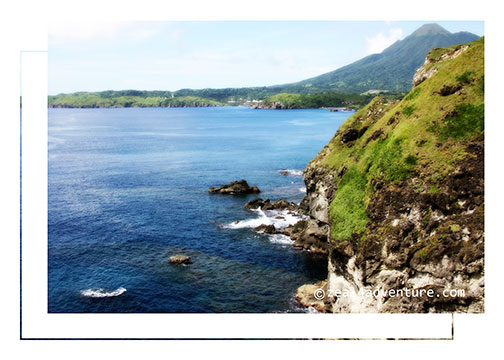
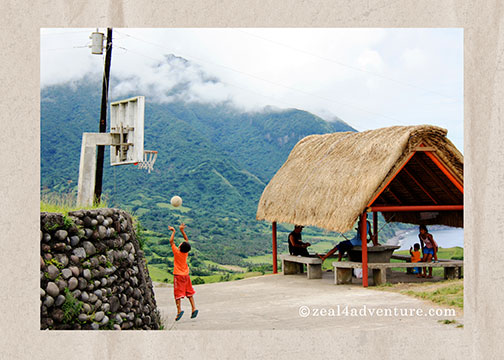
Also part of Mahatao is the Chanarian View Deck.

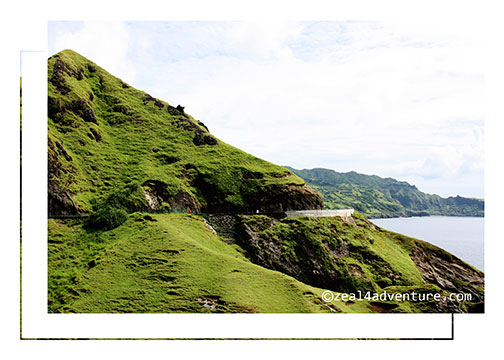
Another personal favorite, it has breathtaking views of Batan and the rugged cliffs.

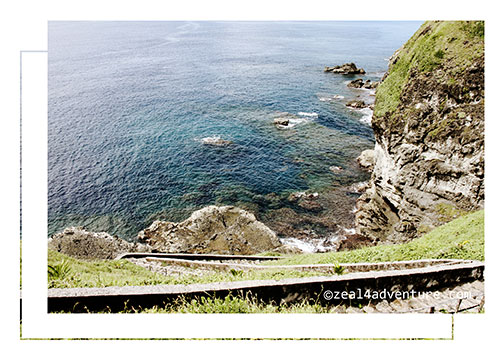
Concrete stairs lead down the cliff if one cares to explore the water below.  I prefer the view from the road.

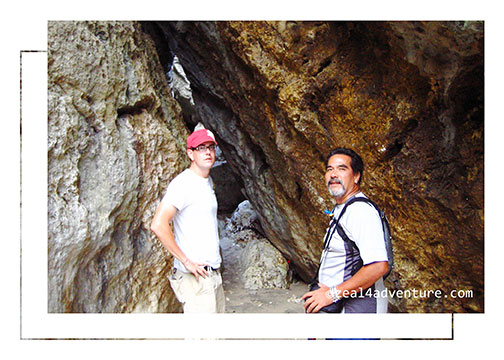
Last May while enjoying the view, I chatted with our guide Mang Rudy about life in Manila.  Life in the capital, as he describe it, is hard enough as a single, sometimes holding 2 jobs just to make ends meet.  When he got married, he knew that it would be difficult to raise a family if he stayed.  So they went back and now that they are settled and has called Batanes home once more, he is happy.  A guide before he left, he picked up where he left off citing that the influx of tourism provides a steadier income.  He is also enjoying the support he gets from his family, friends and neighbors, bayanihan still very much a part of their culture.  Their geographical isolation has a lot to do with this spirit.  He is proud to be an Ivatan, and I can feel his passion.  As a guide he aims to promote his homeland because it is indeed a place so unique and beautiful to be in.

Thor and Anton, taken in 2006 in Diura Fishing Village.  A small village facing the Pacific Ocean and where fishermen perform a ritual to signify the start of another season of fishing.

In 2006, a guy who is not from Batanes, nor is he Filipino brought us around.  Thor, a volunteer is American.  It amused me that a foreigner was showing us around the island, our very own country.   He was then helping the Tourism Office in various projects, one of which is training guides.  I never got to ask Mang Rudy if Thor ever trained him but regardless, I think he will make Thor proud.

And this ends my series on Batanes.  Want a summary of where and what to eat in Batanes?  Check out Batanes Eats at Storm In My Kitchen for some of the island’s gastronomic delights.

Rest of Batan: Ivana

Credits: Template by Jen Caputo; Papers by Scrapmatters by Becca

At the Honesty Coffee Shop, we waited for the boat that plies the Batan-Sabtang route from the port off Ivana.

It was late.  The waves were strong, delaying its arrival and so its departure.  We spent the entire morning waiting to leave for Sabtang.  Having hitched a ride from Basco, we can’t go too far so we stayed put exploring the church across.  We eventually left for Sabtang after lunch.  That was 6 years ago.

San Jose Church in Ivana looks more like a castle to me because of the crenellated walls of the bell tower.

Well preserved, the church is photogenic inside and out.

Today, the church is just as pretty though the recently built port is an eyesore.

Shot in 2006 while waiting to leave for Sabtang.

What used to be a beautiful view of Sabtang and the sea is now partly blocked by the port.

She is perhaps the most visited and the most photographed woman in the island.  Floresitida Estrella, fondly known as Lola Ida, lives in a house known as the House of Dakay – one of the oldest stone house in the island.

Me at the House of Dakay sans Lola Ida.  She was probably not around hence the solo shot.

An earthquake in 1918 earthquake hit the island and leveled most of the town to the ground, this house survived.  We did not visit her this time.

Instead, we headed to Vatang Grill and Restaurant for lunch.

Just along the main road, close to the shore.

Six years ago while waiting for the boat, we had sweet Filipino-style spaghetti for lunch in a small and perhaps the only eatery in Ivana then.

Finally, a good restaurant serving rather good local Ivatan cuisine in this side of the island.

Basco Jaunts: Radar Tukon and its Surroundings

Basco, despite being the smallest province of the Philippines, offers some of the best scenic and cultural landscapes in the country.

Often touted as the Ireland of Asia, this so-called last frontier is blessed with endless rolling hills, rugged terrain and spectacular views of both the China Sea and the Pacific Ocean.  Perhaps due to its isolation, tradition and culture remain pretty much intact.

Our hired tricycle meandered through the streets of Basco, taking us to some uphill climb through scenic pastureland, the sea and many hills.

We arrived at Radar Tukon where even the locals still love to hang.

What used to be a weather station in the American era houses Basco’s radar station today.

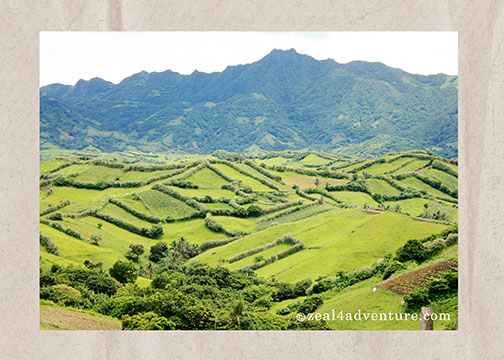
Up in a hill, the 360° view is awesome, perhaps one of the best in the island.

Not only is it a lovely sight and contributes much to the beauty and uniqueness of Batanes,

these hedgerows are there with a few more purposes.

They are there as a windbreaker, for land delineation, it prevents soil erosion, and sometimes serves as nesting ground for migratory birds.

The Tukon Church can be seen from the Radar Station.  Although we didn’t get to see it up close, much less enter it, I believe that the interior is as lovely as the exterior.

Inspired by the Ivatan stone house, this church was a recent project of the Abads, not only to give the communities nearby a church where they won’t have to walk far, but a wedding gift as well to his daughter who got married there recently.  The church, I read, have beautiful stained-glass windows, a ceiling of angels painted by the students of the late Pacita Abad and the best thing about this church is the spectacular view of both the South China Sea and the Pacific Ocean wherever one is seated.

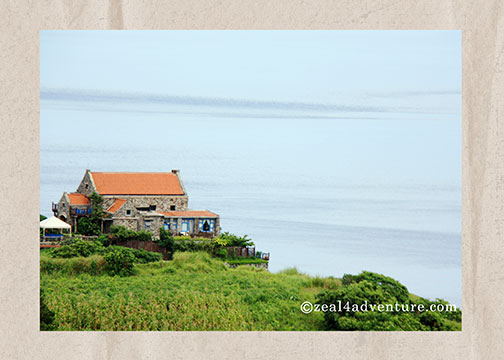
Not far from Tukon church is a house sitting on top of a hill, overlooking the Pacific Ocean.

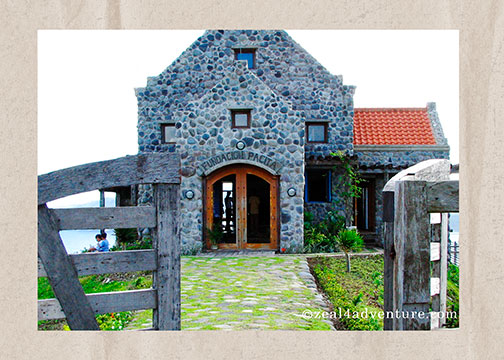
It was once the home-studio of the late Pacita Abad, an internationally acclaimed artist and sister to current Budget Secretary Florencio “Butch” Abad, now turned nature lodge.  Refurbished by Butch in her memory, the lodge is not only a pretty sight from afar.

It was in 2006 that I was there, it was still the art and culture center of the Jorge, Aurora and Pacita Abad Foundation.

Her works hanged on the walls and the design of the house, I suspect, characterizes that of the owner.  Today, I read that works of famous Filipino artists and emerging young Ivatan artists grace the walls of the rooms.

The view from the balcony in 2006.

Nature lodge aside, Fundacion Pacita is also the headquarters of the Pacita Abad Center for Arts.  The proceeds earned from the operations supports various projects, one of them is the restoration of Ivantan houses.

More of Basco in upcoming posts.  Stay tuned.

Itbayat: On a Hunt for Halo-Halo

It was the middle of May; the blistering heat was rapidly zapping my energy… I wanted halo-halo.  We knocked on Nanay Laura’s house as her canteen was closed.

A keepsake with Nanay Laura.

Her charming Larez Carinderia beside her house was a favorite back then.  Who can forget her cooking?

A retired municipal treasury officer, Nanay Laura is an exceptional cook.

In my opinion, she makes the best Turmeric (or Yellow) Rice  (a Batanes Specialty) in the whole of Batanes.

She whips up creative dishes with the limited ingredients Itbayat has to offer her.  In 2006 and again last May, we were witness to that.

She was in Raele that day and didn’t have halo-halo.  I asked to see the twins instead. I remembered them from 6 years ago and was curious to see how they have turned out.

Now in their “tweens”, they have become beautiful, confident young girls.  We asked where we might find some halo-halo; Eva Marie offered to bring us there.

Each store we went to would apologetically shake their heads.  Ok, what about some ice cream then?  No success in that area too, although there is a store that actually has a soft serve machine but they weren’t serving any that day.

It is, after all, the farthest inhabited island of the north. Supplies don’t come easily, and often, especially if the falowa from Basco don’t come.

This bell is used to tell the town if the boat from Basco has left or not.

In Mayan Centro, Itbayat’s town center, a few trucks would occasionally ply the streets as townsfolk use these as transport to other towns.

There are those also who would go around in bikes, but these are rare.  People walk everywhere, to other towns even, if trucks aren’t available.  Eva Marie mentioned that she walked all the way to Raele yesterday where there was a fiesta.  She said she walked for hours and was so tired and bored.  I asked her how many hours; she shrugged and replied, “hindi ko alam, basta matagal, I don’t know, all I know is it took a long time”.

School break means that the kids are free to play, if not helping out the family.

Some of us even joined (or shall I say disrupted) their game.

Eva Marie likes hanging out with us.

Walking around town, she provided nuggets of information about her town.  Six degrees of separation definitely apply here.  Everyone is an aunt, uncle or a cousin.

She has ten siblings (eight, six years ago). She has been to Basco but has never left Batanes even if her mother works in Manila.

Along with some of her siblings, she stays with her grandmother, Nanay Laura.

Mayan Centro holds its own appeal, set in a bowl between hills.

The town center from the PAGASA tower.

At the centro, a basketball court and an open field play center-stage.

It is perhaps the only form of leisure in Itbayat; children of all ages are often seen playing in the field.

Across Larez Carinderia is an Old Spanish church, Sta. Maria Immaculada and the school beside it.  On one side is the municipal office

and on the opposite end of the field is its guesthouse, where we previously stayed.

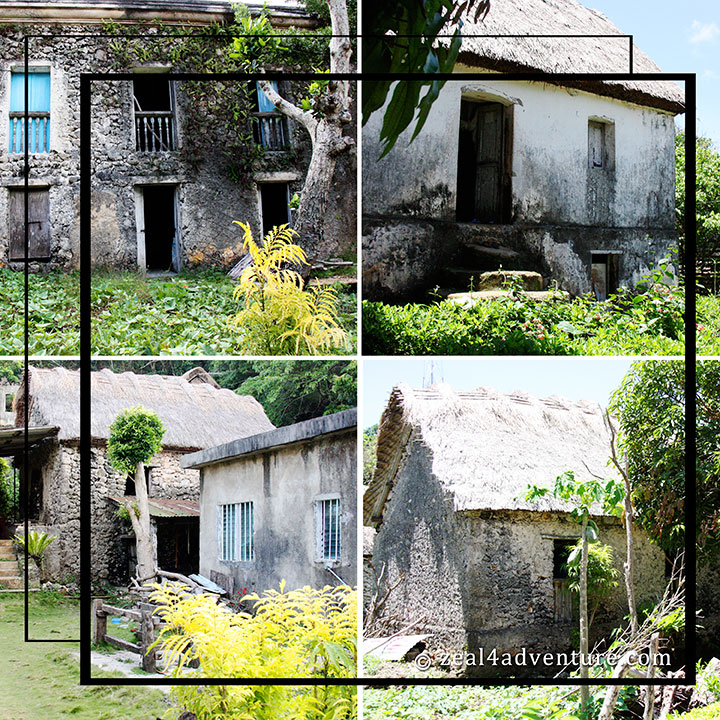
While the town has many traditional Ivatan houses with its cogon roofs, many opted to use galvanized roof.  Cheaper upkeep and it’s less prone to fire, says Nanay Cano.

But the Itbayats love their gardens.

An Arius Tree, indigenous to Batanes. 

No matter the type of house they may have, their gardens are always verdant, some are even quite creative.

We practically roamed the entire town center in search of something cold and alas, we found a heat-quenching treat in some ice candy.

Random Travel Snaps: Threatened Heirlooms

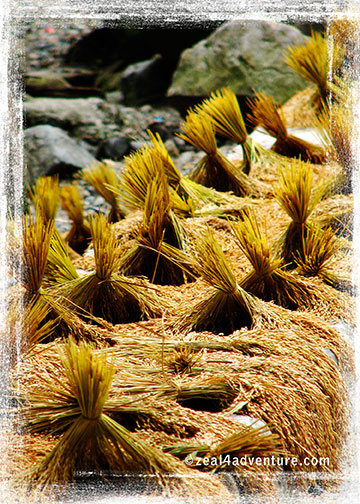
Upland palay (unhusked rice grains) left on the road to dry —  somewhere between Kiangan and Banaue, Mt. Province.

Kalinga Unoy Sun Dried Rice – Red heirloom rice from the terraced fields of the Philippines.

Kalinga Unoy is a rusty-red, speckled colored rice grown with organic methods on ancient terraces in the Philippines, then naturally sun-dried for three days.

Cook Kalinga like you would other rice. A delicate, sweet, nutty aroma lifts off it when it’s cooking and follows right through to the flavor of the finished dish. Great as a side or even as a focus of the meal. Its aroma and flavor will get you excited, I guarantee.  

~ As described on Zingerman’s Mail Order, an on-line shop

Kalinga Unoy, Ulikan Red, Tinawon Fancy, Tinawon White – these are some the varieties of traditional upland rice grown in the Cordillera region, cultivated by their ancestors for hundreds of years.  For generations, planting, cultivating, harvesting of rice have been the foundation of their culture.  But in the last decade or so, both the terraces and the indigenous culture have been slowly losing its durability.  The century old rice terraces are gradually deteriorating brought about by man’s carelessness, disuse and the changing weather. The terraces are too steep for machineries and the absence of which makes terrace farming back-breaking and hard.  It has lost its appeal to the younger generation who are leaving the mountains, abandoning strenuous farming for “greener pastures” elsewhere.

Rice supply of late comes mostly from lowland rice as upland or heirloom rice are low-yielding due to low tilling capacity.  Besides this, various problems related to changes in weather and infliction of rodents, pests and diseases, have had traditional rice farmers replacing traditional rice with high yielding, early maturing hybrid varieties.  Heirloom seeds and terraces however are considered a connection to their ancestors and the elders are anxious of losing this heritage.

Through upgraded technology provided by Department of Agriculture and the International Rice Research Institute (IRRI), farms in the uplands see hope of becoming self-sufficient once again.

Upland rice holds its own characteristics, uniquely ingrained through farming traditions that has been protected for thousands of years.  It has formed a niche in the world market given its distinct delectable taste and health benefits particularly from the organic conscious consumers.  Through the help of the Revitalized Indigenous Cordillera Entrepreneurs, Inc (RICE), Kalinga’s Unoy Red rice is now being sold in the US.   There’s light at the end of the tunnel for the threatened heirlooms, it seems.

Kuang Si Falls

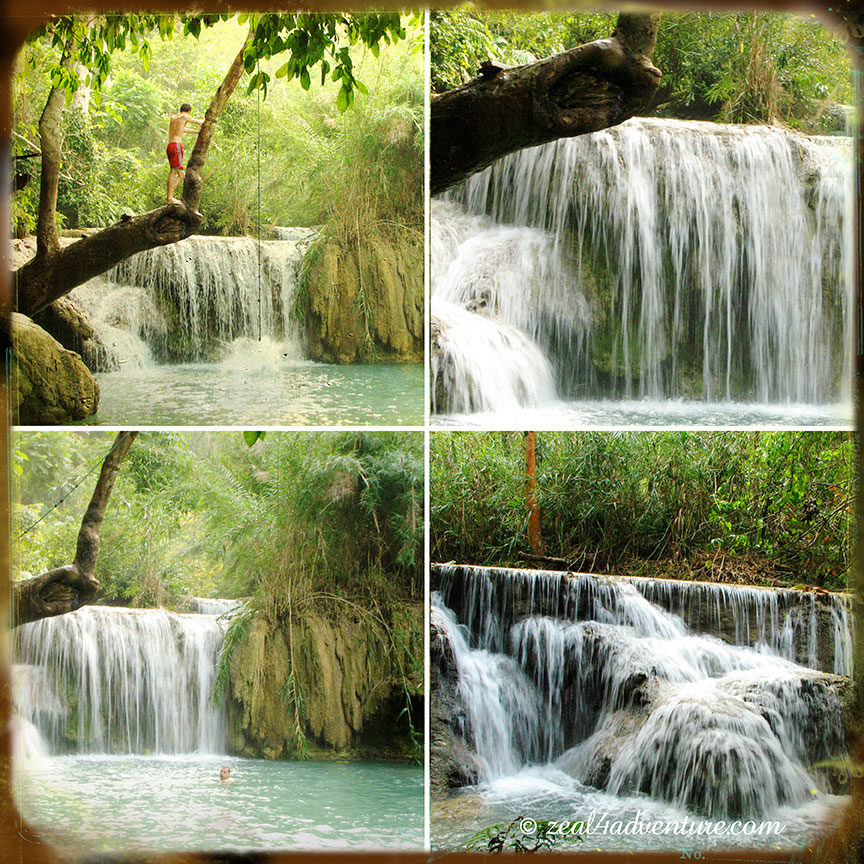
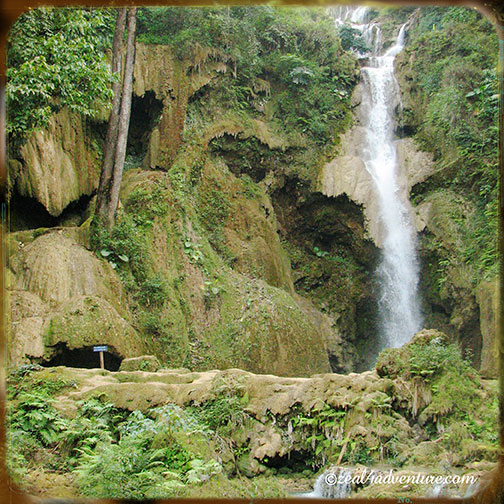
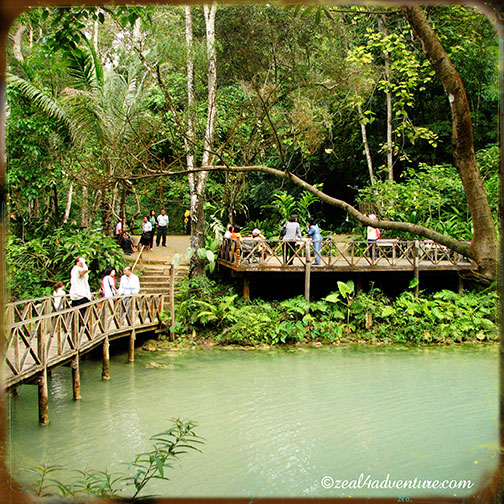
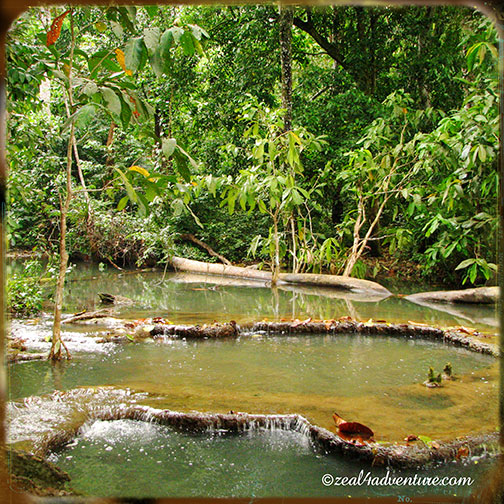
Picturesque and very accessible – Kuang Si falls, 29 km south of Luang Prabang, has become a popular attraction outside of the world heritage city.  Surrounded by lush forest, the falls is 3 tiered, all picture perfect.

The breathtaking main falls is 60 meters high while the rest, equally stunning, are 1-3 meter cascades that creates small aquamarine pools.

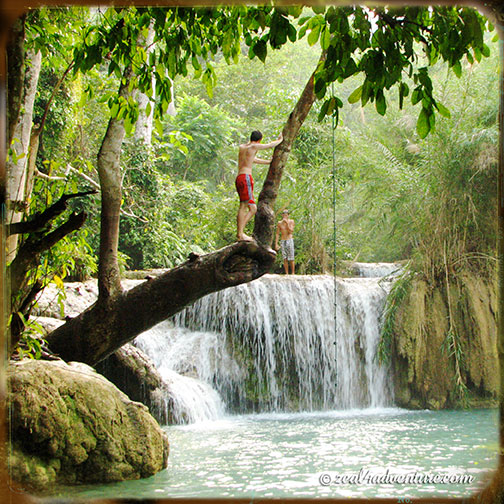
The water invites especially on a hot day, many take a dip, some even take to jumping off trees for some thrills.

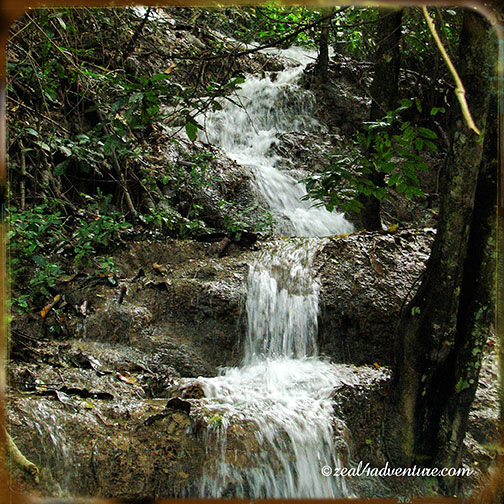
A forest trail leads the top of the falls where you’ll find the source of the Kuang Si in a stream.

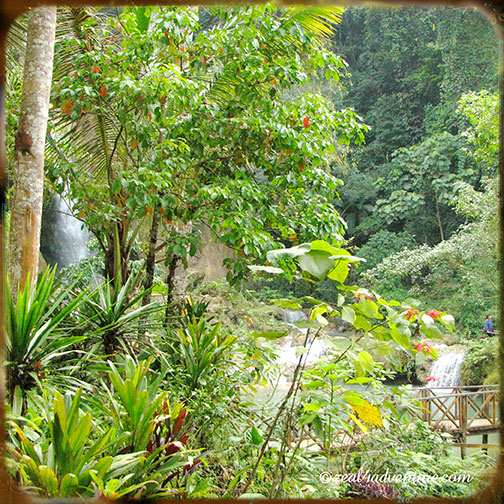
The surrounding area was developed into a lovely park with bridges, a picnic area with tables and even a changing room for those wanting to swim.  My journey to Kuang Si wasn’t as easy as taking a tuk-tuk to the entrance of the park.

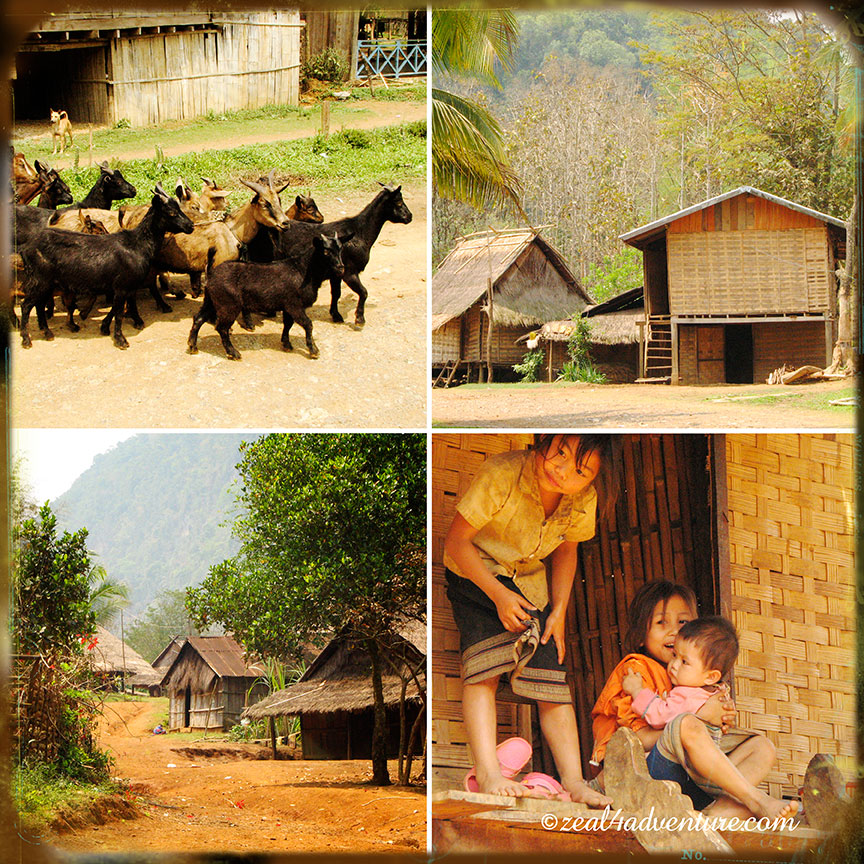
It started when a van picked us up and dropped us off (an hour later) at a Hmong community.

There we learned the difference between the Hmong as compared to the rural Lao lowlanders.  To get to the falls, we trekked through paddy fields and pineapple gardens before entering a rain forest.

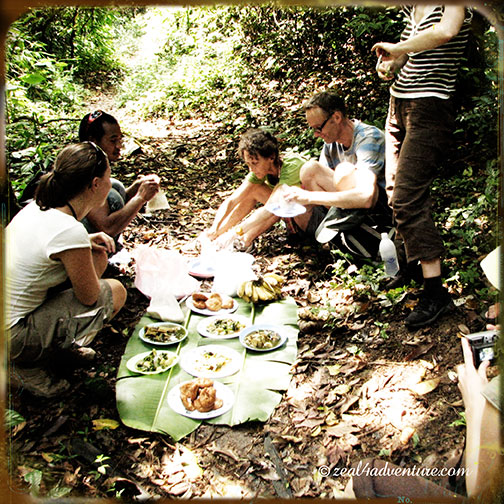
Halfway through our trek, we stopped for a simple Lao lunch prepared by the outfitter.

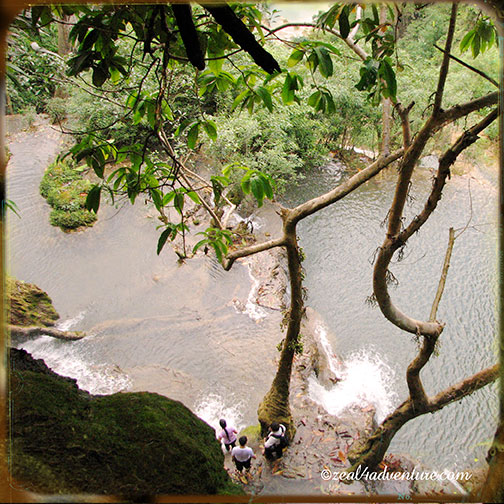
About 3 hours later, the hilly trail took us to a stream that we soon realized was the stream feeding the Kuang Si.

The view from the top looking down the pool below was spectacular.  Expecting to approach the falls the regular way from below, the realization of ending at the top was a wonderful surprise and quite memorable, truth to tell.

I made this trek 4 years ago with Green Discovery.  Spare an extra day for this if you can, it’s worth the effort.

A Leisurely Stroll Through Luang Prabang

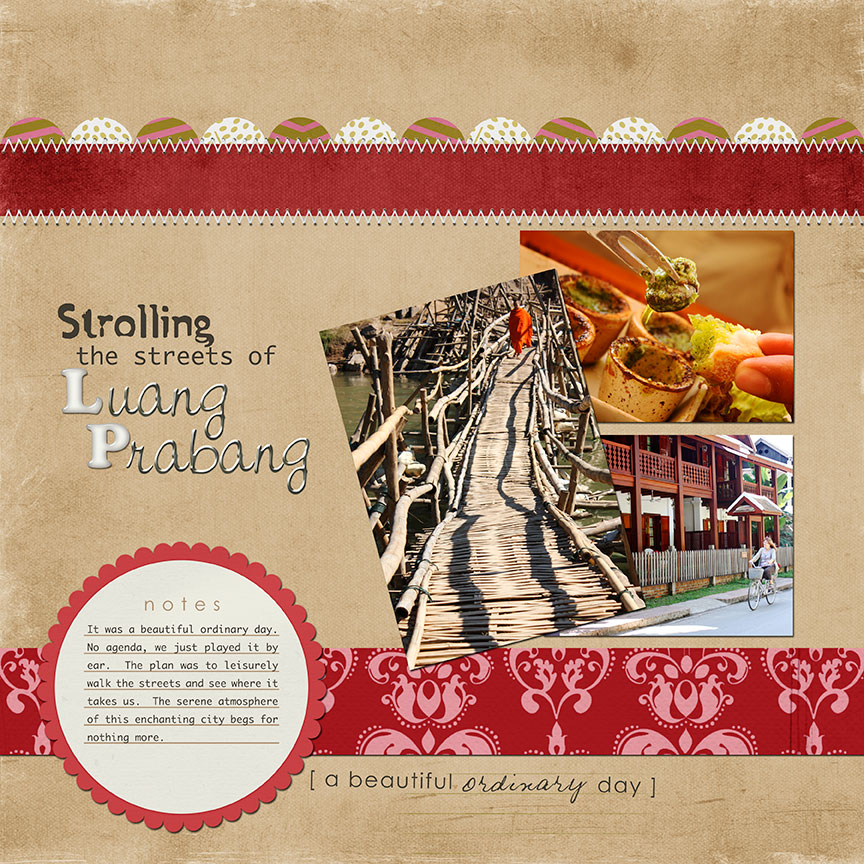
Credits: Papers by Sahlin Studio’s Sweet Story Telling papers, Creativity by Crystal’s Room Collection Solids; Elements by Sahlin Studio Sweet Story Telling Kit.

It was a beautiful ordinary day.  No agenda, we just played it by ear, went with the flow.  The plan was to leisurely walk the streets and see where it takes us.

The serene atmosphere of this enchanting city begs for nothing more.  Having strolled down these streets before, it was interesting to see new ventures turning up while many stayed the same.

Luang Prabang lies in the heart of the mountainous region of North Laos.  Also known as the jewel of Indochina, the ancient royal city sits between the junction of the Mekong and the Nam Kahn Rivers.

And our nice little boutique hotel, Villa Deux Rivieres is situated somewhere near the junction in Kingkitsareth Rd.
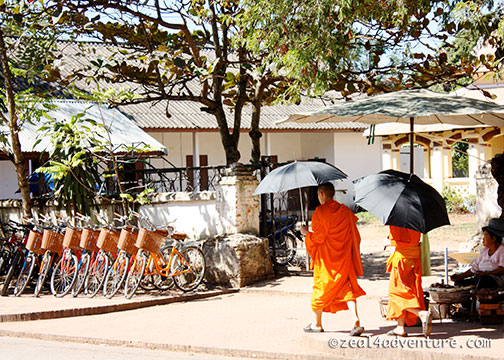
Monks with their signature umbrellas in Sakkarine St. — a quieter part of town.

Great location as it really is just a short walk away from many places of interest and the main street, Sakkarine,

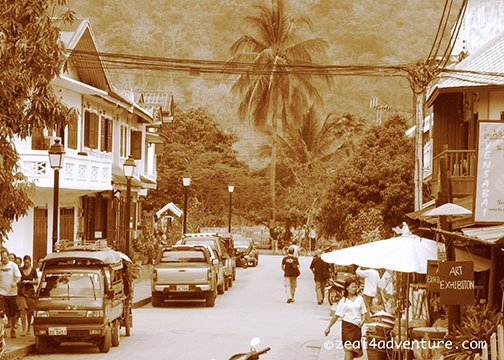
The busier street of Sisavangvong has more tuk-tuks and motobikes lining the streets.

which turns into Sisavangvong St. if you walk further.  We spent a lot of time in Sakkarine St. browsing, sometimes buying from the many little shops or relaxing in several of the cafes lining the stretch.

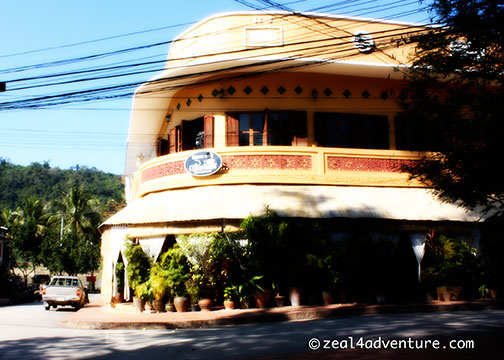
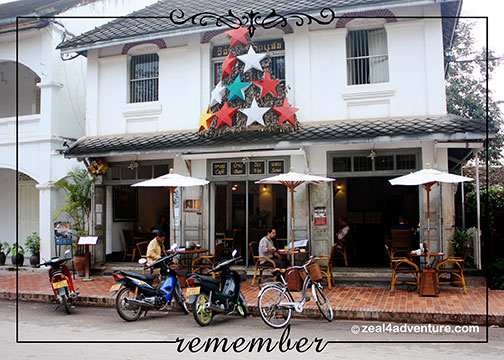
Café Ban Vat Sene across the charming Wat Sene and Le Banneton with its wonderfully crusted breads are our favorites hang-outs.  We sat outdoors and enjoyed the cool air and the easy going vibe of the town.

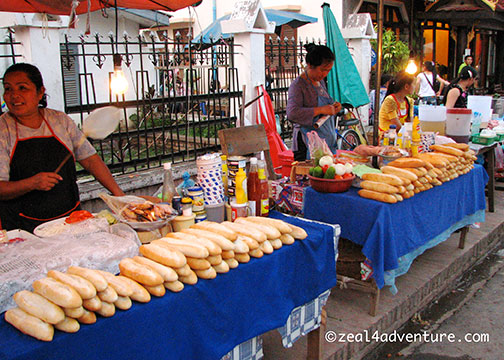
Those breads lured us to Le Banneton

Caruso Lao never fails to lure me in each time we walk pass it.  Beautiful stuff on display, a bit pricey but well worth the workmanship, me think.

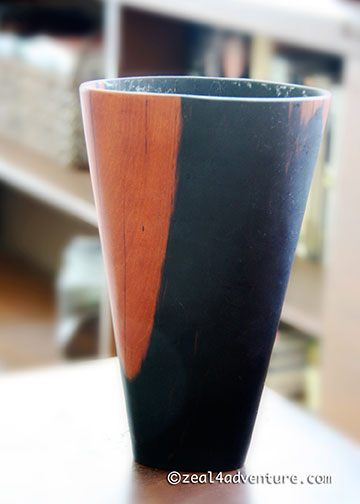
And look what I have displayed at home.  There could have been more, if freight wasn’t so ridiculously high.

Comprising this enchanting little city are ancient structures, a Royal Palace, a National Museum,

Wat Sene along Sakkarine Rd.

and a concentration of golden temples they call Wats, all thirty-four of which have been listed for preservation.

Luang Prabang, a UNESCO World Heritage Site since 1995, is undoubtedly rich in cultural heritage and has both historical and natural sites to boast.
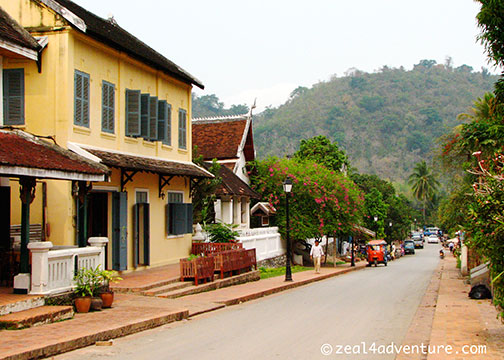
Traditional wooden dwellings and old colonial style houses fused into a distinct cultural tradition with beautiful landscapes that surrounds.  Mount Phousi perched in the middle of town showcases stunning views of the surrounding temples and hills.

It is a city where time seemed to have stood still.  The old town (their historical district) in particular has an old world charm,

reminiscent of the 1940’s where bicycles dominate and colonial style interspersed with traditional houses line the streets with some vintage cars even.

Small enough to explore by foot, we started our stroll at our hotel in Kingkitsarath to the bank where Khan and Mekong meet. The street, as in many in Luang Prabang, becomes Khem Khong or Mekong Rd at some point.

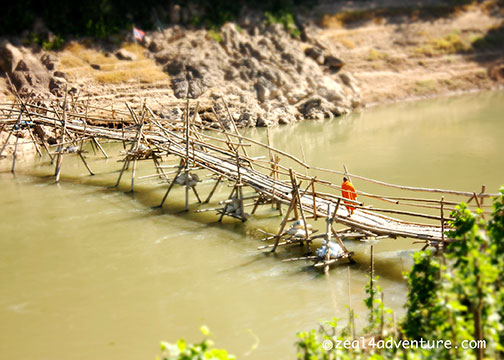
At the confluence, a path led to the river below where a wooden bridge stands.  Across is a handicraft and weaving village that one can explore but we didn’t venture out there anymore.

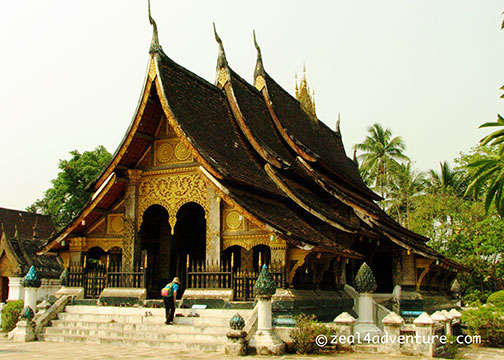
Instead, we continued on Khem Khong to get to Wat Xieng Thong – perhaps the most magnificent but definitely the most important and impressive of Lao temples.  There is a cluster of  ancient buildings dating back to the mid 16th century.

At the back of Wat Xieng Thong is a tree of life mosaic in colored glass.  Anyone with a keen interest in Lao history should not miss the religious artworks and artifacts housed here.

When it was time for lunch, we went for L’Elephant, an institution in its own right in Luang Prabang.  Menu was mostly French.
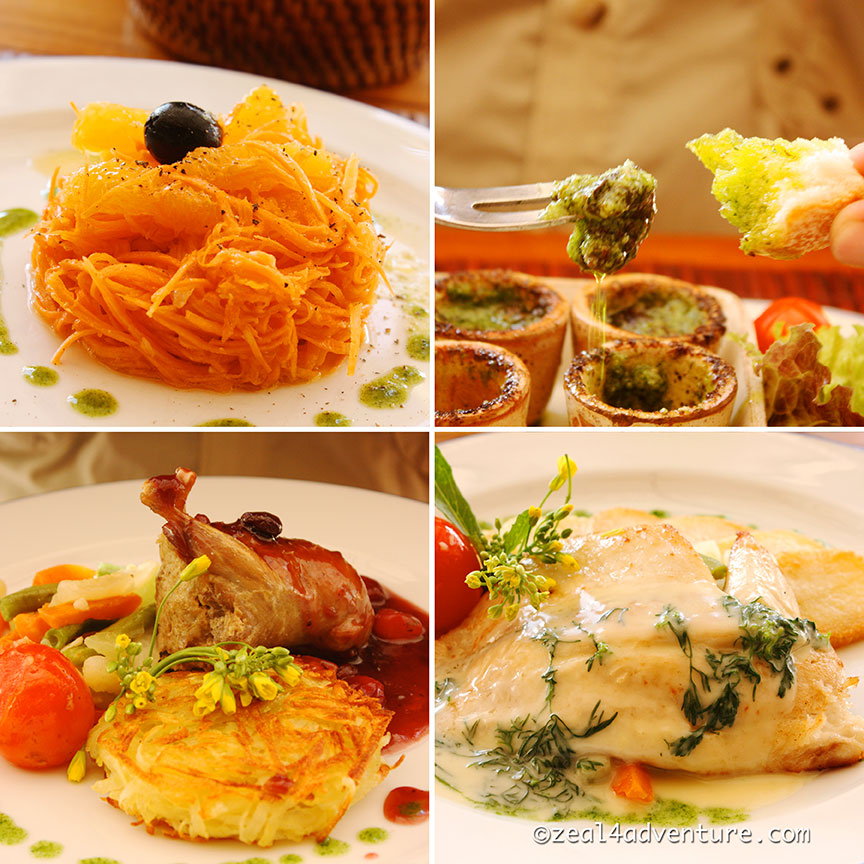
For starters we had a refreshing Carrot and Orange Salad and a superb Escargot baked in Garlic and Parsley Butter – cooked the way we like it.  For main, I had the Mekong Perch in Coriander Sauce and A had Stuffed Roasted Boneless Quail.  I say fine dining at its best in Luang Prabang.
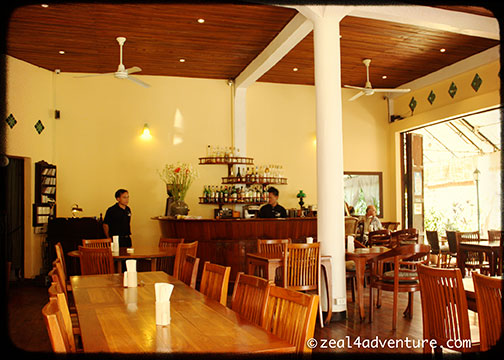
The laid back, open-air atmosphere with high ceiling fans half expects you to see Rick Blaine come out and entertain.

In between lunch and a traditional lao massage, we explored more of Khem Kong, definitely a very quiet street where many upscale hotels are located.

Khem Kong facing the Mekong

 One of many roadside restaurants with a view of the Mekong or the Nam Khan

We then visited the Haw Kham, which is now known as the National Museum.

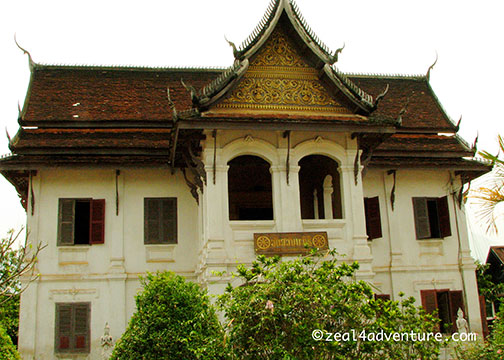
Once the Royal Palace, the building is a fusion of Traditional Lao and French design.  It houses an impressive collection of royal memorabilia and religious artifacts.

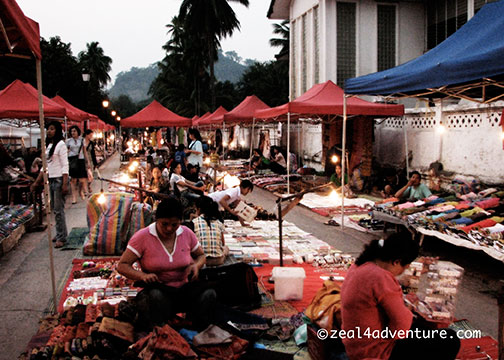
Every night, Hmong people come dowm from their villages in the mountains to sell their hand-made products,
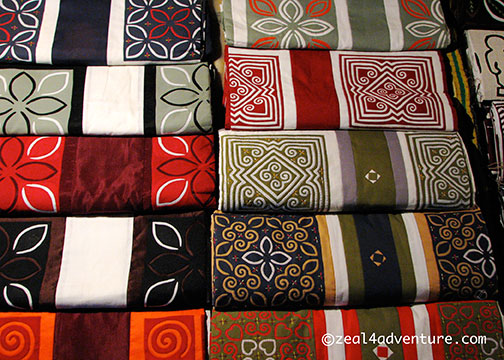
typical Lao arts and crafts that include appliquéd blankets, silver jewelries, embroidered bags and a lot more.

A short walk-through here is more than adequate if a bargain hunter you are not.  They  have interesting and tasteful designs at a bargain, the quality is another thing though. But I guess you get what you pay for.   🙂

Many of the stalls here sell Lao street foods but we had our eyes set on Mango Tree in a quieter part of Sakkarine St.
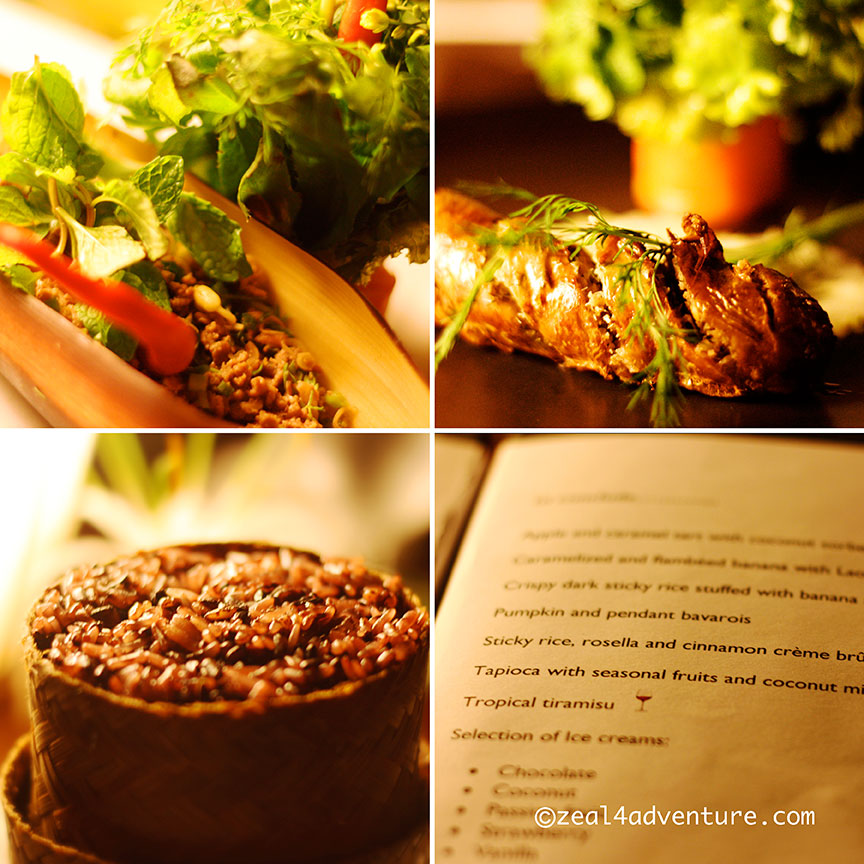
Suffice it to say that dinner was fabulous.  Superb Lao dishes plated beautifully and served in a casual garden setting.

An extraordinary meal to cap an ordinary day, I must say.
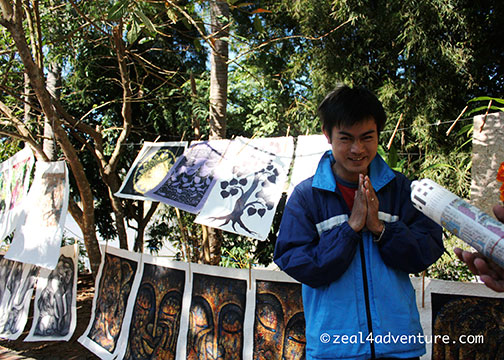
So tell me, how can you not fall in love with Mekong’s jewel, its beautiful people,

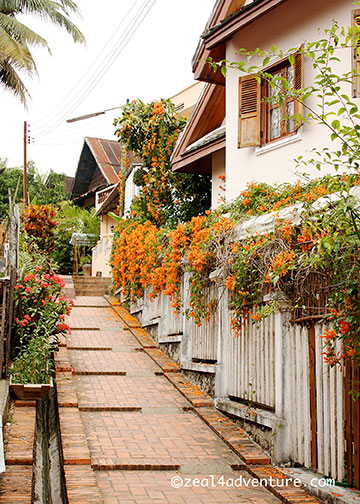
its heritage and its shabby chic French fused Lao architecture that is so uniquely Luang Prabang?
Useful Info:

Villa Deux Rivieres
Kingkitsarath Rd., Ban Khily
Luang Prabang, Laos
+856 207737 8575
 
Cafe Ban Vat Sene
Sakkarine Rd.,
Luang Prabang, Laos
+856 71 252 482
 
Le Banneton
46 Sakkarine Rd., (opposite Wat Sop)
Luang Prabang, Laos
+856 21 217 321
 
 
L’Elephant Restaurant
Ban Vat Nong
Luang Prabang, Laos
+856 71 252 482
 
 
Mango Tree
Sakkarine Rd.,
Luang Prabang, Laos
+856 71 253 750

Wat Xieng Thong
Khem Khong Rd.,
Luang Prabang, Laos
Admission: 20,000 kip
 
National Museum
Sisavangvong, Luang Prabang
+856 71 212 122
Admission: 10,000 kip


Early Morning Alms

I am not a morning person and waking up early can be such an effort.  Laos somehow has managed to get me up at the crack of dawn, and for good reasons.  When we snuck out of our hotel’s gate fence one early January morning, the streets were still quiet with only street lamps lighting our way to Old Town, as Luang Prabang’s historic district is called. Here, the day seemed to have started already.

Villagers found their spot, kneeling on mats, waiting with a basket of sticky rice, fruits or sweets.

Vendors likewise positioned themselves near tourists, waiting for an opportunity to sell.

We sat at a corner with our camera watching the day progress.

Every morning, between 5 & 6AM, the monks of Luang Prabang’s 30 or so temples collect alms from the kneeling pilgrims and some early rising tourists.

Barefoot, they parade through the picturesque streets single file from oldest to youngest in their burnt sienna robes carrying alms bowls over their shoulder.

Alms giving have been practiced here every morning as townsfolk provide the monk’s daily sustenance for hundreds of years now.  They say that the monks are only allowed to eat food given to them in the morning of each day hence the daily ritual.

Those that give, they also say, earn merits for the good deed.

Cultural aside, this century old tradition is a spectacle on its own – waves of mandarin clad monks flood the streets contrasting the green trees and traditional white structures.  And as soon as it has started, it is over, and people start going their way.  We head for breakfast.

Café Ban Vat Sene.  We had coffee and dessert here last night and were instantly drawn to the place – the atmosphere relaxed with a Parisian café vibe.  But you see a lot of those as Luang Prabang has a natural laid-back atmosphere with a large French influence from architecture to restaurants and bakeries.  The cool January air summons us to sit outside for breakfast and watch the last of the procession.

They make wonderful French breads– baguettes, croissants, pain de campagne… with homemade jams

and a freshly brewed pot of coffee – my day has officially started.

Useful Info:

This religious ceremony is one of Luang Prabang’s major attraction, tourists must learn to be courteous and respectful of this tradition.  Please click here to know what and what not to do.

Cafe Ban Vat Sene
Open daily from 6am – 10pm
For reservations, call: +856 71 252 482

A Day in Vientiane

Credits: Page from Kayla’s Tin Album by Shabby Miss Jenn.

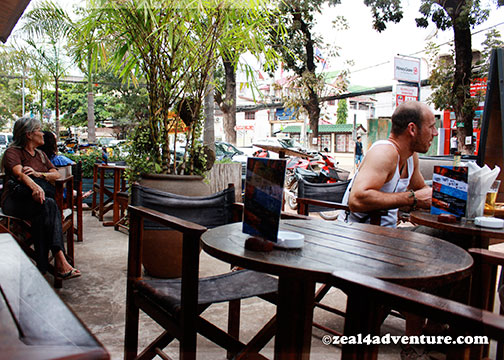
The outdoor seating at Dao Fa Bistro called out to us as we walked pass it.  We were tired from wandering the streets of Vientiane, visiting temples, doing some window-shopping and some real shopping along the way and resting our weary soles seemed like a good idea.

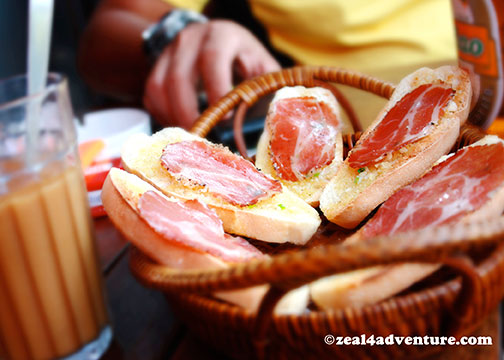
Right beside our table was a couple chatting over a plate of prosciutto on sliced garlic bread.  We decided to order the same.

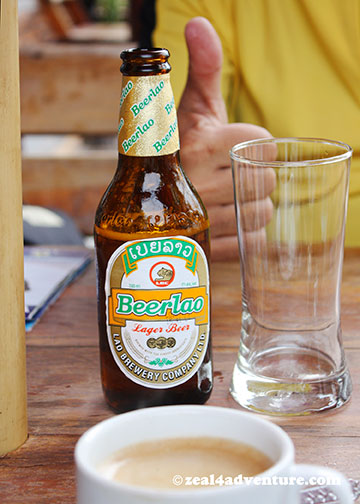
While we watched the people pass by, we devoured our basket of this heavenly tasting cured ham on garlic bread over iced coffee and cold Beer Lao.  How French can you get?  Laos was under French rule from 1893-1953, the influence evident in the many French inspired bistros that line the streets.

Our day started early at the LCCT in Malaysia.  An early morning flight to Vientiane had us arriving in Laos’ capital at around 9AM.  A taxi prearranged with our hotel was waiting for us outside the Wattay International Airport.  “Welcome to Vientiane” the driver greeted us.  A friendly guy wanting to know more – where are we from, how long we’re staying, where else we’re going, so on and so forth.  What a nice start to our Laos adventure, me think!

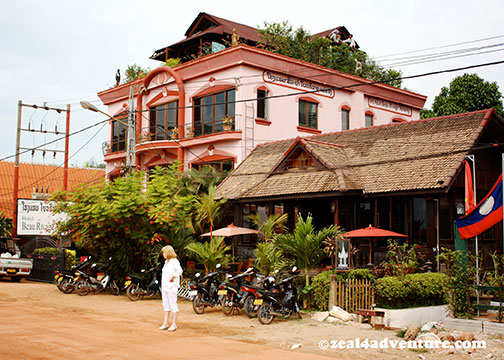
After 15-20 minutes probably (I was so deep in conversation with the taxi driver, I lost track of time), we arrived at what looked like a pink colonial 3-storey building on an unpaved road across the Mekong River.  We thanked the driver and paid him Kip 64,000, equivalent to US$ 8 for the pick up.

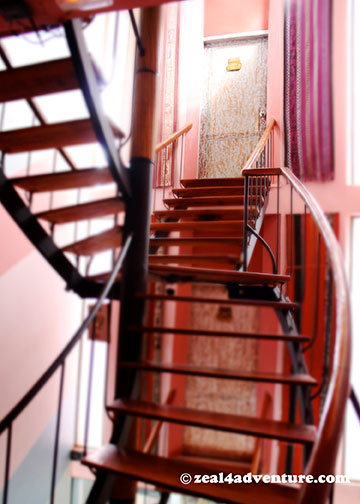
The cool modern design of the interior was a contrast to the colonial style exterior.  The color maintained the same scheme of pink and light blue of the exterior.  We were told to wait as they fix our room and we can wait at The Spirit House, the restaurant next door.

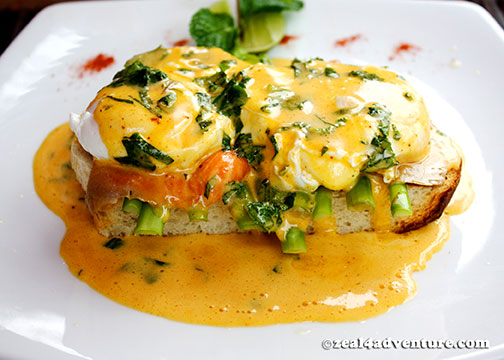
It was 10AM so we opted to share an Egg’s Benedict, just enough to satisfy our hunger but leaving space for lunch.   This was the first of many good meals throughout this trip.  But I was expecting that and would have been disappointed if our meal were anything less than good.  In 2008, when I first visited Laos, I was amazed to find the food here superb – Laotian, French or a fusion of both.  Not leaving out the charm of Laos, the food was one major reason why I went back and writing to you about it.

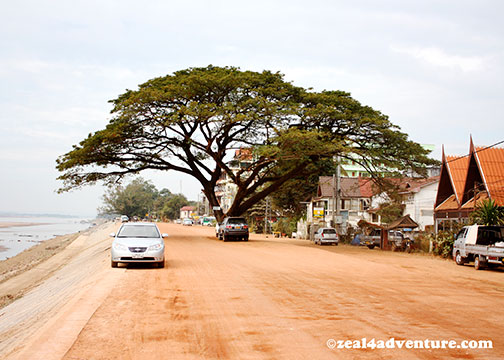
Hotel Beau Rivage Mekong is a boutique hotel sitting on a quieter stretch (road still unpaved) of Fa Ngum Road, a short distance from the center of town where the main “riverside scene” is.

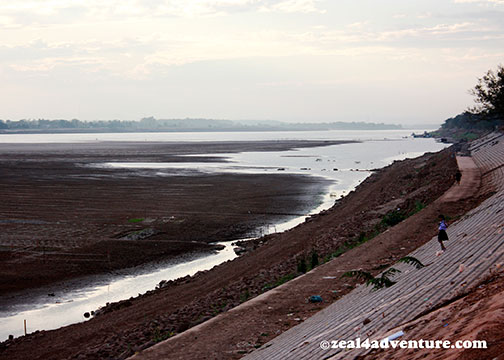
The Mekong River albeit practically dry in January serves as its main charm – great sunsets over cocktails is the main lure of their restaurant, The Spirit House.  A superior room would have the river view

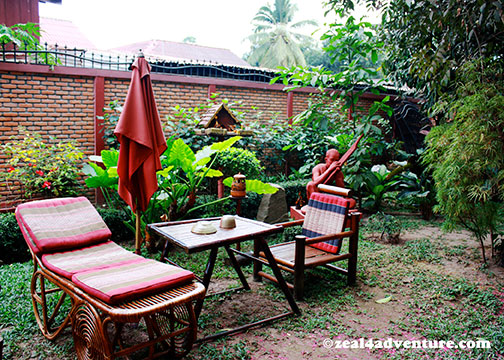
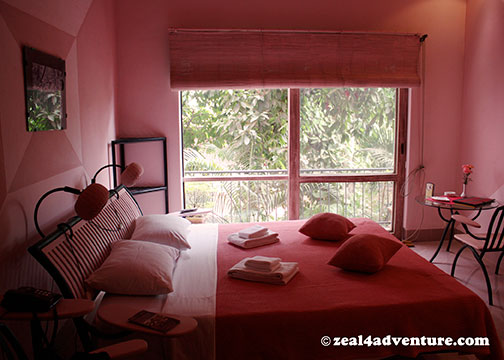
while a standard room at US$ 53, had the garden view.

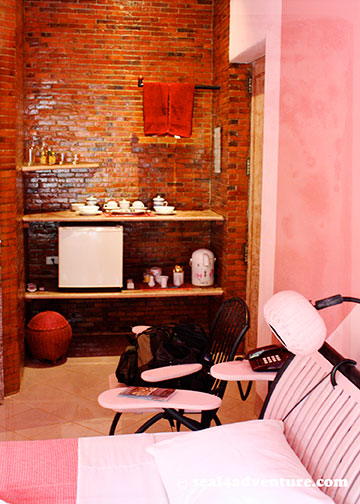
Our room was predictably pink – clean and spacious with a nice corner bar.

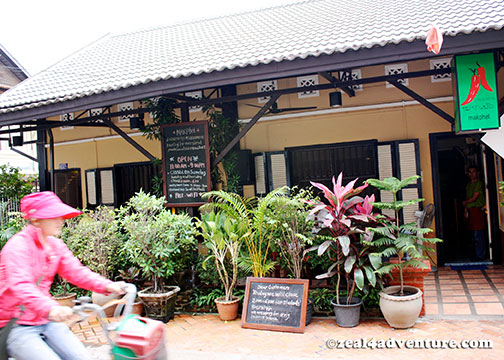
Leisurely walking to the main town, we would wander into streets; exploring shops that would catch our fancy when we happened to walk pass Makphet, a restaurant on the top of our list.

 We decided that lunch was going to be a little early since we were already there.

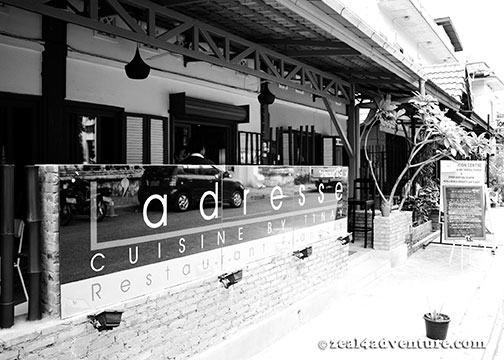
And as luck would have it, L’adresse de Tinay, the other restaurant we were eyeing was right beside so we made dinner reservations before we continued our exploring.

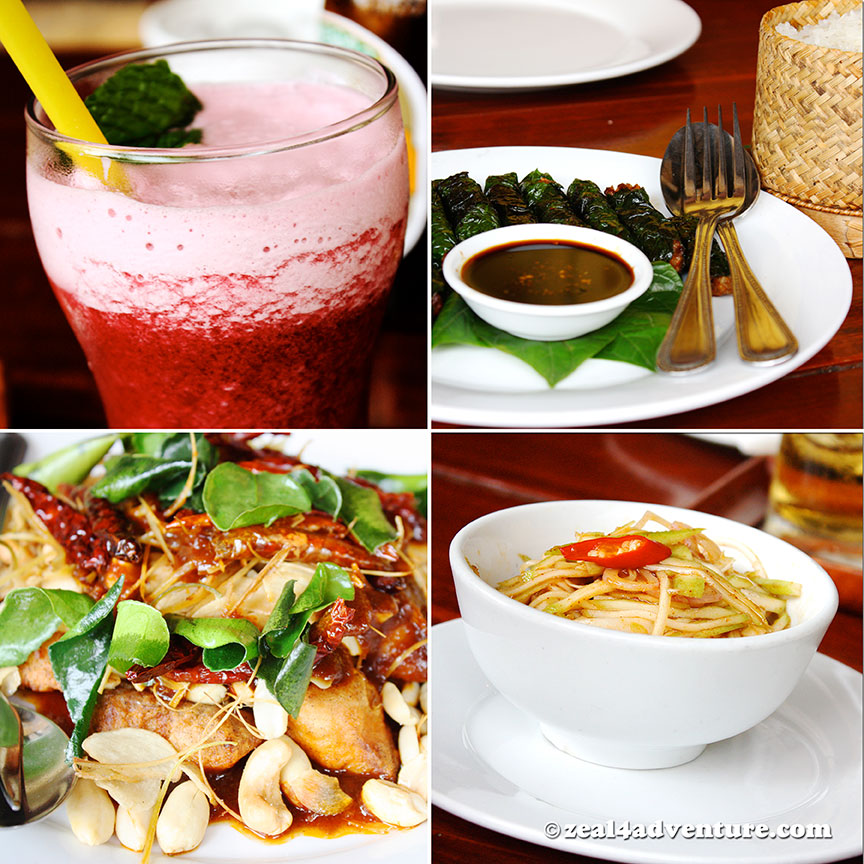
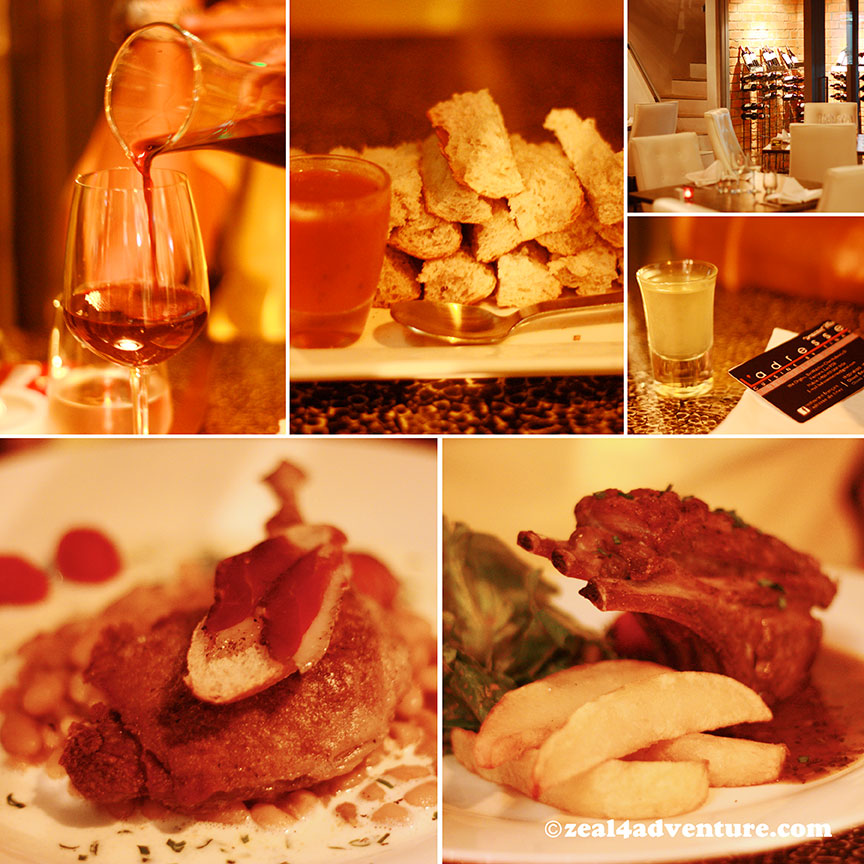
Clockwise: Grilled Beef Filet wrapped in Betel leaves with soy chili sauce, Green Mango Salad, Crispy Fried Mekong Fish with Sweet and Sour Tamarind Sauce, Red Hibiscus & Lime Breeze.

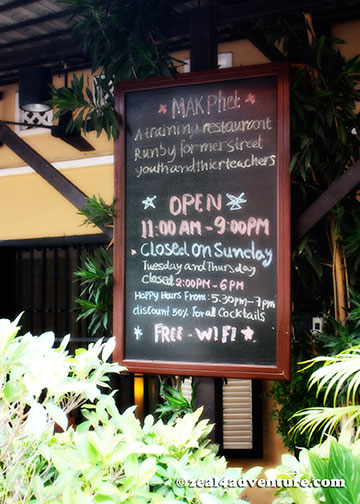
 Ranked by the 2009-2010 Miele Guide as one of the best restaurant in Asia, Makphet is a nice cozy restaurant serving modern Lao cuisine.  Not only do they serve wonderful food here, they are a “training restaurant” as well.

A training restaurant consists of culinary instructors from organizations such as Friends International to train homeless children and youths in the kitchen and in the front of house.  The group now run and support similar projects in Cambodia, Thailand, Indonesia, Honduras, Mexico, Egypt and Myanmar.  Needless to say, the dishes we chose were excellent and service was good.  They taught them well.  Be sure to get there earlier as the place can get packed.

* More on Makphet here.

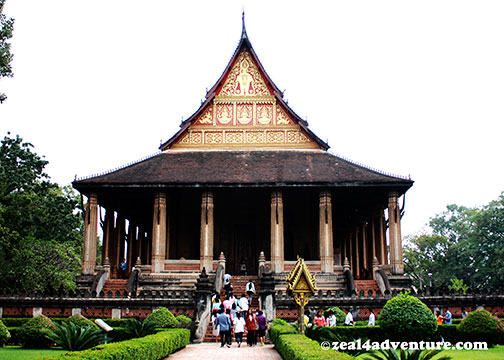
Stuffed yet happy to be ticking off one item off our long list so early in the trip.  We walked to Haw Phra Kaew, once a royal temple of the Laotian monarchy that now houses a decent museum of Laotian art.  Built in 1565 by King Sethathirath as his private sanctuary.  This charming temple used to house the famous Emerald Buddha, which is today housed in Bangkok.

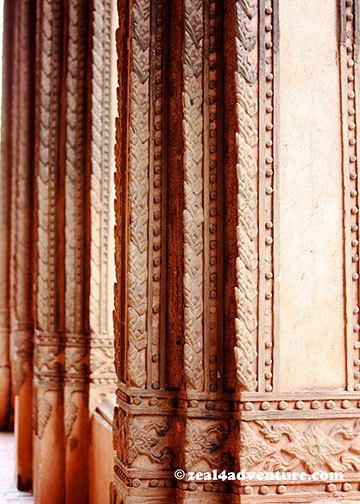
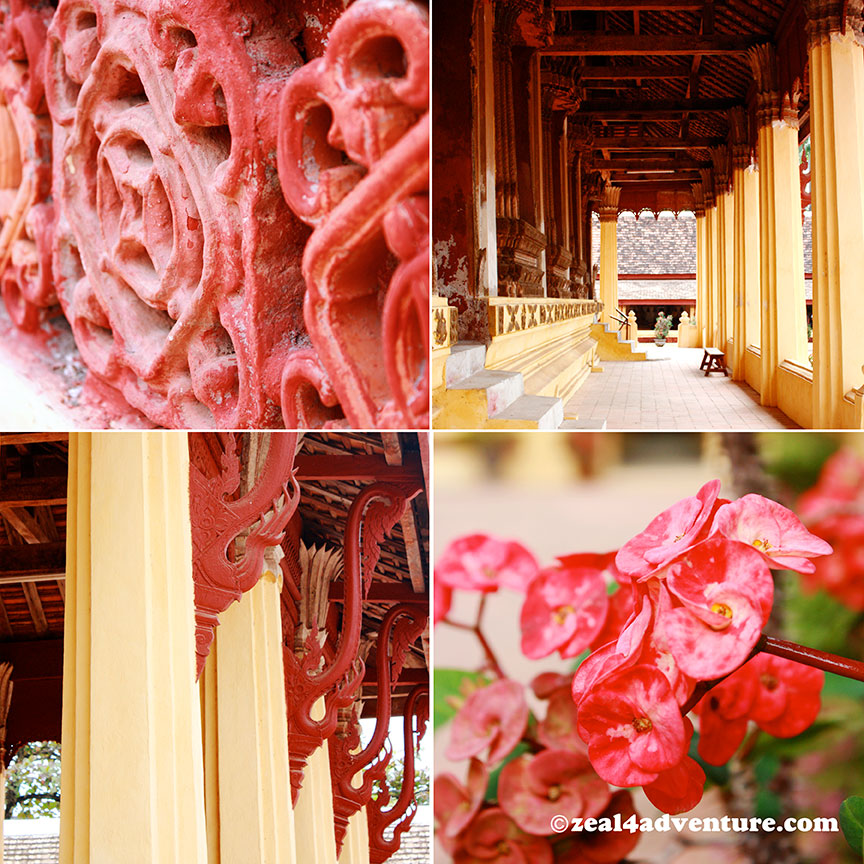
Intricately designed columns surround the temple

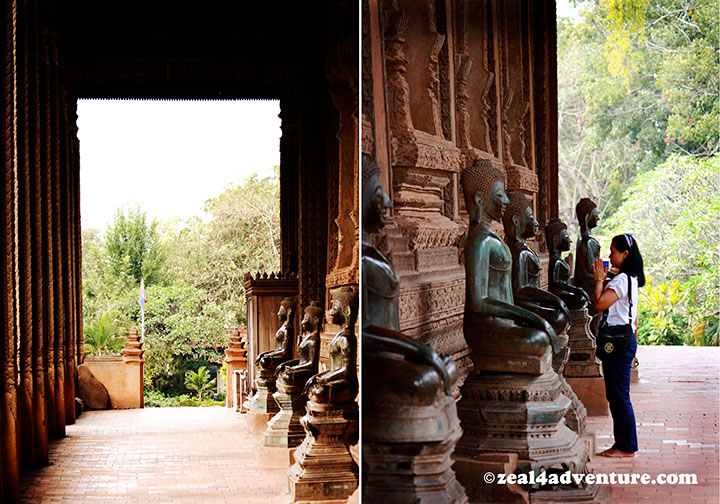
and buddhas grace the hallways where many still worship.

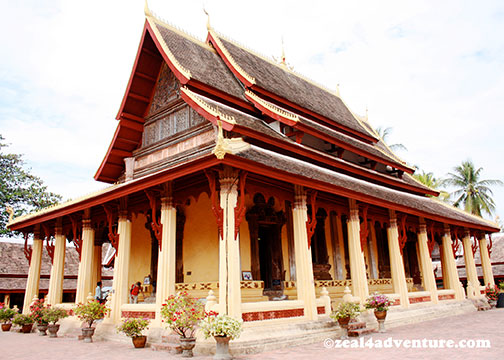
Practically across Haw Phra Kaew on Setthathirath Rd. is Wat Si Saket – a favorite and no doubt one of the most beautiful in Vientiane.  Both are important Buddhist sites but the latter is known to be the oldest temple still standing.

Modernization:  This was what greeted us at the entrance.

Built Siamese (Thai) style rather than Lao style, which could have saved the temple from destruction when the Siamese army destroyed and burned most of Vientiane in 1828.  The French restored the temple in 1924 and again in 1930.  The sim or the ordination halls stands in the middle of a square cloister.

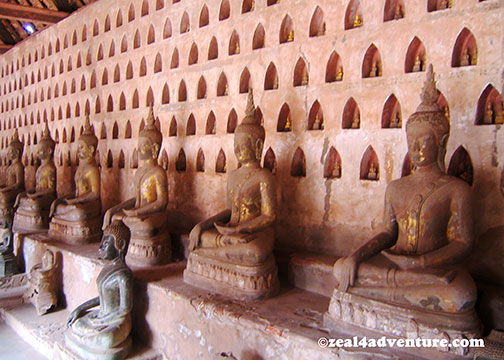
Thousand of small niches were built at the outer walls of the cloister with small Buddha images on each niche.  On shelves in front of the wall are three rows of Buddhas in various shape and size.

Along the edge of the cloister were potted plants abundantly blooming bringing life to the faded yellow walls and pillars, exuding a tranquil charm all its own.

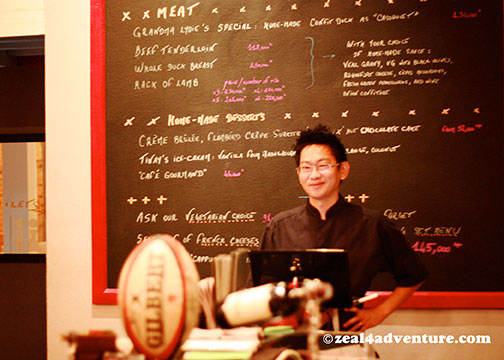
Dinner at L’adresse de Tinay was the perfect cap to our tiring yet beautiful day in Vientiane.  Tomorrow, we journey on to a Vang Vieng.  L’adressee is so to speak the newest kid in town serving outstanding French cuisine.  When we arrived, we were shown to the table we personally picked that afternoon.  A young man in black came out to greet us and get our orders.  Deliberating on what to order, the young man started giving his two cents worth and recommendations, owning up to the dishes when it hit me…  “Are you the chef?” I asked and he smiled and humbly introduced himself as Chef Tinay.
Trained in France, he went back home and opened this gem of a place with the help of his French wife, Delphine.

Main dishes: Duck Confit served as a cassoulet with Toulouse Sausage in sweet garlic cream (bottom left); Perfectly cooked Rack of Lamb (bottom right)

Everything we had from start to finish was excellent, ending with Delphine’s Limoncello, which she herself served.  Excellent French meal for US$ 40 per person… can you actually believe that?

* More on L’Adresse de Tinay here.

And with that we went to bed pleased at how well the day went.

Useful Info:

Hotel Beau Rivage Mekong
Fa Ngum Road, 
Ban Seetarn Neua,
Vientiane, Laos
+85621-243-350
Email: contact@hbrm.com
 
Makphet
Behind Wat Ong Teu parallel to Sethathirat Road,
Vientiane, Laos
+85621-260-587
Email: Makphet@friends-international.org
 
L’adresse de Tinay
Behind Wat Ong Teu parallel to Sethathirat Road,
Vientiane, Laos
+85620- 913-434
Email: ladressedetinay@gmail.com

Taroko: An Edgy Start

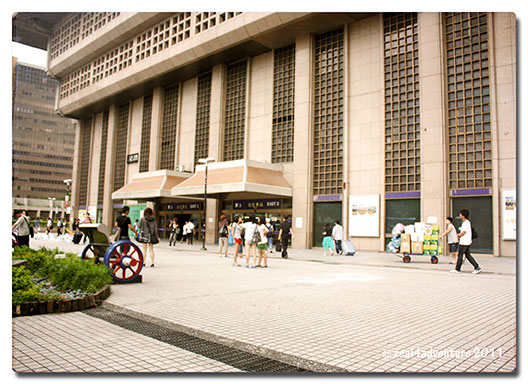
Our journey to the east coast of Taiwan began when we got off the cab at the Taipei Train Station with our backpacks in tow.

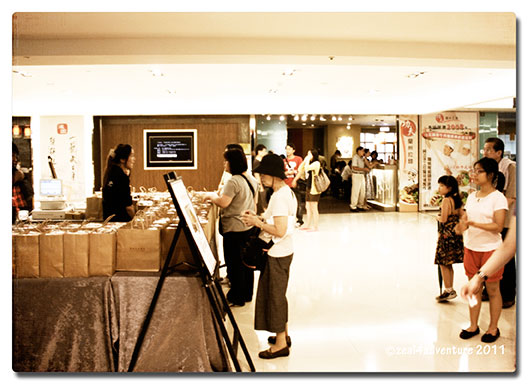
The station is a large building housing several rail services with an array of shops and restaurants on the 2nd floor.

Getting ourselves acquainted with the station the day before we thought would prepare us for a stress-free travel.   Not quite!

Taroko Gorge, one of the most fascinating areas of Taiwan, is accessible by plane or train.  Unless pressed for time, we like traveling by land, in this case by train.  While we are able to see more of the place, it is likewise a cheaper way to travel.  Sincheng (Hsin-Cheng) station is the closest station to the Taroko Gorge National Park and because our hotel is located within the park, we took Lonely Planet’s advice and bought our tickets to Sincheng,

which we soon realized, is a small station in a small town.  The more common route to Taroko is through the Hualien station (a different train passes that station).  That however is still an hour’s drive to the National Park.

To make matters worse, on the B2 level where we were to board, there are 2 lines going on opposite directions.  The ticket didn’t give much information — it was written in Chinese save for the word “Sincheng”.  It didn’t specify which train/line to take, at least not in English.  All we had were the platform number and the time of departure.  None of those we approached (young or old) could help us because they either did not speak much English or they didn’t know where the hell Sincheng is.  A and I looked at each other and without speaking burst out laughing reminiscing about our bus mishap years ago, very aware that what happened in Uganda might just repeat itself in Taiwan. It really wasn’t something to laugh about but…

We eventually found (and I assume was) a customer service booth.  And with the little mandarin I know and a lot of pointing, we boarded our train hoping for the best.

Three hours later we found a cab parked outside the Sincheng station and in 10 minutes, we were unloading our backpacks at the Leader Village Hotel, our home for the next 2 nights.

Winding through a zigzag road, the drive to the front of the lobby melted away the tensions of the day.

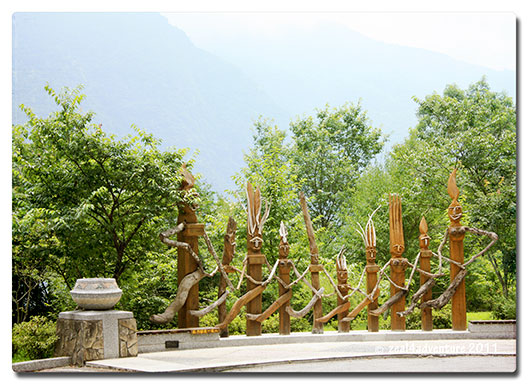
A welcome party greeting guests at the driveway.  Fun sculptures are found around the hotel grounds.  

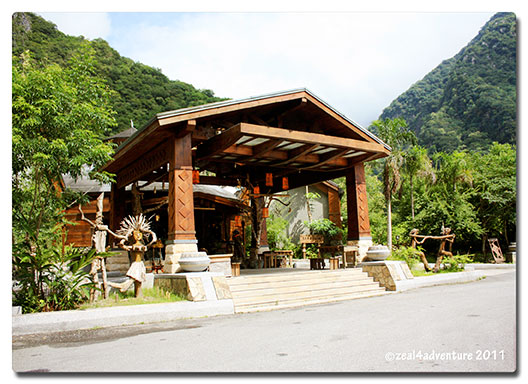
Spectacularly situated on the Buluowan plateau, the Leader Village Hotel, surrounded by green mountains, was a sight to behold.

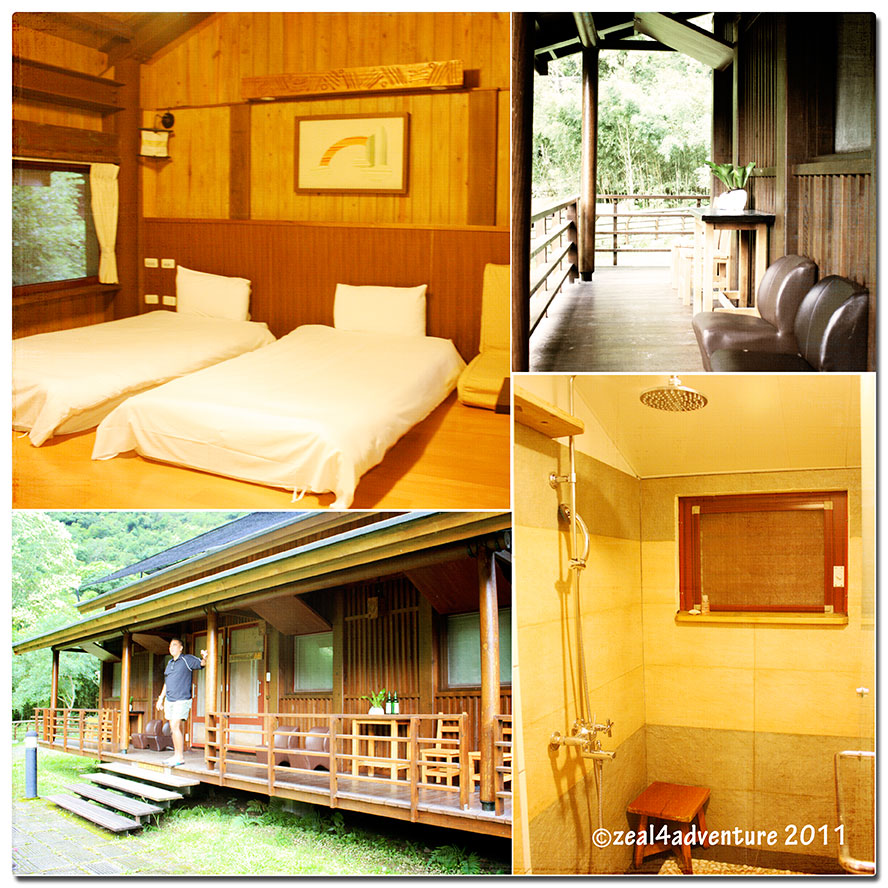
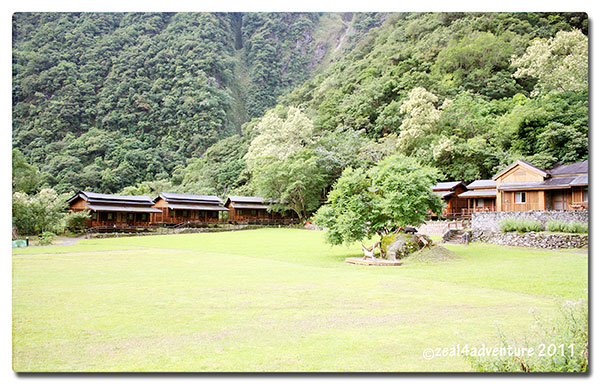
Set in fabulous scenery, native aboriginal themed wooden cabins were built in clusters all over the hotel grounds.

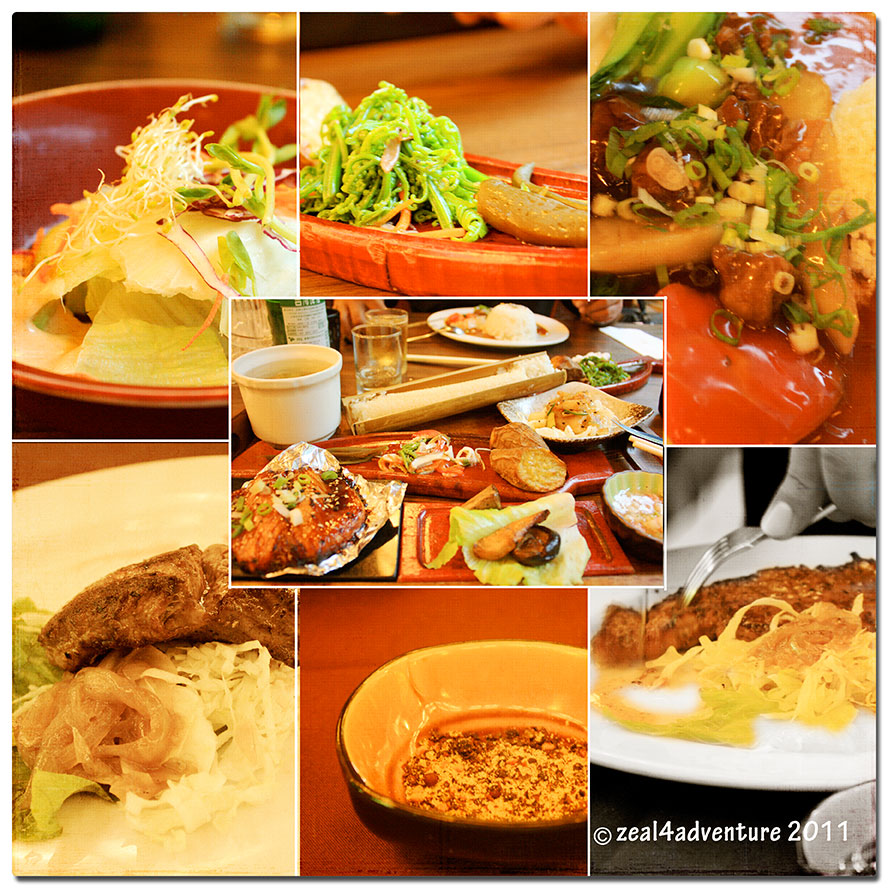
Known too for their restaurant, meals were a combination of western and aboriginal dishes.

Aboriginal dishes came as a set meal (middle pic): an order of grilled tilapia with different vegetables including sweet potatoes.  It also came with sticky rice on a bamboo.  Steaks were tender, superb when sprinkled with a dry spice mixture.

The staffs are mostly Taroko aborigines and after dinner, we were treated to a cultural show performed by the children of the Truku tribe.

The cabins are spacious, clean and rustic complete with modern amenities such as rain showers and TV.  Although the beds set on the floor is quite charming, getting out of bed was an effort… a sign that age is creeping up on us!

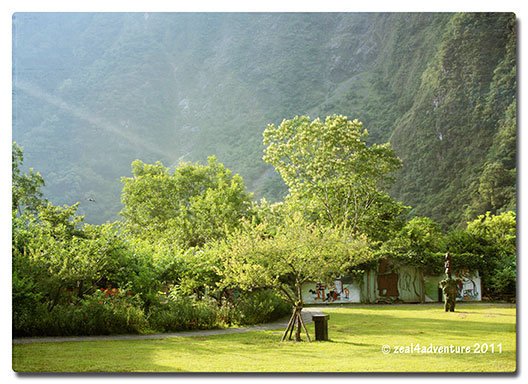
The best part though is to wake up to this.  I could sit on our porch the whole day and I’ll be a happy camper.

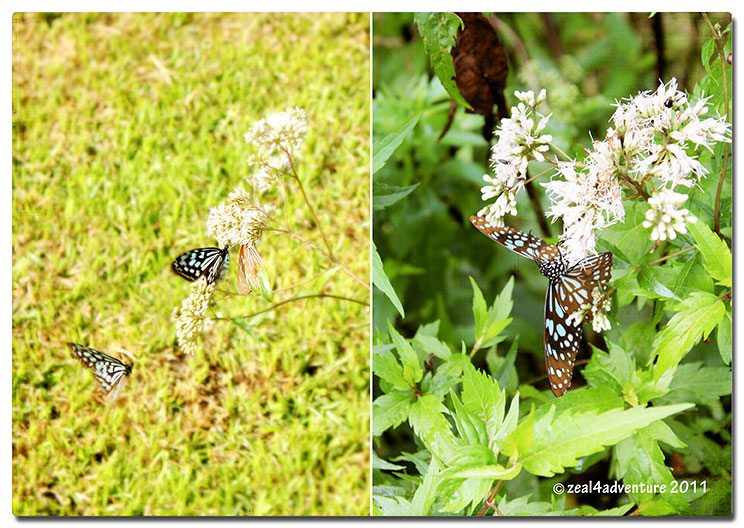
Just in front our cabin.  The grounds so green, butterflies abound.

But laze around we didn’t do of course as the beautiful grounds invites to be explored.

Dramatically set above the gorge proper with fabulous scenery everywhere, Buluowan was where the Taroko aborigines once lived and held festivals and celebrations.  Divided into the upper and the lower terrace, the hotel is on the upper while several trails, a recreation area including an exhibition hall are found on the lower terrace.

After breakfast, we explored the upper terrace.  Behind the hotel is a short nature trail aptly called Bamboo Grove Trail.  It was a cool walk through a bamboo grove.

It wasn’t so bad after all.  All is well that ends well.

More of the lower terrace up next.