30 Random Things to Do in Sagada

sagada-random

I love the mountains.  I often find myself craving for the crisp fresh scent of pine air. Although that yearning is not always appeased, I do try to indulge every so often by spending a few days up in the mountains, sometimes Baguio will suffice but many a time it’s Sagada that I yearn for.  Many ask what I do when I’m there.  On many occasions, it’s just spent chilling out but there are so many activities worth exploring and here are some that came to mind (some still unchecked on my bucket list). Inspired by the 25 random things about you that is currently promulgating Facebook, here’s my random list of things to do in Sagada, except that I got carried away and came up with a list of 30.  This list covers an array of activities from chilling to thrilling and all the in betweens.  Do add to the list!   😉

  1. Hangout at the Basketball court near St. Mary’s Episcopal Church and get to know the locals and/or fellow travelers.
  2. Buy the best bread in Sagada at Masferre Inn.
  3. Explore Sumaging Cave or better yet, do the connection and traverse to Lumiang Cave.
  4. Trek to The Big Falls (Bomod-ok) passing through beautiful rice terraces.
  5. Take a dip in the icy-cold water of the Big Falls.
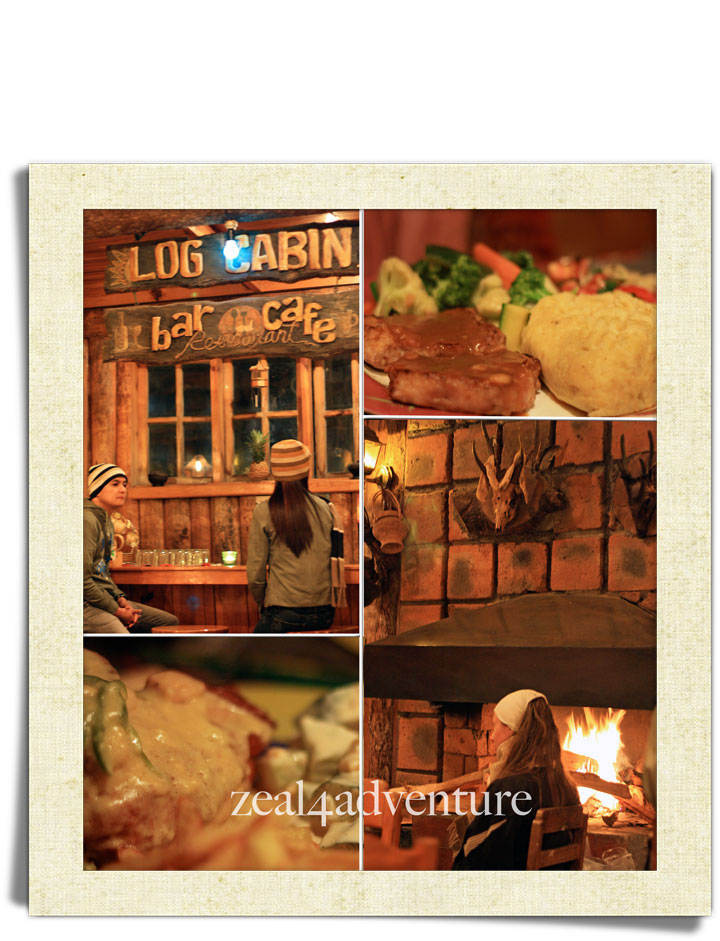
  6. Order the Pork Tenderloin specialty at Log Cabin.  One can’t leave without having tried it.
  7. Take an afternoon merienda of German Chocolate cake (best with coffee) at the Cooperative in front of St. Mary’s.
  8. Pay a visit to the Pottery workshop on your way to Lake Danum.  A bit pricey but the craftsmanship is first class.  Investing in at least a piece or two will not only make a superb souvenir, it fires up the sagada-coffeepotters to forge on as well.
  9. Get lost in Kiltepan and delight in the panoramic view of the terraces at the tower.
  10. Walk around town, visit the market especially on a Saturday, it’s market day.
  11. Ride top load (the roof of) a jeepney (if you’re coming from Bontoc).  It’s fun and less dusty.
  12. Pick up some Sagada coffee at 18 Days Coffee Roasters.
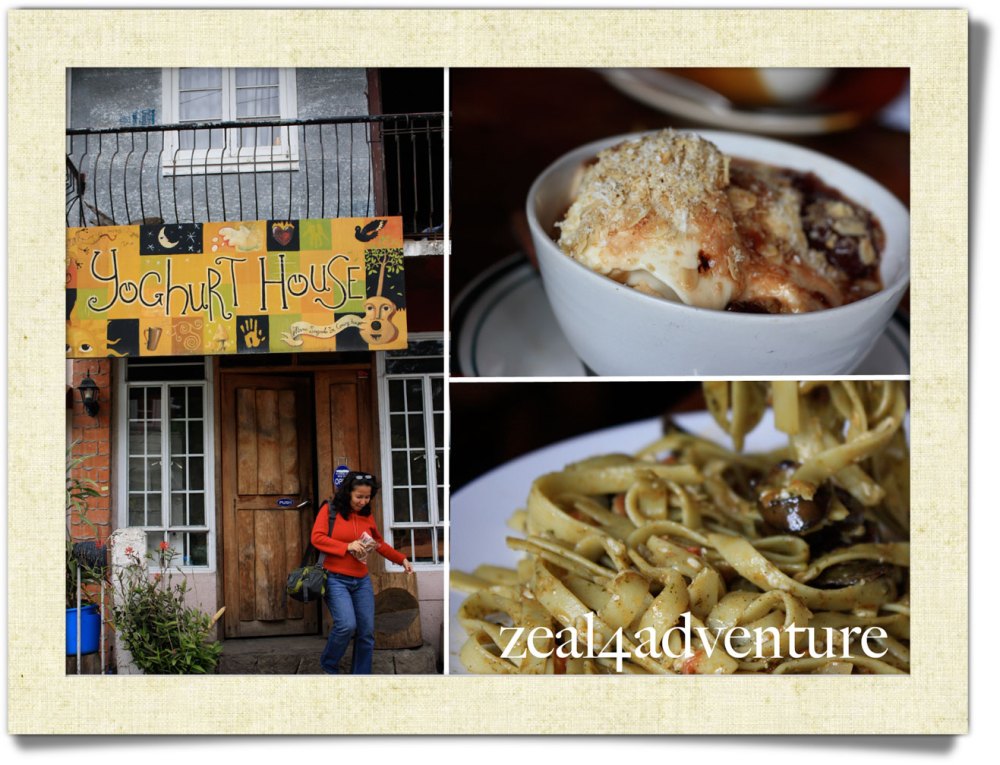
  13. Devour the fantastic yoghurt at Yogurt House.
  14. Climb the walls of Echo Valley.
  15. Or if you can’t climb, how about counting the hanging coffins at Echo Valley instead?
  16. Have the nummy Banana Crepes at Ganduyan Inn.
  17. Stay at Mapia-aw Pensione and enjoy the stunning view from your room or balcony.
  18. Or alternatively, get a cottage at St, Joseph and enjoy the privacy of your own place.
  19. Go orange picking at Rock Inn.
  20. Stop by Masferre Gallery to ogle at the awesome photos of Sagada taken in the 30’s, 40’s and 50’s by the late Eduardo Masferre. sagada-lemonpie
  21. Read a book while enjoying a piece of either the lemon or egg pie at the newest town fancy, Lemon Pie House.
  22. Wake up early and bike to Marlboro Country to try to catch a glimpse of the wild horses.
  23. Try itag, a cured meat similar to a slab of bacon, unsliced.  Best in soup, monggo or pancit.
  24. Conquer Mt. Ampacao and revel in the outstanding view once atop it.
  25. Enjoy a picnic of wine, cheese and some cold cuts while admiring the beauty of Echo Valley.
  26. Bike to Besao and witness the sunset, raved to be the best in that side of the cordillera.
  27. Get a massage at the privacy of your room or cottage.
  28. Play board or card games or simply relax beside the fireplace at either Mapia-Aw Pension or St. Joseph Resthouse.
  29. Go shopping at either Sagada Weaving or Ganduyan Store.  They have lovely locally produced items for keepsakes.
  30. Raft the Chico River from Dantay to Bontoc.  To do so, look for Steve Rogers – he’s not hard to find.

Reminiscing Batanes

mwtsquare

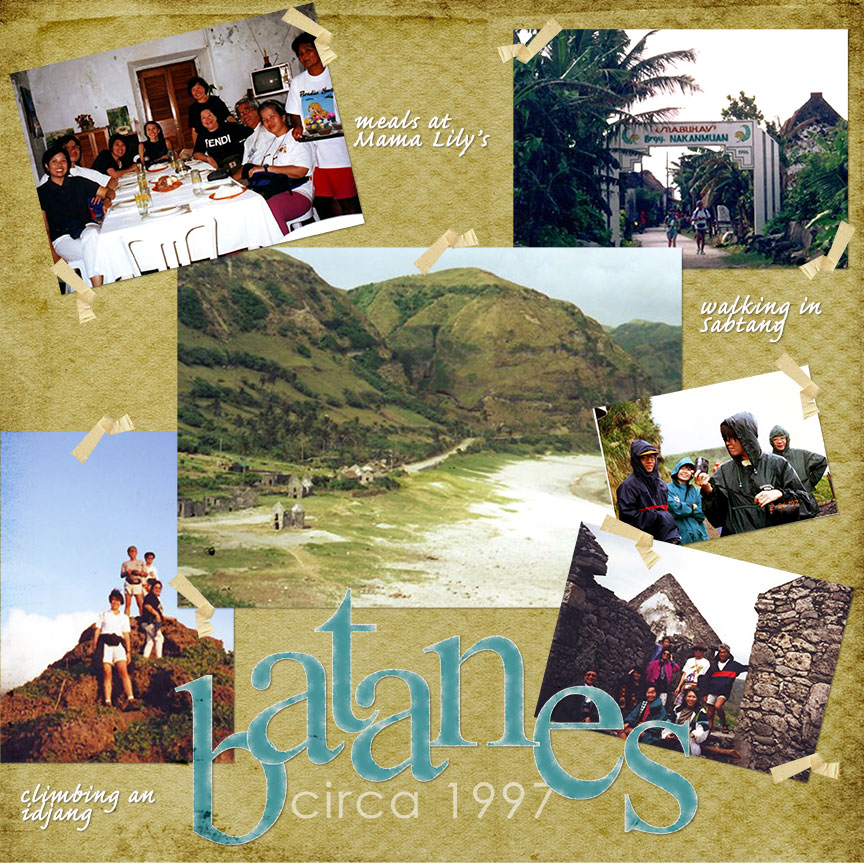
The first time I became aware of this group of islands called Batanes was when I saw this Filipino film –  “Hihintayin Kita sa Langit” which catapulted to stardom two established actors in my side of the world (and it just dated me too). Since then I became obsessed in stepping foot on this islands of the Ivatans.  In 1997, that obsession came to fruition.  It was my first taste of rugged travels.  I feel privileged to have witnessed the Batanes of before… before its commercialization to a certain degree, that is.  At that time, there was only one jeep going around the island of Batan.  So we walked almost everywhere, even climbed an idjang – a pre-hispanic mountain fortress where the locals sought refuge during tribal conflicts. There were only a few places to lodge; we stayed at Mama Lily’s.  It was clean and comfortable albeit spartan.  And because there were hardly any restaurants then, we’d have home cooked meals courtesy of our host.  Fortunately, she cooks and cooks well.

Getting to Sabtang is an adventure of its own.  The only way to get there is by boat or what they call falowa.  If the sea gets a bit rough, expect your inside to turn topsy turvy as well.  Expect to take the trip with chickens, goats and sometimes a cow… yes a cow!  We’d hike the whole island, spending the night camping in a school gym at Sumnanga; halfway around the island, then we’d walk back the next day to catch the falowa back to the main island, Batan.  Those were the days.

batanes-circa-97Credit: Paper – Joyful Hear Designs Plain Jane – Olive; Alpha – PDuncan Carnival Alpha; Element – Hoyfyl Heart Designs – Plain Jane Tape

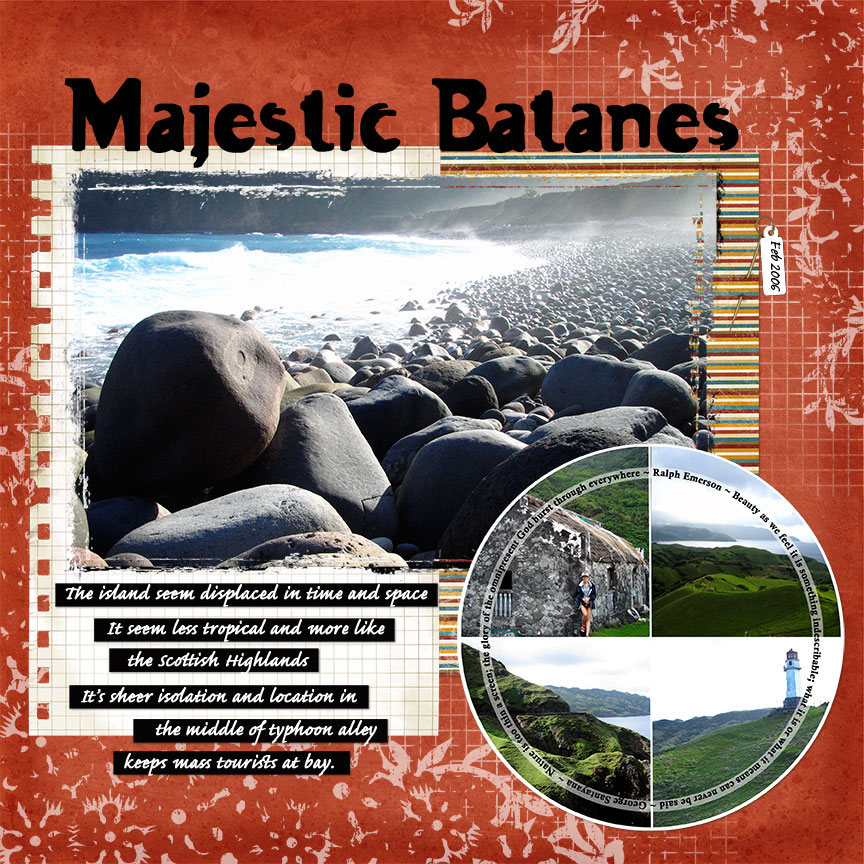
Nine years after my first Batanes encounter, I found myself back in 2006. There were evident changes – vehicles, more than one and more than one kind were now all over the island.  There were a lot more lodges and inns, some restaurants, even a pizza place but despite all this, it is still the Batanes I reveled in almost a decade ago.  Mama Lily has long migrated to the US and when I passed her house, fond memories (of her food actually) came flashing by.

batanes1Credits:  Alpha – Asman; Papers – KPertiet Cotton Easter – red; KPertiet King Me Paper; KPertiet Graph Note Paper; Overlay – KPertiet Graphic Sun Prints OV; Tag – KPertiet Stick Pon2 Red Tag; Template – JSprage 4 square template; Frame- JSprague Grunge Frame 1

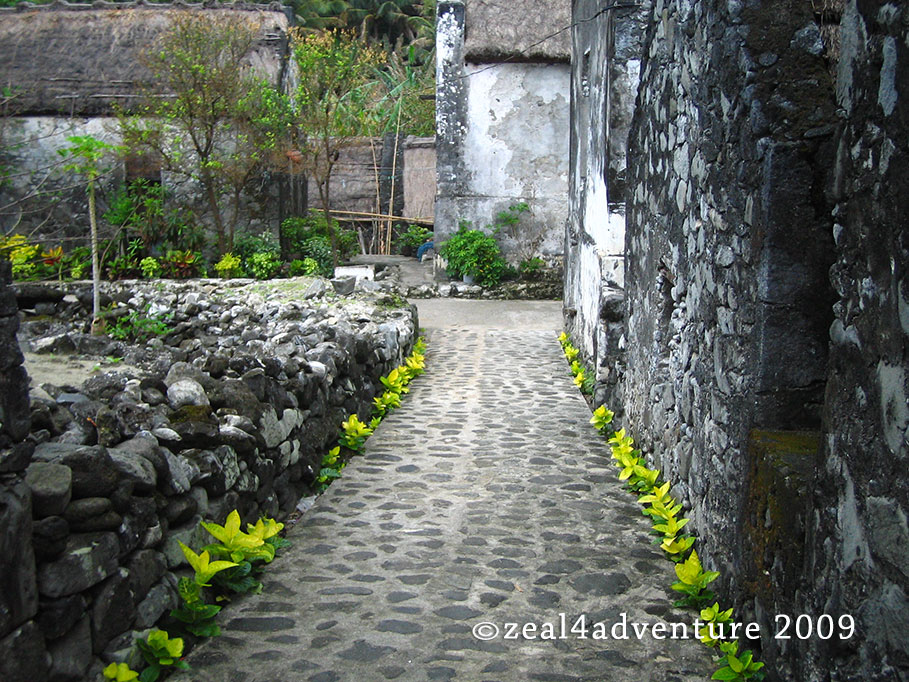
Sabtang, my favorite island of Batanes, has not progressed as much as Basco has.  The only way there is still by falowa (and still taking on both humans and animals).  Sabtang still leaves me breathless.  It makes you feel like you’re in another world.  Although you can now arrange for a vehicle to take you around the island, walking is still the main means especially among the locals.  Truth to tell, you get see more of the island by foot so if you can, take the vehicle up to a certain point (probably Chavayan) and hike the rest of the island.  Still no inns and only a few stores that offer food in the island, our contact in Basco, had someone cook dinner for us.  The food was great but we were so stirred by their warm reception.  Their pride was so evident as they talk about their island and simple cuisine (which consisted of a lot of root crops, turmeric and seafood, particularly lobster, crabs et al). Camping days are likewise over, the School of fisheries in Centro has dormitory rooms, albeit few and basic, indoors nevertheless.  I heard that there now exists a Sabtang Lodge, which I have yet to verify and see for myself.

chavayan_0828

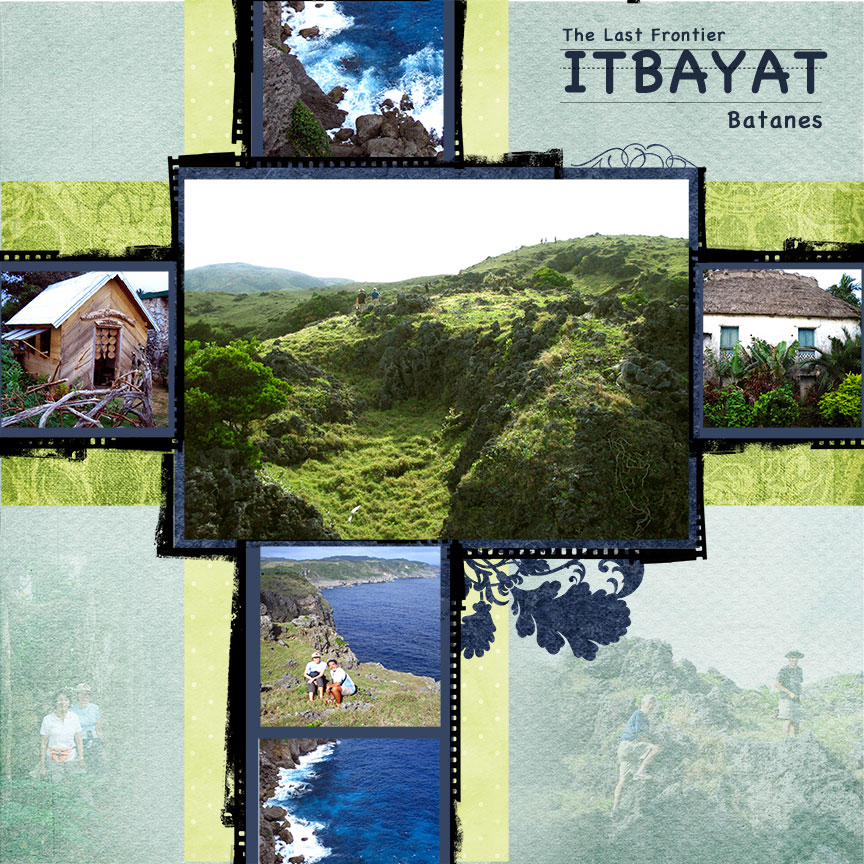
It is now possible to fly to Itbayat when the only way to get there before was by falowa – four hours of rough sea.  Sheer torture, I’m sure.  Itbayat, the farthest northern inhabited island, can be considered the Philippine’s last frontier.  Its rocky island is a great place for trekking.  We barely scratched the surface as we only did an overnight.  We visited a cave that led to a rocky hilltop overlooking the sea.  It was awesome and quite different from islands of Batan and Sabtang.  This needed going back to and we decided that this year would be a good time to go… well we tried.

itbayat-islandCredits: Paper – DJE PP3, Joyful Heart Designs Plain Jane-Seafoam, Scarlet Heels Media Carnival PP1; Frames – JSprague Flurish Frame, KPertiet Snap Frames; Element – Jack n Me Alpha blank

Needless to say, plans didn’t pull through. Why? You ask.  First, we found out that the airport where the planes takes off to Itbayat is currently under construction and there is still no solid plan as to its resumption.  And to my dismay, but to my friend, S‘s delight… you see, she had to back out of this trip because of this thing called work.  But I digress.  So to my dismay, when some (I wasn’t about to cancel) went to cancel their flights with Zest Air (formerly Asian Spirit), they found out that flights in February were still up in the air (no pun intended).  They revealed that their entire January flights were canceled due to aircraft shortage.  Unbelievable!  We didn’t have a sure flight to Batanes after all?  And we weren’t informed about it until someone went to cancel?  By that time SeaAir (the other Airline that flies to Batanes) was fully booked.  Hmmph!!  But it’s only February, you may wonder.  Well, we could if we really want to push it and go in March or April but I just love it there during the cool, breezy months.  It’s really the best time to go.  After summer comes typhoon, and you don’t want to be there at that time, believe you me! So perhaps next year and perhaps not with Zest Air.   😉

And that’s “the not so sad” tale of my recent Batanes trip that never was.   😕

This has been my entry to That’s My World Tuesday.  Go visit to see more.


The Yangshuo Charm

After chemo in 2005, I decided to take a short trip to China to cap this chapter of my life.  I wanted to start living “my life” again, the way I used to, even if I had to take baby steps to get back into my groove.  (I owe this story about me and I WILL post it as soon as I am ready to share.)  Anyway… Chose Yangshuo because it was close enough but it was not your typical Chinese town either.  It was still quite off the beaten path where backpackers still abound.  You get the same, if not better landscape in a vacation town with a plethora of interesting eateries and little shops as opposed to the big city of Guilin.  I like Yangshuo because it was small enough to explore, not intimidating at all.  Baby steps…

yangshuo

Credits: Alpha: Katescrap Barechip;  Papers: Clyle-carnival paper 2, Dmogstad – carnival paper, Hroselli – carnival paper- cream, Pspringmann – carnival paper;  Elements: ideacetis – carnival – lace (1), mmartin – carnival – beadswirl;  Frame: Joyfulheart Designs – plain jane single frame.

Outside of eating and shopping in town, the countryside and the Li River has a lot more to offer.  You can should do the following:

Ride a bike – wander through the countryside and enjoy the dramatic mountain backdrops.  The people are generally friendly.  Our guide went the extra mile and brought us to her home in the countryside and cooked us lunch.   😀

Cruise around Li River – take it from Xingping where the best limestone formations starts.

Rock Climbing – if you are into that.

Watch Impression of Lui Sanjie – by far the best thing we did in the 4 days we were there.  The show runs nightly during peak season.  It features a cast of 500 fishermen and a highly impressive light show performed on the Li River with the limestone formation as backdrop.  It was awe-inspiring, simply “goosebumps” amazing.

impressions

Yangshuo is about an hour away from Guilin.

A New Year Away from it All

Wish you stayed away from the noise and smoke of Manila during the New Year?  You did?  I did.  The clean, crisp air, cold weather, beautiful pine trees, delicious yoghurt of Sagada was enough to convince my friends to meet me in Baguio after their climb.  Their climb was a 3-day hike up the summit of Mt. Ugo, which I (sadly) couldn’t join because my family has this annual vacation that’s usually planned around the Christmas break.  This year we decided on Ubud in Bali so that’s interesting enough for me not to be too envious, right?  But after seeing their photos, I’m now officially envious.  ANYWAY, when I heard of their plans, I suggested New Years in Sagada.

And so, on the evening of the 30th, straight from the airport, I went home only to change backpacks and off I was to Baguio.  We took the 6 o’clock bus the next morning and arrived in Sagada by noon in time for lunch at my favorite Yoghurt House.  This cozy hole in a wall is one reason why I never tire of Sagada.  This was where I fell in love with anything with yoghurt.  Not always available but if they have it, their Yoghurt with Bananas, Strawberry preserves and Granola is a definite “must try”!  But even without the preserve (which is more often than not), it still comes highly recommended.

yoghurthouse

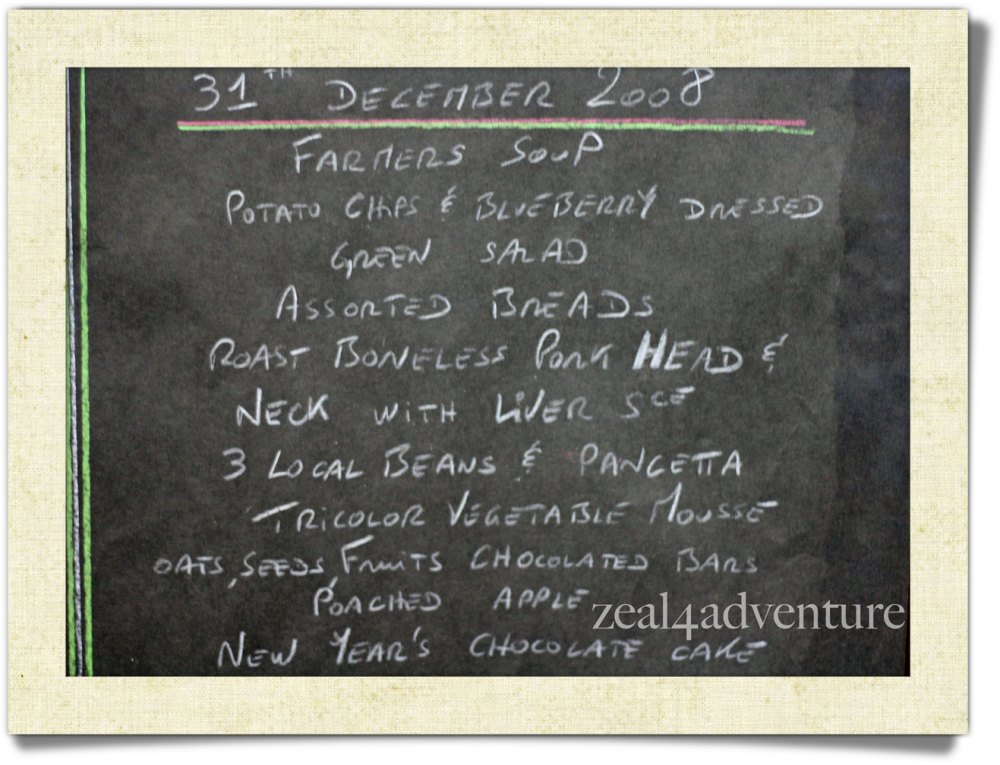
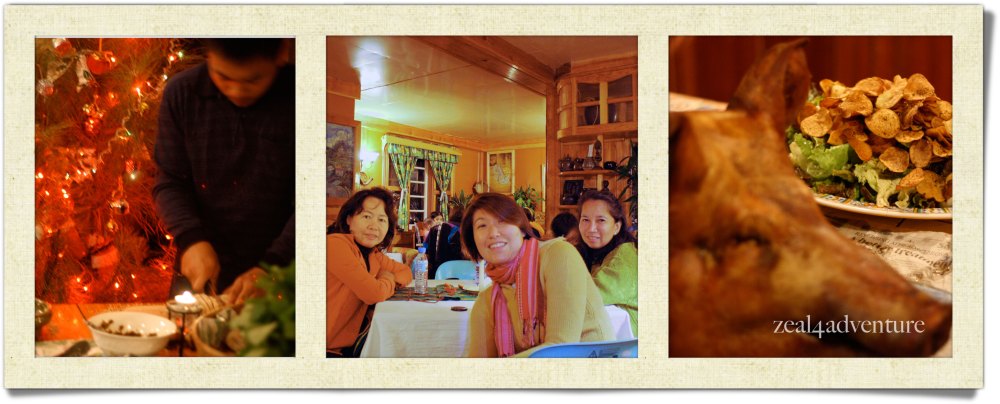
New Year’s eve dinner may not be as much of a hit as lunch was but the ambience made up for it.  Nothing like having dinner at a cozy log cabin complete with a fireplace, with food all you can eat, and very hospitable hosts and staffs.  It’s like being a part of one, big, happy inner circle.  New Year’s eve buffet dinner at the Log Cabin (always prepared by Chef Philip Aklay – a French guy who had made Sagada his home) had become a tradition to the Sagada regulars.  The food sounded better than it tasted, unfortunately.  Too experimental for me.  The salad and the chicken were hits though.  My friend actually preferred this year’s dinner to last year’s.  So there you go… perhaps it gets better through the years.  Or perhaps I was expecting too much.  I’ve always had great meals at the Log Cabin so this blah experience was a surprise and a bit of a disappointment.

nymenu

nydinner1

Note that the disappointment was from the New Year’s Eve dinner.  We went back for an a la cart dinner prepared by the owner Dave (never got his last name) and everything was superb.  You shouldn’t leave Sagada without having tried their Pork Tenderloin.

logcabin1

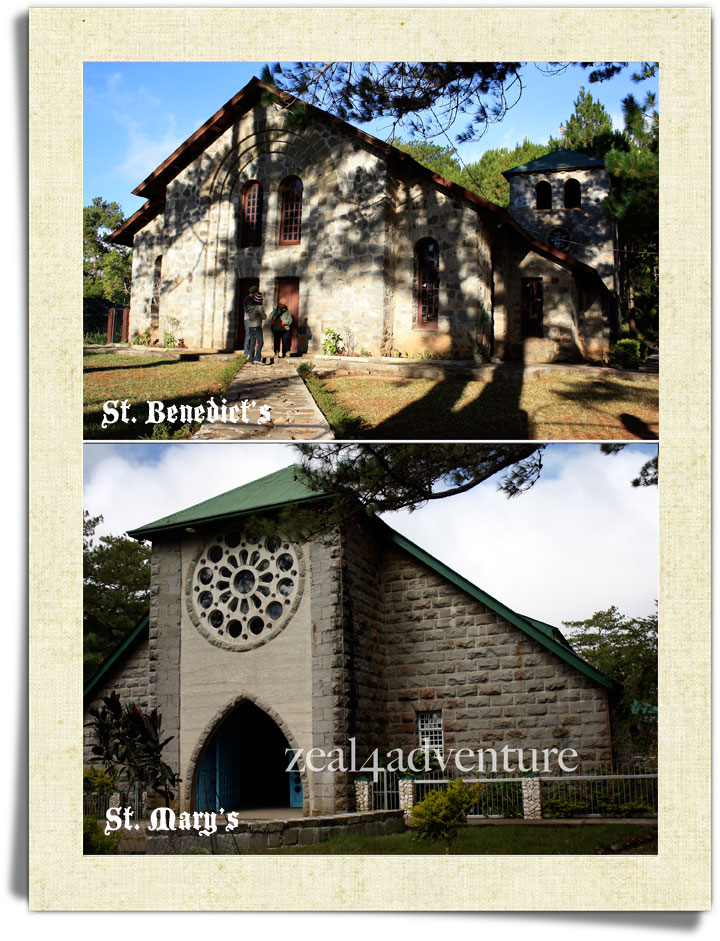
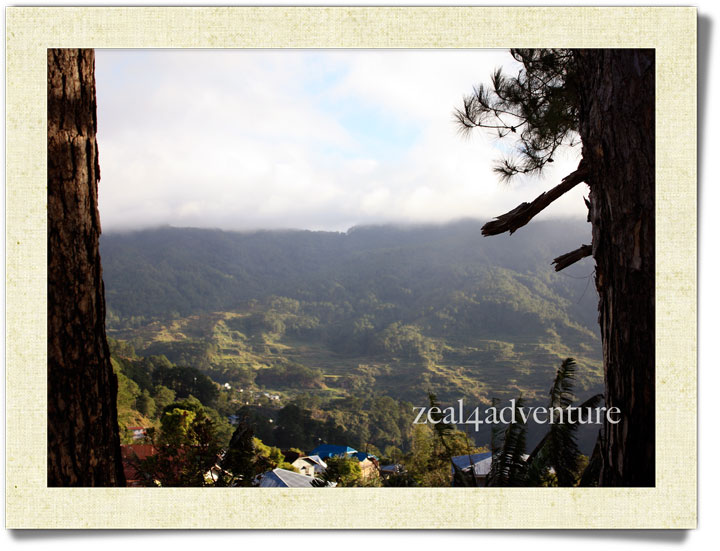
With all the walking my friends did at Mt. Ugo (3 DAYS!!!), the last thing they wanted to do was walk.  So I willingly and happily contented myself to stay in town, continue pigging out and finish the book I started (which I actually did).  But whaddyaknow!  We bumped into a friend at Yoghurt House who brought his 4×4.  He invited us to Besao.  Never been there so trying not to sound too eager… I said YES!  And so we went to Besao, originally to find the world-renowned stone calendar but it was still a long way off so we scrapped the idea and just took a look at St. Benedict’s Church.  A charming little church that looks very similar to St. Mary’s of Sagada.  Besao is the darling town after Sagada, which they say has beautiful sunsets.  We couldn’t stay to validate the claim as we had dinner reservations that night (at the Log Cabin).

churches1

besaolandscape1

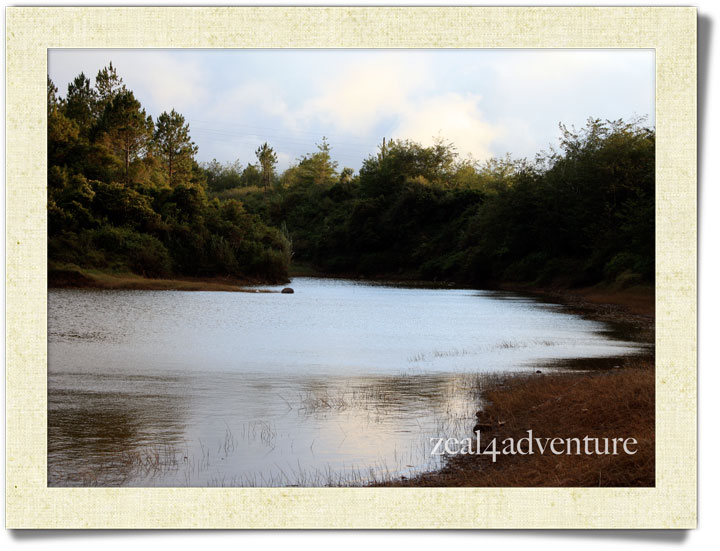
On our way back we passed by Lake Danum to take photos of the normally calm lake.  When the water is still, the reflection of the sky vividly captured in still water makes a really good photograph.  But it was not so that day.  The water was rippling from very strong winds.

lakedanum1

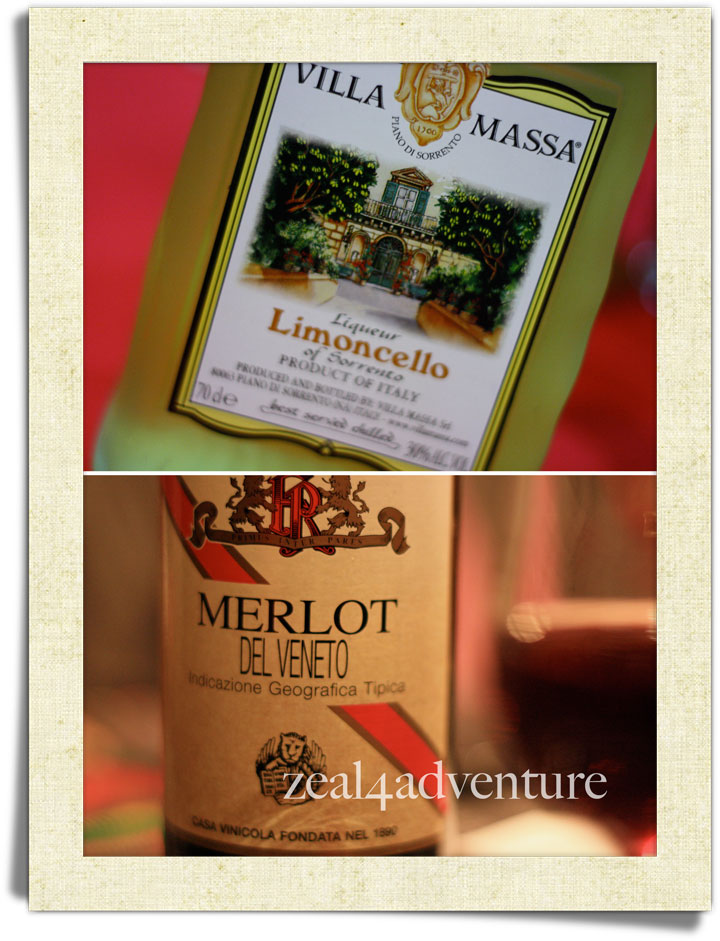
I swear, those were one of the coldest days I’ve ever experienced in Sagada, aggravated by strong winds.  It was so cold that I had to buy knitted gloves to keep my hands from freezing.  We were walking around in fleece, windbreakers, bonnets and gloves at high noon!  Really!  Between the 4 of us (and a little help from others), we downed 2 bottles of wine and a bottle of Limoncello in 3 days.  Hick!   😉

spirits1

I must say, we started the year well.  Bumped into old friends, made new ones as well.  Revisited old favorites, and discovered new ones.  Hope yours was good too!

Getting there:

To Sagada via Baguio:

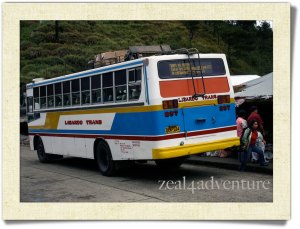
At the Dangwa station, take Lizardo Transit Bus.  First trip normally leaves by 6:30am; last trip at 1:00pm

lizarde1

Going back (Sagada – Baguio):

First bus arrives at the bus stop (there’s only one) at 5:30 – 6:00 am and leaves as soon as it is full.  Sits are first come first serve and since this bus originates from Besao, there may not have a lot left.  Bus arrives every hour thereafter, so if you miss this one, you can take the next one.

Travel time: 6-7 hours

Bus Fare:  P 220 (one-way)

To Sagada via Banaue:

  • Auto Bus or Florida Bus Line has daily trips to Banaue, leaves Manila approximately around 10pm.

Travel time:  8-9 hours

Contact Details:

Auto Bus
Espana cornor Catalina,
Sampaloc, Manila
Phone:  735-8096

Bus fare:       P 460

Florida Bus Line

Sampaloc, Manila
Phones:  743-3809 / 731-5358 / 493-3667

Bus fare: P 450

  • In Banaue, take a short tricycle ride from the bus stop to the town proper where you can find (Immanuel Bus Liners) buses to Bontoc.

Travel Time:  1-1/2 hours

Bus fare:  P 100

  • In Bontoc, get on jeepneys to Sagada from the Municipal Hall.  The bus stops very near the Hall so you won’t have to walk far.

Travel time:  45 minutes to 1 hour

Jeepney fare:  P 35

Sagada to Banaue:

  • Do everything in reverse.

Manila – Bontoc – Sagada Route

  • Another option is to take Cable Tours which ends in Bontoc, saves having to transfer buses in Banaue however, their buses are limited (I heard) and you may end up losing a day (if the bus conks out or something).

Travel time:  12 hours

Contact details:

Cable Tours
E Rodriguez QC, near Trinity College
Phone:  074-602-1068
Cell:       0918-521-6790
0921-448-8814

Bus fare:  P 600

Credits:  frames by Joyful Heart Designs, from the Plain Jane Kit

Angkor What?

I am often asked when I start babbling about Angkor Wat – a fascinating temple in Siem Reap, Cambodia and the largest religious site in the world.  It is one of a hundred or so monuments that remained scattered over an area of 300 square kilometers.  Built by the Khmer kings in different times during a span of 4 centuries, it was abandoned and hidden by thick tropical foliage.  The ornate architectural details and exquisite stone carvings are masterpieces.  It is humbling to know that there were people before us who were capable of producing structures that would present a major challenge to architects and engineers today.

The most interesting structures are Angkor Wat, Angkor Thom, The Bayon, and Ta Prohm.  My personal favorite:  Ta Prohm, deliberately neglected by perservationalists and looks rather like the complex must have appeared in the 19th century — overgrown by jungle foliage.

Angkor Wat has become a major tourist destination as evident during my visit in 2004.  Restaurants and all sorts of accommodation from 5-star to hostels abound.

angkor

Credits:  Digital sketch by Jen Caputo (http://jencaputo.typepad.com) available at Scrapbook Graphics; Jessica Sprague Echoes of Asia kit:  Green Argyle paper (inner circle), Green Bamboo paper (background), Green Solid paper (scallop), Red Floral paper (fold), Red Solid paper (outer paper)

Yap’s Top side

On a lighter note… let’s talk about the other side of Yap.  It’s more than just the land of mantas and sharks, it’s also known for its intriguing stone money and (stimulating?) betel nuts.

So where is Yap?  It is one of four states that comprise the Federated States of Micronesia (the others are Chuuk, Pohnpei, and Kosrae).  Close to Guam, Palau and the Philippines, Yap is steeped in ancient traditions and peopled by one of the most distinctive cultures in the Pacific.

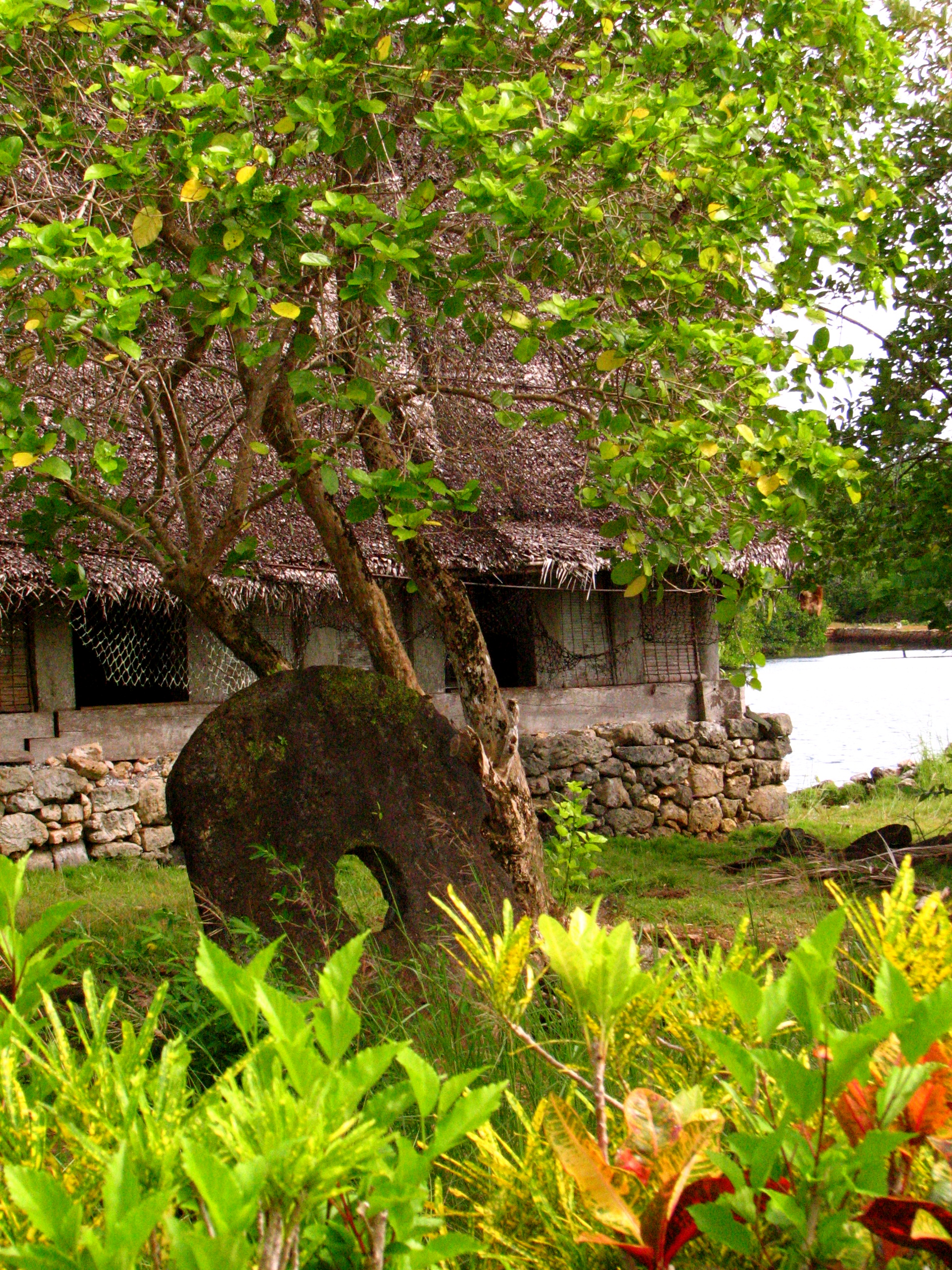
Land of Stone Money

stone money
stone money

Notable for its stone money made of crystalline calcite (primarily found in the walls of limestone caverns), many of which were brought from as far as New Guinea but most came from Palau since ancient times. Difficult to steal, the stone money was placed outside the house to denote wealth and stature.  The bigger the stone, the higher their rank in society.  The scarcity of the discs and the efforts required to obtain them made the stones valuable to the Yapese.  The canoe journey took days (depending on the weather) requiring good sailing skills.  Today, although they use US$ dollars in their daily transactions, the stone discs are still used for more traditional or ceremonial exchange.

Betel nut 101

img_0341

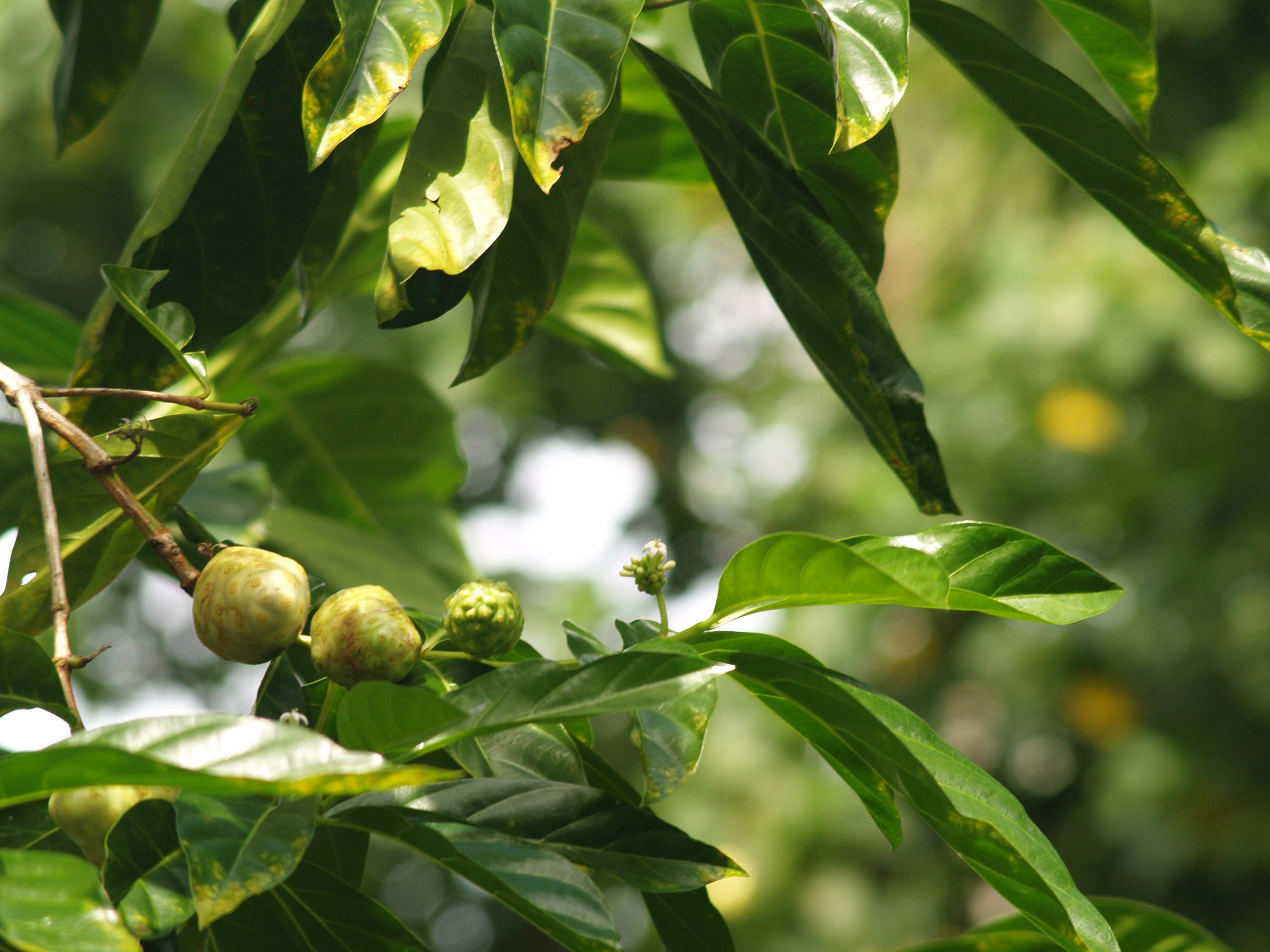
Split a juicy round green betel nut, sprinkle with lime (not the fruit but powdered limestone), wrap in a pepper leaf, pop in mouth and chew.  Spit out the juice, do not swallow.

betel nut
betel nut

Betel nut chewing combines 2 pleasures, they say – the relaxing rhythm of rumination, like chewing gums and mild stimulation, something habitual coffee and tea drinkers enjoy.  They say that it makes them relaxed and alert at the same time.  I guess, the chewing relaxes them and the caffeine-like property of the nut makes them alert.  Makes sense to me!  Nowadays, many add tobacco to their chew.  Why?  Dunno!

Red teeth are common throughout Yap as the reaction of the nut with the limestone brings off a bright red color that discolors the teeth when chewed regularly.  And yes, even the foreigners who made Yap their home possess the distinct red teeth.

Vain that I am, I will never dare try this stuff 😛 Our friend A was the only brave soul who tried it and he was awake the entire night haha! 😀

Other attractions that highlight this remote island:

pb0469431

A handmade seaside Men’s house – can you believe that women (and that includes me!) can’t enter to this day?

pb0470691

Cultural villages

pb047169

World War II remnants – Yap was once occupied by Japanese troops and was regularly bombed by US ships and aircrafts.

img_0451

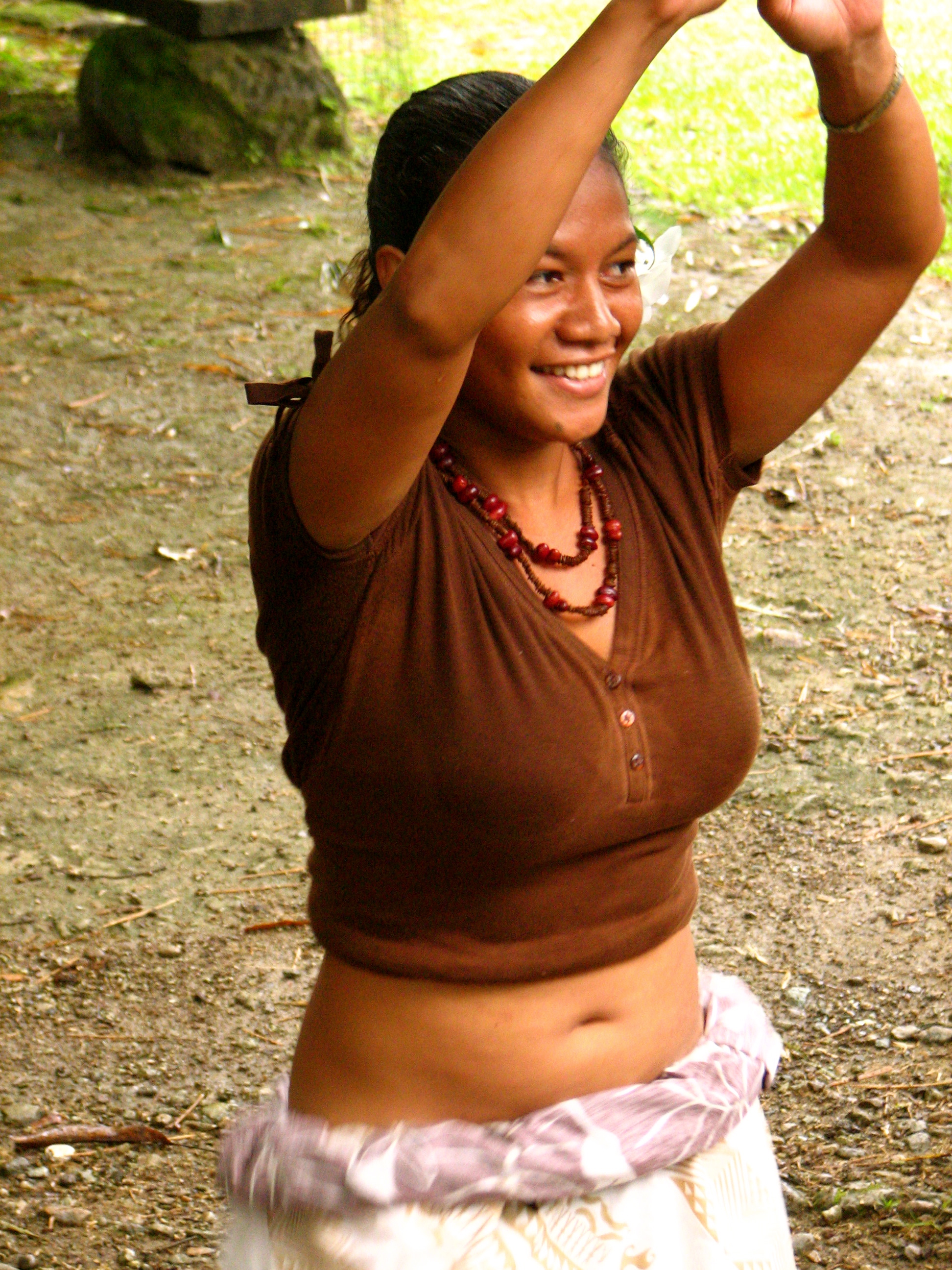
Cultural dances – that’s Rihka our guide entertaining us while we wait for our hot dogs and burgers

pb047087

Mangrove forests

pb0468792

The island was opened for tourism in 1989 and has seen a good amount of tourists visiting not only for diving but to catch a glimpse of the culture as well.  Yap’s indigenous cultures and traditions are still strong compared to other neighboring islands.  You still see some topless women roaming the streets.

Sleeping Arrangements:


pb046900

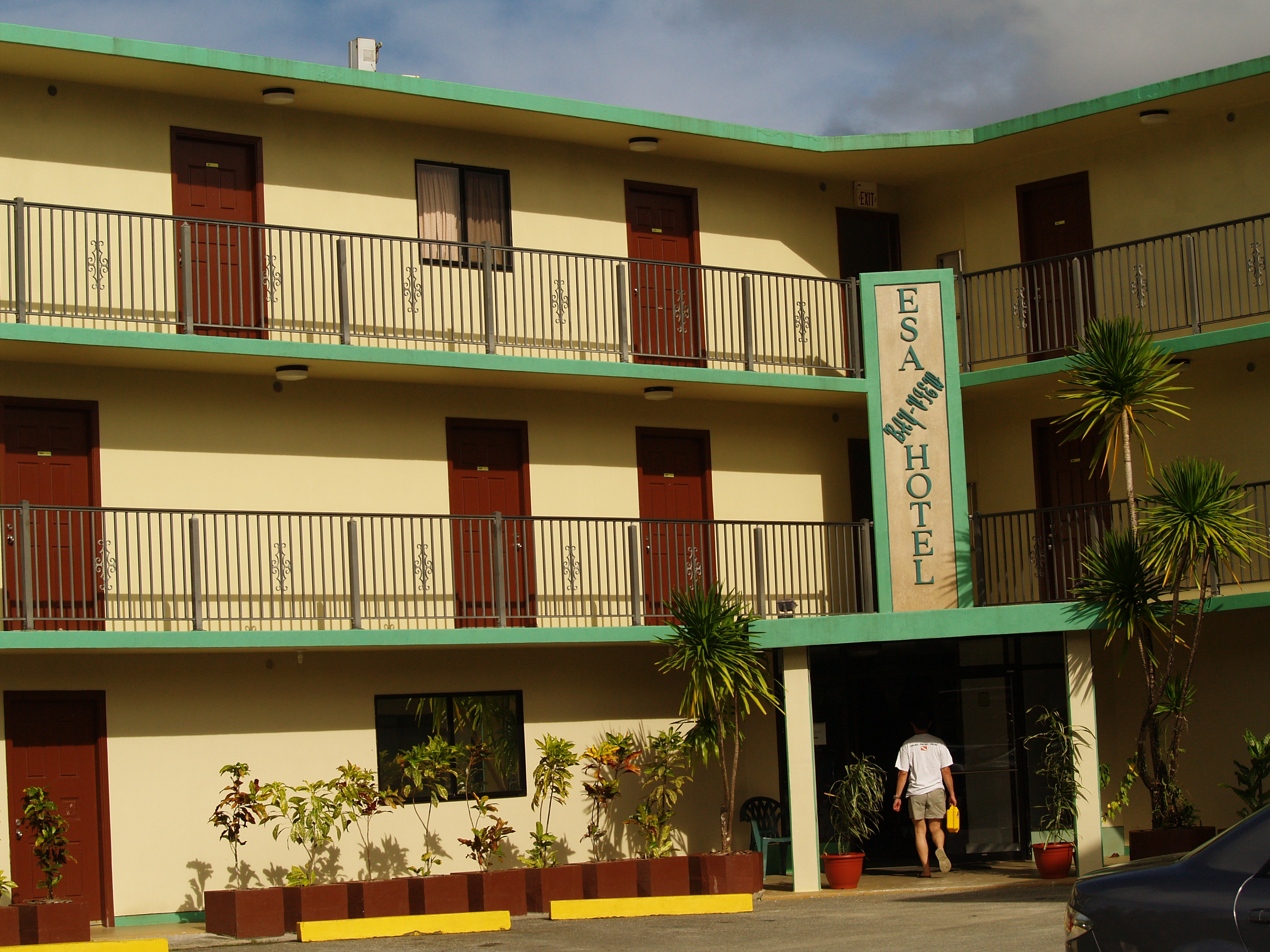
ESA Bayview Hotel – we stayed here.  I know… it looks like a motel but REALLY the rooms are comfy and they have nice balcony overlooking the bay.

img_0338

Manta Ray Bay Hotel – top end lodging with an infinity pool.

pb046896

Pathways Hotel – interesting tree houses, very native.  If we weren’t on a budget, this would have been a nice place to stay.

img_0326

O’Keefe Waterfront Inn – romantic; perfect for honeymooners!

Good Eats:


ESA Bayview Restaurant

Ganir Restaurant Tel: (691)950-1205

Manta Ray Bay Restaurant

The Pathways Restaurant

Jhun’s Oasis Restaurant (owner’s a Filipino, can you tell?  They have great food too!)