The Way to Initiate the Novice

trekking-to-lighthouse

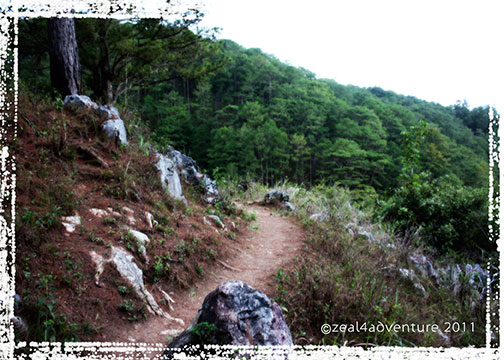
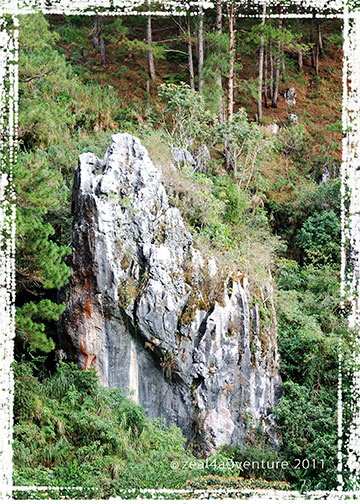
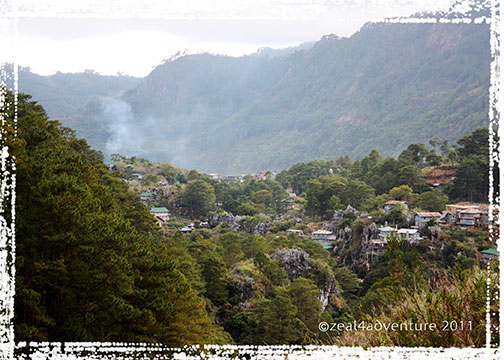
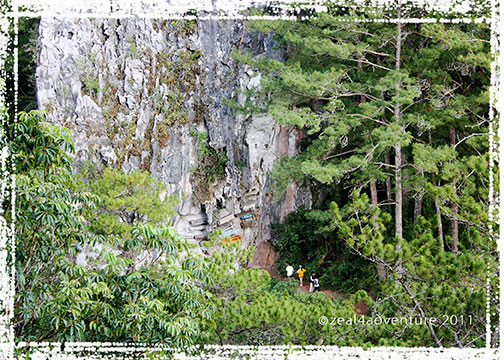
I’m with some novice trekkers, not that I mind, it is an easy trek after all.  I am thrilled, in fact, to have them experience the joy of summiting after an uphill struggle that seemed never-ending and pointless, and to realize, after all that trouble, that the reward is usually at the peak.

Named the 3rd best beach and island of the Philippines by CNN Go April of last year and just like that, Palaui caught my attention.  I’ve been going back and forth to Sta. Ana for a few years now, but Palaui was never on my radar.
rough-sea

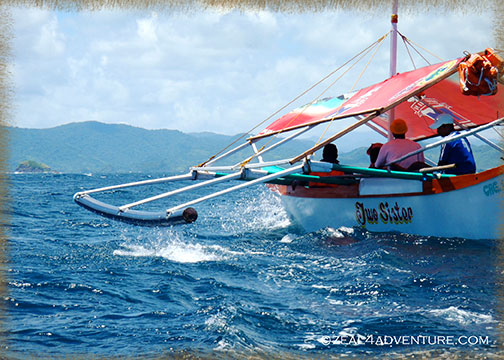
Maybe because it takes more work to get there and that includes braving the (sometimes) treacherous sea.
approaching-palaui

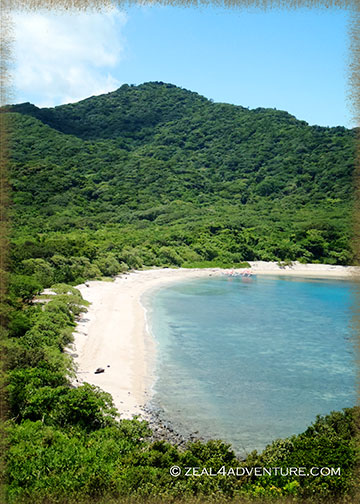
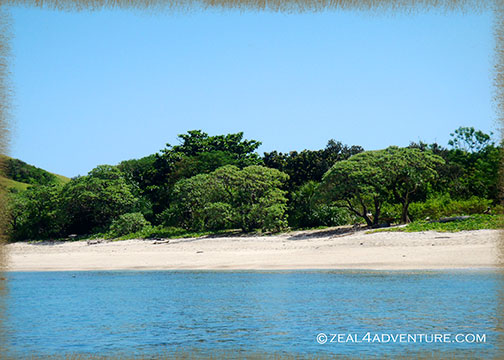
A protected area, the island lies between the South China Sea and the Pacific Ocean.  It boasts of a nice long stretch of white pebble beach, abundant marine life, a century old lighthouse, a waterfalls hidden somewhere and a scenic rugged terrain.  It is pretty much uninhabited, with only a small community living in the island.  No electricity and accommodation to speak of.
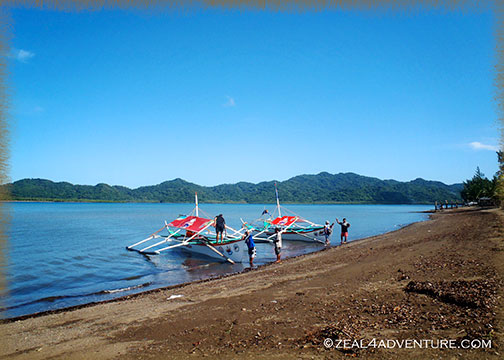
jump-off

So one fine day, along with the same people I spent several Sta. Ana weekends together, we took off from the shores of Sun City in San Vicente and headed to Palaui.  An hour, perhaps more on the boat and we arrived on the island.
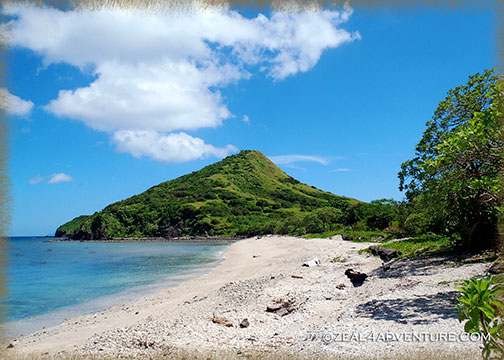
Palaui-beach-front

We paid for a guide and started our trek on the beach,
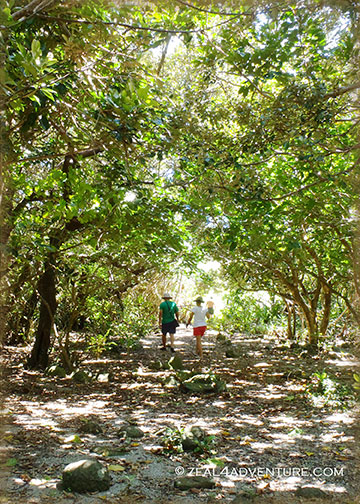
forest

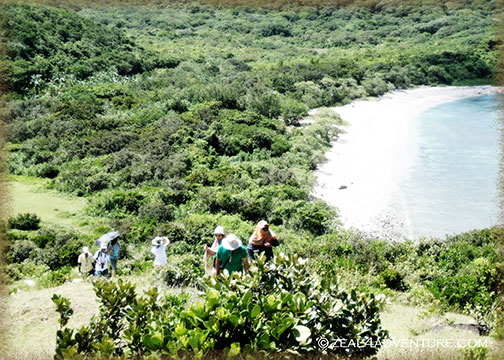
which lead to a short forest walk before we emerged on the other side to beautiful rolling hills reminiscent of Batanes.
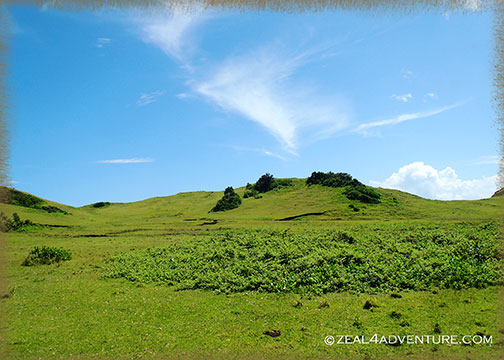
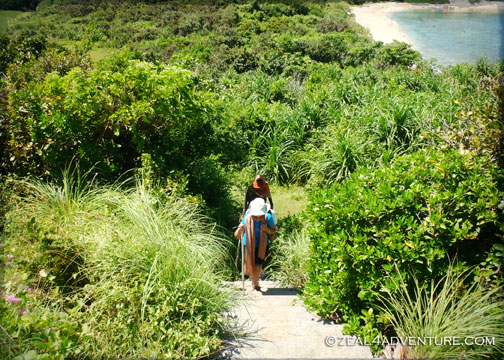
like-batanes

steps-to-lighthouse

We then climbed (more than) some steps that would eventually lead to the summit where Cape Engaño stands.
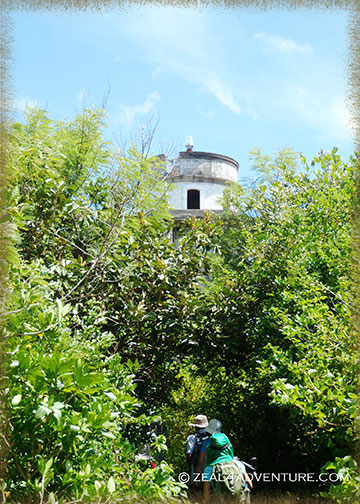
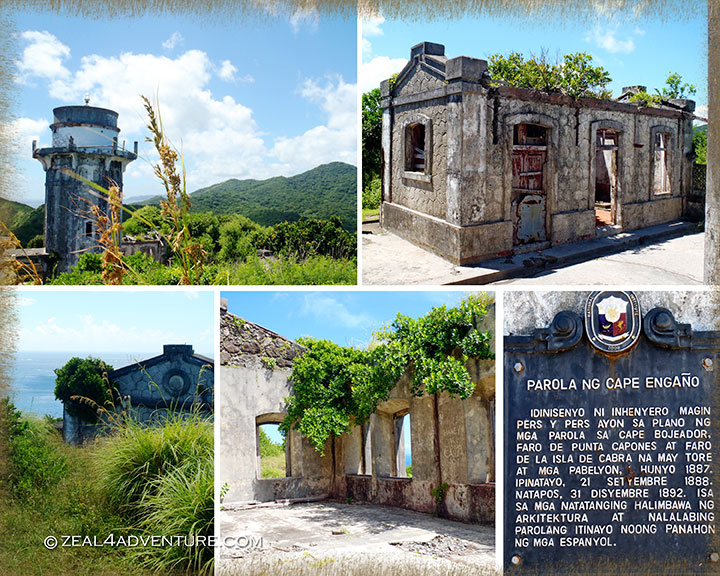
closer-glimpse-of-lighthouse

cape-engano

The view along the way took my breath away.
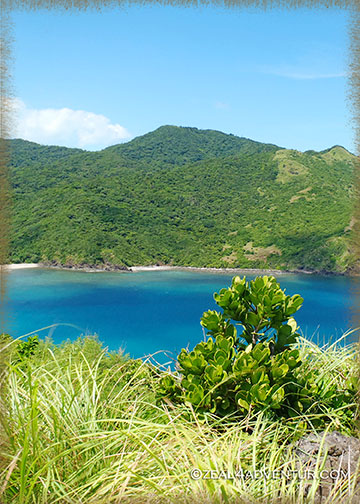
beach-from-the-top

It may not be the best beach as it is not fine sand as that of Boracay or even Palawan
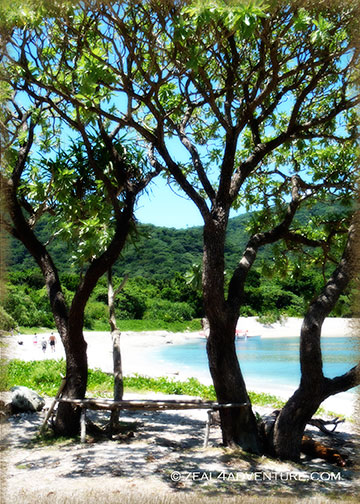
beach

but the island dazzles at every turn,
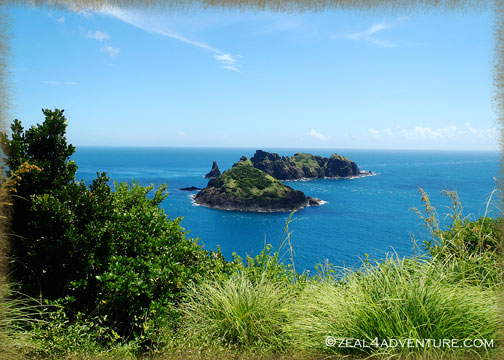
dos-hermanas

glimpse-of-the-beach-on-the-way

from the beach to the top of the lighthouse… all I can say was SPECTACULAR.  And the new recruits were enjoying themselves too.
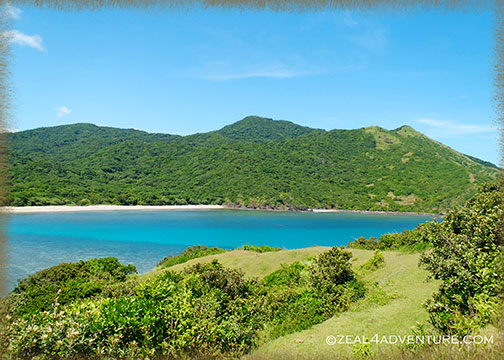
half-way-to-lighthouse

Not that difficult to get to, we took the Lugunzad trail, which took all of just 30 minutes from beach to lighthouse.
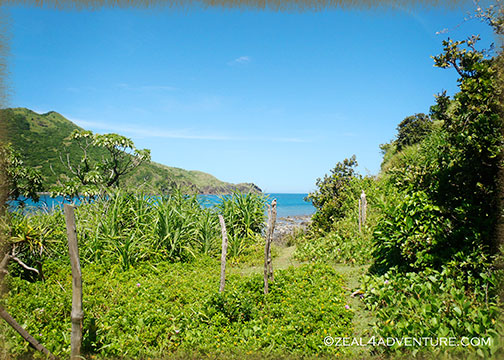
P6300834

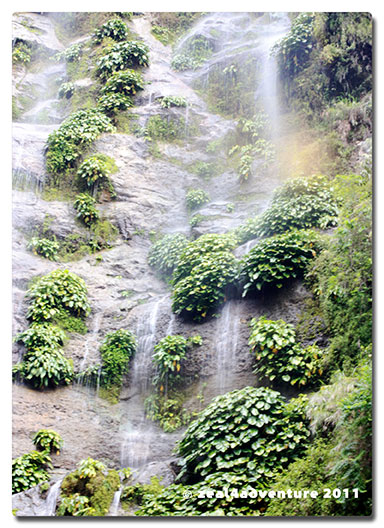
There is a waterfall somewhere, said our guide, but all this walking made the others hungry.  And so the initiation is over, we will take baby steps and insist on the waterfalls some other time.
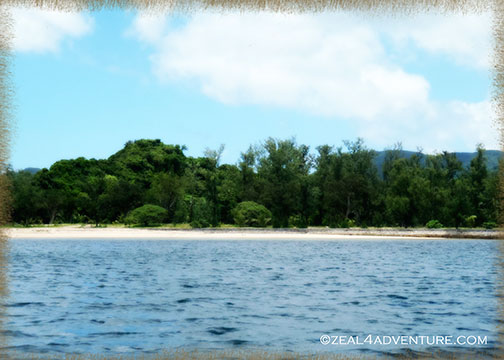
gotan-beach

At a beach named Gotan, lunch was already being prepared.   A private beach, we had to arrange to use a few days earlier.  We had a sumptuous meal of everything grilled.
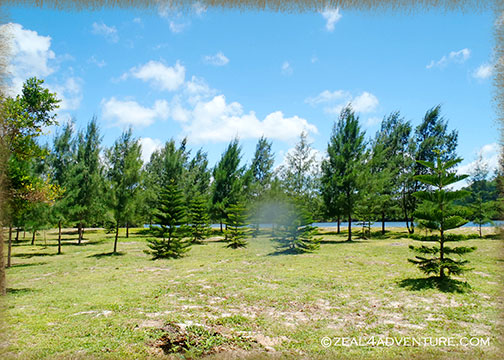
agoho-in-gotan

There, we lounged around, enjoyed each other’s company amidst beautiful Agoho trees.   That’s how to initiate novice trekkers.  Yes?

Rest of Batan: Ivana

Credits: Template by Jen Caputo; Papers by Scrapmatters by Becca

At the Honesty Coffee Shop, we waited for the boat that plies the Batan-Sabtang route from the port off Ivana.

It was late.  The waves were strong, delaying its arrival and so its departure.  We spent the entire morning waiting to leave for Sabtang.  Having hitched a ride from Basco, we can’t go too far so we stayed put exploring the church across.  We eventually left for Sabtang after lunch.  That was 6 years ago.

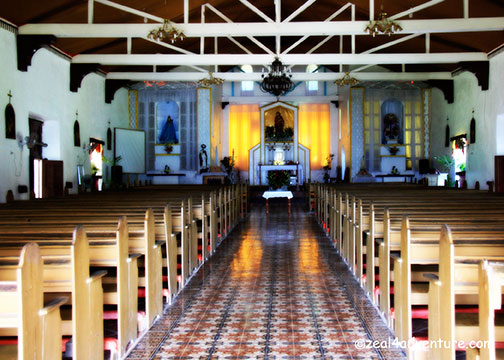
San Jose Church in Ivana looks more like a castle to me because of the crenellated walls of the bell tower.

Well preserved, the church is photogenic inside and out.

Today, the church is just as pretty though the recently built port is an eyesore.

Shot in 2006 while waiting to leave for Sabtang.

What used to be a beautiful view of Sabtang and the sea is now partly blocked by the port.

She is perhaps the most visited and the most photographed woman in the island.  Floresitida Estrella, fondly known as Lola Ida, lives in a house known as the House of Dakay – one of the oldest stone house in the island.

Me at the House of Dakay sans Lola Ida.  She was probably not around hence the solo shot.

An earthquake in 1918 earthquake hit the island and leveled most of the town to the ground, this house survived.  We did not visit her this time.

Instead, we headed to Vatang Grill and Restaurant for lunch.

Just along the main road, close to the shore.

Six years ago while waiting for the boat, we had sweet Filipino-style spaghetti for lunch in a small and perhaps the only eatery in Ivana then.

Finally, a good restaurant serving rather good local Ivatan cuisine in this side of the island.

Route 13

Credits:  Papers by Creativity by Crystal’s Room Collection, Art & Soul Papers by Sahlin Studio, Story Telling Paper by Sahlin Studio.

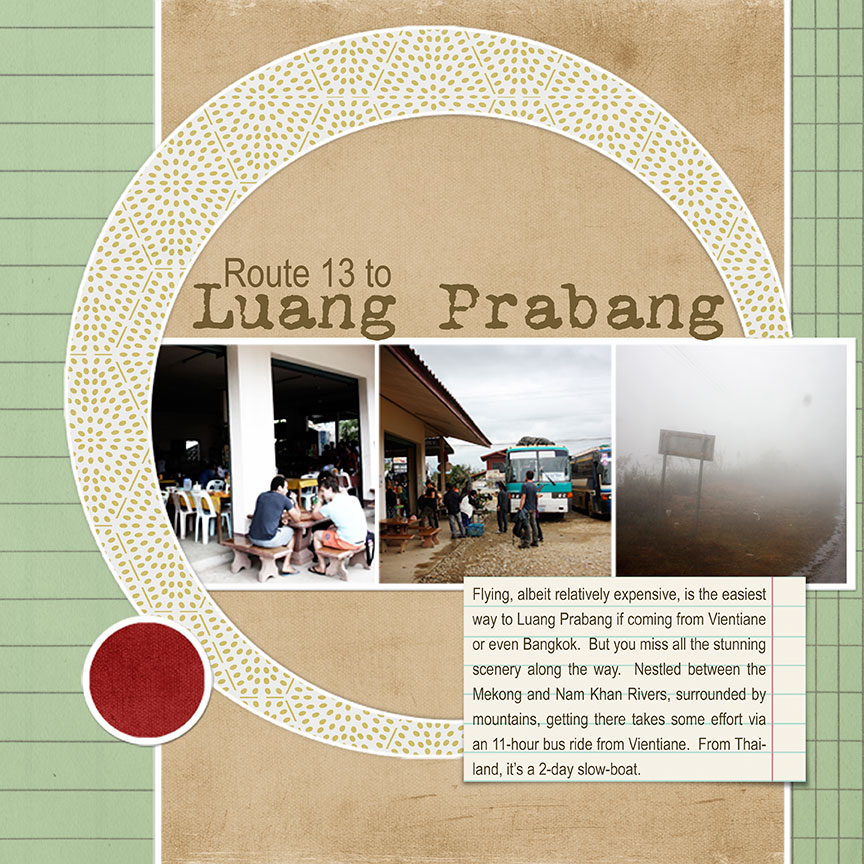
Flying, albeit relatively expensive, is the easiest way to Luang Prabang.  But you miss all the stunning scenery along the way.  Nestled between the Mekong and Nam Khan Rivers, surrounded by mountains, getting there takes some effort via an 11-hour bus ride from Vientiane.  From Thailand, it’s a 2-day slow-boat.

We chose to take Route 13 because it was cheaper, the scenery – stunning and we wanted to stop at Vang Vieng even for just a day (although a day isn’t really enough).  From there, it still takes 7 hours on a meandering, poorly paved road leading to the ancient city, also a UNESCO World Heritage Site.  The remarkable landscape makes the exhausting experience worthwhile.

We break the trip for lunch and there I had my bowl of delightful beef noodle soup as I had planned, remembering how good that bowl of soup was in 2007.  Lining up for that bowl, I watched with interest how they assembled the dish right before us.  First the fresh noodles, then the beef, the vegetables and at the end of the line sits a huge pot of soup ever so gently simmering under a slow fire.  The lady ladled up soup almost to the brim and handed it to me.

I devoured it with gusto.  It was as I remembered it to be, pretty damn good soup.

From that time till we reached Luang Prabang, we stopped a couple of times.  The entire bus tensed up when we realized that it was having problems with its brakes

– made even scarier when the air became dense with fog, which kept me awake and praying the rest of the trip.  We inched our way to the city and finally breathed a sigh of relief when we saw signs of city lights just around the bend.

It took us nine hours… but all is well that ends well.  Luang Prabang is worth it, I promise.

Not far from our nice little boutique hotel, just across The Apsara, is a sidewalk eatery I stumbled upon on my earlier trip.

It serves a mean Laotian-style BBQ that is a much like but not quite shabu-shabu.

It’s a cross between that and a Korean BBQ where the meat is grilled on the griddle while the soup is simmering on the same griddle.  As the meat cooks, the fatty juices drips on to the soup and I don’t have to tell you how divine that soup gets the longer it simmer and the more drippings it gets from the meat.  Brilliant.

And just like that, Luang Prabang has charmed me once more, today’s dreadful last stretch erased.

Getting There:  Click here for more options.

Fun and Frolic at the River Namsong

Credits:  Papers by Jessica Sprague (Bright Stripes paper), Carina Gardner (Coqu flirt 16), ITM Tricolor (Red tiny dot), QQ Knotty Girl papers; Elements by Carina Gardner (daisy paper bits)

Once a peaceful and quiet town, Vang Vieng used to appeal only to adventure travelers wanting to rock climb, explore caves or to simply enjoy its tranquil surroundings, its people and culture.

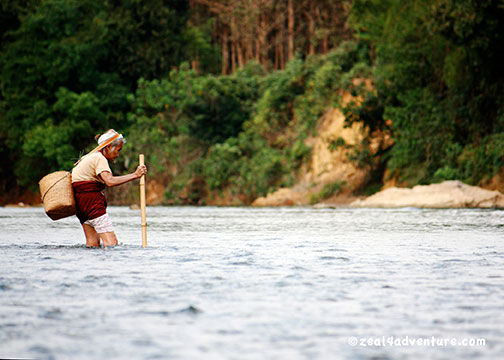
Surrounded with striking karst rock formation, the Namsong runs through it contributing to its serene setting.

Since the launch of inner tubing in the mid-2000, the quiet town of Vang Vieng has never been quite the same.

The Namsong now appeal to “partying” backpackers.

The town today is most know for “tubing” down the Namsong and with it came

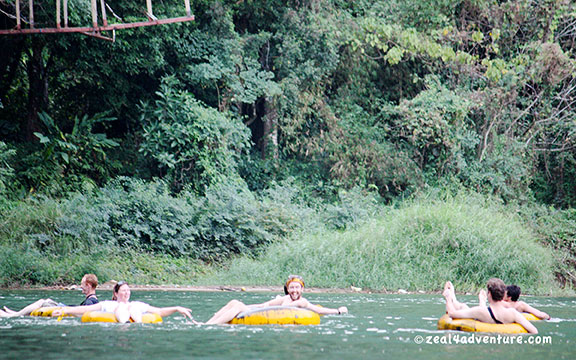
many bars along the riverbanks catering to those floating downstream either in rubber tubes or on a kayak.

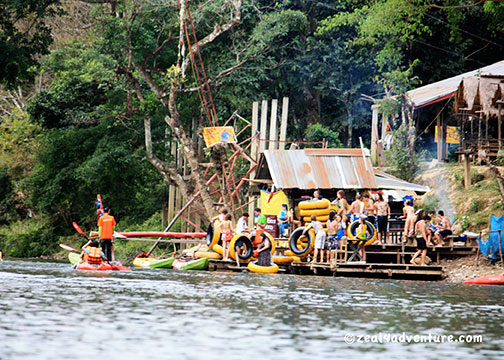
The townsfolk once farmers are now owners of bars and guesthouses – predominantly made up of chill-out bars and dance shacks all offering cheap booze,

some offering more thrills in the form of swings and ziplines.

Along with the bars, lodgings of various types line both sides of the riverbanks.

A short afternoon cruise up and down the river on a motorized boat reveal all these.  It is the easiest way to watch the goings on around the river.

Foreigners partying or simply floating down the river dominate local scenes along the river.

The “party” scene may have appealed to me years ago but today, I prefer the relaxed atmosphere of the down river part of the Namsong.

Watching the sunset over cocktails after a long day is my idea of a good time.

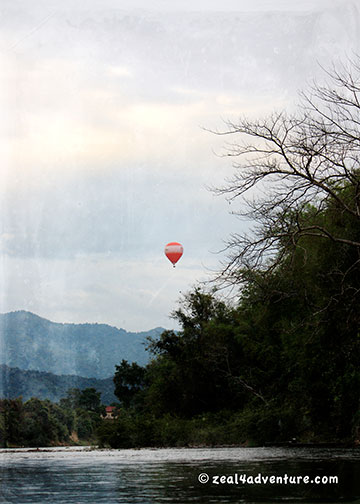
This looks like fun… so we booked a sunrise ride over Vang Vieng on a Hot Air Balloon… on my next post.

The Way to Bomod-ok

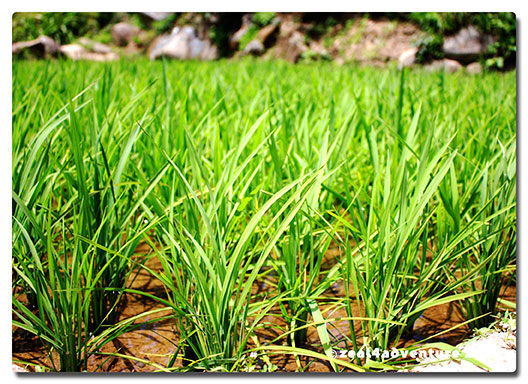
This looks like an ordinary rice plantation, zoom out a bit and it’s no longer so ordinary.

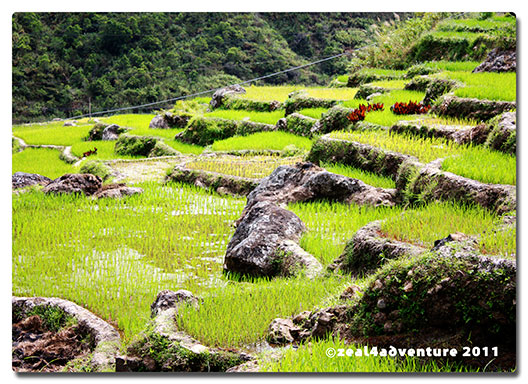
Zoom out further and you will see why I love trekking to Bomod-ok falls, sometimes called the “big falls”.

The falls can be blah at times – I say this when it’s the dry season and it does not really live up to its name.  Yet, whatever greets you at the end is beside the point… it’s the journey that I enjoy so much.  It starts at the basketball court of Banga-an village passing through several other villages.

The last village, Fedelisan, is where you will have to register and pay a fee of Php 10 to pave and maintain the trail.

I like hanging out a bit at the village, the people are friendly and the kids adorable.

The different trails along the way.

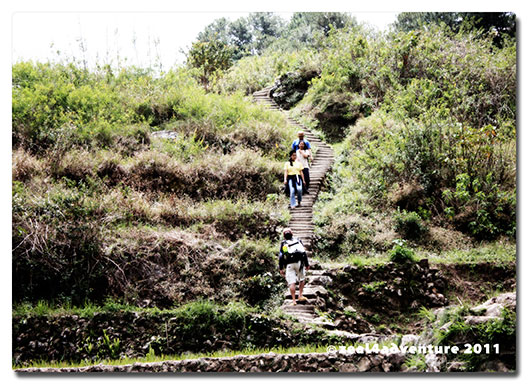
Having walked this trail so many times, I was amazed at how easy it is to navigate through the rice paddies today.

Just another playground for the village kids — running around the “unpaved” path.

I remember having to balance myself as I make my way through the wet rocks that was once the trail.   So methinks Php10 is not asking for a lot with the obvious improvements.  But I digress…

Pass the village is a spectacular view of the Fedelisan terraces – one of my favorite sites, truth to tell.

From here to the falls, you will ooh and aah from the different landscapes along the way except for an eyesore I spotted on this recent trip –

gold mining, I was told.

A couple daring kids running around on their birthday suits having loads of fun.

Once you reach the falls, what will greet you will be tons of people and kids who made the falls their playground.

The falls this time, albeit not the strongest I’ve seen, is a pretty sight.

Swimming is allowed if you dare dip into the freezing water.

Walking through the sceneries makes the 3-4 hour trek (depending on your fitness level) a breeze.

Even this is forgiving once you reach the top.

We always like ending the trek through a village called Aguid because its terraces are just so awesome.  From Fedelisan village, take the right trail to get to Aguid.

Less of the cemented walkway and more of the dramatic twists and turns of the rice paddies.  Awesome… but I said that already.

This halo-halo is different as it has macaroni in it — interesting just because it isn’t as sweet owing to the tasteless pasta.

At the end of the trail is a halo-halo stand.  Gotta have some of those to complete your whole Bomod-ok experience.

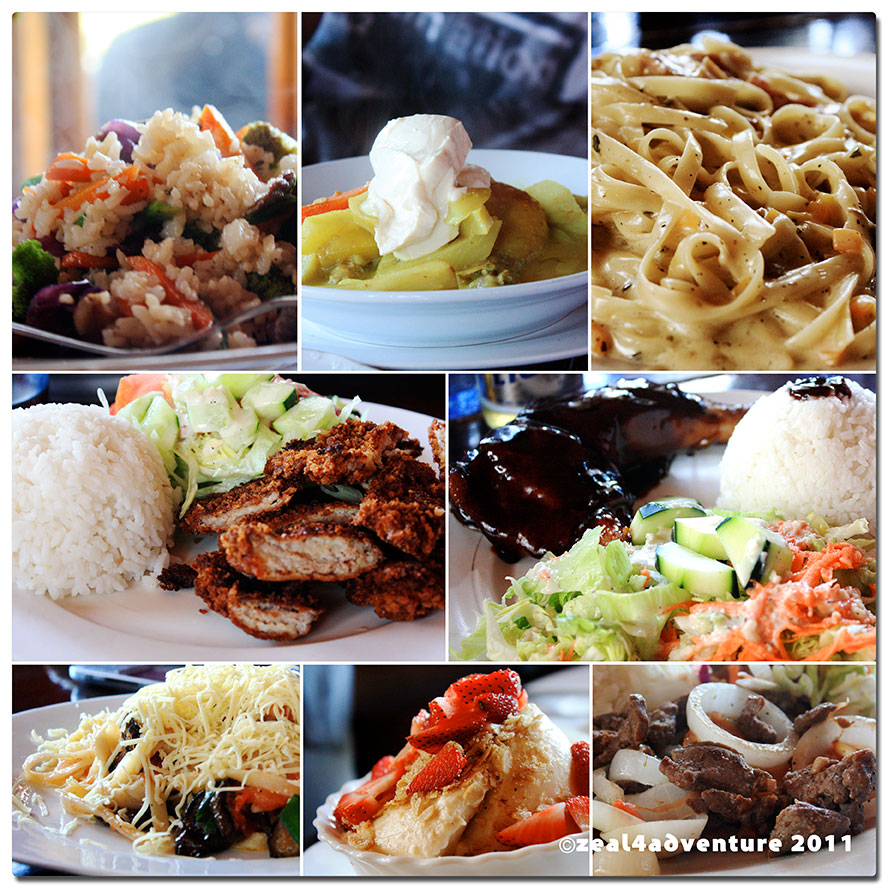
We capped our morning adventure with a delectable lunch at Yoghurt House. 

A cozy café in town that serves more than just superb yoghurt.  See why I love it so much here.

Sagada: Echo Valley, Hanging Coffins et al

When we passed this sign, my heart skipped a beat because in just another hour or so, I will be re-acquainted with my favorite town.  The town I want to retire in, I always say.

When I need to de-stress, Sagada comes to mind.  Or when I find myself without a place to go on a long weekend, Sagada comes to the rescue.  But truth be told, I don’t really need a reason to go to Sagada… for more than a decade now, I find myself there just because I miss the smell of pine, the food or the bucolic serenity (as shown here, here and here).

I lost my heart to Sagada some 17 years ago.  Although less rustic than it was then while more and more tourists are seen each year, Sagada remains to be a top choice and a go-to to recharge.

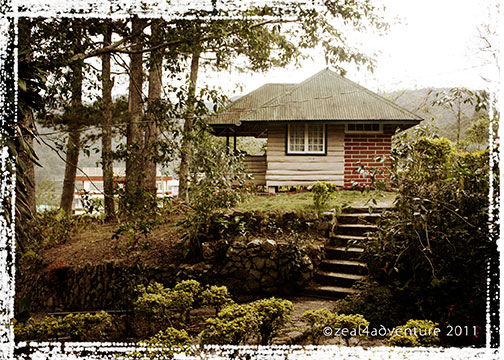
And St. Joseph Inn still is a favorite lodging place. We like the cabins but the rooms are perfectly fine too.

It has become some sort of tradition, if I may call it that, to hangout – finishing a few bottles of wine or beer at the comfort of our cabin.

St. Jo is at the center of town and just a stone’s away from St. Mary’s Episcopal Church,

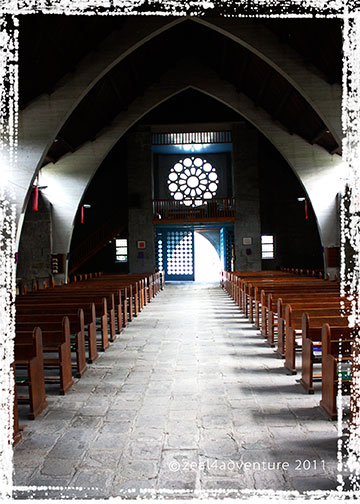
a charming little church with beautiful stained glass windows built by the Anglicans.

On certain times of the day, the light coming in from these windows makes for a dramatic interior.

Because it takes only a short walk to Echo Valley from St. Jo, we like visiting it as soon as we arrive.

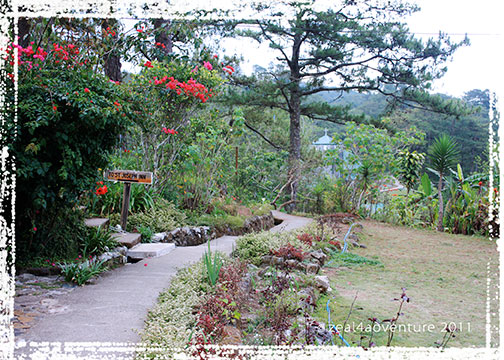
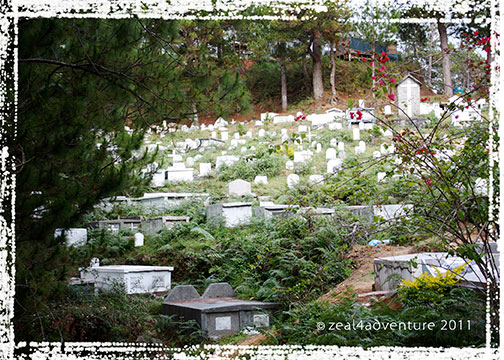
Passed the church is a path that leads to the cemetery

and further along is a dramatic hillside trail to Echo Valley –

attributable to the weather-beaten limestone formations scattered around the forest.

One can hear a very distinct echo at a certain point on the hill hence the name.

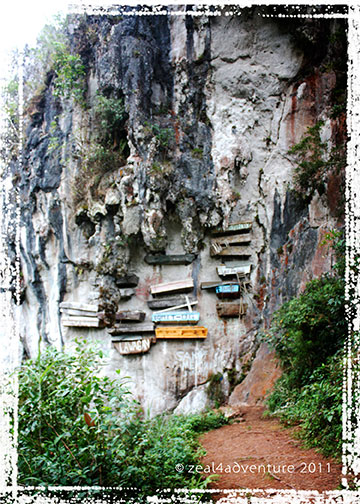
At one point, one can see from a distance, coffins hanging from the limestone walls.

A trail will lead to it up close. It is a good warm-up hike to prepare for a longer and more scenic one the next day.

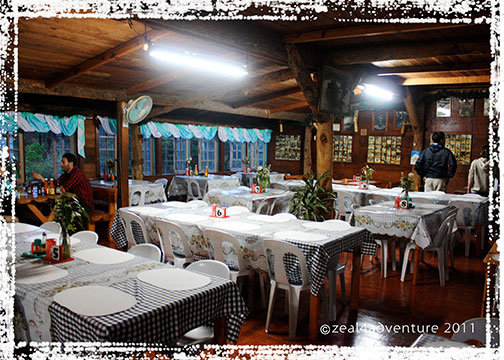
A comforting dinner at Masferré Inn and Restaurant is always a fitting cap to a full day. Named after the owner Monette’s father-in-law, the late Eduardo Masferré – widely regarded as the Philippines’ father of photography.  Half Spanish, half Kankanay, he spent much of his life toiling the farm and photographing the Cordilleras, documenting the now vanishing culture of the ethnic groups of the Ifugao region.

Some of his works are displayed in the dining area.  The Masferré Gallery down the road from St. Theodore’s houses more of his works.

“The description is not the described; I can describe the mountain, but the description is not the mountain, and if you are caught up in the description, as most people are, then you will never see the mountain.”

Jiddu Krishnamurti

Useful Info:

St. Joseph Inn
Contact: Julia Abad
Mobile:  (63) 928-951-7156

Kiangan Side Trip

More like a scrumptious lunch break from the 7+ hours drive from Manila.

It was an eagerly anticipated side trip, a delectable meal guaranteed.

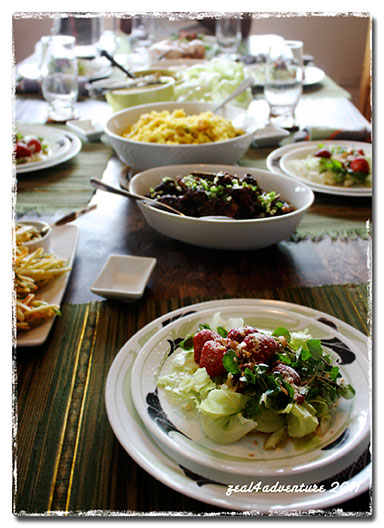
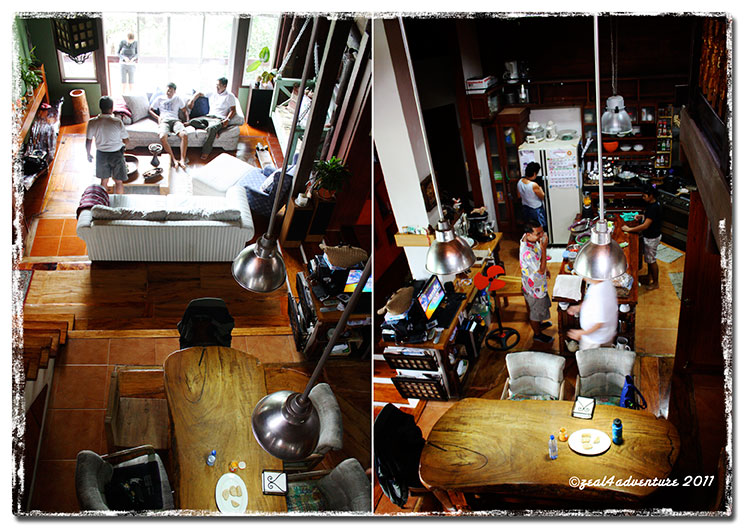
Taken from the 2nd floor:  Left photo — where Dr. Kalugdan entertains while Dra. Kalugdan happily slaves away in her territory that is the kitchen (right photo).

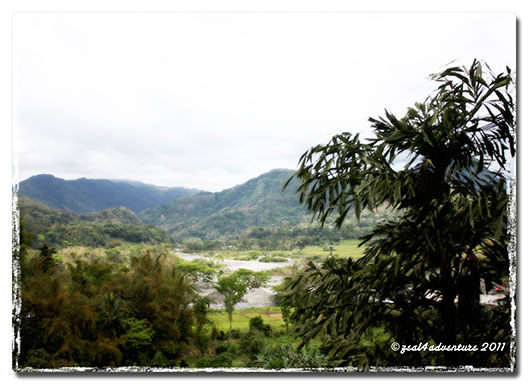
The Kalugdans are perfect hosts.  Their charming house, which they designed themselves, overlooks a fantastic view of the Ibulao River.

We went rafting there once and that was how we got to know them.  Lovely couple.

Kiangan of course is more than rafting and scrumptious meals.  It is also where Nagacadan Rice Terraces, one of the clusters inscribed on the UNESCO World Heritage list, is located.  I have yet to explore this historic town and first on the list is the Philippine War Memorial Shrine – a gigantic memorial shrine commemorating the end of WWII.  It was in Mt. Napuluwan in Kiangan where Gen. Yamashita surrendered so it might be worthwhile to check out the site as well.

Historic town and rice terraces aside, the town boasts of many natural wonders as well.  Ambuwaya Lake is one.  4 km from the town center and is said to be reachable by 4W drive vehicles.  Uttu waterfalls is likewise on my list of must see.   Someday, Kiangan will not be a side trip only.

Banaue Rice Terraces

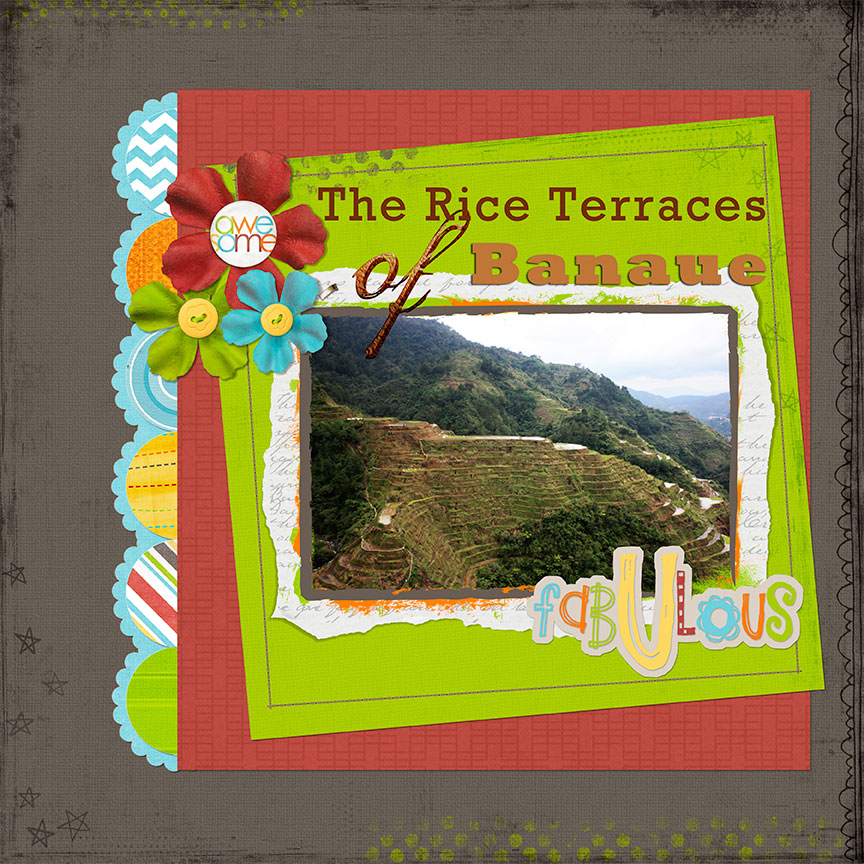
Credits: Quickpage by LCP using the “You are Awsome” collaborative kit created by J Sprague.

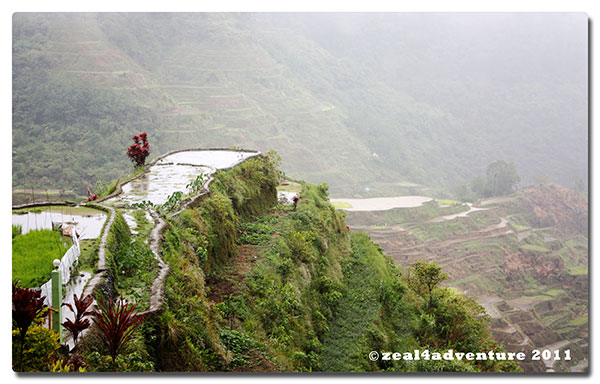
Construction of the terraces is carried out with great care and precision. An underground conduit is placed within the fill for drainage purposes. The groups of terraces blanket the mountainsides, following their contours. Above them, rising to the mountain-tops, is the ring of private woods (muyong), intensively managed in conformity with traditional practices, which recognize a total ecosystem, which assures an adequate water supply to keep the terraces flooded. Water is equitably shared, and no single terrace obstructs the flow on its way down to the next terrace below. There is a complex system, of dams, sluices, channels and bamboo pipes, communally maintained, which drain into a stream at the bottom of the valley. – UNESCO

This is describing a structure built more than 2,000 years ago.  Awesome, isn’t it? Although because of the presence of many modern structures around, the Banaue Rice Terraces was not included on the UNESCO list of “World Heritage in Danger”, it nonetheless holds the same complex trickle-down irrigation system that the UNESCO inscribed clusters have.  And these clusters, all found in the Province of Ifugao, are Nagacadan Terraces in Kiangan, Hungduan Terraces, Central Mayoyao Terraces, Bangaan Terraces and Batad Terraces.

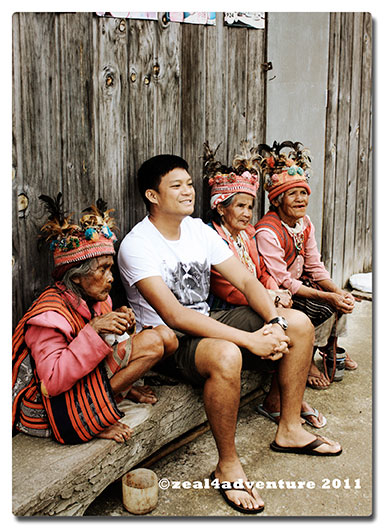
A very touristy thing to do.  For a fee, one gets to be photographed with these Ifugao women.

The Banaue Rice Terraces however, despite the exclusion, remains to be the more popular tourist destination due to its accessibility and proximity to town, which is proving to be both harmful and beneficial to the land.

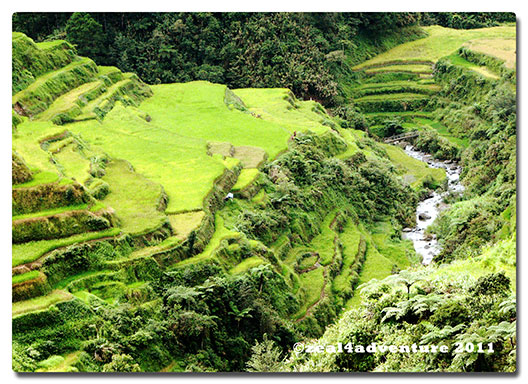
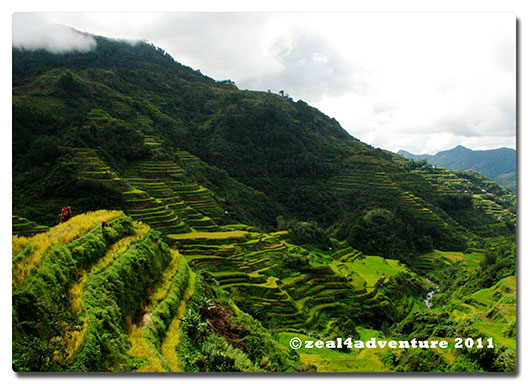
These stonewalled rice paddies is considered one of mankind’s greatest engineering feats and is every Filipino’s pride.

The terraces as seen on our P1,000 bill.

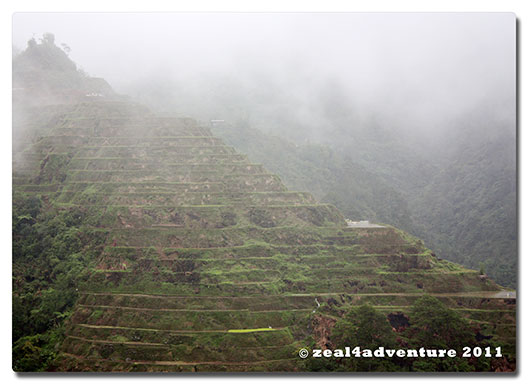
The 8th wonder of the world (as many Filipinos call it) begins at the base of the mountain and extends upland following the contours of the mountain– almost 5,000 feet above sea level.

This is North Luzon’s most famous sight and one of Southeast Asia’s most popular tourist destinations.  Famous not only for its sculpted beauty but for the traditional craftsmanship and cultural landscape dating back many centuries and is preserved to this day.

That said, these terraces are slowly being abandoned and already showing signs of damage and deterioration due to the lack of maintenance.  Many of the new generations would rather pursue work outside of the rice fields, opting to be guides or drivers.

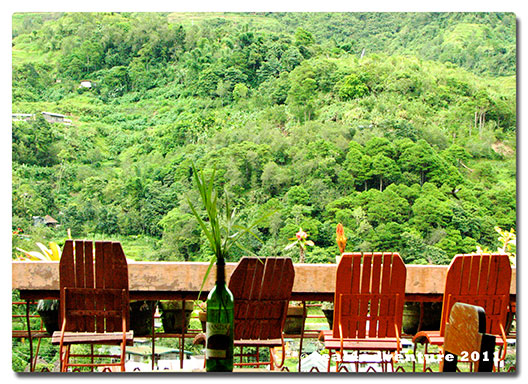
Banaue is some 348 kilometers away from Manila and a good 8-10 hours drive.  It is a small market village sitting about 1,500 feet above sea level.  The town is not exactly enchanting, thanks to poor planning but it has its own appeal, me thinks – how can you go wrong anyway when breakfast comes with a view like this?

At Sanafe Lodge

Useful Info:

Sanafe Lodge and Restaurant
Contact no:  +63 74 386 4085 (Banaue), +63 920 950 4644 (Mobile), +63 722 2110 (Manila)
Email:  sanfelodge@yahoo.com 

Simple & Low-Key

Credits: DID Lesson 2 papers — camp stripe, orange stripe, plain jane, splendid fiins notebookdots 03, thursday b, 08, 02;  Elements — Crystal Wilken’s SVC stitch, flea market brads, heat yellow strips, ikari’s urawesome gray stitches, LivE S$S Twill 2 Delight, ricrac orange

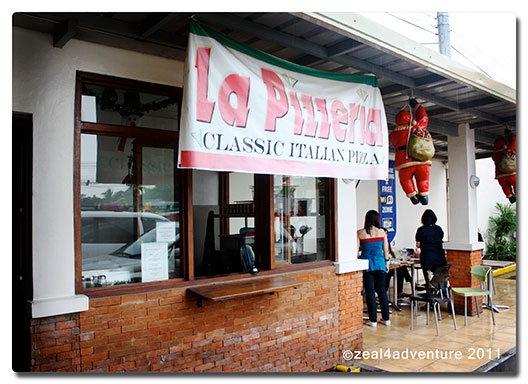
Sometimes the best places are obscured in simple low-key settings… like this Italian-style pizzeria in a Total Gas Station along the National Highway at Barangay San Rafael. Who would have known that one could find great pizza in Laguna and in a gas station to boot?
Came highly recommended by Boots Alcantara of Casa San Pablo, we set out to search for this supposedly good find.  Orders are taken at the convenience store and one can choose to dine inside the store (a small corner is set up like a bar facing the station) or al fresco just behind the store.

The crust, for me, is what makes or breaks a pizza and this definitely made their pizzas – thin and crusty baked in a wood-fire oven.  The toppings, with special mention to their Pesto, Pepperoni and Margherita, have just the right amount of ingredients, the cheese and the sauce not drenching the crispy texture of the crust.

They’re pasta, likewise cooked al dente with me favoring their Bolognese.

Gone before we knew it!

La Pizzeria made such an impression when we had a slice each of they’re Pesto pizza some years ago, I made sure to have a meal there when I found myself back in San Pablo last year.  It still did not disappoint and my meticulous friends continued to be wowed.

Right after lunch and before heading home, we stopped by to bring home some local treats.

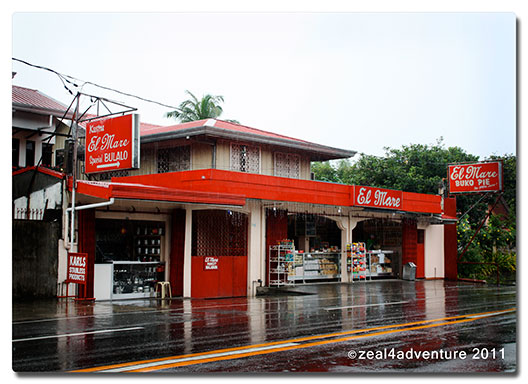
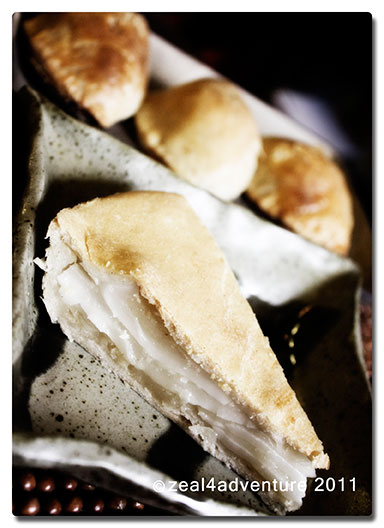
El Mare’s buko (coconut) and chicken pies are popular food to take home with you to remember San Pablo by.

Both pies had fillings filled to the brim, the crust – flaky definitely deserving the thumbs up.

Making Tradition

Birthdays are always a good excuse to get together.  Since we graduated from High School many moons ago, we still keep in touch but seeing each other often is fantasy today, with different lifestyles and priorities as the number one culprit.  Not to mention that 10 in a group means 10 birthdays and busy bodies that we are, it’s complication to the max. Determined to keep the bond, it became a tradition of sort for 5 of us with birthdays close together – if you consider a span of 3 months close – to treat the group to something special, each year transcending to finer and more enjoyable experiences.  It started with extravagant dinners to out-of-town lunches to dinners prepared by a chef to this.

We don’t travel well together.  It’s the difference in travel styles.  That said, the travel planner that I am dared to plan an overnight trip to Laguna and Quezon for the group last year.  They complained – about how far the trip was… that they don’t like airbeds as it is difficult to share the bed… and why were there only 2 bathrooms for 9 of us… fun, isn’t it?   😯

So we had lunch at Ugu’s and so impressed they were, they stopped grumbling about the 3-hour drive.

We then headed to Sitio de Amor, our home for a night.  Again, they oohed and ahhed… until they realized the bathroom and bed situations.  I told them to live with it (for a night).

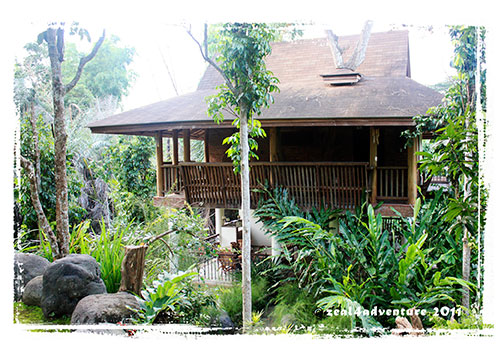
I have eyed that tree house since I first saw it.  So I booked it.

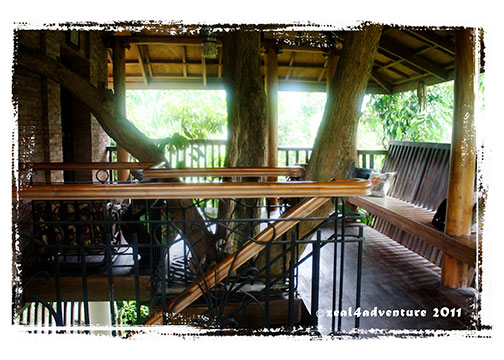
It had a balcony with seats built all around.

The back of the pool

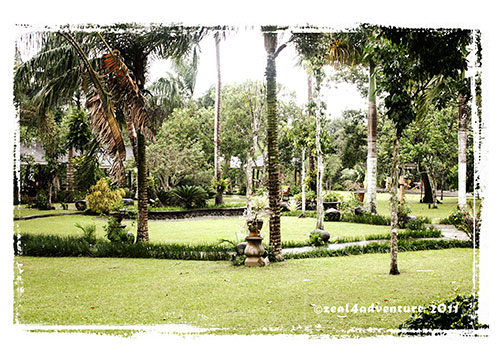
And beautiful views of the grounds to boot.

A close to perfect setting to gather together and catch up with each other till the wee hours of the night, the only thing is… it had only 1 bedroom which could only fit 4 of us.

Not bad at all.

The rest had to trek back and forth to their room, called Lanzones – a room with a beautiful view of the lagoon that fits 6 and yes, with only 1 bath.   😛

The motley crew before heading back home.

All is well that ends well.  They were happy despite the bathroom and bed dilemmas.  The breakfast was as usual, superb.