Siayan

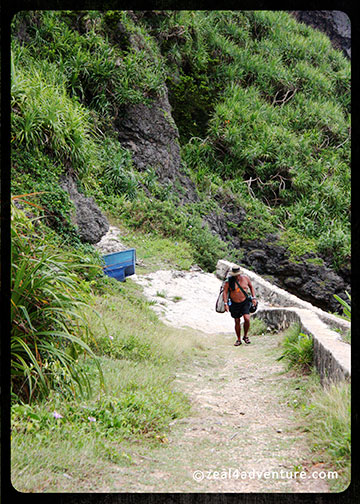
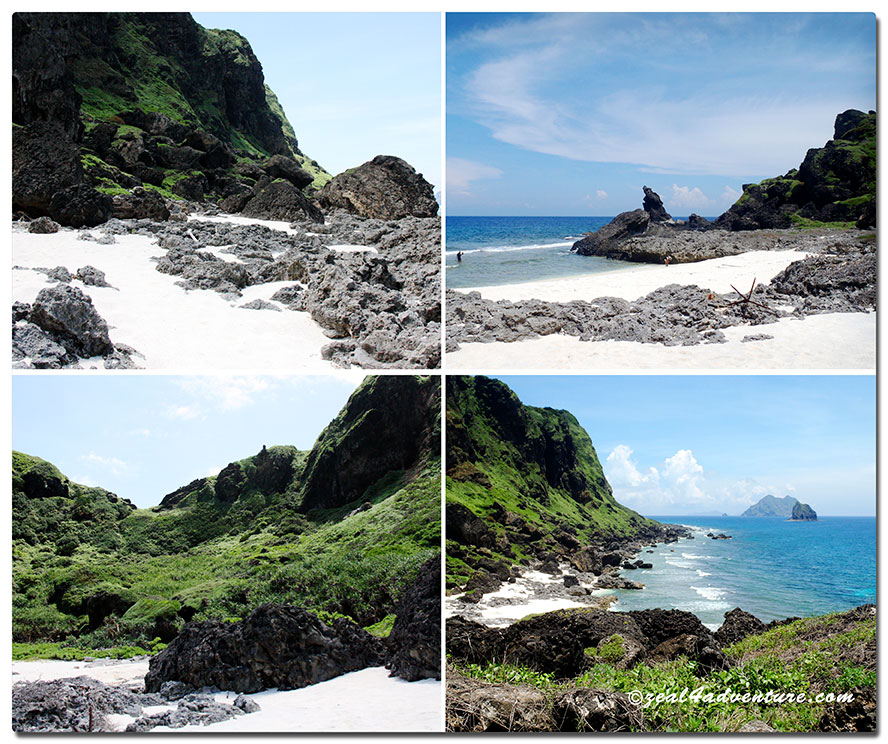
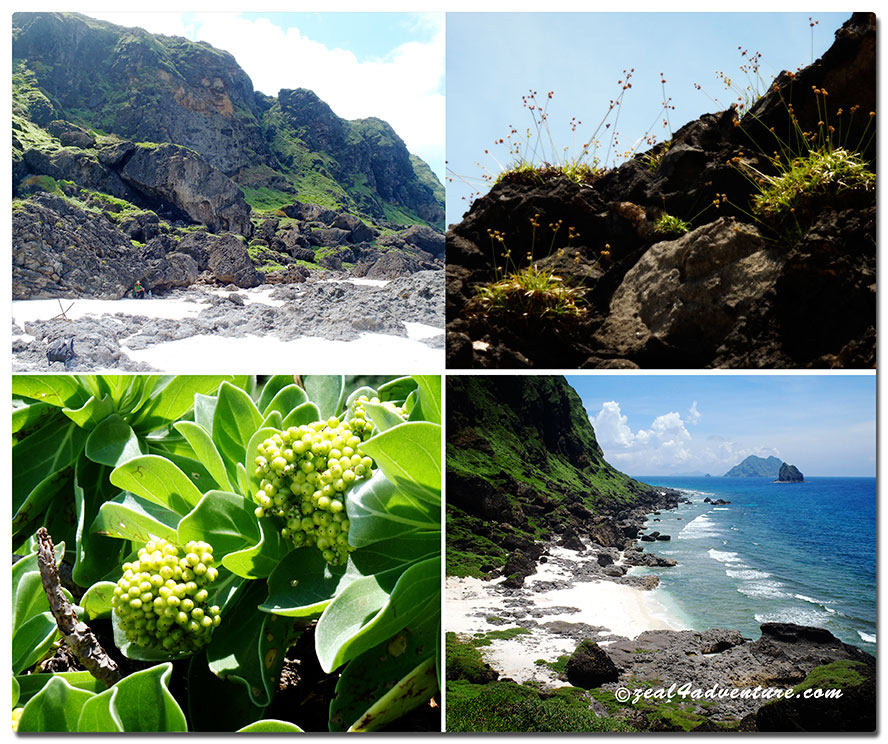
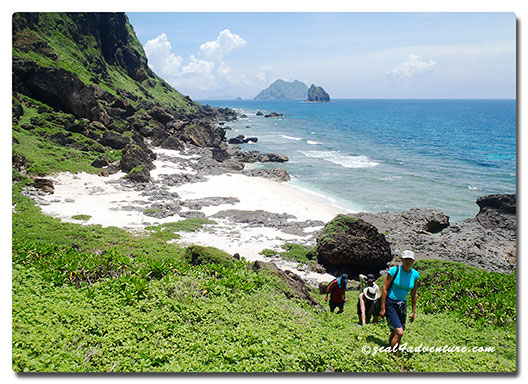
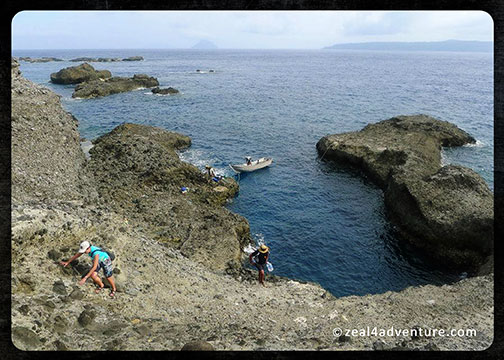
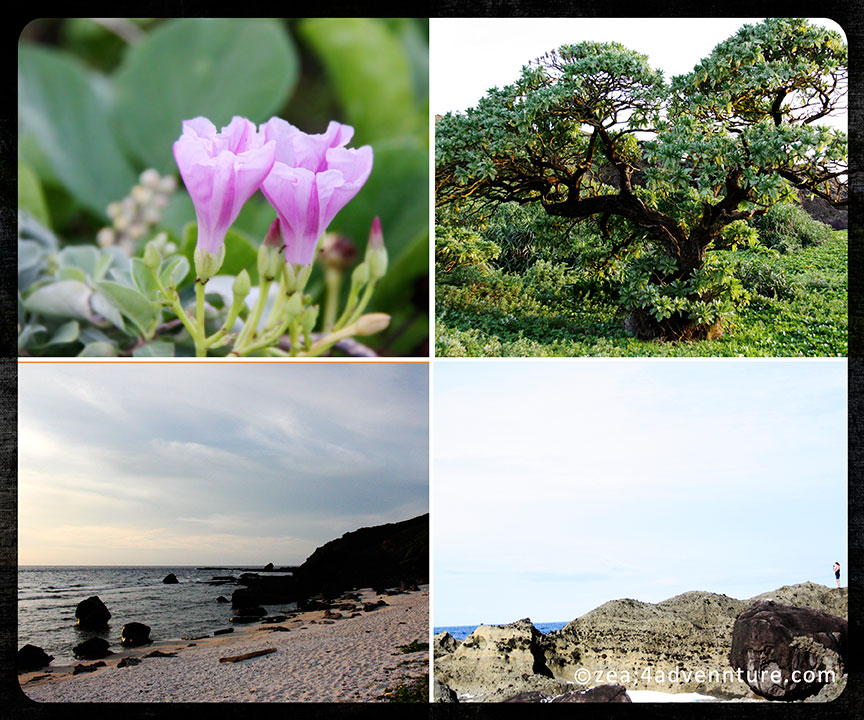
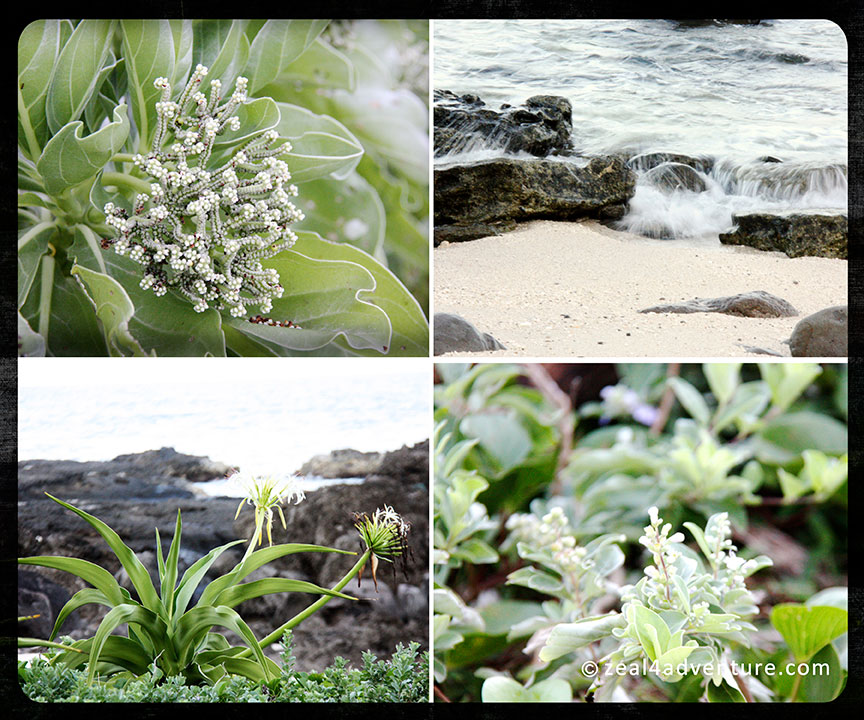
We scrambled through rocks, walked through pastureland until we reached a beautiful beach.
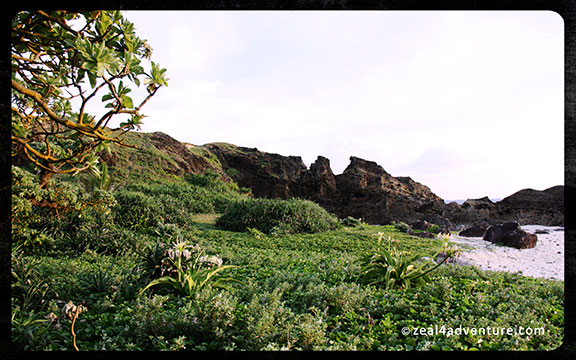
As with Y’ami, a shore entry wasn’t possible.
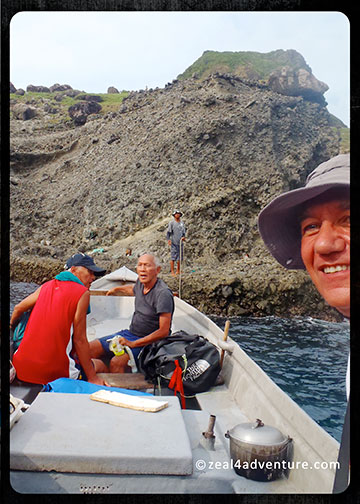
The boat took shelter at one side of the island, hidden by a cove of volcanic rocks; the boat is safe there for the night.

We, on the other hand, had only a tarp to shelter us for the night.
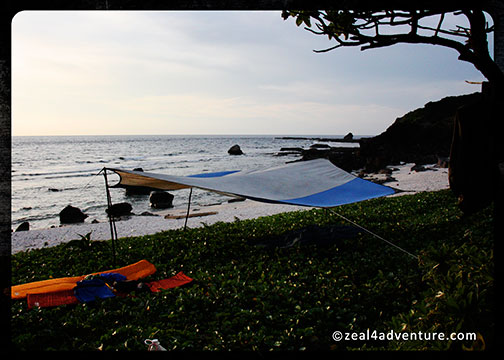
If it rains, we’re doomed.  And as thunder rumbled and lightning flashed through the night, deep sleep eluded me.
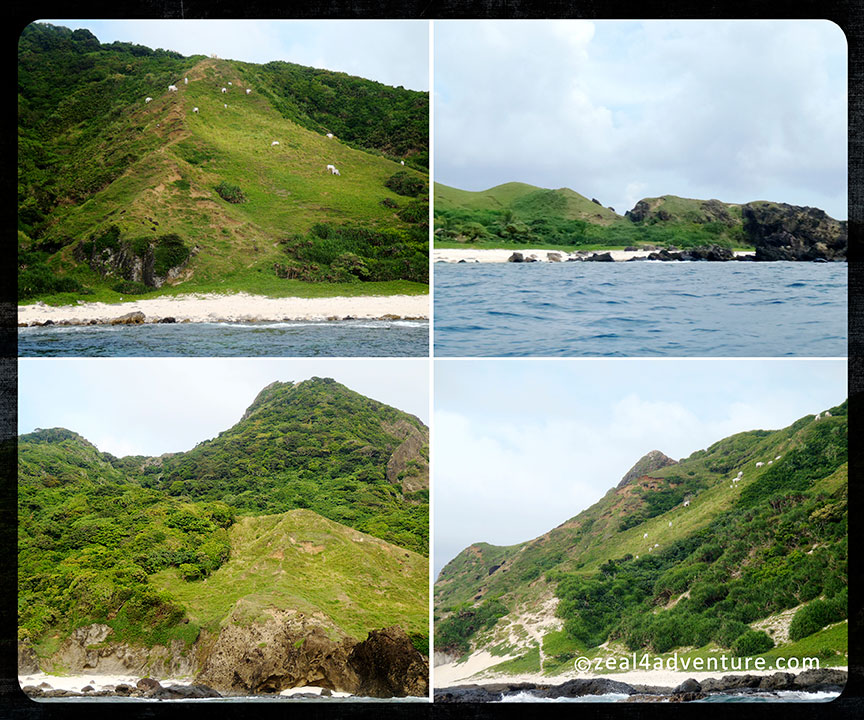
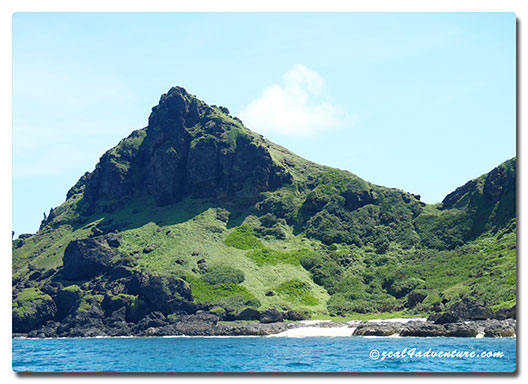
Siayan Island is about 1km in diameter.  It is 164m high and is considered an inactive volcano hence the rocky path to the beach.
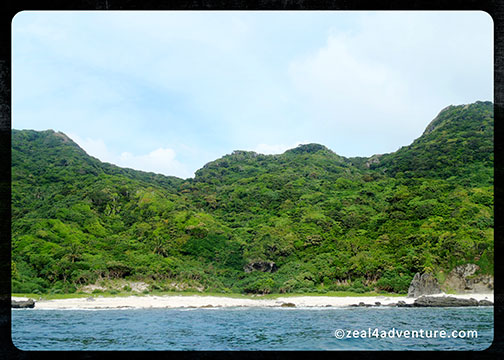
Lying about 8 km north-northeast of Itbayat, it is just an hour away from the farthest inhabited island of Batanes.
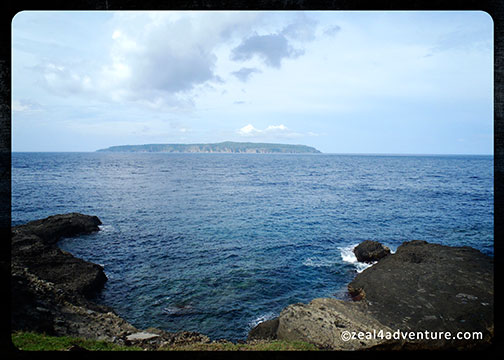
Itbayat in the distance.

The water can become turbulent however and our guides took precaution and insisted we stay the night in Siayan.
When they said that the island has a water source, I had in my mind a stream tucked away in a forest somewhere.  Instead, it is more of a concrete rain catchment built on top of a hill.  The water stored there is only for bathing, not for drinking.  We took turns rinsing ourselves and I should add that the view on this hill is spectacular.  I meant to take a photo but unfortunately never got around to doing so because I don’t normally bring a camera with me when I take a bath, do you?  So I keep forgetting.
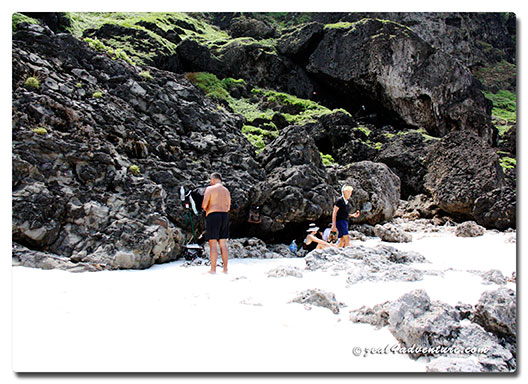
Dinner and bedtime was early because we were tired from the day’s excitement and there really wasn’t much to do after dark.
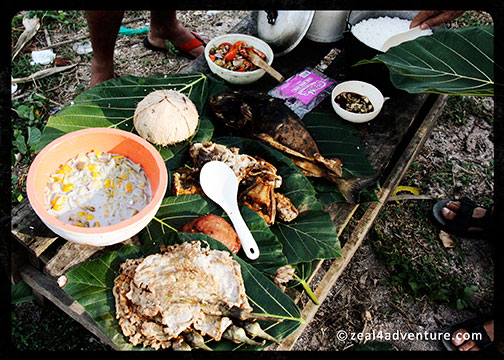
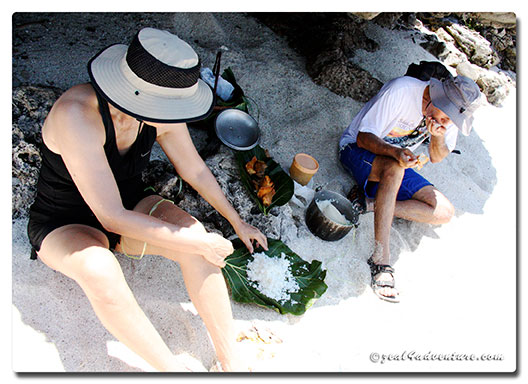
Breakfast Feast prepared by our guides.
The walk back after breakfast was another struggle – going down this time.
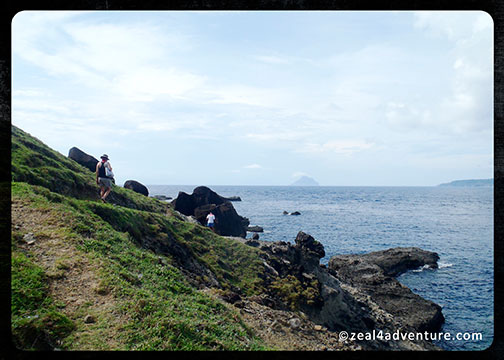
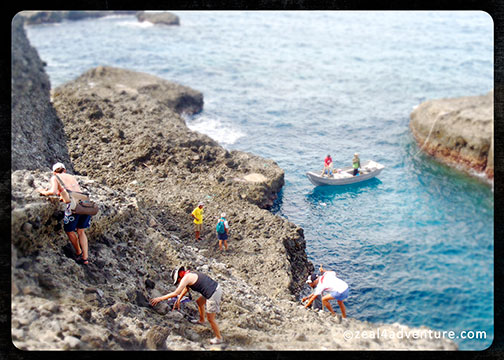
Definitely not a walk in the park.
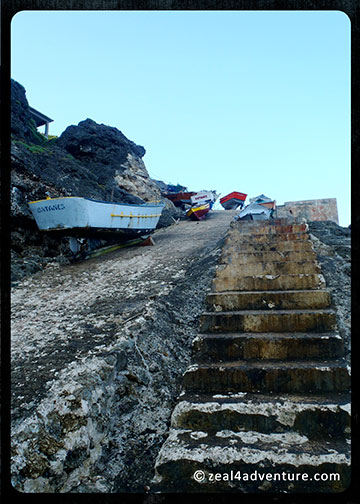
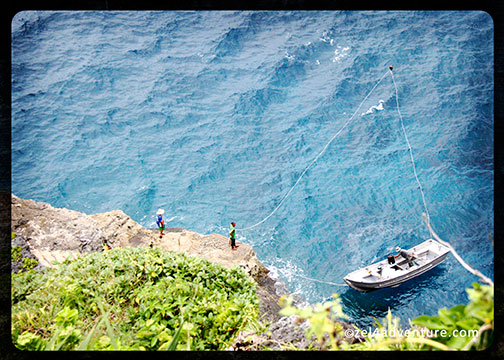
A glimpse of our boat from the top.

Back in Paganaman port, we walked up steep steps (with our stuff) to the road where our truck will return for us.

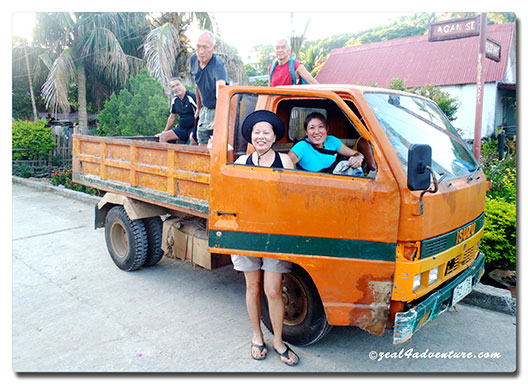
Waiting for our ride.  Tired from the journey and the sleepless night.
A grueling trip worth all the experience.  Will I do it again?  Perhaps not back to Y’ami, but to other unexplored territories, hell yes.  As I always say, I’ll do (almost) anything at least once in my life.
A Trip to Y’ami: Philippine’s Northernmost Tip

A truck waits for us at the corner of Nanay Cano’s house.

It will be taking us to Paganaman Port where we will embark on a trip to Y’ami Island.   The northernmost island of Batanes, it is closer to Taiwan than it is to Aparri.  An idea I never really took seriously until an email came my way one day in March.  “He wasn’t joking”, I thought.

We had to trek down to the port with our drinking water and overnight kits.  It was a long way down.

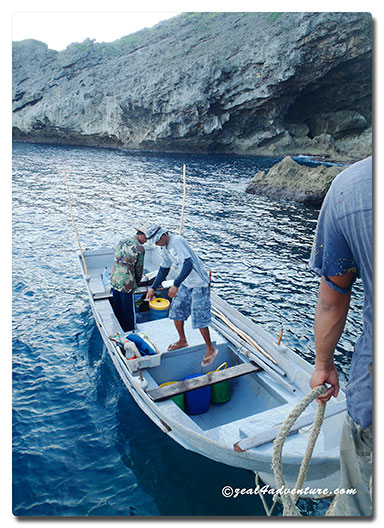
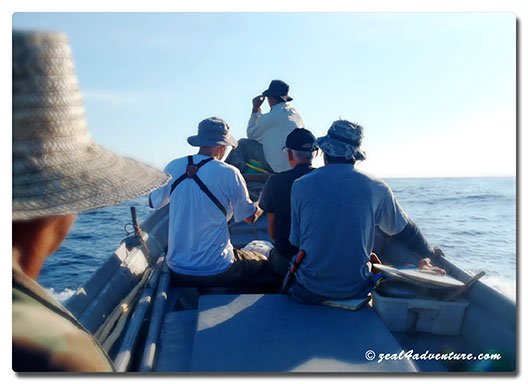
There it was waiting for us at the landing.  The boat, also called a falowa that Nanay Cano arranged for us was unbelievably small.

Could it really bring us safely to Y’ami on treacherous waters?  The sea was calmest in May, which was why this expedition happened then.  So along with treacherous waters is scorching sun.  That boat has no cover whatsoever.  So I ask myself for the nth time, how far do I go really?  Is this so-called adventure worth the trouble?

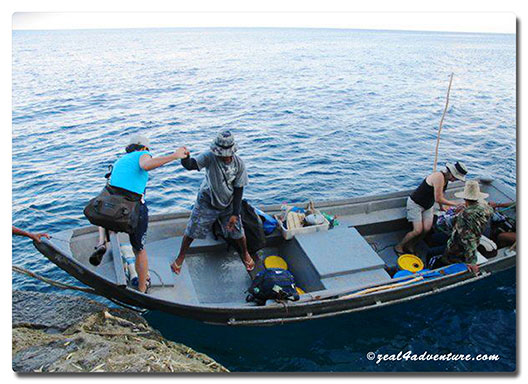
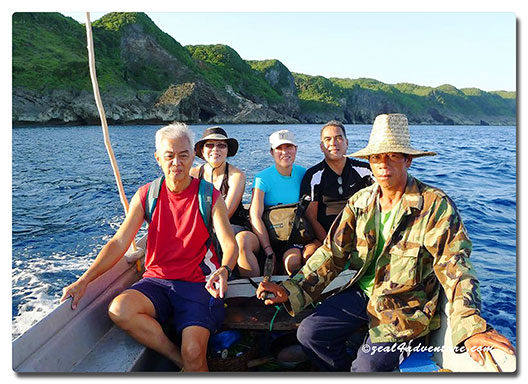
No one spoke a word when we reached the landing.  One by one, we got on the boat with much effort.  The water was rough, making it difficult to mount.  It was the biggest fishing boat on the island, we were told, costing us a mere P6,000 for the 2-day journey.

Looking back at Itbayat.

Composed of 3 major inhabited islands, Batan, Sabtang and Itbayat, Batanes also has smaller uninhatbited islands.  These are Siayan, Di-nem, Dequey, North, Mavudis, and Y’ami (also called Mavulis by locals).  Y’ami being the farthest, we will pass all these islands on the way.

The plan was to drop off our stuff at Siayan, the island closest to Itbayat.  Because Y’ami has no water source, we will stay the night at Siayan before heading back to Itbayat the next day.

The water became quite rough at one point, I wanted to get off with our stuff in Siayan but as fate would have it, the captain (they actually call him piloto) decided that we were light enough to travel the long haul.  Stopping at Siayan would take up time (you’ll soon find out why) and he’d rather be out of the water before late afternoon. If truth be told, the rough sea exhibited how capable our captain was and that there was nothing to fear.  One of us noticed that they only have one engine.  “What happens if the engine breaks”, he asked.  They shrugged, “we will use the sail”.  Simple as that!

Am I glad there was no need for that.  Needless to say, the journey to Y’ami was grueling with me getting perhaps the lousiest seat – the middle seat with nothing to hold on to.  I slip and slide as the boat ride the waves.  The fiberglass boat is slippery when wet, leg room was limited, the sun scorching…

But the scenery along the way somewhat eased the uneasiness.

Three hours after we left Paganaman port, we see Y’ami in the distance. As we approach it, we realized that getting off was a problem.

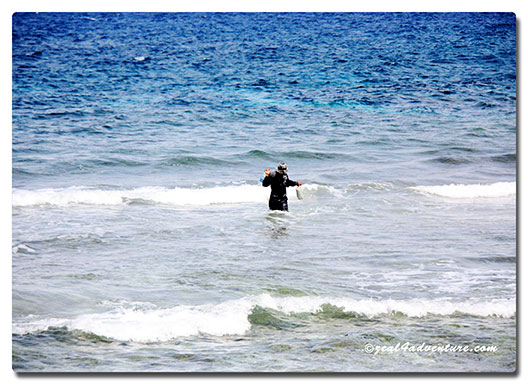
The water was too rough for a shore entry so we anchored far from shore and waded to the island.

“This better be worth it”, my thought balloon goes.

Under those rocks we found shelter from the scorching heat of mid-day sun.
And there we had lunch.

Trekking to the other side of the hill where there is some sort of landing, albeit on sharp rocks.

The island is beautiful, pure, unspoiled.  Sadly though, we saw a baby shark with its fins cut off from a fishing boat.

Except for some fishermen (including the corrupted ones) taking a break from fishing, hardly anyone sets foot in this uninhabited island.  It is, after all, a long way from home.

Nanay Cano and Coconut Crabs

Faustina Cano, Tina or simply “Nanay” is the woman to call when you’re headed to Itbayat.  She can arrange almost anything.  We needed a boat to take us to the farthest island of Batanes – an idea out of the ordinary that turned to fruition through Nanay’s help.   A retired teacher, Nanay is now the tourism officer of the island and is perfect for her role.  You’ll soon find out why.

Flying was not always possible for this northernmost inhabited island.  When there was still no airport or when it recently went for a refurbishment, one has no choice but to take a grueling 4-hour boat ride.

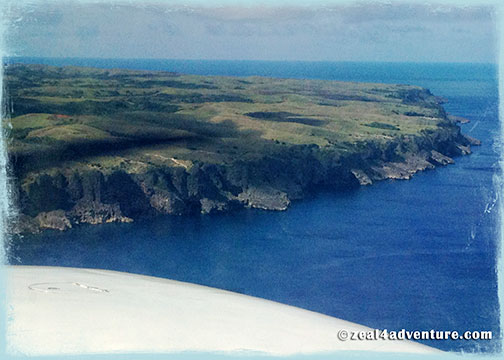
Because it is a giant uplifted coral reef as research claims, it does not have a shoreline to land on.  When the water is rough (which is almost always), getting oneself to the port is a challenge.

Chinalopiran Port, Itbayat

One has to time the boat and jump as it levels with the landing.  Whew!  Glad I never had to do this although it would have been an interesting trip if ever.

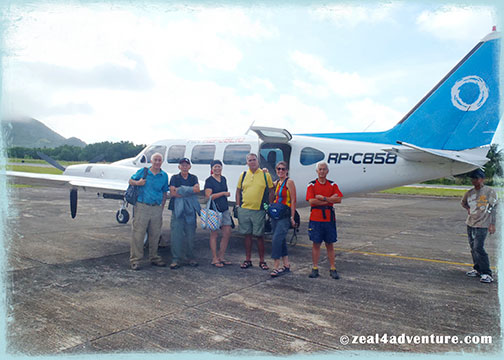
The motley crew on a mission.

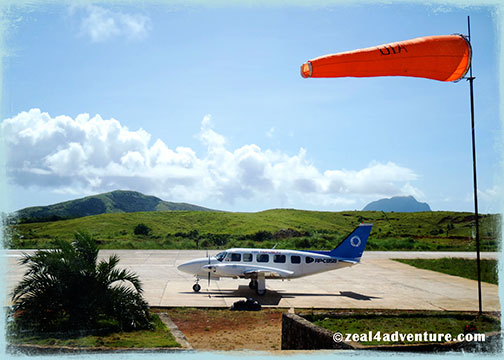
Arriving on an 8-seater plane, we landed at the Itbayat Airport only 12 minutes after we took off from Basco.  The airport is far from town and when I first came in 2007, a truck picked us up and took us to town on bumpy, unpaved roads.  This time, we hitched a ride with the ambulance that was going back after bringing an old woman to the airport.

Road conditions had improved with some roads paved along the way.  Classified as a community airport, it provides one pick-up to take passengers to and from the airport.

Needless to say, we booked our rooms at Nanay Cano’s Homestay.  Our home for the next few days had 5 beds, one bathroom and several fans to keep us cool although it is rendered useless after midnight when the power goes off till 6 the following morning.  On hot summer’s nights in May, we miserably sweltered through the night, truth to tell.  How far do I go for adventure, I often ask myself.

Nanay Cano is an excellent host, she knows the history of the place, and she explains it with so much gusto too.  As soon as we got settled, she called us together to explain the following day’s agenda, the islands we are visiting and its logistics etc.   It is not going to be easy, and again I ask, how far do I go for adventure?

Coconut crabs.  A delicacy and found most in this island.  Walking around town waiting for lunch to be served at Nanay Cano’s, we came across some fishermen selling these crabs and a delicious dinner it made.

The crab is said to climb coconut trees and husks coconuts with their powerful claws hence the name.  It is however not a significant part of their diet.

When cooked, the claws are hard and needs a good bashing to break, the meat sweet and firm.  Although I still prefer Alimango (mud crabs) and Alimasag (blue crabs), Coconut crabs is a priced delicacy and is widely hunted, its population dwindling.  The IUCN has classified them on the red list of threatened species.  This means (as I understand it) that they can only be consumed locally and is not to be sold outside of the island.  Or am I just justifying for having a scrumptious meal?   😉

Aside from the coconut crabs, Itbayat produces garlic, a lot of them.  Nanay explains that the different varieties are a result of bartering with Taiwan, who has an extensive production of garlic as well.

Between some of us, we brought home a total of 12 kilo worth – Nanay arranged to have it shipped to Basco lest we go over the weight limit.  These are good garlic, folks.  If you find your way to this corner of the globe, do get yourself some of these.  I am loving it and will miss it once I run out.

With that lovely dinner, we were off to bed early… before the fan shuts down.  A long, challenging day awaits us tomorrow.

Useful Info:

Nanay Faustina Cano: +63 919 300-4787
Air Republique Booking Office: +63 908 120-2548

Batanes

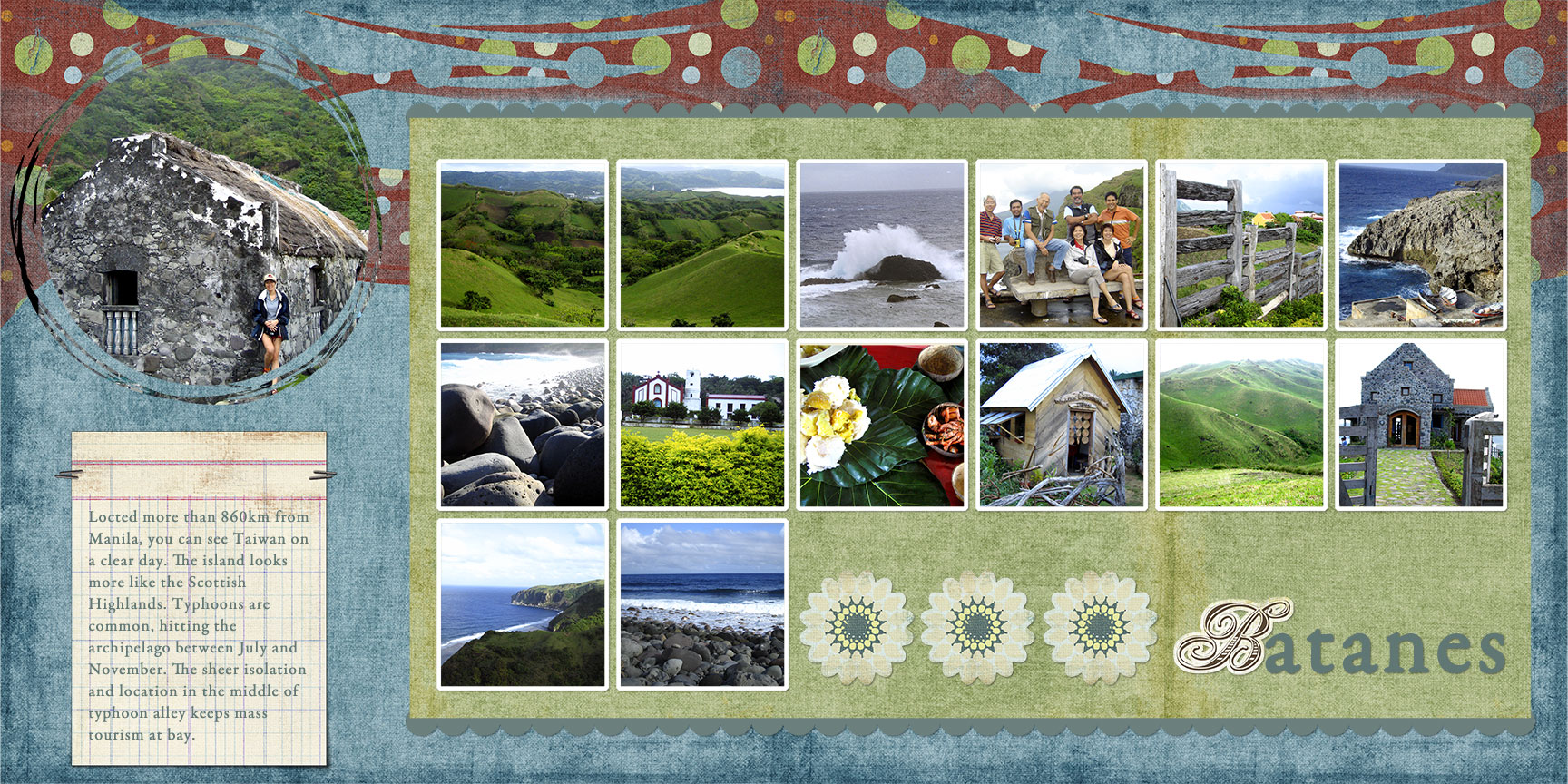
Located more than 860 km from Manila, you can see Taiwan on a clear day.  The island looks more like the Scottish Highland.  Typhoons are common, hitting the archipelago between July and November.  The sheer isolation and location, in the middle of typhoon alley, keeps mass tourism at bay.

My journeys to Batanes have been a series of milestones.  I first set foot on this northernmost part of the Philippines, the home of the Ivatans, in 1997.  That trip started it all.  It catapulted my zeal for adventure.  I found myself back nine years after, this time to explore the farthest inhabited island of Batanes called Itbayat.  And very recently, another dream brought us back to this pretty corner of the world.  A new milestone to achieve.

Batanes continue to enchant despite commercialization.  More frequent flights fetch more tourists albeit still miniscule compared to other destinations.  The size of the plane allowed to land at the Batanes airport prevents mass tourism from flocking in still.  With its rolling hills, ancient cultures, traditional stone houses, and breathtaking landscapes, Batanes is worth exploring again and again.  Let this post be a prelude to an ultimate adventure.  Stay tuned.