Happy and contented with finally being able to see up close the Panag-apoy, witnessing another festival is, what I would like to think of as, a bonus.
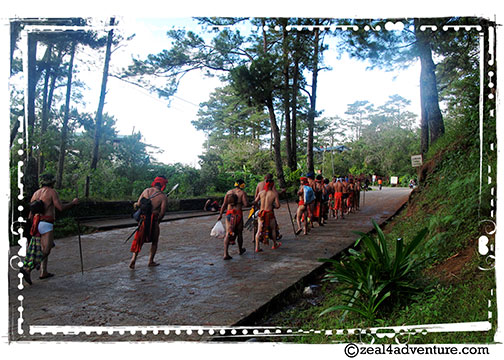
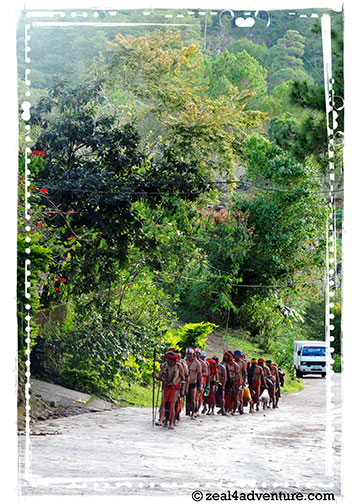 Walking to town from Ex-Mayor Killip’s house, which we rented for our stay, we saw these men in traditional Igorot clothes.
Former Sagada Mayor Tom Killip invited us to watch their ritual for a good harvest if we have time before heading down. Of course, we have time, we will make time.
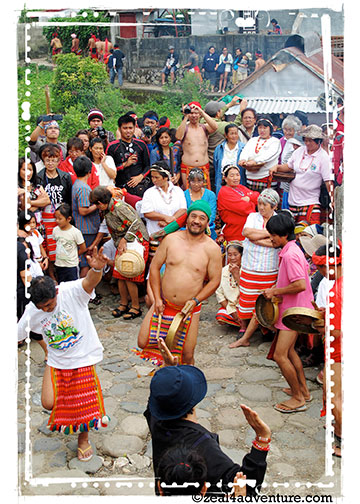
Deeply rooted in culture and tradition, the Kankanaey community of Sagada celebrate a Rice Thanksgiving ritual that follows the cultural calendar of the Igorot. The dates of the Begnas are usually decided by the tribal leaders via age-old omen and signs and, therefore, have no fixed dates.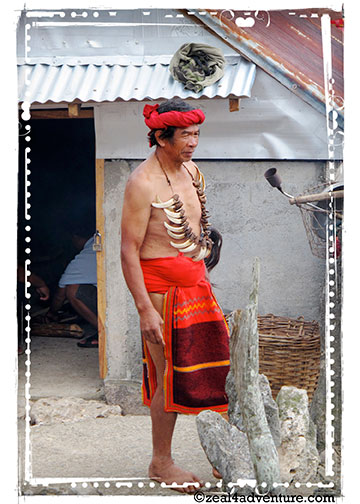
It is generally held to mark the different agricultural cycle—pre- planting or land preparation, planting and harvest—and apparently happens three times a year, loosely in March, June and November.
We were advised to be there early so not to disturb their celebration. Being early has its advantages.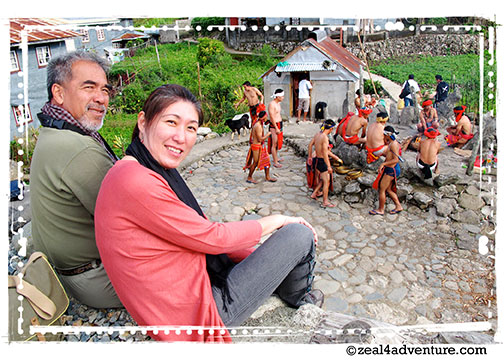
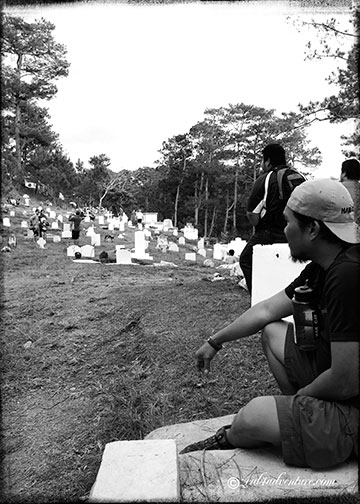
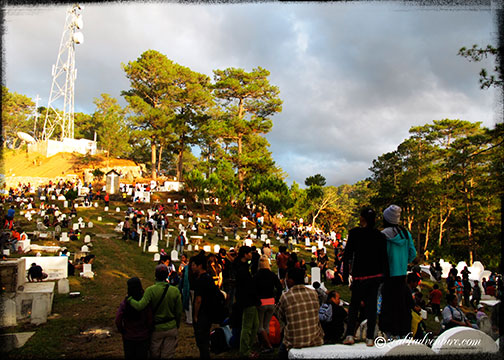
From our vantage point, we were able to watch the celebration up close without being in the way.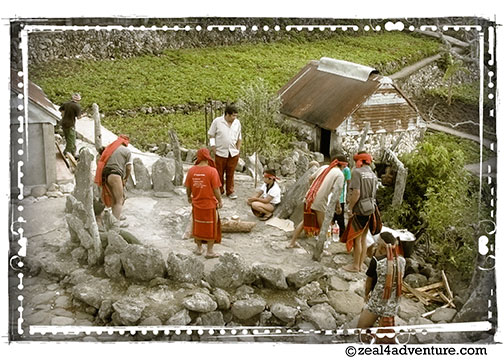
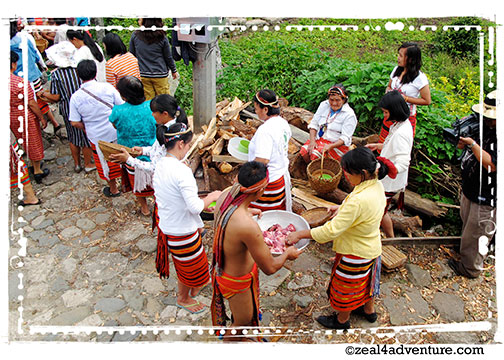
Arriving in traditional clothes, men and women from different barangays gather in the hosting dap-ay.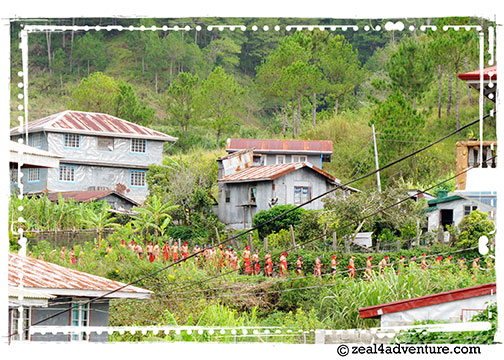
It starts with a group of men in a single file going off to the rice fields to sacrifice a pig on sacred ground the community calls patpatayan.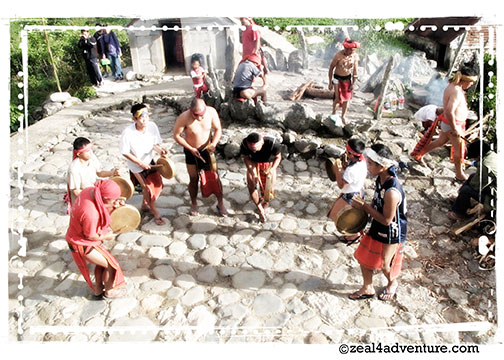
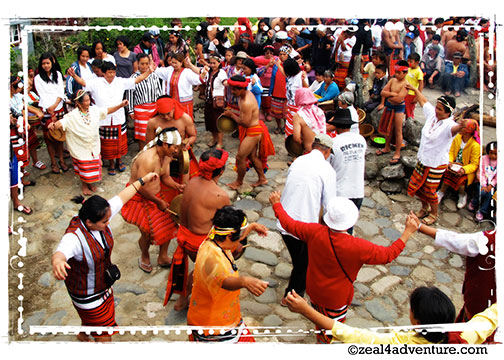
Meanwhile, the men left in the dap-ay started to perform their traditional dances, not to entertain us (but perhaps themselves) but that we were. After a half an hour perhaps, they came back, still in single file, to the dap-ay with the pig divided into pieces. The ceremony ends with everyone participating in the dance and the pieces distributed to each community.
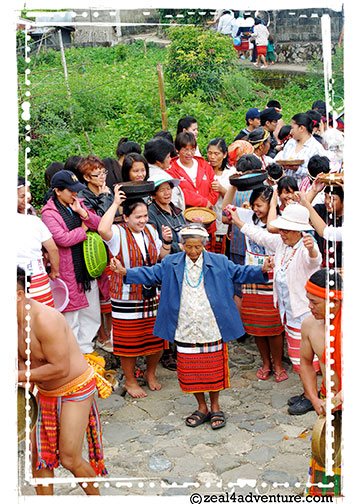
I am honored to have seen this tradition and was well worth setting our trip back for a few hours.
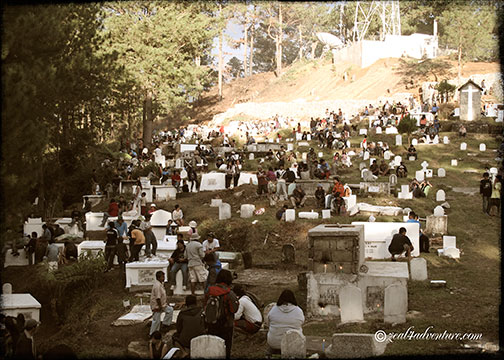
I leave you with more photos of the celebration:




 my adventure odyssey