A Little Bit Of Kunming

At the airport, I approached the guy holding a sign with my name on it. I spoke to him in English, he to me in Mandarin. “We have a problem,” I turned to my travel group. Our driver guide speaks zero English, and he does not understand my (elementary) Mandarin. He called his boss, and we made it to our hostel.

Wang

The problem is that the boss is leaving for her own holidays in a few days. In the end, Wang and I managed. In fact, he played a part in making Yunnan high up on my “best-loved” trips.
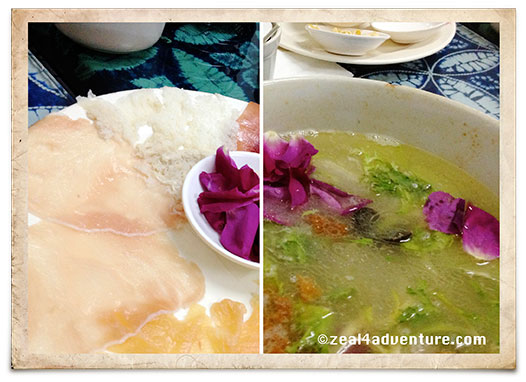
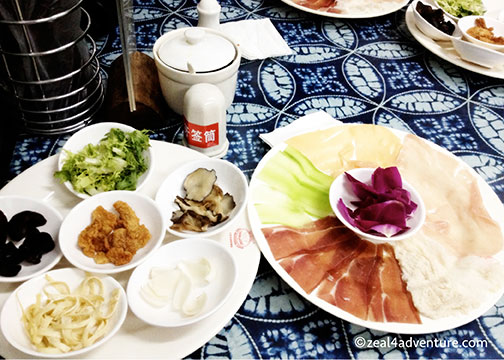
Across-the-Bridge-Noodles

He ordered for us and taught us how to eat Yunnan’s famous “Across the Bridge Noodles.” He also suggested that we take the cable car to Western Hills. And just for this view, it was worth it.

view-of-DianchiDianchi Lake from the cable car.  The road winds around it.

Also known as Kunming Lake, Dianchi is the largest freshwater lake in Yunnan Province and the sixth largest in China. With a stunning landscape and an elevation of 1885 meters, it is often called the Pearl of the Plateau.

view-from-western-hillsview of the river from the hills

Though severely polluted, the lake is the primary water source of Kunming’s industry and agriculture today. At one point, Dianchi made up 40% of the drinking water for the city but had to shift to other sources due to the lake’s severe algae blooms. It is teeming with fish still, and the people who live on the east side still fish for a living.

On the western suburbs of Kunming lies Western Hills, also called Sleeping Buddha Hills because from a distance, it looks that. Another name given is Sleeping Beauty Hills because when viewed from a different angle the hills look like a lady laying beside and her hair trailing into the lake.
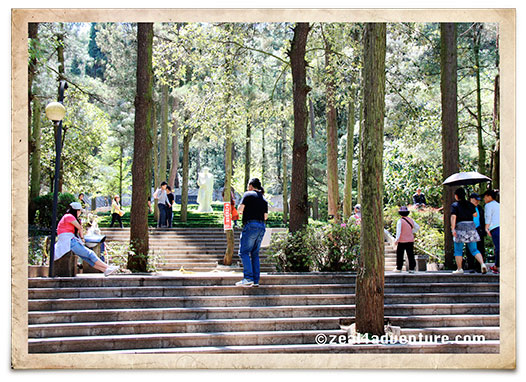
Western-Hills

The hill stretches from the wooden Huating Temple to the Dragon Gate along the steep cliffs. I didn’t reach the Dragon Gate but instead enjoyed the view from the lower cable car station.

cable-car

One can also go up the hill on a steep and narrow path, but many prefer to go up through cable car and then walk down. We opted for cable cars both ways.
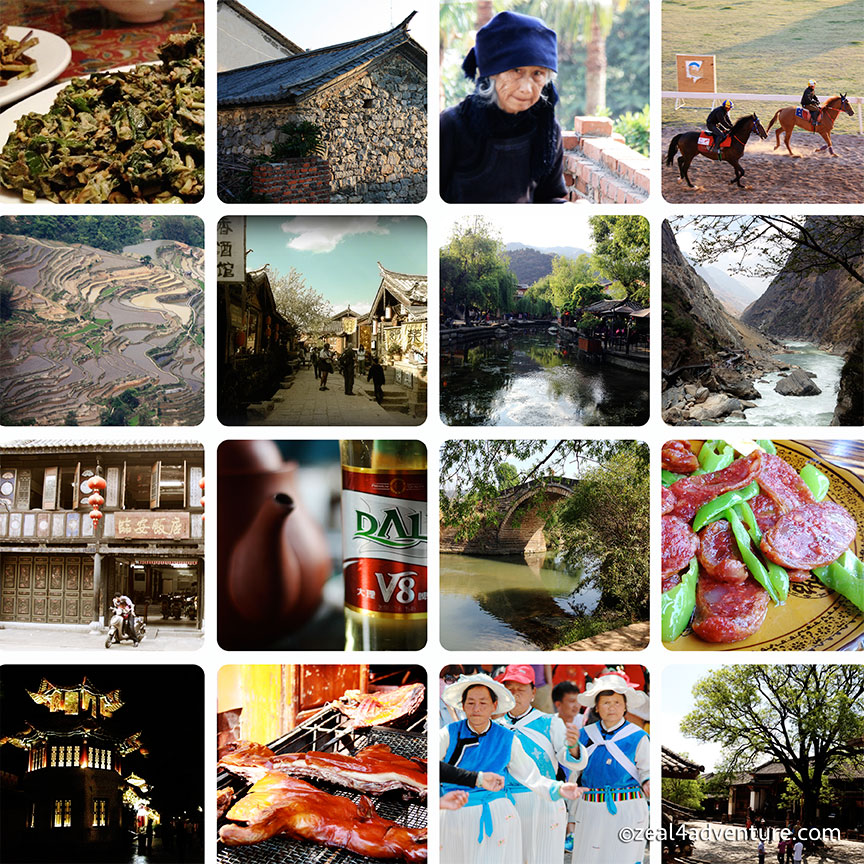
Yunnan

Collage

With the most ethnic groups among all of China, this southern part of China started to fascinate me when I was researching on Guilin a decade ago. And Yunnan had been on my mind ever since.

Sharing external borders with Myanmar, Laos, and Vietnam. Internally, it has as neighbors Guangxi, Guizhou, Sichuan, and Tibet. With its location, it is not surprising that Yunnan is diverse in its culture and people.

Across-the-Bridge-Noodle-SoupA specialty of the Yunnan Province, guoqiao mixian, which translate to “Across the Bridge Noodles”.  The name made popular by a lady who used to bring noodles to her husband across the bridge.  Full Story here.
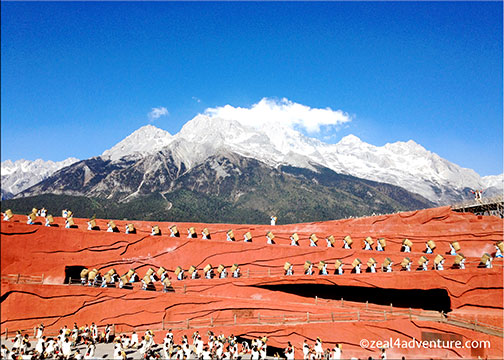
snow-capped-mountainImpression Lijiang a Zhang Yimou show with the Jade Dragon Snow Mountain as its backdrop.

Its landscape ranges from snow-capped mountains to dense jungles to sensational terraces.

Amazing land it surely is and I have been charmed, captivated. Join me in the next few months as I reminisce about my journey into dramatic landscapes, breathtaking views, fascinating cultures and magnificent cuisine.

Kunming

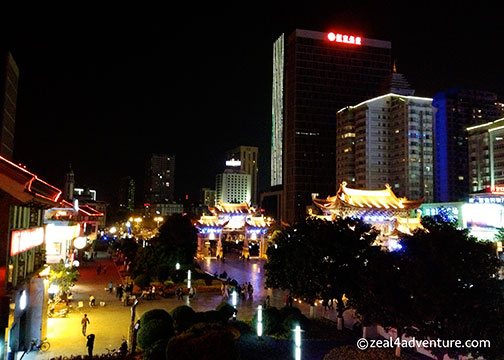
kunming-at-night

The hub and the capital of Yunnan served as our jump off point. Surrounded by temples, lakes and limestone hills, the city has its own allure, but we didn’t spend a lot of time in the city. Unfortunately.

Green Lake

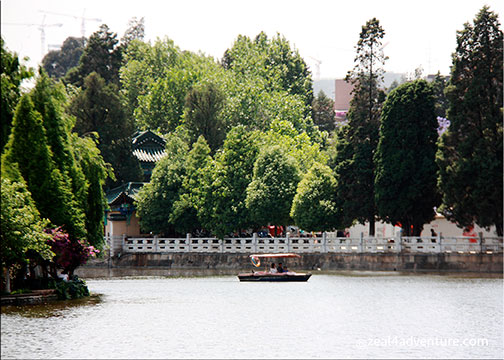
boating-in-the-lake

I chose to stay near the lake precisely because we didn’t have that much time for exploration. The lake is in the heart of the city’s business, food and culture.

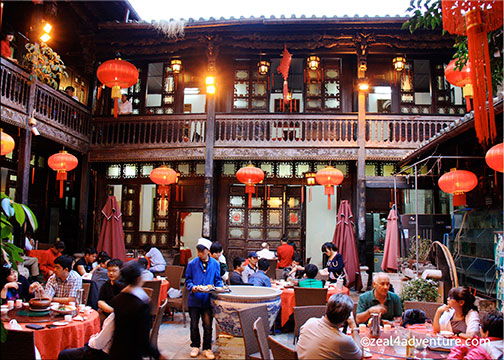
Lao-Fang-ZhiA few steps from our hostel is Lao Fang Zhi, a house of over 100 years turned restaurant that serves awesome hot Yunnan dishes. 

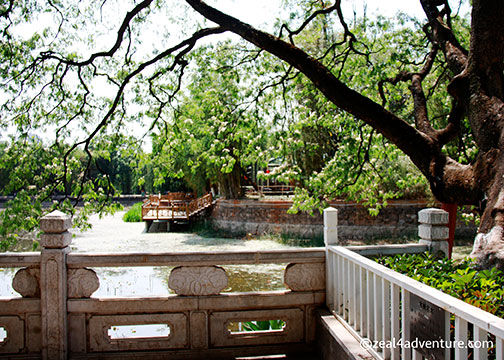
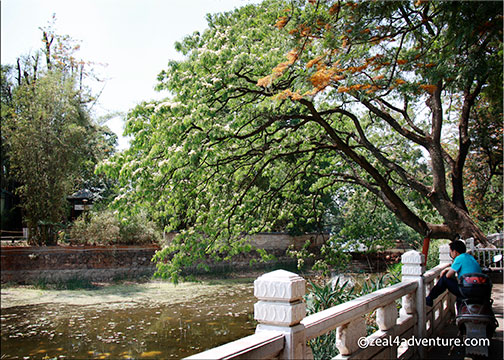
A beautiful park designed and created way back in the 17th century. Surrounded by willow trees and dotted with vibrant lotuses, the park has become a favorite among nature lovers.

willow-lined

A stroll around the lake is a pleasant way to watch how the locals spend their time.

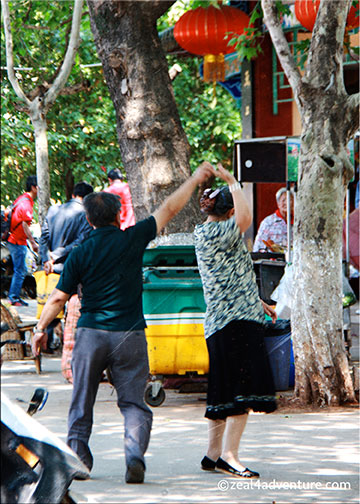
dancing-in-the-park

A lot was going on. In one part of the lake, music filled the air, and people were dancing.

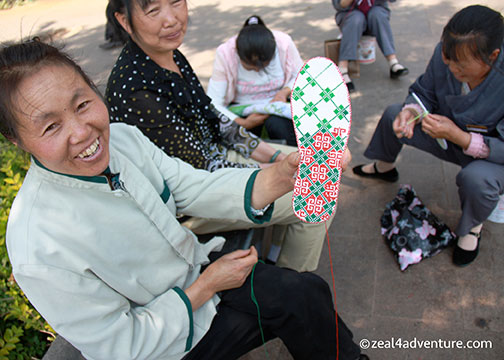
embroidery

In another, aunties sit around chatting and doing some embroidery while some are contented just to admire the lake and soak up the atmosphere.

lily

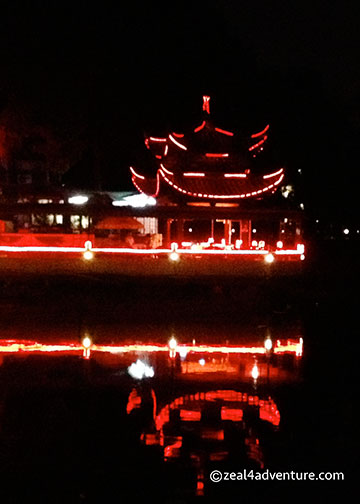
At night, the lights come alive and radiate a different ambiance.

green-lake-at-night

And with this, we start our journey into an endearing province of China that seemed to have been left alone. Stay tuned.

Rainy Days in Seoul: Taxi rides, Museums and Bibimbap

rainy-days-in-SeoulCredits:  Template from the You are Awesome bloghop

As luck would have it, we woke up to a rainy Seoul on our first full day in South Korea’s capital.

rainy-dayBreakfast at the guesthouse.

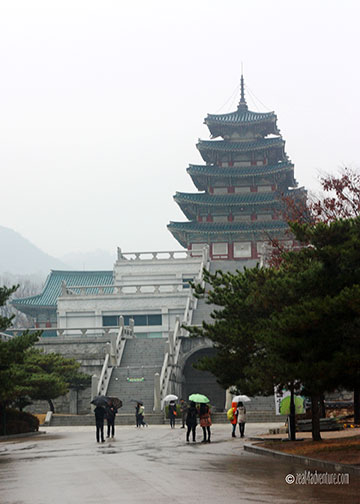
What to do? We deferred our plan to walk around Bukchon Hanok Village and instead, per the suggestion of the guesthouse staff, we headed to the National Folk Museum in Samcheong-ro in Jongno-gu.

The hassle-free way to get around on a wet day is by taxi. So driver dropped us off in front of the Gyeongbokgung Palace. The museum is located inside the palace grounds, but we didn’t know that. So imagine us bewildered when he stopped the car and tried to tell us (in Korean and sign language) where to go. And so we got off but couldn’t figure out why. While studying the map (in the rain) to get our bearings, he came back and gestured for us to get back in. He decided to drive us all the way to the gate. A quick left and a U and there we were at the side entrance of the Palace, closest to the museum. He was actually trying to tell us to cross the street, walk a little further, turn left, and we will find it. But he didn’t speak English, and we didn’t understand Korean hence the confusion. He didn’t charge extra.

National-Folk-MuseumThe museum shows the lifestyle and traditions of everyday Koreans at different periods that stretches from prehistoric to the end of the Joseon Dynasty.

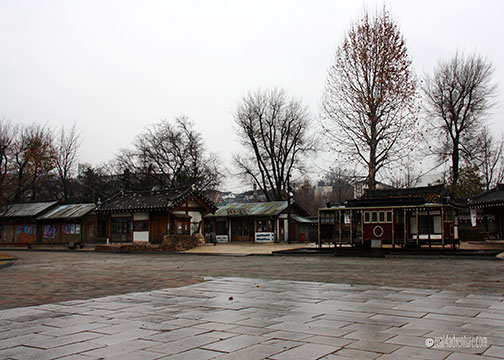
traditional-villageThere is also an open-air exhibit that takes you back in time through a replica of a street in a traditional village in late 19th century when a new modern culture was rising in Korea.

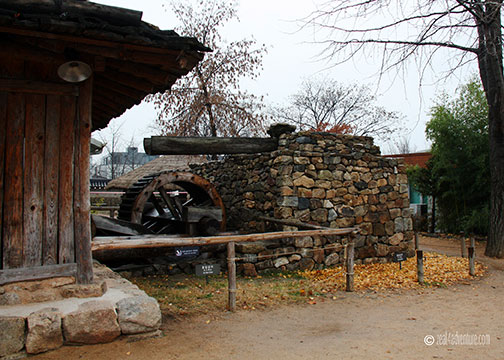
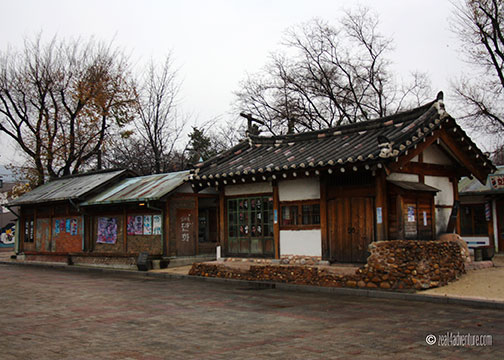
grinding-millThere you’ll see a grinding mill, a street car; hanok-style buildings and stores.hanok-style-stores

For lunch, we took a very short taxi ride (the driver scratching his head but couldn’t explain that it is just across the street, practically!) to Insadong. But because it was also drizzling, he obliged. I am amazed at how kind and gracious these people are. Thank you!

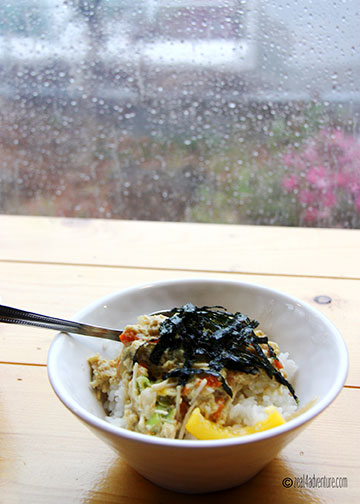
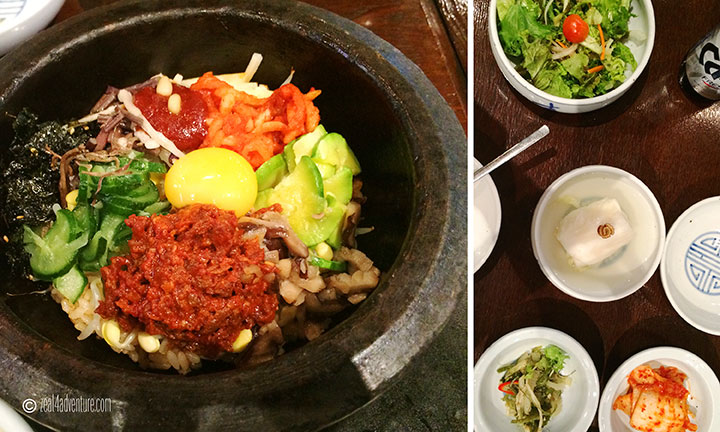
Lunch was an entirely satisfying meal of bibimbap and bulgogi at Gogung. I forgot how I adored these well-known dishes, which I first came across about 3 decades ago, when Seoul and I weren’t quite as hip. GogungThis beautiful mixed rice with vegetables, chili paste and eggs called bibimbap kept us full without breaking our pockets. Gogung, known for its Jeonju style bibimbap, is in the basement of Ssamzie-gil, a colorful shopping and cultural complex in Insadong-gil.

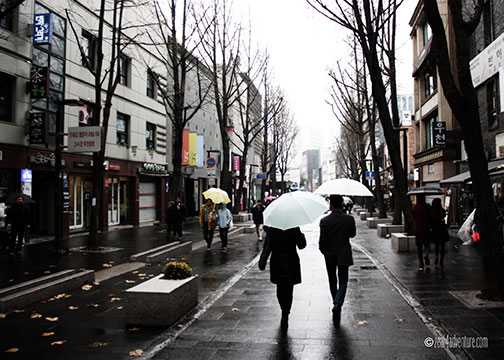
insadong-gilThe main street, Insadong-gil

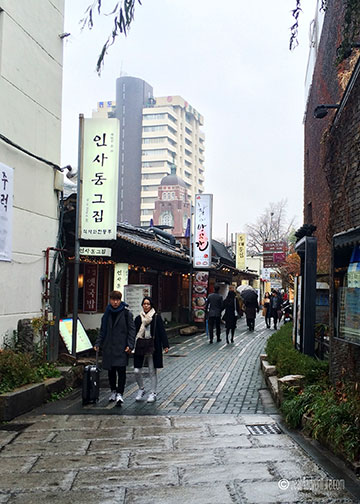
An iconic Korean street, Insadong is a vibrant neighbourhood with streets and narrow alleys lined with antique shops, art galleries, and all kinds of shops, from beauty to crafts.

alleys-insadong

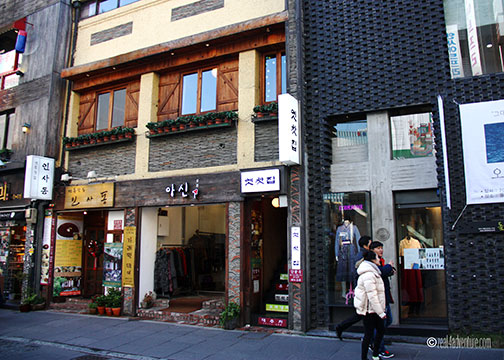
insadong-stores It is also home to many traditional restaurants and teahouses. Tomorrow a food tour we signed up for will bring us back here. So stay tuned for more of Insadong and its street foods on my next post.

Rainy Days in Seoul: Staying at the Hongdae District

main-road-mapo-gu

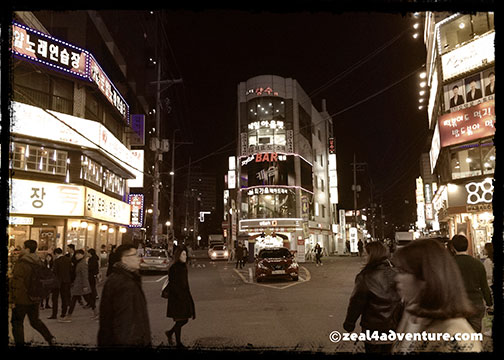
Blame it on K-drama and a thwarted meeting last June, we found ourselves walking the streets of Mapo-Gu, backpacks in tow, looking for our guesthouse on a cold and rainy day in November. We don’t want to waste that visa and ticket, yes?

We got off the subway, followed the instructions provided by the guesthouse complete with photos. Easy to find, on a quiet street not far from the main road sits a charming brick building housing a photography studio and an office on the ground floor.

Lee-Kang-Ga

Lee Kang Ga will be our home for a few days while we explore Seoul (some of it, that is). The cozy guesthouse is on the top floor with residential units in between.

wall-artI chose to stay in the Hongdae district for its urban street arts and indie music culture. Brimming with mostly young people wandering about, the vibrant streets (especially at night) are alive with music and a lot of cheering. You’ll see dance performances, musicians singing or playing their instruments in all sorts of genre.

shopping-at-hongdae

Filled with independent stores and boutiques, it is also a fantastic place to shop if edgy fashion is your thing. It is clearly a place for the young and the young at heart.

As it is a university belt, restaurants and coffee shops abound. Although a phenomenon in all of Korea, the area boasts of exciting themed cafes.

hongdae

Every night was a different discovery of the local taste. One night we devoured on (fried) chicken and beer.

chicken-and-beerIf you don’t know this combination, then you are not watching enough K-dramas.
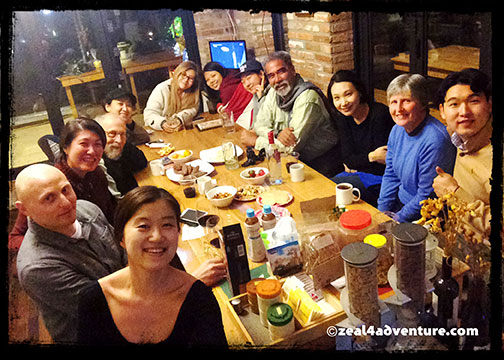
“Have you tried makgeolli?” Andy, from our guesthouse and (must add) the kindest staff I’ve encountered so far, asked. Apparently also superb with chicken, he ran down to the nearest convenience store, bought us a few bottles of Korean rice wine. He ordered a box of fried chicken to go with it.

Mageolli

Pronounced Mak-a-lee, this milky alcoholic beverage is fizzy and refreshing, slightly sweet and tangy and easy to drink.

Every night, we gather at the rooftop kitchen and dining area to exchange stories and share a few bottles of beer, soju, makgeolli or wine with other guests and staff.

hanging-out

It was a lovely vibe of different cultures and age groups. And till today, I still fond memories of those nights.

In the heart of Hongdae, Andy pointed us to one of his favorite “grilled beef” restaurants. It didn’t have an English sign so he sent us a photo of the sign in Korean and instructions on how to find it.

Korean-beef

Found on the 3rd floor atop a 7Eleven store, it was packed with students and young professionals. And on a corner table, we indulged in excellent Korean beef. What made it really special outside of its quality and reasonable price is the array of flavoured salt that one dredges on the meat.salt-variety

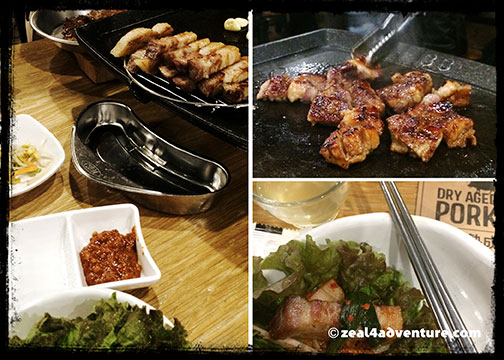
Equally as important to Koreans are pork bellies. Samgyupsal or pork belly wraps could possibly outshine any beef dish in Korea. Koreans are in love with pork bellies and so are we. On our way to the Nanta Theater in Hongdae, we spotted “The Ginger Pork” and instantly knew where dinner will be after the show.

Ginger-Pork

Thick fatty slices of pork bellies grilled on a grill plate, eaten together with garlic, green onion salad and some ssamjang wrapped in fresh lettuce leaf.  It was a glorious way to cap  a fantastically energetic show.

nanta

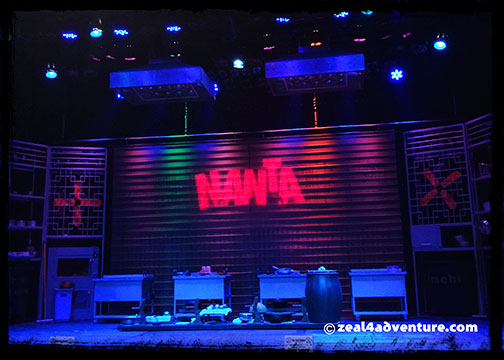
And speaking of Nanta, do find time to watch this impressive non-verbal comedy show that is entirely about cooking/food. It’s a lot of fun. In Hongdae, the theatre is housed in the beautiful Yellow Stone Building.

Yellow-Stone-Building

There are more to explore in the Hongdae district and 4 nights is simply not enough. In fact, we only scratched the surface and definitely calls for another visit. More of Seoul in my next posts. Stay tuned.

Hanoi Heritage

Hanoi-HeritageCredits: Papers by Shabby Miss Jenn Designs, Sahlin Studio and Scrapmuss Designs; Name Tag by Pri Rocha and Vellum Floral Sticker by Shabby Miss Jenn Designs

It was a quick trip to Hanoi… just four days. Got to admit, it was way too short, but a quick getaway was all we can spare. There will be a next time (that’s for sure) when I eventually make my way to Hoi An and Hue.

Before I end this short series on Hanoi, let me leave you with a few more cultural highlights to consider.

Water Puppetry

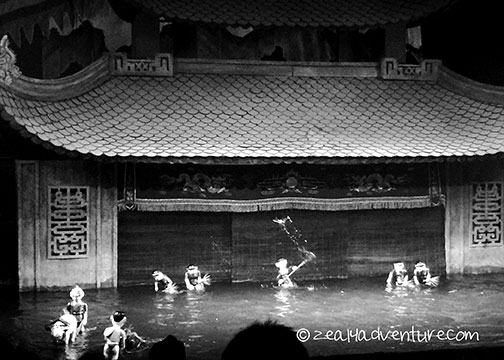
Not exactly an award-winning performance but it is a tradition that dates back as far as the 11th century and interesting insight into its theatre culture, which the Thang Long Water Puppet Theater attempts to keep alive.  A unique variation on the ancient Asian puppet tradition that involves the water, the Mua Roi Nuoc uses nature as the theme with ponds and flooded rice paddies after harvest in their acts to satisfy the spirits.

water-puppetThe puppeteer stand behind a screen and control the wooden and lacquered puppets through rods and string mechanism hidden beneath a waist deep pool that is also the stage.
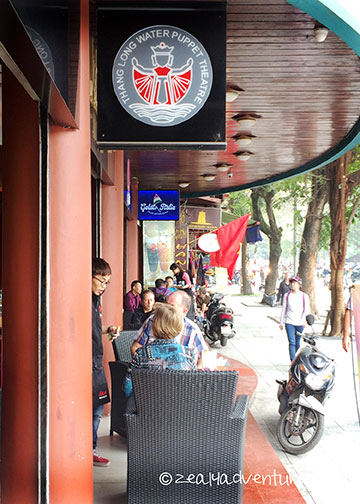
Thang-Long-Water-Puppet-TheaterLocated near the shores of Hoan Kiem Lake, the theater offers several performances every day from 16:15 to 21:15. Book in advance because it often gets filled. Most lodgings can help in that area.

Hoa Lo Prison

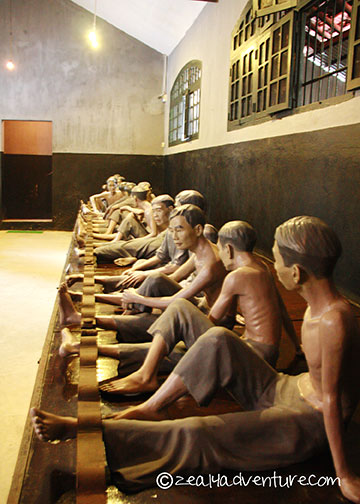
maison-centraleThis one piqued my interest. Popularly know as the Hanoi Hilton, this museum was once a prison. The Maison Centrale was first used by the French to house political prisoners, and later by the North Vietnam for prisoners of war. And because of this, the American POW sarcastically gave it its famous name.

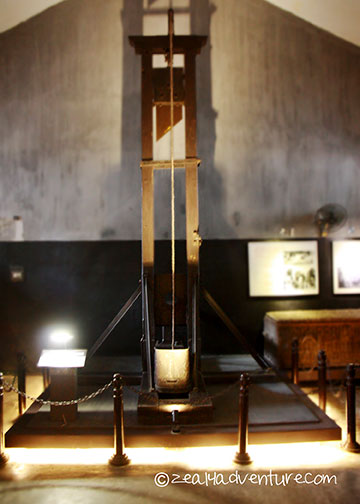
hoa-lo-prisonThe museum provided some insight on the gruesomeness that might have taken place in the POW camps. Guillotine and guns remained in the hall. Albeit gory, it was an engaging stop over from a day of wandering around the city.

guillotineOne of the two guillotine that the French Colonialist used to behead revolutionary patriotic soldiers imprisoned in Hoa Lo Prison.

In Hanoi, most establishments have narrow frontages and are built beside each other; Hoa Lo Street is the only street with only one address – the prison. It occupies the length of Pho Hoa Lo, right at the corner of Pho Ha Ba Trung on the edge of the French Quarter.

Electric Cars

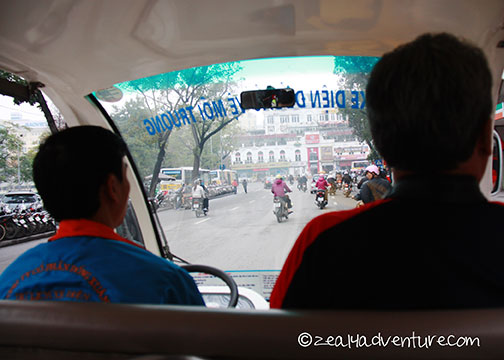
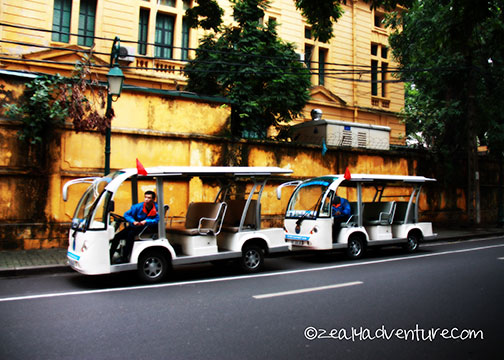
inside-the-e-carFor 15,000 VND, these cars are an easy and a green way to get a grip on the surroundings.

touring-by-e-carIt takes you to places of interests in the Old Quarter and Hoan Kiem Lake area, which provides a wonderful overview of the area and highlights sections you want to explore more. e-carsEach car can carry up to 7 passengers at one time and takes about 45 mins to an hour (depending how long you stop at each attraction).

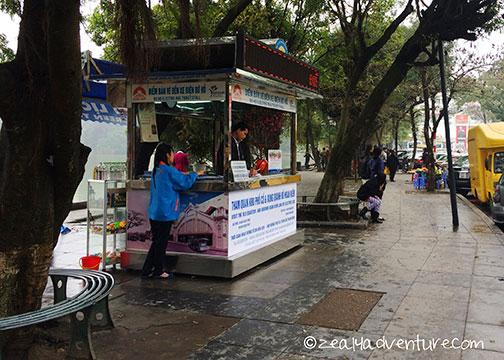
E-car-ticket-stallTickets are sold at a stall in Dinh Tien Hoang Street – the tree-lined boulevard right next to Hoan Kiem Lake, opposite the Thang Long Water Puppet Theater. With the number of e-cars parked nearby, it is easy to spot.

Vietnamese Brew

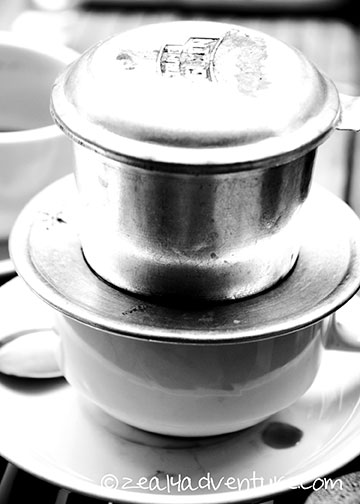
vietnamese-brewAnd if coffee is your thing, you know that you can’t pass a day without enjoying a cup of slow drip Vietnamese-style coffee, hot or cold.

Hanoi’s Charm

Lake-2

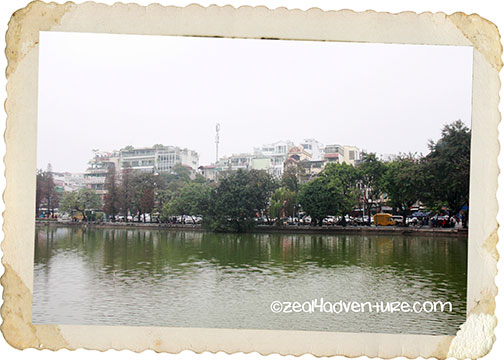
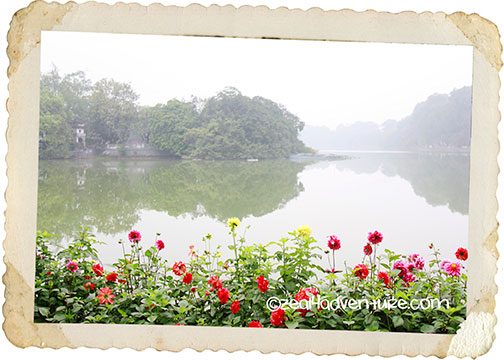
One reason I love Hanoi is this stunning lake. Serene, spellbinding, and picture-perfect – makes for a pleasant walk, and you will definitely walk by it more than once a day.  And because the Old Quarter surrounds it, it is a good reference point when navigating the city.

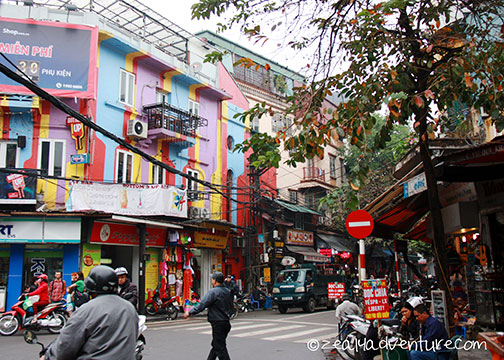
The-Old-Quarters

Hoan Kiem Lake is the heart of Hanoi.  Everything happens around it, from early morning workouts (think yoga, tai chi and even aerobics) to old men whiling away time playing mahjong and vendors selling their stuff.

Fruit-Vendors

crippled-vendor

shops

Not to mention the wandering tourists that flock to this mesmerizing lake. Never a dull moment in this part of the city, that’s for sure.

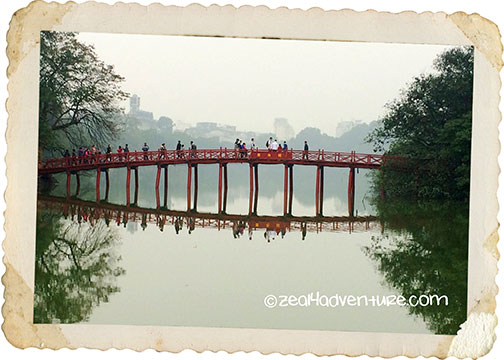
What makes the lake so smashing is the striking red bridge called The Huc Bridge leaping out of the serene blue-green water.

The-Huc-Bridge

It connects the shore to the Jade Island on the northern coast of the lake.

jade-island

On the island stands the Ngoc Son Temple (the Temple of the Jade Mountain).

Legend has it that in the mid 15th century, Heaven sent Emperor Le Loi a magical sword, which he used to battle against the neighboring countries, driving away the Chinese from Vietnam. When peace prevailed, a giant golden turtle grabbed the sword and disappeared in the depths of the lake (named Thuy Qua then) inspiring the name Hoan Kiem , which means Lake of the Restored Sword.

lake-3

lake-4

Hanoi At Night

We’re not big on night outs but the mere mention of a “beer corner” got our attention. We learned about it by chance at the hotel lobby and, of course, we had to go.

Beer Corner

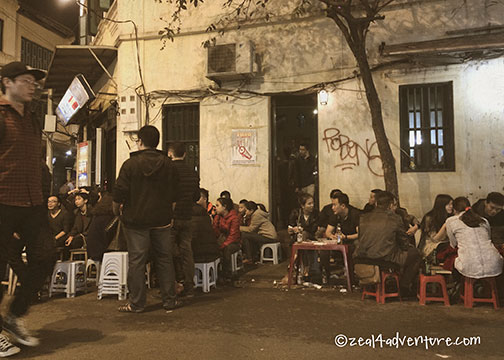
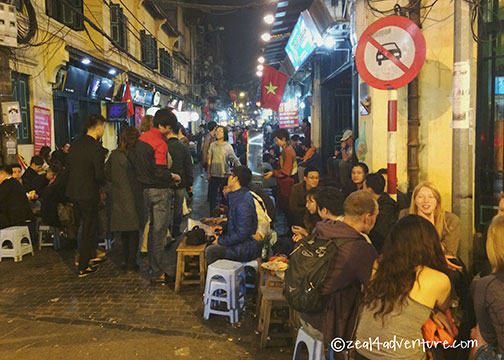
Hanoi’s Beer Corner is a strip of a makeshift outdoor bar that spills over from Luong Noc Quyen to Ta Hien Street.

outdoor-bar

It is packed with people (locals and foreigners) sitting on small stools gathered around a little table on the street enjoying their beers. Many also people watch by sitting on stools facing the street.

beer-corner

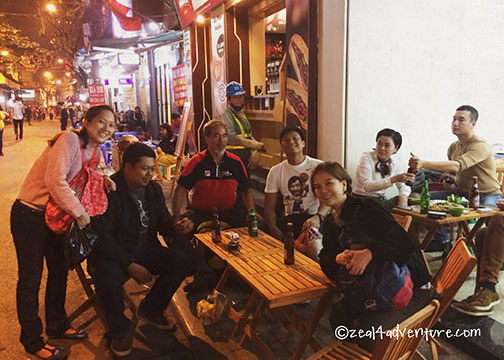
So there we were in our little corner, sitting (almost squatting) on small wooden chairs, enjoying our beer with food that keeps coming.

group

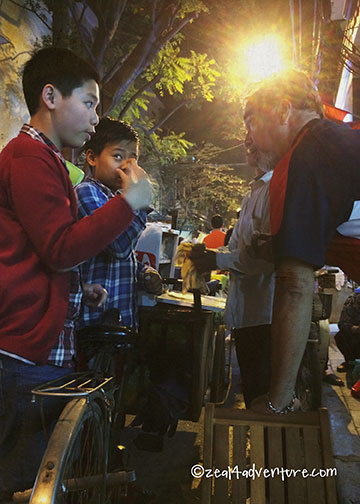
studentsInternational School student (out for a birthday party with friends) explains and recommends to Anton a street food.

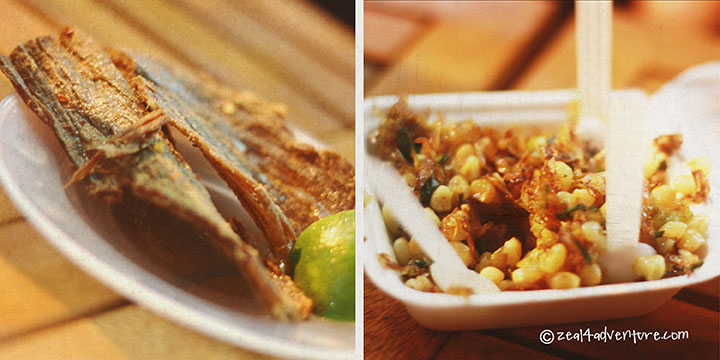
We chatted with locals who introduced us to a string of sumptuous street food from the various vendors that scatter the area offering local favorites.

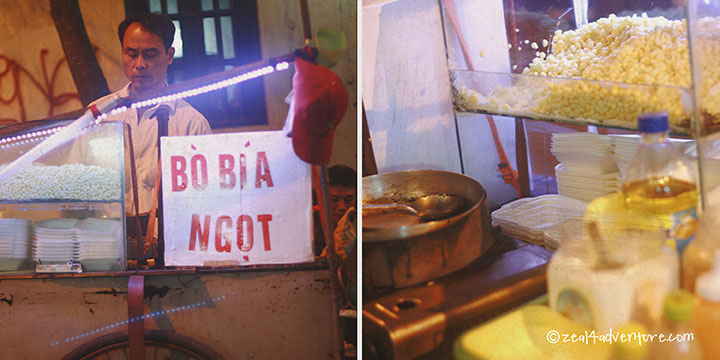
bo-bia-ngot

street-food

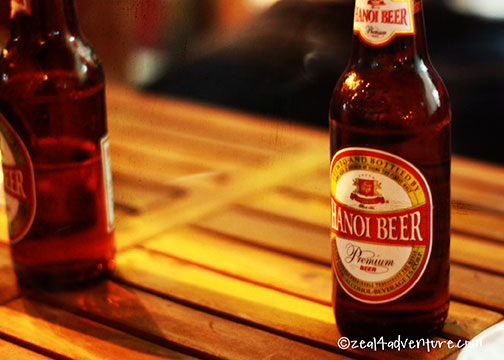
hanoi-beer

Night Market

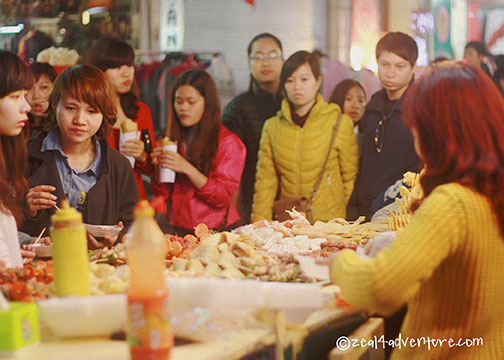
If you find yourself there on a weekend, before heading out to the Beer Corner, the weekend night market might interest you.

night-market

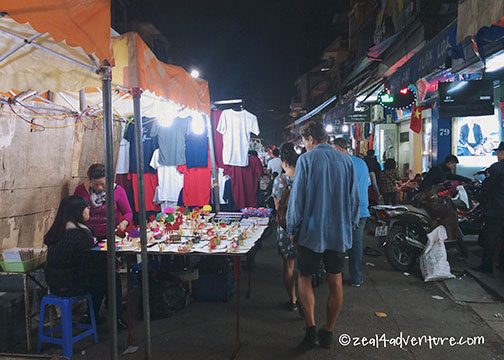
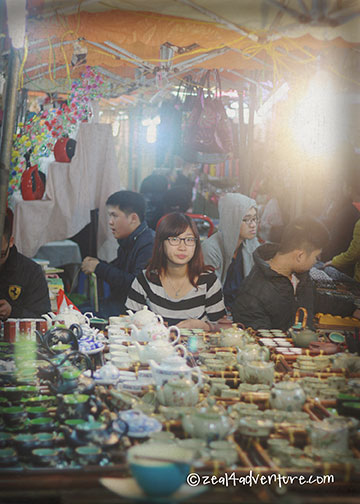
The Dong Xuan Night Market spreads along Hang Giay to Hang Dao Streets, splitting through the center of the Old Quarter. The streets transform into vehicle-free pedestrian lanes (but some motorbikes are seen navigating the streets still) as stalls are set up in the middle of the road.

ceramic-wares

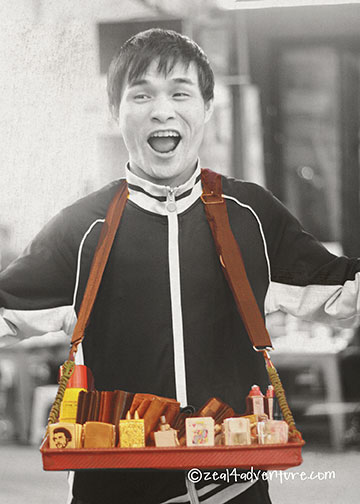
friendly-vendor

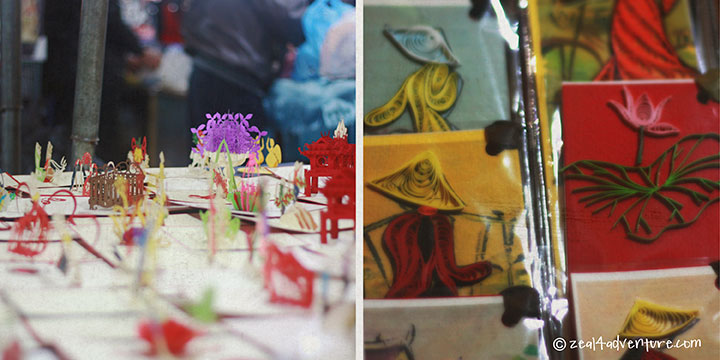
I find nothing spectacular with this market, truth to tell – you’ll find a myriad of stalls selling merchandise from clothes to souvenirs to food of all kinds. Having said that, it is still interesting to at least pass through, you never know what you might find – we did get a few of these.

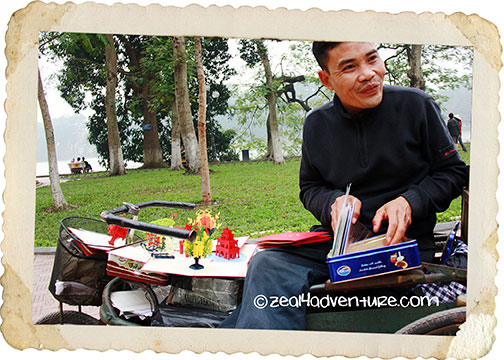
3D-cards-and-bookmarks

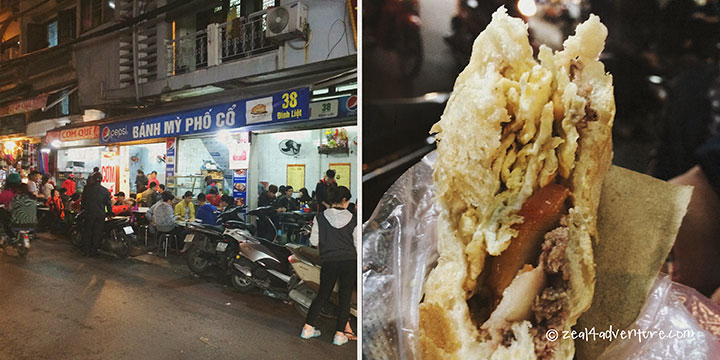
We went for a quick Banh Mi dinner before exploring the market

banh-miBanh Mi: A Vietnamese sandwich of a combination of pork, eggs, pâté on a baguette.  Usually found on small shops or stalls by the road.

but what we should have done instead was to go there for the food.

food

It is a fabulous place to explore some street food.

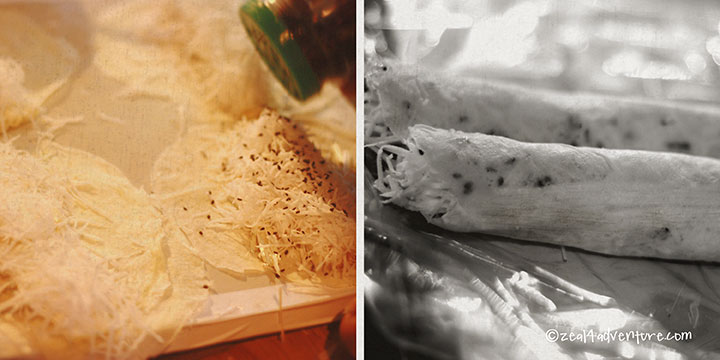
coconut-crepeShredded coconut flavoured with sugar and sesame seed, rolled in some sort of crêpe or a spring roll wrapper.  Can make for a lovely dessert.

View from the Top

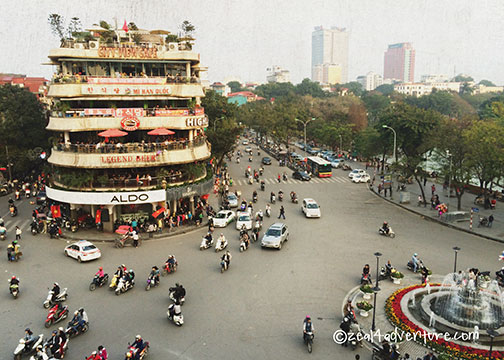
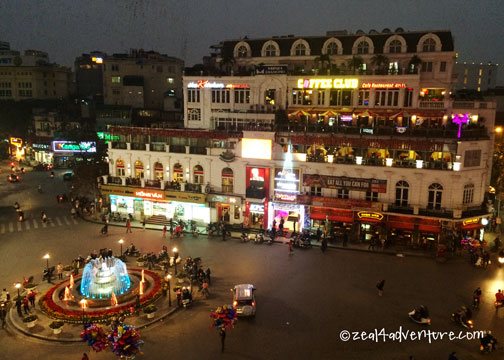
Our favorite spot to while away the time before dinner is at any of the terrace cafes atop a building overlooking Hoan Kiem Lake and the plaza below.

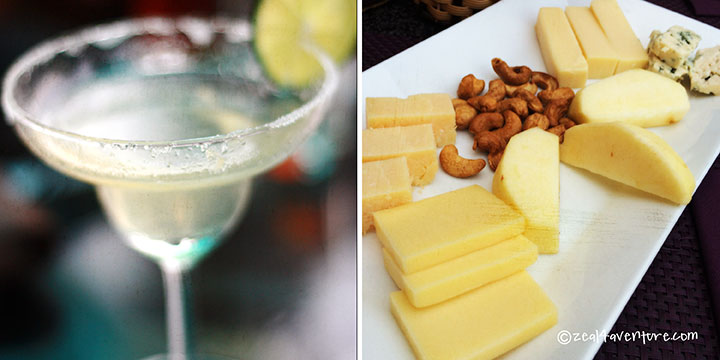
cocktails

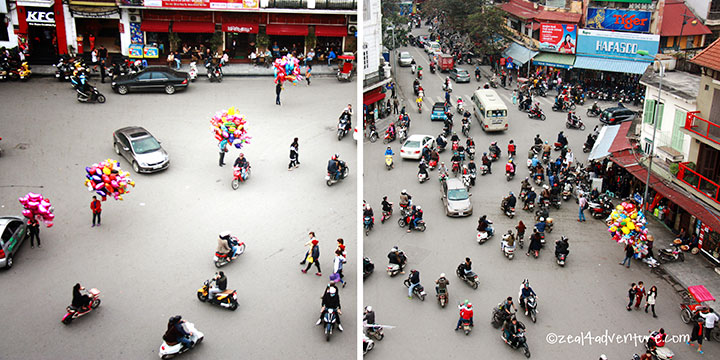
We like it because it is the best place to enjoy a few drinks while we amuse ourselves with the crazy traffic of Hanoi.

hanoi-trafficPedestrians, cars, vendors and motorbikes — all going their own way.

From my last visit 7 years ago, nothing much has changed (including the traffic) except for a few more cafes to choose from.

view-from-coffee-club

We were at the City View Cafe every night 7 years ago, but we made sure to check out the Coffee Club (under construction then) across so we could enjoy the view from a different perspective.

view-from-city-view-cafeUseful Info:

City View Cafe:  1-3-5 Dinh Tien Hoang Street, Hoan Kiem District

Coffee Club: 3B Le Thai To, Hang Trong Ward, Hoan Kiem District

Banh My Pho Co: 38 Dinh Liet Street, Hoan Kiem District

The Trek to the Underground River

Underground-RiverCredits: Papers by Plum Dumpling Designs, Pri Rocha, The Design Girl, Trixie Scap Design; Ribbon by Design by Tater, Red string with flowers by Graham Like the Cracker, and String wrap by Haynay Designs. 

Elusive in the past, I became disinterested and eventually gave up the idea of visiting Palawan’s famous Underground River. Then they re-opened the Jungle Trail.

Initially slated for December but due to unforeseen reasons, we moved our Puerto Princesa trip to January.  We planned to simply chill out, visit our favorite jaunts and catch up with friends. Then, the grand idea— “why not go to Sabang for the day so you can finally see the Underground River?” Anton to me.  Me to him,  “Ok, but we will trek to the cave.”

Sabang-Pier

The Sabang Pier is the main jump off point to the Underground River or The Puerto Princesa Subterranean River National Park, once also called the St. Paul Subterranean River. Yes, it has many names. A UNESCO World Heritage Site since 1999, the cave was provisionally chosen (through votes—and you know how we Filipinos can vote) as one of the 7 New Wonders of Nature in 2011.

Entrance-from-the-shoreEntrance from the shore

The usual way to get there is to take a 15-20 minute boat ride (I estimate) from the pier.

There are two trails to the cave, The Monkey Trail, and the Jungle Trail. The former has been closed for a time now and the latter re-opened only last year. Having heard of the Monkey trail from friends who did it some 10 years back, I knew that I’d do it at some point. Well, the jungle trail, I reckon, is good enough.

crossingThe trek starts by crossing the mangrove.

A recommended option for the active, the jungle trail meanders through a beautiful lush forest.

dwarfed-by-trees

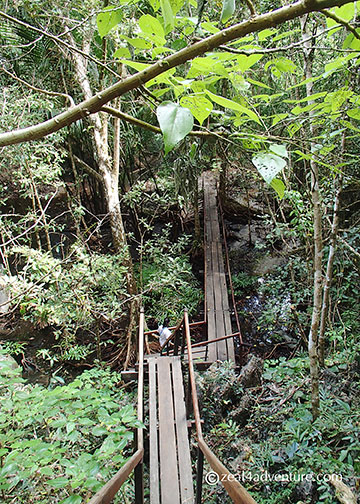
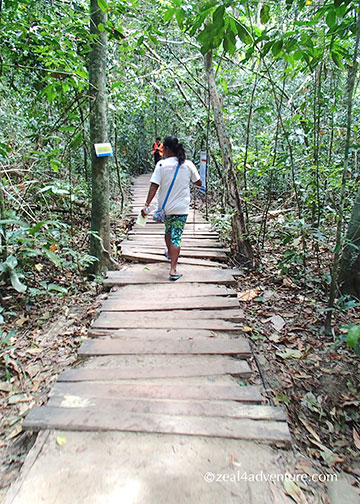
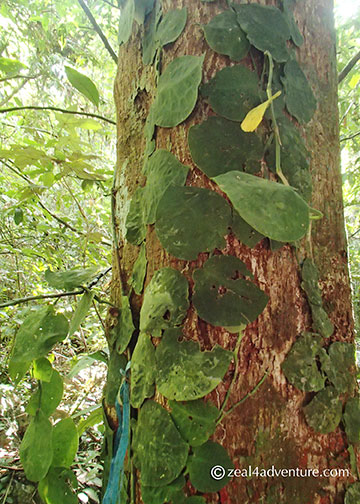
It lets you hike through ancient trees, well crafted wooden staircases, bridges and benches made from confiscated wood that adds character to the trail

wooden-walkways

one-among-many-bridges

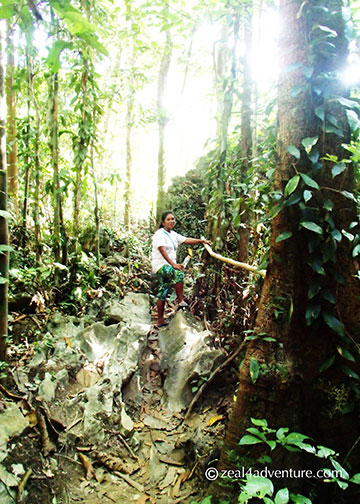
and at one point, limestone formations becomes backdrop behind the foliage.

limestone-backdrop

Not only does the pleasant 2-hour hike enhance the experience but it also gives jobs to the 20 or so Tagbanua indigenous community members.

guide

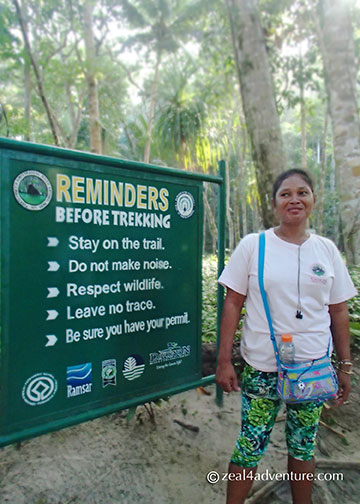
reminder-before-the-trek

As “Park Wardens” they serve as guides and caretakers of the jungle.
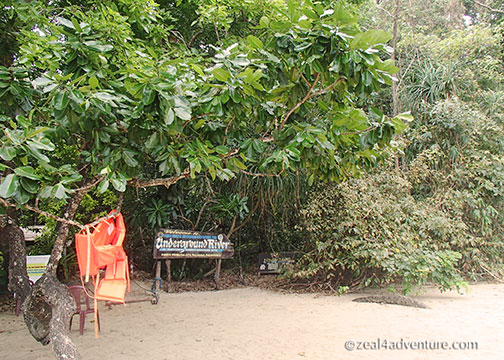
path-to-the-riverthe path from the trail

The Underground River itself was not a let down at all. Having heard of so many mixed reviews, expectations were low.

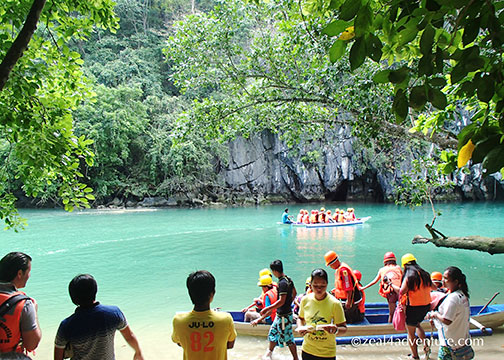
paddle-boatsWaiting in line to enter the cave.

But to my surprise, the chambers especially the one called “the cathedral,” towering some 800 meters high, impressed me.

inside-the-cave

Truth to tell though, I fell asleep some part of the way, perhaps due to exhaustion and the fact that the only thing lighting the way was a flashlight held by the person in front. Our guide was adept and quite engaging in providing intelligent albeit elementary information about what a cave system is.

lush-forest-2

My take on this experience: to go there just for the Underground River may not be worth the effort (it’s still a 2-hour ride to Sabang). The hikes makes the difference.  Having seen Sabang, I wish I had stayed a few nights to explore the quiet town.

Visiting Xin Xin and Kai Kai

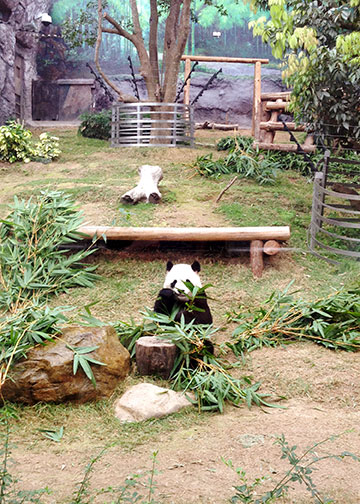
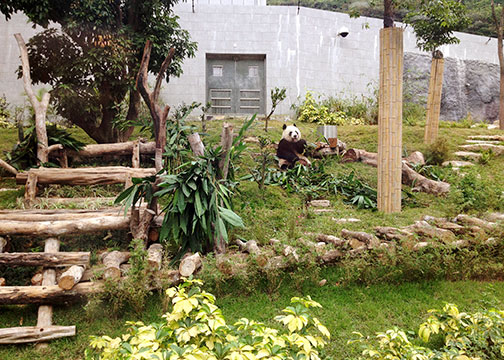
xin-xin

In a simulated indoor garden, Xin Xin munched on bamboo leaves. She seemed unfazed by the crowd, albeit small at 10 in the morning.

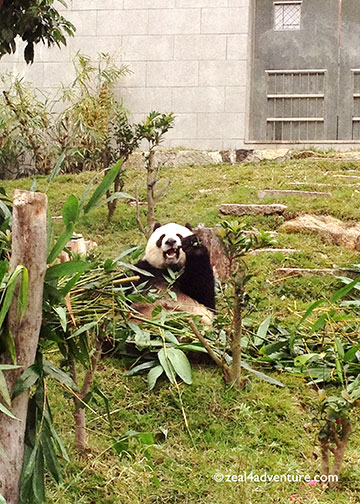
kai-kai

Outside, Kai Kai is the same, although he seemed more playful than his friend.

We took the 26A bus from just across Hotel Lisboa to the Seac Pai Van Park in Coloane to visit a pair of pandas from Chengdu.  Set in the southernmost island, we’ve never been to this part of Macau, and thought we’d visit the city and spend a few hours in the park.  We started early and arrived at the park before it opened, so we hopped on another bus that dropped us off at the Coloane Village Square.

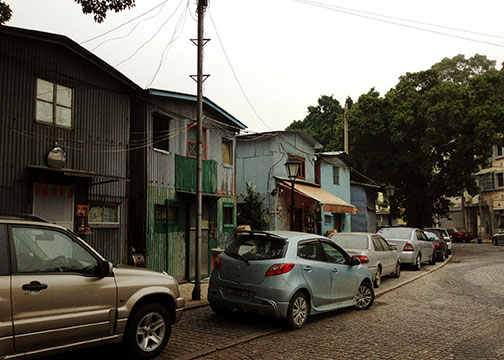
coloane

At 9 in the morning, the village was half awake.  We explored a bit of the area but didn’t reach the village center.

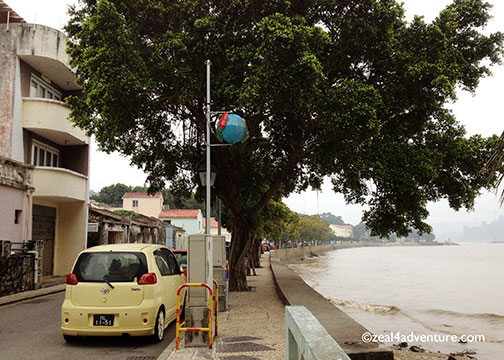
seafront

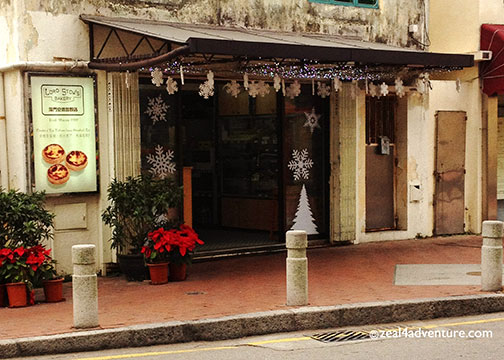
Right next to the square, however, as you walk toward the sea front promenade is Lord Stowe’s Bakery.

lord's-stowe

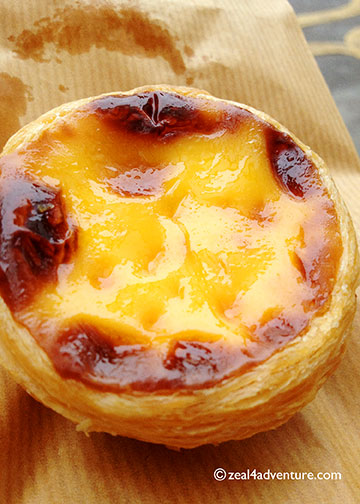
We walked in, bought ourselves a piece of their famous Portuguese egg tart

lord-stowe's-egg-tart

and devoured it while waiting for the bus to take us back to the park.

Nestled against the hillside with Alto do Coloane serving as backdrop, Seac Pai Van Park is designed around the terrain.

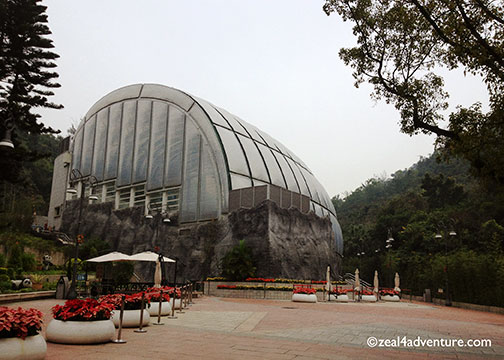
panda-pavilion

Found within the park is the Giant Panda Pavilion, the pair’s new home, simulating their natural habitat.

kai-kai-2

The multifunctional park, once a farm, is now considered as the largest natural green belt of Macau.

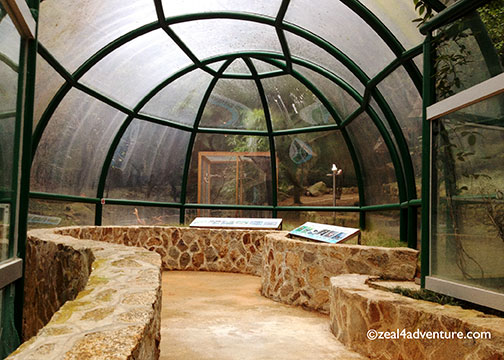
aviary

Besides the pavilion, the park has a mini zoo that houses a few animals from macaques to deers, a walkthrough aviary that has a few rare birds,

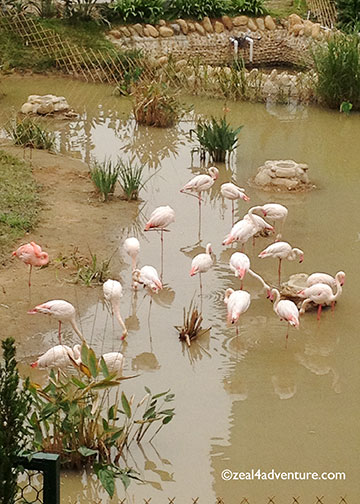
Flamingoes

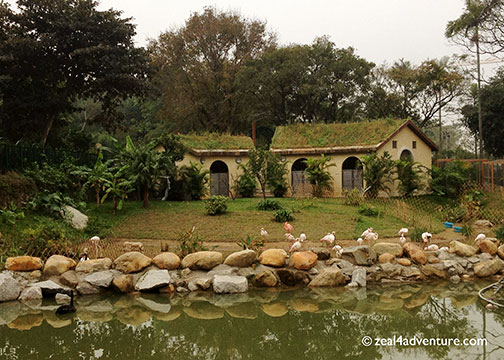
and a pond with a few flamingos and other waterfowl.

pond

The 20-hectare lot is easy to explore in just a few hours. If you are into flora and fauna, this place may disappoint, but for the price (MOP$10) and the pandas, the park is worth the morning.

The village, I believe, though, is worth exploring… on my next visit.

But while in Macau check out the many good eats this island has to offer here, here, here and here.

Useful Info:

Seac Pai Van Park
Estrada de Seac Pai Van
Transport:  21A, 26A, 50
Hours:  9am-6pm (Tues-Sun); Aviary: 9am-5pm (Tues-Sun)

Matsumoto

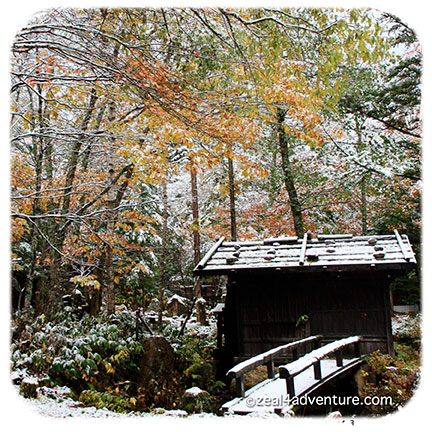
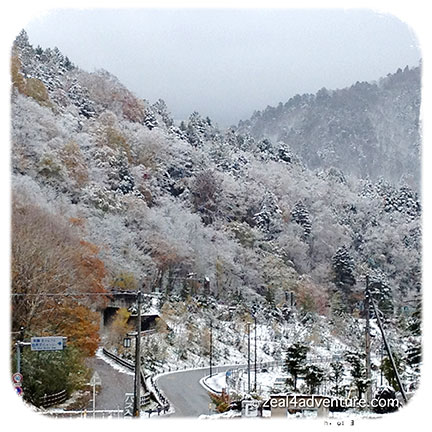
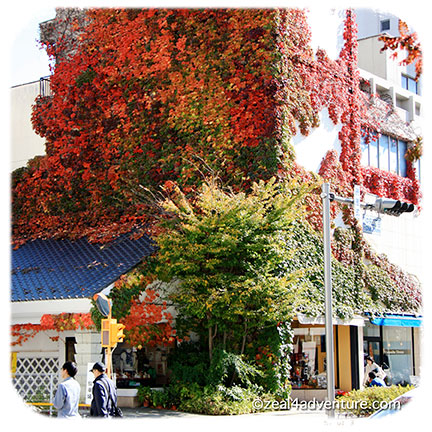
I peered from the balcony of our room, amused by the change of yesterday’s warm hues of autumn.

snow-frm-balcony

Today, I wake up to the white of winter.

Our agenda for the day was to spend it in the castle town of Matsumoto.

snow-on-the-road

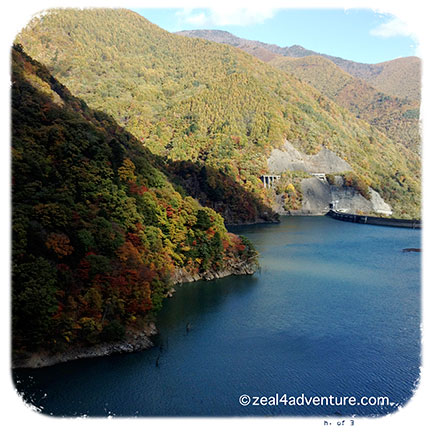
The scenery from the bus, now covered with snow, looked different from yesterday.  Then we entered the tunnel and just like that, we were transported back to autumn – quite magical, really.

scenery-enroute

For a moment, I thought I walked into the wardrobe like the characters of the high fantasy novel by C.S. Lewis, The Chronicles of Narnia.  The wonders of this world continue to amaze me.

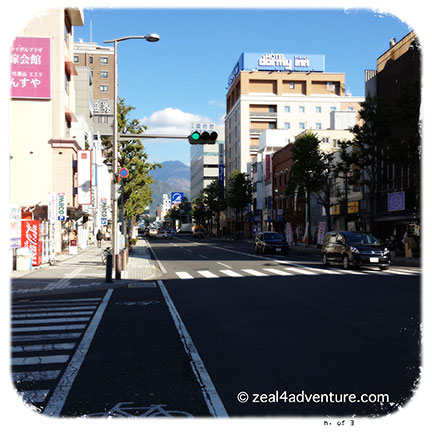
The ride from Hirayu to Matsumoto was a gorgeous one-hour journey.  Compared to Takayama and Hirayu, Matsumoto’s bigger roads and taller buildings exude a much modern feel despite having one of Japan’s premier historic castles in its midst.

cityscape

That and the Japanese Alps are the main pulls of the town.

matsumoto-castle-moat

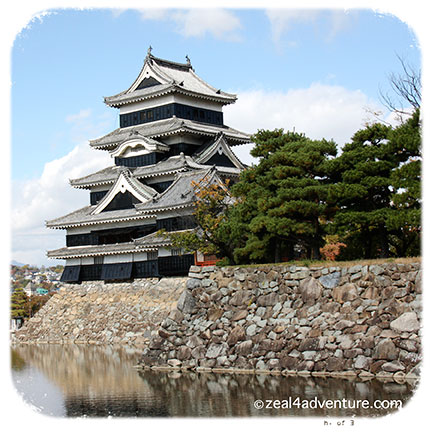
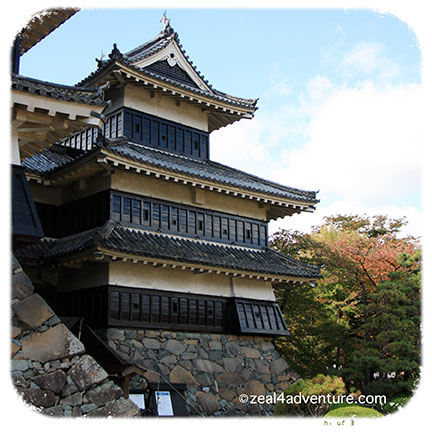
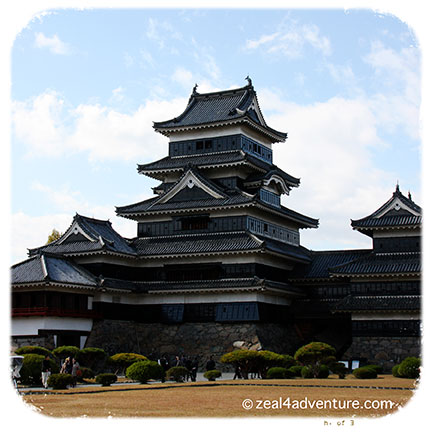
The Matsumoto-jo or Matsumoto Castle, as it is simply known, is one of the most complete and beautiful among Japan’s original castles.

matsumoto-black-walls

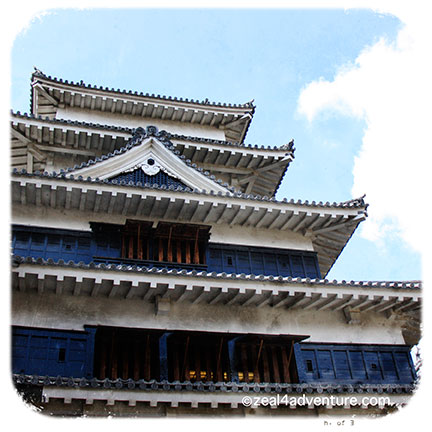
The 400-year old castle earned the nickname Karasu-jo, the Crow Castle from its striking black lacquered walls

roof

and its roof that resembles wings spread out, boldly standing out against the magnificent backdrop of the Japanese Alps.

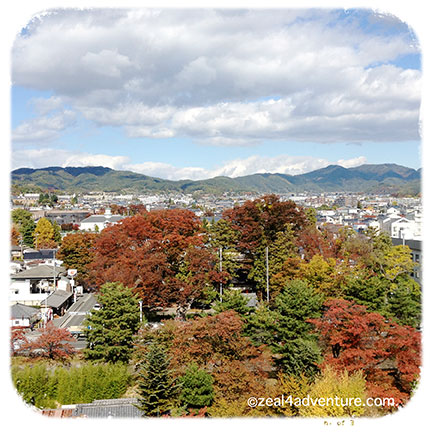
view-from-the-topA view of the perimeter of the city from the 5th floor — the strategic office.

The lofty 98-foot structure can be seen from almost anywhere in the central city which makes it easy to find.

Unlike many of the Japanese castles, which is either built on hills or near a river, Matsumoto was built on a plain.  The extraordinarily high strong stonewall, interlinking walls, gatehouses,

view-of-the-moat-from-the-top

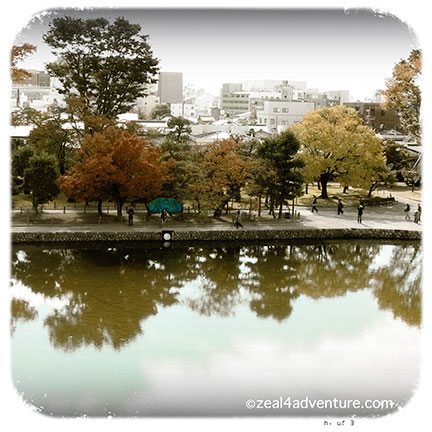
and the moat form an extensive system of defense given the lack of natural defenses the castle was built on.  A fascinating design of the castle, which could have been a strategy to keep the floor safe from the enemies, is a floor hidden from the outside.

matsumoto-from-grounds

The 3rd floor has no windows and sometimes called the “dark floor”.  Another feature that could have “defense” in mind is the steep incline and the high rises of the stairs.  This prevents from climbing fast.  In fact, slippery wooden floorboards and socks (as we had to walk around carrying our shoes in a plastic bag) makes for a terrifying climb on those stairs.

Listed as a National Treasure, this well-preserved castle is a good example of a hirajiro, and many of it is still as it was – the moat, the gate, the various bailey and the sub floors minus, however, the furniture and furnishings.  The tenchu or the keep though holds an armory and weapons museum.

It was a nice (warmer) day well spent exploring a well-preserved castle that provided a glimpse of how it was like during Japan’s feudal past,

cityscape-3

walking the streets of this modest size city showcasing a cozy corner of suburban affluence surrounded by mountains,

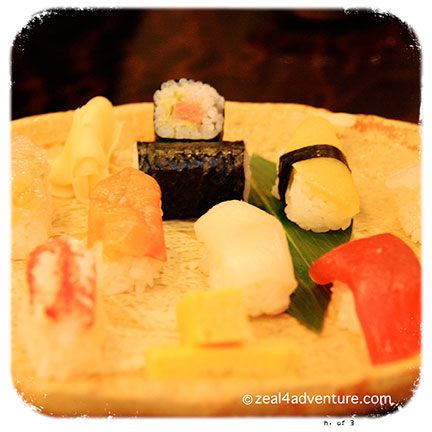
sushi

and sampling excellent sushi in between.

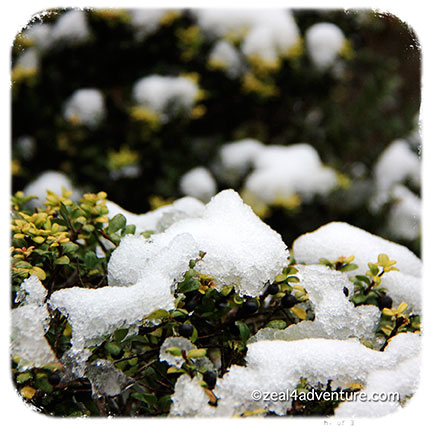
snow

And through the same tunnel to Hirayu, we found ourselves back in winter.

Useful Info

Matsumoto Castle
4-1 Marunouchi, Matsumoto City
Opening hours:  8:30-17:00 (entrance closes at 16:30)
Fee:  Adults ¥600; Children: ¥300
* It is a 5 minute bus ride or a 15 minutes walk from the Matsumoto Station