Seward

Scenic Sunday

Happy and pleased, we bid goodbye to the Ryndam recognizing the tail end of a wonderful adventure.  We took a cab to Moby Dick Hostel, our home for a night and there we slept once again on dry land.

Seward is a picturesque town sandwiched between the Kenai Mountains and the water of Kenai Fjord National Park.  It is one of Alaska’s oldest and most scenic communities.

A little bit of history

It was named after the US Secretary of State, William Seward, who negotiated the purchase of Alaska from Russia.

In the 1903, John and Frank Ballaine and a group of settlers arrived to begin construction of a railroad.  The Alaska Railroad was constructed between 1915-1925 and Seward was developed as the ocean terminus and supply center.
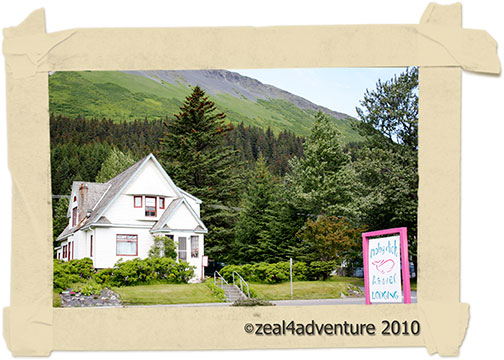
And what do you know?  Just in front of our humble hostel is the Ballaine House, one of the oldest home in Seward.  It was built by Frank Ballaine, the brother of Seward’s founder.

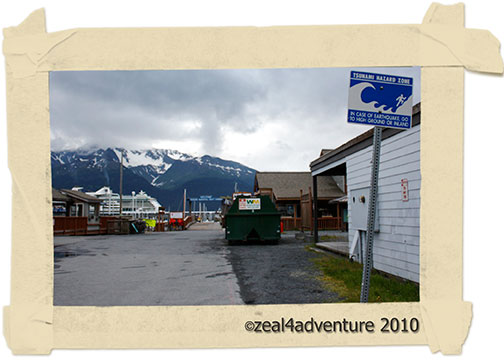
By 1960, Seward was the largest community on the Peninsula.  Tsunamis generated after the 1964 earthquake, also known as “The Great Alaska Earthquake”, destroyed the railroad terminal and killed several residents.   Fast forward to present day, tsunami warning signs are seen in most street corners.
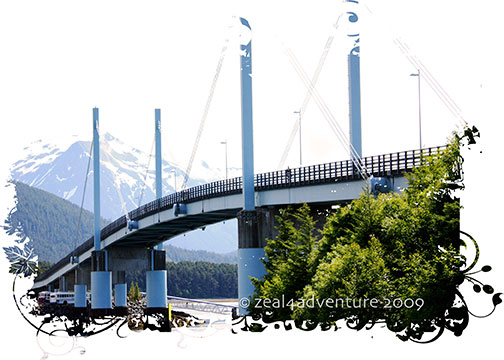
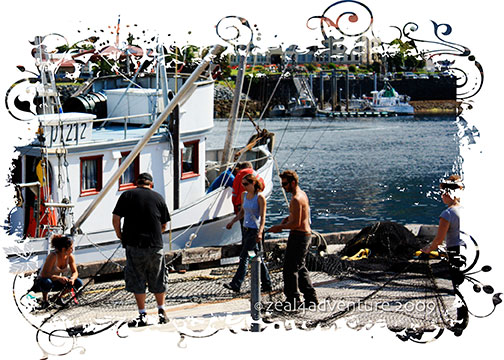
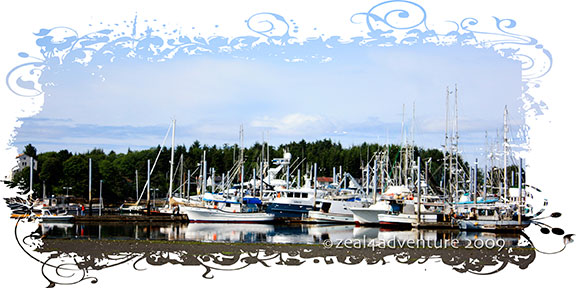
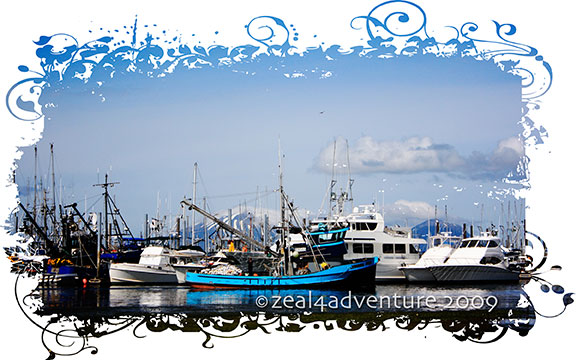
We spent 2 days in Seward, more than enough time to explore the town fully.  Here’s what we saw on our walks through town.

A Best Western

Van Gilder, one of the oldest hotel in town

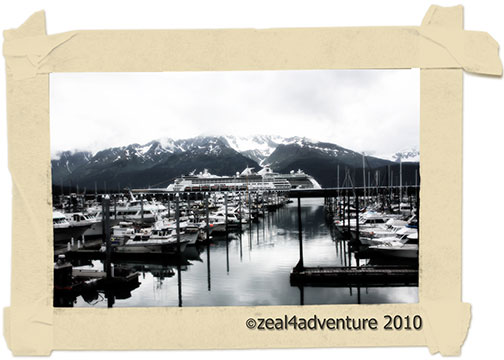
Overlooking the harbor

Quaint little shops

King Crab for $8!… obviously where we dined!  Who could ask for more?
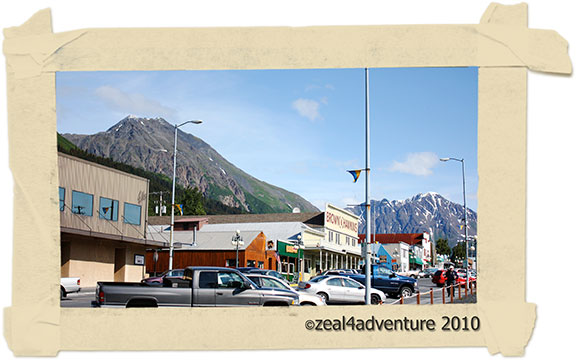
Downtown Seward

For more scenes from around the globe, visit Scenic Sunday.

A Glimpse of Seward

Credits:  Chrissyw template, JSprague Brown Paper texture, JSprague “Home Away From Home” Brown Solid Paper

Known as the gateway to Kenai Fjord National Park, Seward was where we ended our cruising.  Our next destination, Anchorage is just 126 miles away and we will get there by train.  But before that, the next posts will be exploring Seward.  And here’s a glimpse in sepia.

For more Sepia Scenes, click here.

Eagles in Abundance

Scenic Sunday

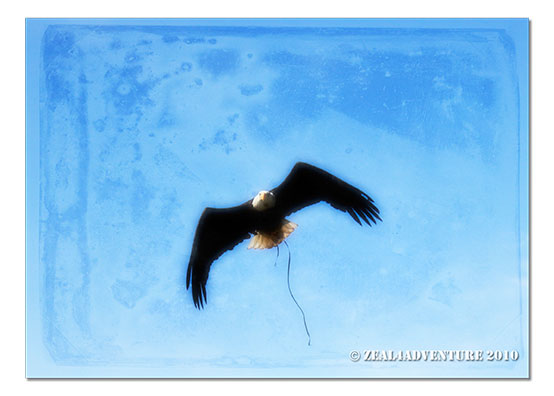
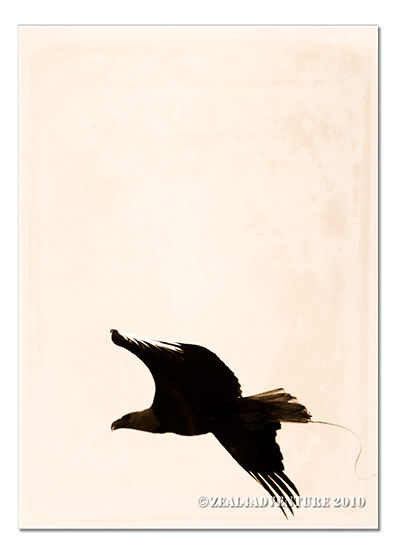
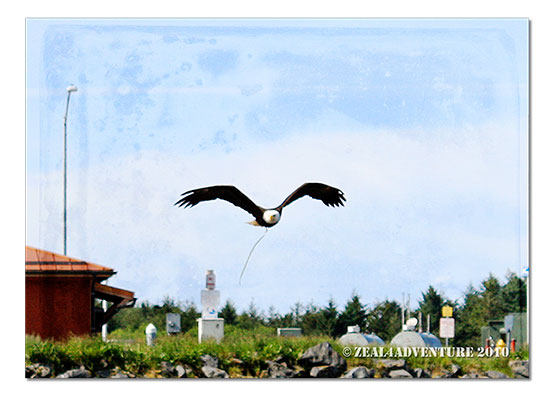
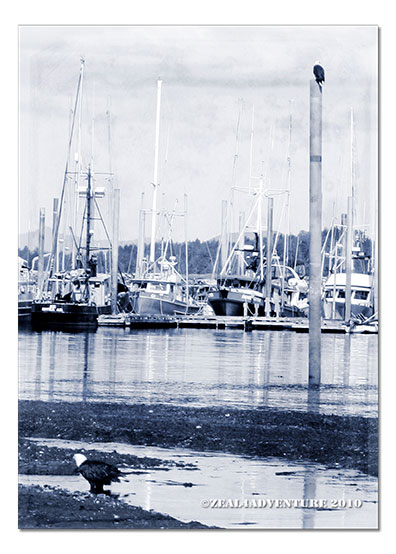
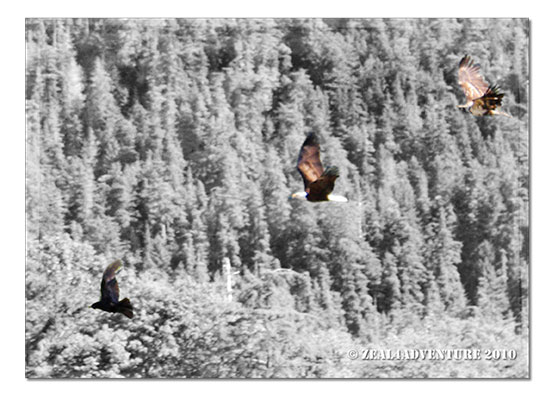
Bald Eagles have been the national bird of the U.S. since 1782.  While they are still protected under federal law, the birds are no longer “endangered” and about half of the 70,000 live in Alaska.  They are spotted year round but are especially abundant March through early July.

As the photos reveal, it was bald eagles galore for us that one day in June.  They were perched atop poles, on the beach, in flight around the harbor waiting for spawning herrings to appear.  They were spectacular.

For more scenes from across the globe, click here.

Sitka in Detail

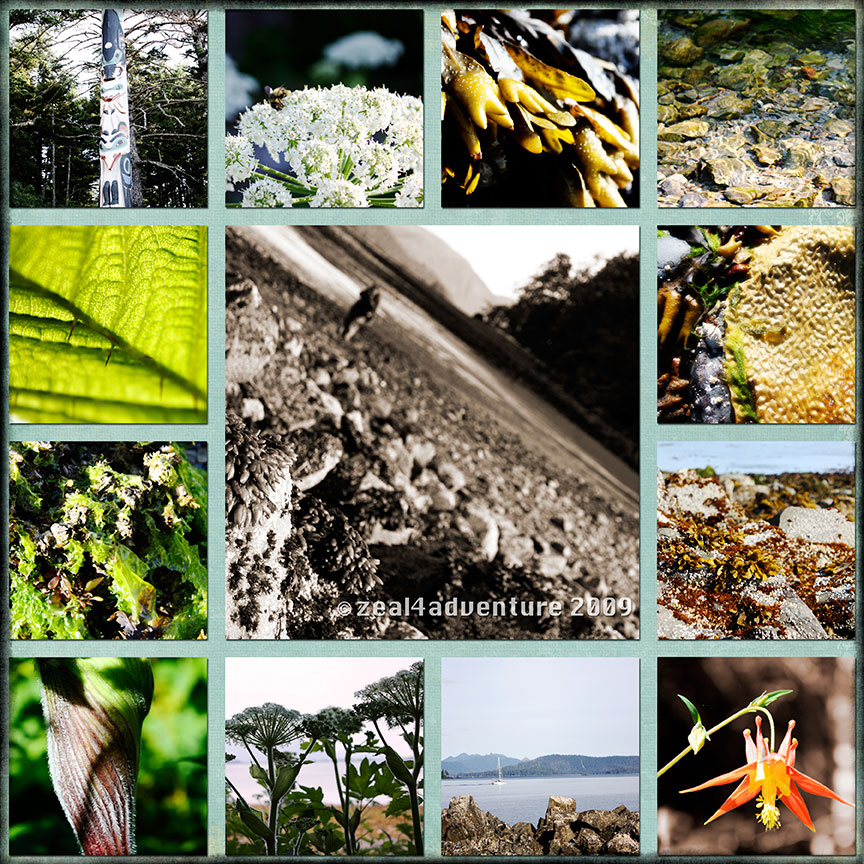
Famous for its spectacular scenery, abundant wildlife and culturally rich history, we wandered around this former “Russian Capital” with an experienced Southeast Alaska photographer taking shots upon shots of its beautiful surroundings.

Sitka up-close from a beach

Please go to Little Red House for more fun mosaics from all over.

Alaskeros in Juneau

Juneau surges during the summer with thousands of cruise ship passengers, a significant source of income for the capital of Alaska.  Twelve decades ago the young city was swamped with prospectors.  Juneau was founded as a gold-mining camp in 1880, Filipinos already worked in the gold mines, mostly as ore sorters, it was however the canneries that drew the largest numbers of Filipinos to the territory.

Between 1878 and 1949, 134 canneries were built throughout the region employing workers from diverse ethnic backgrounds, including Chinese, Filipino, Japanese and Alaska Native.  Women and children worked in the canneries while the men fish.  Changing US immigration laws brought many more Filipinos to Alaska after 1922.  They were encouraged to go to the United States by industries seeking low-wage workers at a time when Chinese and Japanese immigration was being restricted.  All they needed was a birth certificate and a steamship ticket because until 1935, the Philippines was an American territory.

During the 1920s and 1930s, Filipino laborers spent their summers working in fish canneries and on farms in the West Coast during the rest of the year.  They were known as “schoolboys” as many of them earned the money that enabled them to pursue their education.

These Filipino seasonal migrant workers in the US are also known as Alaskeros.   They were instrumental in the formation of the first Filipino-led union in the US.  The Filipino cannery workers dominated the work force and during the depression, wages from unskilled jobs dropped by 40% hence the union.  In 1938 they were successful in abolishing the repressive contractor system that prevailed in the canneries.

Filipinos Today

At the height of the salmon cannery industry, there were about 9,000 Filipino workers in the territory, today the Filipino population number at least 13,000 evident not only in the Manila Square in downtown Juneau where a bust of our national hero, Jose Rizal lies but also in the food.

Highly recommended by the bartenders of our cruise ship is a stall selling Filipino style Barbecue and we had to have some.

The verdict…  unquestionably Pinoy BBQ.

Mendenhall Glacier

Credits:  Template by Crystal; Eyelet Twill in Natural by K Pertiet;  Solid Paper by J Crowley both from J Sprague’s Grand Intentions Kit.

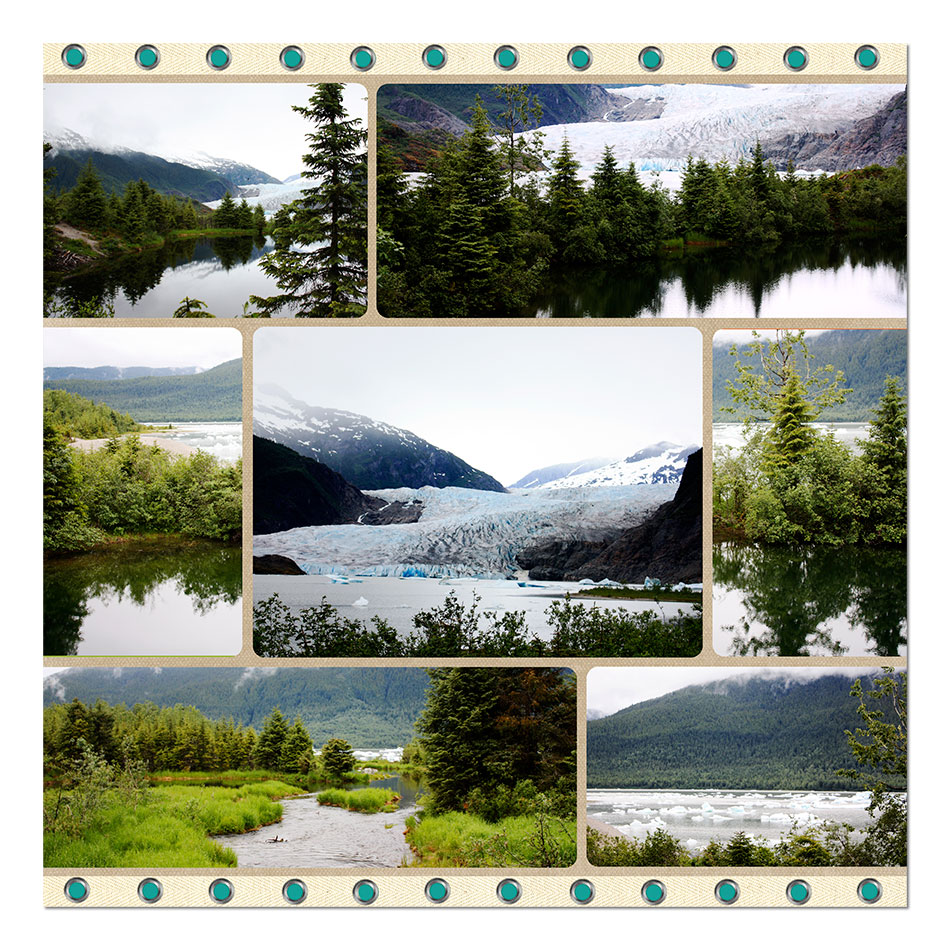
Alaska’s most famous river of ice is attracting a lot of curiosity from visitors from around the world.  Fed from an icefield high above Juneau, Mendenhall Glacier is about 13 miles long, by no means the largest of Alaska’s numerous glaciers but perhaps the most visited given that it is only 13 miles from downtown Juneau and is accessible by bus and a mile-long walk.  One can also opt to bike.

As with 90 percent of Alaska’s glaciers, Mendenhall is shrinking at an increasingly rapid rate.  A sign that the world we live in is changing faster than we ever imagined.

Visit Little Red House and enjoy the many wonderful mosaics.

A Glimpse at Alaska’s Wild Side

Scenic Sunday

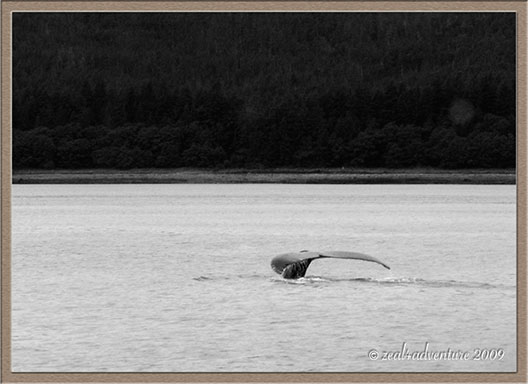
The best way to see Alaska’s wildlife is on the water, so we were told.  We had a simple goal – to search for, view and learn about a variety of North America’s wildlife.  We therefore plied the island-studded waters of Stephen’s Passage inside a warm, comfortable cabin on-board a water jet-powered catamaran, specially designed for wildlife viewing. Stephen’s Passage is renowned as a favored summer feeding ground for humpback whales.  We decided to go for it in Juneau because the operators guaranteed whale sightings or a $100 refund.  Sounds like a winning proposition to me.  And whales we did see + some seals to boot.

We saw graceful and magnificent whales tail lobbing – raising their flukes out of the water and then slapping it on the surface — blowing and perhaps even singing, a most interesting behavior of the whales, a naturalist on-board explains.  I couldn’t hear because it was too cold and windy for me so I stayed indoors the whole time, taking photos through the large windows surrounding the whole cabin.

Behavior and Habitat

The naturalist explains further that humpbacks are a baleen whale and a rorqual whale that sings amazing songs, long and complex, which they believe is used for mating.  They are acrobats of the ocean, breaching and slapping the water.  They live in pods (a social group of whales) and these mammals travel a great distance to take advantage of the best breeding grounds and feeding spots.  North Pacific humpbacks, for example, mate and give birth in Hawaii and then travel to Alaska each summer to feed.

Endangered

Humpbacks are among the most endangered whales and fewer than 10% of their original population remains.  However in recent years, humpbacks have been observed more and more frequently feeding along the California coast.

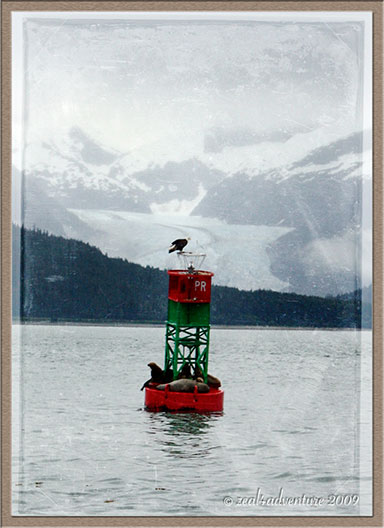
Harbor Seals

Normally hauling out on rocks, these seals seemed to be enjoying the rest on a buoy.  They often swim quietly along the shore, their round, earless heads just breaking the surface.  Seals depend on a thick layer of body fat for warmth.  Their coat consists of coarse short hairs.  Color varies from blond to nearly black, may are spotted and blotched.

Did you know…

Humpback whales can consume as much as a ton of krill and small fish per day in the summer?

Humpbacks migrate to the nutrient-rich waters of Southeast Alaska in the summer after having fasted all winter.  This intensive feeding builds a thick layer of fat called blubber which stores the nourishment the whales will need in autumn when they return to the warm waters of Hawaii and Mexico to breed.

For more scenes from around the world, go to Scenic Sunday.
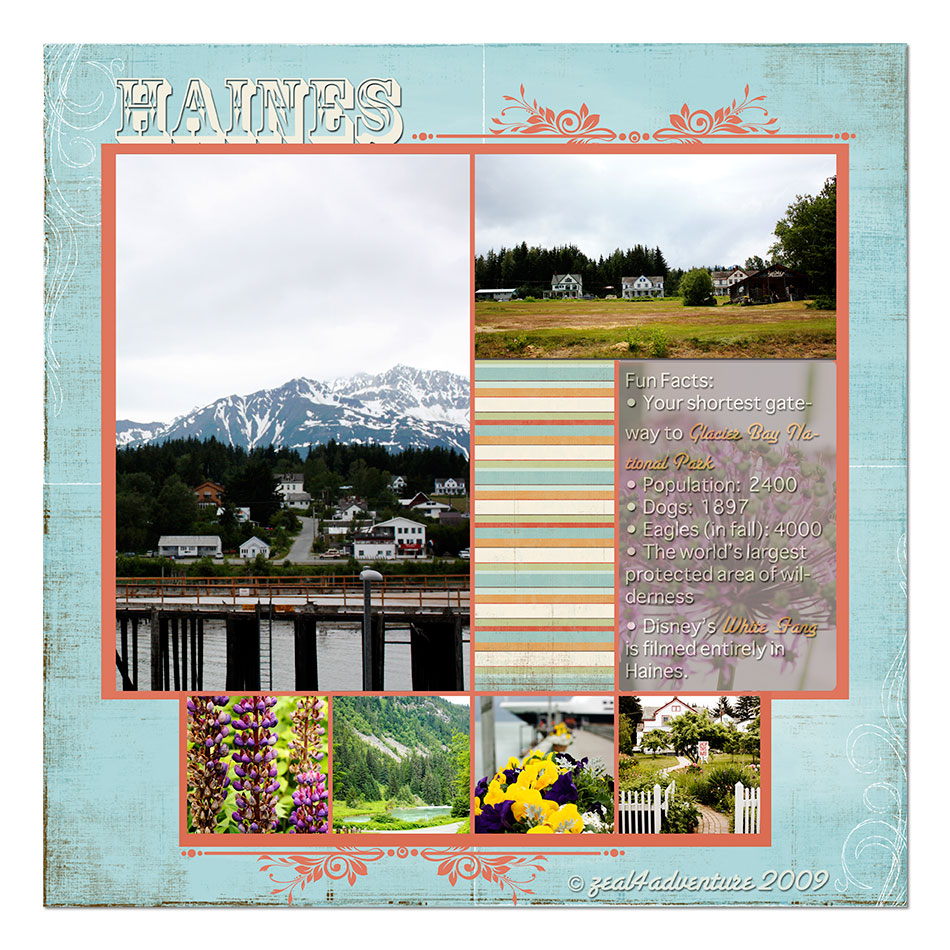
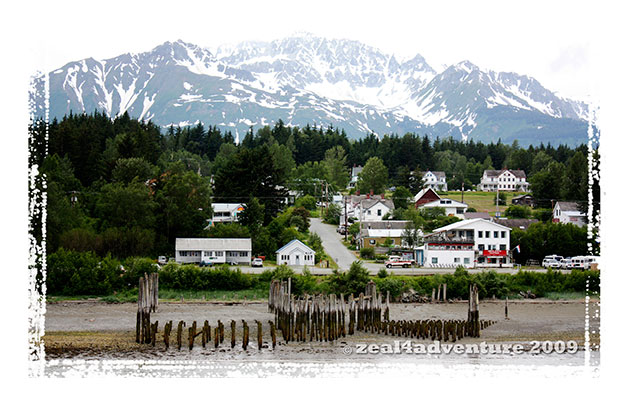
Haines

Credits:  Papers – Grand Intentions Kit Stripe paper; Cre8 Mini Kit Blue Solid paper, both by Jessica Sprague;  Overlay – J Crowley Beautiful Evidence Overlay 2

In a town where eagles sometimes outnumber people, it was no surprise to me that there was only 1 restaurant serving lunch that day and it had to be Mexican.  As much as I like experiencing local fares wherever I am, I had to grant A this favor.  He had Mexican (burritos, tacos…) perhaps 15 out of the 17 days he spent on the Colorado River rafting the Grand Canyon, pure torture if you don’t like Mexican all that much.  So he refused to enter no matter how hard I tried luring him with the wonderful smell of carnitas, which I love.  No amount of sweet talk worked so after walking around town looking for another restaurant, I gave in a trekked back to the ship, which in truth had far more choices anyway.  All’s well that ends well.  We spent the rest of the day enjoying the ships amenities… the heated lounge bed at the spa.   😉
Eagles and Muskegs

Our journey continues on to Haines.

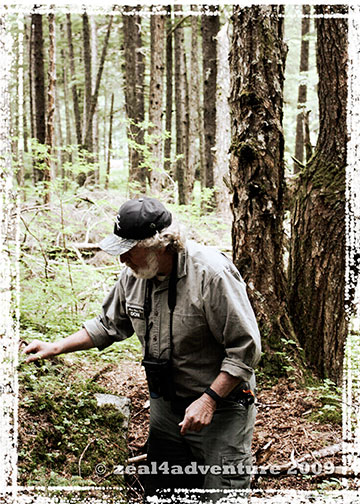
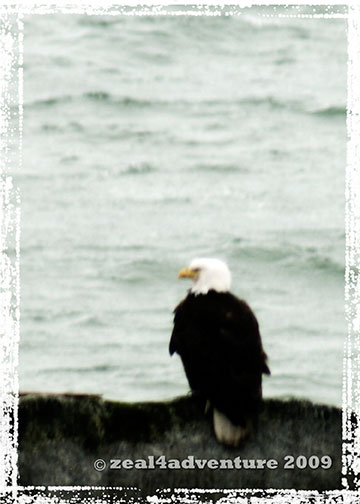
And here we went around with a naturalist bringing us through the “Valley of the Eagles” to view Haines’ most popular wildlife, the bald eagle hence the christening.

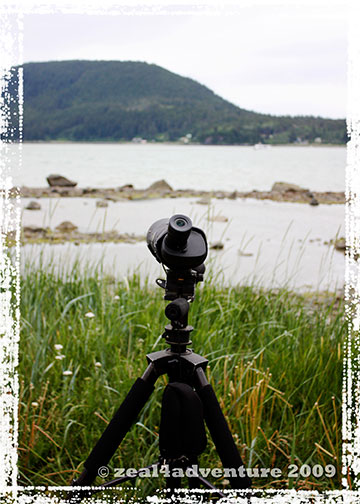
Powerful spotting scopes afford up close views of the eagle and other wildlife.  One can also take photo through the scope.

Year round resident eagles total approximately 400 but the population swells to at least 4,000 in the fall months of October – December.  More than the 2,400 locals residing in this small town.

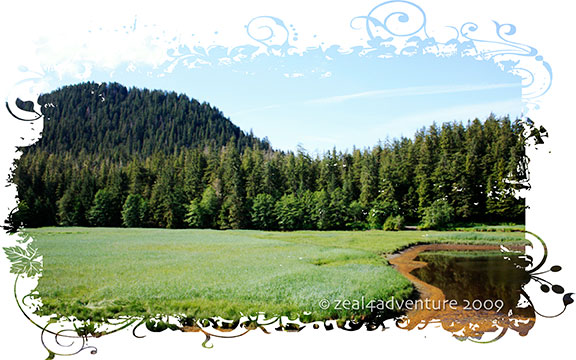
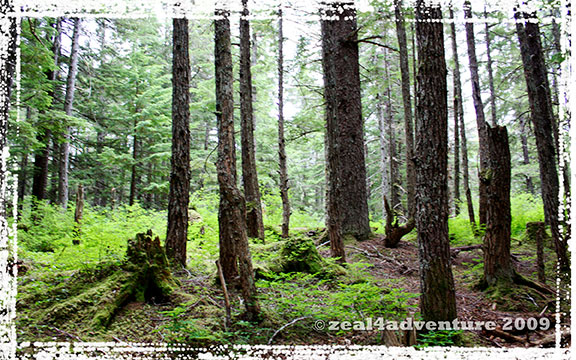
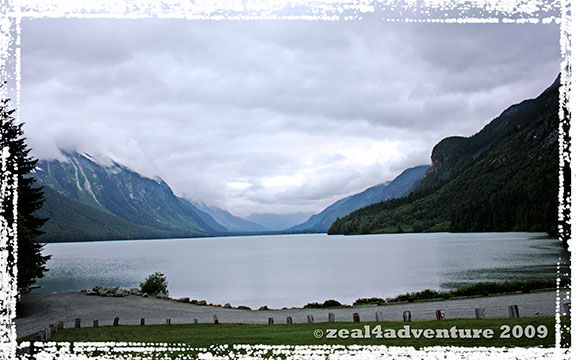
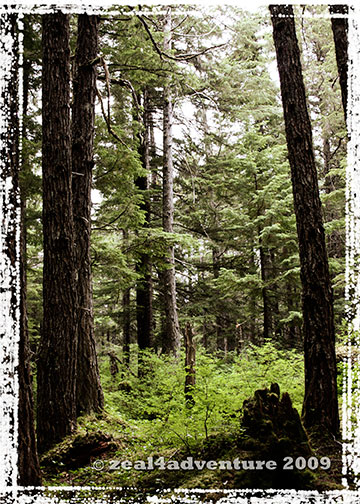
We then stopped along the shore of a picturesque mountain lake before walking through an ancient muskeg beneath hemlock and spruce trees.  Coming from the Philippines, I’ve trekked many a tropical rainforest and experiencing the sights, sounds and scents of a temperate rainforest was a morning well spent.

Temperate rainforests are less humid, cooler and has more sunlight coming through making it more pleasant to walk through, to compare with the rainforest I know.

I noticed though that moss and algae covers more grounds and trunks in a temperate forest.

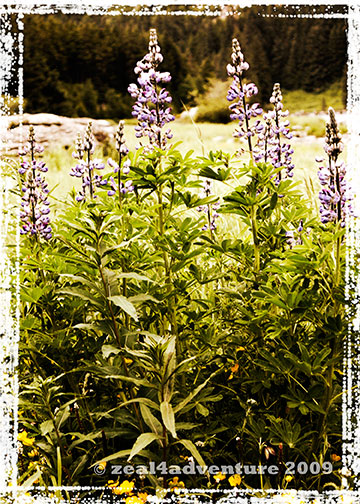
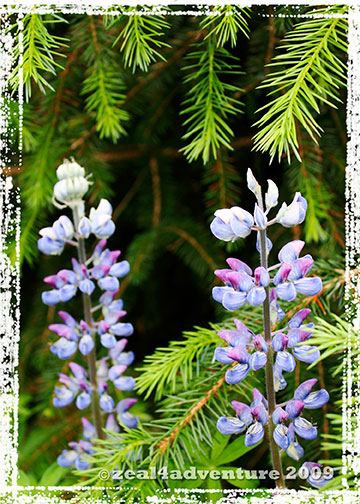
Some wildflower shots around Haines.

Firewood

Nootka Lupine

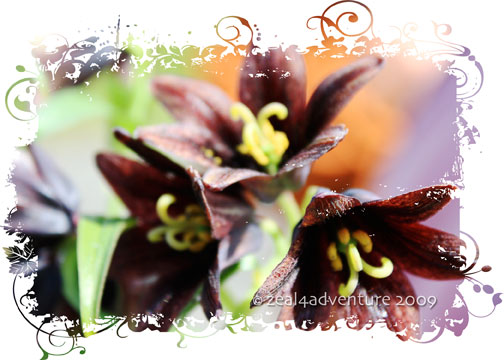
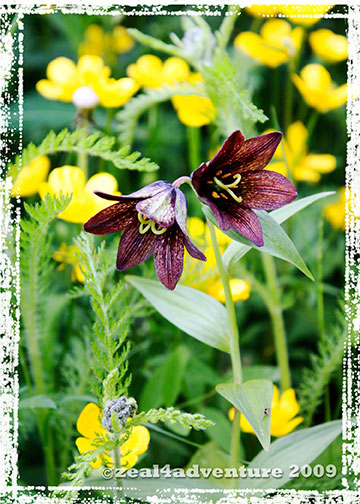
Chocolate Lily