Jianshui: An Ancient Town Side Trip

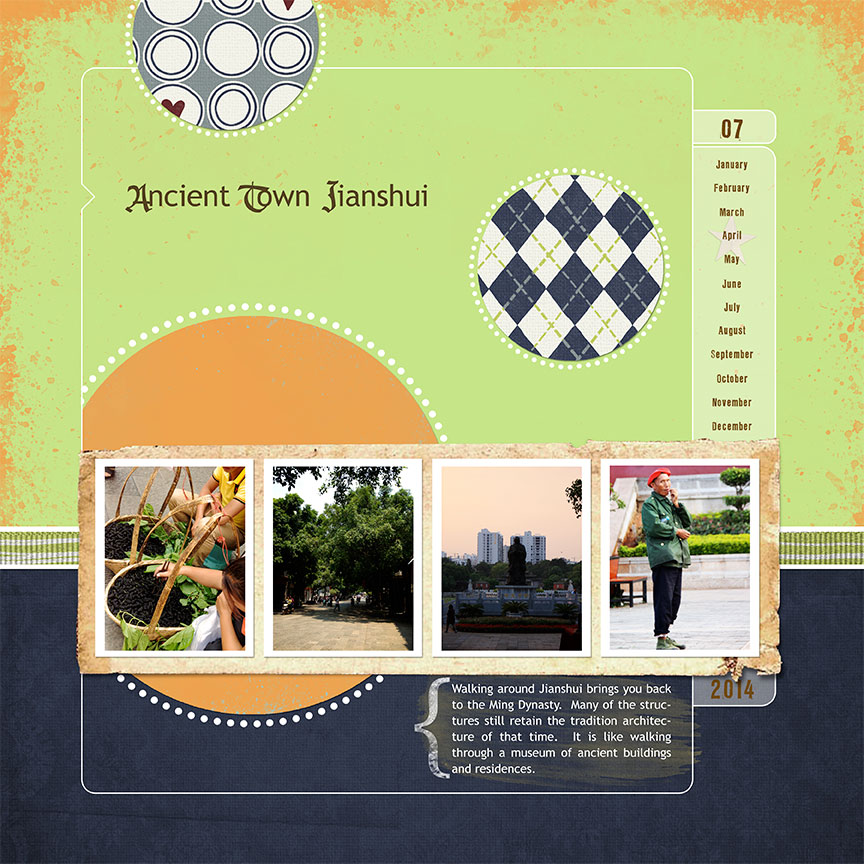
Ancient-Town-JianshuiCredits: Now is paper in green and orange; 4ever paper in argyle, love, and solid blue; 4ever striped ribbon—all by Splendid Fiin; Queen of Quirk star element.

Many stop for lunch, but not many stay the night. An optional gateway just 117 kilometers northeast of Yuanyang, we thought that it would be nice to spend a leisurely afternoon and evening in Jianshui County.

coffee-shaved-ice-and-beerRelaxing on shaved ice, coffee and beer ordered mostly through google translate.

It may not be the highlight of our trip, but it was a pleasant interlude, watching the day pass by in a small, sleepy town.

Walking around Jianshui brings you back to the Ming Dynasty.

exploring-Jianshui-2

Many of the structures still keep the tradition architecture of that time. It is like walking through a museum of ancient buildings and residences.

exploring-Jianshui

Small enough to walk around, we covered most of the must-sees in one afternoon.

lunch

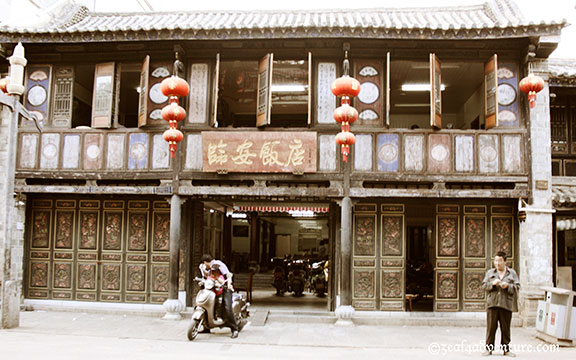
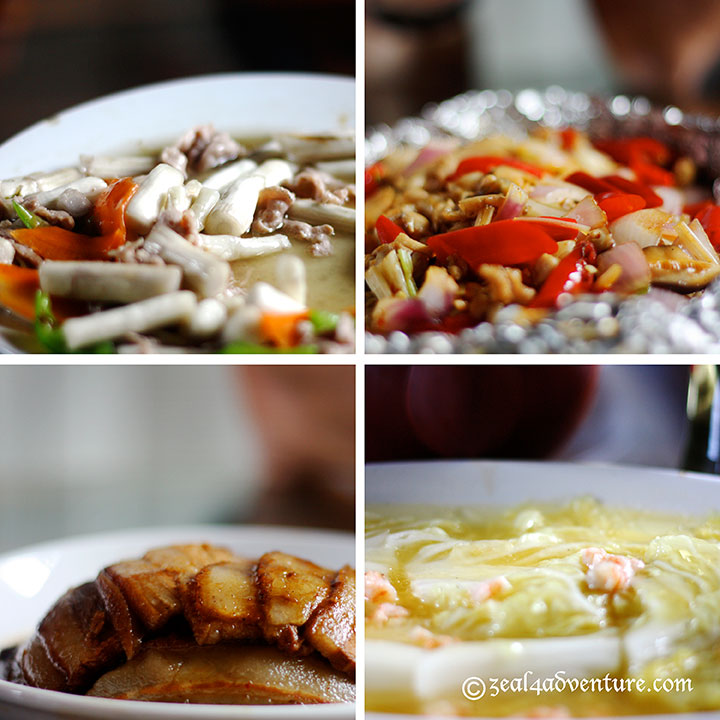
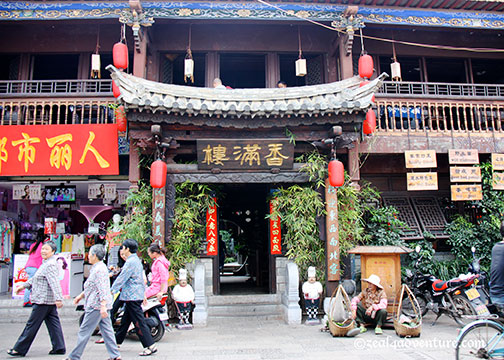
After a sumptuous lunch in one of the very few “foreigner friendly” (menu presented on a tablet with photos) restaurants in Han Lin Lu, we headed out to explore the town.

restaurant

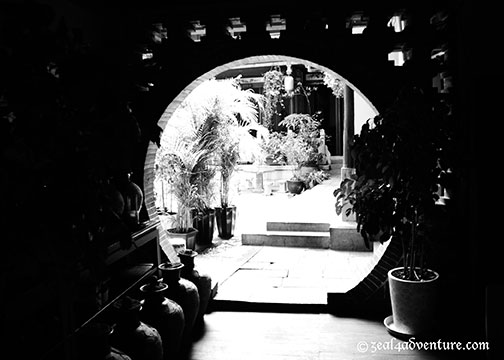
Not far from the restaurant in Jianxin St. is a fascinating example of the Qing era, the Zhu Family Garden.

zhu-family-ancient-architecture-

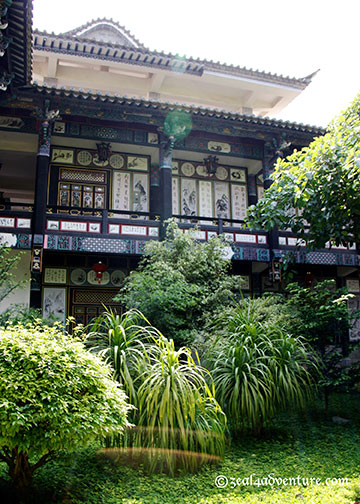
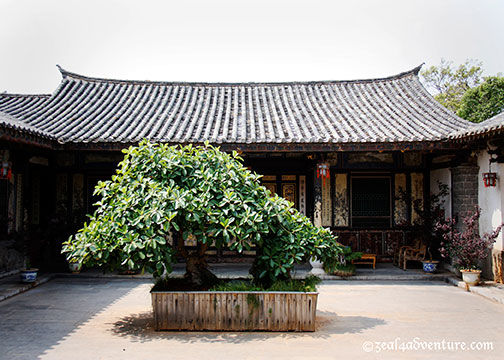
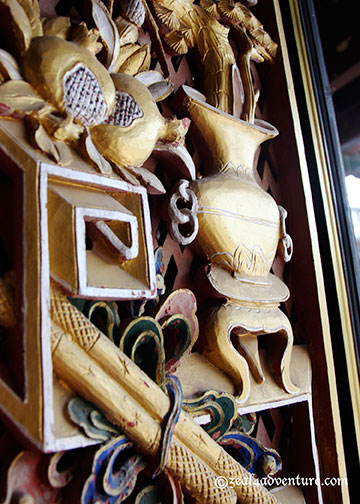
Transporting you 150 years back into imperial times, it showcases the elegance of the Zhu family’s architectural complex from raised eaves, intricate carvings to the spacious 20,000 square meter compound—

zhu-family-courtyardcourtyard
zhu-family-intricate-carvingsintricate carvings
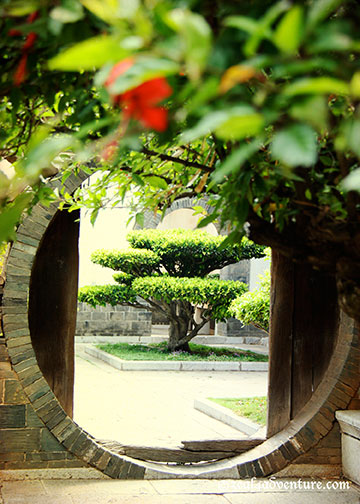
zhu-family-looking-out-to-gardengarden

comprising of ancient buildings, family houses, ponds, lovely gardens and courtyards that took thirty years to build.

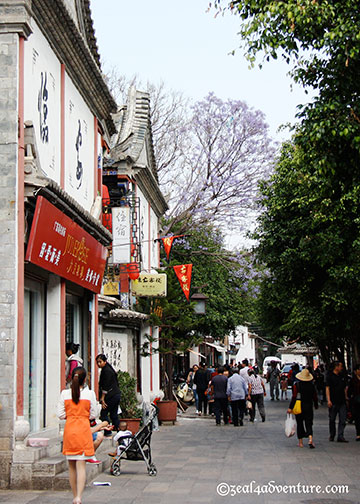
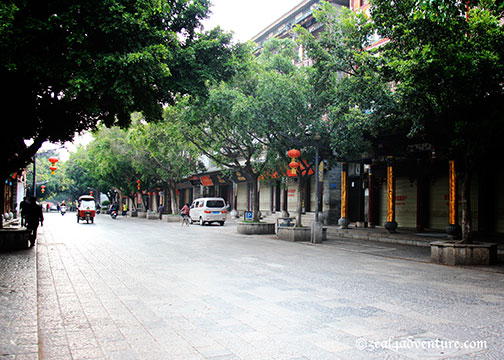
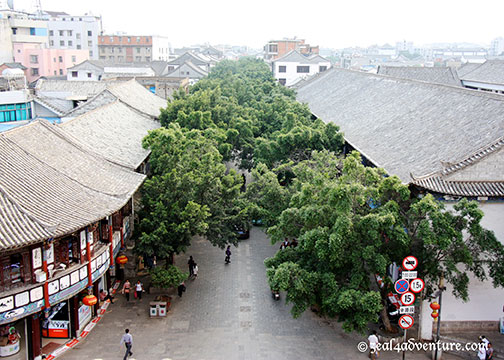
tree-lined-street

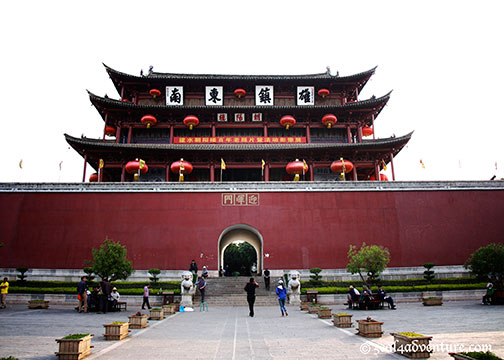
The main road, Lin-an Lu is shaded with old trees and on its eastern end stands this three-story Chaoyang Tower with a panoramic view of the town.

Chaoyang-Tower

Built in 1389, the gate tower stands in the middle of Jianshui County and with exactly the same style as Beijing’s Tiananmen Square, it has been labeled as the “Little Tiananmen”.

locals-socializing

locals-socializing-4

locals-socializing-3

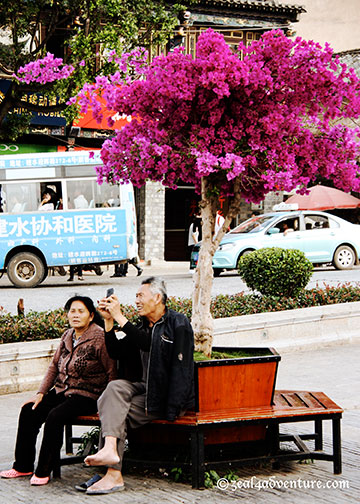
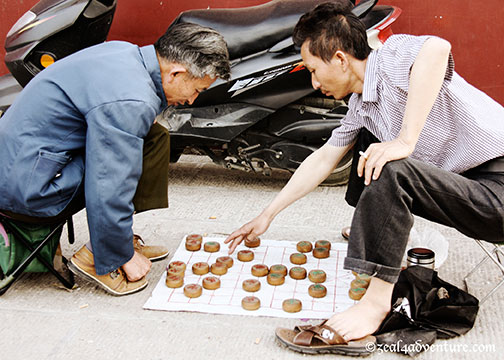
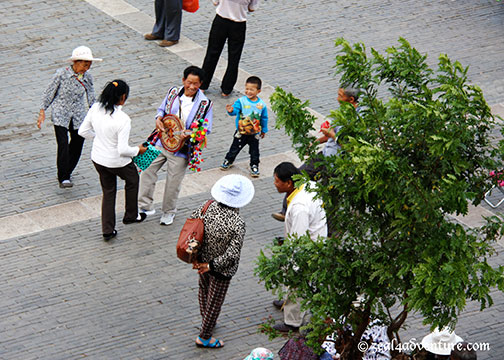
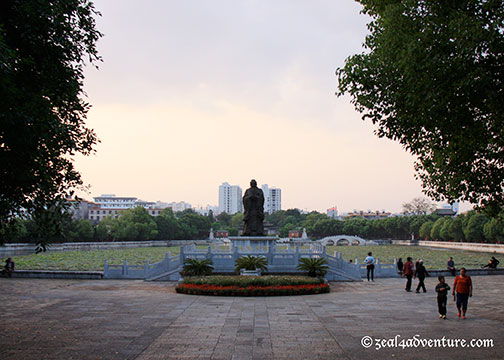
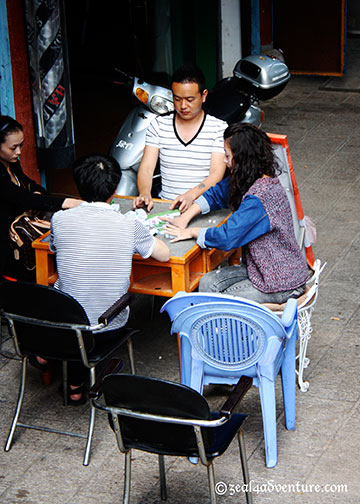
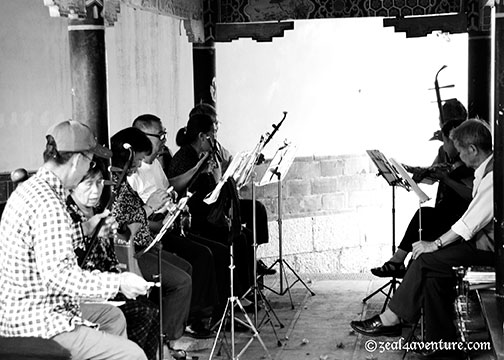
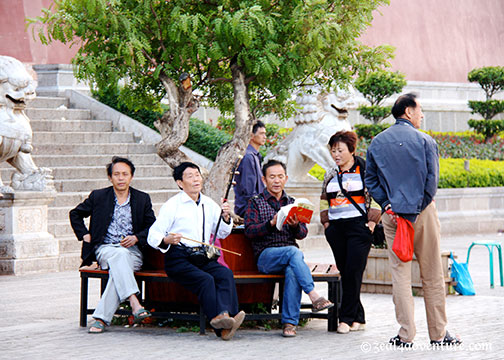
A lovely place to while away time, many locals spend their free time socializing at the square.

confucius-temple

On the opposite end of Lin-an Rd. is a well-preserved and one of the largest Confucius Temple in China.   The temple is constructed in traditional Chinese architecture with a history of more than 700 years.  We actually skipped this and instead walked around town and amused ourselves with the everyday goings on.

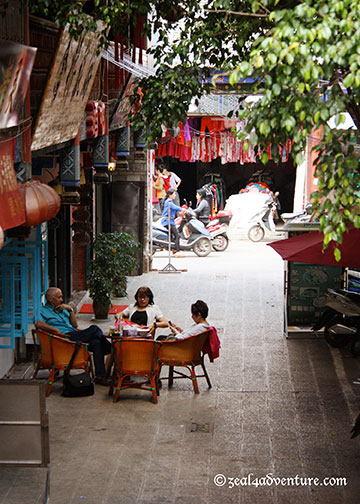
everyday-stuff-2A favorite past time, I reckon
everyday-stuffA lovely background sound it made while we were having our coffee

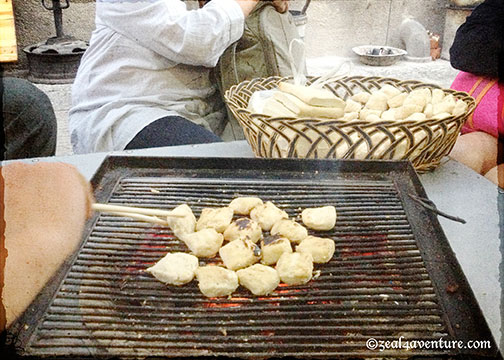
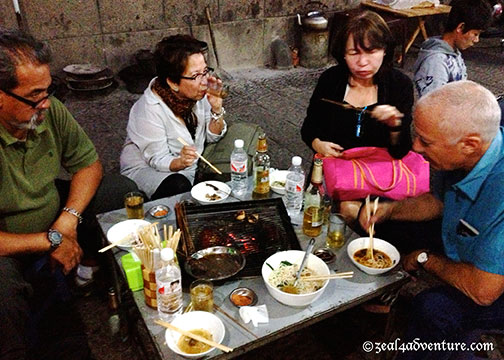
A contrast to lunch, in an alleyway in a small barbecue shop, dinner was the famous BBQ tofu

grilled-tofu

and a Jianshui original, rice noodle soup call Guo Qiao Mixian.

dinner

And with that satisfying dish, we ended our day ready for tomorrow’s trip the Yuanyang.

More of Jianshui:

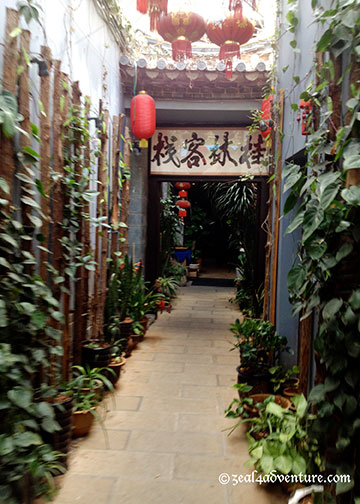
guilin-innThe entrance to our guesthouse, Guilin Inn
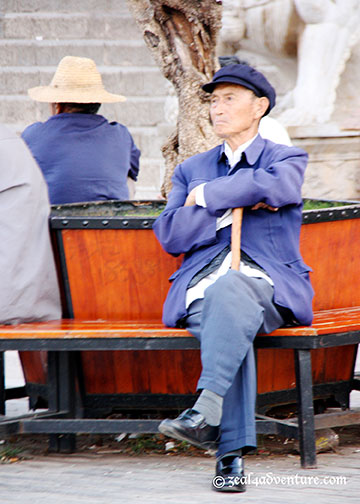
locals-in-the-squareA man on the square
locals-socializing-2Singing in the square
restaurant-interiorInside the restaurant at lunch
view-of-Lin-'an-from-Chaoyangthe view of Lin’an Road from the tower
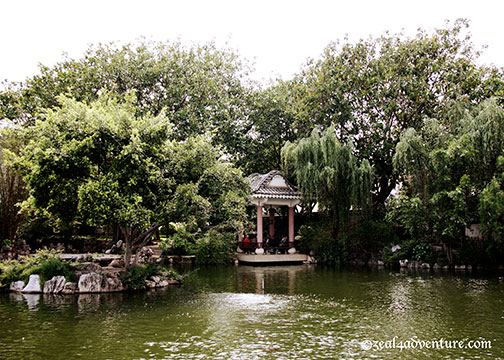
zhu-garden-pondone of the many ponds of the Zhu Family Garden

Korean Street Food: A Food Tour

Food has always been a big part of my travels.   It is, after all, the best way to connect with a place and its people. Food is Culture.

And in Korea, street food is part of its culture. The food scene in Seoul is deliciously varied and steeped in tradition. And its streets will fill you in on its true flavors. Ubiquitous food stalls and kiosks are the best places to eat on the go in a city that needs fuel to get going. Food is quick, hot and cheap in a Po Jang Macha, as locals call them.

demo

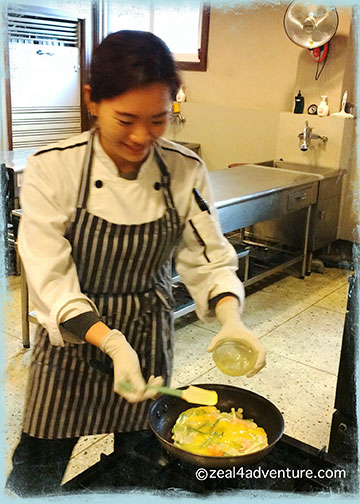
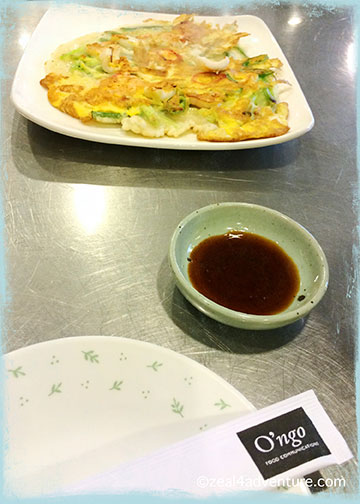
Our adventure started with a dish of Haemul Pajeon (Seafood Pancake) demonstrated first to us by a chef at O’ngo Food Communication’s kitchen in Jongno-gu. A food tour we joined to experience Seoul through our belly. I tried many times to replicate this Korean pancake in my kitchen but could never get the crunch. Now I know. A pinch or two of baking soda will do the trick.

Pajeon

On hindsight, hard as it may be, I shouldn’t have gorged on that favorite dish of mine because the rest of the tour had us weaving through good eats after good eats around Insadong.

First stop was the Nakwon Market. Definitely not a Gwangjang (the market of all Seoul markets) but it caters to the neighbourhood and it doesn’t get as local as this.

nakwon-market

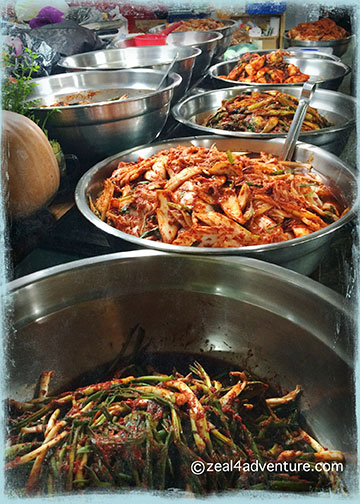
It is here where I had my first taste of baechu geotjeori, which translates to Napa cabbage lightly salted.

kimchi-variety

It doesn’t have the oomph of the classic kimchi, but it is mildly salty and sweet making it more rounded. Its crispy texture is refreshingly addicting that leaves me craving for it to this day.

fresh-kimchi-and-gimbap

A kimchi made to be eaten fresh without fermentation,

making-gimbap

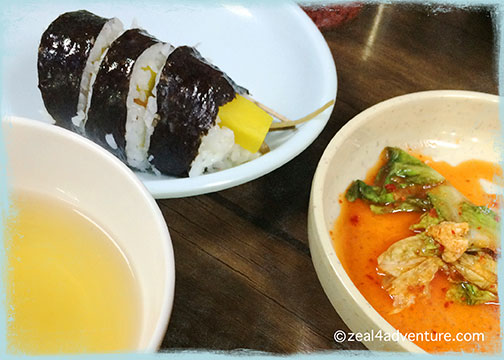
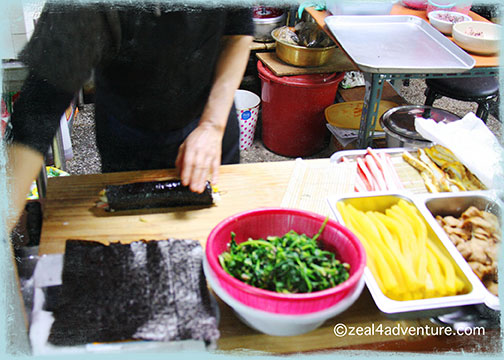
it is made daily by this lady who also makes an outstanding Gimbap, a dish that I was never compelled to try (because I thought it is an inferior version of the Japanese sushi, quite the contrary) but have since become a convert.

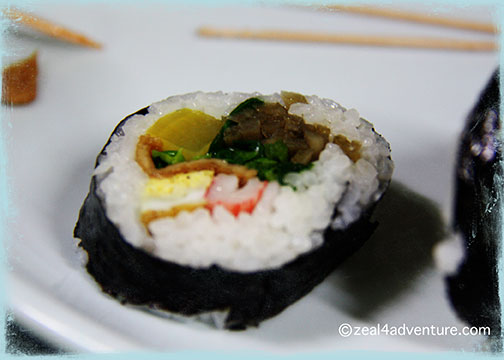
gimbap

Gimbap: Rice rolls stuff with cucumber, crab sticks, turnip and wrapped in seaweed then brushed with a bit of roasted sesame oil.

Her stall is packed with locals, and you can guess why.

A few street foods later,

bungeoppang

Bungeoppang: It’s a waffle with either a red bean paste (azuki) or a cream filling (similar to a Bavarian) shaped and sealed in a bungeo (carp) like cast iron mold. Crispy edges with a soft sweet middle.

egg-bread

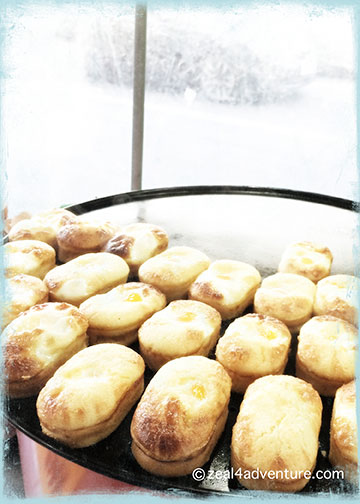
Gyenranppang: On the same stall you’ll most likely find this chicken egg bread or simply egg bread. A version of the bungeoppang. The dough is topped with an egg and cooked in a mini oven.
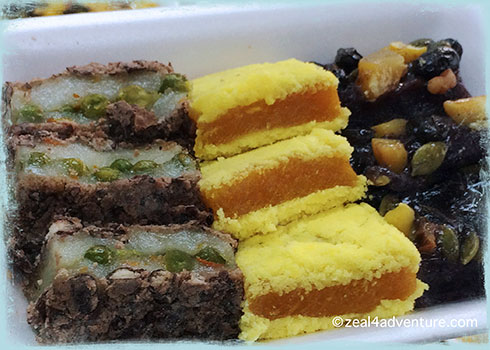
rice-cakesVarious rice cakes

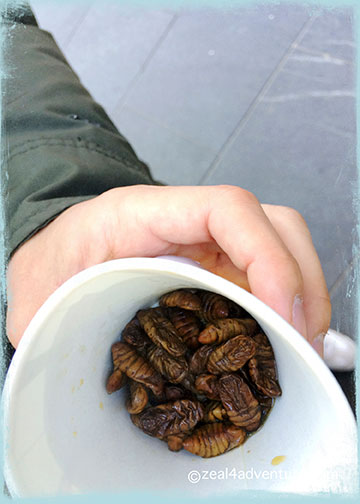
silkworm

Beondegi: Seasoned silkworm pupae steamed or boiled and eaten as a snack. Chewy in texture, taste is ok, but the smell is a bit off. Overall, ok to try once.

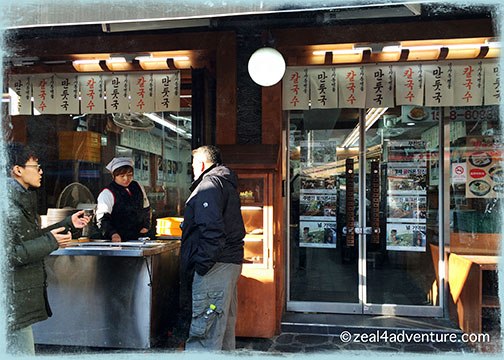
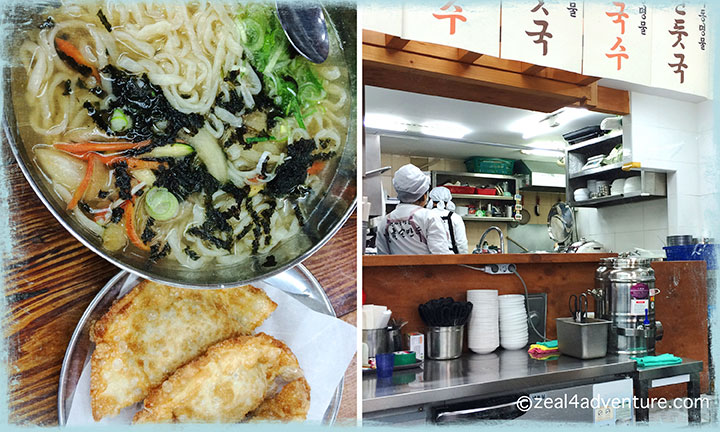
we found ourselves in Bukchon Son Mandu.

Bukchon-Mandoo

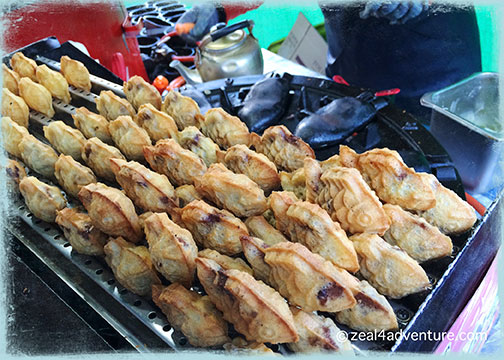
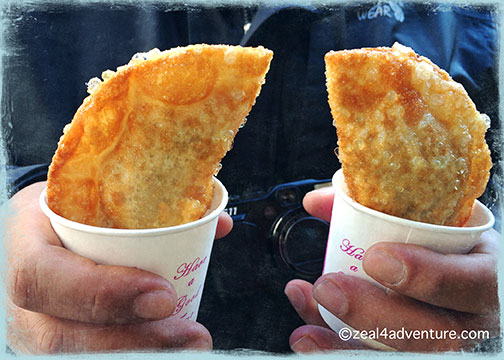
Oh the deep-fried pork dumpling is to die for.

pork-mandu

A combination of pork, scallions and glass noodles on a dumpling that is fried to a perfect crisp. We were back the following day for a full meal.

bukchon-mandoo-full-meal

That good.

We then capped the tour with more food. A sumptuous BBQ lunch.

bbq-lunch

Left to wander on our own, we found more street food that fancied our eyes more that our stomachs but still gave in to the lure.

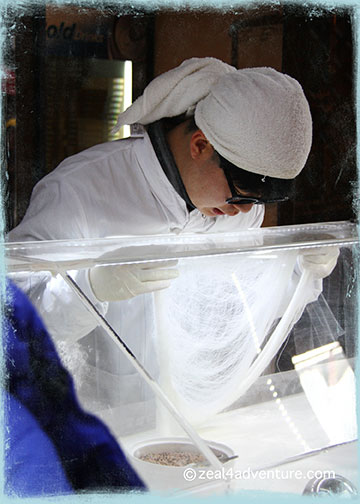
making-dragon-beard-candy

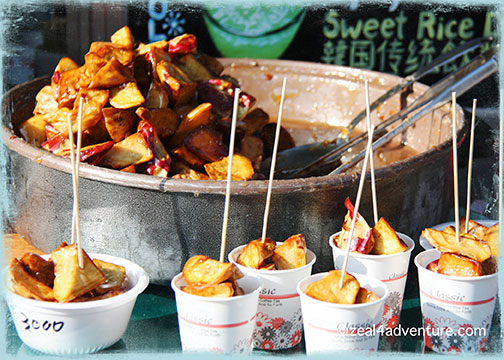
Ggultarae or Dragon Beard Candy: These guys do a great show, attracting many audiences. They start with a block of fermented honey and a bowl of cornstarch (chanting as they work) that is stretched until it turns into fine soft strings. It is then stuffed with hazelnuts, walnuts or peanuts. Yummy!
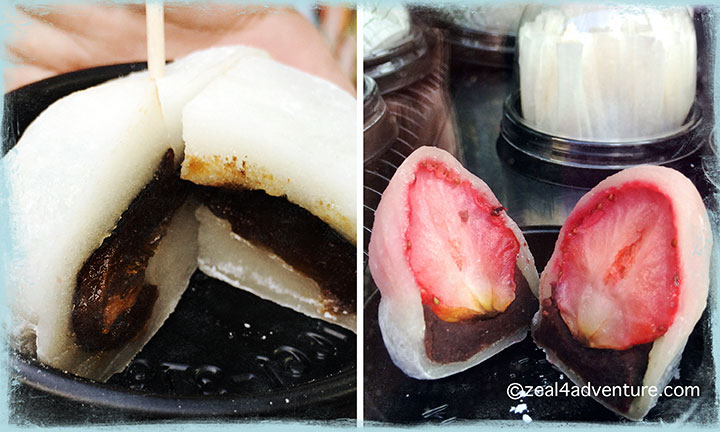
mochiFruit filled mochi — preserved persimmons on the left and fresh strawberry on the right.

sweet-potato

Spotted, not in Insadong but in Bukchon (on my next post), is this heavenly sweet potato that Korea is so known for.

Seoul is a haven for foodies and a wonderful city to be on a food trip.  Check out my past posts here and here.

Bukchon Son Mandu
42-5, Insadong-gil, Jongno-guSeoul, South Korea (Insadong)

Rainy Days in Seoul: Taxi rides, Museums and Bibimbap

rainy-days-in-SeoulCredits:  Template from the You are Awesome bloghop

As luck would have it, we woke up to a rainy Seoul on our first full day in South Korea’s capital.

rainy-dayBreakfast at the guesthouse.

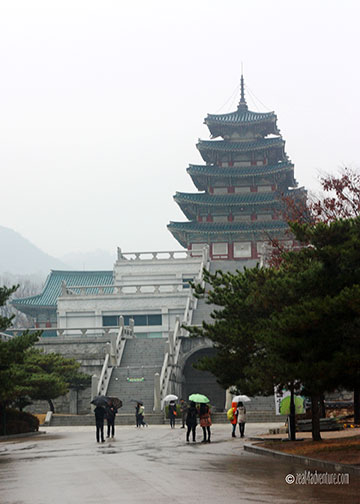
What to do? We deferred our plan to walk around Bukchon Hanok Village and instead, per the suggestion of the guesthouse staff, we headed to the National Folk Museum in Samcheong-ro in Jongno-gu.

The hassle-free way to get around on a wet day is by taxi. So driver dropped us off in front of the Gyeongbokgung Palace. The museum is located inside the palace grounds, but we didn’t know that. So imagine us bewildered when he stopped the car and tried to tell us (in Korean and sign language) where to go. And so we got off but couldn’t figure out why. While studying the map (in the rain) to get our bearings, he came back and gestured for us to get back in. He decided to drive us all the way to the gate. A quick left and a U and there we were at the side entrance of the Palace, closest to the museum. He was actually trying to tell us to cross the street, walk a little further, turn left, and we will find it. But he didn’t speak English, and we didn’t understand Korean hence the confusion. He didn’t charge extra.

National-Folk-MuseumThe museum shows the lifestyle and traditions of everyday Koreans at different periods that stretches from prehistoric to the end of the Joseon Dynasty.

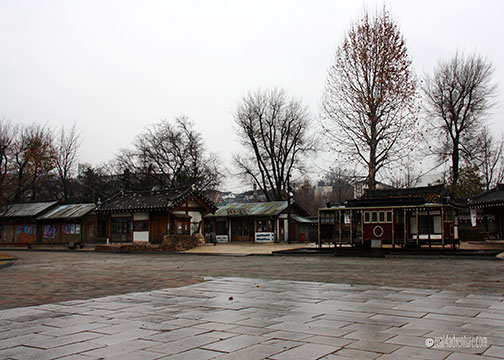
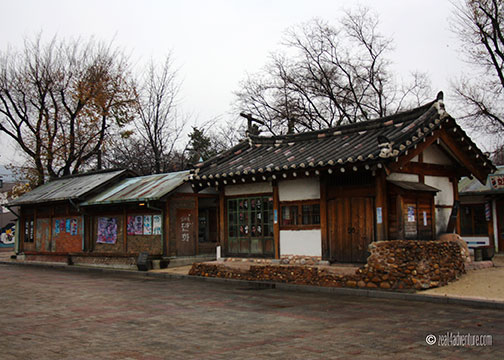
traditional-villageThere is also an open-air exhibit that takes you back in time through a replica of a street in a traditional village in late 19th century when a new modern culture was rising in Korea.

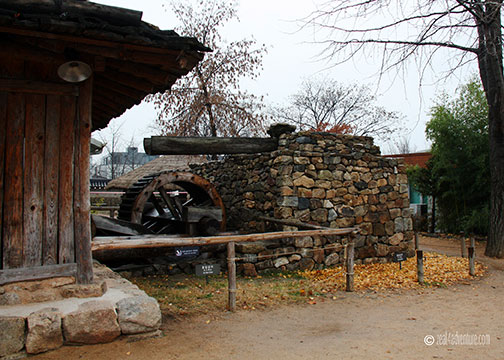
grinding-millThere you’ll see a grinding mill, a street car; hanok-style buildings and stores.hanok-style-stores

For lunch, we took a very short taxi ride (the driver scratching his head but couldn’t explain that it is just across the street, practically!) to Insadong. But because it was also drizzling, he obliged. I am amazed at how kind and gracious these people are. Thank you!

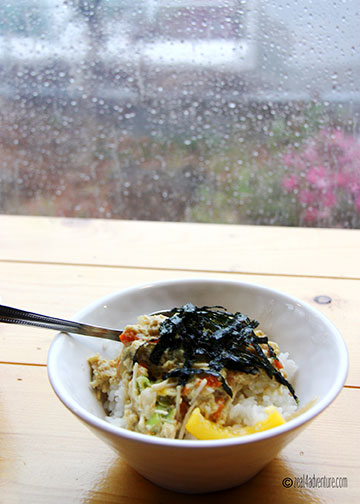
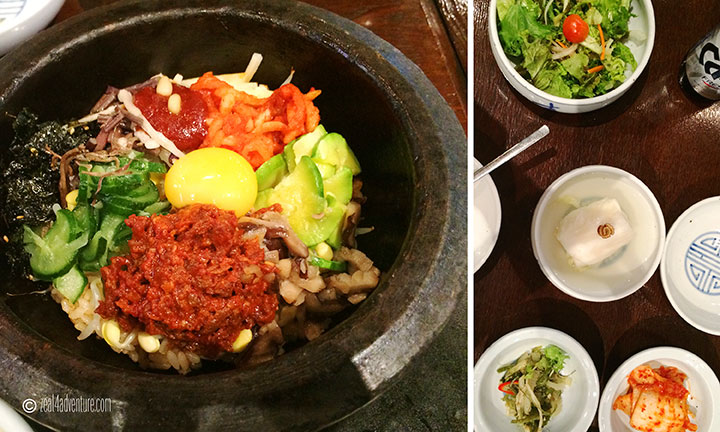
Lunch was an entirely satisfying meal of bibimbap and bulgogi at Gogung. I forgot how I adored these well-known dishes, which I first came across about 3 decades ago, when Seoul and I weren’t quite as hip. GogungThis beautiful mixed rice with vegetables, chili paste and eggs called bibimbap kept us full without breaking our pockets. Gogung, known for its Jeonju style bibimbap, is in the basement of Ssamzie-gil, a colorful shopping and cultural complex in Insadong-gil.

insadong-gilThe main street, Insadong-gil

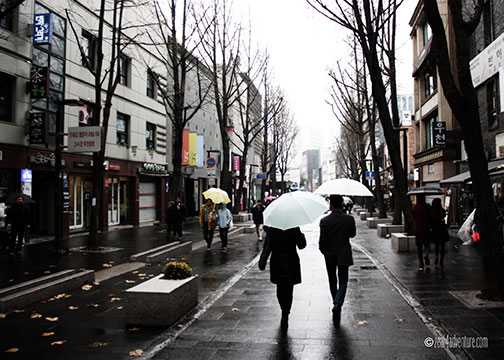
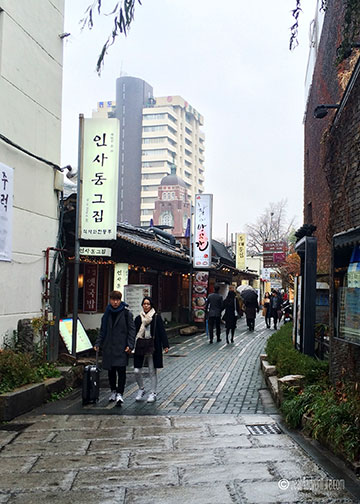
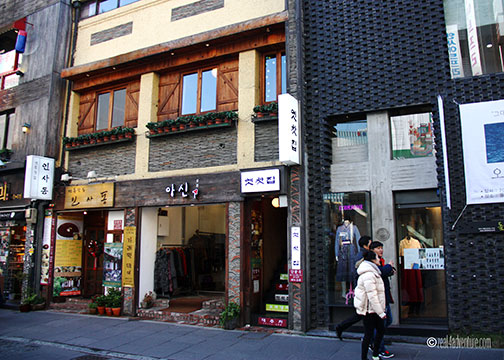
An iconic Korean street, Insadong is a vibrant neighbourhood with streets and narrow alleys lined with antique shops, art galleries, and all kinds of shops, from beauty to crafts.

alleys-insadong

insadong-stores It is also home to many traditional restaurants and teahouses. Tomorrow a food tour we signed up for will bring us back here. So stay tuned for more of Insadong and its street foods on my next post.

Rainy Days in Seoul: Staying at the Hongdae District

main-road-mapo-gu

Blame it on K-drama and a thwarted meeting last June, we found ourselves walking the streets of Mapo-Gu, backpacks in tow, looking for our guesthouse on a cold and rainy day in November. We don’t want to waste that visa and ticket, yes?

We got off the subway, followed the instructions provided by the guesthouse complete with photos. Easy to find, on a quiet street not far from the main road sits a charming brick building housing a photography studio and an office on the ground floor.

Lee-Kang-Ga

Lee Kang Ga will be our home for a few days while we explore Seoul (some of it, that is). The cozy guesthouse is on the top floor with residential units in between.

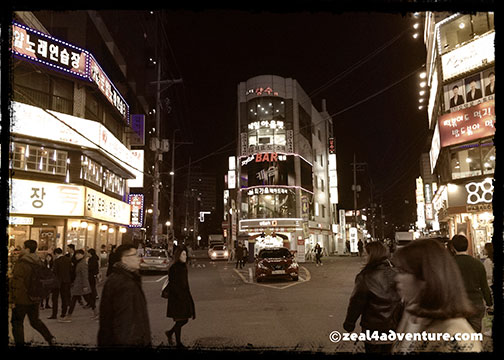
wall-artI chose to stay in the Hongdae district for its urban street arts and indie music culture. Brimming with mostly young people wandering about, the vibrant streets (especially at night) are alive with music and a lot of cheering. You’ll see dance performances, musicians singing or playing their instruments in all sorts of genre.

shopping-at-hongdae

Filled with independent stores and boutiques, it is also a fantastic place to shop if edgy fashion is your thing. It is clearly a place for the young and the young at heart.

As it is a university belt, restaurants and coffee shops abound. Although a phenomenon in all of Korea, the area boasts of exciting themed cafes.

hongdae

Every night was a different discovery of the local taste. One night we devoured on (fried) chicken and beer.

chicken-and-beerIf you don’t know this combination, then you are not watching enough K-dramas.

“Have you tried makgeolli?” Andy, from our guesthouse and (must add) the kindest staff I’ve encountered so far, asked. Apparently also superb with chicken, he ran down to the nearest convenience store, bought us a few bottles of Korean rice wine. He ordered a box of fried chicken to go with it.

Mageolli

Pronounced Mak-a-lee, this milky alcoholic beverage is fizzy and refreshing, slightly sweet and tangy and easy to drink.

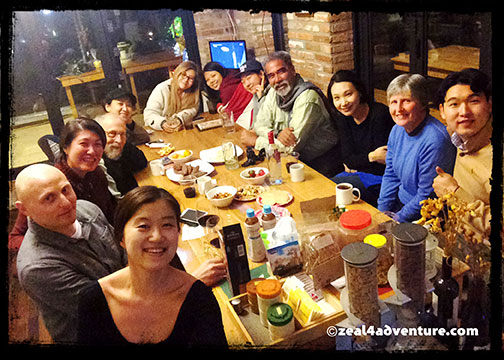
Every night, we gather at the rooftop kitchen and dining area to exchange stories and share a few bottles of beer, soju, makgeolli or wine with other guests and staff.

hanging-out

It was a lovely vibe of different cultures and age groups. And till today, I still fond memories of those nights.

In the heart of Hongdae, Andy pointed us to one of his favorite “grilled beef” restaurants. It didn’t have an English sign so he sent us a photo of the sign in Korean and instructions on how to find it.

Korean-beef

Found on the 3rd floor atop a 7Eleven store, it was packed with students and young professionals. And on a corner table, we indulged in excellent Korean beef. What made it really special outside of its quality and reasonable price is the array of flavoured salt that one dredges on the meat.salt-variety

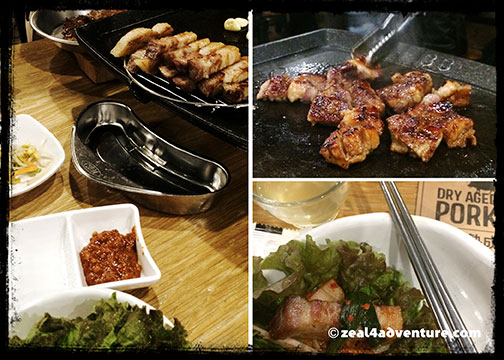
Equally as important to Koreans are pork bellies. Samgyupsal or pork belly wraps could possibly outshine any beef dish in Korea. Koreans are in love with pork bellies and so are we. On our way to the Nanta Theater in Hongdae, we spotted “The Ginger Pork” and instantly knew where dinner will be after the show.

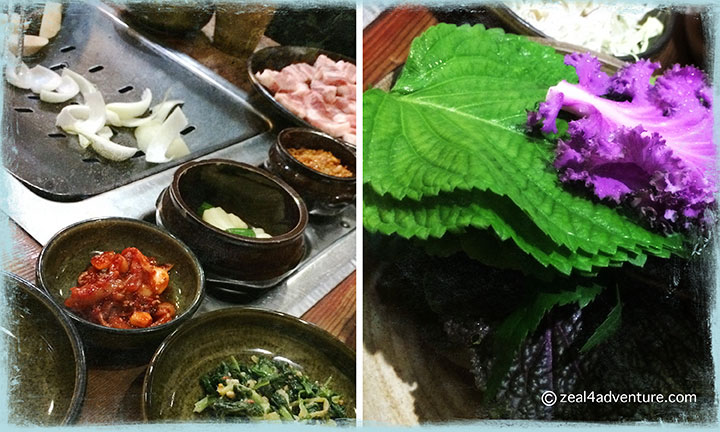
Ginger-Pork

Thick fatty slices of pork bellies grilled on a grill plate, eaten together with garlic, green onion salad and some ssamjang wrapped in fresh lettuce leaf.  It was a glorious way to cap  a fantastically energetic show.

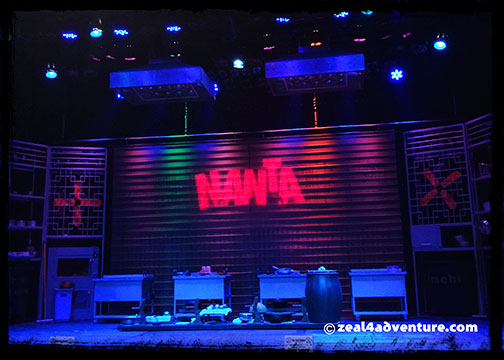
nanta

And speaking of Nanta, do find time to watch this impressive non-verbal comedy show that is entirely about cooking/food. It’s a lot of fun. In Hongdae, the theatre is housed in the beautiful Yellow Stone Building.

Yellow-Stone-Building

There are more to explore in the Hongdae district and 4 nights is simply not enough. In fact, we only scratched the surface and definitely calls for another visit. More of Seoul in my next posts. Stay tuned.

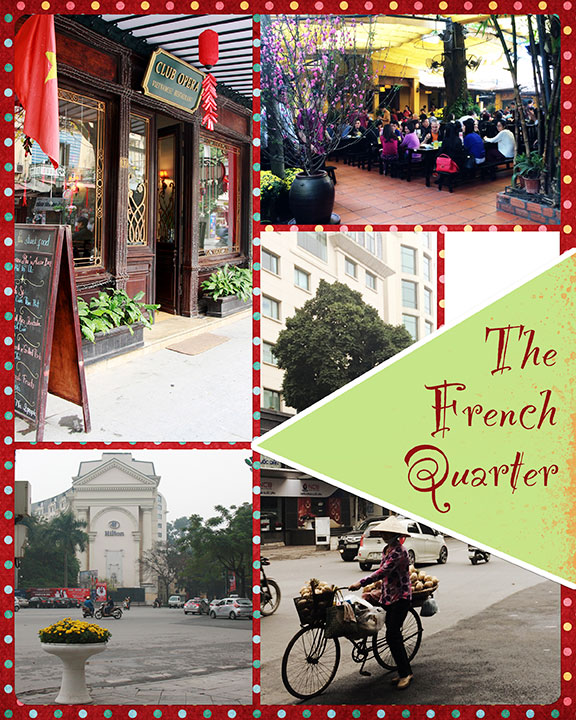
Streets of Hanoi: The French Quarter

The-French-QuarterCredits: 

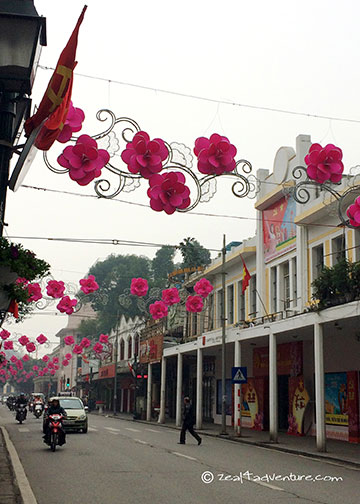
Ba Dinh District also called the French quarter is a pleasant interlude from the chaos of the Old Quarter (especially if you are staying in the Old Quarter like we were).

tree-lined-boulevard

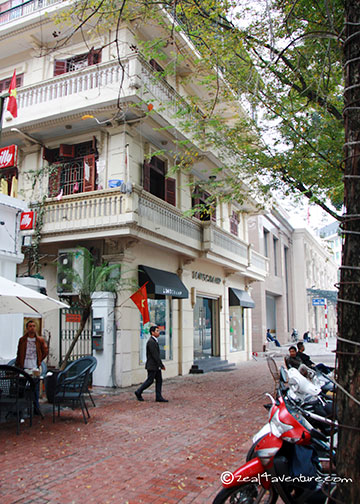
The area is home to wide tree-lined streets, French colonial buildings,

posh-hotel

posh hotels, fancy restaurants and swanky shops.

swanky-shops

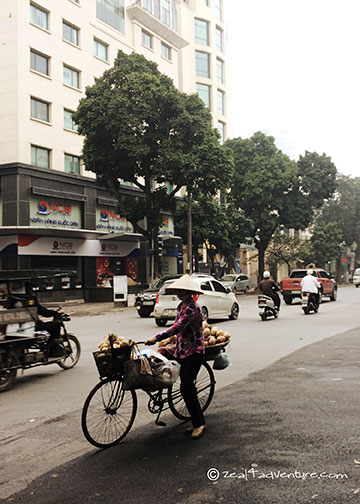
On our way to lunch, we walked through Trang Tien, the main artery of the French Quarter, walking pass (but never entered) the famous ice cream store, Kem Trang Tien.

Trang-Tien-Street

Elegant French style buildings and villas replaced the old Vietnamese buildings in this section (as the name suggests) when the French occupied Hanoi in the last 19th century.

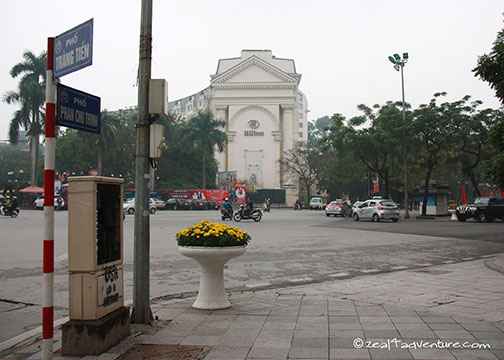
Opera-House

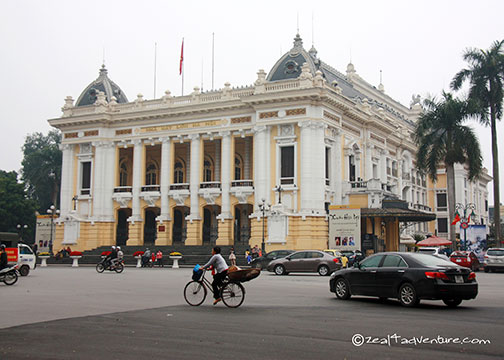
At the end of Trang Tien, on the August Revolutionary Square, the Hanoi Opera House, stand proudly as an architectural, political and cultural symbol of the capital.

Lunch at Au Lac House along Tran Hung Dao was a pleasant default. We were headed to La Badiane (which we never got to try but came highly recommended) but were unfortunately closed for the day.   The reason is a blur to me now but because we were there during the Lunar New Year, it could be because of that, but I digress.

Au-Lac-House

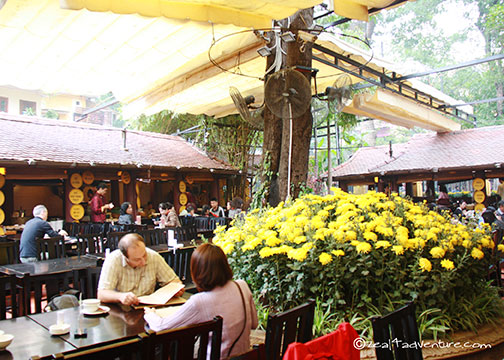
So, just a few steps away from La Badiane is Au Lac House, a large French Style garden house built during the French colonial period restored into an elegant dining venue.

Bun-Cha

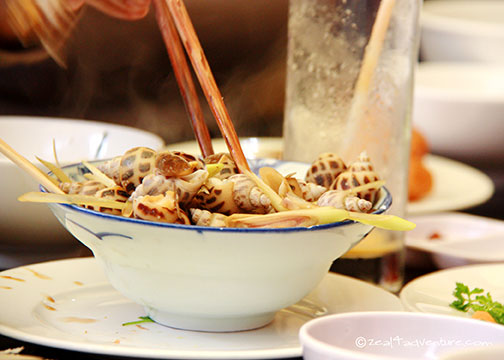
snails

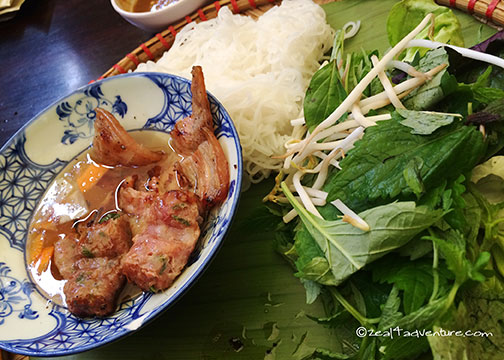
The food was Vietnamese Specialty (a sudden mind-shift from the expected French lunch at La Badiane) and quite impressive too.  Truth to tell, Vietnam is always a gastronomical delight whether it be hole in a wall or high-end.

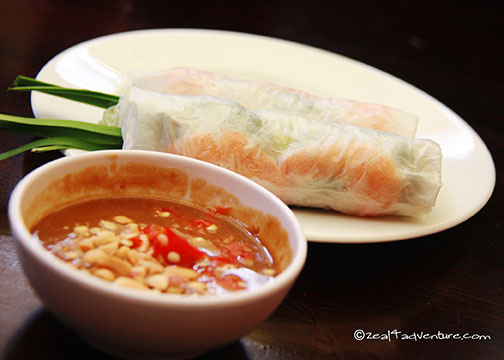
spring-rolls

You can walk through the different stations with your server and point and choose and the food will be prepared and served accordingly.

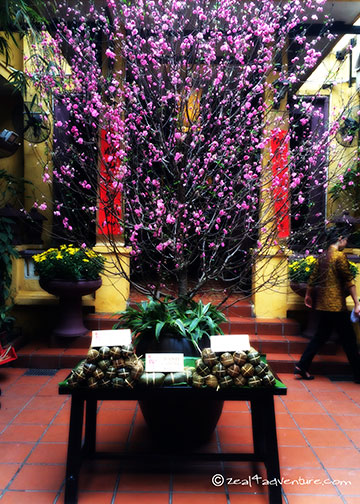
Au-Lac-interior

The beautiful house and stunning interior with old photographs were icing on our cake.

Useful Info:

Au Lac House13 Tran Hung Dao

Opera House:  1 Trang Tien, Hoan Kiem

Segovia: An immersion in Architecture and Historic Treasures

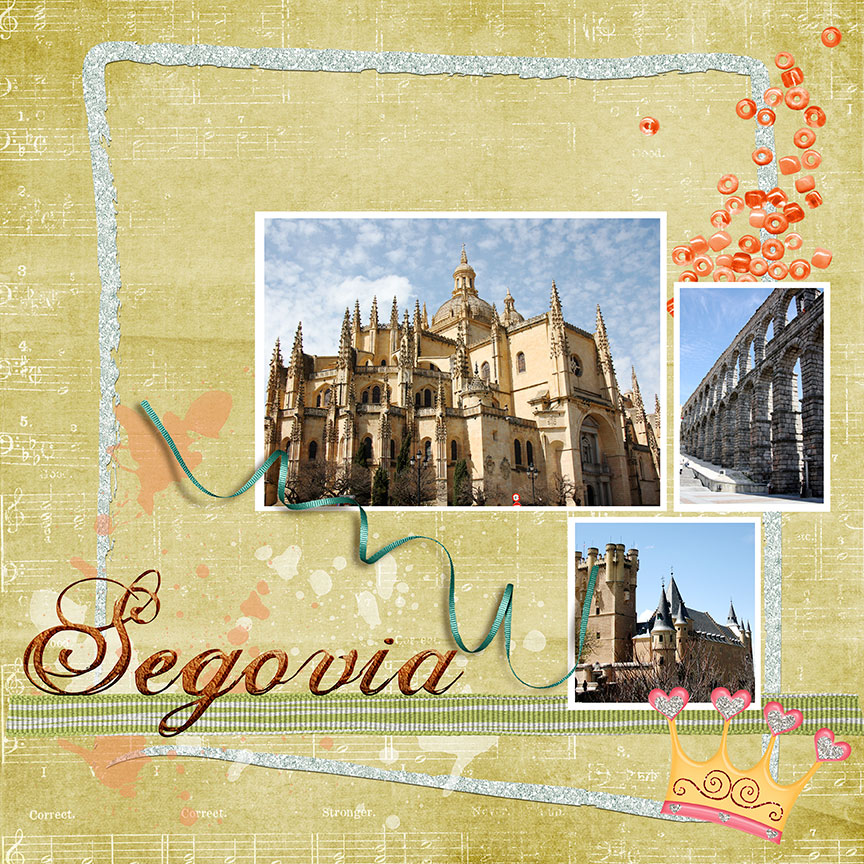
SegoviaCredits:  Elements by Haynay Designs, Plum Dumpling Designs, Pri Rocha, Sahlin Studio, Trixie Scarp Designs, Wimpy Chompers; Paper by Wimpy Chompers; Alpha by MissBehaving 2011

A visit to picturesque old city Segovia was an excellent way to cap off this month-long West Mediterranean trip. We spent the day exploring a castle, devouring a roasted suckling pig, taking lots of photographs and people watching.

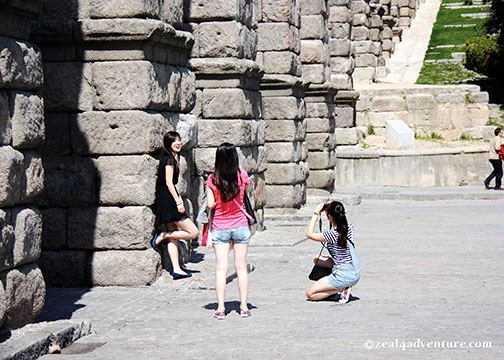
tourists

This once sleepy Castilian town had a lot to offer and had us in awe at every turn, suffice it to say that we had a fun stroll.

wandering

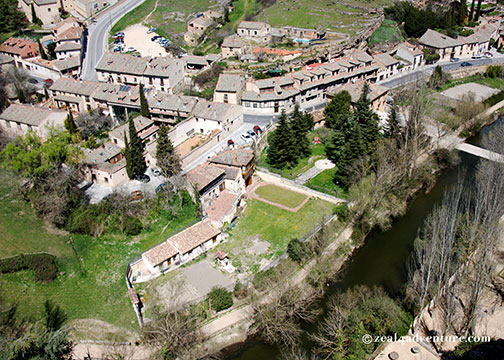
A UNESCO World Heritage City, visitors fill the twisting alleyways wandering around a multitude of historic buildings, churches, and monuments.

Located just 80 kilometers from Madrid, it is only a 30-minute high-speed train ride away. If you have the time, seize the opportunity and take a trip to the walled old town of Segovia.

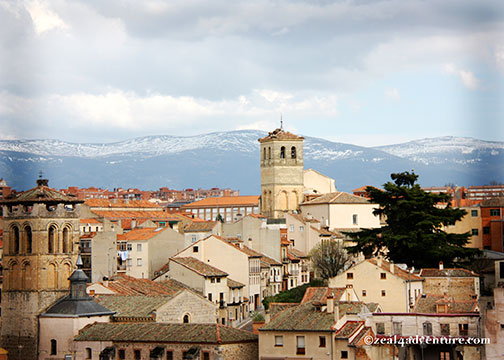
town

It is a good way to travel back in time, explore the fascinating UNESCO World Heritage-listed city by foot.

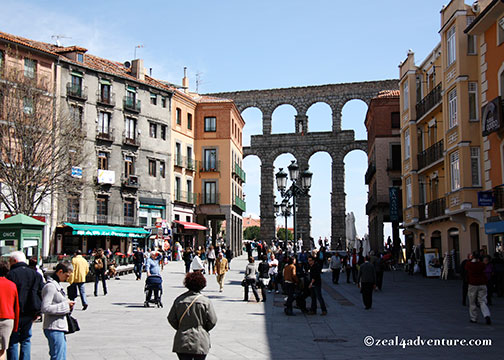
The Aqueduct

aqueduct-2

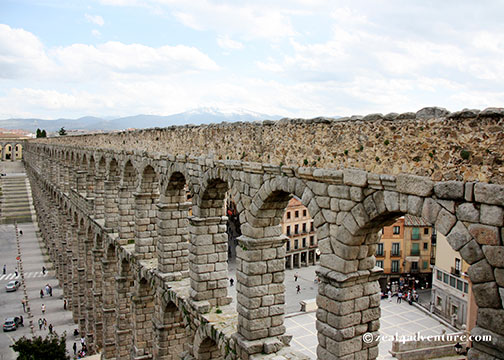
An impressive aqueduct built sometime in the 1st or 2nd century supplied water to the small town of Segovia, perched on a steep isolated hill and joined by two rivers.

aqueduct

The magnificent aqueduct bridge carried water from the Fuente Frio River traversing about 15km before entering this town.

Aqueduct-4Today its boasts of being one of the most significant and best-preserved works of Roman engineering on the Iberico Peninsula.

Segovia Cathedral

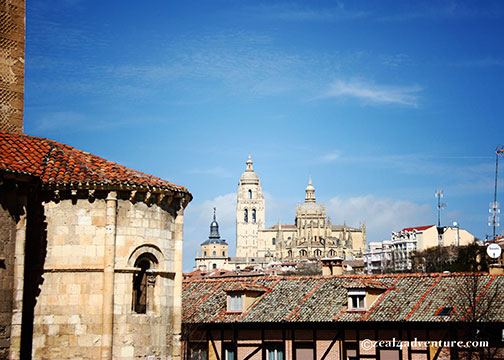
Cathedral

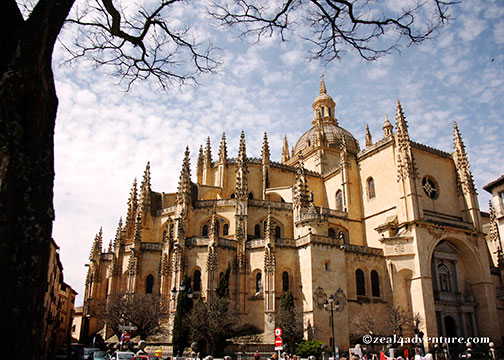
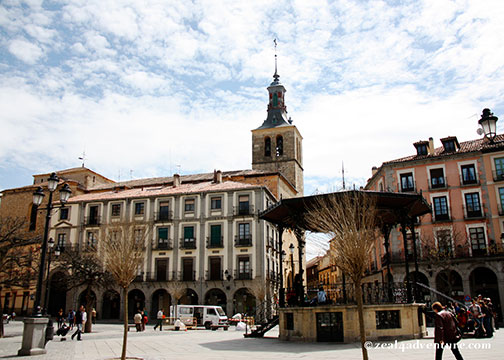
On the highest point in the old town, fronting the historic Plaza Mayor (Segovia’s main square) stands the Cathedral of Segovia, one of the last Gothic Cathedral built in Spain and Europe.

Plaza-Mayor-and-cathedral

The construction began in the early 16th century to replace an earlier cathedral destroyed during the war of the comuneros, a revolt against the King. I am awed by the details of this church.

cathedral-up-close

Alcazar

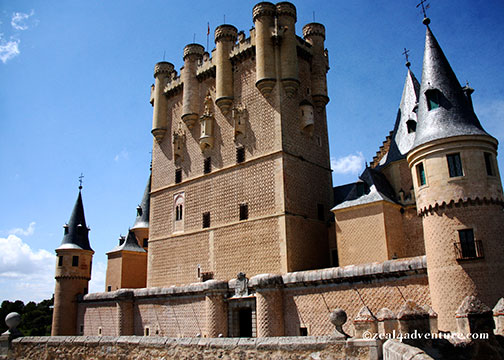
alcazar-2

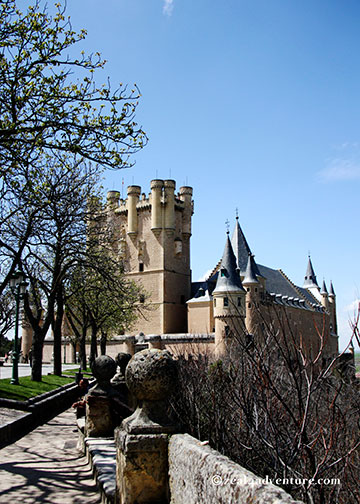
Now, this looks like a castle straight out of a Disney fairytale.

alcazar-4

The castle rises out on a rock between the confluence of the Eresma and Clamores Rivers, a testament to its original military status. Being the favorite residence for Kings of Castile, the Alcazar was transformed from a small castle into an extraordinary palace.

alcazar-3

It played a crucial role in Spanish history because it was used in various ways throughout history.

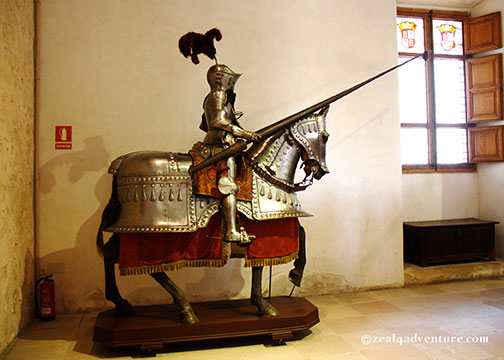
alcazar-interior-2

Originally built as a fortress, it had served as home to royals before it became a state prison, a Royal Artillery College, and a military academy. Currently, it is a museum and home to the Spanish General Military Archive.

Lunch at the Meson de Candido Restaurant

Plaza de Azoguejo 5, 40001  +34 921 425911

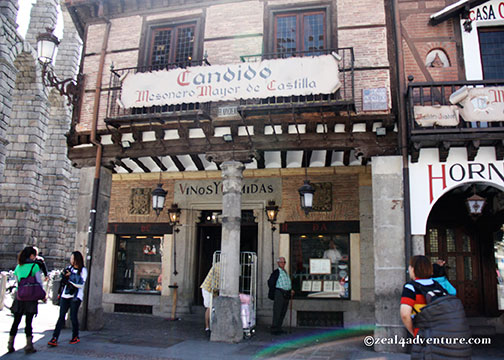
Meson-de-Candido

An attraction in itself, the restaurant was declared a national monument in 1941. Set in a delightful 18th-century building next to the aqueduct, it is most famous today for its wood-fire roasted suckling pig, cochinillo.

cochinillo-ritual

Served with a short speech and a ceremonial cutting of the pig with a plate,

cochinillo-ritual-2

this famous dish was a delight—crispy skin and flavorful and fork tender meat is hard to beat. Also, worth noting is their Sepulveda-Style Roasted Lamb.

Rich in architecture treasures, it was a joy to wander through this town. Presenting below a few more photos to delight in.

Segovia-CathedralThe Cathedral from afar.
alcazar-interiorStained Glass wall at the Alcazar
view-from-the-alcazarA view from the Alcazar
Aqueduct-3The Aqueduct up close
plaza-medina-del-campoPlaza Medina del Campo
Azoguejo-Square-2The Azoguejo Square with the Aqueduct as backdrop
Plaza-MayorPlaza Mayor of Segovia
from-the-castleA view from the castle
peddlersPeddlers line the periphery of the aqueduct
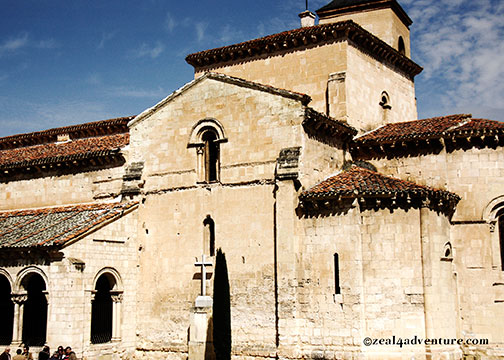
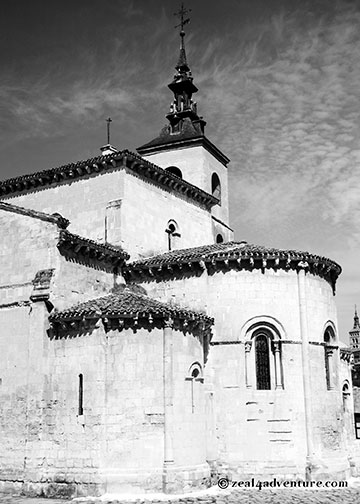
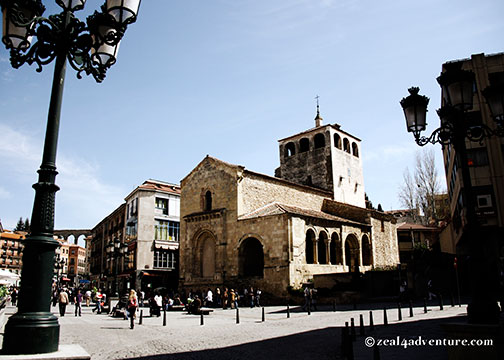
Iglesia-de-San-Martin-2Iglesia de San Martin
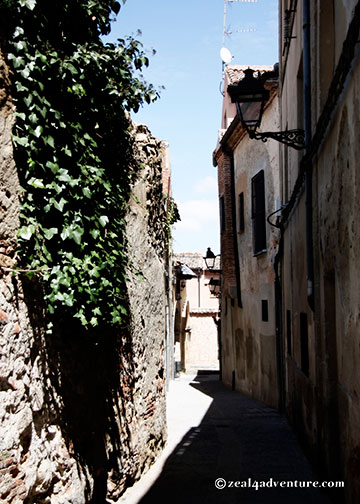
narrow-roadNarrow winding road of Segovia
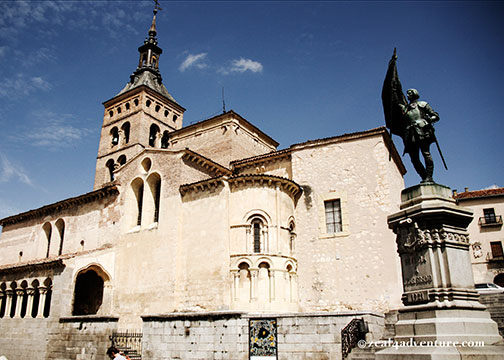
Iglesia-de-San-MartinIglesia de San Martin
Juan-BravoA statue of Juan Bravo: a leader of the rebel Comuneros in the Castilian Revolt of the Comuneros.

Madrid: On Second Chances

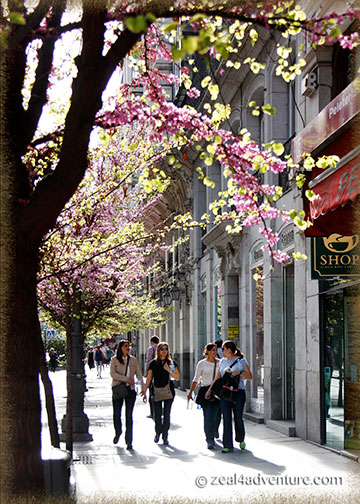
In the middle of Madrid’s historic center, his cab off limits, the driver dropped us off just outside a tree-lined, cobbled street.

tree-lined

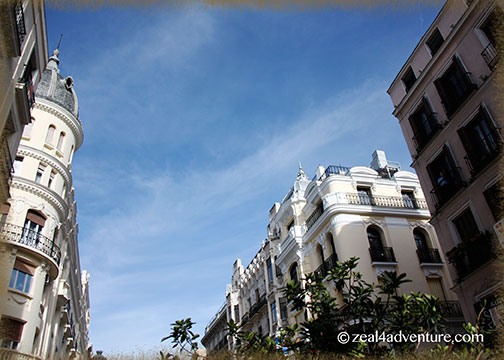
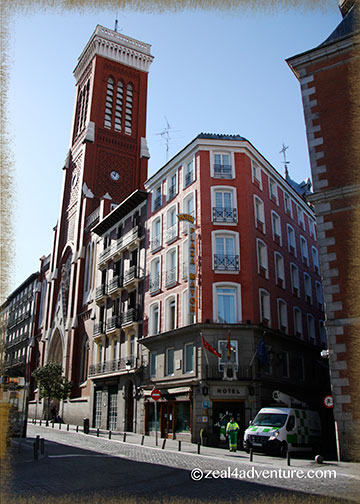
Across it is our hostal. Calle Mayor is filled with buildings of centuries past and within walking distance is Madrid’s main squares, Plaza Mayor, and Puerto del Sol.

calle-mayor

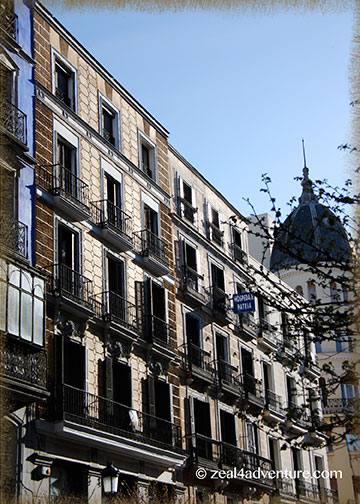
hostal-patria-2Hostal Patria

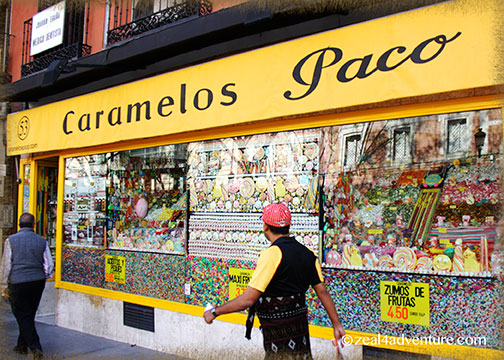
A good place to be, this part of the city is full of sprightly bars, restaurants, and shops, many of which are old and historical selling traditional goods.

traditional-stores

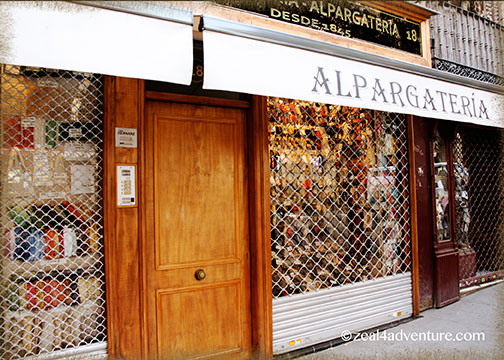
alpargateria

Definitely a perfect choice to get into its verve.

Madrid didn’t always dazzled. On a day trip en route to Seville some ten years ago, the capital of Spain failed to impress. Too cosmopolitan, my first impression was.

old-building

But highly developed as it has become, Madrid’s art, and cultural heritage remains Intact and very much alive. A few days in the capital and I warmed up, I allowed it to dazzle me with its vibrant vibe, the second time around. So how did it change my impression?

 La Plaza Mayor and People Watching

plaza-mayor

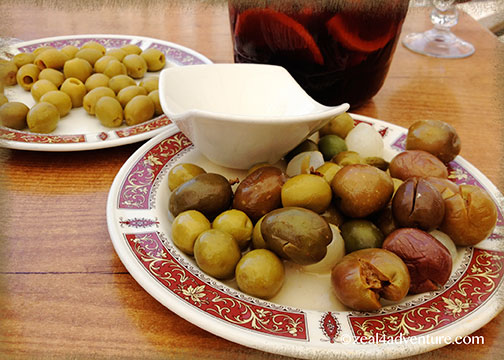
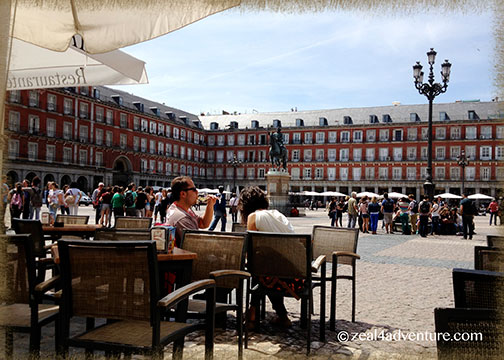
Although overpriced, Plaza Mayor is a marvelous place to while away time. We’d order a jug of sangria, a plate of olives and pass the time and people watch.

sangria-and-olives

people-watch-p-mayor

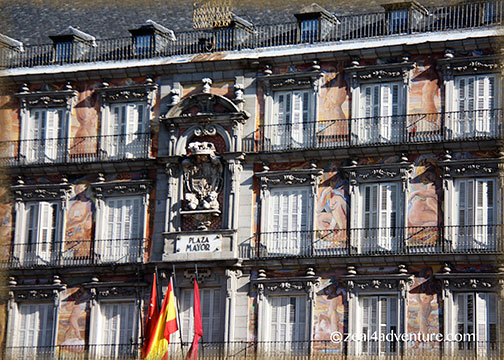
Built during Philip III’s reign (the Habsburg period), it used to be the center of festivities… bull fights, royal coronations, and executions. It is still used today for public celebrations and is one of the famous squares of Madrid. It is a beautiful square that measures 129 by 94 meters. Three-storey residential buildings surround it.

plaza-mayor-arch

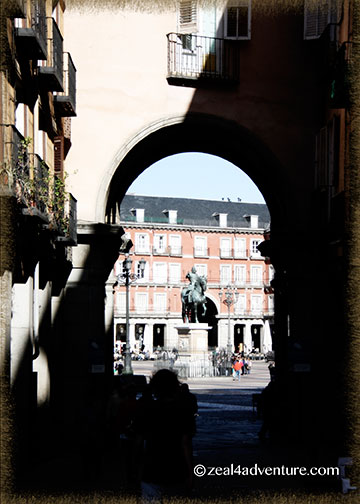
A fire led to the plaza’s renovation in 1790. Architect Juan de Villanueva lowered the building fronts and enclosed the square at the corners by building nine archways. The Arco de Cuchilleros with its steep steps leading up to the square is the most arresting among the arches.

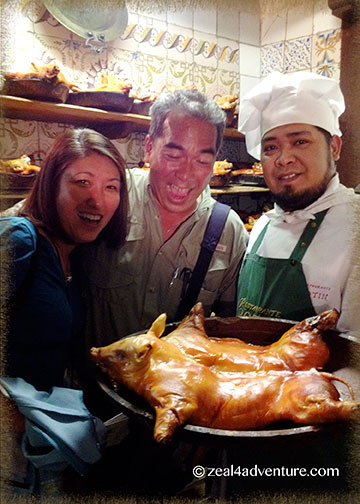
In Calle Cuchilleros, you’ll find Botin Restaurant—the oldest restaurant in the world according to the Guinness Book of Records. But more than its world record, do go for their specialty,

botin-restuarant

the Cochinillo Asado (roast suckling pig) and Cordero Asado (roast lamb). Superb.

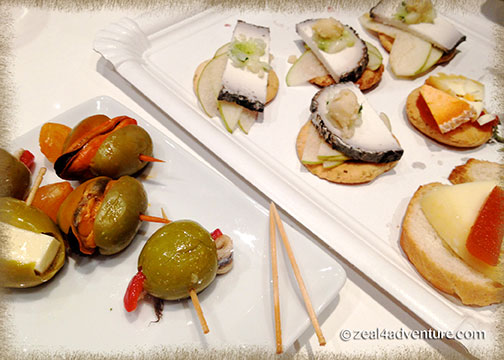
Delightful Cheap Eats

museo-del-jamon-facade

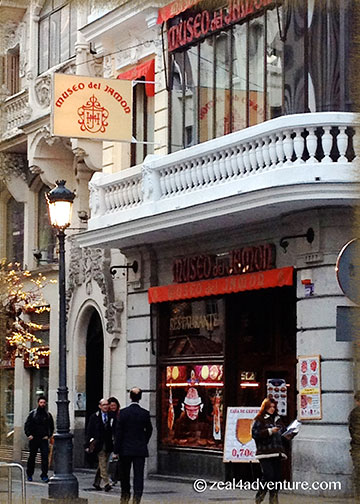
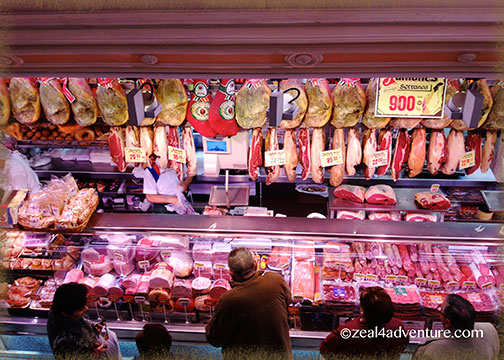
Museo del Jamon (Museum of Ham). Just by the name, you are lured, yes? Legs and legs of ham hang from its walls, calling us from afar. This was the first place, after checking in, we entered.

museo-de-jamon

It was jamon heaven and an excellent brunch it made. A block away from the hostal, we found it to be a great place to soak in the local scene while sampling different kinds of Spanish ham at very affordable prices. Beer comes with a round of free tapas already.

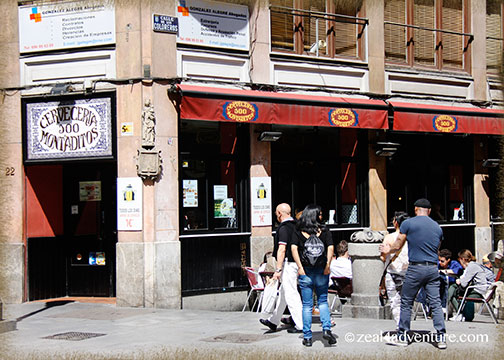
cerveseria-100-montaditos

Another excellent venue for very affordable eats is Cerveceria 100 Montaditos. A fun place with many outlets across Spain, actually. A pint of beer and most sandwiches sell for €1. And these aren’t shoddy sandwiches either. How can you go wrong with that?

Mercado de San Miguel is my favorite.

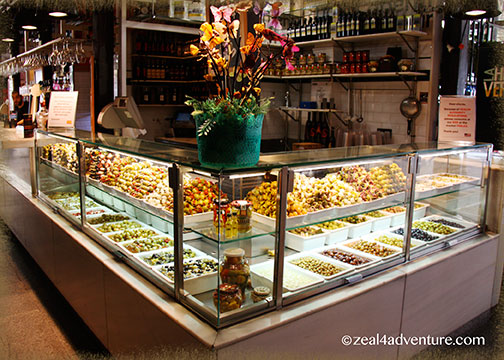
mercado-san-miguel

It’s a market and a tapas corner in one roof. Although somewhat of a tourist trap, I was captivated.

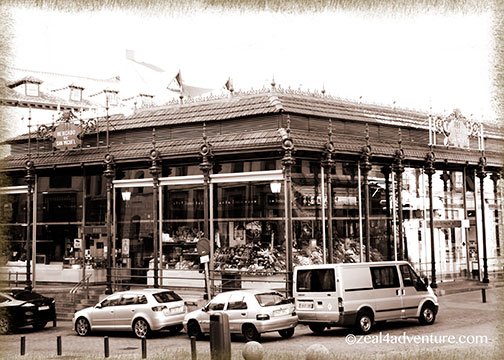
mercado-de-san-miguel-building

The vibrant atmosphere, the turn of the century building, which was rebuilt when the Belle Époque fell into disrepair, the tapas and various foods are good enough reasons to be trapped here.

tapas-at-mercado-san-miguel

It is described to be a culinary culture center that brings together the best traders, professionals and experts under one roof and I tend to agree. I truly enjoyed this place.

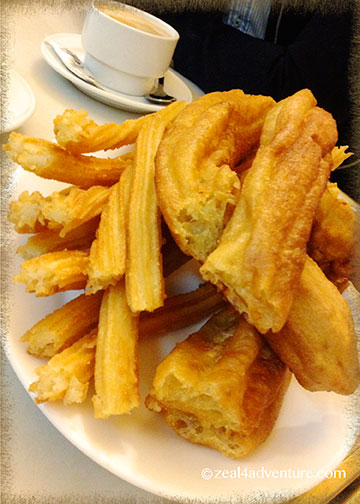
The Glorious Churros con Chocolate

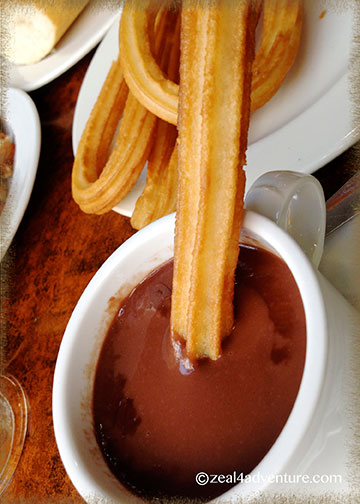
A favorite of the Spaniards, chocolate and churros, they take very seriously. Made of thick dark chocolate, Spanish hot chocolate is almost always paired with churros. The thickness and richness work well as a dip but to drink it after the churros are gone is not a bad thing too.

churros

Highly recommended in guidebooks and online searches are San Gines Chocolateria. Believed to be the oldest place serving chocolate and churros. We found our way there one morning, a line already forming. The menu, if there even is one, only has a handful of items: café con leche, fresh orange juice, and churros con chocolate caliente. There are 2 versions of the churros – the traditional kind (has 6-7 pieces per order) and the thicker kind called porras. Lighter, I preferred the traditional one.

Our hostal host, on the other hand, recommended to Cafeteria Los Pinchitos. It is, to him, the best churros con chocolate in town. “A secret among Madrileños,” he said.

los-pinchitos-churros

The churros are light, the outside crispy while the inside soft. The chocolate appeals more to my taste – not as thick as San Gines’ but creamier. The place lacks ambiance, typically traditional, and the service leaves much to be desired. But the food besides the churros and the chocolate are excellent.

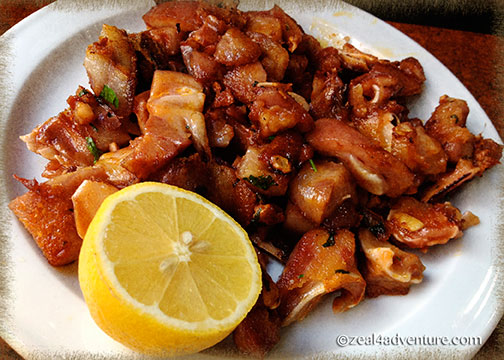
roasted-pork-earsOreja de Cerdo a la Plancha — Roasted Pork Ear 

Treasure Hunting at El Rastro

rastro

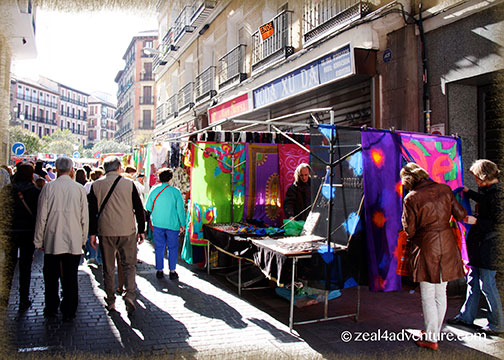
Unless it’s a flea market, a traditional market or a specialty market (for affordable art / conversational pieces that are easy to carry home), I try to avoid the shopping scene. But in Madrid, Sundays should be reserved for the flea market.

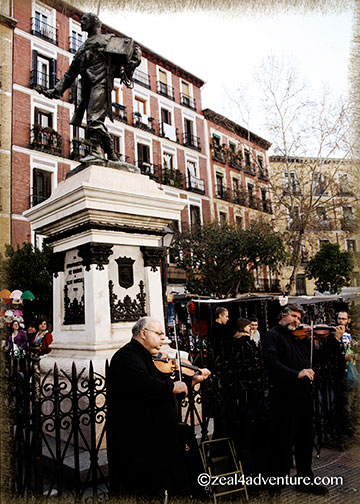
entertainment-at-the-rastroEntertainment at the Rastro

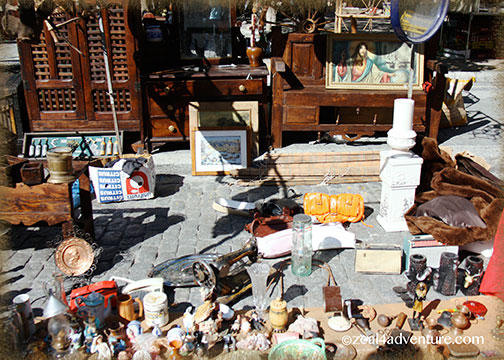
rastro-knick-knacks

The rastro is a street market from the medieval time.

rastro-antique

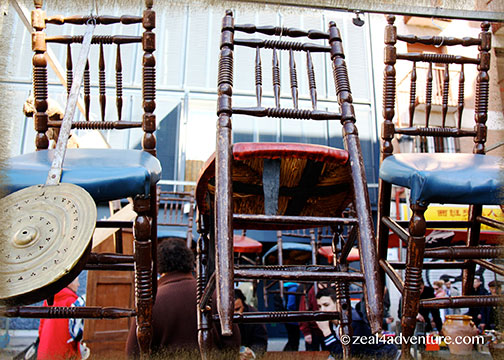
rastro-chairs

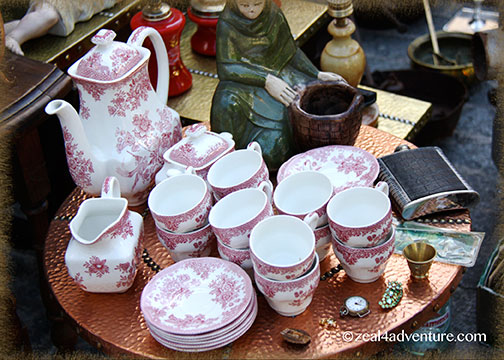
One can spend the whole morning looking at find practically anything, from books and toys, clothes, flowers, handicrafts, to antiques, paintings, and other works of art.

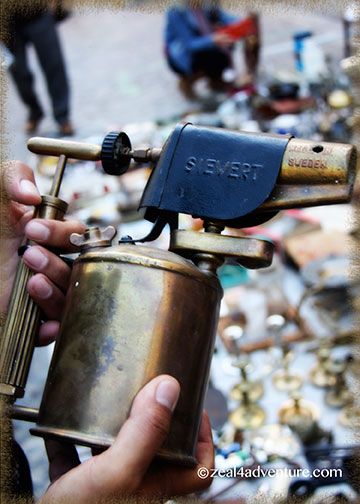
sievert-blow-torchA blowtorch made by Anton’s descendant.  How likely is that?

Held every Sunday and public holidays from 9am – 2pm, it takes up a large triangle area between Calle Embajadores and Ronda de Toledo, along Plaza de Cascorro and La Riberia de Curtidones.

 And suddenly I am charmed.

Belem: The Glory days of Portugal’s Explorers

Wealth, fame, and fortune, along with spreading Christianity, were reasons why daring sailors like Ferdinand Magellan, Vasco de Gama, and the likes set sail in uncharted waters. This was from a period known as the Age of Discovery. From 1400 to 300 years later, European explorers, many of which are from the seafaring country of Portugal and Spain, visited and mapped most of the world. Portugal discovered the sea route to India while the Spaniards discovered America.

Portugal, a small kingdom whose economy relied on seafaring in the 15th century, had a visionary ruler in Henry the Navigator. He encouraged and paid many to explore the world. And so this nation once ruled the waves.

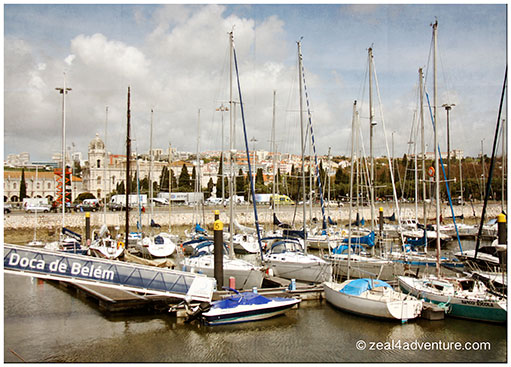
doca-de-belem-marina

Belem is where the Tagus River meets the sea. From its waterfront, many of the great Portuguese explorers embarked on their voyage to discover the world. During this time, Lisbon flourished and many great monuments were constructed.

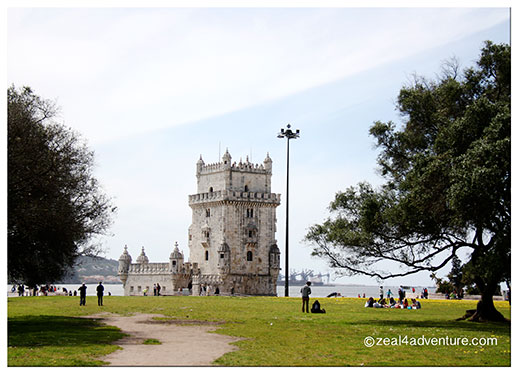
belem-tower

Belem Tower was one of those. A magnificent fortress also named Tower of St. Vincent, as it was built to honor Lisbon’s patron saint. The tower situated at the mouth of the Tagus River was initially built to defend the city. The 4-storey tower was originally constructed on an island in the Tagus River near the shore. It stands on land today because the riverbank’s location shifted through the years.

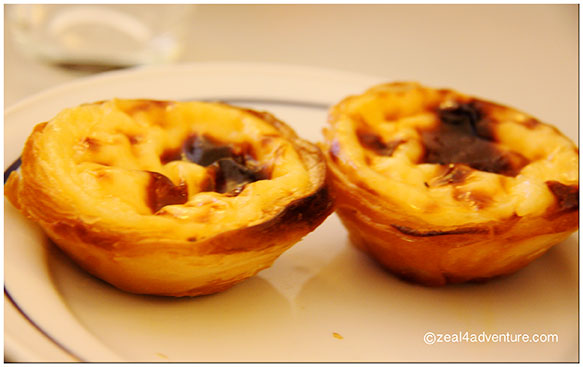
Belem’s main street and historical avenues are a strip of 160-year-old buildings that have survived changes and modernization. These include the famous pastry shop, Antiga Confeteria de Belem, known for a particular Portuguese confectionery, an egg tart called

pasteis-de-belem

Pasteis de Belem—the flakiest pastry filled with creamy custard. Just across from Jeronimos Monastery, the shop is easily spotted because of the long line spilling over to the sidewalk. Many of which are visitors from the stunning monastery.

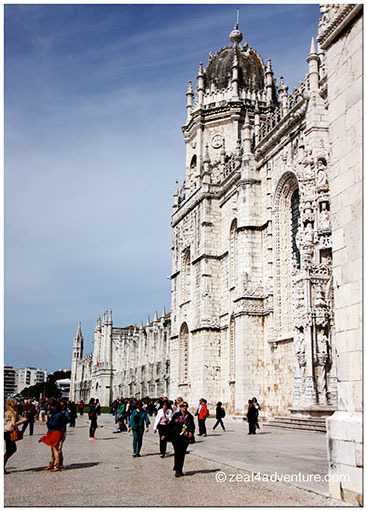
jeronimos-monastery

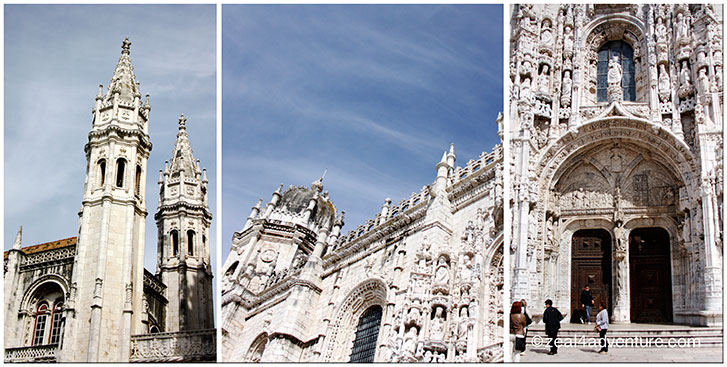
The Jeronimos Monastery is a classic example of a Portuguese late Gothic Manueline architecture. Along with the nearby Tower of Belem, it was classified in 1983 as a UNESCO World Heritage Site. It is one of the significant emblems of the Age of Discovery and the distinct maritime motif, which includes corals, sea monsters, and coiled rope, reflects that golden era.

jeronimos-monastery-details

The monastery was built in honor of the successful voyage to India of celebrated Portuguese explorer Vasco de Gama. This is also where De Gama, King Manuel, and other prominent figures were laid to rest.

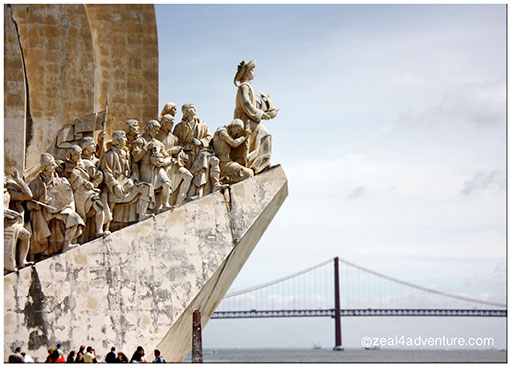
Discovery-Monument

Sitting opposite the monastery, on the banks of the Tagus River, is another stunning iconic monument, the Discoveries Monument. Dedicated to the adventurers and explorers who helped established Portugal as a 14th-century superpower. Unveiled in 1960, on the 500th death anniversary of Prince Henry the Navigator. The massive monument had Prince Henry at the prow of a caravel, backed by figures from Portuguese history that participated in the golden age of discovery.

I have to admit, Belem caught my attention because of one thing only—Pasteis de Belem. If this is the only thing you do, that tram ride to Belem will be worth it already. But it would be a waste to miss its historical sights, which are all within walking distance anyway.

Lisbon’s gateway to the Atlantic, Belem, is where the Tagus meets the sea and where the naval explorer of yore started their journey to the unknown. Take the effort to visit it when in Lisbon.

Useful Info:

Jeronimos Monastery: Praca do Imperio

Opening Hours: Oct-Apr: Tues-Sun 10AM-5:30PM May-Sep: Tues-Sun 10AM-6:30PM Admission: €7

Antiga Confiteria de Belem: 84/92 Rua de Belem

New Year Cruising

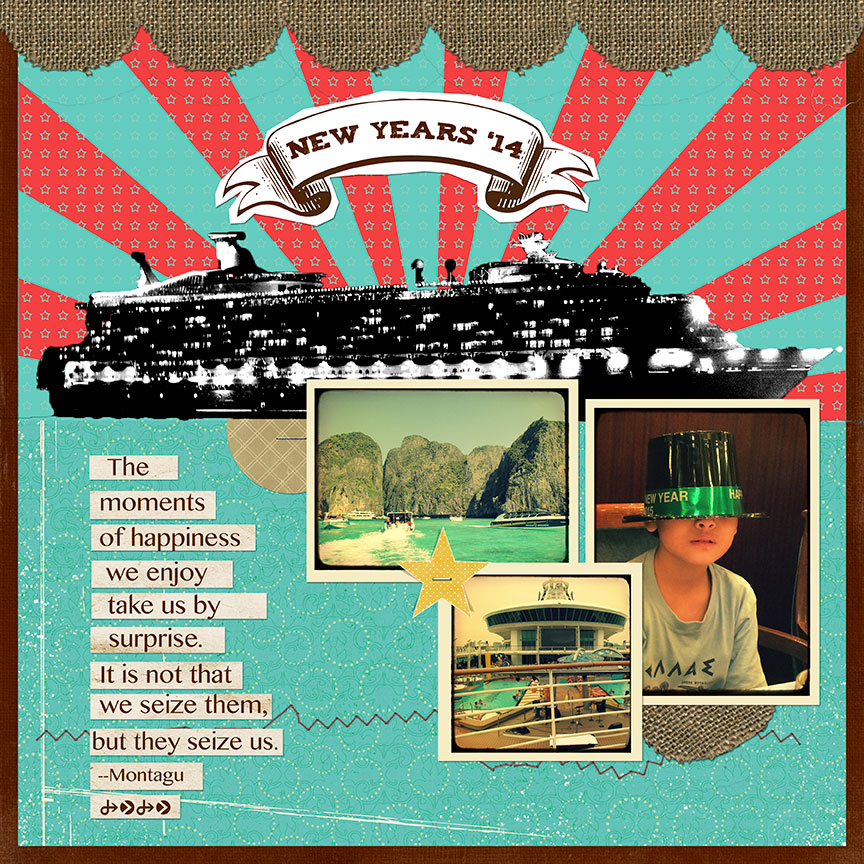
“The moments of happiness we enjoy take us by surprise. It is not that we seize them, but that they seize us.” — Ashely Montagu

 New-Years-at-High-SeaCredits: JSprague Digi in Deeper course materials

This year, 68 of my family members from all over flew to Singapore for a grand reunion. For the first time, brothers and sisters, aunts and uncles, cousins and second cousins took the time and effort to fly from all over and spent New Year holidays together, on the high seas to boot.

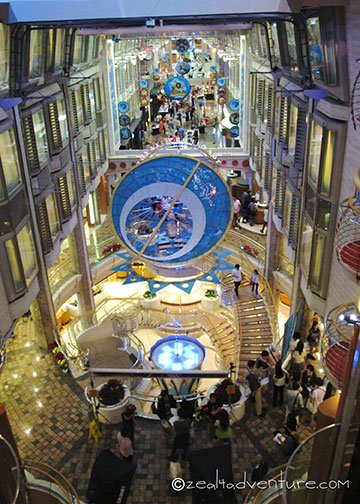
mariner's-of-the-seaInside Royal Caribbean’s Mariners of the Seas

A perfect venue, truth to tell, as none of us could go very far—not saying though that the ship isn’t big and off-shore excursions aren’t aplenty. It was contained enough to allow us to catch up.  Some met each other for the first time.

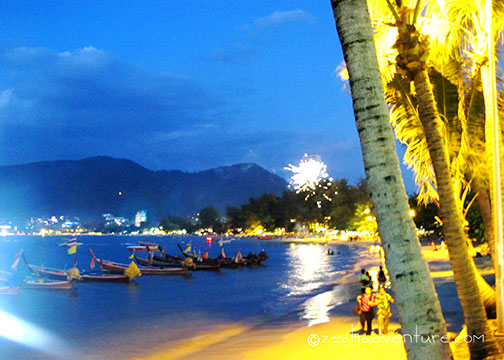
new-year-in-patongFireworks before the New Year in Patong Beach

It was an experience I surprisingly enjoyed. Being the traveler that I am, I thought that this was merely something I had to do, an obligation of some sort. The destinations were nothing to rave about but the togetherness was awesome. It was something unexpected… Which are usually the best, yes? You know what they say— “the things you don’t see coming tickles you the most.”

Port Klang

So the destinations weren’t great, they weren’t total disappointments either. Our first port of call was Port Klang. What is there to see in Port Klang, the principal port in Selangor state of Malaysia? Nothing much though we heard that it is a haven for local foodies—good enough for us (by us I mean my immediate family).

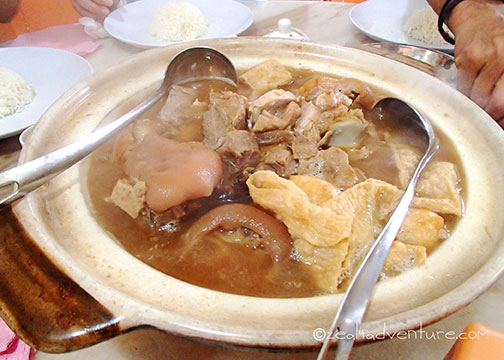
bak-kut-teh

Seafood aside, Klang is famous for its Bak Kut Teh, in fact they say that this pork rib soup which has become a staple in Malaysia, Singapore and some parts of Indonesia started here. Considered a breakfast food, BKT, as locals call it, is pork ribs (or other parts of the pork meat) slowly simmered in an herbal broth.

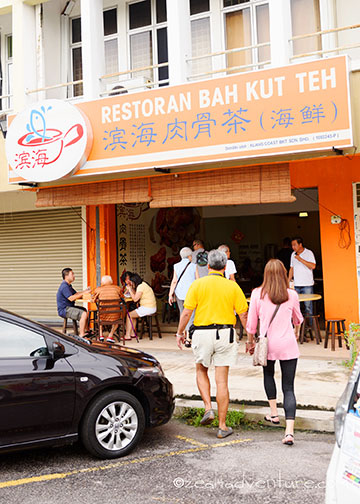
restoran-bak-kut-teh-facade

Across the AEON Bukit Tinggi Shopping Center, about 30 minutes away from the Star Cruises Terminal, we randomly chose Restoran Bak Kut Teh. A small shop sans the fanfare – open air and round tables and stools to sit that serves (in my opinion) quite a good and (I assume) authentic BKT.

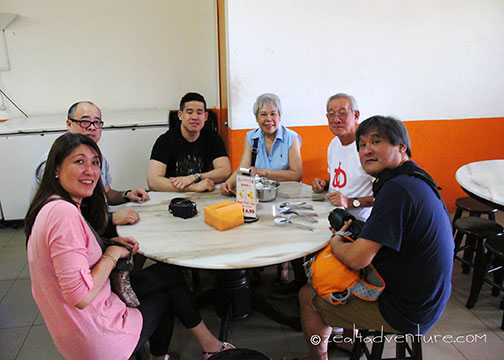
restoran-bak-kut-tehFood tripping with the family

The Bak Kut Teh has an herbal taste (of course), salty with the hint of sweetness; meat was falling off the bone. Extremely enjoyable with soy sauce, garlic and a bit of chopped chili.

Phuket

Next port of call was an overnight in Phuket. Arriving Phuket at 11AM, it was too late to do much so we decided on a late lunch in Old Phuket Town and a massage after. We took the tender to Patong Beach and haggled with one of the many vans peddling their services to take us to town.

old-shop-house

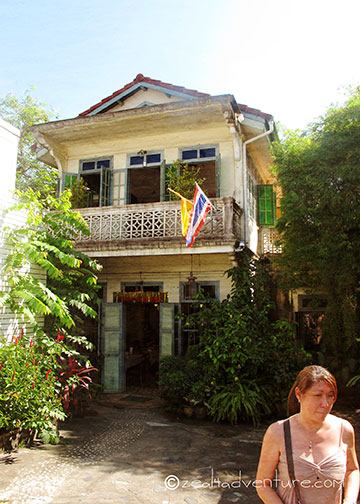
Old Phuket town shines with personality with its rich history. In this old quarter, you will see beautifully ornate old shophouses, quaint cafes, Buddhist and Chinese temples, and some grandiose Sino-Colonial mansions once occupied by Phuket’s tin barons of years ago.

Raya

In the middle of town, on New Dibuk Road is a two-storey Sino-Portuguese house converted into a restaurant.

green-tint-windows

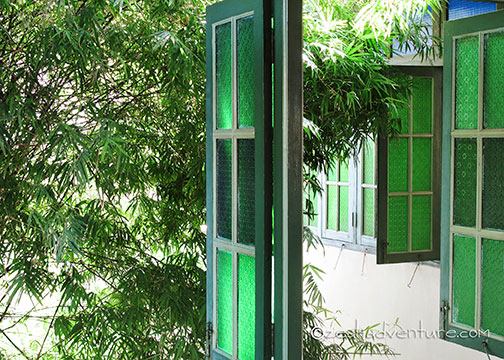
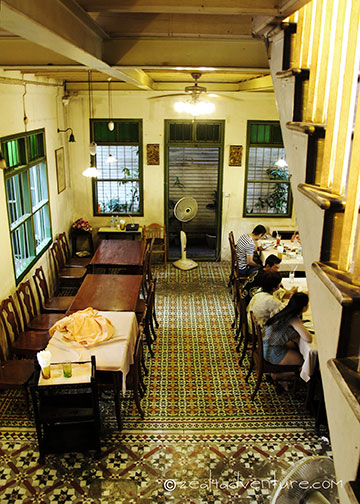
Tinted glass windows and wooden shutters, hard to find Machuca floor tiles,

Raya-interior

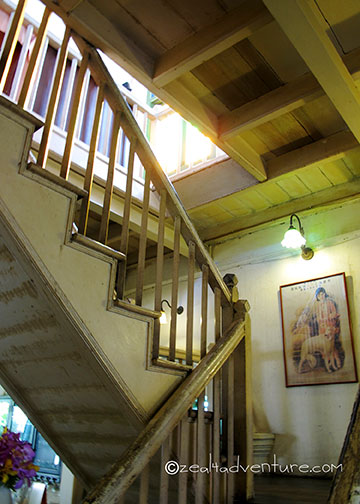
stairs

rustic ceiling fans, vintage posters, a wooden staircase,

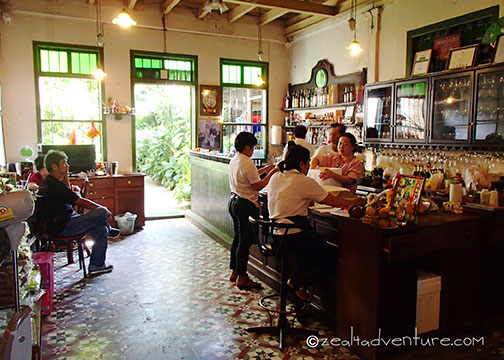
old-bar

and an antique bar, this old house exudes old colonial.

raya-dishesL-R: Pork with Kafir Leaves; Deep Fried Sea Bass with Shallots and red chilli in Tamarind-Lemongrass Sauce; Green Mango with Dried Squid Salad

The food, known to be THE Thai restaurant in Phuket; its specialty is said to be the Crabmeat Curry served with rice vermicelli. Being a sucker for all things crab, this was a definite winner. Big chunks of crabmeat and the strong curry muted by the addition of coconut milk produced a subtle creamy curry dish. The deep-fried sea bass with shallots and red chilies in tamarind-lemongrass sauce and the pork with Kafir leaves were fantastic too. When in town, do visit Raya Restaurant if you can.

We could and should have walked around town, but we opted instead for a massage. We could and should have gone to the spa just around the corner from Raya. On a previous  trip (a post I still owe) the boutique hotel I stayed in offered a discount at The Raintree Spa when booked through them.

RainTree-Spa

It was most satisfying, in all the right ways—service, skills, and ambiance. I should have known better than to indulge our driver but, hindsight is always 20/20, so yeah… We could have saved the 30-minute drive to the spa he recommended (name and place I won’t even bother to tell) and used it to walk around the charming old town instead. And to think, I convinced my whole family to that massage.

Koh Phi Phi

Thank goodness for Phi Phi Islands.

Phi-Phi

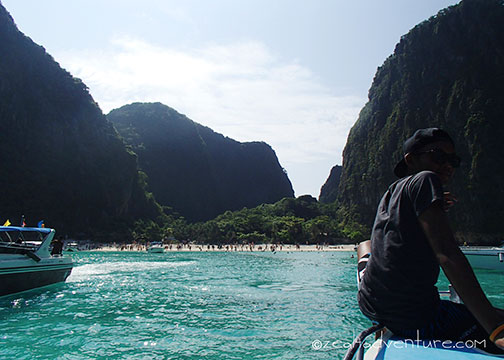
Praised as one of the most beautiful beaches in Southeast Asia, thanks to the film “The Beach”.

white-sand-beach

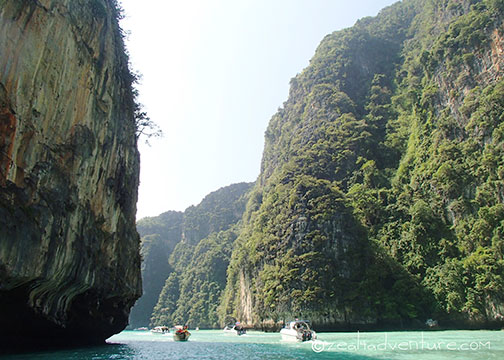
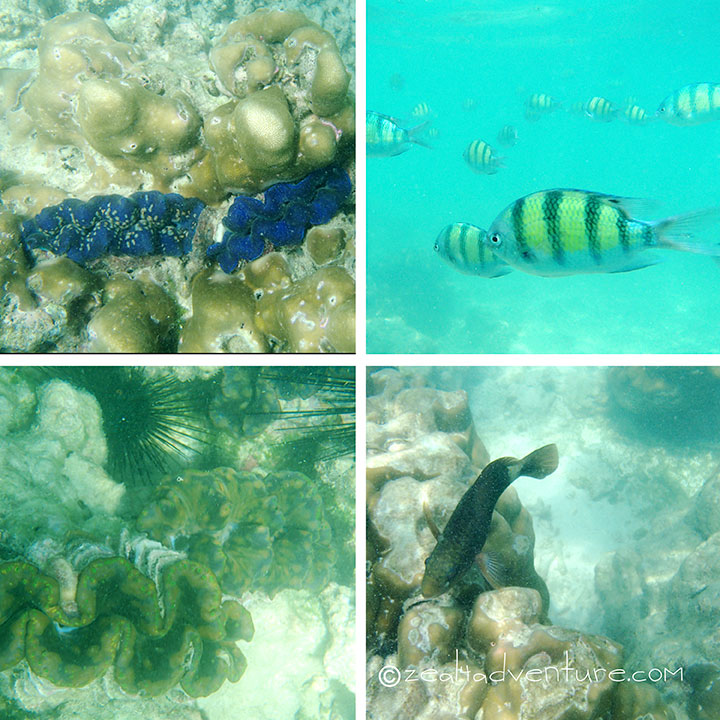
A 45-minute bumpy (because we decided to sit in front) speed boat ride from Phuket, the Phi Phi archipelago comprises 6 islands boasting of white sand beaches, stunning limestone cliff and turquoise water, many parts ideal for snorkelling.

snorkling

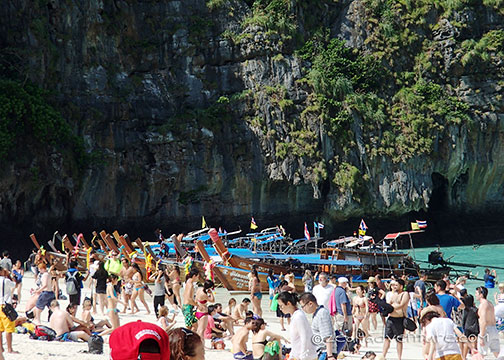
tourists

Popular with backpackers even before the movie, but the world seemed to have flocked here after the film was shot in 1999. In spite the crowd, the limestone outcrops that swept the archipelago still impressed.

phi-phi-2

Good Eats: Portugal

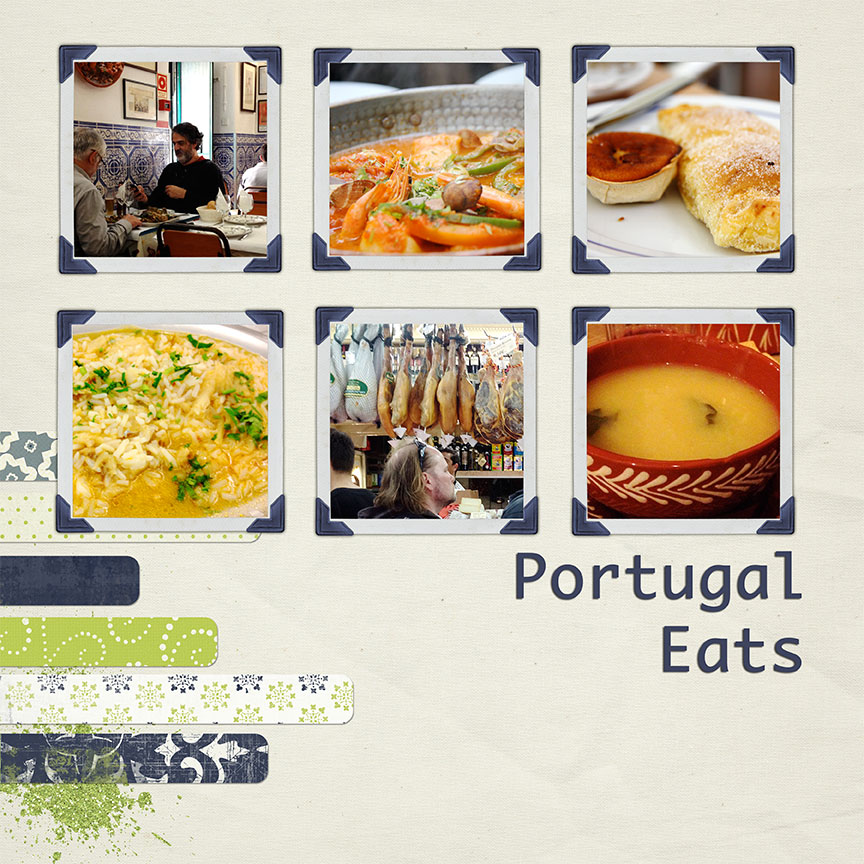
Portugal-EatsCredits: Quickpage from 4EVER kit by Sarah H.

Not as famous a cuisine in my part of the world, my first encounter with Portuguese cuisine was in Macau. Technically, what I had was Macanese food—more like a mix of Portuguese and Chinese with influences from cuisines of other Portuguese speaking nations but this sparked an interest in Portugal (and of course its cuisine).

So we made our way there last year. Little did we know that this land offers more than just an awesome cuisine but boasts of picturesque landscapes, colorful cityscapes as well as a rich history.
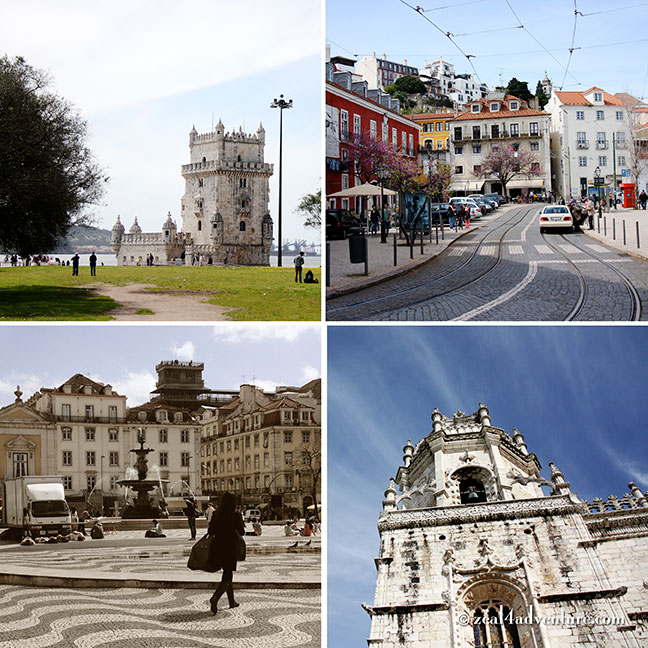
Lisbon

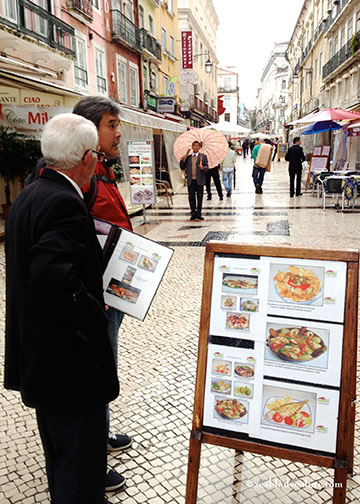
The primary goal, however, is to delve deeper into its cuisine. And as soon as we arrived in Lisbon, we immediately solicited advice on where to find authentic Portuguese restaurants around the city.

touristy-restos

And thanks to Hossein, we found our way to some unforgettable good eats even though eateries catering more to the tourist crowd dominated the area near his hostel.

Portugal’s colonial possessions influenced the use of spices and ingredients that are today widely used in their cuisines such as chilies from Angola called piri-piri, black pepper, as well as cinnamon, vanilla and saffron. The result is rustic and robust, often described as peasant food. Portuguese restaurants run a broad spectrum from rustic eateries to fancy hotspots.

Lisbon has left an indelible impression on me and a lot of it had to do with the food.  Here’s why I know I’ll be back.

Chicken Piri Piri at Bonjardim

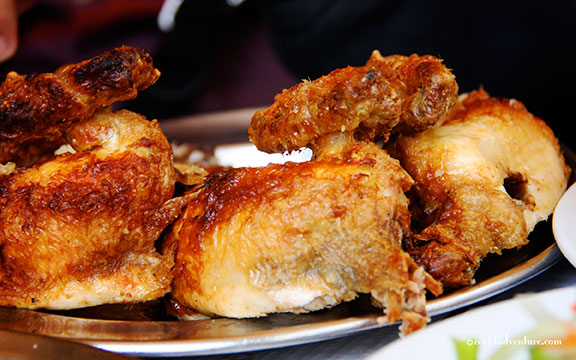
Chicken-Piri-Piri

Chicken Piri Piri. One of Portuguese’s simple pleasures. This chicken is roast to perfection with a blend of potent small chili peppers. Top on our list, the first thing we did was head to this unpretentious eatery where locals go for the charred and plump piri-piri spiced roast chicken.
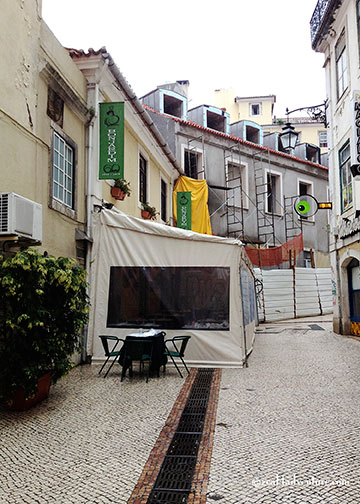
Bonjardim

Just within walking distance from the hostel, in a side street east of Praca Restauradores is Bonjardim Cervejaria.

On a rainy day, it was comforting to be enjoying chicken cooked to perfection – moist in the inside, skin crispy and gently spiced.

Piri-Piri

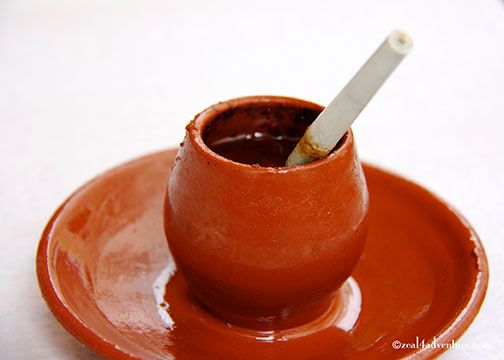
For added heat, a piri-piri sauce comes on the side and should be taken with caution. Hossein’s first recommendation, I give it a two-thumbs up.

Maritime Bounty

Being a seafaring nation with a well-established fishing industry, fish and seafood dominate the menu. Often relying on a traditional repertoire of grilled fish, meat, hearty stews and the ubiquitous salted cod, the cuisine is best when simply prepared.

The Ubiquitous Bacalhau

Codfish is a staple and is almost always used dried and salted because this is how this fish was preserved pre-freezer days. Today, they say that there are 365 different ways to cook bacalhau—one for every day of the year. The strong flavor of this salty fish represents the real taste of Portuguese food.
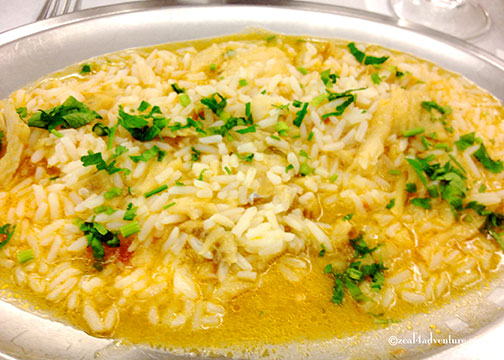
bacalhau-riceBacalhau Rice

Sardinhas

sardinhas-de-escabeche

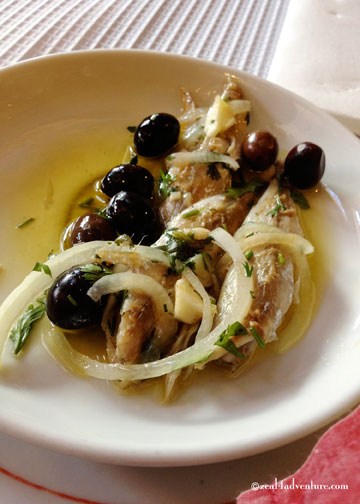
Another popular sardine dish— Sardinhas de Escabeche, fried sardines marinated in olive oil, vinegar, onions and bay leaves.

Next to adorn the tables of rich and poor are the Portuguese sardines. The country’s 6-8 inch long “slave of the sea” is found off the Atlantic coast of Iberia and France.   They are known to have layers of fat content that melts when cooked (usually grilled), giving it a unique flavor.

Caldeirada

This very Algarvean dish is a stew consisting of a variety of fish and shellfish with potatoes, tomatoes and onions and usually served at the table from a large pot, usually from where it was cooked in.
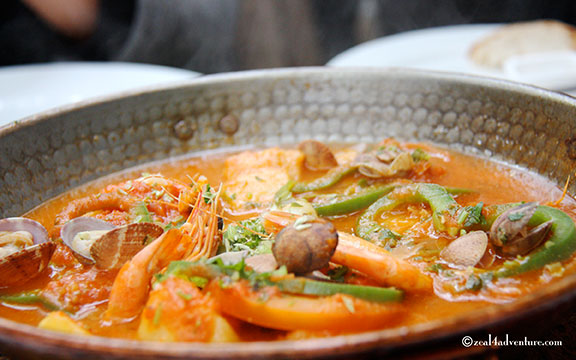
caldeirada

It is a Portuguese bouillabaisse that calls for a generous splash of white wine and lots of herbs, resulting to a hearty one pot dish often served with crusty bread to soak up the delicious soup.

Porco

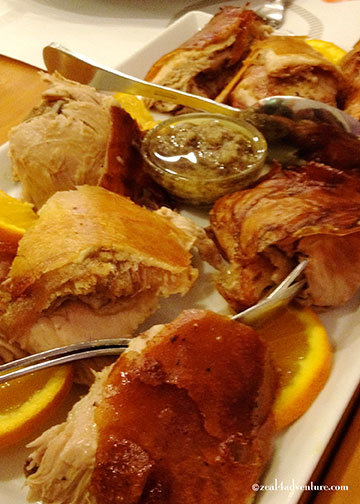
From fried pork cubes to the national favorite—roast suckling pig. Portuguese love their pork.

Leitão
leitao

Or suckling Pig is served throughout Portugal. Rubbed with garlic, pork fat, rock salt and pepper, then traditionally roasted in a spit. The result is usually crisp skin and succulent meat.

Bifana
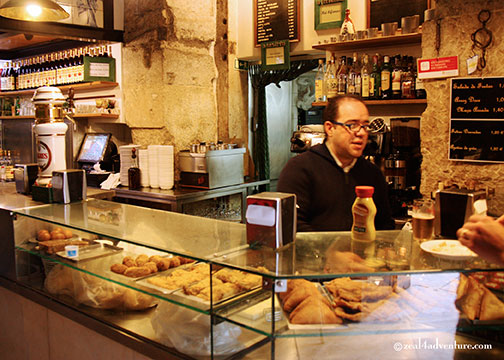
TendhinaTendhina, a hole in the wall in Rossio serving lovely sandwiches.

It’s a simple pork sandwich, really. A humble combination of grilled pork sandwiched on a hard roll that pairs perfectly with a few squirts of tart honey mustard.
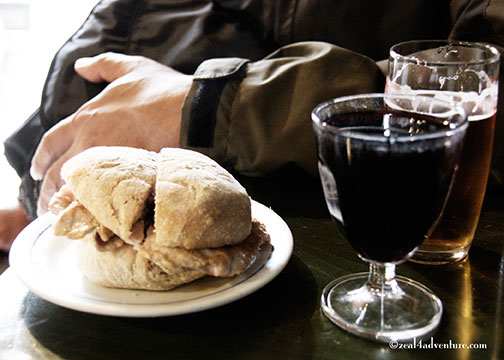
Bifina-sandwichMay not look very appetising but this sandwich is heavenly.

A deliciously simple meal to grab when busy or while exploring the town.

Caldo Verde
Caldo-Verde

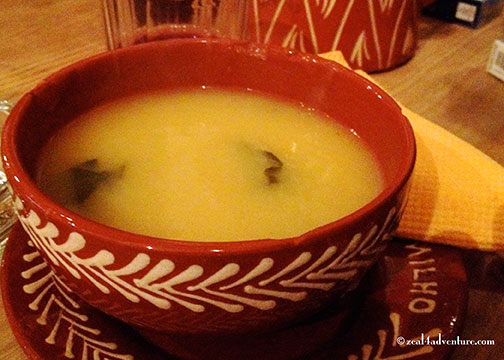
A hearty soup more common in the north but is found in menus all over Portugal. Made from a thick creamy base of onions and potatoes with very finely shredded collard green (sometimes substituted with kale) and chouriço (Portuguese sausages).

Feijoada

Our kind of dish—hearty and full of flavor.

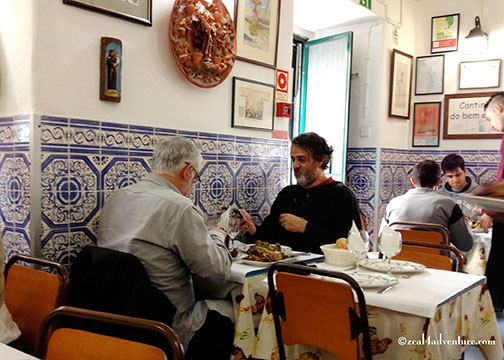
Hossein pointed us to an address in Rua do Norte. No name, just a number and a street name. Small restaurant with a few tables, the signage inconspicuously positioned somewhere on a window revealed the restaurant’s name—Cantinho do Bem Estar. It was still closed. Someone from inside came out to tell us to come back at 1 (pm). So we walked around, had a few beers and by the time we returned (at precisely 1pm), there was a table already occupied.
IMG_1866

And no sooner than we are settled, it was full. And by the time we were done, there was a line.

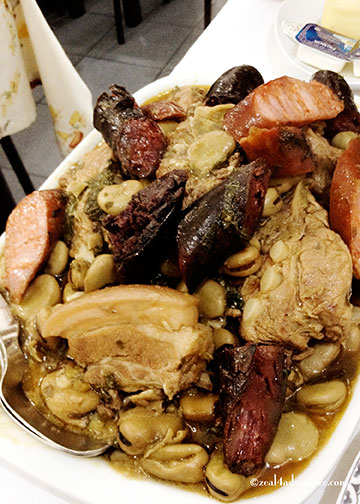
Because it came highly recommended by the server and almost everyone had this dish on the table, we went for Feijoada.
feijoada

A dish consisting of beans and pork braised in a sauce of tomatoes, carrots, and cabbage to which traditional sausages (we had a mix of blood sausages and chorizo) and bacon are also added. Definitely a great meal to have on a rainy day.

Cantinho do Bem Estar. Thank you, Hossein, for this marvelous find.

Doces

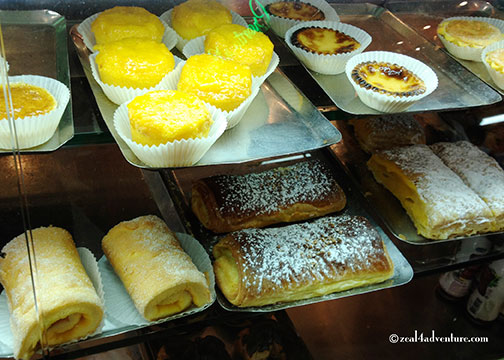
I’ve always looked forward to Macanese / Portuguese desserts when in Macau, not only because I love sweets but also because they were all divinely addicting. Portuguese love their dessert that’s why.
portuguese-sweets

Convent made cakes and desserts introduced in the 15th century brought forth this fascination for sweets. There is an abundant list of Portuguese desserts from cakes, pastries and tarts to mousses and puddings. And of course, I can’t end this post without mentioning some of my favorites

Pasteis de Belem

As it is in Spain, eggs especially the yolks were in abundance (Portugal being Europe’s largest egg producer).
pasteis-de-nata

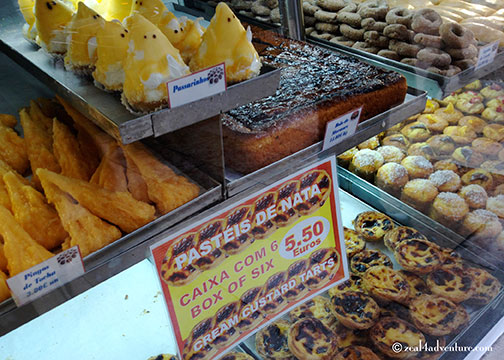
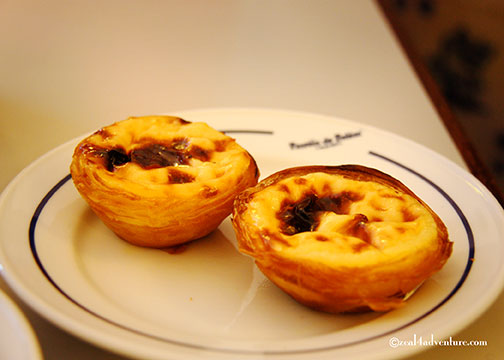
Pasteis de Nata became Portugal’s favorite sweet treat. So good that it has made its mark in other countries, Macau being one of them. These are small open pastries with a sweet custard filling and a caramelized sugar topping.
pasteis-de-belem-2

Available in every coffee shop in the land but the best can only be found in the Belem area of Lisbon called Pasteis de Belem. A carefully guarded recipe since it was introduced in 1837. The lines are long and I hate lines.
pasteis-de-belem

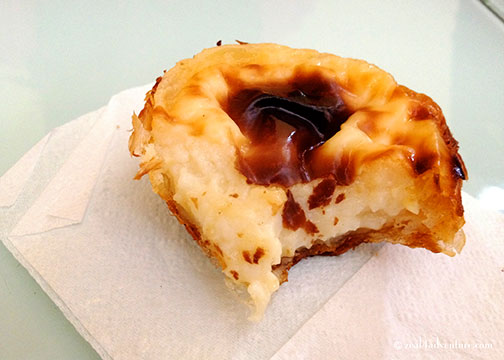
But when you bite into the flaky pastry shell, and tasted the sweet, creamy filling dusted with sugar and cinnamon, you know that however long the wait, it will be worth it. Believe. You. Me.

Sintra’s Travesseiros and Queijadas

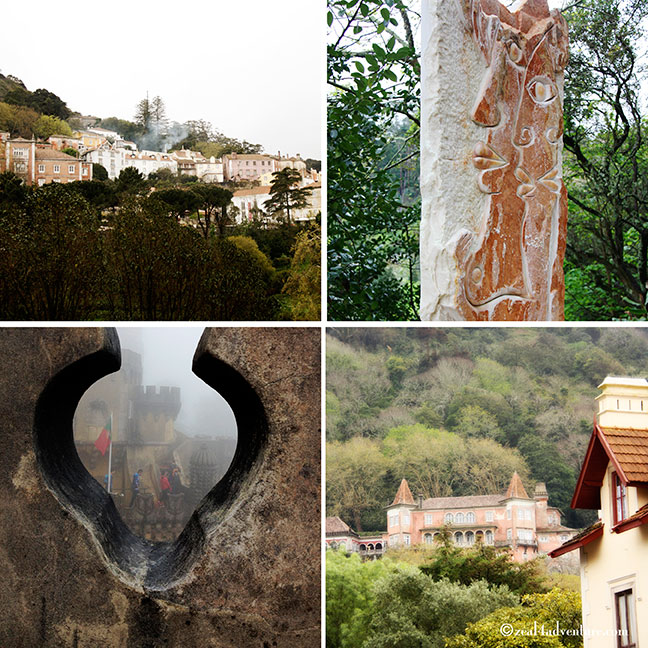
After touring around this magical UNESCO World Heritage Site, our guide pointed us to A. Piriquita to cap our simple yet beautiful lunch.
sintra

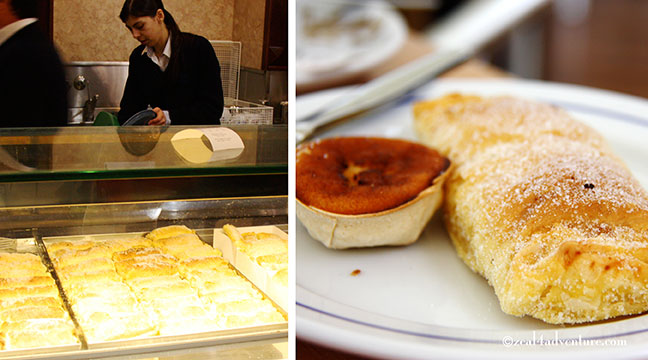
As we walked in, the smell of the buttery goodness of freshly baked goods greeted along with a display full of heavenly sweets. The café though is known for Sintra’s delicacy, the travesseiros, a puff pastry filled with custard and almond, and dusted with sugar. The looks do not prepare you to the light and flakey crust and the moist, creamy almond filling that oozes out when bitten.
Piriquita

Along with this, the jewel of the crown is the famous cupcakes / cheesecake called queijadas. It is essentially a small round custardy tart wrapped in pastry, unlike the cupcake / cheesecake we are familiar with.  It is made with simple ingredients of cow’s cheese, sugar, flour, eggs and cinnamon. With a pronounced cinnamon flavor, these simple ingredients gave rise to an exquisite dessert not quite a cupcake or a cheesecake.
Impressive recommendations, which suffice to say, left me longing to go back.

Useful Info: 

Bonjardim
Travessa de S. Antão 11
+351 213 427 424
 
A Tendinha do Rossio
Praca Don Pedro IV, 6
Rossio, Lisbon
+351 212 468 156
 
Cantinho do Bem Estar
Rua do Norte, 46
Bairro Alto, Lisbon
+351 213 464 265
 
Pasteis de Belem
Rua de Belem, 84-92
1300-085 Lisbon
+351 213 637 423
 
A Piriquita
Rua Padarias 1/7
Sintra
+351 219 230 026