Taroko: An Edgy Start

Our journey to the east coast of Taiwan began when we got off the cab at the Taipei Train Station with our backpacks in tow.
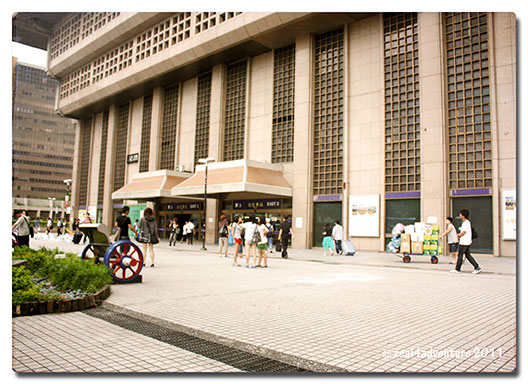
The station is a large building housing several rail services with an array of shops and restaurants on the 2nd floor.
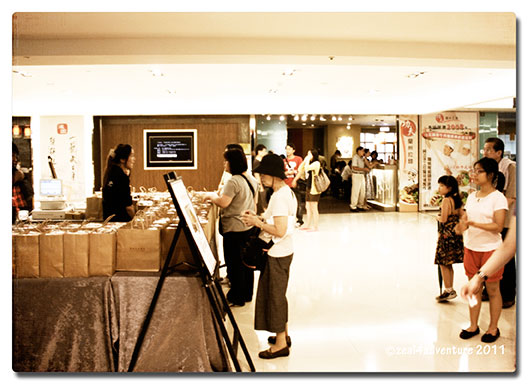
Getting ourselves acquainted with the station the day before we thought would prepare us for a stress-free travel.   Not quite!

Taroko Gorge, one of the most fascinating areas of Taiwan, is accessible by plane or train.  Unless pressed for time, we like traveling by land, in this case by train.  While we are able to see more of the place, it is likewise a cheaper way to travel.  Sincheng (Hsin-Cheng) station is the closest station to the Taroko Gorge National Park and because our hotel is located within the park, we took Lonely Planet’s advice and bought our tickets to Sincheng,

which we soon realized, is a small station in a small town.  The more common route to Taroko is through the Hualien station (a different train passes that station).  That however is still an hour’s drive to the National Park.

To make matters worse, on the B2 level where we were to board, there are 2 lines going on opposite directions.  The ticket didn’t give much information — it was written in Chinese save for the word “Sincheng”.  It didn’t specify which train/line to take, at least not in English.  All we had were the platform number and the time of departure.  None of those we approached (young or old) could help us because they either did not speak much English or they didn’t know where the hell Sincheng is.  A and I looked at each other and without speaking burst out laughing reminiscing about our bus mishap years ago, very aware that what happened in Uganda might just repeat itself in Taiwan. It really wasn’t something to laugh about but…

We eventually found (and I assume was) a customer service booth.  And with the little mandarin I know and a lot of pointing, we boarded our train hoping for the best.

Three hours later we found a cab parked outside the Sincheng station and in 10 minutes, we were unloading our backpacks at the Leader Village Hotel, our home for the next 2 nights.
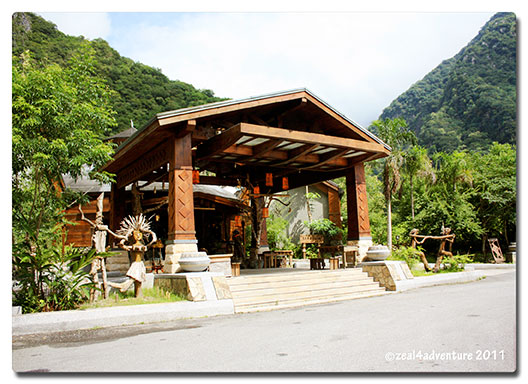
Winding through a zigzag road, the drive to the front of the lobby melted away the tensions of the day.
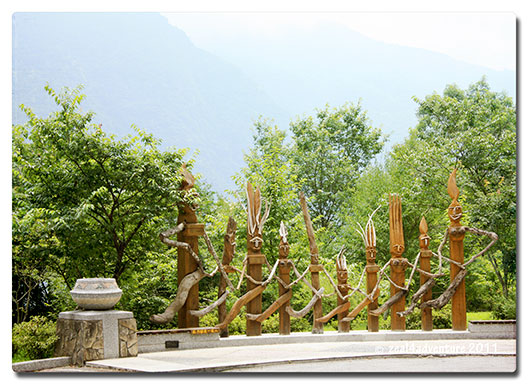
A welcome party greeting guests at the driveway.  Fun sculptures are found around the hotel grounds.  
Spectacularly situated on the Buluowan plateau, the Leader Village Hotel, surrounded by green mountains, was a sight to behold.

Set in fabulous scenery, native aboriginal themed wooden cabins were built in clusters all over the hotel grounds.

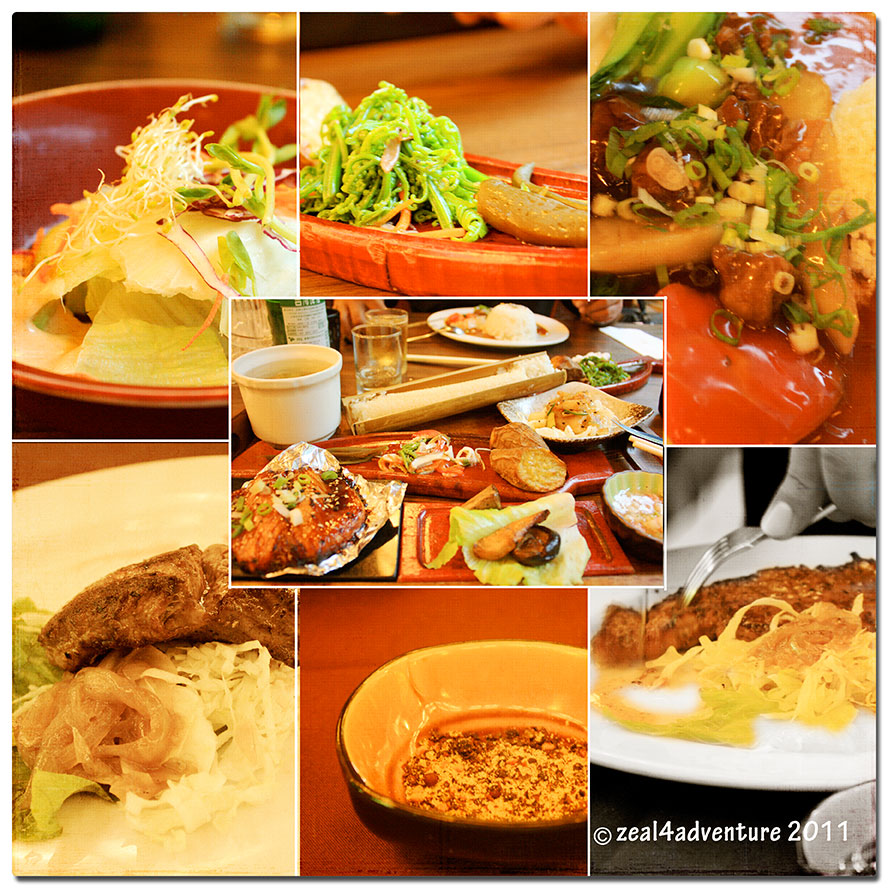
Known too for their restaurant, meals were a combination of western and aboriginal dishes.

Aboriginal dishes came as a set meal (middle pic): an order of grilled tilapia with different vegetables including sweet potatoes.  It also came with sticky rice on a bamboo.  Steaks were tender, superb when sprinkled with a dry spice mixture.
The staffs are mostly Taroko aborigines and after dinner, we were treated to a cultural show performed by the children of the Truku tribe.
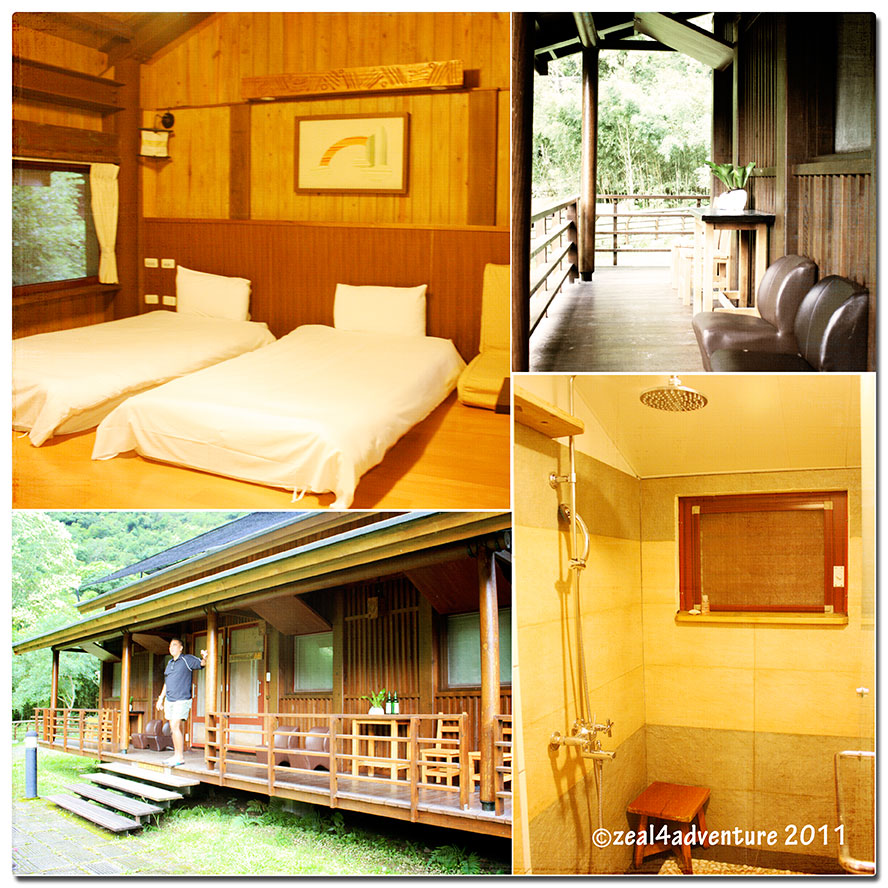
The cabins are spacious, clean and rustic complete with modern amenities such as rain showers and TV.  Although the beds set on the floor is quite charming, getting out of bed was an effort… a sign that age is creeping up on us!
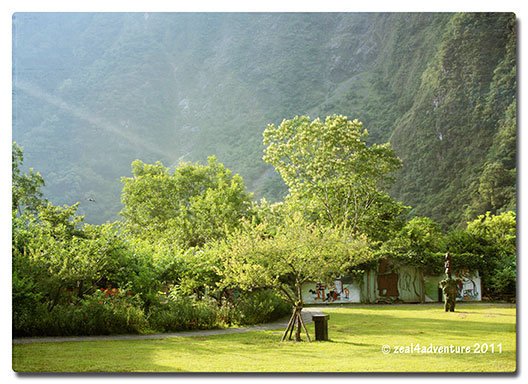
The best part though is to wake up to this.  I could sit on our porch the whole day and I’ll be a happy camper.
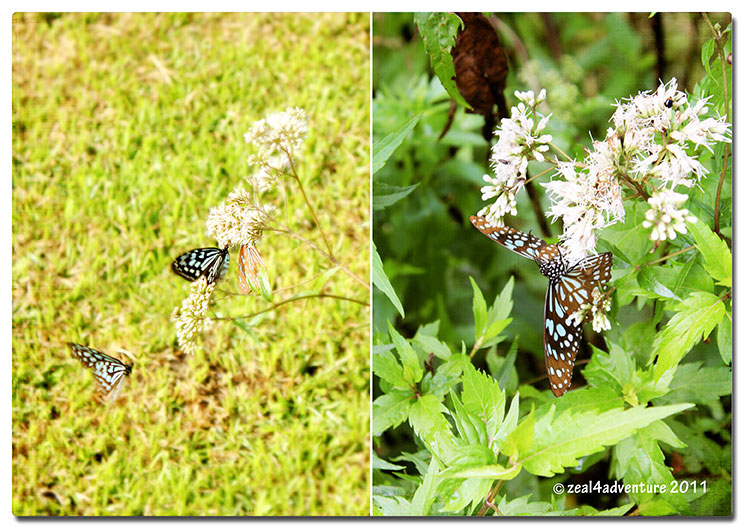
Just in front our cabin.  The grounds so green, butterflies abound.
But laze around we didn’t do of course as the beautiful grounds invites to be explored.
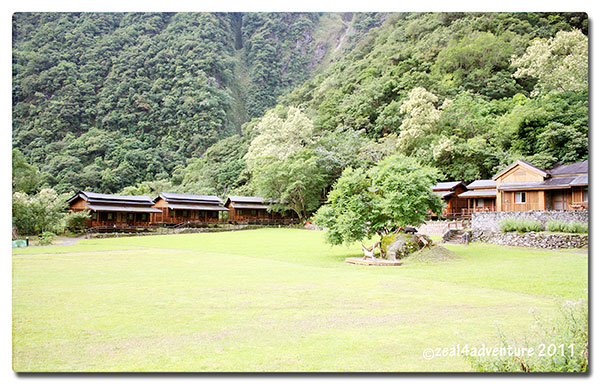
Dramatically set above the gorge proper with fabulous scenery everywhere, Buluowan was where the Taroko aborigines once lived and held festivals and celebrations.  Divided into the upper and the lower terrace, the hotel is on the upper while several trails, a recreation area including an exhibition hall are found on the lower terrace.

After breakfast, we explored the upper terrace.  Behind the hotel is a short nature trail aptly called Bamboo Grove Trail.  It was a cool walk through a bamboo grove.

It wasn’t so bad after all.  All is well that ends well.

More of the lower terrace up next.

A Beautiful Day in Legaspi

Credits:  Paper by Nadi Designs AoD_bloghop (dark green); Elements — PWD Christmas Treasures (staples); SDynes Christmas Elements (bracket); ScrapMatters Life Little Surprises kit – border By Becca.

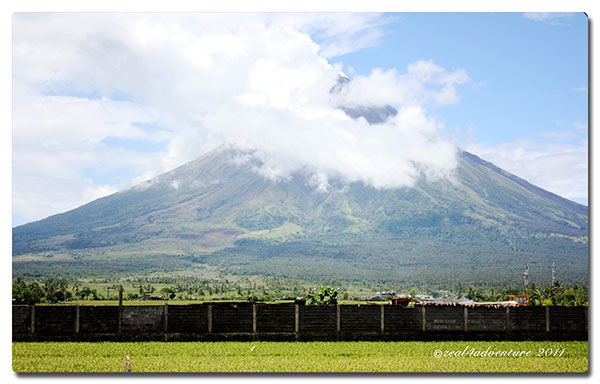
As I got off the plane, I look up and there it was – a central feature reaching 2,460 meters above the Albay gulf.  Mayon Volcano stands majestic with its perfect cone forming a magnificent backdrop against an otherwise ordinary small town airport.
Mayon hiding behind the clouds.
A very active volcano with its most recent eruption occurring in 2001 while its most violent in 1814 killing around 2,000 residents and devastating several towns.

If not for Mayon Volcano, Legaspi is an ordinary city riddled with tricycles.  The capital of Albay was our gateway to Donsol, the main purpose of this trip.  The cab we hired to take us to whaleshark territory suggested that we take advantage of the clear sky affording a spectacular image of an almost perfect cone.

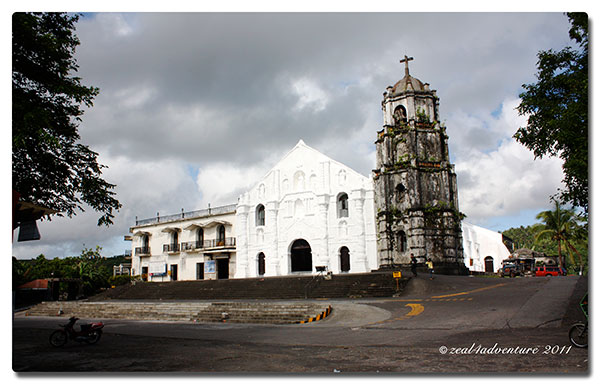
We headed out to Daraga Church right after breakfast for an unobstructed view of the volcano.  It sits atop a hill overlooking the sea and the majestic Mayon.

Declared by the National Historic Institute a “National Cultural Treasure”, the 18th century baroque church was built in 1773.  Mayon’s destructive eruption on Feb 1814 devastated Cagsawa and 4 more towns and survivors chose to move to Daraga the following year.   So the folklore indicating that the church was built to replace the ill-fated church of Cagsawa is inaccurate.

The remnants of the Cagsawa Church, of which the belfry still stands today, is a testimony of mother nature’s wrath and reminds of the dangers of living close to Mayon.

Huge volcanic boulders left around the perimeter.

Also affording an unhampered view of the volcano, the ruins is the most photographed spot in all of Albay.

Although clouds have covered half of Mayon by now, it remains picturesque just the same.

When in Legaspi, make sure to drop by Camalig and have a feast of their Pinangat.  Along the highway is an eatery called Let’s Pinangat.  Before heading to Donsol, Art, our cab driver parked the cab and announced that we are to have lunch here.
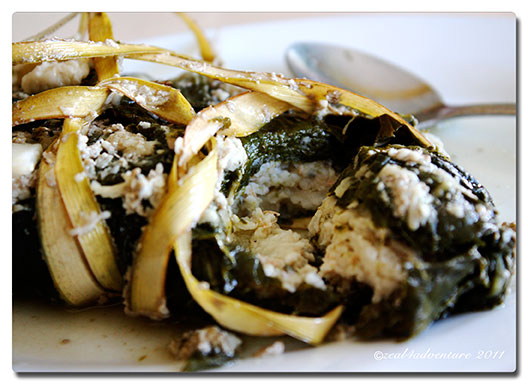
Of course we ordered Pinangat but Art highly recommended Inolukan, a variation of the pinangat, which is pure layers of gabi (taro) leaves cooked in coconut milk.

Inolukan, on the other hand has extracts of small crabs (talangka) filled inside the leaves.  Both I find excellent with a slight preference over the latter.

We had, I dare say, a good start to a weekend of adventure.  ‘Twas a beautiful day indeed.

Useful Info:

If you need a ride to around Albay, call Art of Early Riser.  He can double as a guide as well.
Contact No (Art):  +63906-909-6719 / +63932-156-0246
Early Riser:  +6352-480-8294 / +6352-435-0950 / +63922-866-8456

A Glimpse of Central Park

I am not a runner.  Ever since I joined track and field in high school, I hated running.  I excel more on the field – high jump, javelin… but I digress.  Marathons are cool, but my lack of enthusiasm and my bum knee kind of decided for me that I am most likely not joining a marathon soon.  Yeah.  So why am I up early one Friday morning in October dragging myself to Central Park with 3 runners?  1) I’ve never been to Central Park 2) I didn’t want to sleep in on a beautiful day 3) They promised me coffee.  Yeah I’m cheap.

Heckscher Ballfield was where they left me.  While they started their 6-mile run, I sat in one of those picnic tables overlooking the ball field, sipped my Grande non-fat latte, and read some.  Not too long after, I felt the itch to go wandering around the area but not too far because I just might not find my way back.  I soon realized that one could easily get lost in the park because of the various confusing paths and turn-offs.

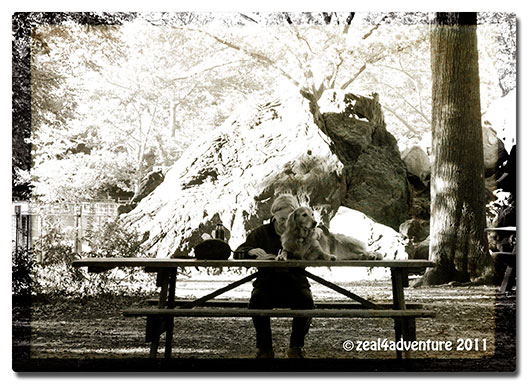
I was in the company of dog walkers,

photography enthusiasts and

some ordinary people just wanting to get away.

The portion of the park I was in had some beautiful view of the skyscrapers of Manhattan.

After their run, we walked to what is considered as the heart of Central Park,

the Bathesda Terrace and the fountain.  Gorgeous.

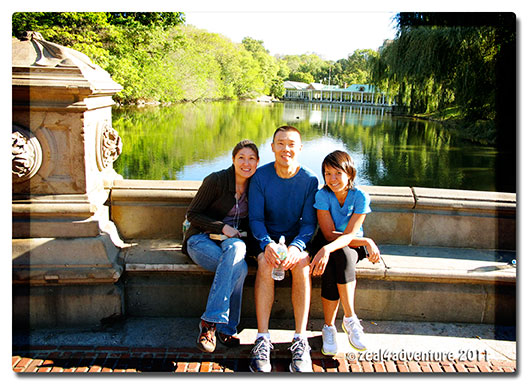
Posing for a keepsake with my dear, dear friens with the Loeb Boathouse in the background.

We then headed to the most photographed area of Central Park,

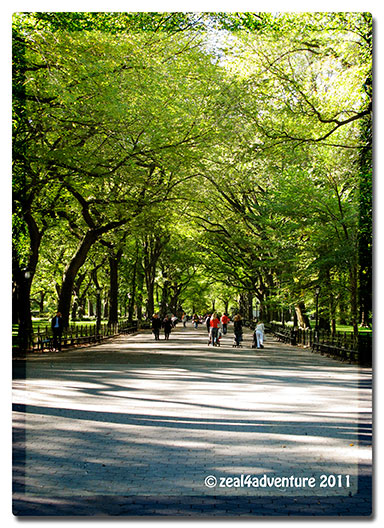
the Mall and Liberty Walk – still is the place to see and to be seen.

And this sums up my morning walk around Central Park.  Located in the center of Manhattan, this 843 acre green rectangle that stretches 51 blocks is indeed one of those places that make New York City a great place to live.

Chang Deok Gung: A Palace in Harmony with Nature

The ancient seat of Korean royalty has 5 major palaces in Seoul and some are definitely worth a visit.  Chang Deok Gung is one.  We visited the palace as recommended if given half a day sightseeing only.  Some chose to go shopping… not me.  Although Geong Bok Gung is the grandest palace and the seat of power for centuries, we didn’t go there because it would need more time to fully explore.

And even if Chang Deok Gung is 2nd only in importance to Gyeong Bok Gung, it was a favorite of many kings of the Joseon Dynasty, perhaps because it was built in harmony with nature.

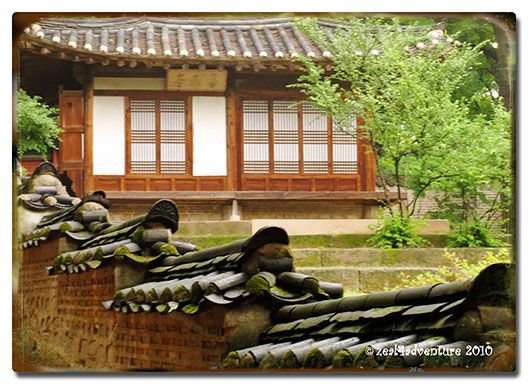
The walls inside the palace were laid out freely, not imposing but rather blending with nature

and this earned the palace a UNESCO listing as World Heritage Site in 1997.

Both palaces were totally destroyed by fire during the Japanese invasion of 1592.  After the war, Gyeong Bok Gung was not rebuilt because its site was no longer considered auspicious.

Instead, Chang Deok Gung was restored in 1610 and served as main palace for the next 258 years, until Gyeong Bok Gung was finally rebuilt in 1868.

Some sites to note:

Seongjeongjeon – where the king handled routine state affairs.

Originally a hall for the king, but it was also used by queens to throw parties to honor elders and encourage customs of respecting one’s elders.

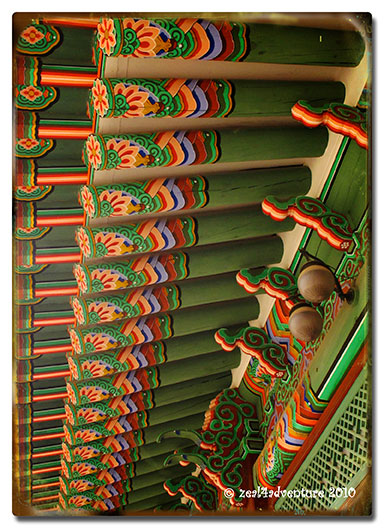
For leisure and relaxation, the royal family had a secret garden built.  The garden presents an unusually exquisite design adapted to the topography.

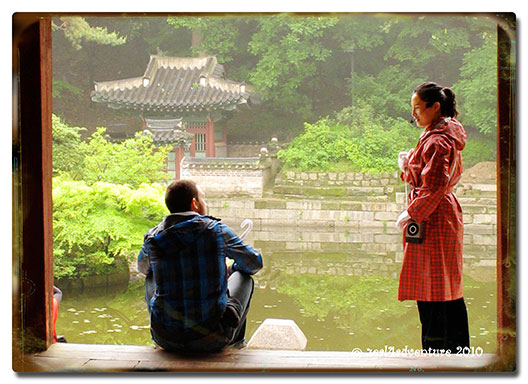
Buyongji lies in the heart of the Secret Garden.  A relatively open space used for retreats as well as for study.

A number of buildings were built around this rectangular pond.

Jondeojeong – this area is believed to have been the last to be added on to the Secret Garden.

The Palace in more detail:


The Secret Is Out!

Tent… check, sleeping bag… check, therma rest… check, swimwear… check, sunblock… check, pasta, pasta sauce and chorizo… check… cook set… check and the list goes on.  These however, are the essentials needed for an overnight trip to Nagsasa Cove.

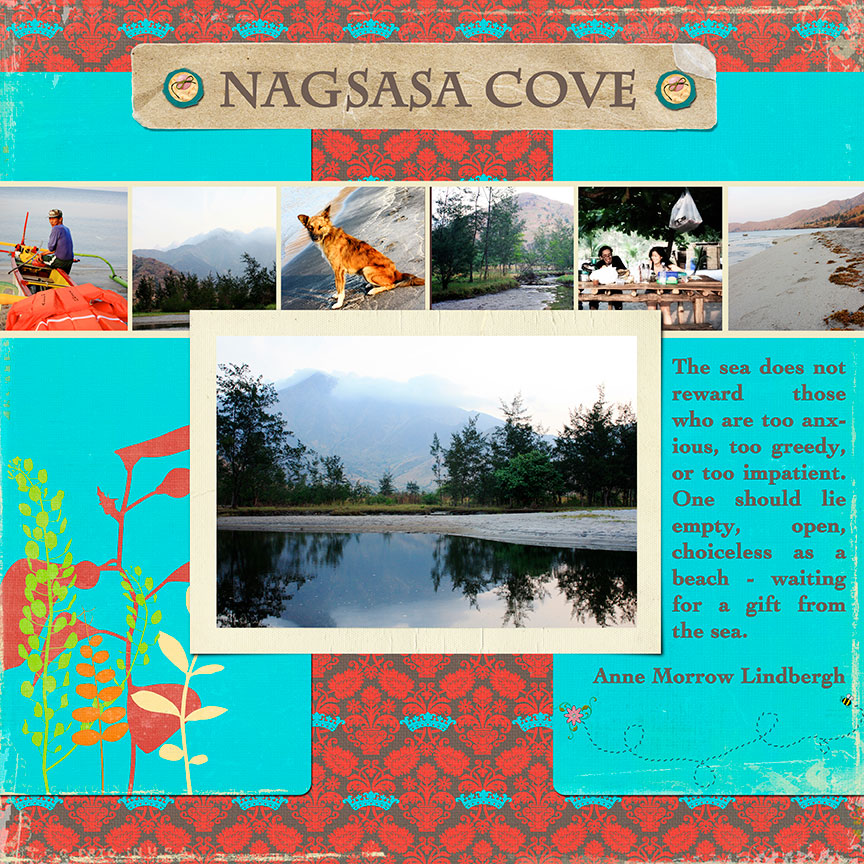
Credits: J. Sprague You are Awesome Paper kit (Blue Leaf & Brown Red), Framers; LivE’s Worn Kraft tag, Sing 4 Spring elements (Button Accent 02 & Fight of the Bbee)

My friend S had been itching to make a trip there ever since she learned of Nagsasa.  And so the weekend after our Northern Samar trip, we were up early, traveling north to what we thought was a secret paradise.  Punta de Uian Resort in San Antonio, Zambales to be exact.

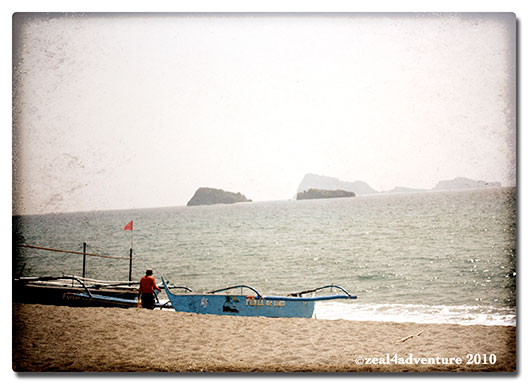
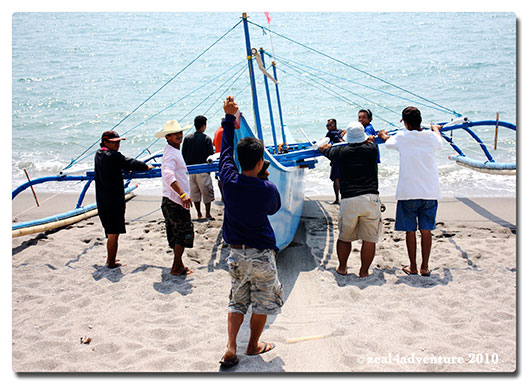
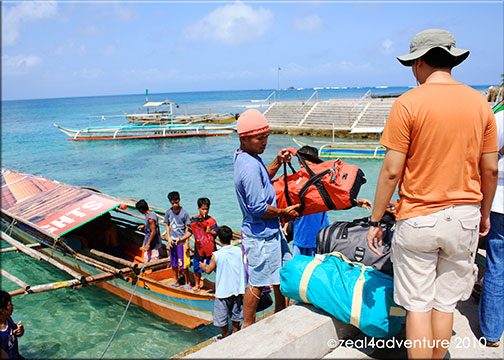
The boat we hired from Punta de Uian

A resort kind enough to take us to Nagsasa (for a fee, of course) even if it was not part of the trips they offer.

Off to Nagsasa…

Wondering why hire a boat through a resort?  I want my car parked safely in a parking lot while we camp out on a cove 8 kms away.   Better safe than sorry right?

The view on our way

Nagsasa is supposedly less popular than Anawangin perhaps because it takes twice as long (about 45 mins) to get to Nagsasa from Pundaquit Beach.

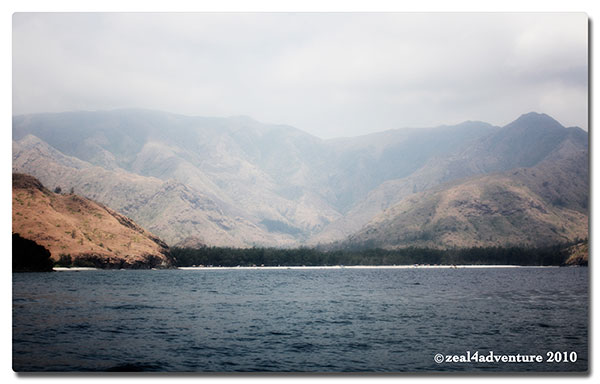
The approach

Arrival (looks empty)

So imagine how stunned we were at first to see scores of campers spread out on the crescent shaped stretch of beach, maybe having the same thoughts as ours, which is… “why are they all here?”

Water so still

Perhaps it was the long weekend and everyone who knows about Nagsasa had the same idea, or perhaps it is the magnificent paradise that makes it difficult to remain a secret for long.

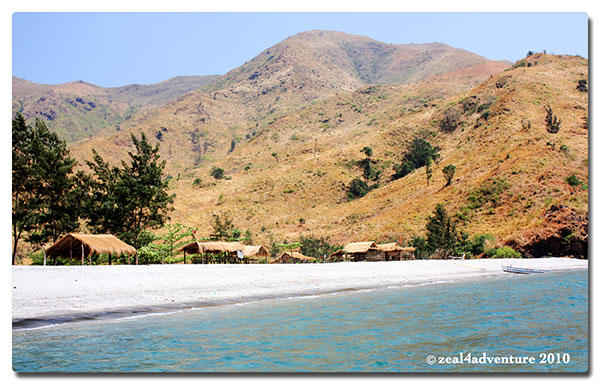
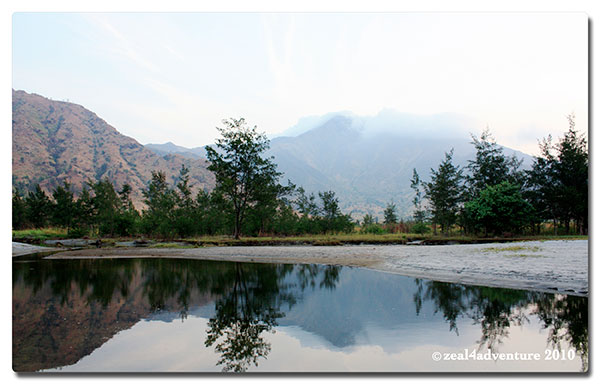
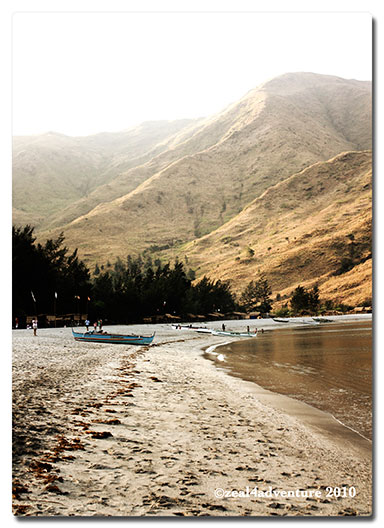
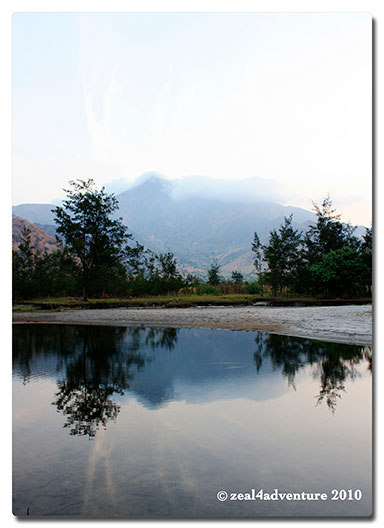
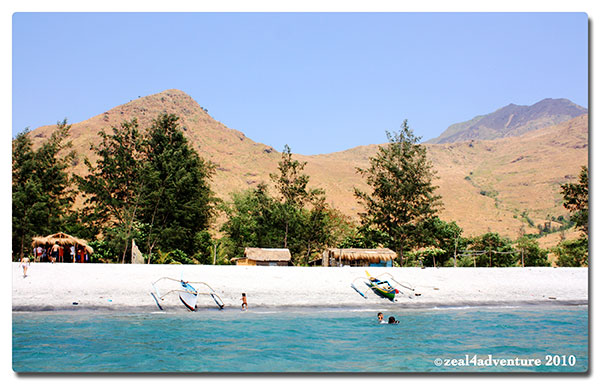
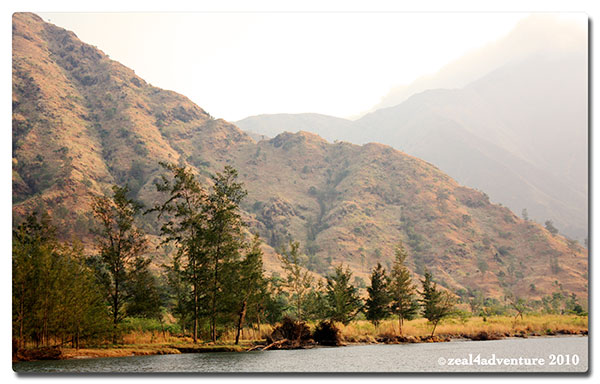
Whatever it is, we were happy to be among those who were enjoying this wondrous cove with breathtaking Mt. Nagsasa serving as backdrop to a pristine stretch of ash colored sand.

Once we got off the boat, we looked for our little corner, Mang Augusto and his family lives beside our campsite, making him the caretaker.

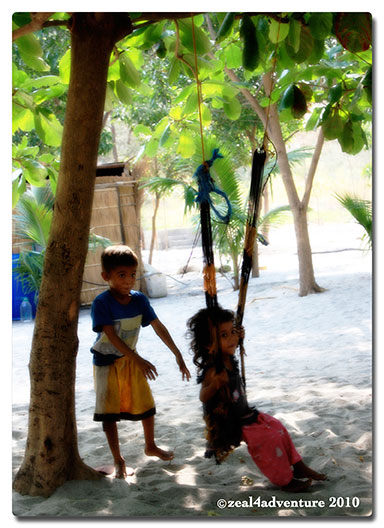
Siblings – Mang Augusto’s kids

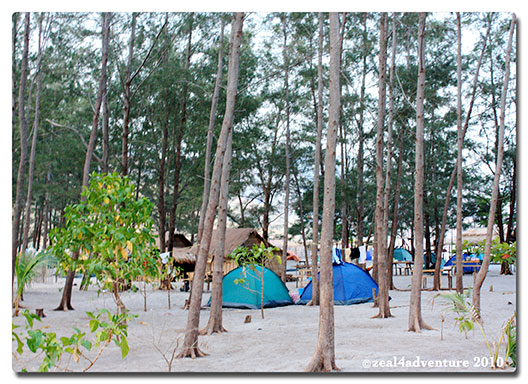
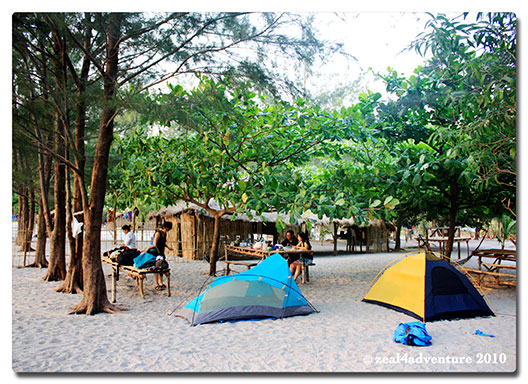
We had a picnic table for our meals and our chit chats.

We also had a bathroom just at the back, which I truly appreciate, never mind that it didn’t have a light, what are headlamps for anyway?

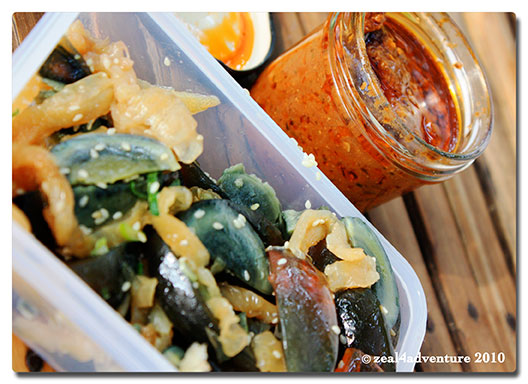
Our starters:  Greek and Chinese — an obvious lack of coordination… yummy just the same.

After we settled, we pitched our tent and then prepared our meal… we burned our rice (it was not easy using the aluminum cook set, really!).  Mang Augusto’s wife cooked 2 kilos of rice for us for only P100 ($2).  Way too much for 5 so we had it for breakfast, lunch and dinner and there were still left overs.  So here’s the tip: don’t even bother to cook rice when you can have it cooked for you (for practically a song).   😉

Nagsasa (and Anawangin and perhaps others as well) emerged after the violent eruption of Mt Pinatubo in 1991.

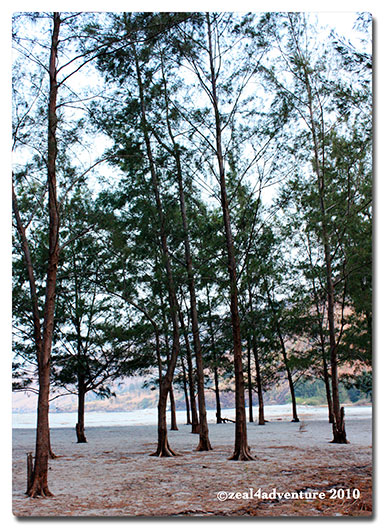
The eruption actually changed the landscape of Zambales producing these coves of ash sand beach lined with Agoho trees stretching inland, rendering a beach so impressive.

So how did such a tree find its way to this part?  It is said that these trees were non-existent prior to the eruption and that the seeds of the trees came from the ash expelled by Pinatubo.

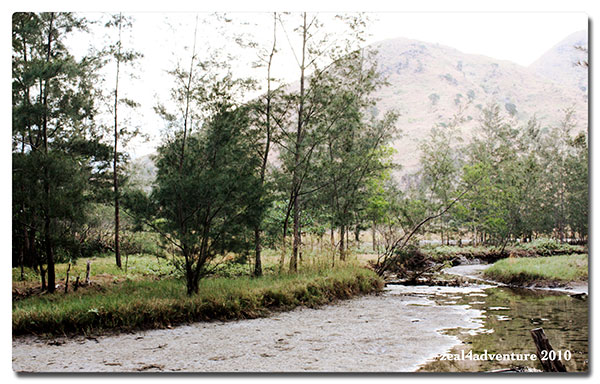
Streams and waterfalls dry out during the summer

How amazing is our God to reward us with unexpected loveliness after nature spewed out its fury?  Perhaps it is His way of reminding us that like a rainbow after a storm, something beautiful invariably comes after a tragedy.  Ain’t that a comfort?

Here are more snaps at different times of the day.

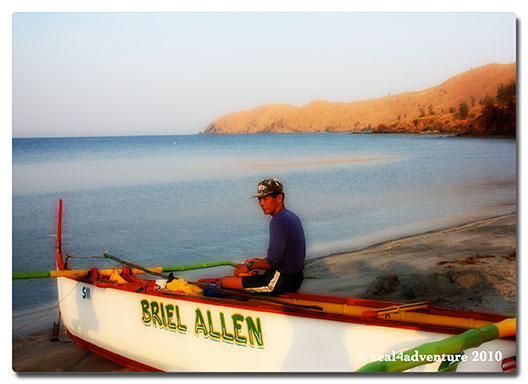
A bangkero (boatman) having breakfast

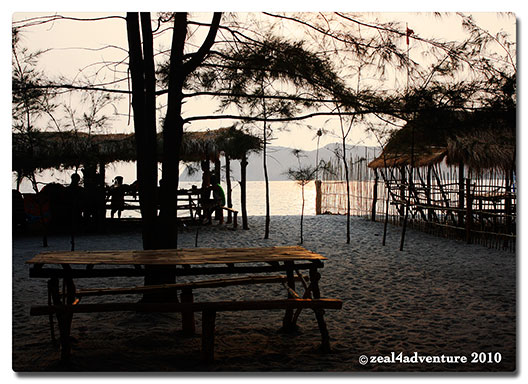
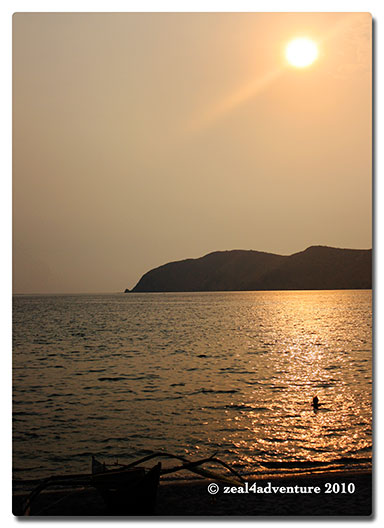
Sunset

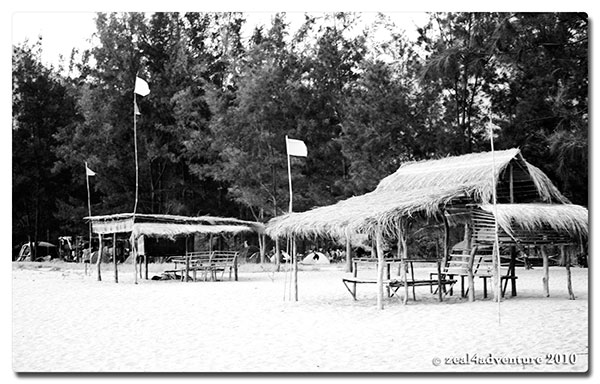
More huts for rent

At sunrise (I didn’t wake up early enough   😉 but pretty impressive just the same)

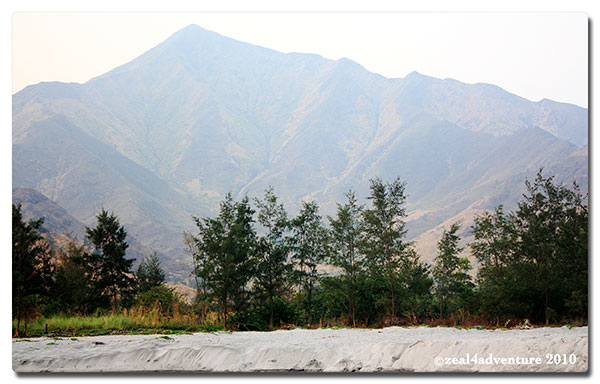
Mt. Nagsasa

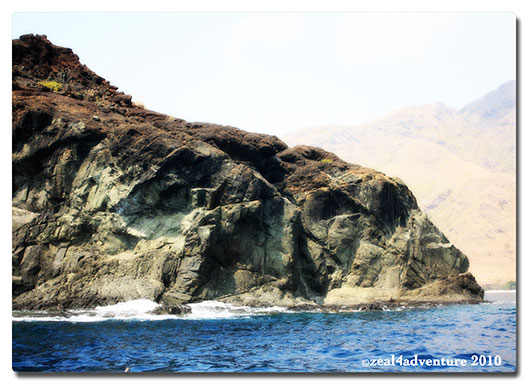
Nagsasa Cove from the boat

And I leave you with this last shot (simply magic)   🙂

Captivating

“Captivating” was how A described Biri.  He promised to take me there “one of these days”, he said.  That was 7 years ago.  He was invited by his friends in the tourism office to check out Northern Samar.  When he came back, he couldn’t stop raving about the breathtaking rock formation and how wild the surfs were.  So enchanted he was that Biri stuck in my mind and had become a “need to see”.  Somehow between then and now, it got pushed back to the bottom of my list and so this Easter break, I decided to put it back on top and took A up on a promise he made 7 years ago.

Truth to tell, the culprit of this whole Northern Samar trip was Biri.  It was Biri that I needed to see and so…

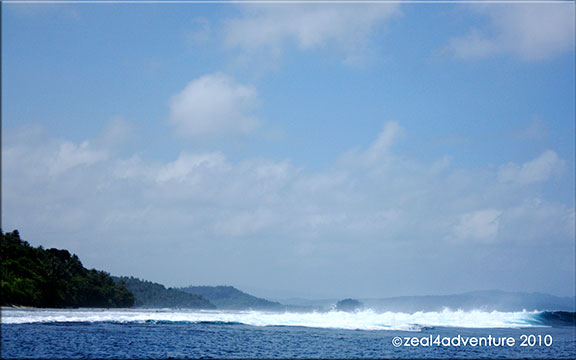
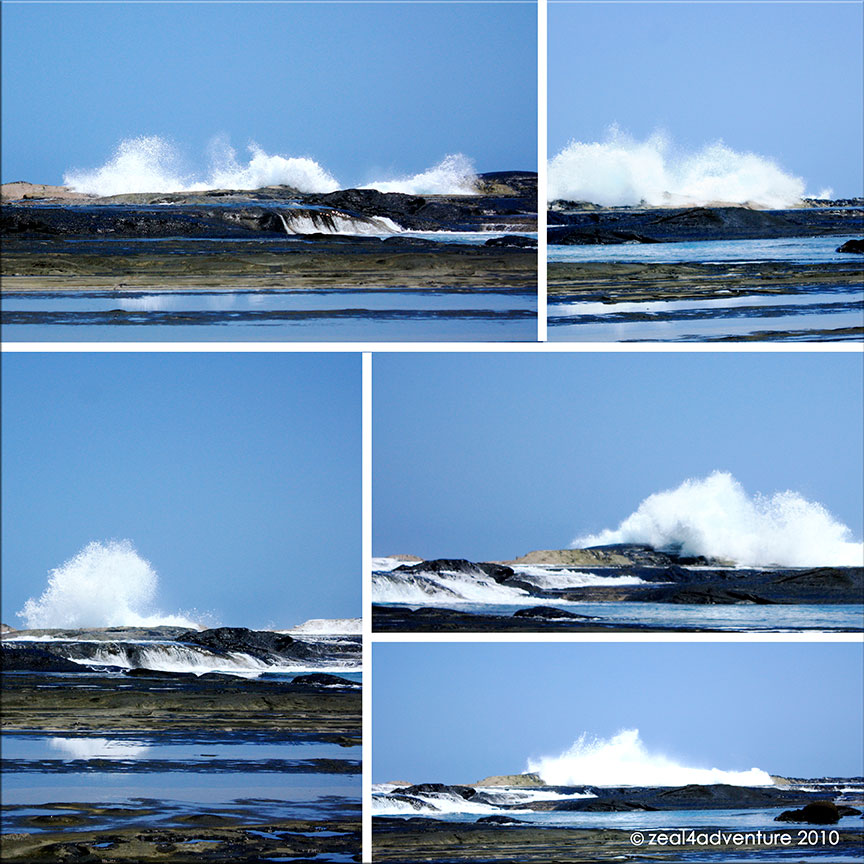
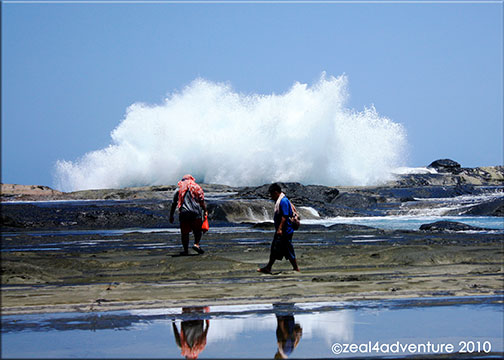
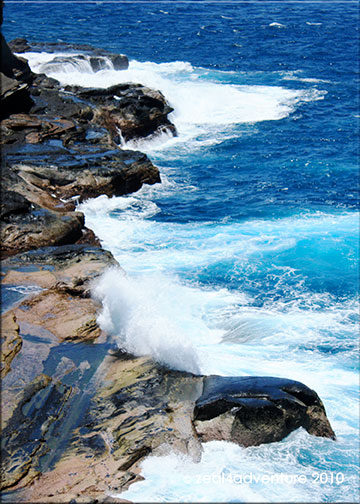
The surf on our way to Biri.

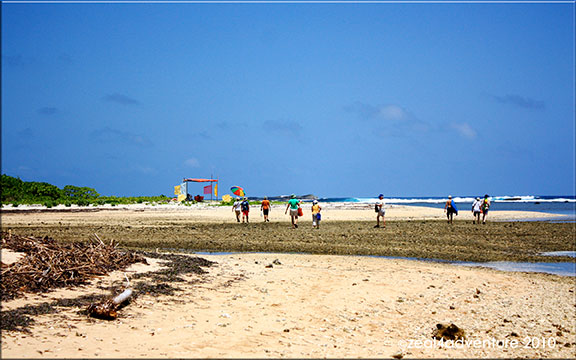
finally the day has come — a 45-minute (somewhat choppy) boat journey from Lavezares got us to the town of Biri.

Anxious to see this highly raved rock formation, we checked in, plopped our bags, hopped on a habal-habal and off we were to the scene.

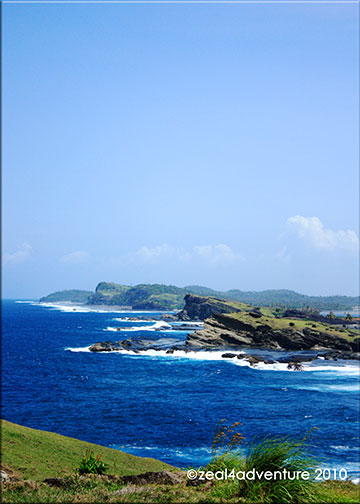
After about 10 minutes (it seemed) the scene transformed from quiet, simple town to world-class wonderment.

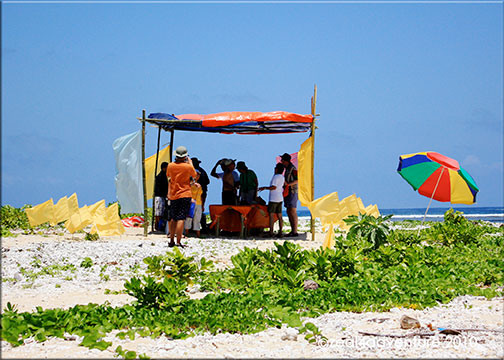
Walking to our make-shift shed

Yes, that’s our charming shed, prepared by the tourism office of Biri

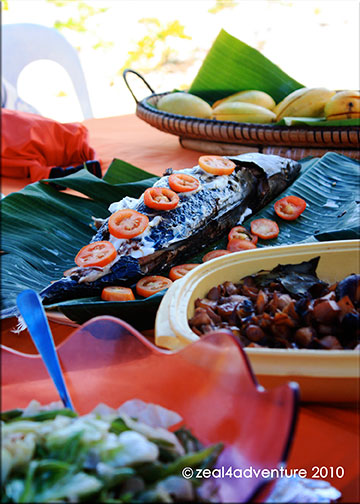
Where we were served a scrumptious lunch.

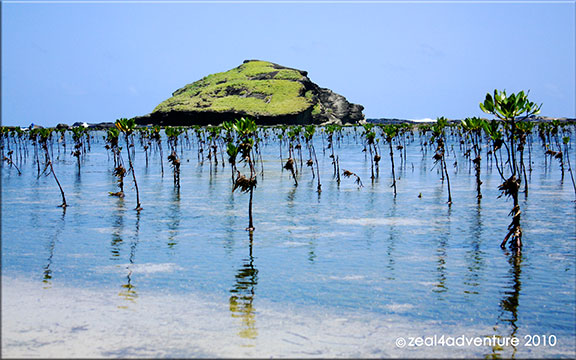
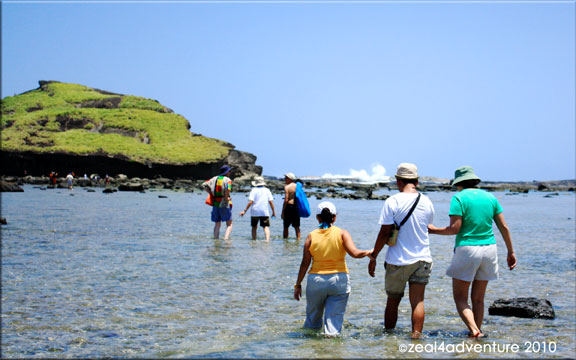
Overlooking the Magasang formation

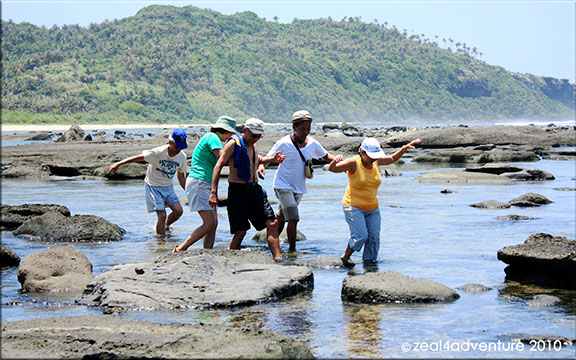
As we got closer to the outcrops plodding through slippery rocks –

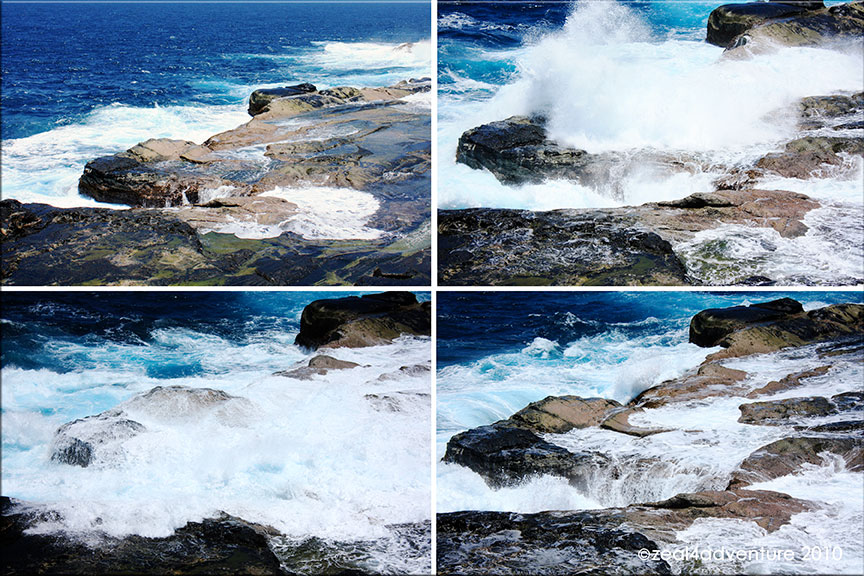
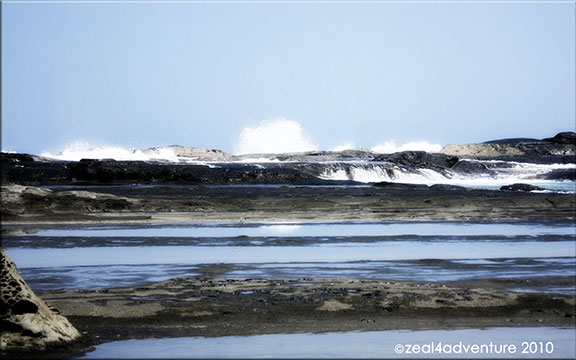
the enormous rock formations, the gigantic pounding waves, they were jaw-dropping A.M.A.Z.I.N.G.

Unlike anything I’ve seen before.  It was unbelievable, surreal.

A view of the other side

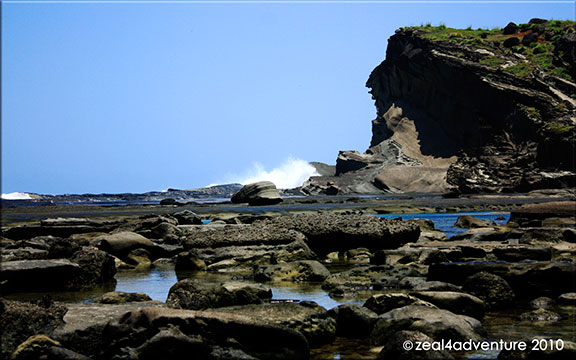
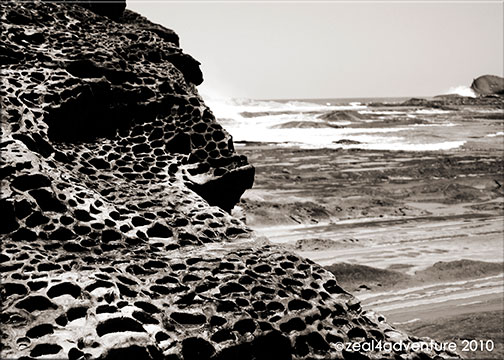
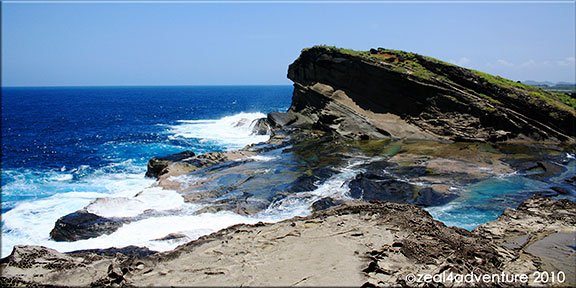
Our first rock formation, Magasang is an incredible formation of two huge, beautifully carved rocks standing separately on a wide flat rock.

Climbing these porous rocks is easier than it seemed.

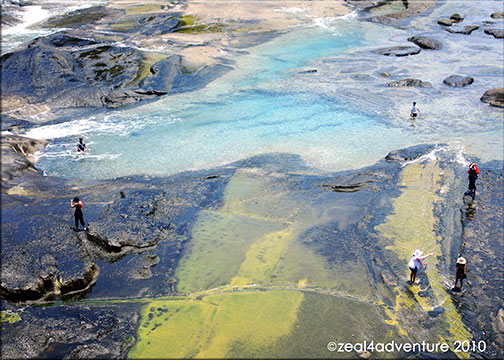
I recommend hiking up to see a 360 degree view of the many colors and textures of the grounds below and a different perspective of the crashing waves.

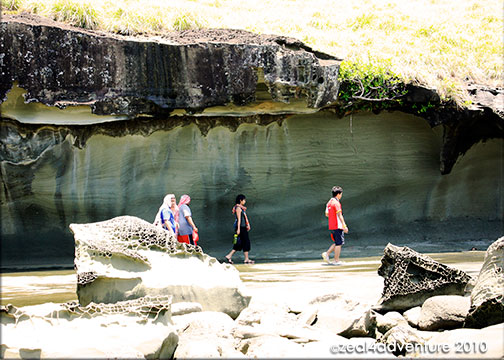
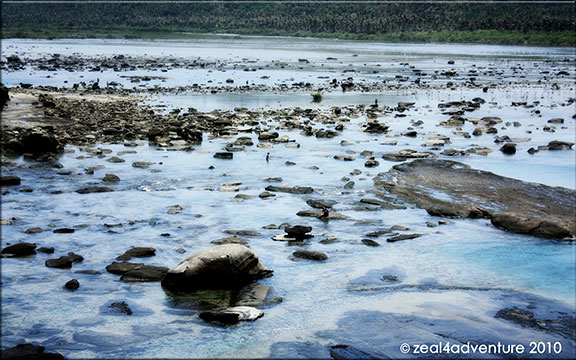
Wondrous colors and textures

How ironic is it that this natural beauty was formed by the wrath of nature, carved through time from the pounding waves of the San Bernardino Straits?

This beauty is, to me, one impressive site the Philippines can boast of.  Still largely unknown to the world, I am torn – a part of me wish this to be a secret hideaway for a long, long time, while the other part of me yearns to proudly share God’s amazing creation to the world.  Well, obviously my desire to share got the better of me.   😀  Amazing… simply amazing.

Wait!  There’s more.  So come back for more eye candy in the next few days.  It will not disappoint and that is a promise.   🙂

A Datu and His Wives

Credits:  JSprague TW Kits (template 01 and papers)

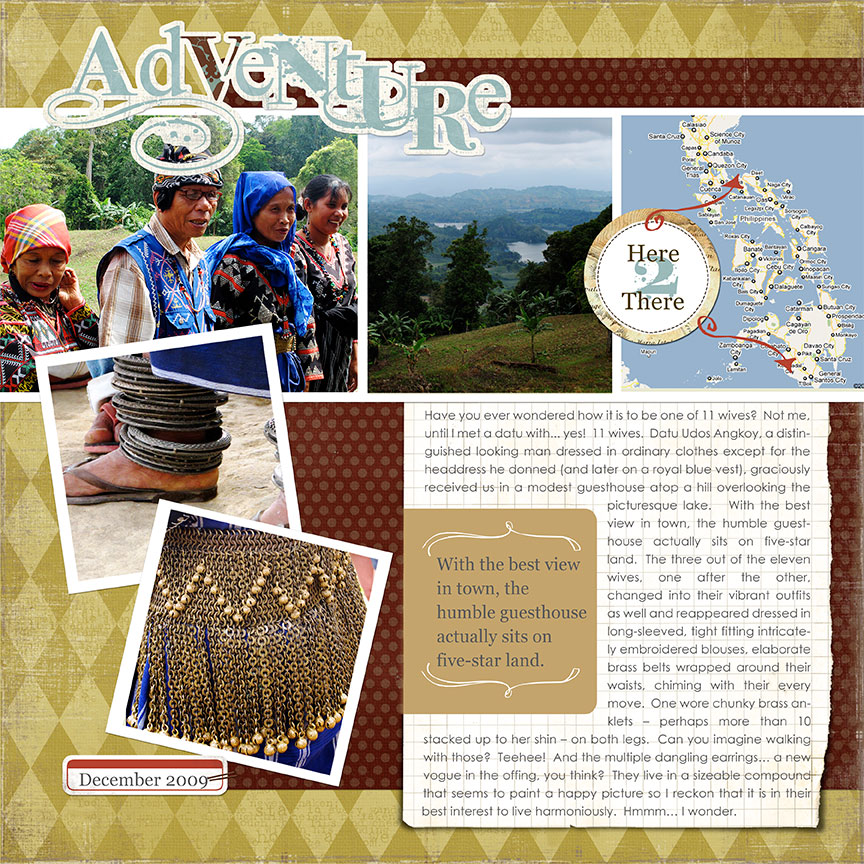
Have you ever wondered how it is to be one of 11 wives?  Not me, until I met a datu with… yes!  11 wives.  Datu Udos Angkoy, a distinguished looking man dressed in ordinary clothes except for the headdress he donned (and later on a royal blue vest), graciously received us in a modest guesthouse atop a hill overlooking the picturesque lake.

With the best view in town, the humble guesthouse actually sits on five-star land.  The three out of the eleven wives, one after the other, changed into their vibrant outfits as well and reappeared dressed in long-sleeved, tight fitting intricately embroidered blouses, elaborate brass belts wrapped around their waists, chiming with their every move.  One wore chunky brass anklets – perhaps more than 10 stacked up to her shin – on both legs.  Can you imagine walking with those?  Teehee!

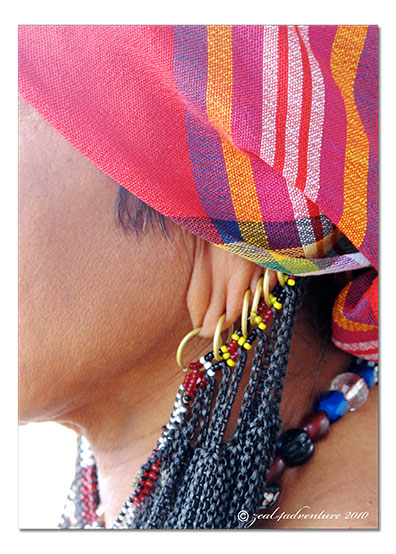
And the multiple dangling earrings… a new vogue in the offing, you think?  They live in a sizeable compound that seems to paint a happy picture so I reckon that it is in their best interest to live harmoniously.  Hmmm… I wonder.

On Market Day

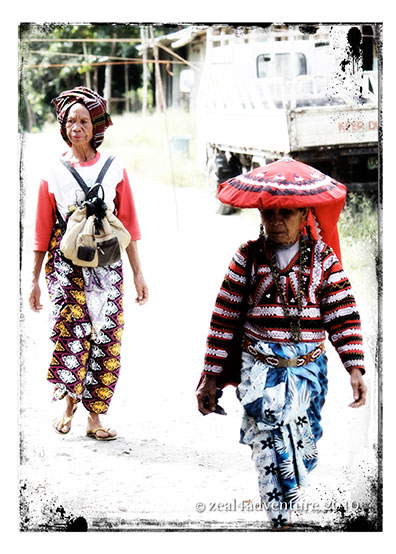
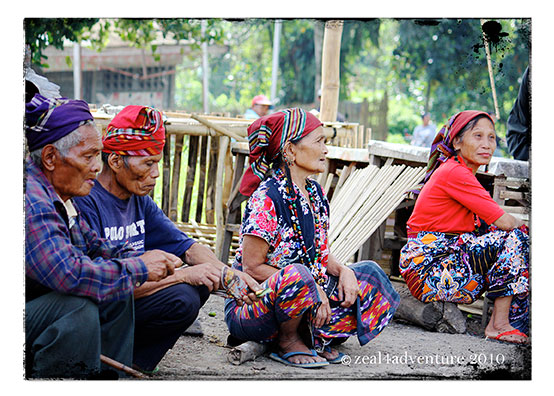
Saturday is market day for the T’bolis and a smattering of them still turn up in a semblance of a traditional ensemble.  Take out these lingering few; market day in Lake Sebu was quite a let down.  Without them, the market looked like an ordinary tiangge (bazaar) with merchandise perhaps coming from Manila or even China.  Despite this however, it was still an enjoyable endeavor, especially for me.

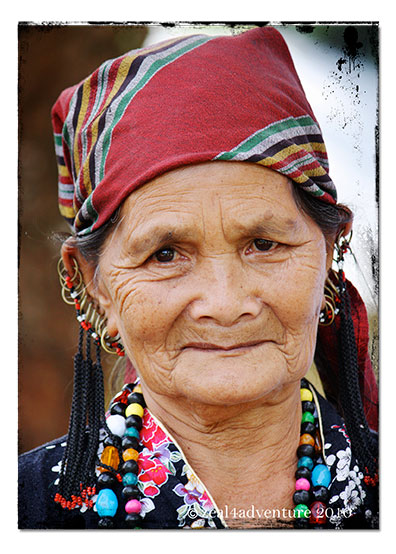
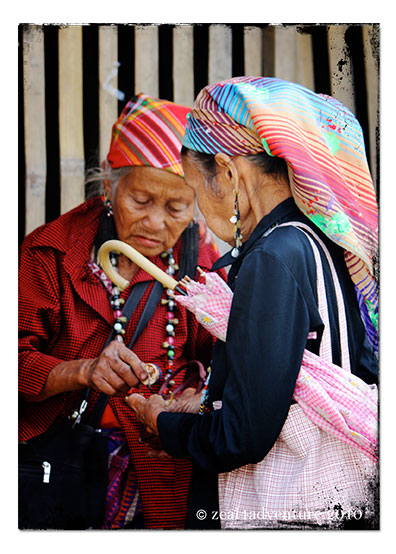
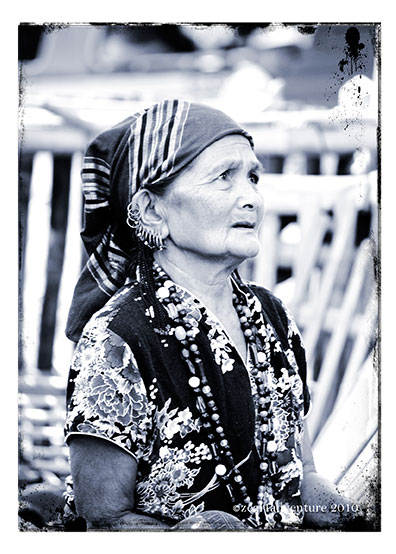
How likely is it that among the population of more than 95,000 Tbolis, I find (and more amazingly – I remembered) the same one a decade later?

Perhaps it was her earrings or a combination of the earrings and her striking beauty that rendered a high recall.

One of the indigenous peoples of Southern Mindanao, the T’bolis primarily live in the South Cotobato province of Mindanao (the southernmost part of the Philippines).

As with many indigenous groups, many have adapted the migrant’s way of life owing to the many settlers hailing mostly from Iloilo (a province in the Western Visayas region, still south of the Philippines).

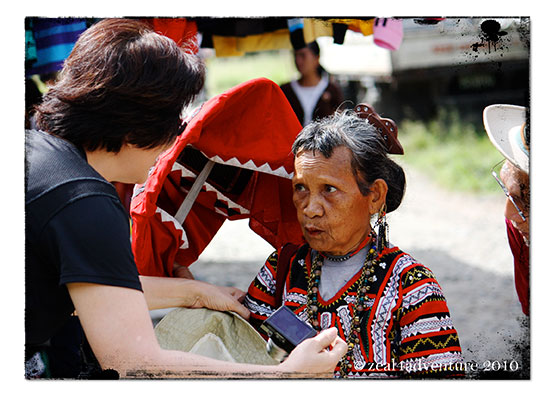
The colorful traditional outfits (I think) are mostly worn these days on special occasions and on market day.

Some snaps taken that morning.

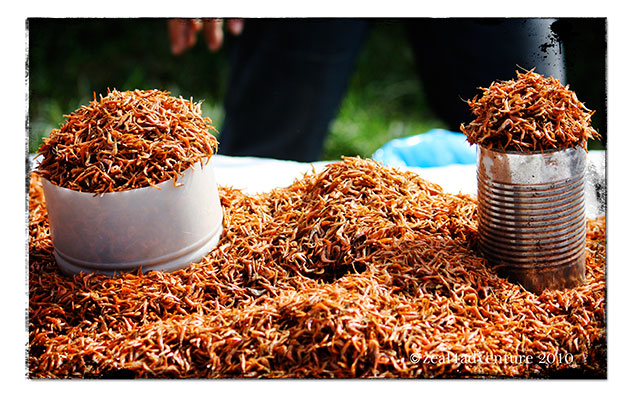
Dried baby shrimps or what we call hebi (great for flavoring)

The T’bolis are famous for their intricate beadworks and brass ornaments

Negotiating for a picture with her

I just totally adore her!

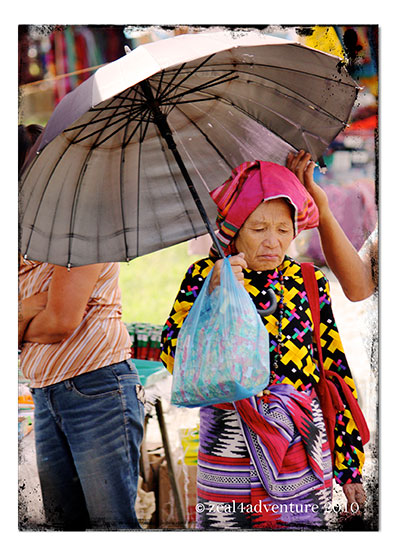
T’bolis today — with an umbrella, a plastic bag of goodies and the red handbag!   😀


Making Good Use of Downtime

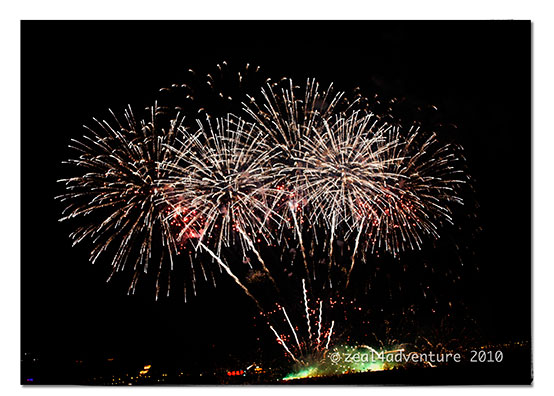
We were at the sea area in front of the Macau Tower early to catch the Annual Macau Fireworks Display contest.

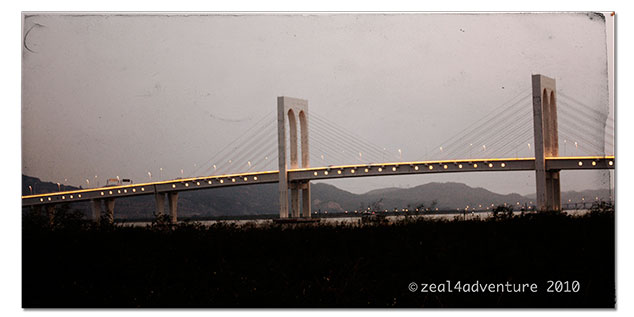
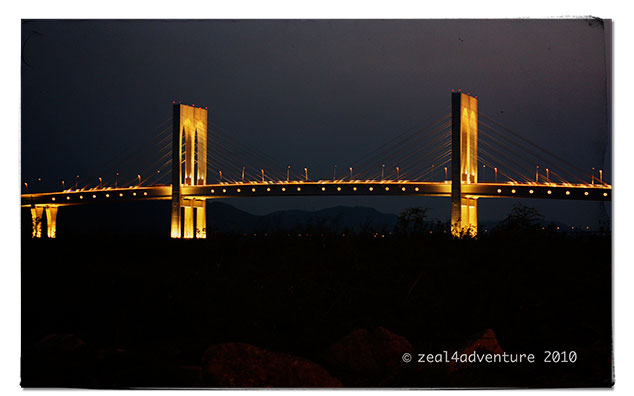
Early birds have its drawback… a long wait.  Its reward however outweighs it inconvenience.  Securing good front row seats afforded great captures of the fireworks and these series of shots of the Sai Van Bridge as the sun sets.

Once considered remote from Peninsular Macau, when they were accessible only by small ferries, the islands of Taipa and Coloane have developed as integrated suburbs since being linked to the mainland by 3 bridges.

One of them is Sai Van Bridge, opened in January of 2005.  It is the first cable-stayed bridge in Macau.  The double deck bridge has 6 lanes in the upper deck and 4 at the lower deck.

More of the fireworks in upcoming posts.  For more scenes from around the world click image below.

Scenic Sunday