Kalesas or horse-drawn carriages abound still in Vigan, Ilocos Sur. Here are some snaps from different times of day.


 And here’s 2 snaps in Sepia.

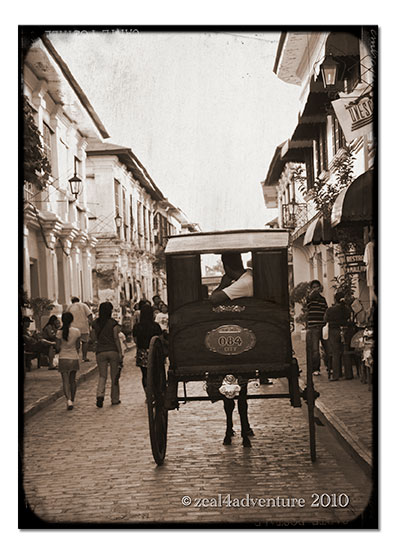 Tune in for more of Vigan.


Kalesas or horse-drawn carriages abound still in Vigan, Ilocos Sur. Here are some snaps from different times of day.
And here’s 2 snaps in Sepia.
Tune in for more of Vigan.

Winding through stretches of wilderness, passing through primeval forests of Sitka spruce and aqua colored river and lakes surrounded by towering mountains in slow-mo with Ennio Morricone scoring in the background is a scene that still plays in my mind 8 months after. Yes, the stunning and equally dramatic scenery deserves no less than an Ennio Morricone score.
Here’s one of my favorite Morricone score: Love Theme from Cinema Paradiso

From the moment our journey started in Seward, it quickly began its climb through stunning forests, a string of massive glacier to lakes and river sceneries that only seem to escalate as the sun gets more golden on our approach to Anchorage. Hands down, one of the finest voyages I’ve ever taken, a real feast to my senses. The late Alaskan sunset (luckily) also meant good light for most of the trip, which resulted to this.

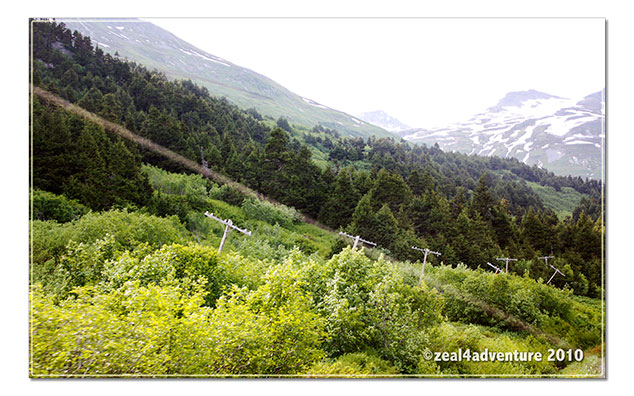
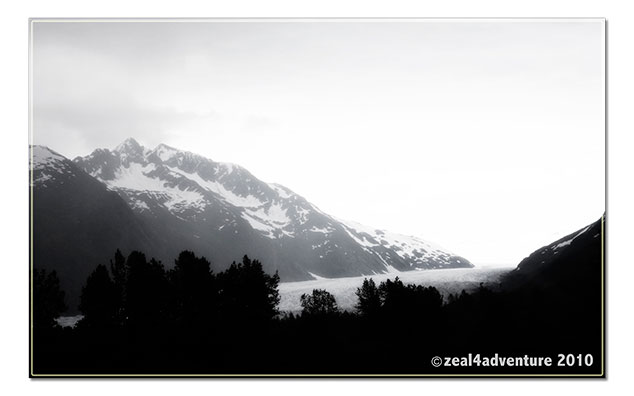
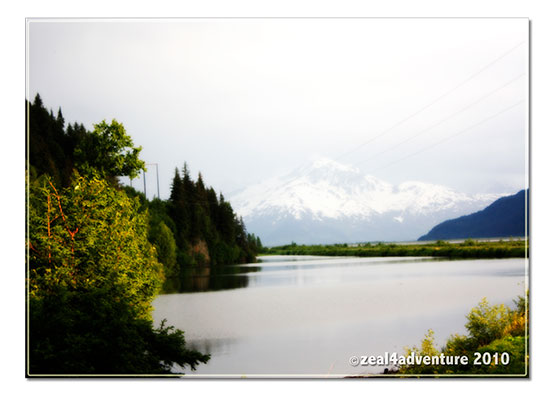
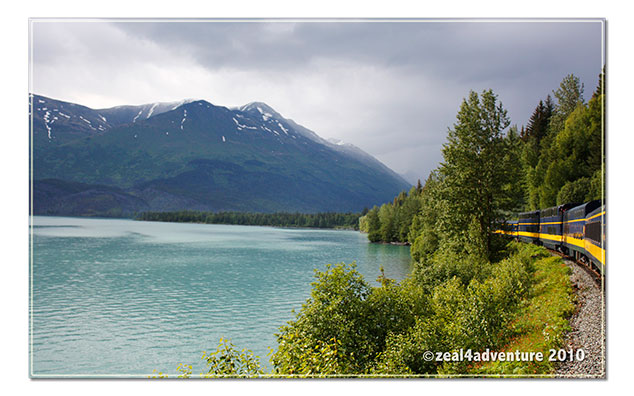
At some point, the tracks made a perfect U, which allowed for these shots:
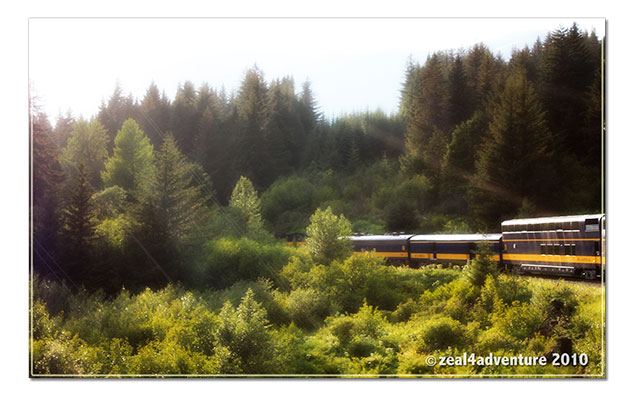


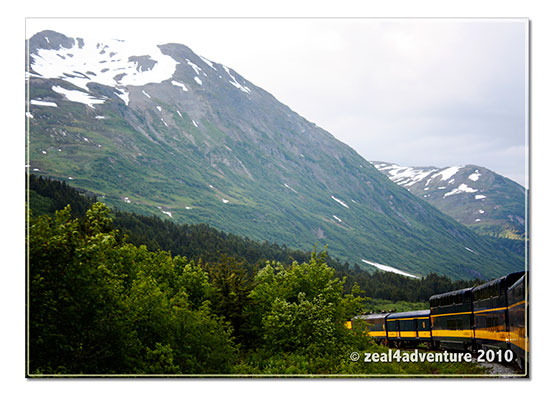
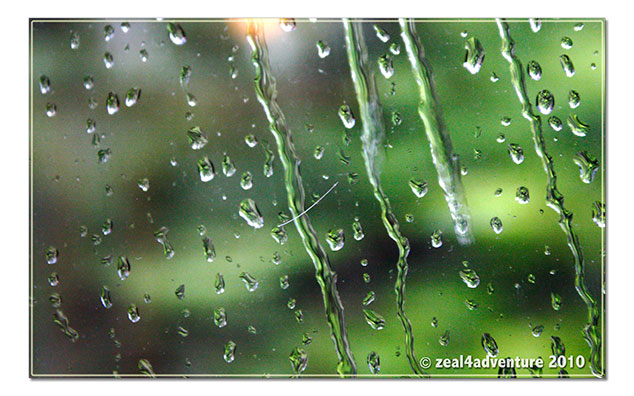 Yeah, it rained at one point too.
And last but not the least! Some shots taken as we approached Anchorage at 10pm!
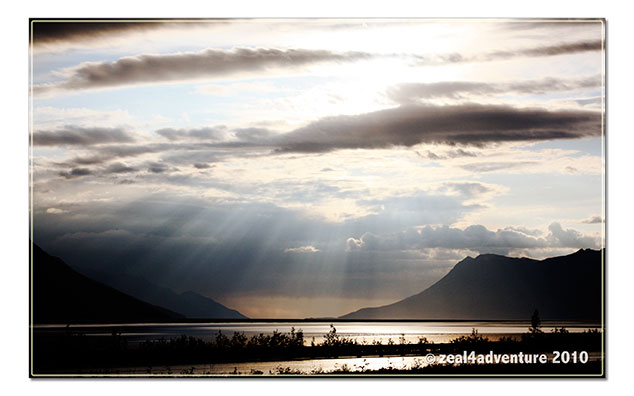

If you ever find yourself in Seward, Alaska, don’t think twice… book yourself a ticket at Alaska Railroad Corporation for the best scenic ride of your life.
Click icon below for more scenes from around the globe.


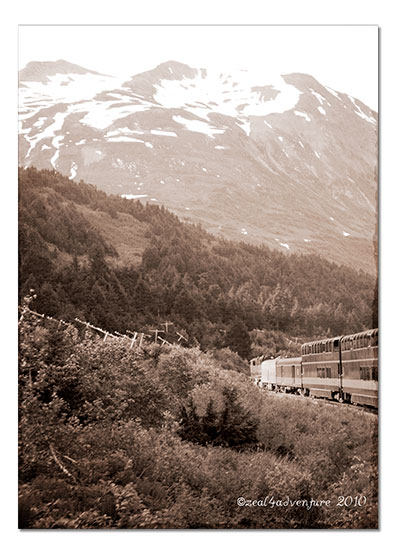
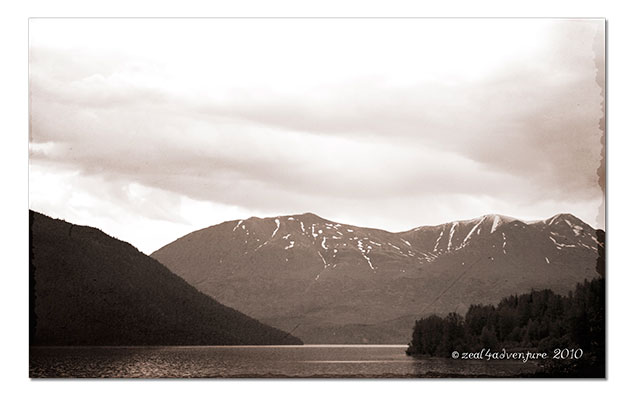
If you like these, stay tuned for more. I’ll tell you all about it on my next post. 😀
More of our customized photography-walking tour around the island of Sitka.
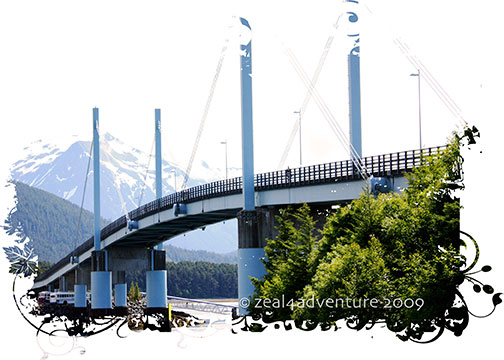
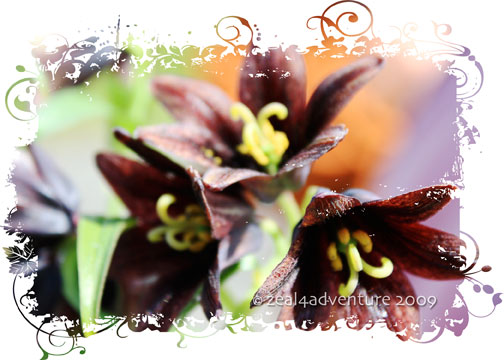
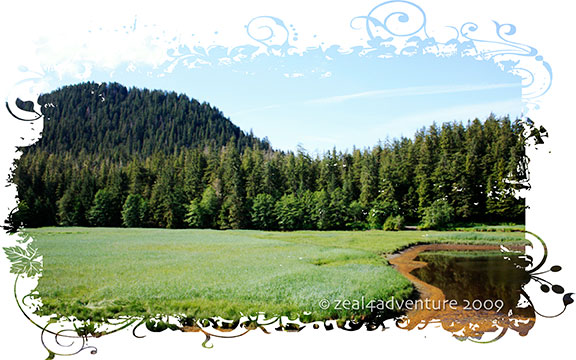

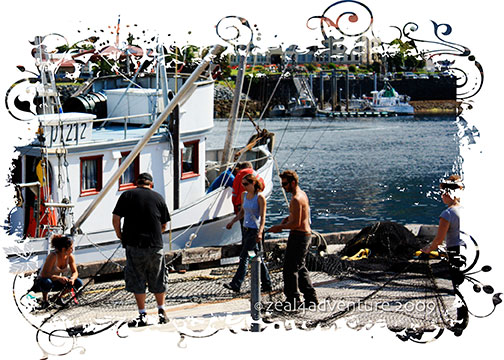

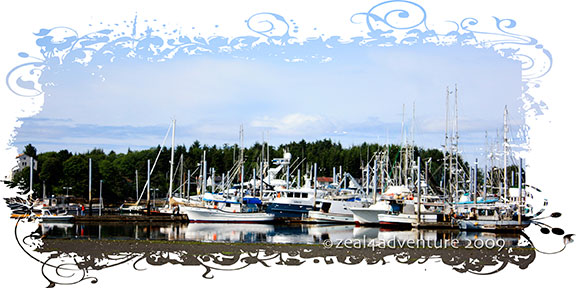
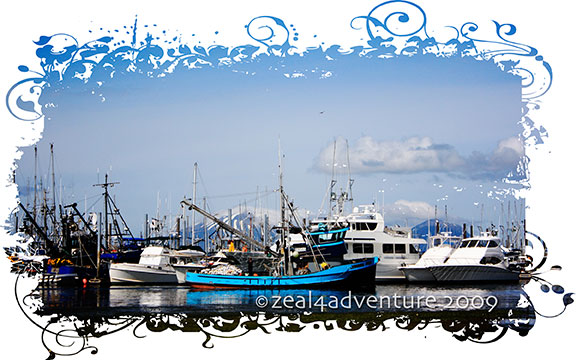

 Visit Wordless Wednesday for more interesting photographs from all around.
Famous for its spectacular scenery, abundant wildlife and culturally rich history, we wandered around this former “Russian Capital” with an experienced Southeast Alaska photographer taking shots upon shots of its beautiful surroundings.
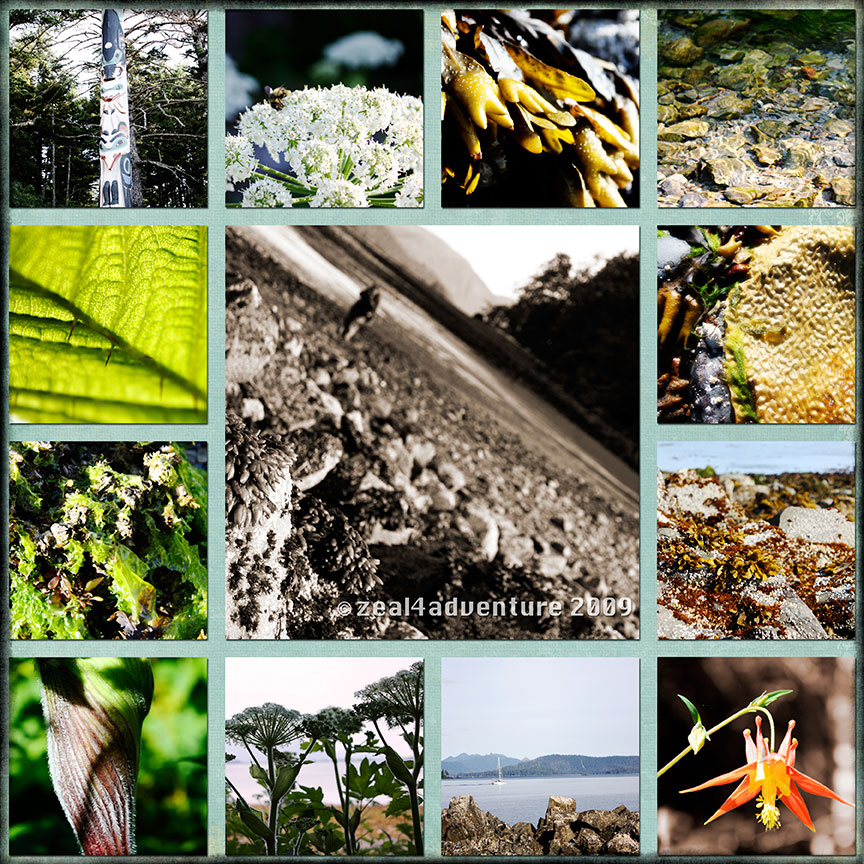
Sitka up-close from a beach
Please go to Little Red House for more fun mosaics from all over.
 Credits- Papers: Oscraps Moonrise Paper Dtope 2, Jennilyn 3, Dyoung 3; Embellishments: Oscraps Moonrise Bling 3-awall; Brush: JSprague Stitching
The lakeshores of Lake Nakuru literally turn pink as millions of flamingos feed on its highly alkaline lake, set in a picturesque landscape of acacia woodlands and grasslands next to Nakuru town.
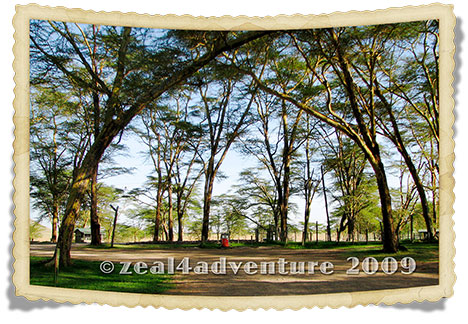
dramatic entrance
A very shallow and strongly alkaline lake, it is world known as feeding grounds of both lesser and greater flamingos and one of my favorite parks in East Africa.

The main reason for establishing this national park was to protect its huge flocks of the lesser flamingos. Despite being the world’s most numerous flamingos, this bird is classified as near threatened due to its lack of suitable breeding site. Depended on rainfalls, the lake keep decreasing since 1997. The ecosystem is threatened by annual drought.
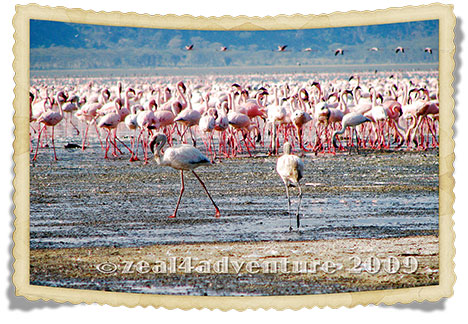
shallow to dry lake
The second most visited park in Kenya, this small park has been dubbed “the greatest bird spectacle on earth” when thousands of flamingos landed into the lake years ago. It has become a favorite destination for not only ornithologists but also bird and wildlife enthusiasts. And the flamingos are definitely the reason to be in Nakuru!

Lake Nakuru National Park is situated approximately 2-hour drive away from Nairobi. A gentle, billowing terrain with open bush and woodlands dominates it. It is also one of the saline lake systems lying in the Great Rift Valley.

enroute to Nakuru
Famous for its abundant birdlife…
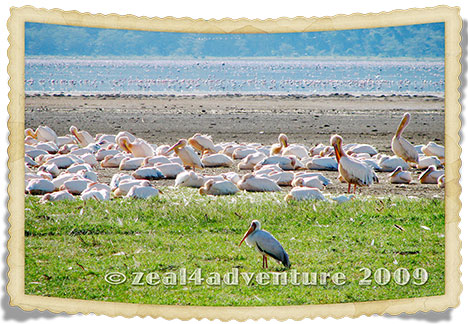 Pelicans
Lake Naukuru also has waterbucks, impalas, and hippopotamus.
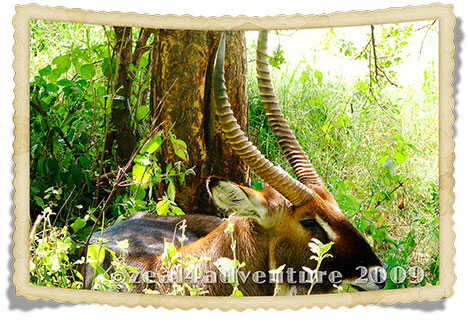
waterbuck
Game viewing is relatively easy: buffalos, leopard, lions, and the endangered Rothschild’s giraffe…
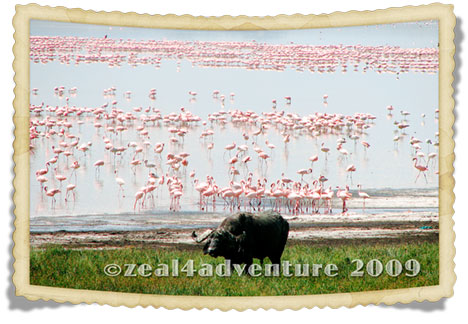
cape buffalo and the flamingos as its backdrop

not a Rothschild’s giraffe
the bushlands offers eland, steenbok, impala, while the hyrax occupies the cliffs.
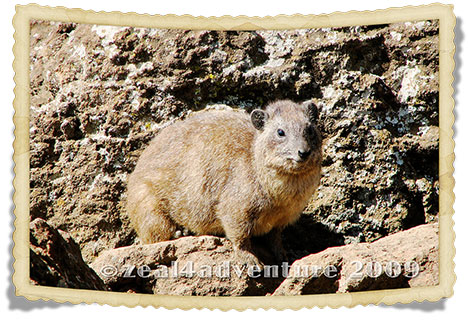
hyrax
And speaking of cliffs, the best view of the lake is from Baboon cliff.

view from the top
Lake Nakuru is also home to the Kenya Rhino Conservation Project and therefore an excellent place to see rhinos. The woodland and forest are now home to both black and white rhino. Following the ravages of poaching, in the late 80’s, only 2 black rhinos remained. Creating a rhino sanctuary within the park and reintroducing a breeding herd have recognized the park internationally as an important conservation area.

white rhinos
Lake Nakuru… not to be missed when in Kenya. It was definitely one of the of the highlights of my African adventure!
Frame credit: Oscraps Moonrise frame – awall

The first time I became aware of this group of islands called Batanes was when I saw this Filipino film – “Hihintayin Kita sa Langit” which catapulted to stardom two established actors in my side of the world (and it just dated me too). Since then I became obsessed in stepping foot on this islands of the Ivatans. In 1997, that obsession came to fruition. It was my first taste of rugged travels. I feel privileged to have witnessed the Batanes of before… before its commercialization to a certain degree, that is. At that time, there was only one jeep going around the island of Batan. So we walked almost everywhere, even climbed an idjang – a pre-hispanic mountain fortress where the locals sought refuge during tribal conflicts. There were only a few places to lodge; we stayed at Mama Lily’s. It was clean and comfortable albeit spartan. And because there were hardly any restaurants then, we’d have home cooked meals courtesy of our host. Fortunately, she cooks and cooks well.
Getting to Sabtang is an adventure of its own. The only way to get there is by boat or what they call falowa. If the sea gets a bit rough, expect your inside to turn topsy turvy as well. Expect to take the trip with chickens, goats and sometimes a cow… yes a cow! We’d hike the whole island, spending the night camping in a school gym at Sumnanga; halfway around the island, then we’d walk back the next day to catch the falowa back to the main island, Batan. Those were the days.
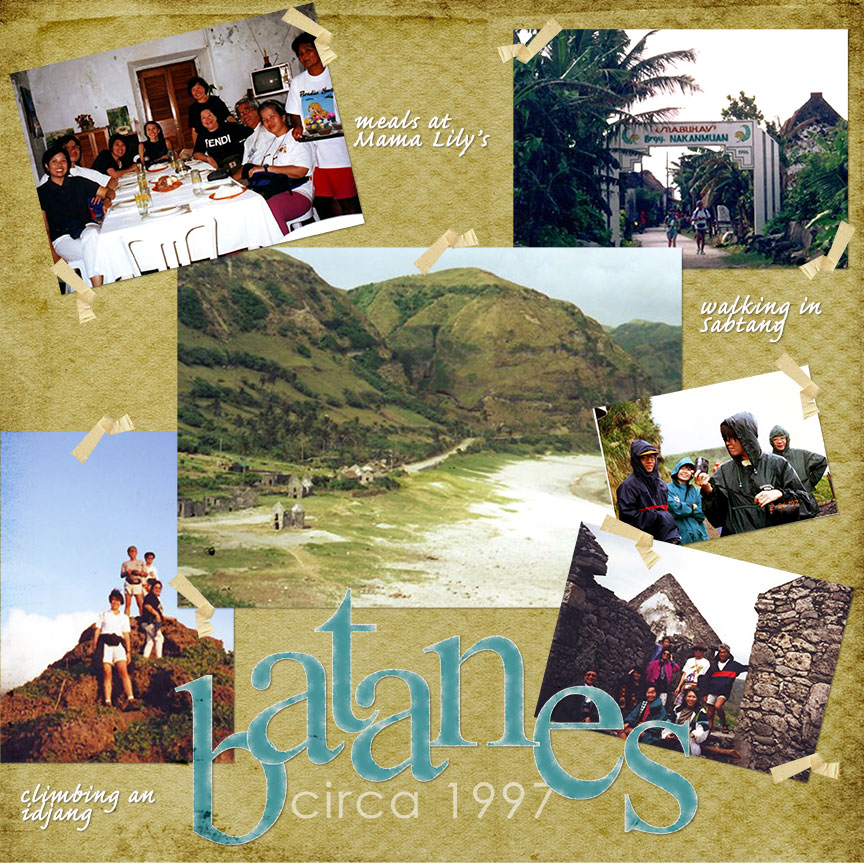 Credit: Paper – Joyful Hear Designs Plain Jane – Olive; Alpha – PDuncan Carnival Alpha; Element – Hoyfyl Heart Designs – Plain Jane Tape
Nine years after my first Batanes encounter, I found myself back in 2006. There were evident changes – vehicles, more than one and more than one kind were now all over the island. There were a lot more lodges and inns, some restaurants, even a pizza place but despite all this, it is still the Batanes I reveled in almost a decade ago. Mama Lily has long migrated to the US and when I passed her house, fond memories (of her food actually) came flashing by.
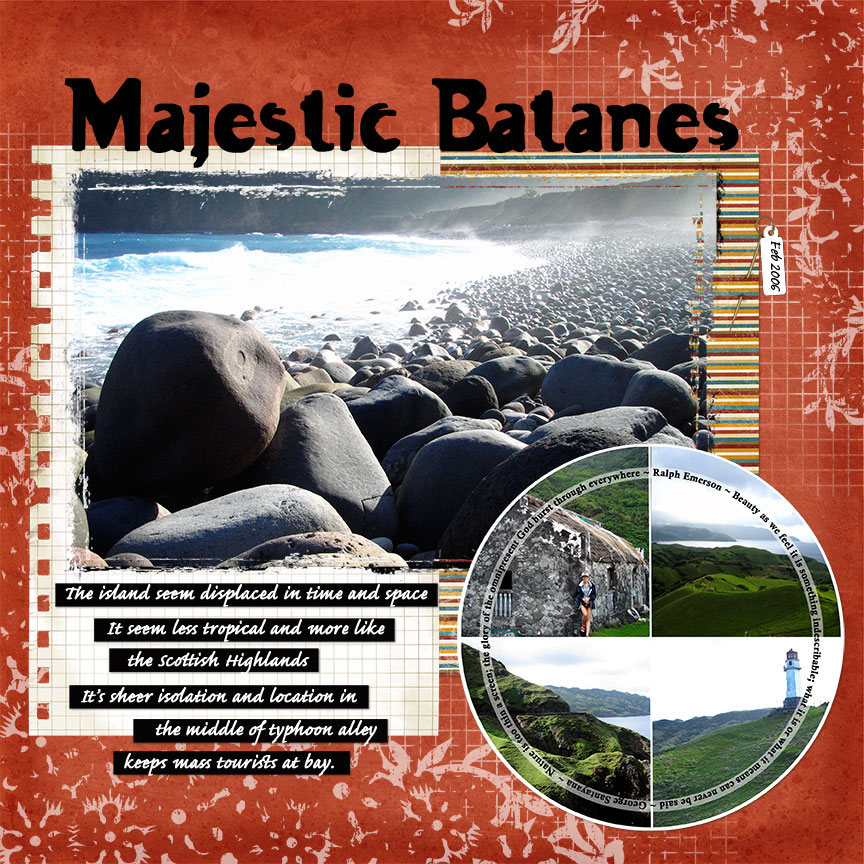 Credits: Alpha – Asman; Papers – KPertiet Cotton Easter – red; KPertiet King Me Paper; KPertiet Graph Note Paper; Overlay – KPertiet Graphic Sun Prints OV; Tag – KPertiet Stick Pon2 Red Tag; Template – JSprage 4 square template; Frame- JSprague Grunge Frame 1
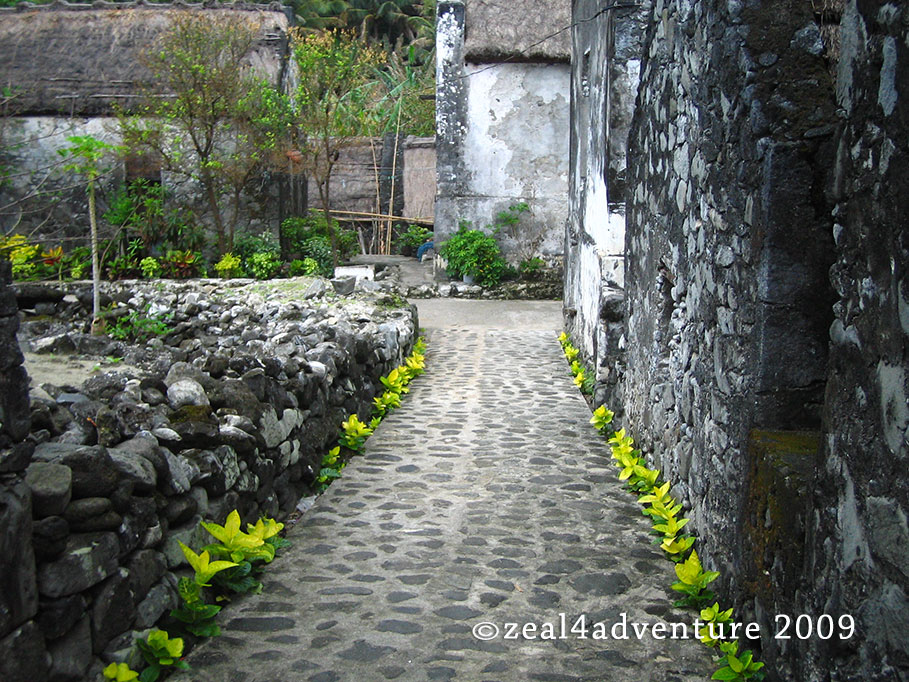
Sabtang, my favorite island of Batanes, has not progressed as much as Basco has. The only way there is still by falowa (and still taking on both humans and animals). Sabtang still leaves me breathless. It makes you feel like you’re in another world. Although you can now arrange for a vehicle to take you around the island, walking is still the main means especially among the locals. Truth to tell, you get see more of the island by foot so if you can, take the vehicle up to a certain point (probably Chavayan) and hike the rest of the island. Still no inns and only a few stores that offer food in the island, our contact in Basco, had someone cook dinner for us. The food was great but we were so stirred by their warm reception. Their pride was so evident as they talk about their island and simple cuisine (which consisted of a lot of root crops, turmeric and seafood, particularly lobster, crabs et al). Camping days are likewise over, the School of fisheries in Centro has dormitory rooms, albeit few and basic, indoors nevertheless. I heard that there now exists a Sabtang Lodge, which I have yet to verify and see for myself.
It is now possible to fly to Itbayat when the only way to get there before was by falowa – four hours of rough sea. Sheer torture, I’m sure. Itbayat, the farthest northern inhabited island, can be considered the Philippine’s last frontier. Its rocky island is a great place for trekking. We barely scratched the surface as we only did an overnight. We visited a cave that led to a rocky hilltop overlooking the sea. It was awesome and quite different from islands of Batan and Sabtang. This needed going back to and we decided that this year would be a good time to go… well we tried.
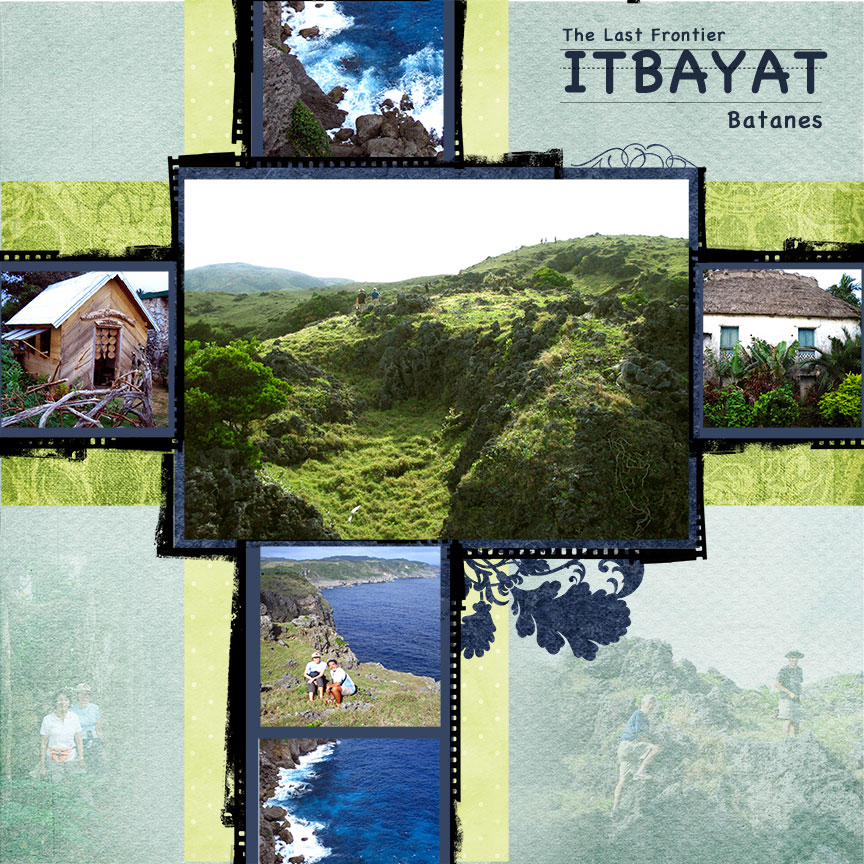 Credits: Paper – DJE PP3, Joyful Heart Designs Plain Jane-Seafoam, Scarlet Heels Media Carnival PP1; Frames – JSprague Flurish Frame, KPertiet Snap Frames; Element – Jack n Me Alpha blank
Needless to say, plans didn’t pull through. Why? You ask. First, we found out that the airport where the planes takes off to Itbayat is currently under construction and there is still no solid plan as to its resumption. And to my dismay, but to my friend, S‘s delight… you see, she had to back out of this trip because of this thing called work. But I digress. So to my dismay, when some (I wasn’t about to cancel) went to cancel their flights with Zest Air (formerly Asian Spirit), they found out that flights in February were still up in the air (no pun intended). They revealed that their entire January flights were canceled due to aircraft shortage. Unbelievable! We didn’t have a sure flight to Batanes after all? And we weren’t informed about it until someone went to cancel? By that time SeaAir (the other Airline that flies to Batanes) was fully booked. Hmmph!! But it’s only February, you may wonder. Well, we could if we really want to push it and go in March or April but I just love it there during the cool, breezy months. It’s really the best time to go. After summer comes typhoon, and you don’t want to be there at that time, believe you me! So perhaps next year and perhaps not with Zest Air. 😉
And that’s “the not so sad” tale of my recent Batanes trip that never was. 😕
This has been my entry to That’s My World Tuesday. Go visit to see more.
 my adventure odyssey