Picnic In the Woods

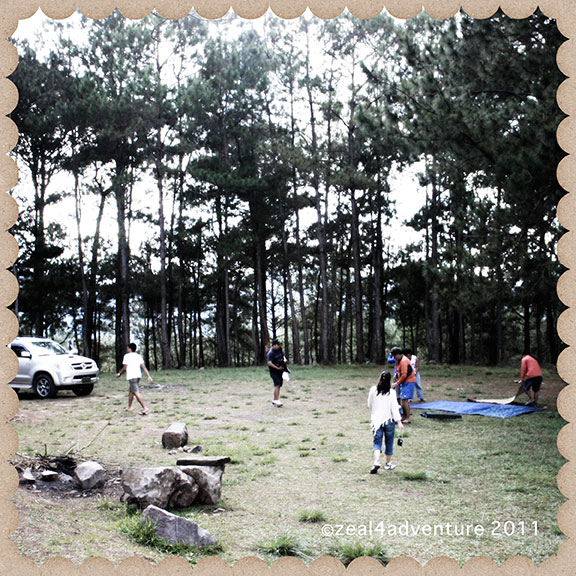
We found our spot, laid out the mats, set up the portable table and chairs,

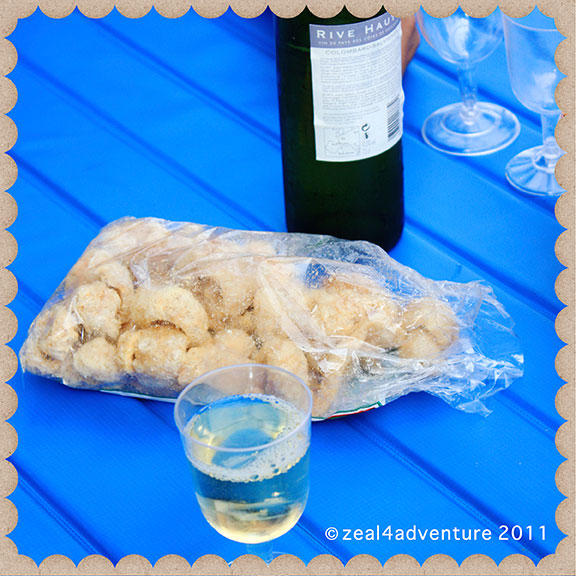
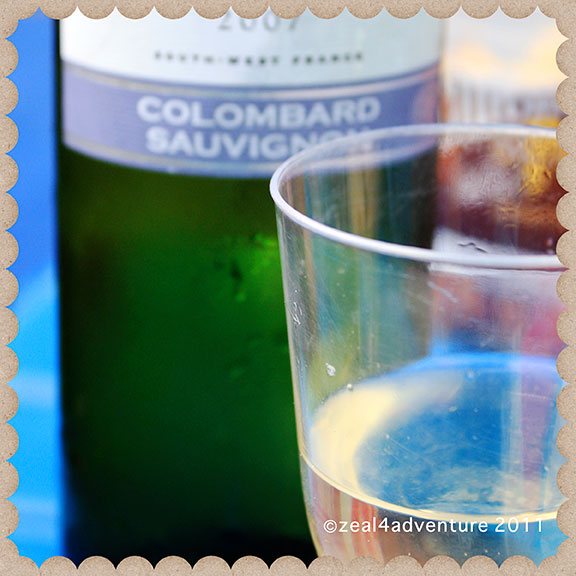
brought out the wine and some snacks, enjoying the open sky, the lovely weather and the great view.

It was a day spent with good friends, can’t ask for a more relaxing time.

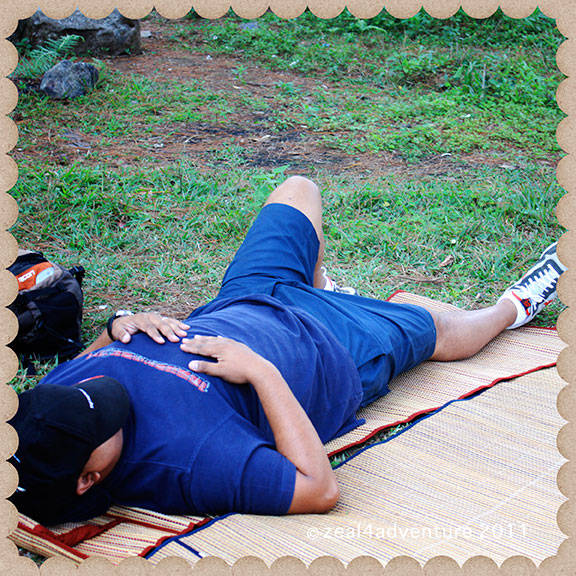
We chatted, we slept, we ate (again), and we drank –

a perfect follow through from that wonderful morning trek.

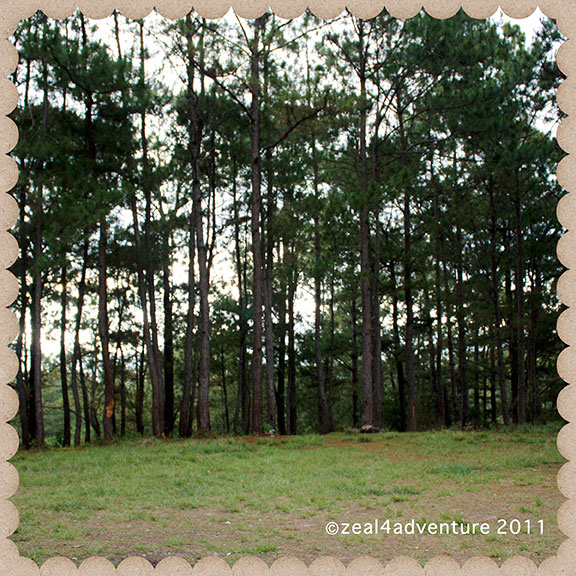
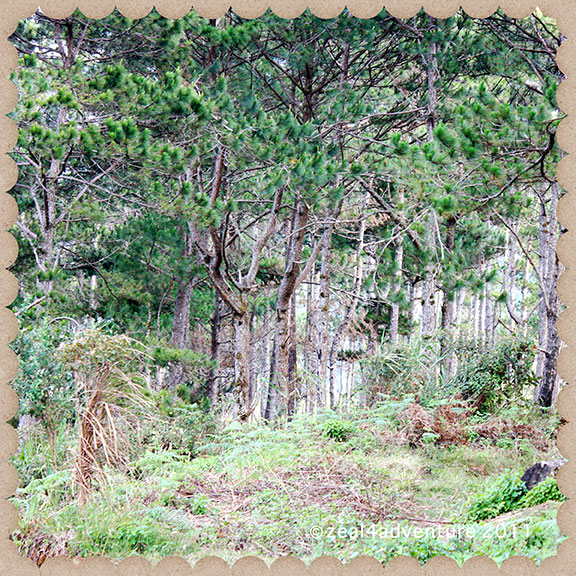
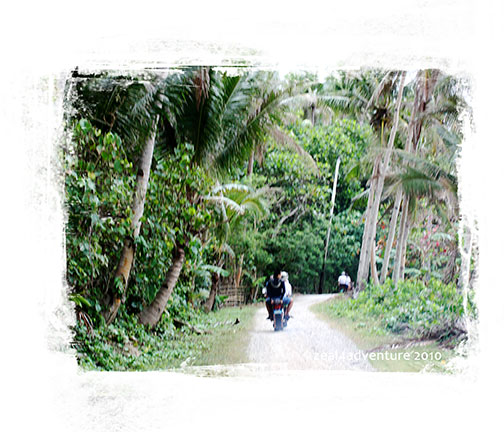
The woods on the way to the grounds.

The Kiltepan viewpoint boasts of great sunrises and most would make their way there before daybreak – a must too, actually.

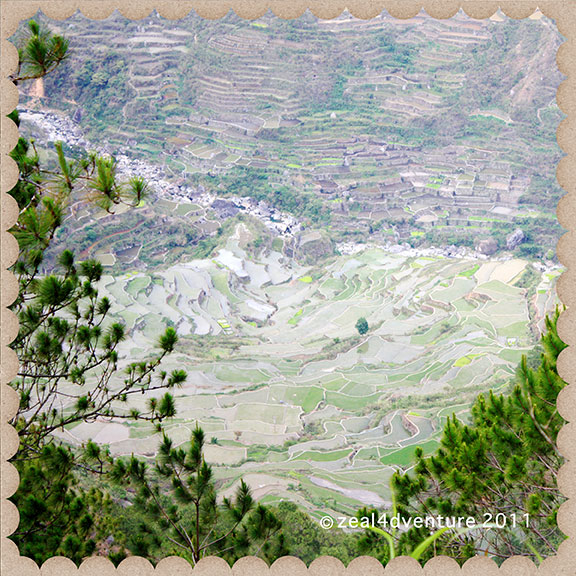
But before sundown, you’ll get a perfect view of the terraces sans the clouds and the place to yourself.  A great picnic ground for those who refuses to be stressed about getting up at 4AM and prefer to unwind before dinner.   🙂

The Way to Bomod-ok

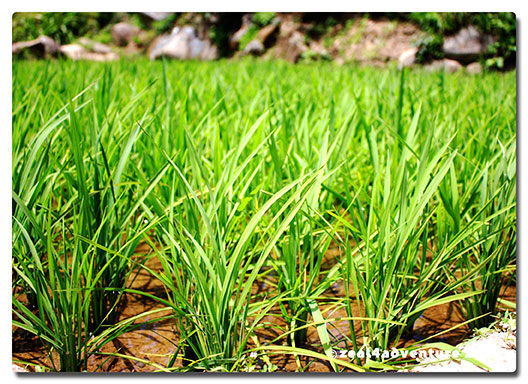
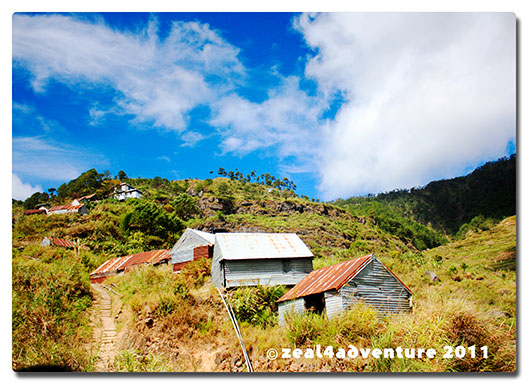
This looks like an ordinary rice plantation, zoom out a bit and it’s no longer so ordinary.
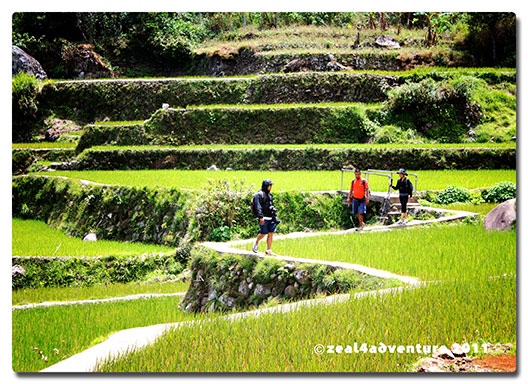
Zoom out further and you will see why I love trekking to Bomod-ok falls, sometimes called the “big falls”.
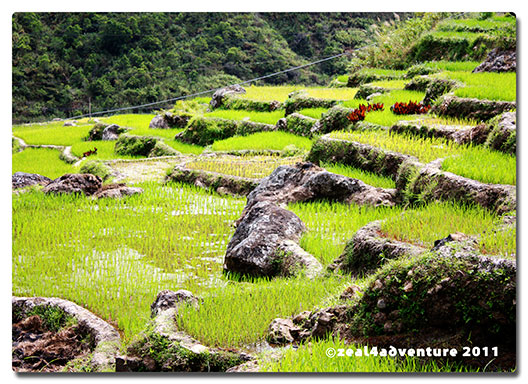
The falls can be blah at times – I say this when it’s the dry season and it does not really live up to its name.  Yet, whatever greets you at the end is beside the point… it’s the journey that I enjoy so much.  It starts at the basketball court of Banga-an village passing through several other villages.

The last village, Fedelisan, is where you will have to register and pay a fee of Php 10 to pave and maintain the trail.
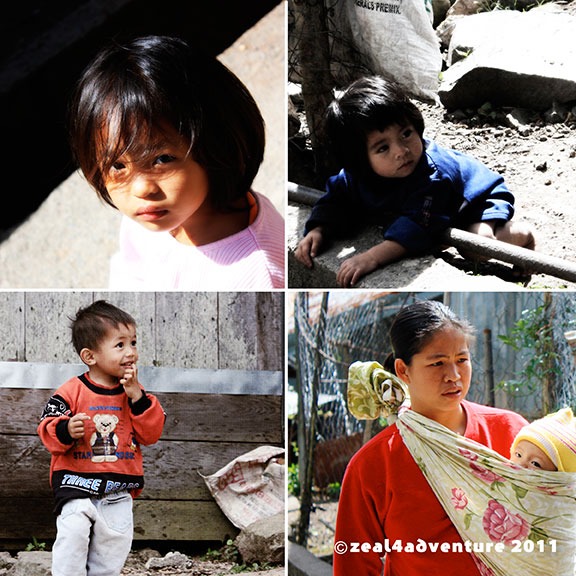
I like hanging out a bit at the village, the people are friendly and the kids adorable.
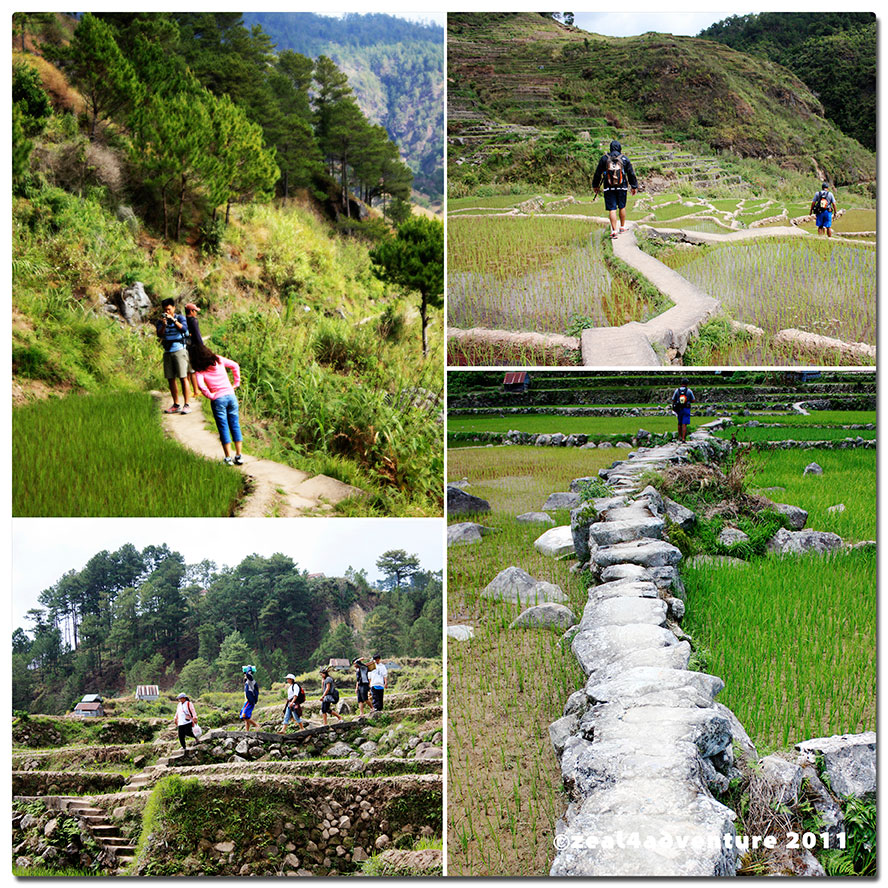
The different trails along the way.

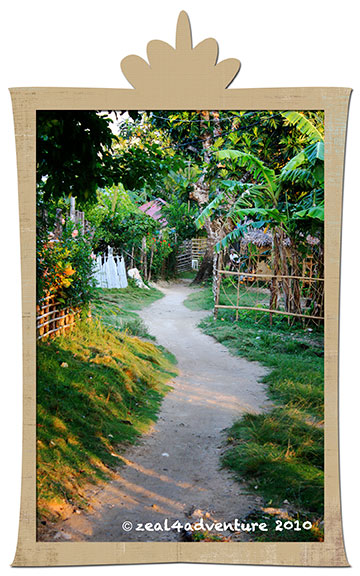
Having walked this trail so many times, I was amazed at how easy it is to navigate through the rice paddies today.

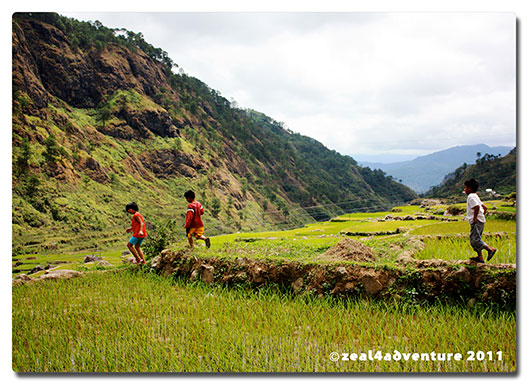
Just another playground for the village kids — running around the “unpaved” path.

I remember having to balance myself as I make my way through the wet rocks that was once the trail.   So methinks Php10 is not asking for a lot with the obvious improvements.  But I digress…
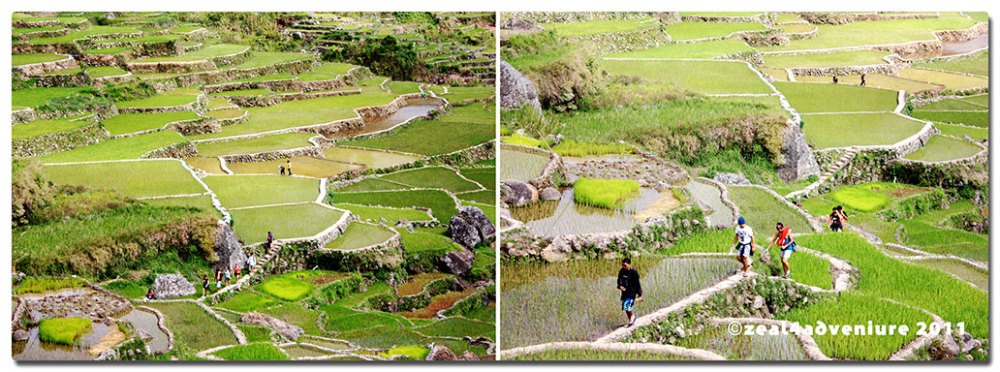
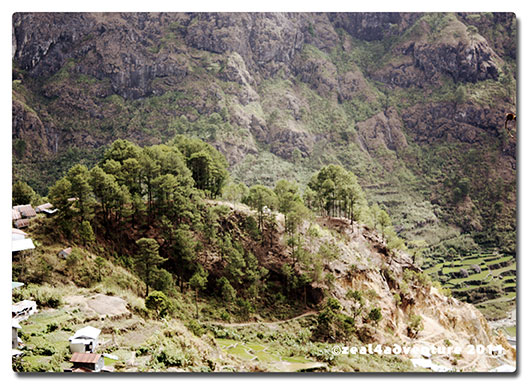
Pass the village is a spectacular view of the Fedelisan terraces – one of my favorite sites, truth to tell.

From here to the falls, you will ooh and aah from the different landscapes along the way except for an eyesore I spotted on this recent trip –

gold mining, I was told.
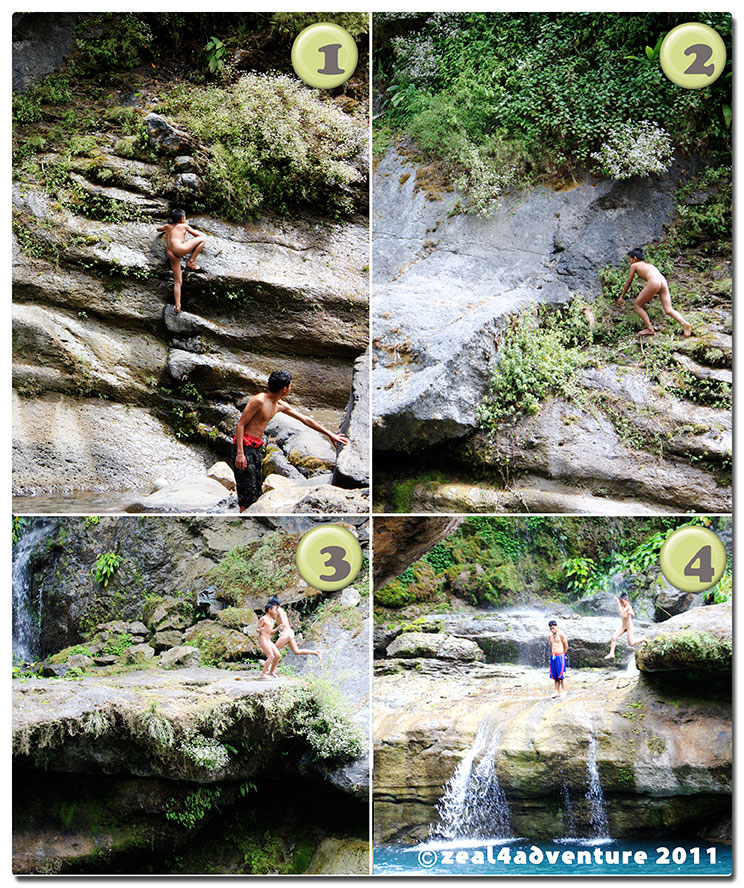
A couple daring kids running around on their birthday suits having loads of fun.

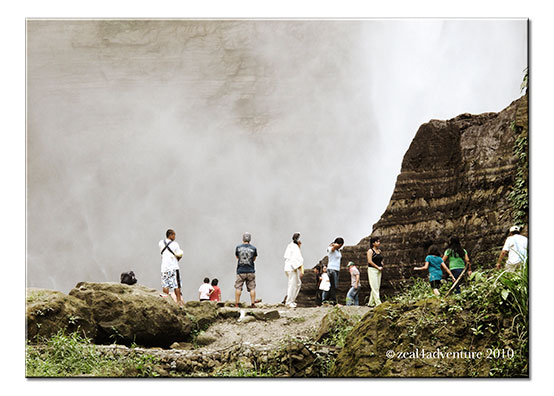
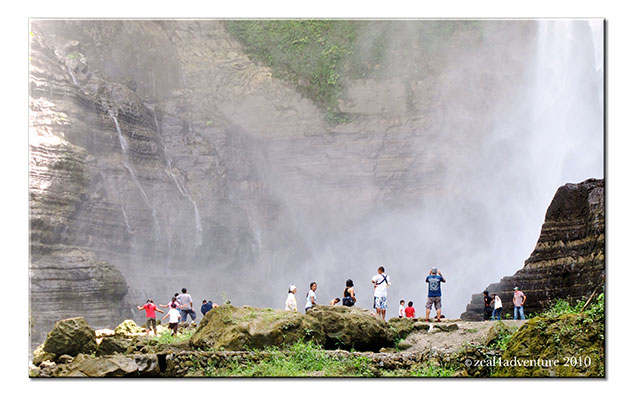
Once you reach the falls, what will greet you will be tons of people and kids who made the falls their playground.
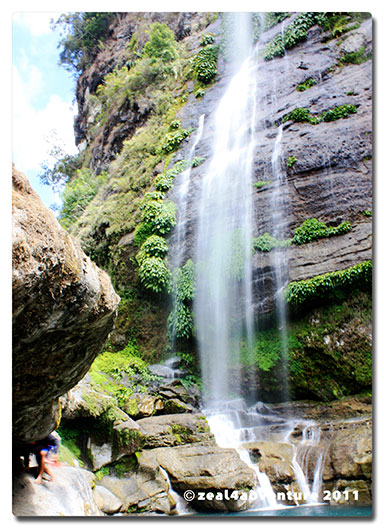
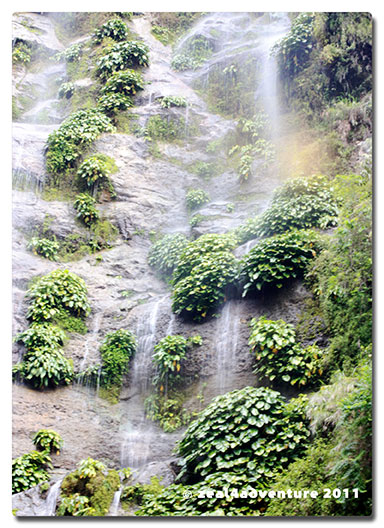
The falls this time, albeit not the strongest I’ve seen, is a pretty sight.
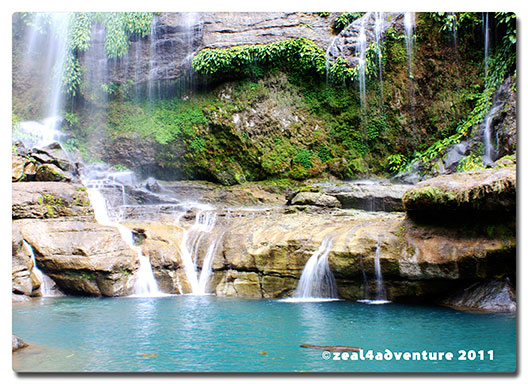
Swimming is allowed if you dare dip into the freezing water.

Walking through the sceneries makes the 3-4 hour trek (depending on your fitness level) a breeze.
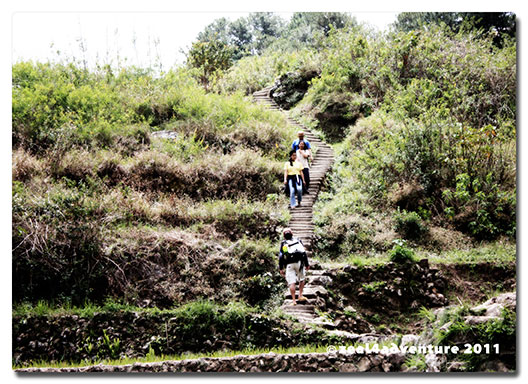
Even this is forgiving once you reach the top.

We always like ending the trek through a village called Aguid because its terraces are just so awesome.  From Fedelisan village, take the right trail to get to Aguid.
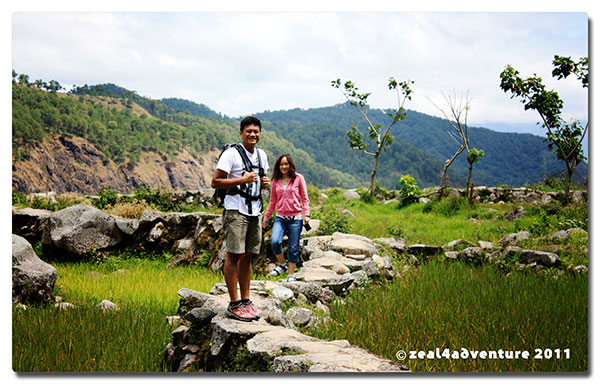
Less of the cemented walkway and more of the dramatic twists and turns of the rice paddies.  Awesome… but I said that already.

This halo-halo is different as it has macaroni in it — interesting just because it isn’t as sweet owing to the tasteless pasta.

At the end of the trail is a halo-halo stand.  Gotta have some of those to complete your whole Bomod-ok experience.
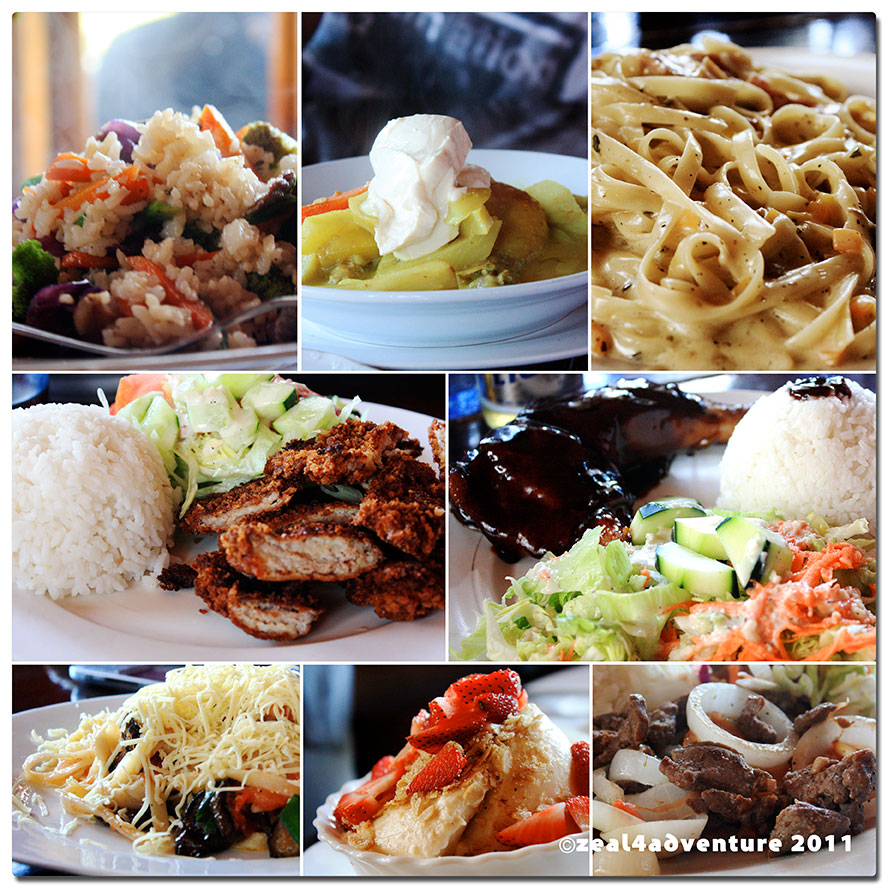
We capped our morning adventure with a delectable lunch at Yoghurt House. 

A cozy café in town that serves more than just superb yoghurt.  See why I love it so much here.

Sagada: Echo Valley, Hanging Coffins et al

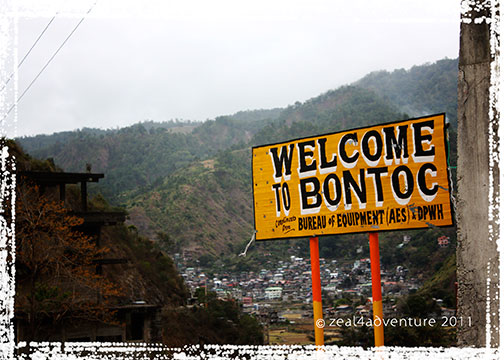
When we passed this sign, my heart skipped a beat because in just another hour or so, I will be re-acquainted with my favorite town.  The town I want to retire in, I always say.

When I need to de-stress, Sagada comes to mind.  Or when I find myself without a place to go on a long weekend, Sagada comes to the rescue.  But truth be told, I don’t really need a reason to go to Sagada… for more than a decade now, I find myself there just because I miss the smell of pine, the food or the bucolic serenity (as shown here, here and here).

I lost my heart to Sagada some 17 years ago.  Although less rustic than it was then while more and more tourists are seen each year, Sagada remains to be a top choice and a go-to to recharge.

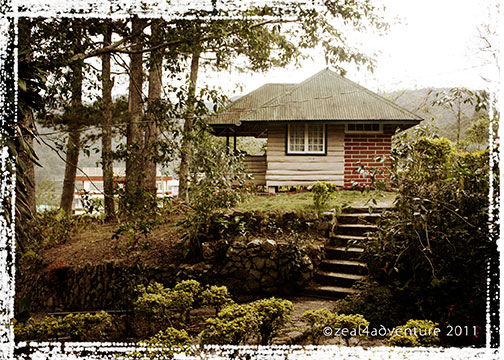
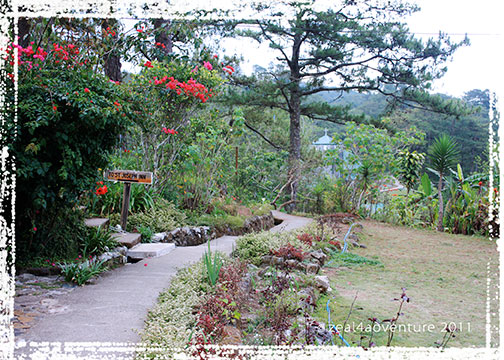
And St. Joseph Inn still is a favorite lodging place. We like the cabins but the rooms are perfectly fine too.

It has become some sort of tradition, if I may call it that, to hangout – finishing a few bottles of wine or beer at the comfort of our cabin.

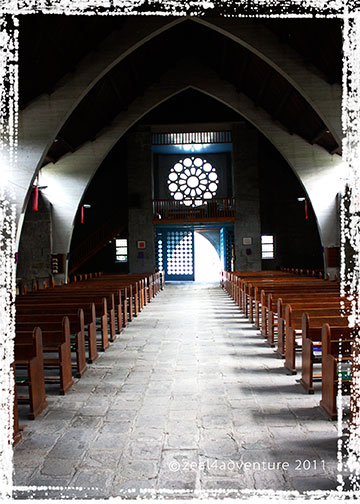
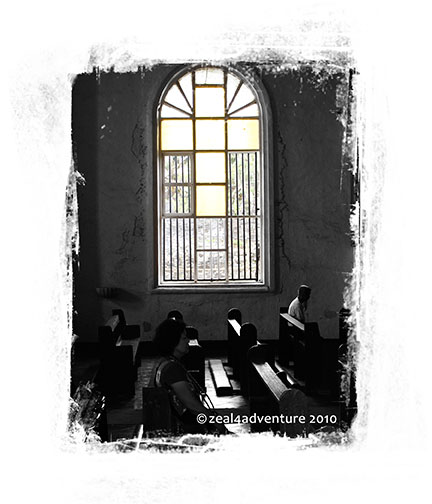
St. Jo is at the center of town and just a stone’s away from St. Mary’s Episcopal Church,

a charming little church with beautiful stained glass windows built by the Anglicans.

On certain times of the day, the light coming in from these windows makes for a dramatic interior.

Because it takes only a short walk to Echo Valley from St. Jo, we like visiting it as soon as we arrive.

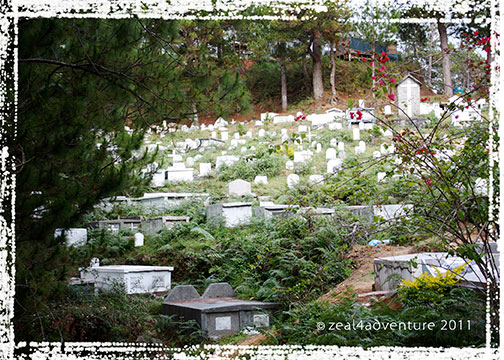
Passed the church is a path that leads to the cemetery

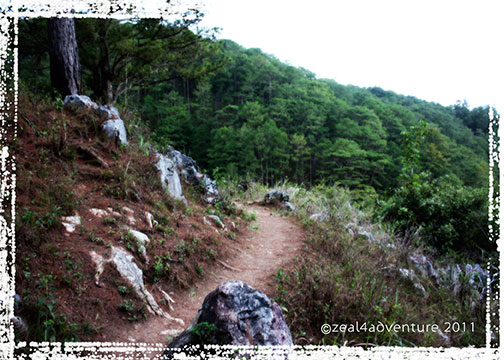
and further along is a dramatic hillside trail to Echo Valley –

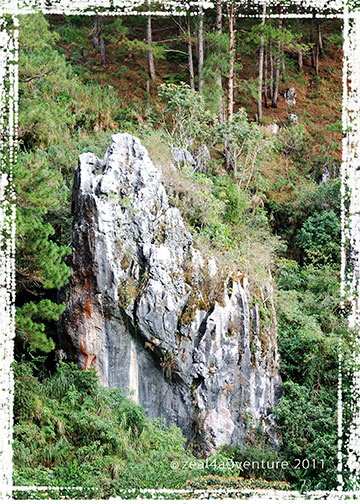
attributable to the weather-beaten limestone formations scattered around the forest.

One can hear a very distinct echo at a certain point on the hill hence the name.

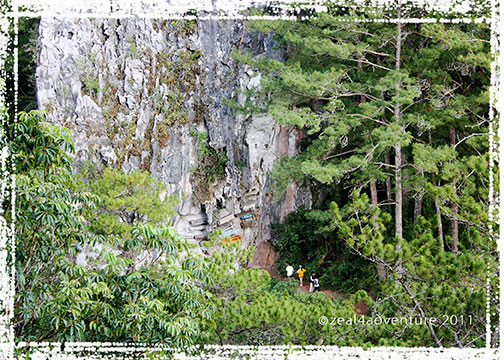
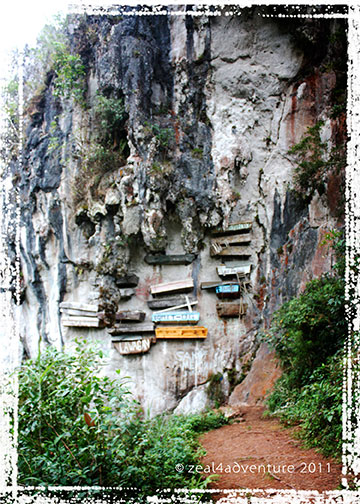
At one point, one can see from a distance, coffins hanging from the limestone walls.

A trail will lead to it up close. It is a good warm-up hike to prepare for a longer and more scenic one the next day.

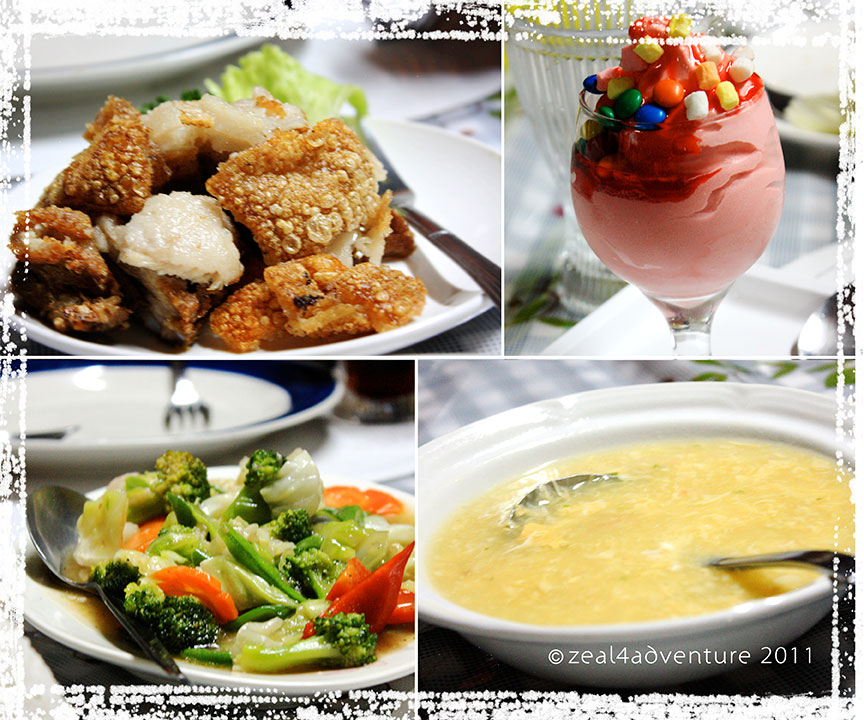
A comforting dinner at Masferré Inn and Restaurant is always a fitting cap to a full day. Named after the owner Monette’s father-in-law, the late Eduardo Masferré – widely regarded as the Philippines’ father of photography.  Half Spanish, half Kankanay, he spent much of his life toiling the farm and photographing the Cordilleras, documenting the now vanishing culture of the ethnic groups of the Ifugao region.

Some of his works are displayed in the dining area.  The Masferré Gallery down the road from St. Theodore’s houses more of his works.

“The description is not the described; I can describe the mountain, but the description is not the mountain, and if you are caught up in the description, as most people are, then you will never see the mountain.”

Jiddu Krishnamurti

Useful Info:

St. Joseph Inn
Contact: Julia Abad
Mobile:  (63) 928-951-7156

A Lazy Afternoon in Biri

Climbing, wading and swimming under the scorching heat can be tiring.  I felt like a nap, which was what I did as soon as we arrived at our resort.

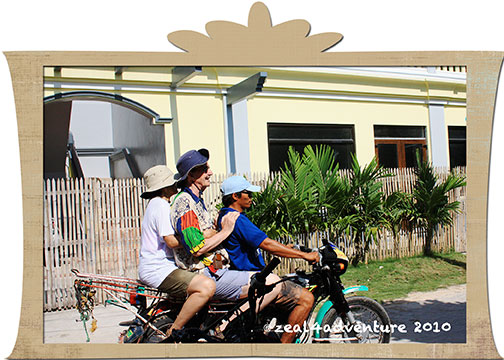
I was practically falling asleep on the habal-habal.   🙂

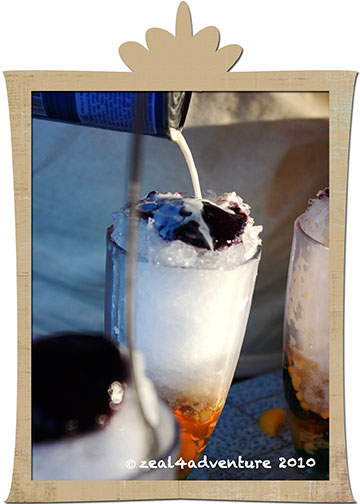
Not even the halo-halo stand attracted me to stop.  All I could think of is that bed and our air-conditioned room.  But as soon as I woke up, there was nothing I want more than to devour on my all-time heat-quencher fave

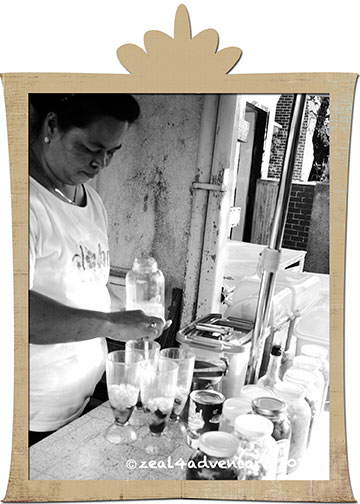
– nothing like a delightful treat of homemade preserves topped with smoothly crushed ice and some milk to wake me up.  Bliss.

Halo-halo, the country’s most popular summer refreshment, has a different version in each municipality, each claiming to be the best.  So I find enjoyment in trying the different halo-halo around the country.  And the best ones are always those sold on the streets.

After that wonderful treat, I was ready to get to know the town.  A relatively clean town, I noticed.

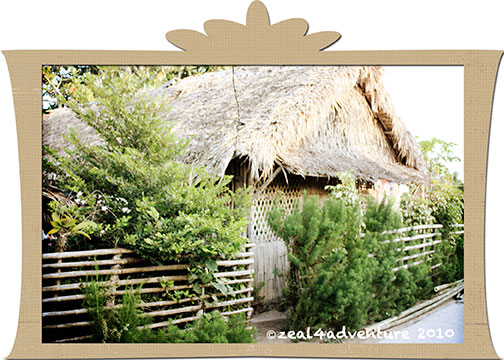
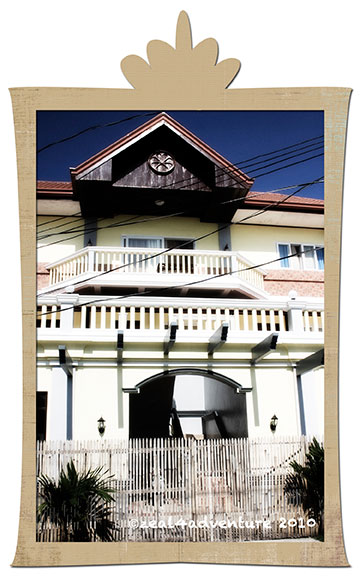
The houses are a combination of the traditional nipa huts and concrete 2-storey structures such as that of our resort.

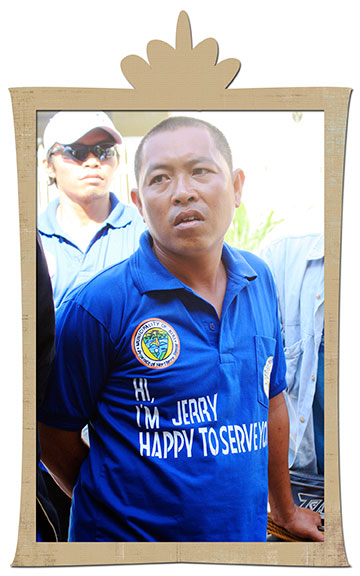
They were a friendly bunch of people; even the kids are not shy at all.

But he does not seem very happy, does he?  (heehee!)

While walking around town, I befriended a girl with the same name as mine, perhaps around 12 years old.  She walked beside me and we started conversing, she told me stories of each “big” house we passed.  Some were owned by balibayans but mostly by foreigners who have married a local.  Jennifer confessed that she wanted to practice her English because she hopes to marry a foreigner someday so she can live in a “big” house as well.  I tried to impress on her the value of education and once she has that, she will not need a “foreigner” in shining armor to sweep her off her feet.   😉

The rest of the afternoon was spent on the terrace of Biri Resort, sipping ice-cold beer and watching the sunset.  Uh-huh… simple pleasures at its finest.

An old fortress church

Still on our island-hopping day, our next stop was Capul.  It’s an island that sits in the middle of the San Bernardino Straits, originally named Abak from a chieftain that migrated from the South.  These migrants brought with them one of the rare dialects in the country – they’re the only ones that speaks “Abaknon”.  Abak was changed to Capul (short for Acapulco) in the late 16th century because galleons from Acapulco, Mexico frequently stopover the San Bernardino Straits to barter.

The island is known for its lighthouse and old fortress church and from the port where our boat docked, the old reliable habal-habals (motorbikes) took us to both sites.

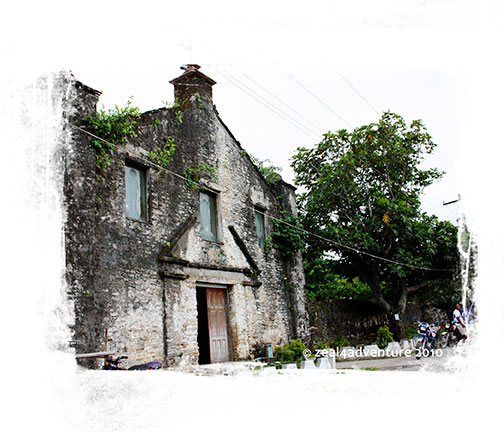
The fortress was first.  On a side street with a basketball court in front lays a 16th century church, 85% of its original form still preserved, its surrounding walls still intact.

It is one of the oldest Catholic Church that withstood pirate attacks and natural disasters and calamities and until the coming of the Americans, the church and a watchtower constructed on top of a large rock overlooking the town harbor, served as a warning system and as a refuge for the people of the island during the Moro raids.

At the time of our visit, we heard that a foreigner was rescued from their waters the night before – a miracle he survived the harsh waters drifting all the way from Biri losing his fins and mask along the way.  Glad he’s ok.

Pink Sand and a Charming Village

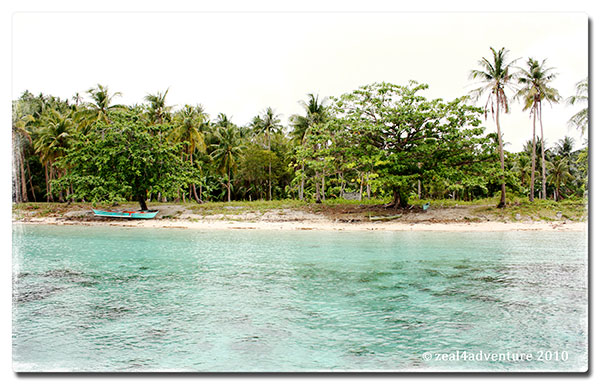
Brgy. Sila, we were told, boasts of a nice pink sand beach.  Pink.  Yes pink.

And there we proceeded to have lunch and do some snorkeling.  I, on the other hand, had enough of underwater events the past few months, had opted to explore the other side of the island.

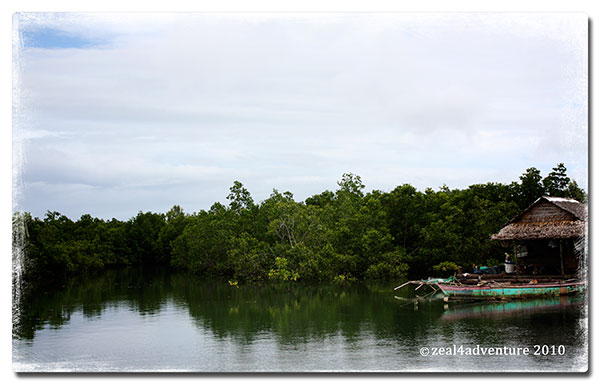
There I discovered a beautiful fishing village with a rich mangrove.

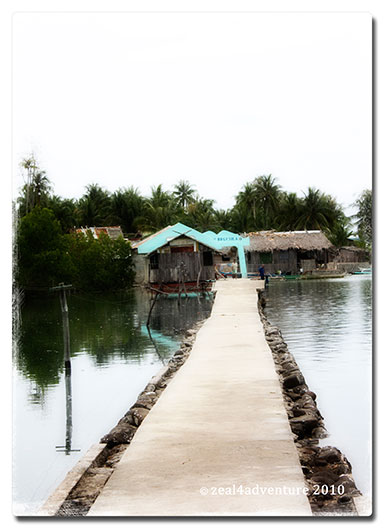
The village is 2 islands connected by walkways.  Charming.

Trust me, the photos can’t capture it but the beach is indeed pink.  It could be from crushed red corals perhaps?  Anyway, here are some captures of this little charming village.

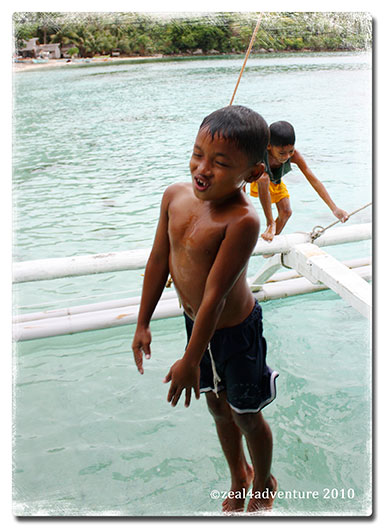
Children horsing around our “banca”

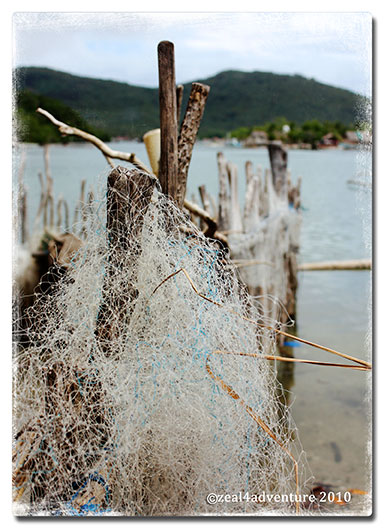
Entangled.

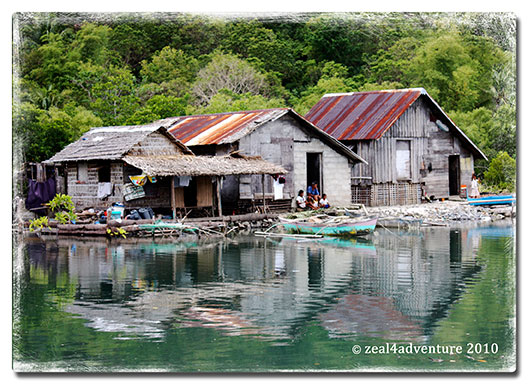
Shanties along the shore.

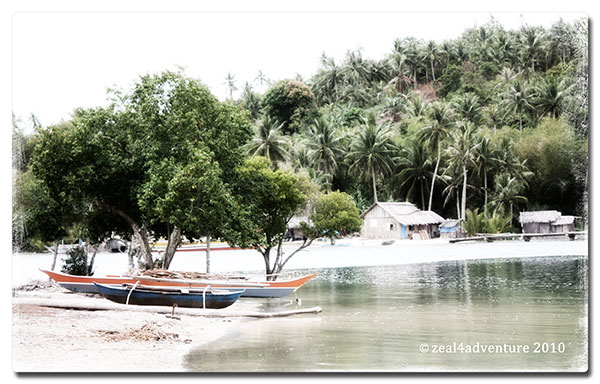
The village inside.

A nice shady place.

Barangay Sila is one of the 7 islets that makes up the Naranjo group of islands.  It is situated west of mainland Northern Samar.  These islands face each other almost in a circle, which aside from Sila are, Tarnate, Sanguputan, Panganoron, Maragat and Mahaba. Considered the game fishermen’s paradise, bountiful supplies of swordfish and marlins are to be found.  It is likewise said to be an ideal scuba diving spot with beautiful corals.  There are however currently very limited facilities for scuba diving.

A Simple Life

Credits:  Daniella Austen’s Fancy Quickpage 3.

The largest island, Dalipuri is the only one with resorts established among a cluster of islands known as the Balicuatro Islands.  The rest of the islands are mostly home to farmers and fishermen.  San Vicente has 7 islets called the Naranjo group.  On our way there, someone in our motley group decided that we wanted to explore the town of San Vicente and we spontaneously found ourselves in this island town that lies isolated from the other 6 Naranjo Islands.  The kind of exploring that I like.

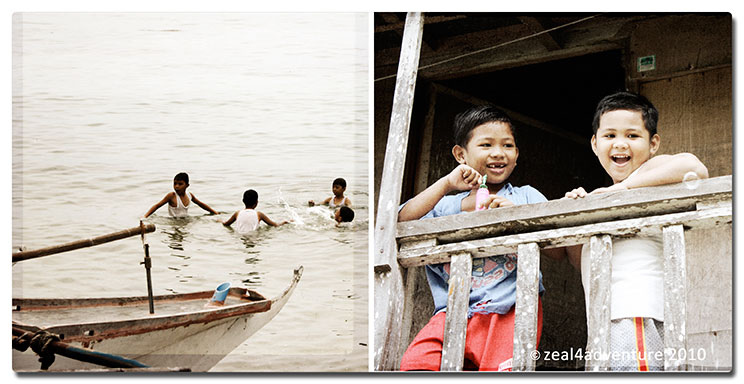
Not used to having visitors, the townsfolk started gathering around us as if we were famous people.  Really, we felt like superstars.   😛  Curious, they started following us everywhere until one lady – a teacher – decided to proudly walk us around her town.

A small fishing town, they sell a lot of dried dilis (anchovies) to the entire province of Samar and probably to other areas in the Visayas Region.

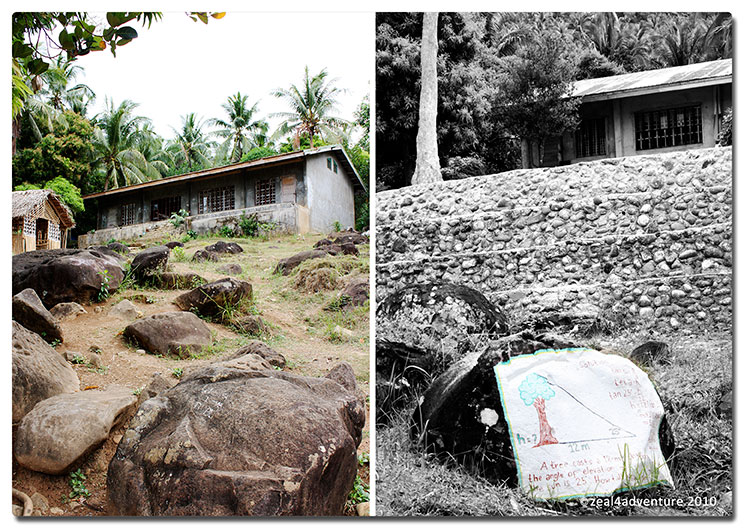
School on top of the hill and equations painted on boulders.

There was a grade school and a high school.  The former quite interesting, albeit dilapidated.  Interesting because it sits on top of a hill

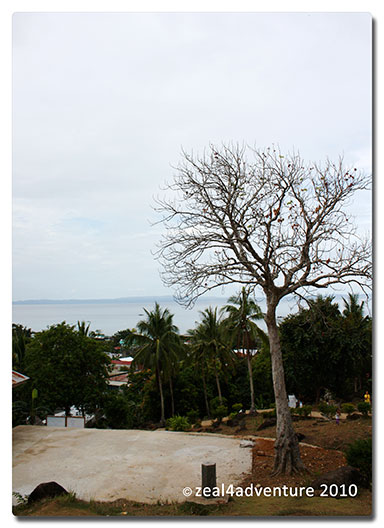
with a view so breathtaking – what a treat to be in school – I wish I had just a little of that view when I was in school.  On my way to the top, I noticed mathematical equations painted on large rocks beside the steps.  Makes me wonder what stimulates this kind of creativity.  Simple and practical, yet artistic and tasteful.  I think it’s the view!   😀

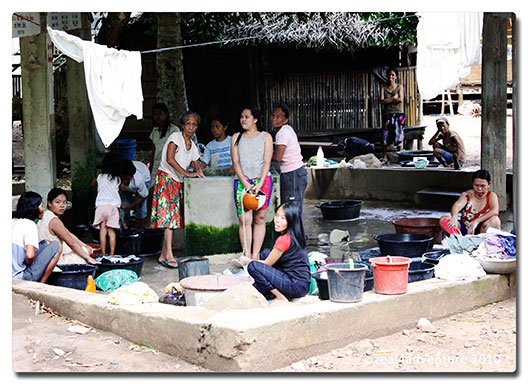
Excited and thankful (they seem) that soon, running water will come to every household.  I’m not kidding!

Meanwhile, they are happy with the posos (dug out wells) strategically located around town,

even if they have to wash their cloths in areas such as the above and carry water to their homes.  I cannot imagine how much worse their situation was before.

And yet, they seemed happy.

As Henry Ward Beecher says, “The art of being happy lies in the power of extracting happiness from common things”.

Live simply.  But not without a sabongan (arena for cockfighting), simple as this town may be.  Gambling, as it turns out, is their past time.

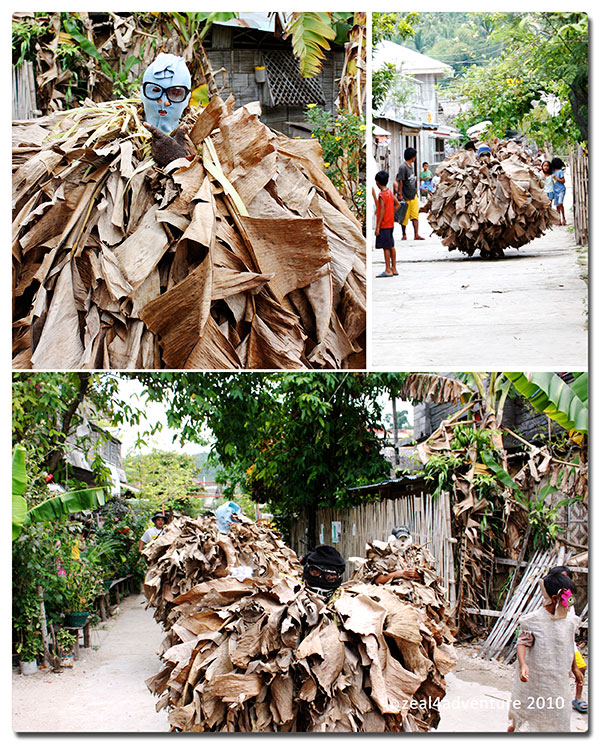
Every year on Maundy Thursday, boys (in their teens) parade around town donned in masks (similar to a ski mask) and dressed in dried banana leaves, supposedly to scare the evils away.  Each of them dressed differently.  Such serendipity that we were witness to a traditional ritual they call Judeo or Hudyo that only occurs one day a year.

Thanks E for your suggested detour.  It was the highlight of our visit as we were perhaps the highlight of their day.

Scenic Sunday

A Heritage of Music, Dance and Storytelling

This is my last post on the T’bolis and it’s beautiful land, Lake Sebu and what better way to honor its people and its land than to celebrate its cultural heritage through vivacious singing and dancing.  No, we didn’t dance nor sang BUT…

On our last night in Lake Sebu, our host prepared a simple musical production in honor of their heritage.  The T’bolis are masters at music, dance and storytelling.

After dinner, young T’boli women, men and children garbed in their traditional and colorful costumes gathered on one side of the longhouse getting ready to perform while eight friends in shorts and t-shirts looking forward to the show.  It started with our host introducing their culture, particularly their type of dance and music.  Inspired by nature, they imitate in their music the sounds of birds chirping, water flowing and the blowing of the wind.

These indigenous people have a rich musical heritage and a wide array of musical instruments.

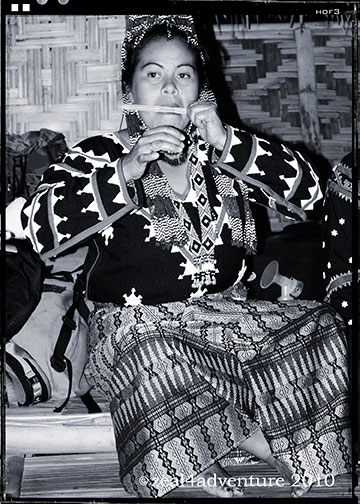
This is a Hegulong (t’boli guitar) that was played by the bead maker we saw earlier that day.  It is said that a hegulong can only be made from a specific tree and a densu (ritual) of offering something to Tulus funen (a spirit who dwells among trees) must be accomplished before the instrument can be blessed with good tunes.

These performances are not for entertainment but it is more of their way of seeking wisdom from their ancestors.

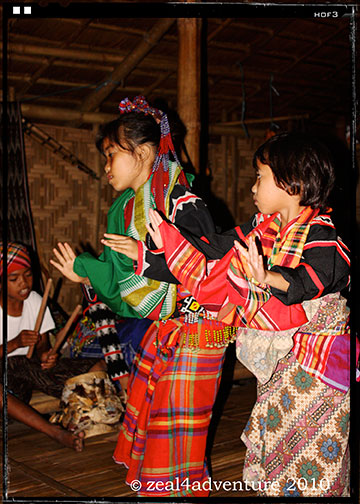
Their dances likewise are mimics from the actions of animals, such as monkeys and birds.

This boy was the star of the night.  He twirled, tumbled, scratched and did all things a normal monkey does.

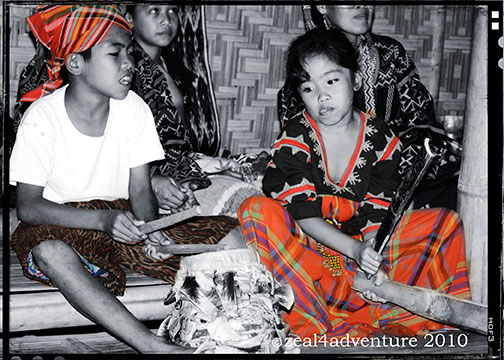
It was cute and hilarious.  The T’boli children—whenever they gather – tap anything in sight in rhythmic beats.

Something perhaps like what these kids were doing.

But as in many cultural heritages, the T’boli’s are threatened.  The community owned School of Indigenous Knowledge and Training (SIKAT) was set up to address their vanishing culture.

SIKAT is a school that revitalizes cultures and traditions in their indigenous education program, which includes traditional music and dances.  It is their aim to encourage students to learn in their own language and to value their heritage.

Getting There:

General Santos City is the gateway to Lake Sebu.  From the bus terminal take a bus to Koronadal (often referred to as Marbel, its old name) and get off at the Koronadal bus station. Tell the conductor to drop you off there.  The trip is about 45 minutes.  From Koronadal, take the Yellow Bus to the town of Surralah (about 38 minutes).  From Surralah, take a jeep to Lake Sebu (about 43 minutes).

On the other hand, one can also arrange for pick-up, depending on the resort you stay at.

On Market Day

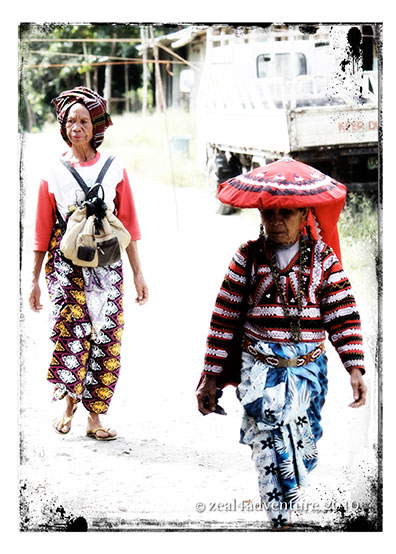
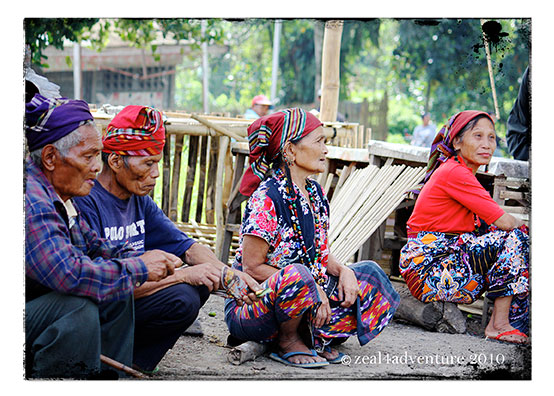
Saturday is market day for the T’bolis and a smattering of them still turn up in a semblance of a traditional ensemble.  Take out these lingering few; market day in Lake Sebu was quite a let down.  Without them, the market looked like an ordinary tiangge (bazaar) with merchandise perhaps coming from Manila or even China.  Despite this however, it was still an enjoyable endeavor, especially for me.

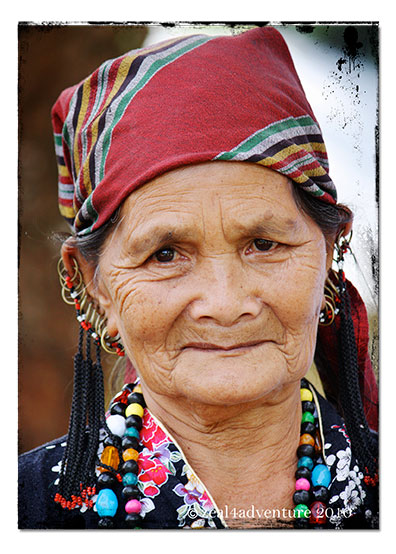
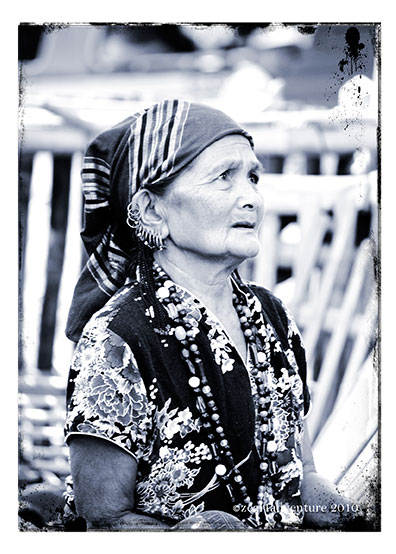
How likely is it that among the population of more than 95,000 Tbolis, I find (and more amazingly – I remembered) the same one a decade later?

Perhaps it was her earrings or a combination of the earrings and her striking beauty that rendered a high recall.

One of the indigenous peoples of Southern Mindanao, the T’bolis primarily live in the South Cotobato province of Mindanao (the southernmost part of the Philippines).

As with many indigenous groups, many have adapted the migrant’s way of life owing to the many settlers hailing mostly from Iloilo (a province in the Western Visayas region, still south of the Philippines).

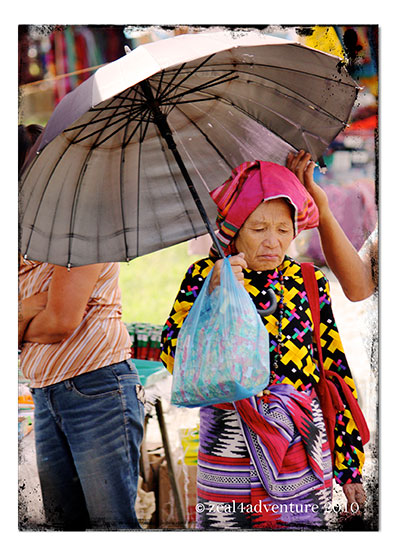
The colorful traditional outfits (I think) are mostly worn these days on special occasions and on market day.

Some snaps taken that morning.

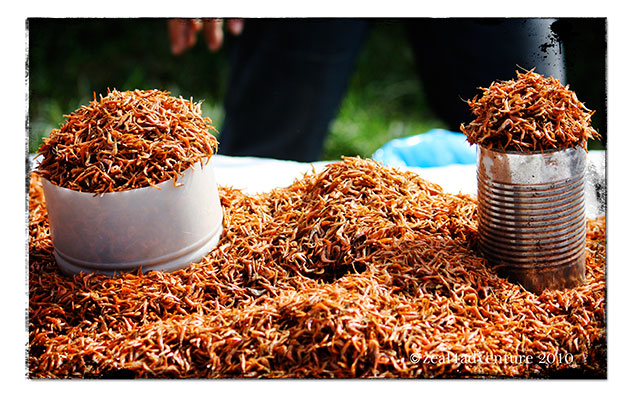
Dried baby shrimps or what we call hebi (great for flavoring)

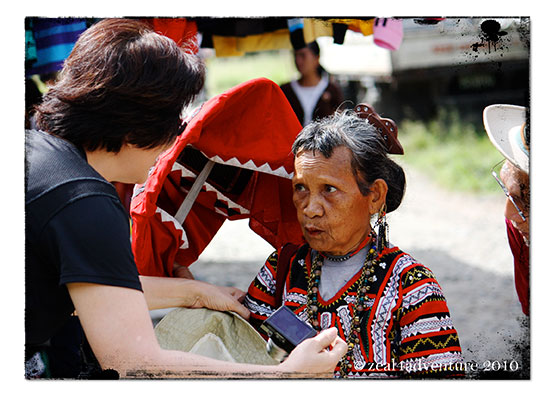
The T’bolis are famous for their intricate beadworks and brass ornaments

Negotiating for a picture with her

I just totally adore her!

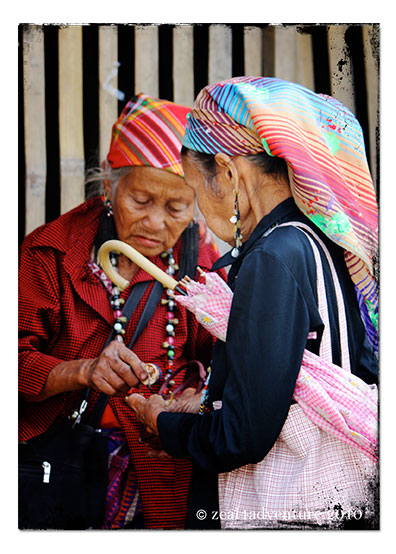
T’bolis today — with an umbrella, a plastic bag of goodies and the red handbag!   😀


Forceful Cascades of Lake Sebu

Hikong Bente (Falls #2)

Two of the seven waterfalls were the most accessible while the others have yet to have access trails.  Developed a few years ago through the funding of the local government with help from New Zealand, Hikong Alu (falls #1) and Hikong Bente (falls #2) today only requires about 30 minutes of walk – although I do not remember it to be a strenuous hike 10 years ago.  Often dubbed as the “Summer Capital” of Southern Philippines, the development of the seven waterfalls is part of a bigger plan to capitalize on the tourism potentials of Lake Sebu and to turn it into a major destination in Central Mindanao – not exactly the most popular in terms of tourism due to the poor press releases of its neighboring provinces and the mere fact that it is in Mindanao scares off a lot of tourists, foreign and locals alike.  So the efforts of the local government to focus on its beauty are commendable.

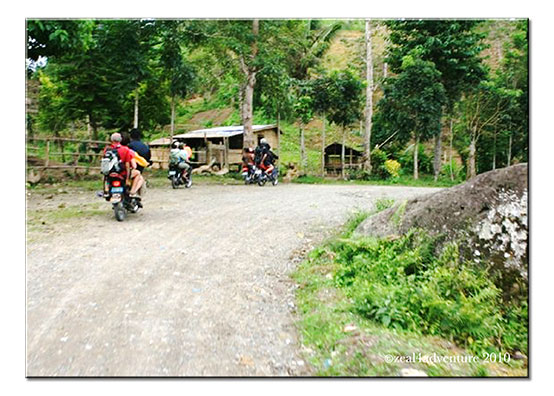
Two passengers and a driver in one motorcycle   😯

The only means of public transport around Lake Sebu is through motorcycles or what they call habal-habals.   From our longhouse, it took us 15 minutes perhaps to arrive at what looked like an entrance to a park.  P20 was all that’s needed to enter.  The focus of the development was mainly on road development and the establishments of resort facilities.  Save for the inner roads, it was a pretty smooth haba-habal ride along the main highway.

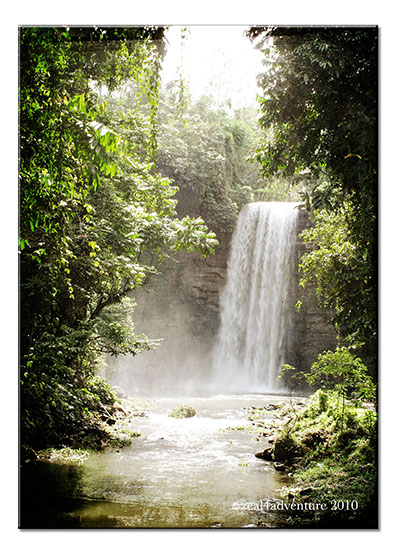
A short walk from the entrance is Hikong Alu, the first falls cascading down the jagged landscape of the lush forest of Lake Sebu.

A trail on the right leads to a natural pool where one can enjoy the beauty up close.

There are two options to get to the 2nd falls, Hikong Bente.  One can choose to zip down through a recently developed zipline.  The queue was long so we chose to walk.  The walk through the verdant forest is made easy with the stoned steps established.

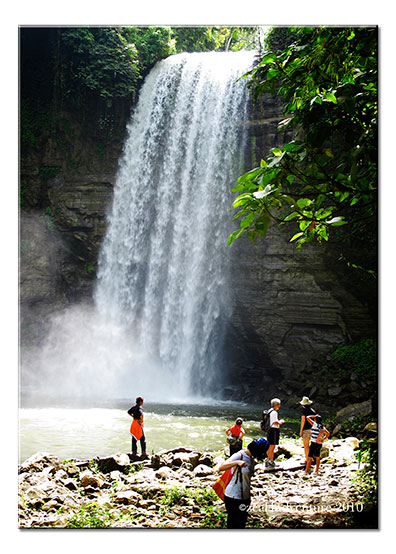
What greeted us was a grander falls with powerful cascading water that leaves a misty atmosphere.   Apparently the largest of the seven.

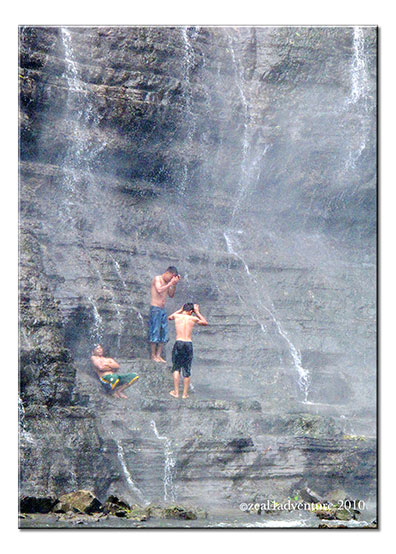
The ragged rock wall etched through the years

by the constant mist from the falls

has become favorite playgrounds.
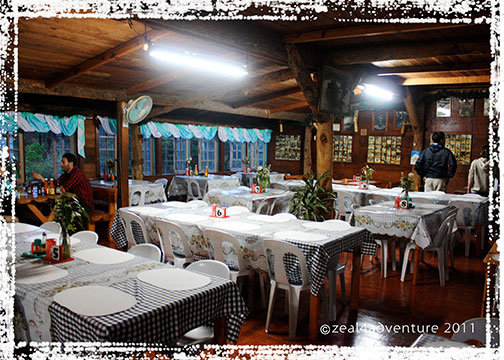
One could either swim or do as I did – simply admire the beauty that surrounds.
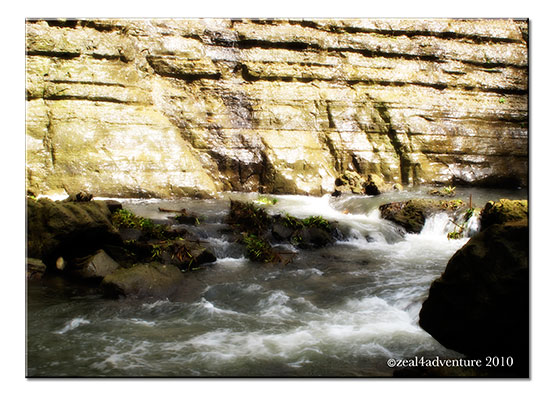
Stream as seen from the entrance

Nature tops the list of potent tranquilizers and stress reducers.  The mere sound of moving water has been shown to lower blood pressure.
~Patch Adams

Scenic Sunday