Hip Old Town Dali

From Yuanyang, we went back to Kunming so we can take the overnight train to Dali.  We traveled northwest to Dali on a soft sleeper train that left around midnight.
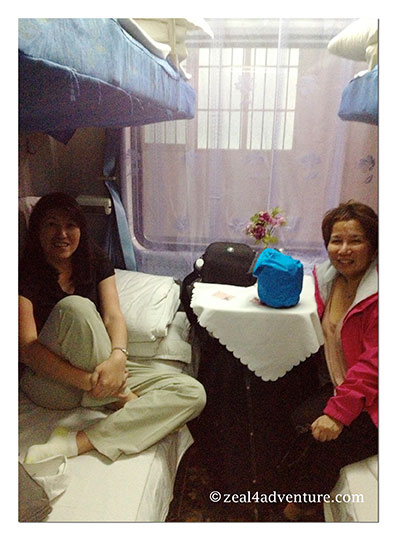
sleeper

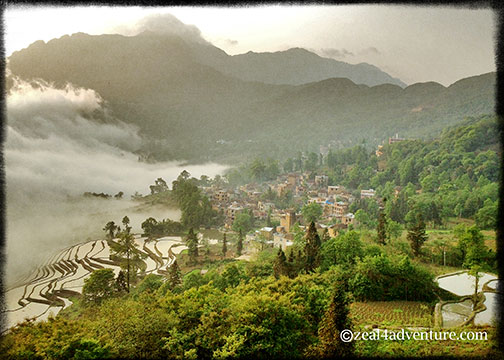
It was still dark when we were picked up at the Dali train station in Xiaguan, the new city.  Driving to the old town, we watched the city wake up. Our guesthouse is across the highway from the West gate of Old Town Dali (also called Dali Gucheng).
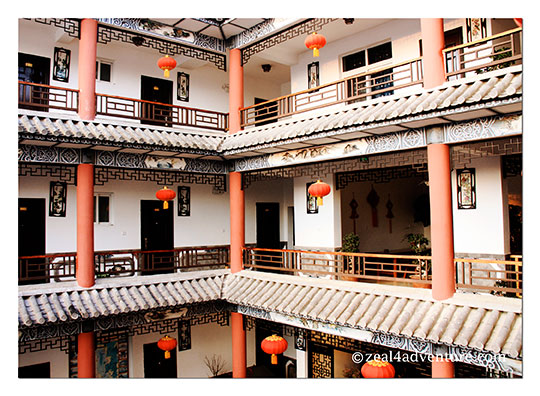
dali-mountain-delights

Even before owner/manager Ling could check us in, the sleepy caretaker warmly showed us our rooms and started to prepare breakfast. Beautiful people, which include Ling’s darling puppy she named after her lovely town, Dali.
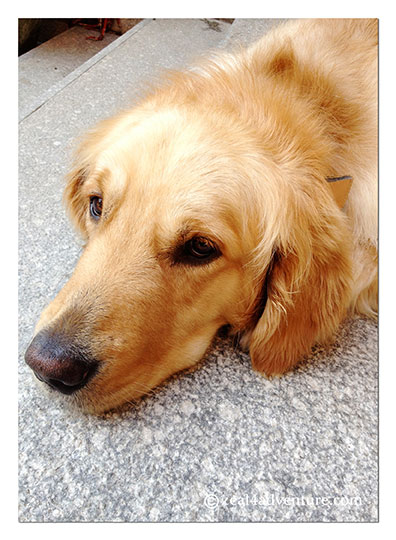
dali

Lovely because it sits in the shadows of the beautiful Cangshan mountain range.
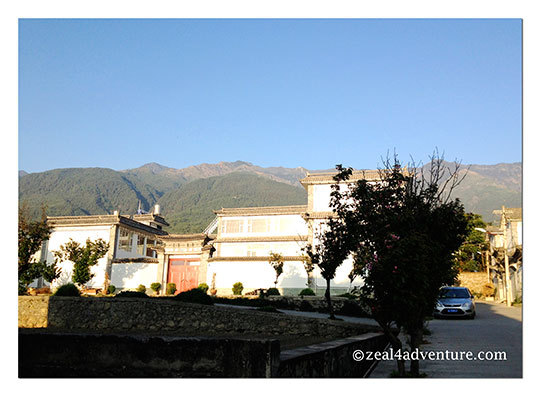
cangshan-background-2

Here, we spent a few days soaking in the view, the hip vibe, and the laid back atmosphere of the old town. I felt sad to leave and wished I had planned to stay a little longer.

Here’s why.
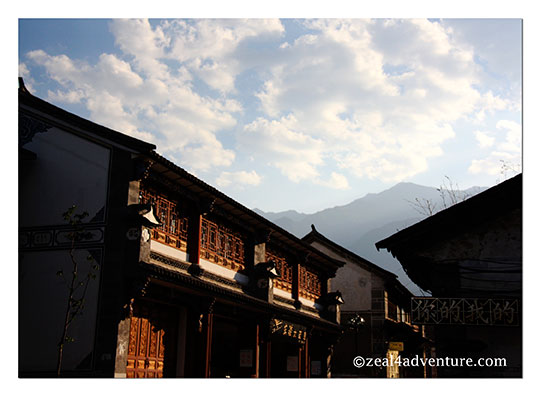
architecture

This town grows on you. It is touristy, I have to admit, but it is a real town that oozes with a new kind of hipness.  A real town means that local do live there still.
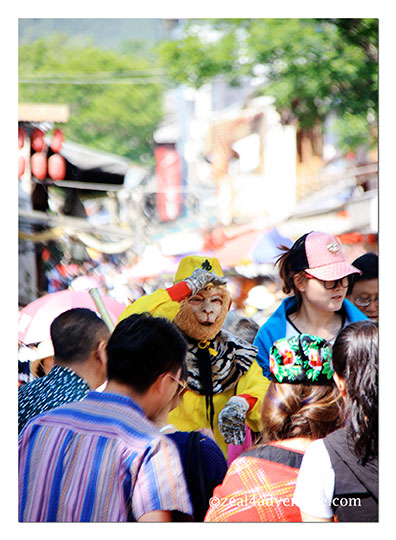
touristy

What used to be a backpacker’s haven is now swarmed with local urban tourist, but if you wander closer to the East Gate (near the end of Renmin and Yue Yu Streets), you will meet the local young hipsters.
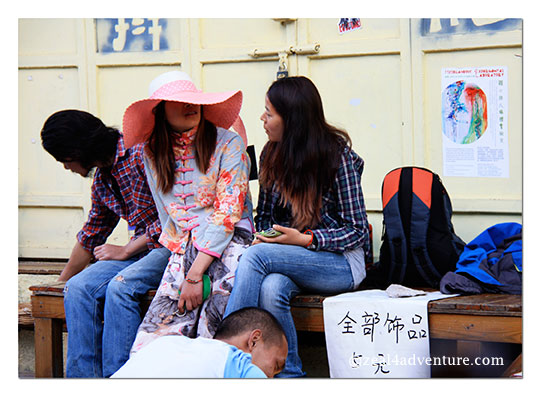
young-hipsters

They run the quaint boutiques, cool cafes and interesting (read: eclectic, fusion, non-trad) eating places there.
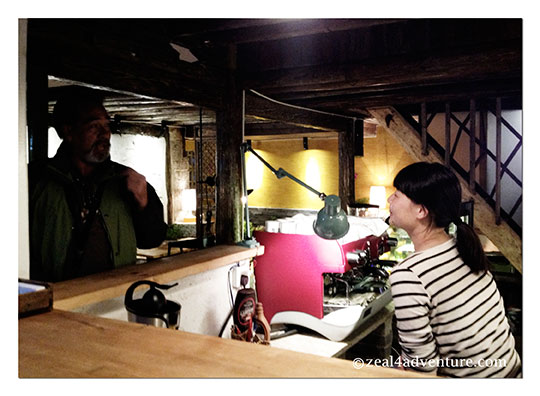
xiao-yu

This is Xiao Yu (little fish) talking to Anton.  She loves single malts and serves a few good ones in her newly opened café/bar along Renmin Rd.
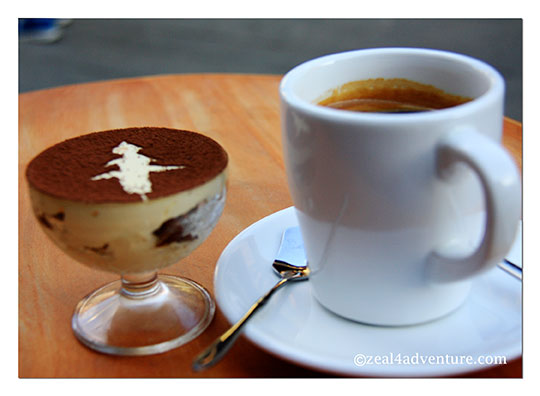
coffee-and-tiramisu-renmin-luAside from single malts, she serves a mean cup of coffee and glorious desserts.

They speak English too.
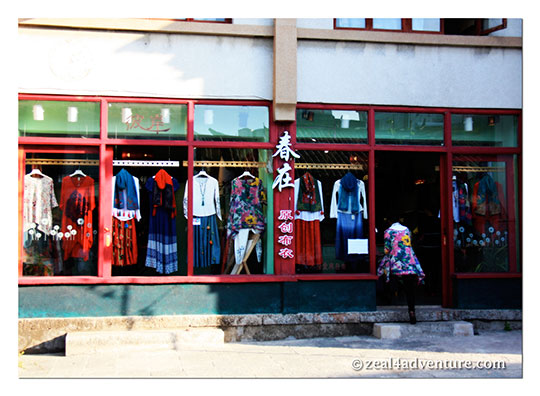
hip-boutique

It’s a great place to shop for one of a kind locally made stuff. But if ethnic clothes, local handcrafts and traditional blue and white tie-dye tablecloths are what you are looking for, go to Foreigner Street (Huguo Lu).
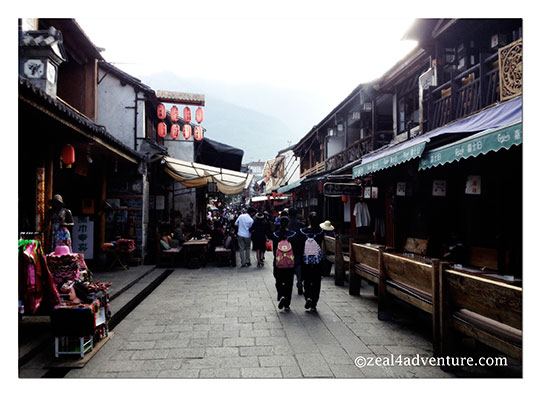
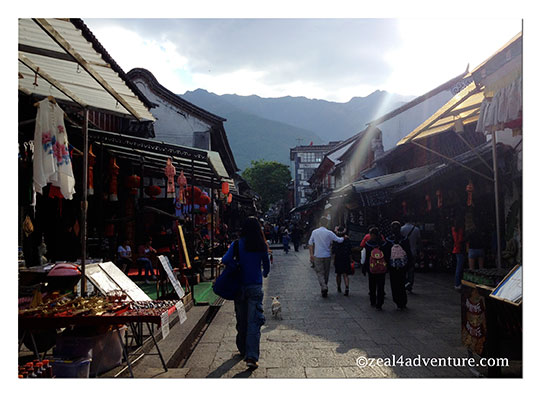
foreigners-rd

cangshan-in-background

Here, you’ll find more usual stuff bordering on souvenirs. Bars and restaurants are the same.
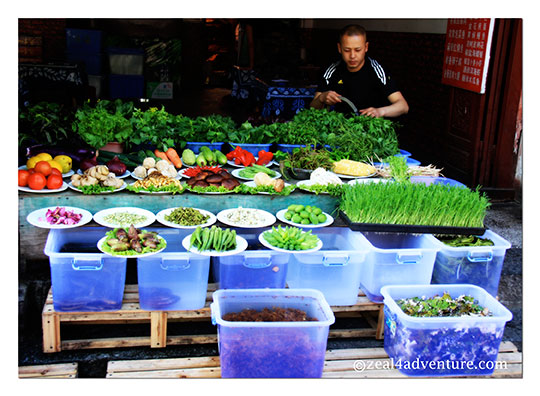
typical-dian-restaurant

You’ll find many traditional restaurants with fresh vegetables displayed at the entrance. Do enter one of them to experience the local cuisine.
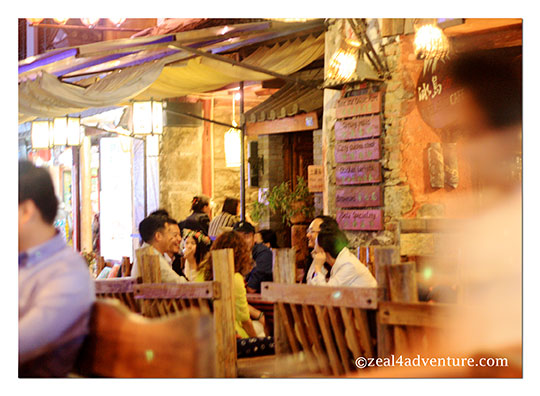
dining-scene-foreigners-streetoutdoor seating scene at Foreigner’s Road
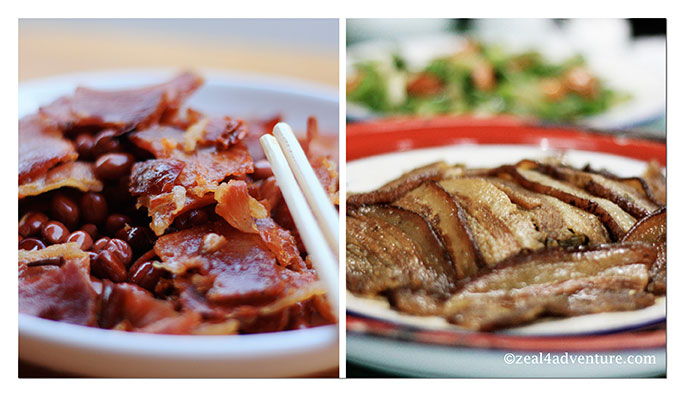
yunnan-pork-dishes

Aside from the many types of vegetables Yunnan had to offer, we actually enjoyed their pork dishes served in various ways.

One more thing I love about Dali is the abundance of fresh fruits and fresh juices
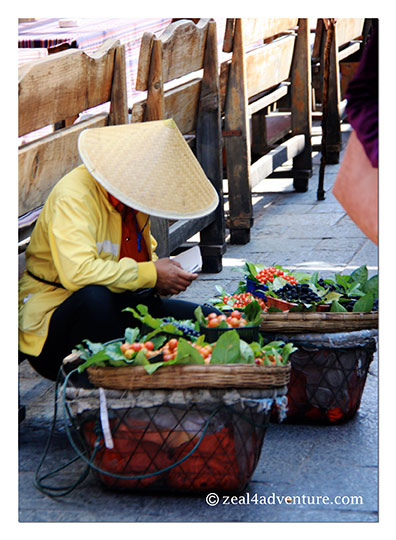
fruit-ladies

–fruit ladies (I call them) selling fruits in season in baskets and fresh juice (juiced while you wait) are found everywhere.
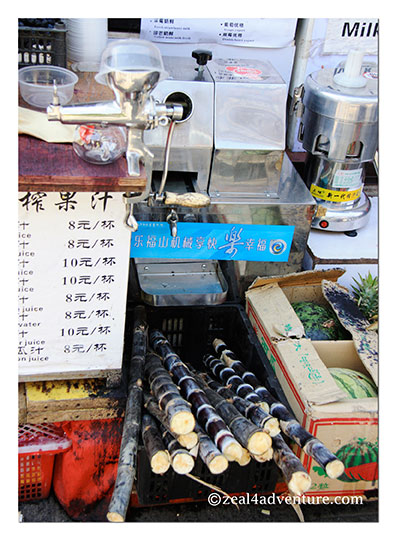
juicing

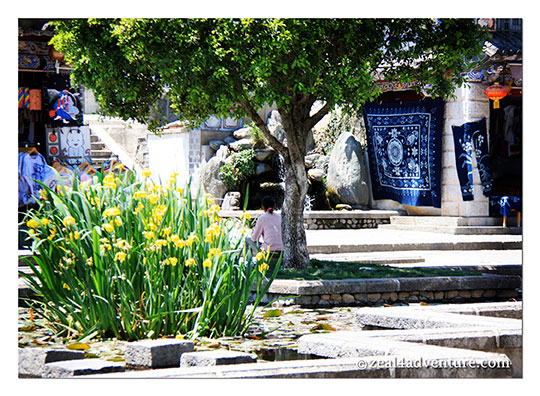
Located at the foot of Cangshan Mountain, Dali Gucheng resonates with the sound of streams scattered around town.
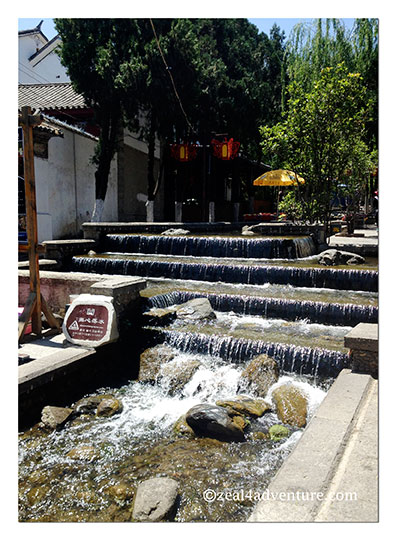
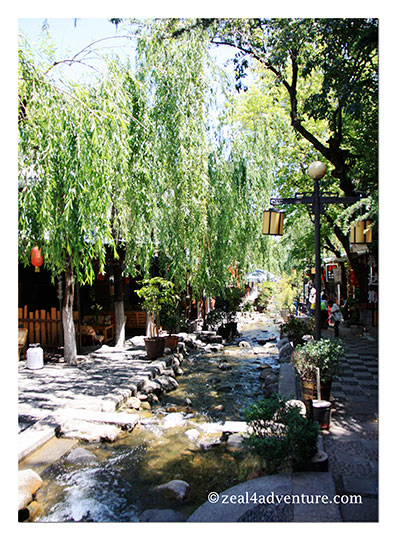
streams-2

streams-3

This water source cultivates many plants, which explains the beautiful blooms such as camellias, azaleas, and many others peppered all over town either being sold in pot
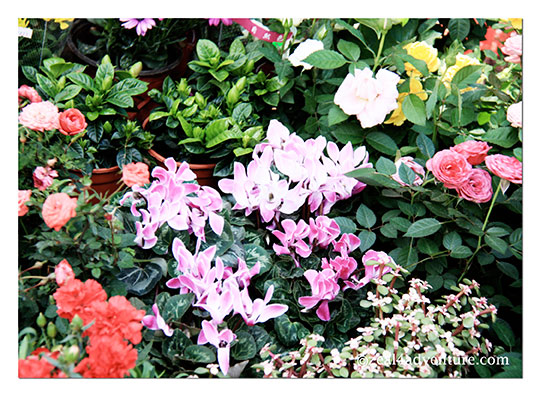
flowers-for-sale

or just beautifying the street.flowers

The city has a long history. About 4,000 years of it when the ethnic Bai people first settled.
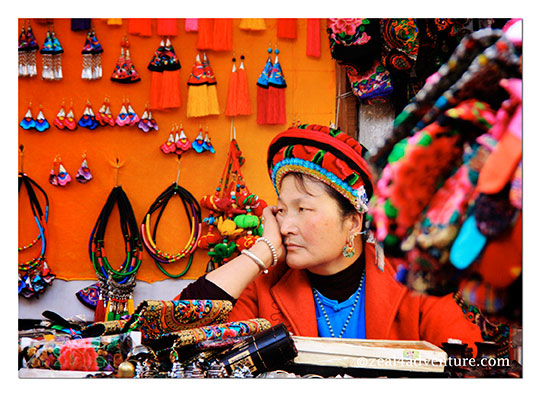
bai

Today, they coexist with the local Yi and Muslims.
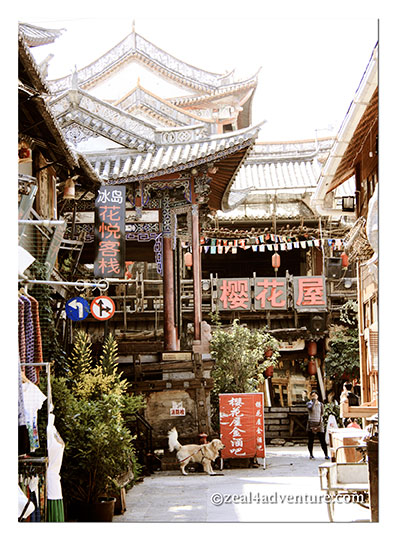
bai-architecture

The architecture that dates back to the Ming Dynasty, though renovated, rebuilt and modernized, adds big time to the charm.
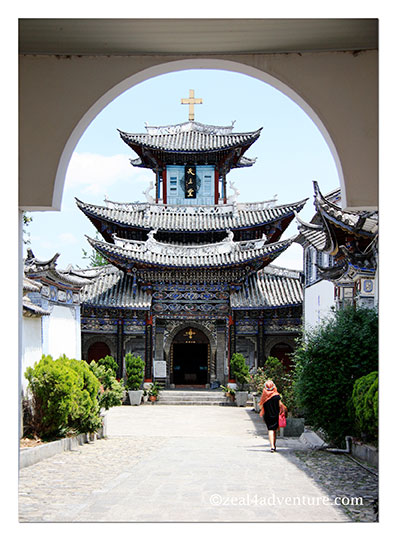
dali-ancient-city-catholic-church

We also chanced upon a Christian church at the intersection of Fuxing and Heping Roads – charming streets to start with.
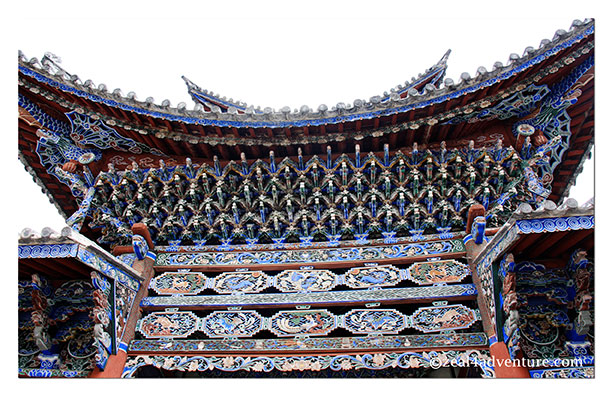
intricate-roof-catholic-church

The church is primarily built on wood, following a western layout but also maintaining the Bai architecture and hip roof.

A few days spent here to chill and recharge is really not a bad idea.
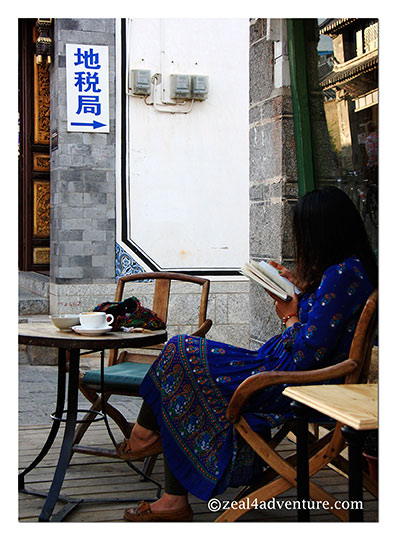
outdoor-table

You can either sit and catch the vibe at an outdoor table at one of the cafes or bars on Renmin Road around sundown or go for a foot massage after a day of hiking or wandering around town.
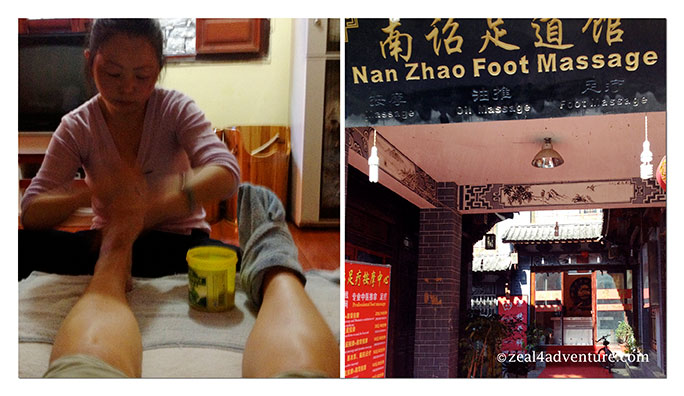
chinese-foot-massageOne of the best foot massage I’ve had in years.

Do try to set aside at least an extra day to just relax and do nothing but absorb the vibe. It will be a good break from all the touring and walking.

More snaps of the Old Town:
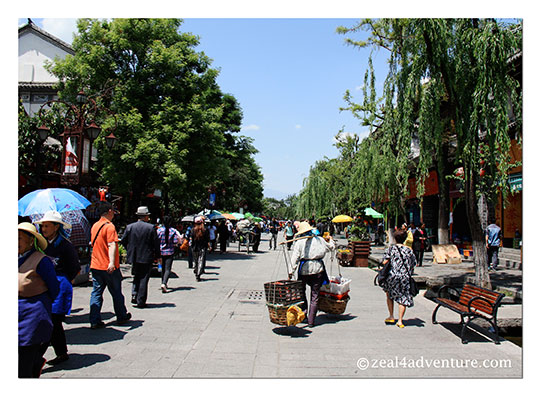
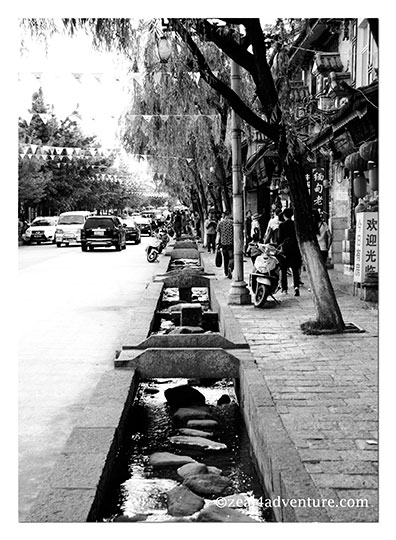
tree-lined-fuxing-luTree-lined Fuxing Lu

dali-bookstore

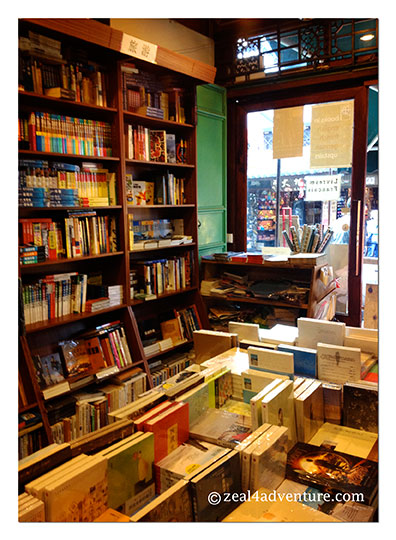
Dali Bookstore (along Renmin Lu.), a quaint little bookstore that has books in Mandarin, French and English.
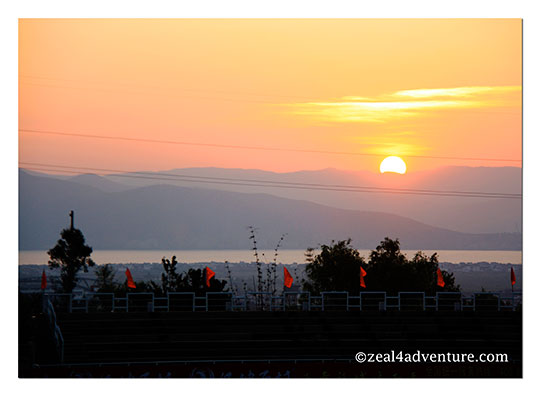
sunrise-at-erhai-lakeTo the east of Dali lies Erhai Lake.
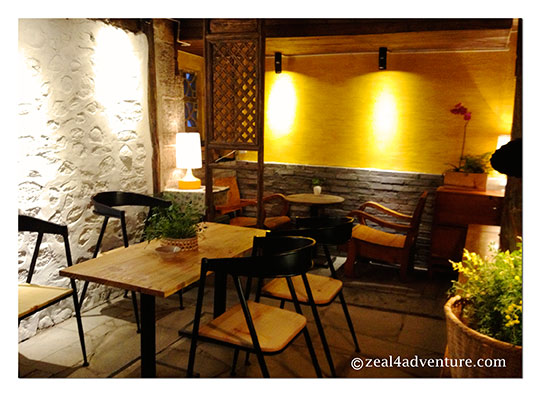
hip-cafeHip Cafe along Renmin Road
streamsCanals with clean running water dispersed around town.
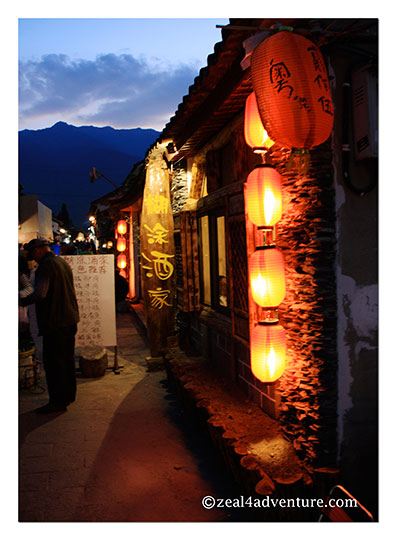
hip-resto-at-renminOne of the many hip restaurants around Renmin Road.
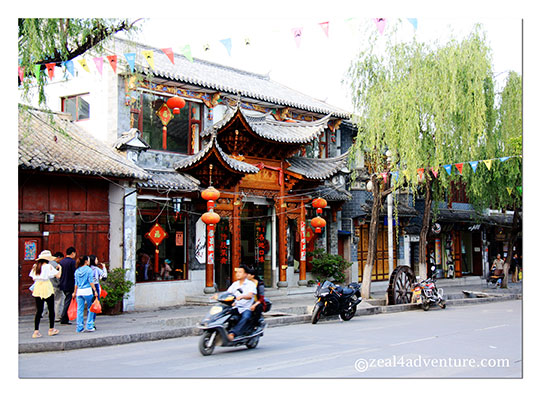
main-road-old-and-newA fusion of old and new along the main road of Old Town Dali.
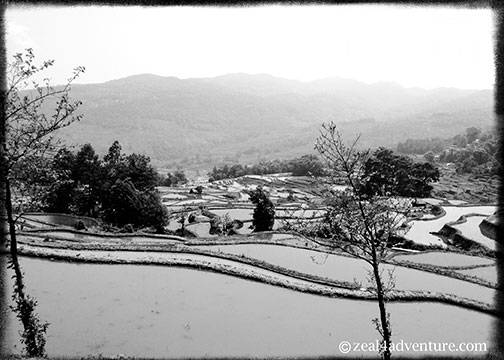
 

A Piece of Heaven

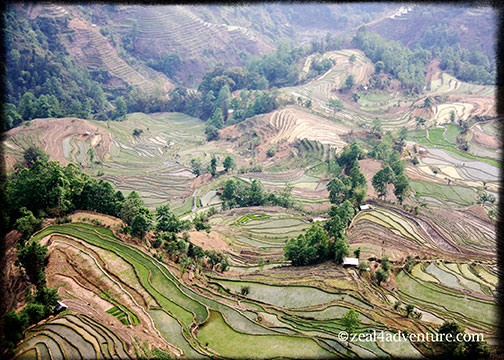
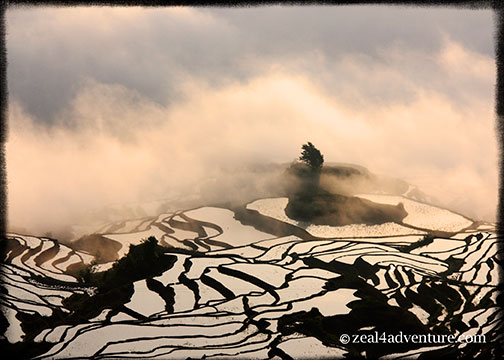
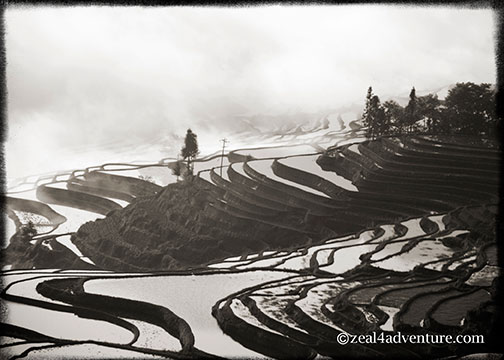
Magical, massive, magnificent—endless terraces in a sea of clouds is a sight to behold. Not foreign to rice terraces, I found myself awed by the vastness and intricacy of the Yuanyang terraces, now the 45th World Heritage Site in China. Breathtaking after breathtaking scenes came before us as we drew closer to the center.

terraces-by-the-road-2

Regarded as the core of the Hani Terraces, where its ancestors settled 2,500 years ago.

hani-people

In its steep mountains and challenging terrain, the Hani people struggled and succeeded in growing rice. Their creativity turned this mountain into one artistic beauty that has placed Yuanyang on the map for impressive rice paddy terracing.

duoyishu-terracesDuoyishu Rice Terraces

With an area of 28,000 acres, it is similar to the Banaue terraces of my country but on a grander scale.

laohuzui-waiting-for-sunset

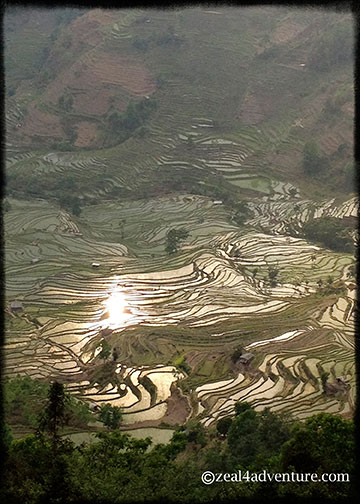
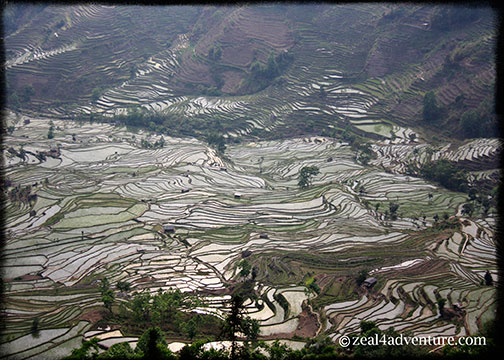
Three major scenic spots is a must. Scattered in different places, the terraces exhibit different tones and hues depending on the season and time of day. When we were there (in April), the terraces, still filled with water, glows from the sun’s ray.

laohuzui-sunsetLaohuzui Rice Terraces

So different from the one I am familiar with. It is stunning.

Laohuzui. The biggest Hani rice terraces listed in the World Cultural Heritage Site and ideal for sunset shots.

laohuzui-different-view-deck

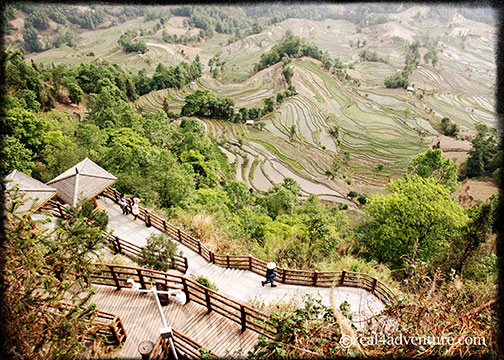
It has 2 viewing areas, the higher deck closer to the road and a lower one closer to the terraces. Both views are lovely depending on how you want to capture its grandiosity.

laohizui-sunset-2

Bada. It has one of the biggest collections of terraces, and any angle is snap-worthy.

bada-terraces

From top to bottom, the terraces is said to be 3,900 steps.

Duoyishu. Surrounded by mountains on 3 sides and a valley on the east, it makes for a beautiful sunrise scene.

duoyishu-sunrise

The terraces, still filled with water, unveils the reflection of the soft golden sky just coming to light underneath a sea of clouds.

duoyishu-viewing-deck

From our beautiful guesthouse, Flower Residence, it was just t a 20-minute walk to the viewing deck.

pugao-village

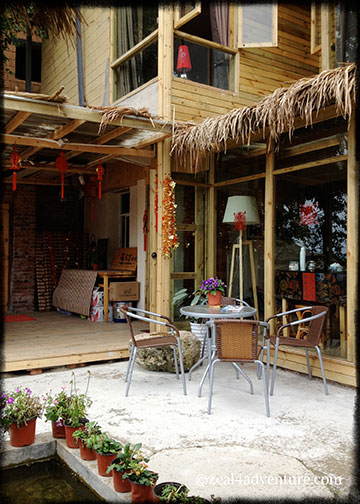
And speaking or our guesthouse, we stayed in a charming boutique hotel in a village called Pugao Laozhai.

flower-residence

flower-residence-2

flower-residenceview-from-our-room

flower-residence-meals

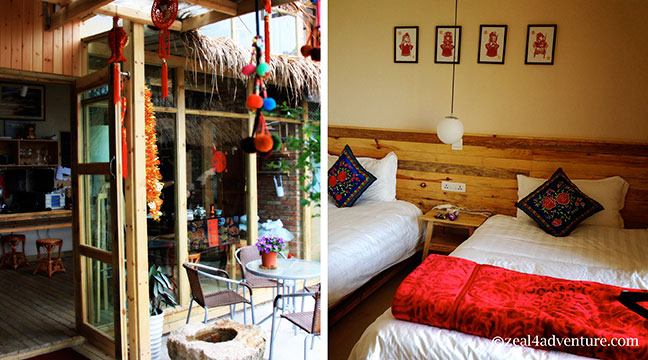
Large glass windows to enjoy the fantastic view, wood everywhere, good food, combined with wonderful hosts CC and his uncle (who cooked fabulous meals)

with-hosts-cc

—is a formula sure to impress me, no doubt. A place where one can be happy to just hang out, I wish I had booked more than just a night.

Yuanyang is 2 more hours south from Jianshiu and definitely worth the road trip. A little piece of heaven with spectacular rice terraces so grand it almost guarantees poster-worthy shots at any angle.

duoyishu-terraces-upclose

terraces-by-the-road

laohuzui-changing-season

photograhers-haven-at-laohuzui

Yunnan

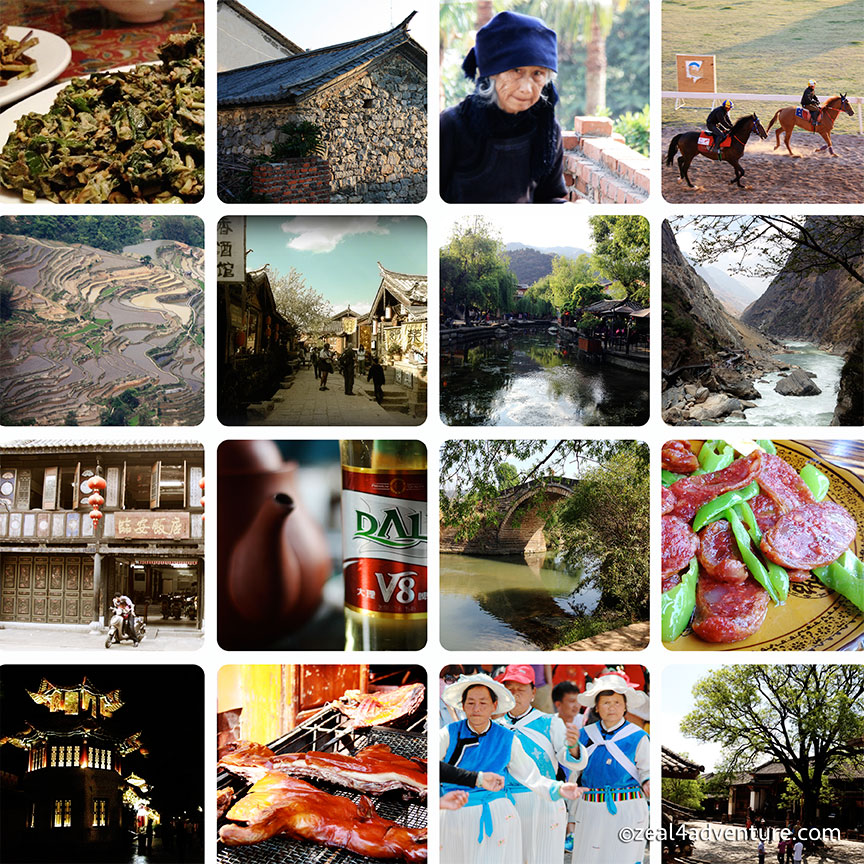
Collage

With the most ethnic groups among all of China, this southern part of China started to fascinate me when I was researching on Guilin a decade ago. And Yunnan had been on my mind ever since.

Sharing external borders with Myanmar, Laos, and Vietnam. Internally, it has as neighbors Guangxi, Guizhou, Sichuan, and Tibet. With its location, it is not surprising that Yunnan is diverse in its culture and people.

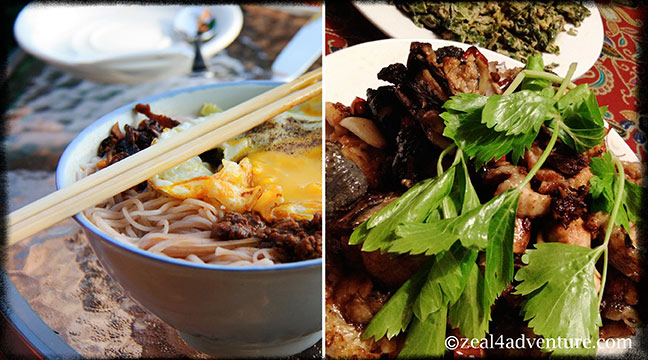
Across-the-Bridge-Noodle-SoupA specialty of the Yunnan Province, guoqiao mixian, which translate to “Across the Bridge Noodles”.  The name made popular by a lady who used to bring noodles to her husband across the bridge.  Full Story here.
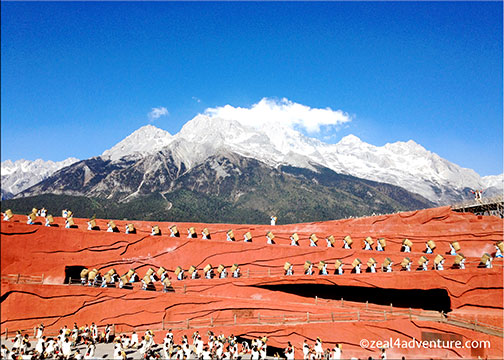
snow-capped-mountainImpression Lijiang a Zhang Yimou show with the Jade Dragon Snow Mountain as its backdrop.

Its landscape ranges from snow-capped mountains to dense jungles to sensational terraces.

Amazing land it surely is and I have been charmed, captivated. Join me in the next few months as I reminisce about my journey into dramatic landscapes, breathtaking views, fascinating cultures and magnificent cuisine.

Kunming

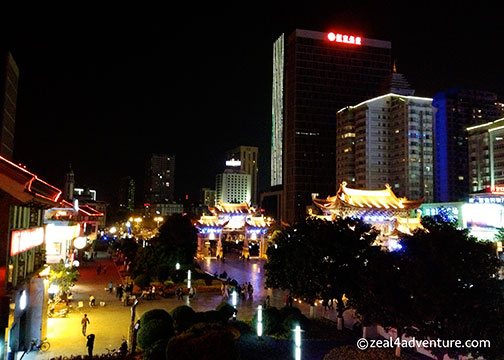
kunming-at-night

The hub and the capital of Yunnan served as our jump off point. Surrounded by temples, lakes and limestone hills, the city has its own allure, but we didn’t spend a lot of time in the city. Unfortunately.

Green Lake

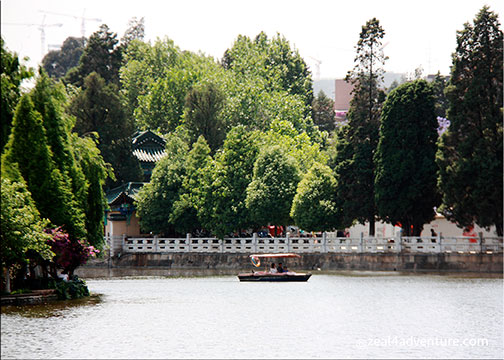
boating-in-the-lake

I chose to stay near the lake precisely because we didn’t have that much time for exploration. The lake is in the heart of the city’s business, food and culture.

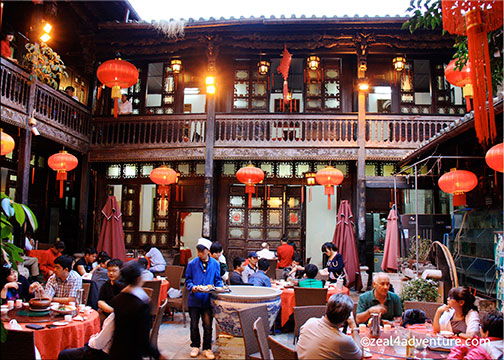
Lao-Fang-ZhiA few steps from our hostel is Lao Fang Zhi, a house of over 100 years turned restaurant that serves awesome hot Yunnan dishes. 

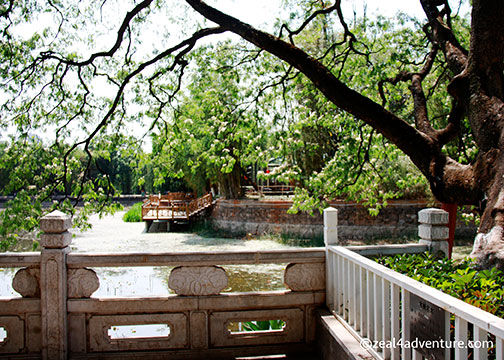
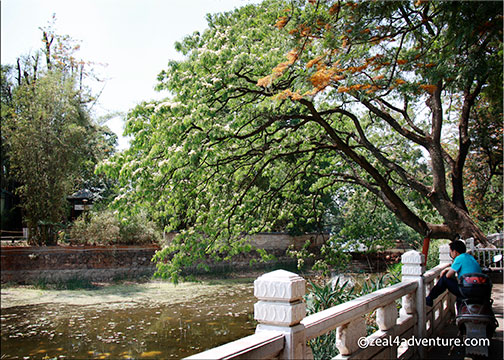
A beautiful park designed and created way back in the 17th century. Surrounded by willow trees and dotted with vibrant lotuses, the park has become a favorite among nature lovers.

willow-lined

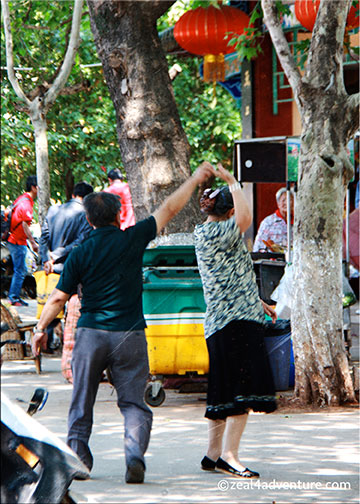
A stroll around the lake is a pleasant way to watch how the locals spend their time.

dancing-in-the-park

A lot was going on. In one part of the lake, music filled the air, and people were dancing.

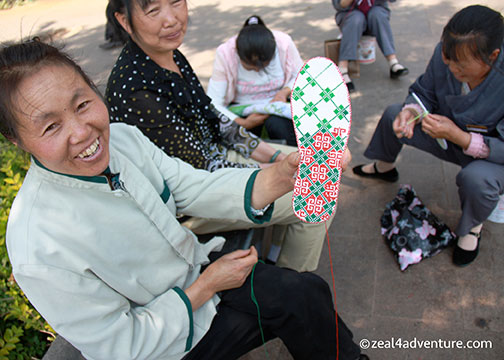
embroidery

In another, aunties sit around chatting and doing some embroidery while some are contented just to admire the lake and soak up the atmosphere.

lily

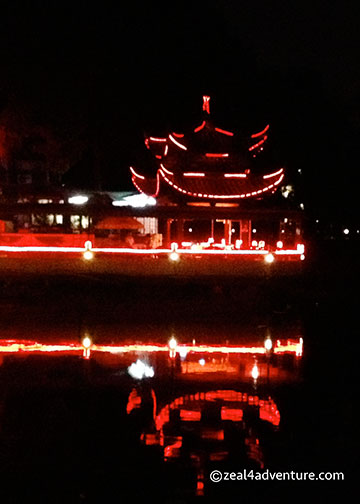
At night, the lights come alive and radiate a different ambiance.

green-lake-at-night

And with this, we start our journey into an endearing province of China that seemed to have been left alone. Stay tuned.

Bukchon and Samcheon-dong: A Fusion of Old and New

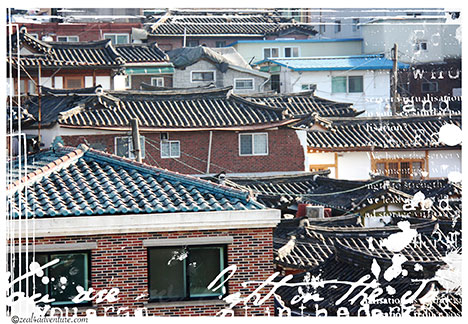
hanok-roof

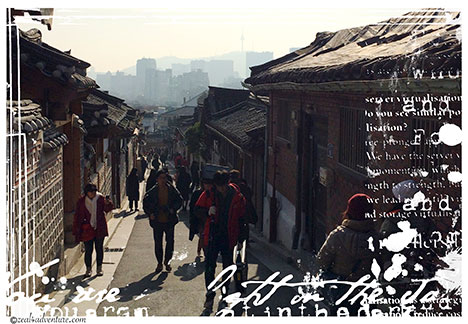
Wandering around Bukchon, a village with over 600 years of history in the midst of metropolitan Seoul was a stroll into the past and the present.

residential-It was home to aristocrats back in those days when the village was downtown Seoul hence the many traditional houses dating back to the Joseon Dynasty.
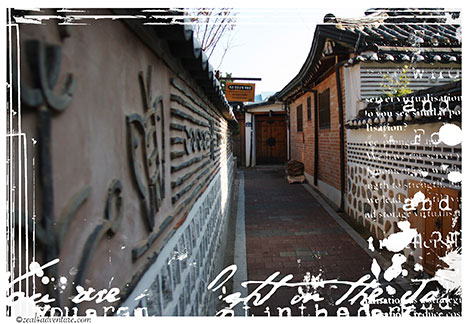
cultural-center

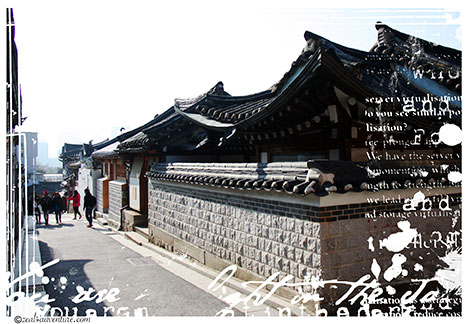
Called hanok, more than a few of these traditional houses remained remarkably well and are still actual homes to the Seoulites if not operating as cultural centers, guesthouses, restaurants or tea houses.

view-of-the-metro

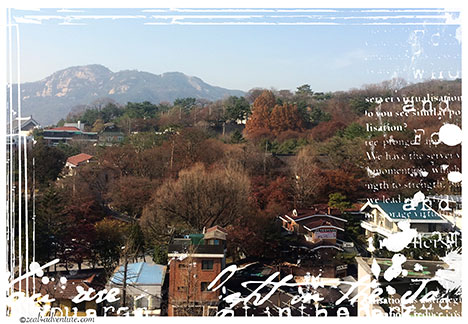
The walk around Buckchon will immerse you in an atmosphere of ancient Joseon Dynasty with old hanoks in small alleyways that lead to great panoramic views of modern Seoul.

samcheongdong

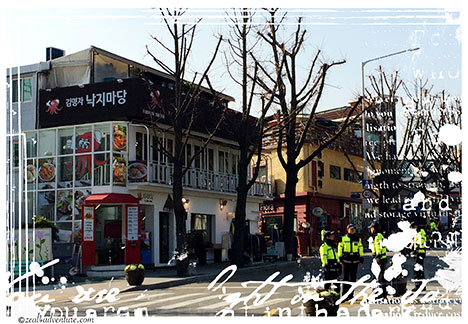
Next to Bukchon is Samcheongdong-gil. One of Seoul’s most stylish neighborhoods harmoniously juxtaposing the old Korea and the modern artsy galleries and cafes as numerous art galleries, shops and restaurants set up shop in renovated hanoks.

mountain-viewMt. Bukak is partly responsible for the charm and mystic of Samcheong-dong.

This charming enclave begins where Insadong ends. Not the typical tourist area, and the rows of boutiques, galleries, and cute coffee shops make for a delightful afternoon wander.

charming

Captivated once again by Seoul’s unique charm, delectable bites and warm-hearted people, it is beyond any doubt that I will be back, and hopefully much sooner this time.

tea-house

Annyeong Seoul… till we meet again.

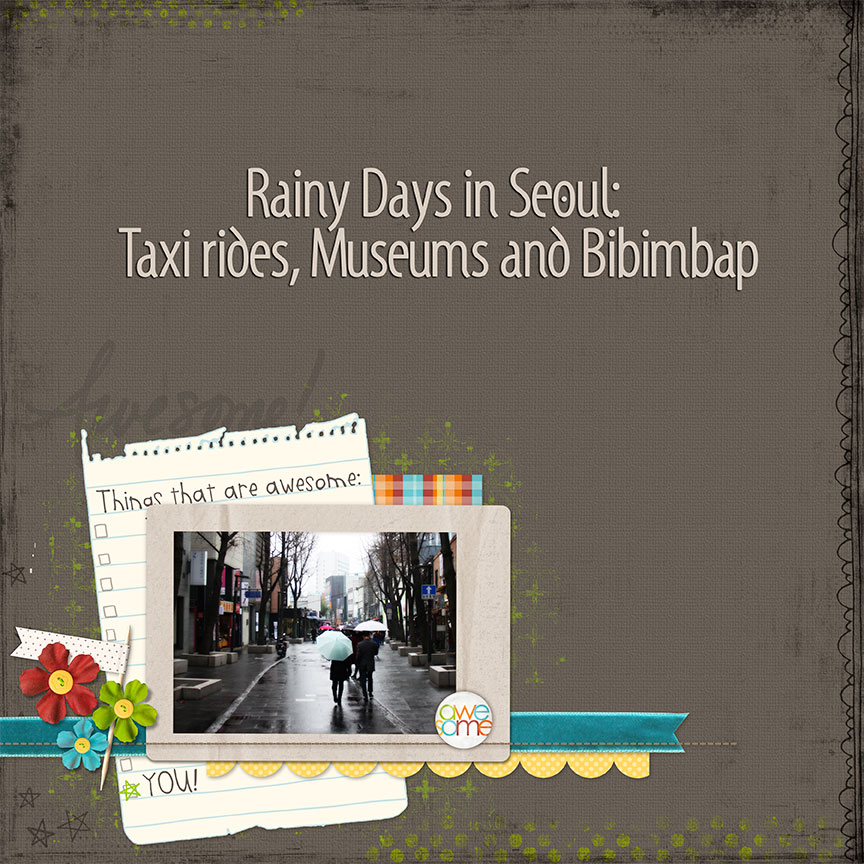
Rainy Days in Seoul: Taxi rides, Museums and Bibimbap

rainy-days-in-SeoulCredits:  Template from the You are Awesome bloghop

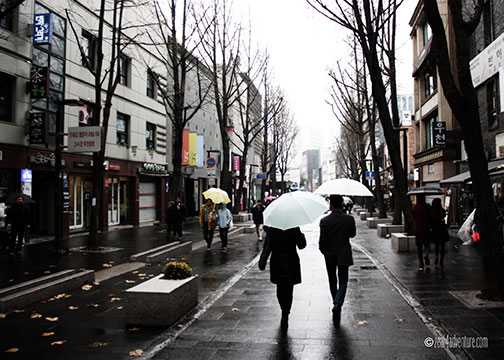
As luck would have it, we woke up to a rainy Seoul on our first full day in South Korea’s capital.

rainy-dayBreakfast at the guesthouse.

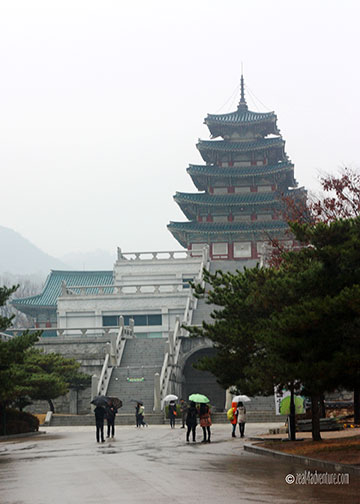
What to do? We deferred our plan to walk around Bukchon Hanok Village and instead, per the suggestion of the guesthouse staff, we headed to the National Folk Museum in Samcheong-ro in Jongno-gu.

The hassle-free way to get around on a wet day is by taxi. So driver dropped us off in front of the Gyeongbokgung Palace. The museum is located inside the palace grounds, but we didn’t know that. So imagine us bewildered when he stopped the car and tried to tell us (in Korean and sign language) where to go. And so we got off but couldn’t figure out why. While studying the map (in the rain) to get our bearings, he came back and gestured for us to get back in. He decided to drive us all the way to the gate. A quick left and a U and there we were at the side entrance of the Palace, closest to the museum. He was actually trying to tell us to cross the street, walk a little further, turn left, and we will find it. But he didn’t speak English, and we didn’t understand Korean hence the confusion. He didn’t charge extra.

National-Folk-MuseumThe museum shows the lifestyle and traditions of everyday Koreans at different periods that stretches from prehistoric to the end of the Joseon Dynasty.
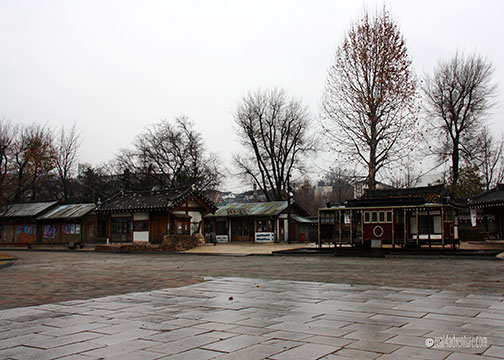
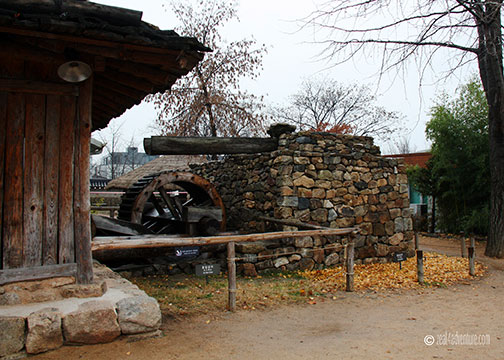
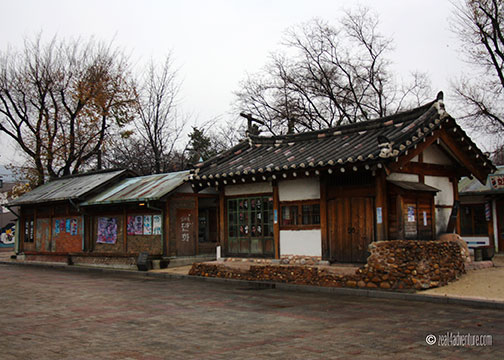
traditional-villageThere is also an open-air exhibit that takes you back in time through a replica of a street in a traditional village in late 19th century when a new modern culture was rising in Korea.

grinding-millThere you’ll see a grinding mill, a street car; hanok-style buildings and stores.hanok-style-stores

For lunch, we took a very short taxi ride (the driver scratching his head but couldn’t explain that it is just across the street, practically!) to Insadong. But because it was also drizzling, he obliged. I am amazed at how kind and gracious these people are. Thank you!

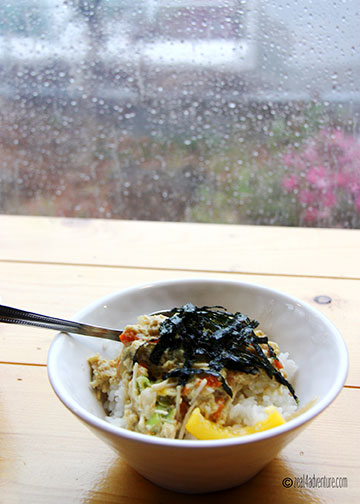
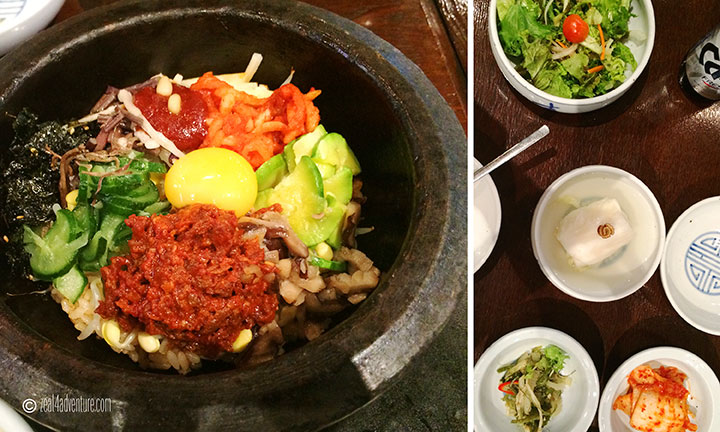
Lunch was an entirely satisfying meal of bibimbap and bulgogi at Gogung. I forgot how I adored these well-known dishes, which I first came across about 3 decades ago, when Seoul and I weren’t quite as hip. GogungThis beautiful mixed rice with vegetables, chili paste and eggs called bibimbap kept us full without breaking our pockets. Gogung, known for its Jeonju style bibimbap, is in the basement of Ssamzie-gil, a colorful shopping and cultural complex in Insadong-gil.

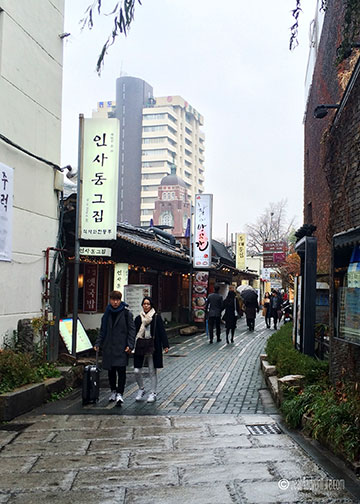
insadong-gilThe main street, Insadong-gil

An iconic Korean street, Insadong is a vibrant neighbourhood with streets and narrow alleys lined with antique shops, art galleries, and all kinds of shops, from beauty to crafts.

alleys-insadong

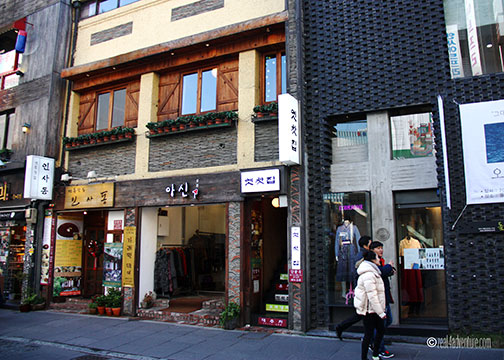
insadong-stores It is also home to many traditional restaurants and teahouses. Tomorrow a food tour we signed up for will bring us back here. So stay tuned for more of Insadong and its street foods on my next post.

Rainy Days in Seoul: Staying at the Hongdae District

main-road-mapo-gu

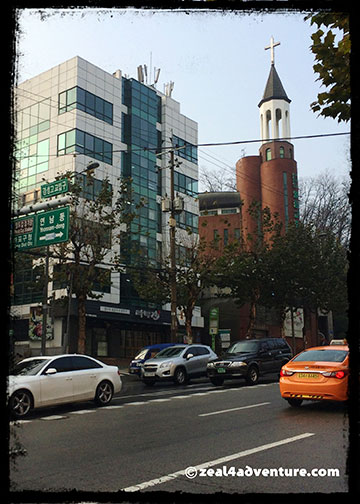
Blame it on K-drama and a thwarted meeting last June, we found ourselves walking the streets of Mapo-Gu, backpacks in tow, looking for our guesthouse on a cold and rainy day in November. We don’t want to waste that visa and ticket, yes?

We got off the subway, followed the instructions provided by the guesthouse complete with photos. Easy to find, on a quiet street not far from the main road sits a charming brick building housing a photography studio and an office on the ground floor.

Lee-Kang-Ga

Lee Kang Ga will be our home for a few days while we explore Seoul (some of it, that is). The cozy guesthouse is on the top floor with residential units in between.

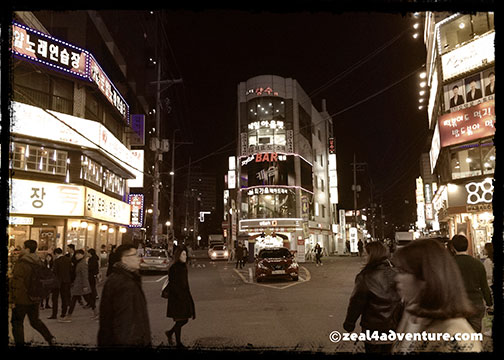
wall-artI chose to stay in the Hongdae district for its urban street arts and indie music culture. Brimming with mostly young people wandering about, the vibrant streets (especially at night) are alive with music and a lot of cheering. You’ll see dance performances, musicians singing or playing their instruments in all sorts of genre.

shopping-at-hongdae

Filled with independent stores and boutiques, it is also a fantastic place to shop if edgy fashion is your thing. It is clearly a place for the young and the young at heart.

As it is a university belt, restaurants and coffee shops abound. Although a phenomenon in all of Korea, the area boasts of exciting themed cafes.

hongdae

Every night was a different discovery of the local taste. One night we devoured on (fried) chicken and beer.

chicken-and-beerIf you don’t know this combination, then you are not watching enough K-dramas.
“Have you tried makgeolli?” Andy, from our guesthouse and (must add) the kindest staff I’ve encountered so far, asked. Apparently also superb with chicken, he ran down to the nearest convenience store, bought us a few bottles of Korean rice wine. He ordered a box of fried chicken to go with it.

Mageolli

Pronounced Mak-a-lee, this milky alcoholic beverage is fizzy and refreshing, slightly sweet and tangy and easy to drink.

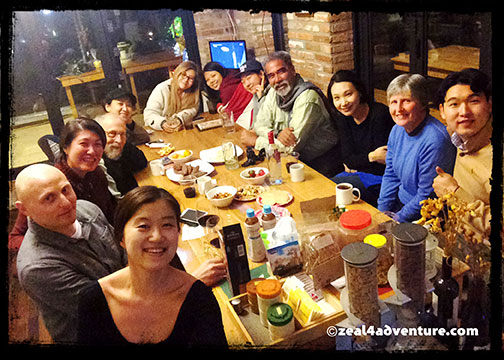
Every night, we gather at the rooftop kitchen and dining area to exchange stories and share a few bottles of beer, soju, makgeolli or wine with other guests and staff.

hanging-out

It was a lovely vibe of different cultures and age groups. And till today, I still fond memories of those nights.

In the heart of Hongdae, Andy pointed us to one of his favorite “grilled beef” restaurants. It didn’t have an English sign so he sent us a photo of the sign in Korean and instructions on how to find it.

Korean-beef

Found on the 3rd floor atop a 7Eleven store, it was packed with students and young professionals. And on a corner table, we indulged in excellent Korean beef. What made it really special outside of its quality and reasonable price is the array of flavoured salt that one dredges on the meat.salt-variety

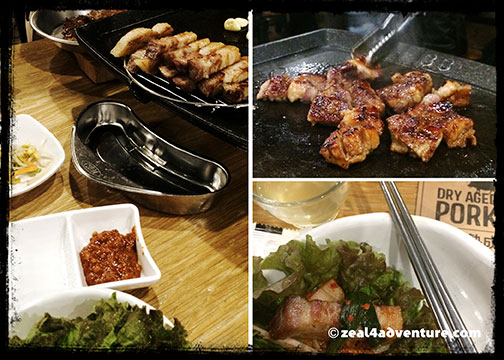
Equally as important to Koreans are pork bellies. Samgyupsal or pork belly wraps could possibly outshine any beef dish in Korea. Koreans are in love with pork bellies and so are we. On our way to the Nanta Theater in Hongdae, we spotted “The Ginger Pork” and instantly knew where dinner will be after the show.

Ginger-Pork

Thick fatty slices of pork bellies grilled on a grill plate, eaten together with garlic, green onion salad and some ssamjang wrapped in fresh lettuce leaf.  It was a glorious way to cap  a fantastically energetic show.

nanta

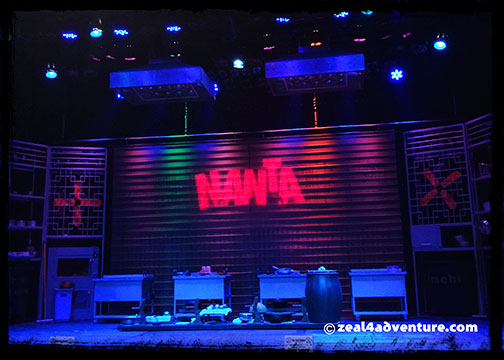
And speaking of Nanta, do find time to watch this impressive non-verbal comedy show that is entirely about cooking/food. It’s a lot of fun. In Hongdae, the theatre is housed in the beautiful Yellow Stone Building.

Yellow-Stone-Building

There are more to explore in the Hongdae district and 4 nights is simply not enough. In fact, we only scratched the surface and definitely calls for another visit. More of Seoul in my next posts. Stay tuned.

My New Paradise

AdamsCredits: JSprague Digi in Deeper course material.

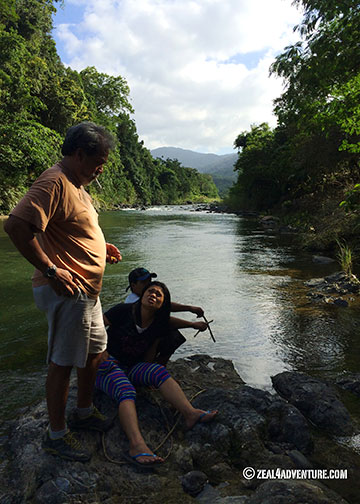
Adams.  A familiar name yet peculiar for the Ilocos Norte, yes?  With names like Laoag, Pagudpud, Paoay… Adams sounds off.  The first time I heard of Adams was 16 years ago when Anton explored the river with fellow guides. He raved not only about the river but its natural surroundings as well.at-the-river

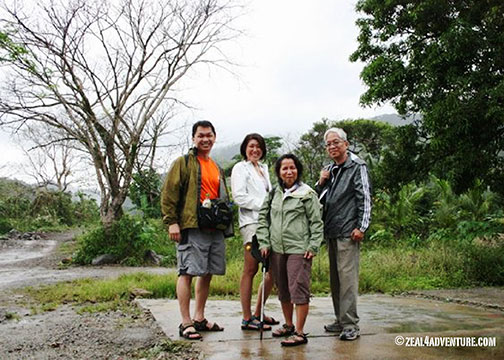
He went back several times to raft and to kayak the Bulo River but never with me. In 2009 on an Ilocos Road Trip, we attempted a visit to Adams to hike to the waterfalls. It rained, and we chickened out.  We never made it to the town.

2009-AdamsThis was at the junction where we’d take a habal-habal (motorcycle for hire) to take us to town.

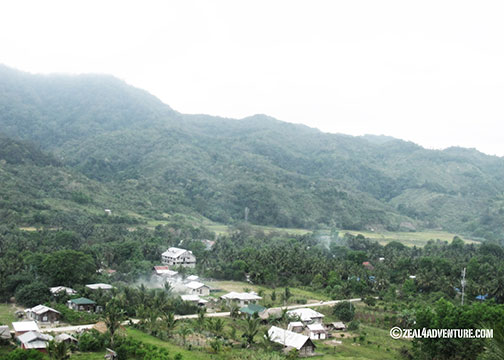
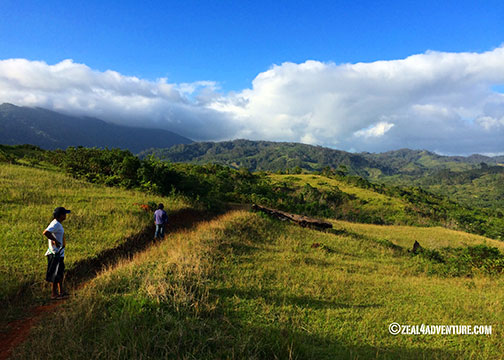
view-of-the-townSprawling over a land area of 159.31 square kilometers on the northern coast of Ilocos Norte,

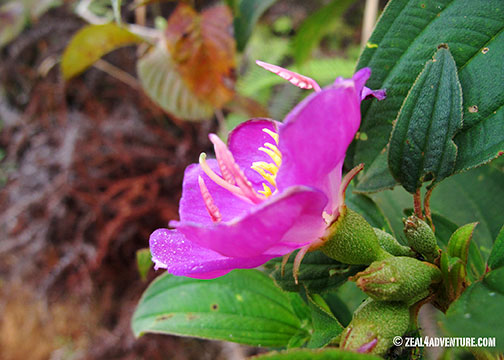
floraAdams is a treasure trove of rainforests with rare flora and fauna, centuries old trees,

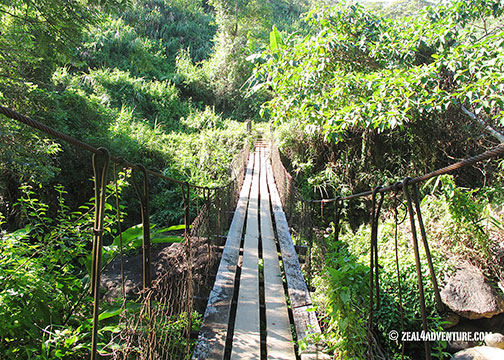
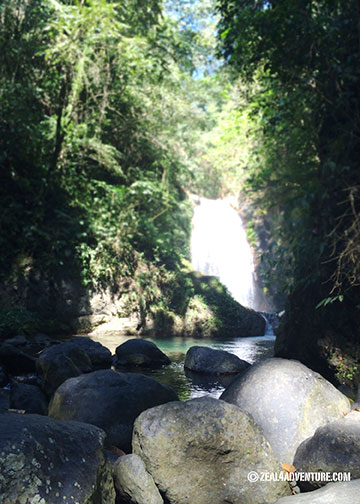
hanging-bridgehanging bridges and waterfalls.

anuplig-fallsAnuplig Falls
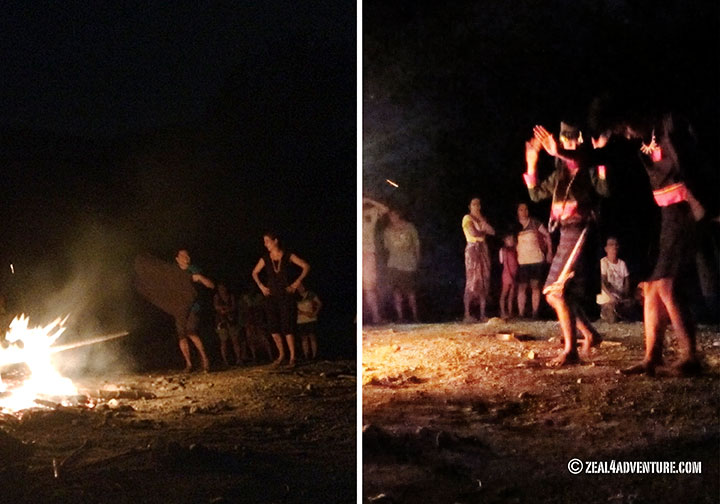
cultural-danceWe were treated to a cultural show.

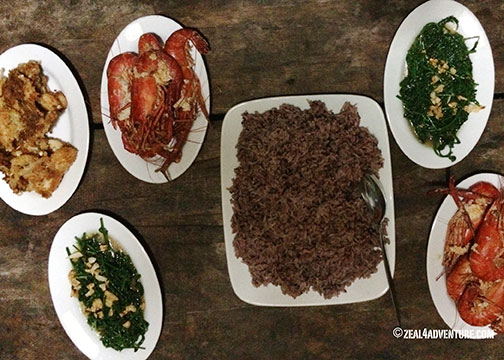
It is a small town of only one village but is a melting pot of ethnic groups composed of the Yapayao or Itneg, Ilocano, Igorot, Kankan-ay and Ibaloi, which explains why their cuisine is different from the Ilocano dishes we know.

local-produceWe had fried frog, udang (river shrimps), stir-fried pako, and mountain rice.

It is a hodgepodge of the various ethnic groups and what is locally available like gabi (Taro), crab lets, baby damo (wild boar), frogs, Udang (river shrimps), purple mountain rice, and my favorite, stir-fried pako (fiddlehead fern).

baguio-climateLike its name, it is a divergent from the rest of the region.  The climate is pleasantly cool especially at this time of the year, with temperatures just a few notched higher than Baguio.

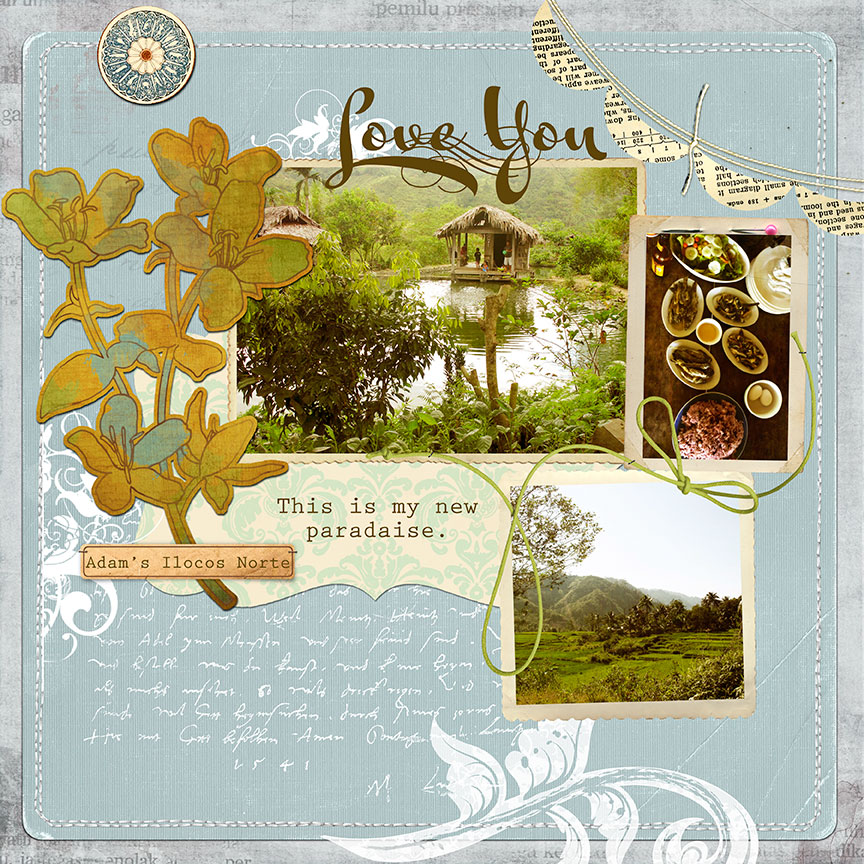
I wish I had made more effort to visit this mountain-river town. It took me fifteen years to finally set foot here. My first trip to Adams was last year around this time. Ask me how many times I’ve been back since. Four so far. I have fallen in love with the area. Expect more posts from me. Meanwhile, here are some photos to whet your appetite for the place.  This is my new paradise.

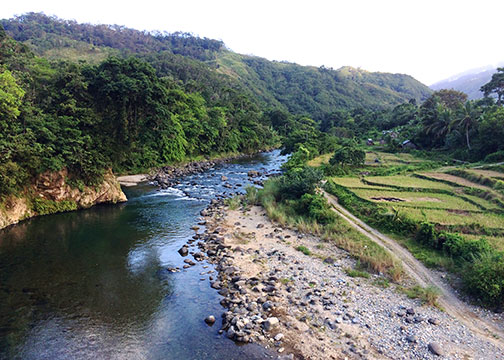
bulu-riverThe Bulo River from a bridge.
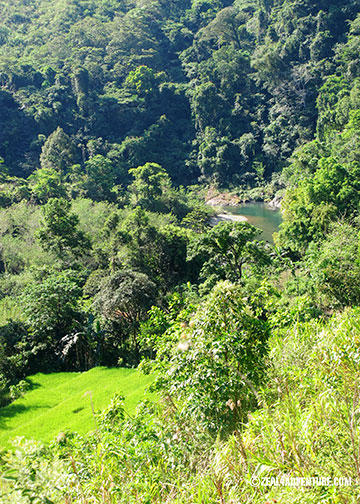
enroute-to-anupligLush forest en route to Anuplig falls.
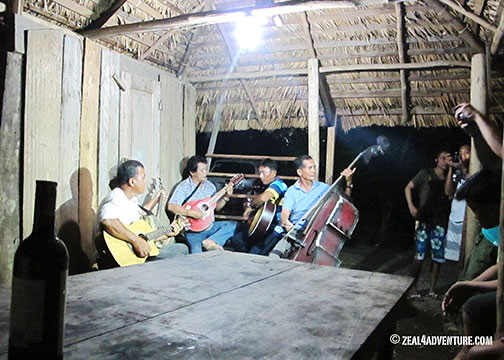
entertainmentHospitality to the hilt.  Entertainment provided by the villagers.
Ilyn's-HomeystayIlyn’s Homeystay: our home in Adams.
lover's-peak-2A beautiful point called “Lover’s Peak”
lover's-peakLovely grounds at Lover’s Peak.

Going Back in Time

Unless it is really impressive, I rarely write about accommodations on this blog. But this beach resort has definitely impressed. It’s a destination of its own, a place to pause and recharge, do nothing and pretend that you’re from an era of yesteryear.

antique-furnitures

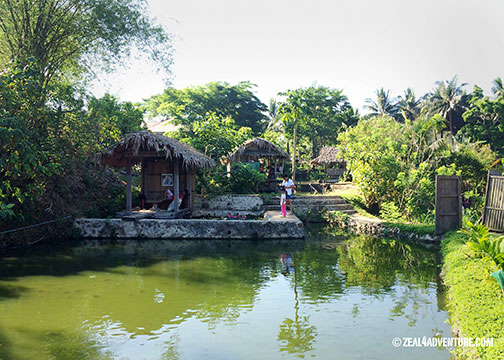
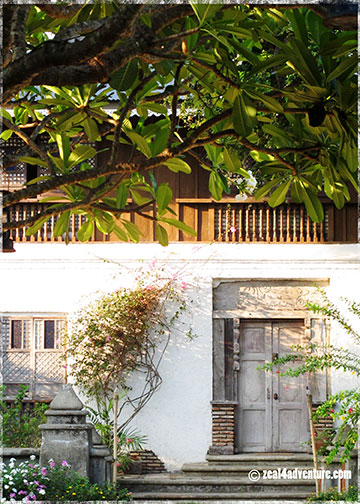
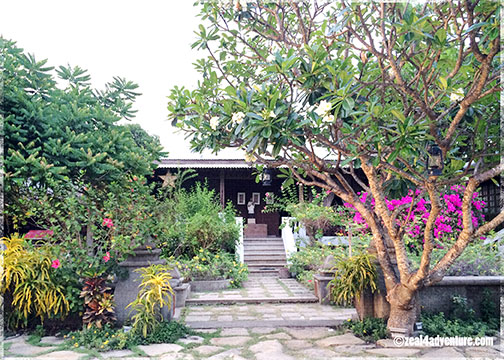
In Victoria Village in Currimao, on an 18,000 square meter land facing the South China Sea sits an amazing recreation of a typical mid-20th-century village. little-detailsUndeniably a work of love by owner Dr. Joven Cuanang, a Medical Director of St. Luke’s Hospital, his love for the arts greatly manifested in this stunning village he calls Sitio Remedios.

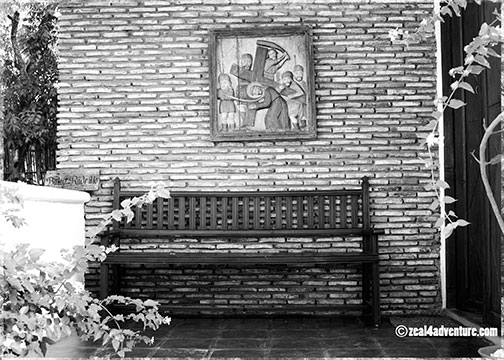
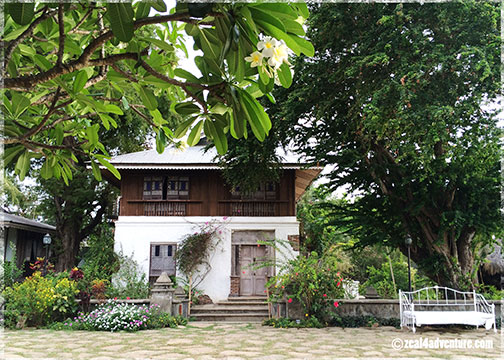
salvaged-doors-and-windowsIts main attraction is the rows of vintage-style Ilocano houses made of salvaged bricks and woods from mid-century houses (about to be demolished) to resemble old ancestral houses. Most of them were named after the town of Ilocos Norte such as Batac, Dingras, Piddig, Bacarra and San Nicolas.
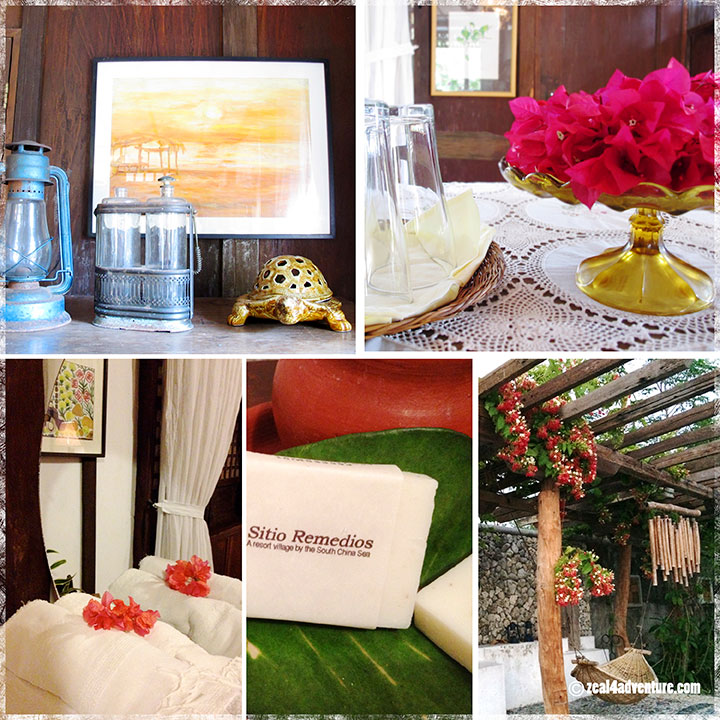
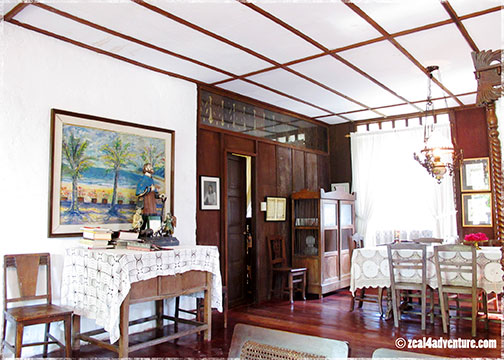
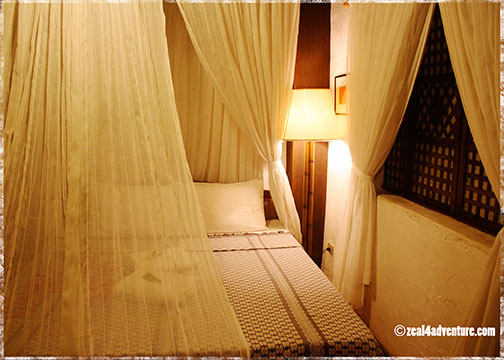
balay-dingrasThe bungalow assigned to us, Balay Dingras, has 2 rooms, dining-area-dingrasa living and dining area, and a spacious front porch that leads out to the plaza.balcony-to-plaza Furnished with antique furniture, a daybed even in the sala, decor are vintage and to complete the look, crocheted tablecloths, vintage-motif-bedInabel (a local weave) woven bedding, and blankets were used. Each room has a Queen sized bed and its own bath.

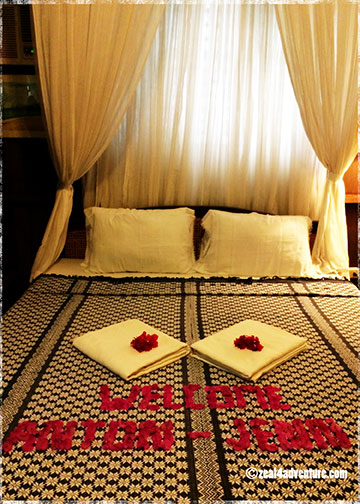
welcomeA welcome message on our bed – a nice touch.

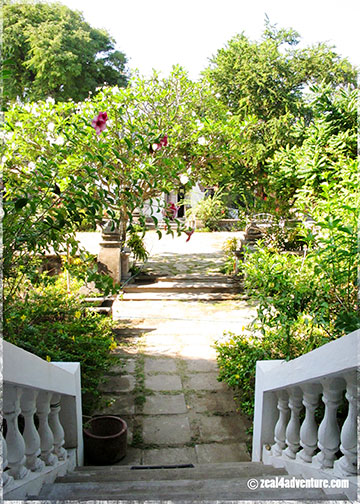
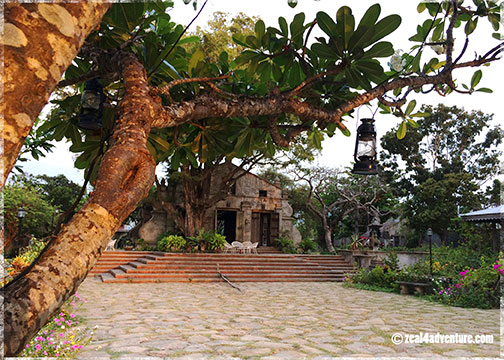
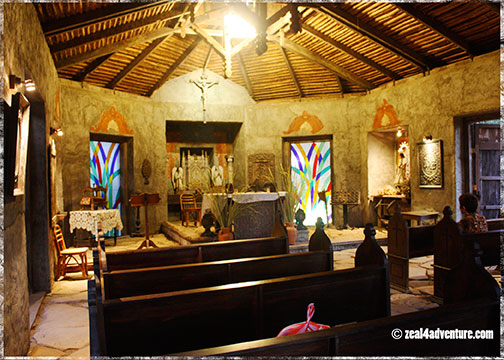
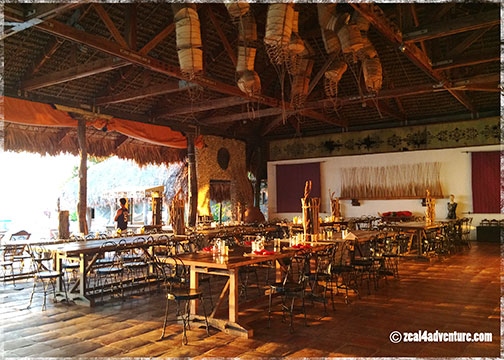
Dingras and all the other balays (house) face the square they call Plaza Manzanilla. housesLaid out in a grid typical of Spanish times, fencing off each house are manzanilla (hence the name), Bougainvillea, and gumamela bushes and few ancient trees adding character to the square.  chapel-and-plazachapel-interiorA chapel that opens out to the plaza, a pool facing the sea and a dining hall that serves exceptional home-cooked Ilocano favourites completes this village.dining-hall

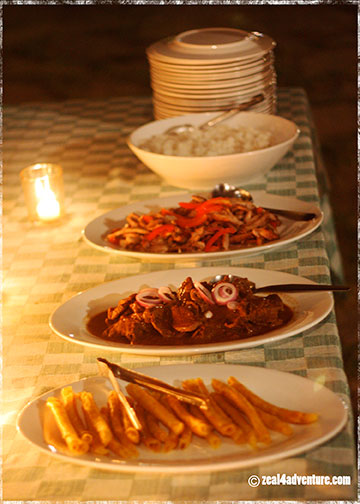
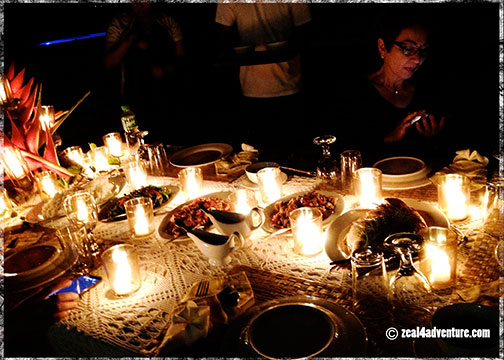
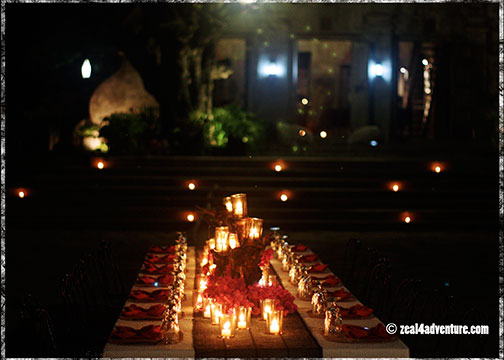
Tucked quite away from the main highway, all our dinners were had at the resort. Turned out to be the best decision we’ve made. Meals were simple yet superb and very well prepared.  foodThe dishes were served buffet style and depending on what’s available in the market.  dinner-by-the-poolDinner venues change every night, one night in the main dining hall, another near the pool area and our last night was a romantic setting at the plaza. candlelit-dinner-settingHow can you not feel special and totally recharged with such detailed service?

Currimao is in the southwestern part of Ilocos Norte, near the northern border town of Paoay. An hour away from Vigan, and only 25 minutes away from Laoag, Sitio Remedios is an ideal base to those who prefer to explore the Ilocos Region leisurely.

Useful Info:

Sitio Remedios: Barangay Victoria, Currimao, Ilocos Norte.  Tel (63)917-3320217

Ubud

I’ll drop everything and hop on a flight with you just at the mention of the word. Ubud is one of the places I go to recharge (read my old post on Ubud here). The cultural heartland of Bali, surrounded by rice fields and lush greenery, is my place of rest and inspiration.

lush-greeneriesIt’s a town about 300 meters above sea level so it is comfortably cooler than the rest of the island. The main reason Ubud appeals so much to me is because it feed my needs. In Ubud, I get to relax, be artistically inspired by its art and culture, enjoy the good (but not necessarily expensive) food and be in the midst of nature.
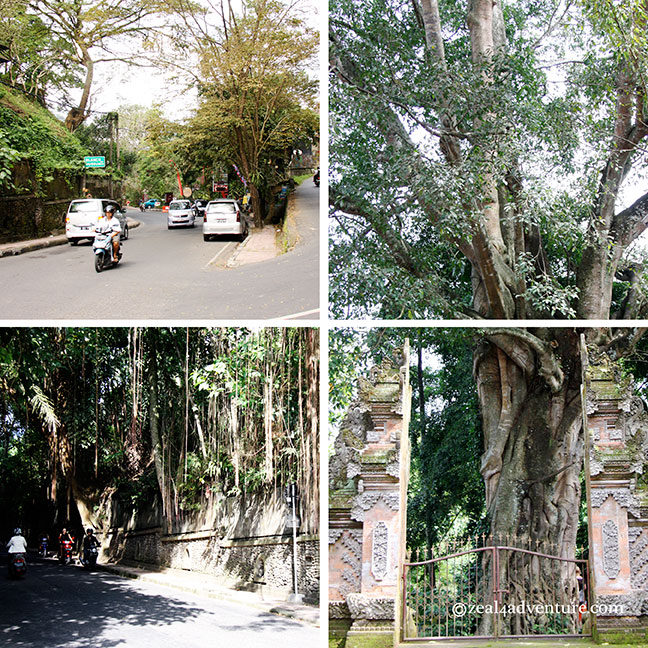
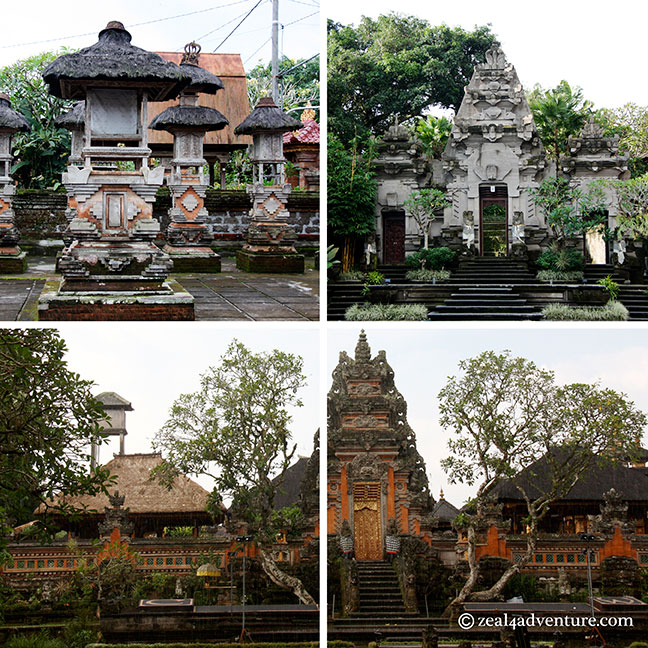
architectureThis town in the middle of Bali has been known for over a century as an artist village, a cultural center that draws those who seek crafted treasures and/or architectural inspiration. The cultural and traditional art in Ubud were preserved because when it became a Dutch Protectorate in the 1900s, the colonialists didn’t interfere much.

art-sceneIt was only in the 1930s when the Royal family encouraged foreign artists to Ubud did the modern era began in Ubud, eventually creating a dynamic art scene. Consequently, a treasure trove of museums and galleries now call Ubud home.

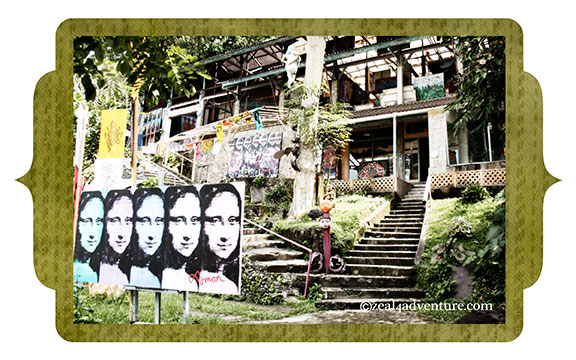
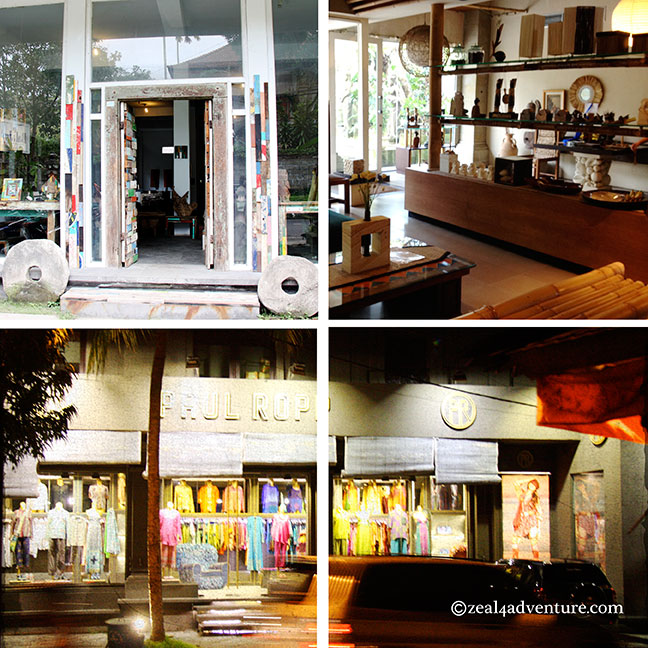
retail-therapyUbud is a haven for shoppers, truth to tell. Monkey Forest Road, Jalan Raya and Hanoman Streets are strips of retail therapy treats – from beautiful arts and crafts, local designer clothes and jewelry to unique housewares and antiques.

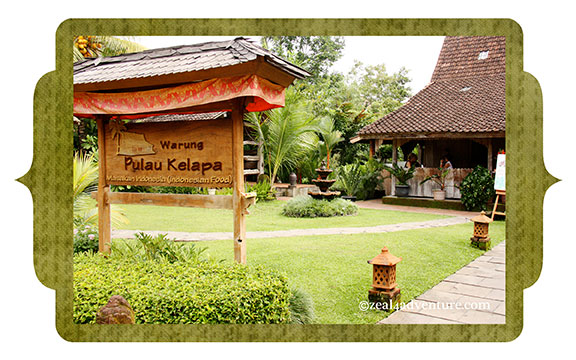
warungIt is also home to restaurants, cafes and warungs (local eateries), and a foodie’s haven. The whole island, in fact, has an exciting culinary scene and Ubud is right up there.

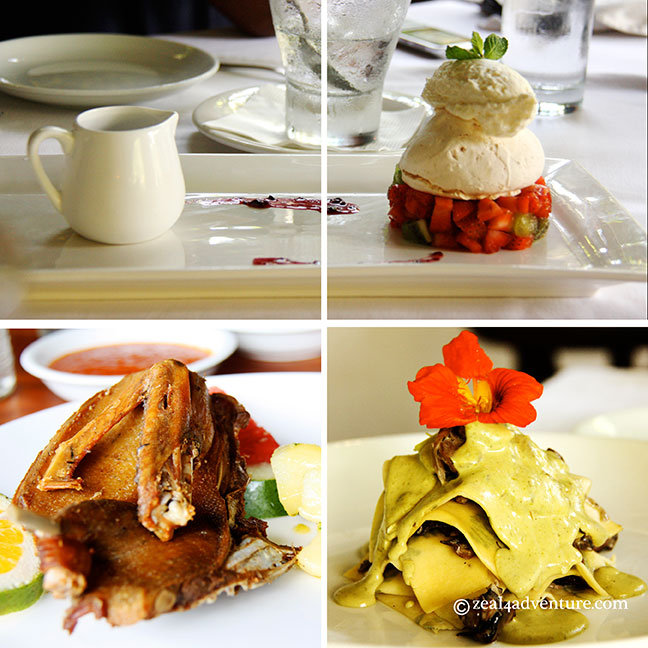
gastronomic-delight-At first glance, Ubud seemingly may consist of local eateries but it has its fair share of creative restaurants featuring a fusion of different cuisines. Every visit, I discover new jaunts but try to revisit one or two favourites.  More on Ubud Eats here.

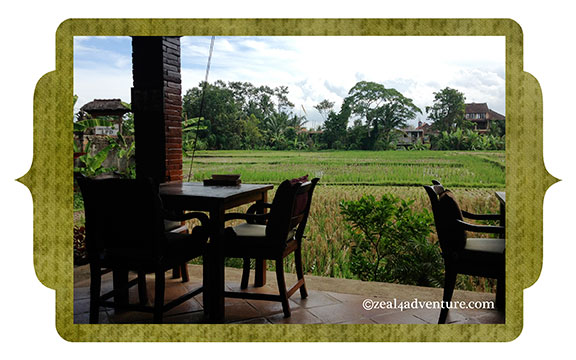
rice-fieldsNature lovers will love the countryside feel of Ubud. Cafes and lodgings surrounded by rice fields abound.

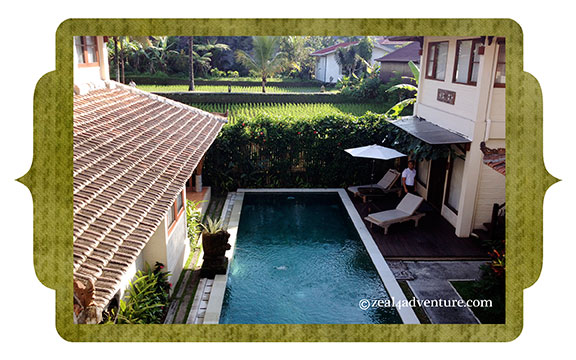
resortThe view of the rice field from our resort, Munari Resort and Spa.

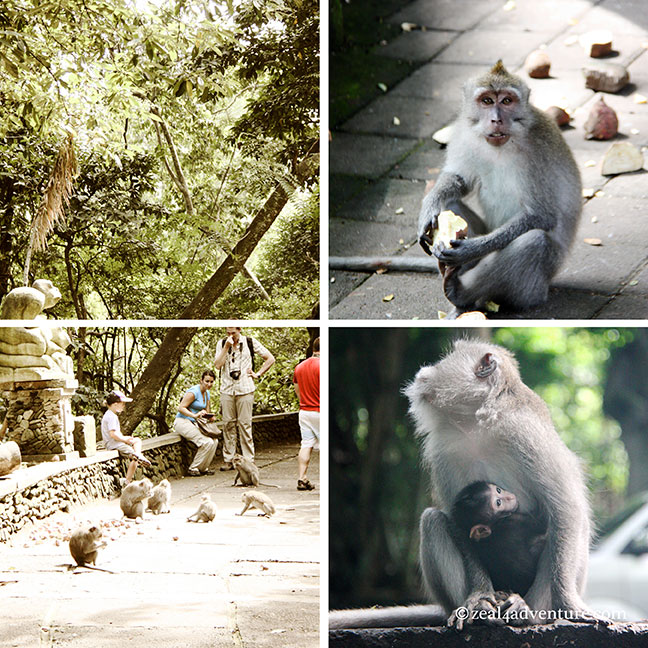
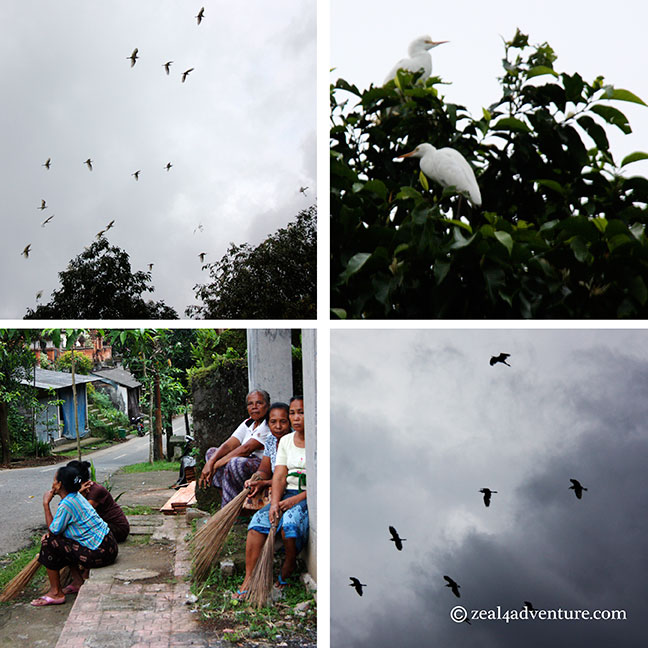
While birds and animal lovers will enjoy an afternoon in either the Monkey Forest or head out to Putulu Village for some white heron (kokokan) sightings.

Monkey-ForestThese herons, thousands of them, have inhabited the trees of Putulu since 1965.

white-heronsThey return to rest at around 6 pm every night so it is best to go an hour or so earlier, find yourself a warung and enjoy a few drinks of cold beer while you wait.

The one lure that calls out the loudest and the one I truly look forward to is the pampering. You can’t walk more than a few meters without passing a spa.

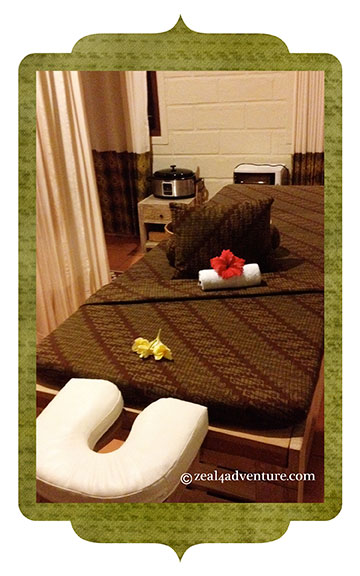
massageGetting a daily massage is a norm in an area swarming with spas – a traditional Balinese massage one day, a Javanese Lulur Scrub another and what about a four-hand massage or coffee scrub for that special treat before going home?

Ahh… just writing this post had me yearning for another de-stressing visit to Ubud. Sigh…

Streets of Hanoi: The French Quarter

The-French-QuarterCredits: 

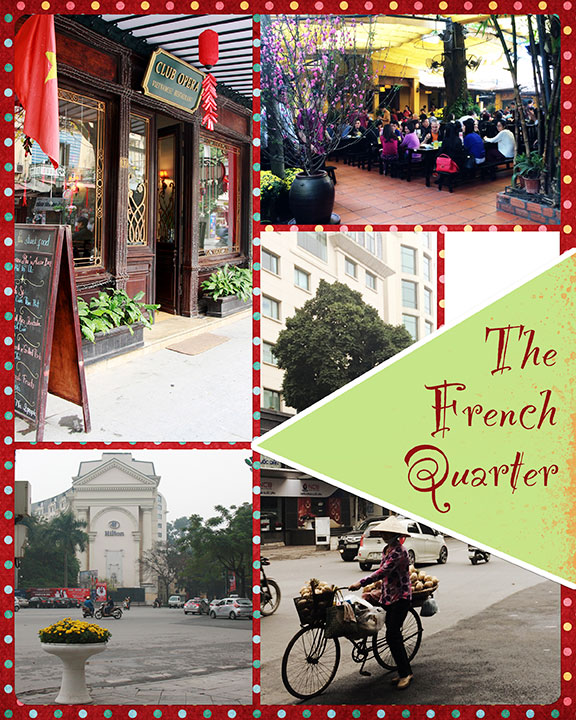
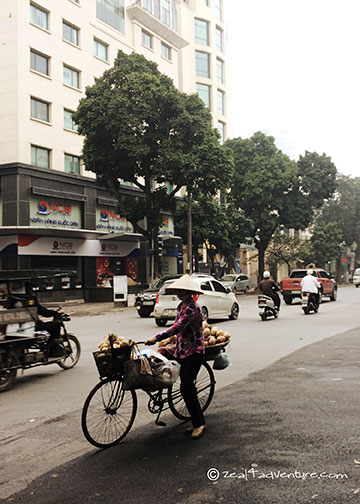
Ba Dinh District also called the French quarter is a pleasant interlude from the chaos of the Old Quarter (especially if you are staying in the Old Quarter like we were).

tree-lined-boulevard

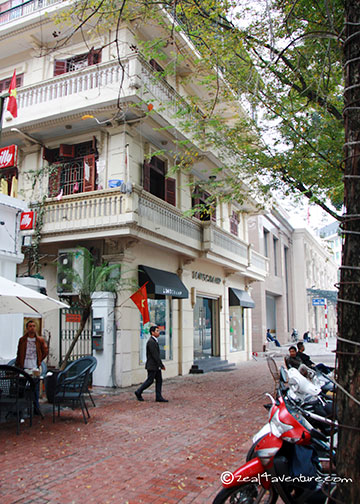
The area is home to wide tree-lined streets, French colonial buildings,

posh-hotel

posh hotels, fancy restaurants and swanky shops.

swanky-shops

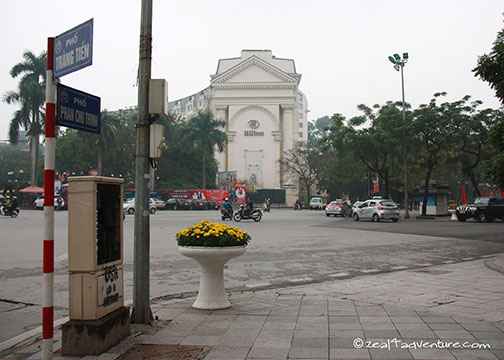
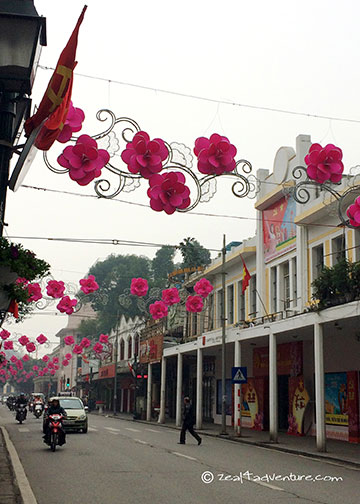
On our way to lunch, we walked through Trang Tien, the main artery of the French Quarter, walking pass (but never entered) the famous ice cream store, Kem Trang Tien.

Trang-Tien-Street

Elegant French style buildings and villas replaced the old Vietnamese buildings in this section (as the name suggests) when the French occupied Hanoi in the last 19th century.

Opera-House

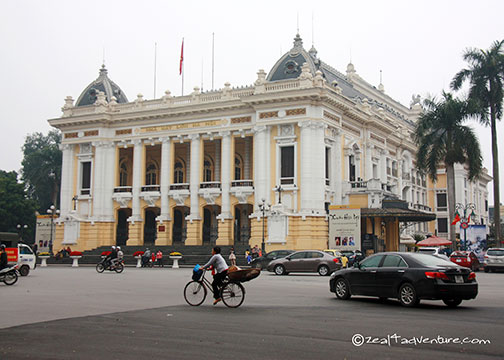
At the end of Trang Tien, on the August Revolutionary Square, the Hanoi Opera House, stand proudly as an architectural, political and cultural symbol of the capital.

Lunch at Au Lac House along Tran Hung Dao was a pleasant default. We were headed to La Badiane (which we never got to try but came highly recommended) but were unfortunately closed for the day.   The reason is a blur to me now but because we were there during the Lunar New Year, it could be because of that, but I digress.

Au-Lac-House

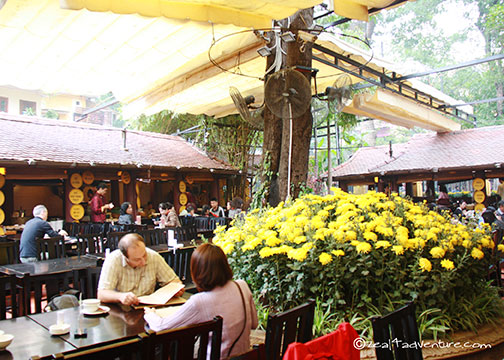
So, just a few steps away from La Badiane is Au Lac House, a large French Style garden house built during the French colonial period restored into an elegant dining venue.

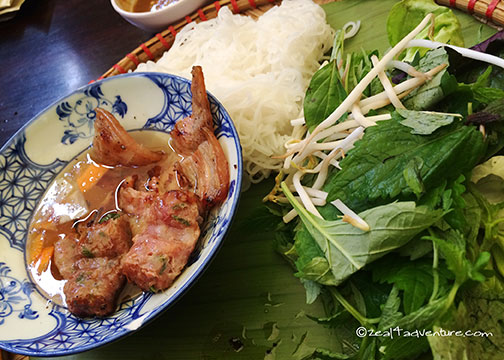
Bun-Cha

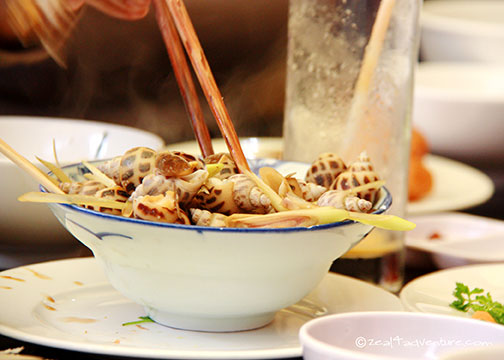
snails

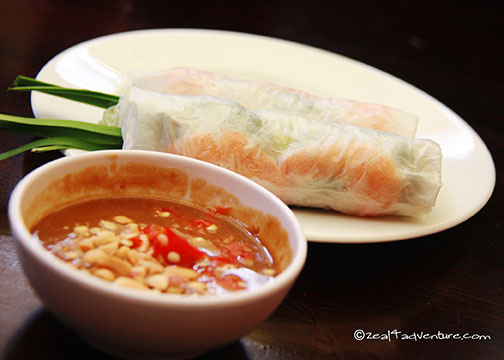
The food was Vietnamese Specialty (a sudden mind-shift from the expected French lunch at La Badiane) and quite impressive too.  Truth to tell, Vietnam is always a gastronomical delight whether it be hole in a wall or high-end.

spring-rolls

You can walk through the different stations with your server and point and choose and the food will be prepared and served accordingly.

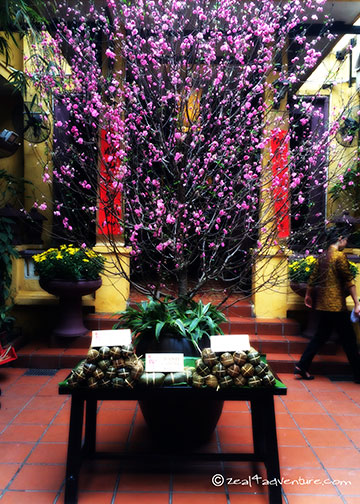
Au-Lac-interior

The beautiful house and stunning interior with old photographs were icing on our cake.

Useful Info:

Au Lac House13 Tran Hung Dao

Opera House:  1 Trang Tien, Hoan Kiem