Onsen: A New Found Love

Getting ready for my first outdoor “hot spring” bath, I found myself in a room filled with women of all ages, some soaking in the (indoor) pool and others seated on stools going about the bathing rituals.

I found an empty seat.  Observing their rituals, I started washing and scrubbing until I felt clean enough to share a pool with them (the onsen etiquette dictates that one must be scrubbed clean before entering any pools).  The room was warm but because winter was on its way, the weather has turned cold and windy outside.  I hesitated and soaked in the pool while I mustered the courage to brave the cold, windy afternoon.

With only a hand towel in tow, my friend Stella and I walked into unfamiliar territory.  Outside the bathing room were several (geothermal) pools spread around a gorgeous Japanese garden. As I felt the gush of wind blow straight into my bones, I went straight into the nearest pool.  Unbeknown to us at that time, it was the pool that the source of the spring pours into.  Wrong move.  The farther away the pools are from the source, the gentler (to the body) it becomes.  We settled on alternating between the third and the fourth pool.  The heat can be unbearable at first, but once the body acclimatized, it was soothing, palliative even.  The diversity of minerals relieves a multitude of ailments, they say.  It was the perfect remedy to my sore muscles at least.  Despite a 10°C windy evening, I felt warm to the bones from the hot spring.  When it snowed on the second night, it was surreal.

northern-alps

Hirayu. It is a town surrounded by mountains and active volcanoes on all sides, a town known for its more than 30 natural source hot springs or what is known in Japan as “onsen”.  The oldest and largest of Okuhida’s “onsen towns” is also the region’s transportation hub making it a marvelous base for wandering through nearby areas like Kamikochi, Norikura, Matsumoto, Shin Hotaka and the Hirayu-Otaki waterfalls – famous for its illuminated display of a frozen waterfall during the winter.

hirayu-no-mori-2

Our home for 2 nights, Hirayu No Mori, is conveniently located near the bus terminal.

hirayu-no-mori

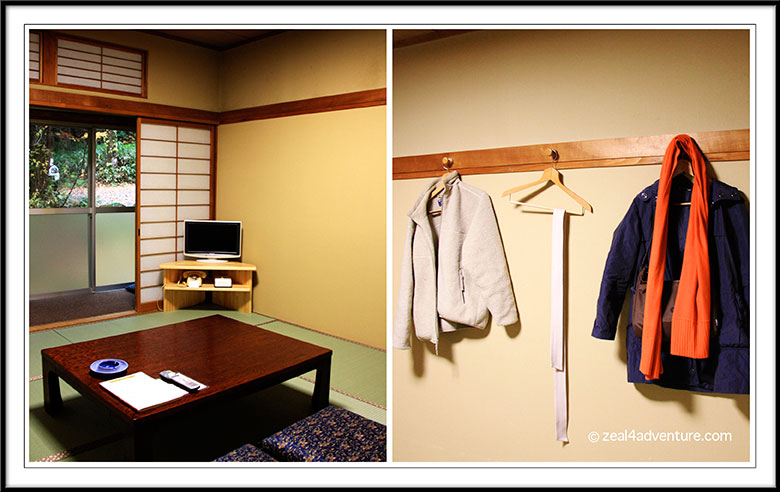
This hot spring resort, primarily a bathhouse, boasts of beautiful grounds, comfortable rooms

traditional-guestroom

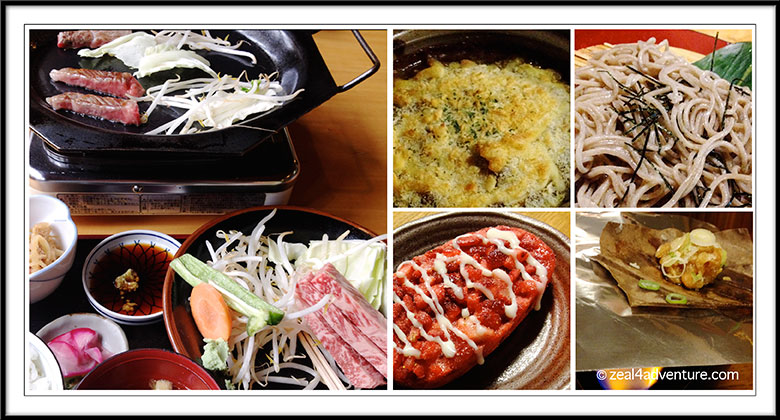
and a restaurant serving central Japanese dishes such as Hida Beef and Hoba Miso.

food

It has 3 bath facilities (2 segregated and 1 mix gender) and a total of 16 pools altogether.

And for two nights under the stars, I soothed my exhaustion away in several of the pools and soaked up as much of this quintessential Japanese experience to take home with me.

Useful Info:

There are several rules of etiquette to keep in mind when visiting a onsen.  Click here to know what these are.

Hirayu No Mori
763-1 Hirayu Okuhidaosengo,
Takayama, Gifu Prefecture
Contact:  0578-89-3338

Shirakawa-go

ogimachi-gassho-house

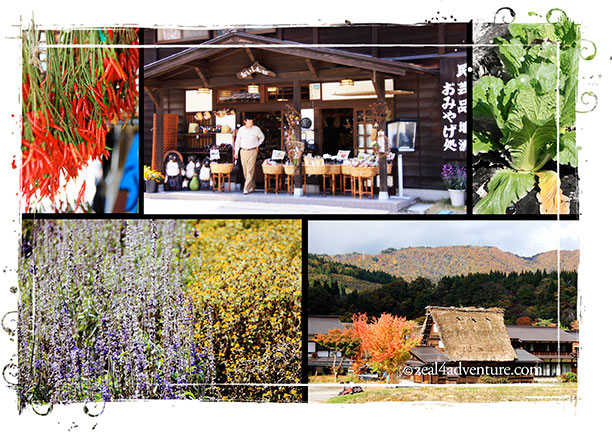
Gassho-zukuri.  We’re not done talking about it yet because there are still some that can be found in typical farming villages, some ordinary folks still call it home, this 250-year old special farmhouses.

omigachi-collage

These villages still exist, and one is just 50 minutes away by bus from Takayama.

ogimachi-tourists

The UNESCO declared World Cultural Heritage Site, Shirakawa-go and its neighboring region Gokayama has been slowly attracting visitor since it was inscribed in 1995.

Ogimachi is Shirakawa-go’s largest community.  A charming village, albeit a slightly “touristy” oriented one, lining the Shogowa River valley.

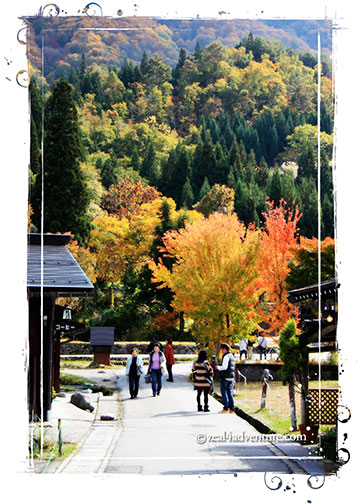
Ogimachi-scenery

Its beauty lies not only in the scenery, resplendent in shades of autumn at the time of visit, but as well as in its community.  Ogimachi has 2 medical clinics, a primary school and a junior high school.

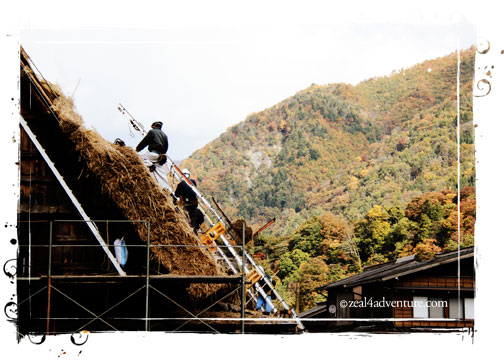
Ogimachi-fixing-roof

Many still live in a Gassho-zukuri, but many of the well-preserved farmhouses have become museums, restaurants and there are 20 or so of it that has been made into Minshuku (bed and breakfast) guesthouses.

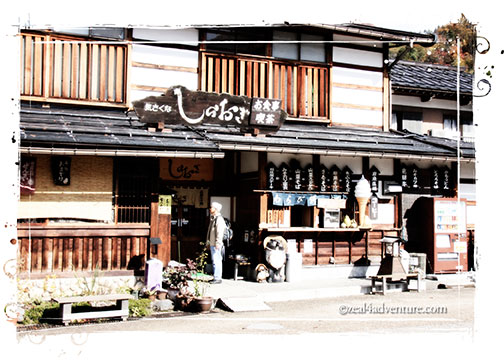
lunch-shiraogi

Time permitting; spending a night there would have been glorious.  Instead, we contented ourselves to a nice hot soba meal before heading back to Takayama.

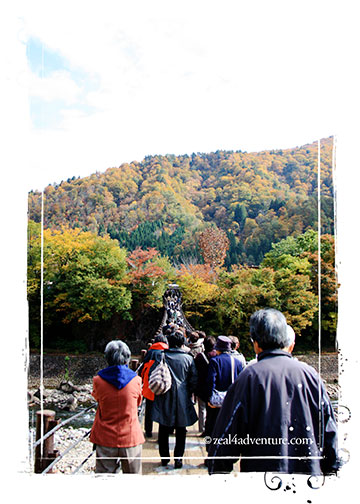
Ogimachi-crossing-the-shogawa-river

Across the bridge, near the bus stop is a well-constructed outdoor heritage museum.

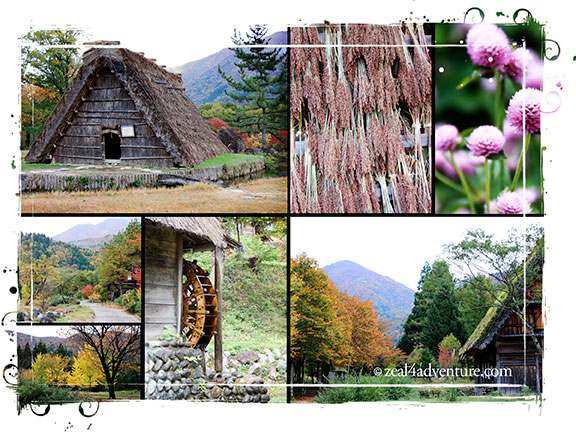
minkaen-collage

The Gassho-zukuri Minkaen features 25 preserved farmhouses.

minkaen-1

Like Hida-No-Sato, it was relocated and rebuilt to emulate a traditional village in the countryside, scenery and landscape of which is simply superb with the mountains lending the perfect backdrop.

minkaen-2

A Feast for the Eyes and Soul

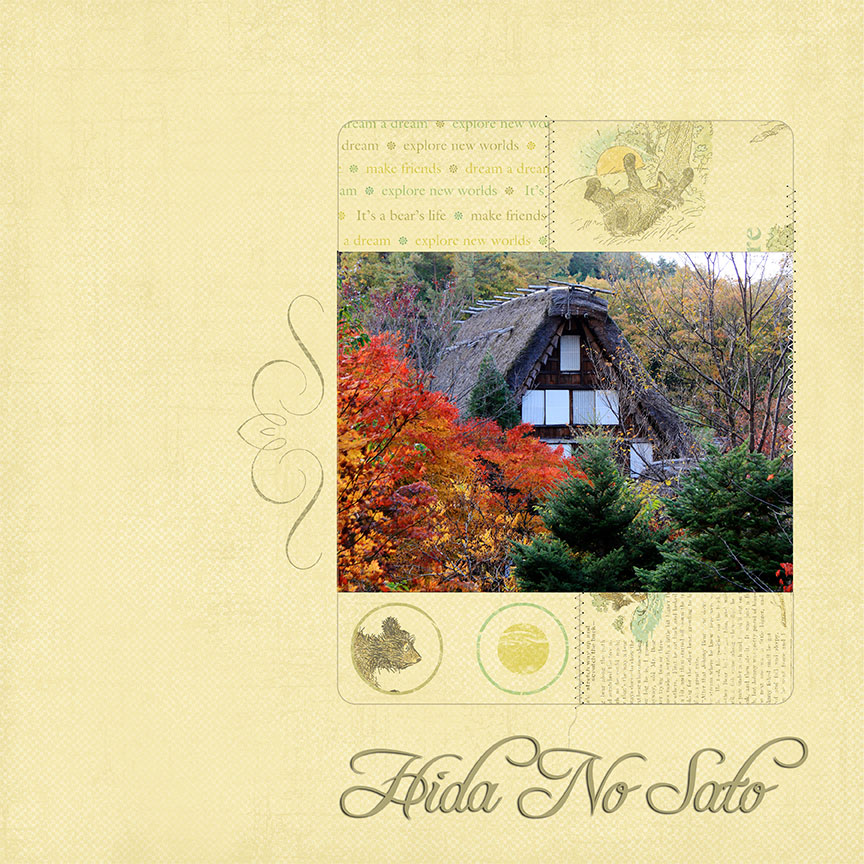
Hida-No-SatoCredits:  Template by K Pertiet (Bears Life)

I love how the Gassho-Zukuri farmhouses stand out against the warm hues of autumn – a stunning contrast, really.  This tall (possibly 3-4 stories high) coffee-colored A-shaped thatched roof farmhouses were first built during the Edo period.

entrance

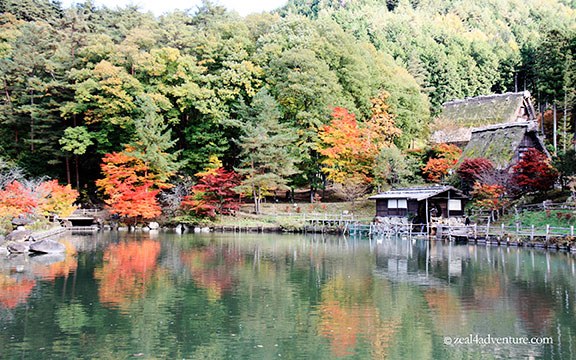
Lush woodland with hints of fall reflects on the stillness of the pond like a mirror.  It reminds me of a Monet artwork except that the setting isn’t France.  This is the first thing your eyes will wander to once you enter Hida No Sato, sometimes also called Hida Folk Village.

gassho

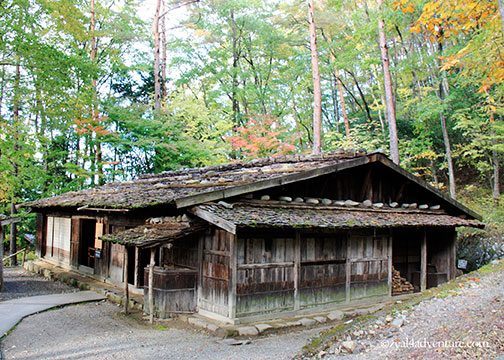
And this is where those Gassho houses were relocated.  It resembles a village of old Japan – it has around 30 well-preserved traditional houses, storehouses and other structures with farming tools and everyday utensils displayed in each house.

Tanaka's-House

This outdoor museum of sort, aside from preserving the structures, strives to keep the culture alive by offering hands-on lessons on the traditional way of life like rice cropping, straw-work and stitching, cypress carving to even storytelling using the local dialect.

interior

A few hours here will boost your appreciation on how life was back then for farmers and craftsmen of the Hida region.

IMG_7176

Life isn’t easy for these people as winter is harsh in this part of Japan.  The steep slanting roof was said to be for the purpose of rain and snow.  It allows both to fall straight off, preventing water from seeping through the roof or heavy snow collapsing the roof.  It also eases the work of cleaning. Isn’t it amazing how a practical need has led to a fascinating and unique style of architecture?

autumn-colors

So when in Takayama, you must go visit this place.  It’s just a 30-minute walk from town or a 10-minute bus ride from the Takayama Station.  It will be a feast for the eyes and the soul.

Useful Info

Hida No Sato
1-590 Kamiokamoto-machi, Takayama City
Opens 7 days a week from 8:30am – 5:00pm
Admission: ¥700
 
How to get there from Takayama:
Take a 10-minute bus ride from the Takayama Station (bus runs every hour); get off at the Hida No Sato bus stop. 

Takayama Morning Markets

It was cold. The warmth of the comforter and the futon was extremely inviting, but I was determined not to give in to the temptation because we are going to the market today.

Jinya-scenic-walk-3

Jinya-scenic-walk

Jinya-scenic-walk-4

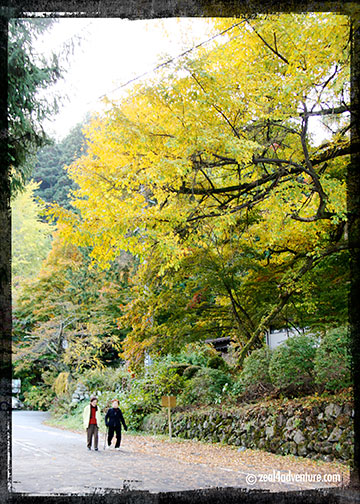
So at exactly 6am, we ambled to the morning market nearer to the ryokan, watching the city wake up along the way.

setting-up

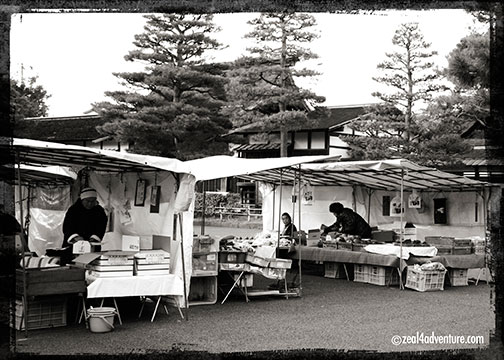
At the Jinya-mae market, we watched it come to life one stall at a time.

Jinya-morning-market

I expected to see a much bigger market than the neighborhood market it really is.

Jinya-produce

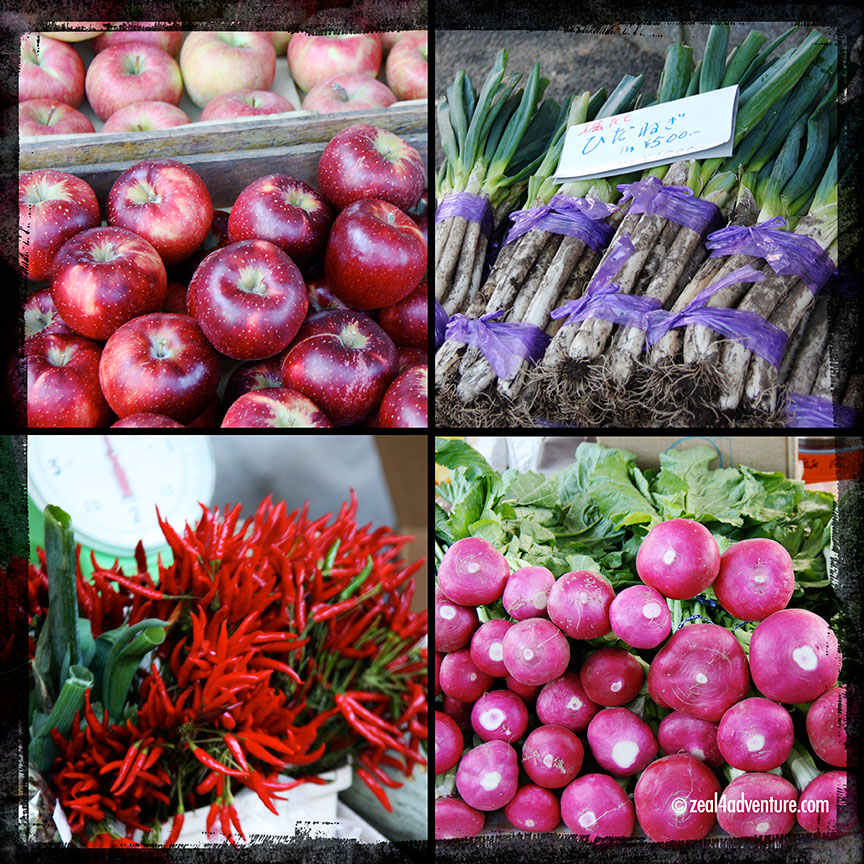
More of a farmer’s market, it sells a lot of foodstuff and produce from gigantic, gorgeous but expensive fresh fruits and vegetables to rice cakes and

Jinya-pickles

pickled vegetables all wanting to be purchased, begging to be noticed at the least. We eventually gave in to this corn – the sweetest and crunchiest I’ve ever had, and that is not an exaggeration.

sweet-corn

If we weren’t heading back to the ryokan for breakfast, I would have feasted on a few more.

breakfast

Thank God for good judgement as breakfast was lavish in Hakuun!

There are two morning markets (Asa-ichi) in Takayama that takes place daily from 6am till noon. The Jinya-mae morning market can be found in front of Takayama Jinya, a historical office building from the Edo Period said to be the only remaining building of its kind.

Not far from the Sanmachi district is Miyagawa morning market.

Miyagawa-morning-market

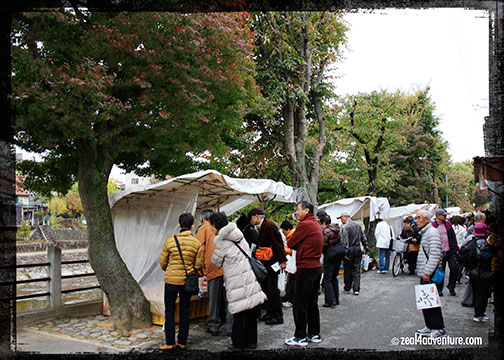
This market situated along the east bank of the Miyagawa River is bigger and I believe geared more towards the tourists.

Miyagawa-street-food

Stalls selling crafts of wood or fabric, souvenirs, street foods are spotted alongside fruits and vegetables stands.

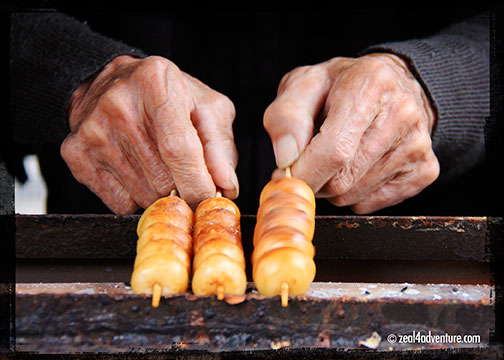
Miyagawa-Sticky-balls

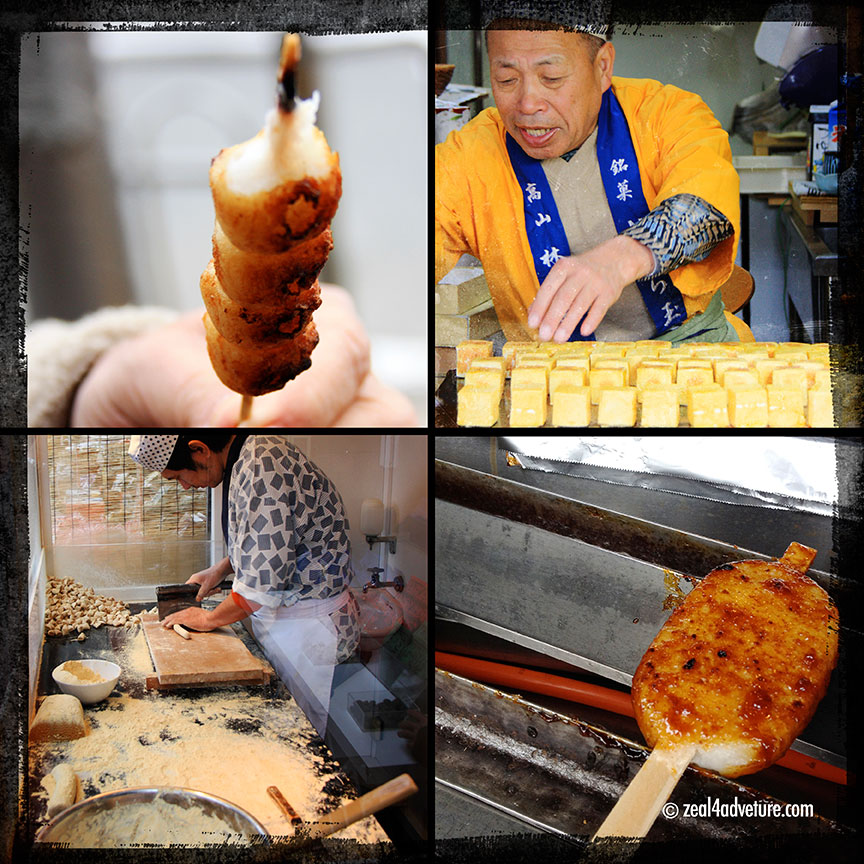
Interesting bites that had us so full but wanting more. So with these bites in tow, we explored the market.

Miyagawa-souvenirs

Here, tourists abound or maybe it was the time of the day – when the city was already fully awake and vibrant with life. Here, the lure to buy is much, much greater. Here, I looked, I tried some, I got a few to take home.

Missing In Action

So I’ve been missing in action.  Yes, I’ve been away, to a land overflowing with exoticism, and I’m still struggling to get back to the rhythm of my everyday.  Oh how I wish I could spend more days soaking up the vibe of Morocco while sipping mint tea in some quaint cafe.

Check out an article I wrote for Exquise Magazine on “Five Things You Must Do When in Morocco” here and get a glimpse of what has kept me busy while I was away.

In the meantime, I will struggle to get back to the grind… more of exotic Morocco after I’m done telling you about Japan.

Old Town Splendor

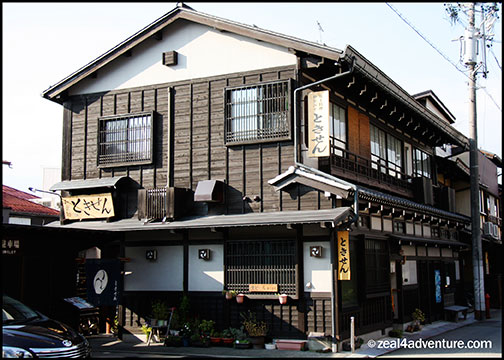
It was close to lunch when we hailed a taxi at the Takayama Station to take us to Futurishizuka Hakuun, our Ryokan.  Not exactly at the center of town but Takayama is small enough to go around on foot anyway.  A leisurely walk to town took us about 15 minutes to Le Midi,

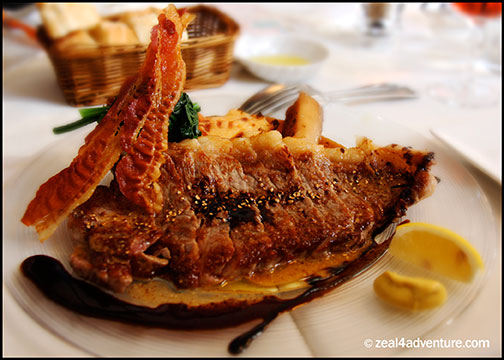
Hida-beef-at-Le-Midi

a French bistro recommended by the Ryokan, for an excellent Hida beef meal.

Lesser known internationally, the Hida region of Gifu Prefecture breeds top quality black cattle.  As a mater of fact, it was given the highest prize by the same award giving body that made Kobe beef what it is today.  And when in Takayama and the surrounding areas around the Hida region, a Hida beef meal should be high on your list.

But more than Hida beef, Takayama is visited for its famous historic townscape.

sanmachi-2

At the center of town, old wooden houses from the Edo period line both sides of the streets of Sanmachi imparting an atmosphere straight from the 19th century.
restaurant-in-traditional-building

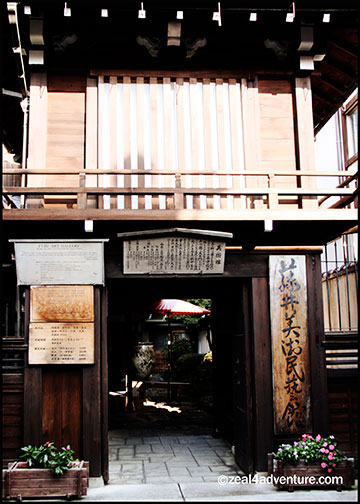
Most of these are still private homes while a few are now shops, inns, and restaurants.

shop

Many museums, galleries, and even sake breweries likewise coexist with the old private houses in that quarter.  The three narrow streets that form Sanmachi are “Nationally Recognized Important Historical Preservation Areas”.

Takayama was the center of Japan’s timber industry and was known for its expertise in carpentry.  It is believed that carpenters from this town worked on palaces and temples in Kyoto and Nara hence the well-preserved quarter.

black-houses

The striking black luster of the buildings were the result of rich merchants back then trying to hide the use of the best but prohibited wood by painting their houses with soot, which in my opinion gave the city its character in the end.

traditional-buildings

The old town is where the action is; just a short distance from each other is where most of the attractions are.

scenic-town

And for the remaining portion of the day, we walked around town not exactly aimless but with a loose agenda, and this was where our meanderings took us:

Takayama Matsuri Yatai Kaikan

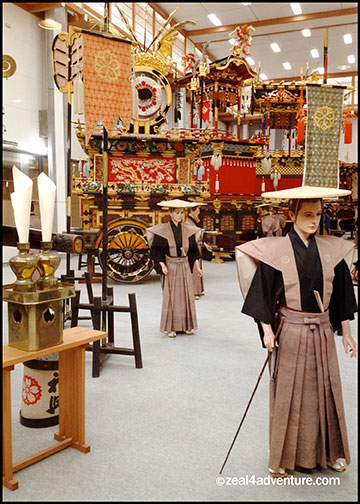
Ranked as one of Japan’s most beautiful festival, the Takayama Matsuri Festival always attracts a large number of spectators.  Magnificent floats are pulled through the streets of Takayama’s old town during the festival held every spring and autumn.

Festival Floats Exhiibit Hall

The Takayama Matsuri Yatai Kaikan or the Festival Floats Exhibition Hall displays on rotation four of the eleven floats used in the festival.  Many of the floats that date back from the 17th century are of gilded wood intricately carved with detailed decorative metalwork.  If not displayed in the hall, they are stored in tall storehouses called yatai-gura scattered quite noticeably around the town.  And these elaborately crafted floats are excellent showcases of the special skills the Hida-Takayama craftsmen are known for.

Sakurayama Hachiman Shrine

Sakurayam-shrine

Just across the exit of the exhibition hall is the shrine where the Matsuri Festival is held every year. It was built during the time of Emperor Nintoku and later made bigger than the original under Lord Kanamori.  It was officially established to protect a part of Takayama,

Sakurayama Nikko Kan

The Nikko Toshogu is a Shinto shrine in Nikko Tochigi Prefecture dedicated to the first shogun of the Edo Shogunate, Tokugawa Ieyasu, a UNESCO World Heritage Site.  The Shogunate spent a fortune and took 15 years to reconstruct the Toshogu.

sakurayama-nikko-kan

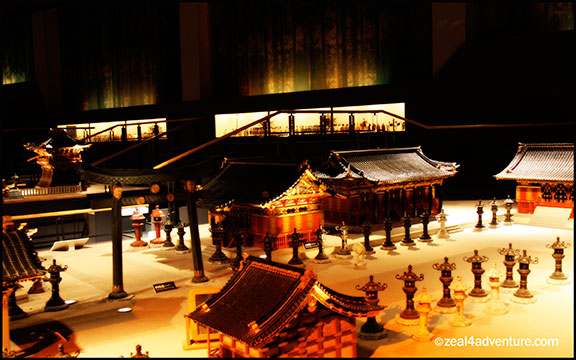
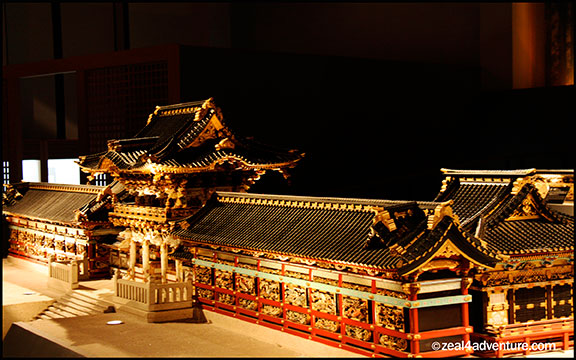
The entrance fee of the Matsuri Yatai Kaikan includes the Sakurayama Nikko Kan, a hall displaying the impressive one-tenth scale replica of the Nikko Toshogu.

sakurayama-nikko-kan-2

The replica, after the war, was shown in the United States and in a few decades later, in Japan.  Today, it has found its home at the Sakurayama Nikko Kan complete with a computerized lighting system programmed to alternate sunrise to sunset.  It is a beautiful exhibit not to be missed.

Yoshijma Heritage House

Built by master carpenter Nishida Isaburo in 1907.  The Yoshijima family was a prosperous merchant engaged in money lending and the production of sake in Takayama.  And it once had a building where sake once brewed and plastered storehouses where sake was stored before being sold.  Unfortunately, most of the structure has been torn down with only a small part remaining.

yoshijima-heritage-house

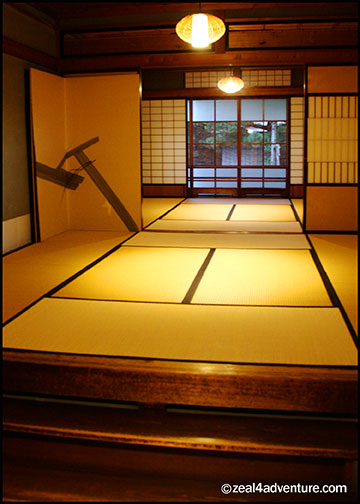
Well maintained, the house has posts and beams polished and smoothened through the years to a rich brown tone delivering a sense of sophistication to an already beautiful old house.  Another a must see.

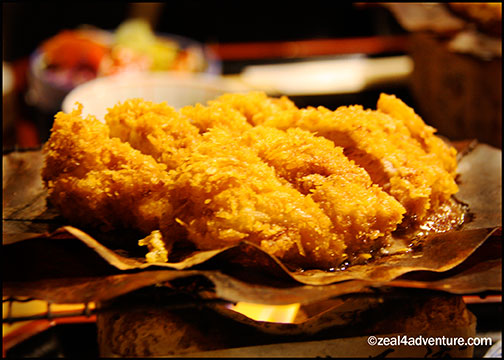
As we continue to explore the town, we decided on an early dinner of Tonkatsu.

tonkatsu

Unlike the ordinary Tonkatsu we know, this deep-fried breaded pork fillet is placed on top of a magnolia leaf with the sweet sauce heating on a dish with fire underneath. Tender and juicy, this meal was the perfect way to end the exploration.

Back in our Ryokan, we reveled at our ante room, put our feet up, and sipped our green teas.  We were in good spirits.

green-tea

I wasn’t planning to, but the hot tub was calling out to me.

Futarishizuka-Hakuun

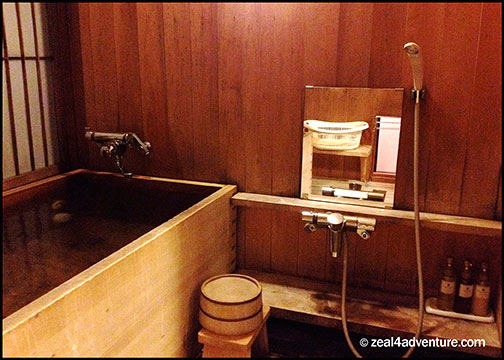
Nestled on a hill, Futurishizuka Hakuun is favored with a wonderful view of the city and mountain.  It has in some rooms a private hot bath.  And our tub has that view – beats having a massage any day.
hot-bath

As I lay down in the tub, I see steam all around, and I feel heat melting the weariness from all the walking done the past few days.  Knowing that there will be more, I welcome this tonight.  And maybe tomorrow too.

Useful Info:

Yoshijima Heritage House
Hours: 9:00AM to 5:00PM (Mar – Nov); 9:00AM to 4:30PM (Dec – Feb)
Closed on Tues (Dec – Feb, when Tue falls on a national holiday, it is open and is closed the following day)
Admission: ¥500
 
 
Festival Floats Exhibition Hall & Sakurayama Nikko Kan
Hours: 8:30AM to 5:00PM (Mar – Nov); 9:00AM to 4:30AM (Dec – Feb)
Admission: ¥820

Nishiki Market

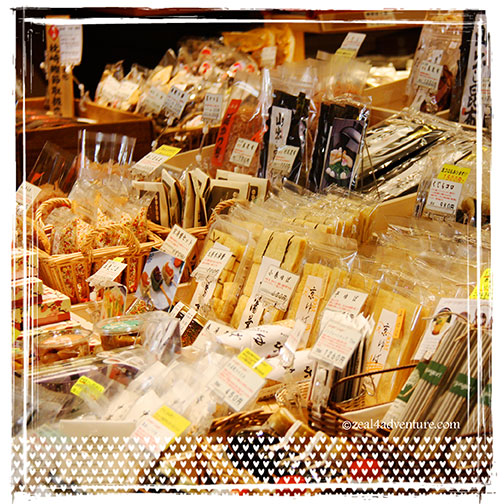
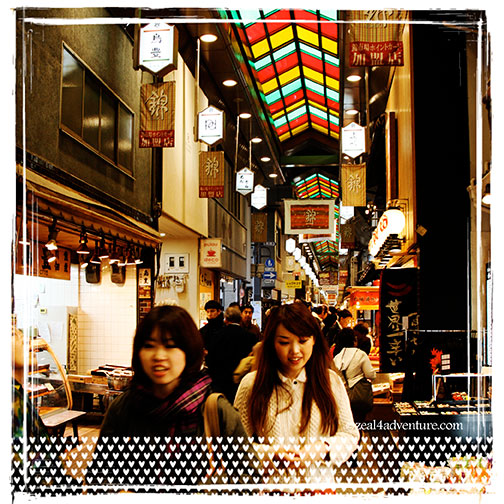
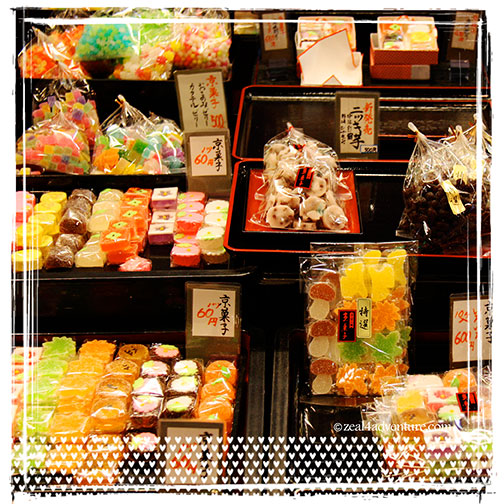
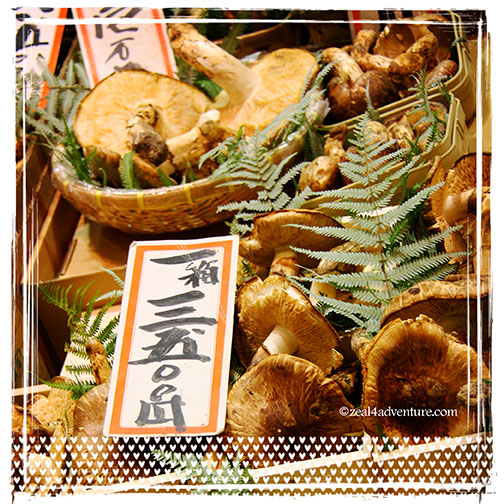
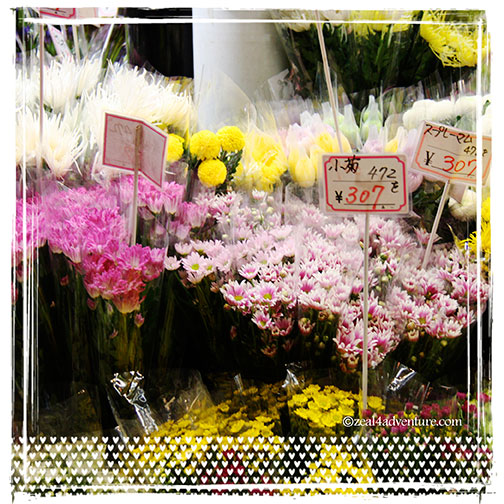
Kyoto has a kitchen in a vibrant retail market specializing in all things related to food –

assortments

espresso-milk-jam

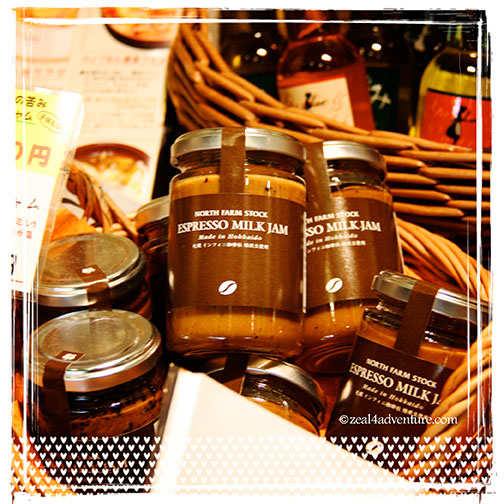
fresh seafood, fresh produce, fresh fruits, sweets, knives, cookware, etc. – 5 blocks long, lined with more than one hundred shops and restaurants.  This is where to find Kyoto’s specialties and many seasonal foods.

Untitled-1

Located in central Kyoto, this narrow market has supplied Kyoto’s residents with high quality traditional ingredients for centuries.  The history extends some 400 years ago, and many shops are still operated by their founding families.

nishiki-market

A walk down Nishiki-koji will give you a sense of what Kyoto is all about.  This may not appeal to just any visitor, but this can be pure heaven to lovers of food and the kitchen.

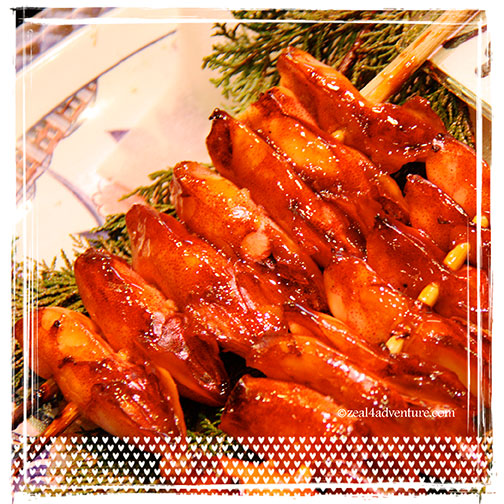
teriyaki-squid

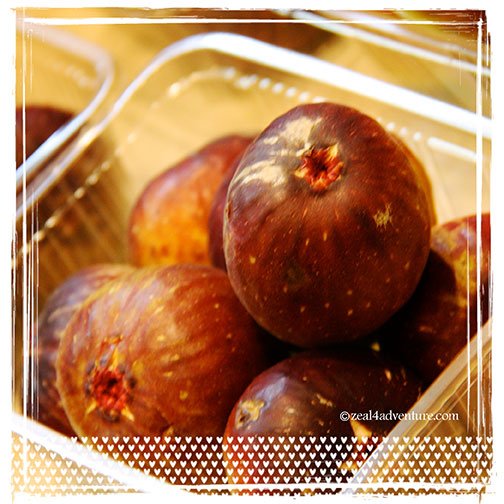
figs

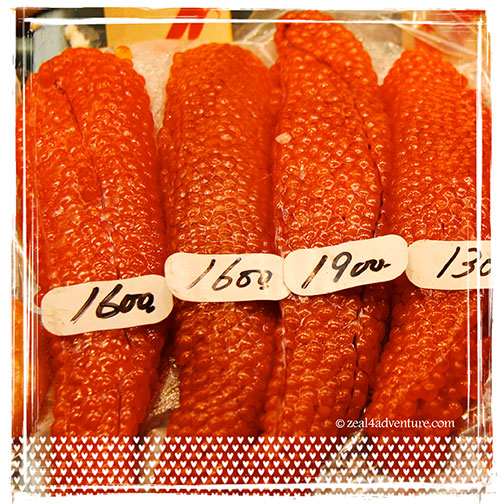
fish-roe

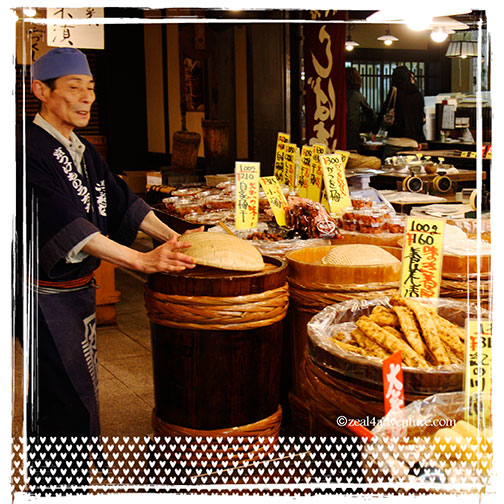
In the narrow alleys of the market, the stalls are filled with food items of any kind – some already prepared while others yet to be cooked.  A great place to eat too, with so many intriguing eateries to choose from and we could have, but they close at 5.

sweets

shitake

Local markets, I believe, reflects the culture and economy of a place and visiting these markets is one of my joys in traveling.  Whenever you can on your next trip, go hit the market.  It usually is a plethora of everyday stuff that characterizes a city.

flowers

roasted-mochi

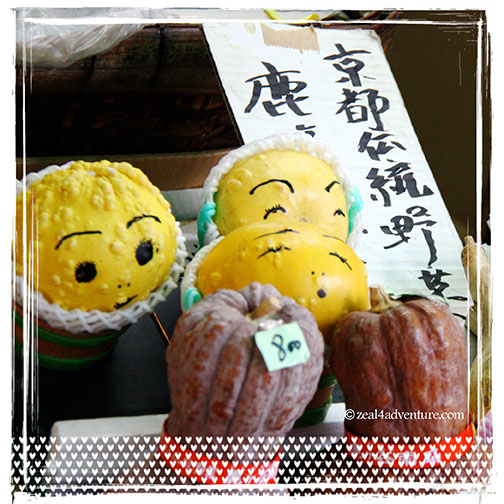
gourds

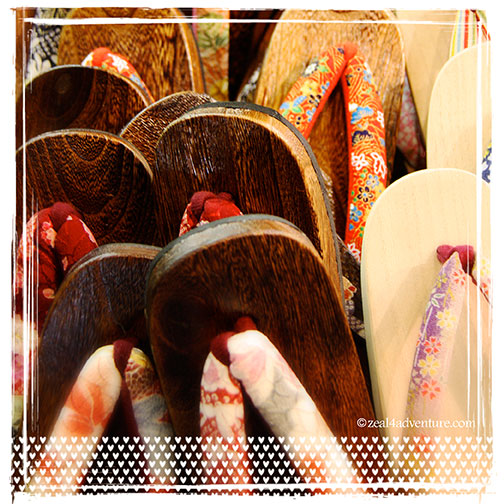
japanese-slippers

Useful Info

Getting There:  From JR Kyoto Station, take the Karasuma Subway to the Shijo Station.  It is a 5 mins walk to the market.  The market is parallel to Shijo Ave., connected to the Teramachi Shopping arcade.

Nishiki Market
Nishikikōji-dōri between Teramachi & Takakura
Opens daily except Wednesday from 9am – 5pm

The Train Station and The Ramen

steel-and-glass

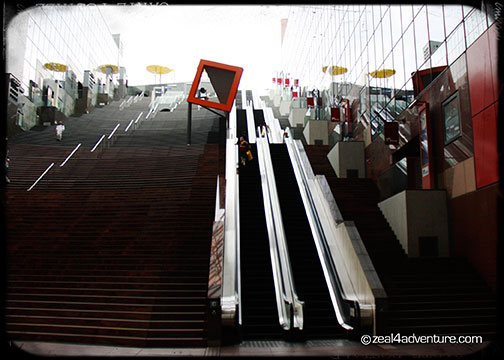
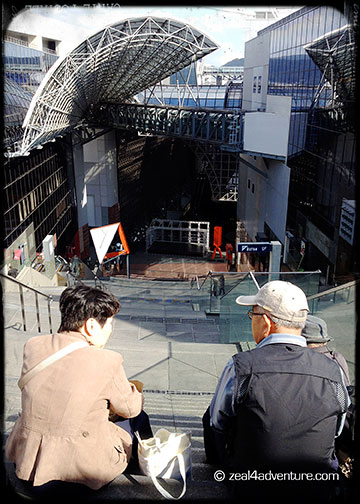
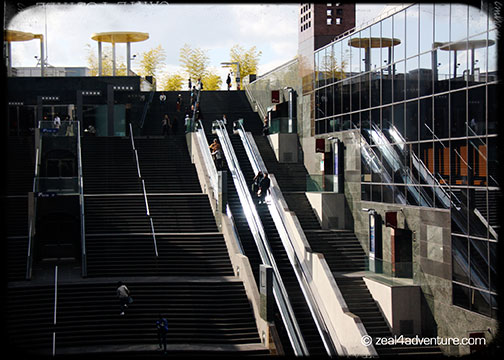
It is a feast of steel and glass with a concave shape interior that opens to the sky, massive with a 60-mile long atrium and 171 steps of stairs.

171-steps

With a hotel, a shopping mall, a movie theater, a department store, a food court and 2 tourist information centers in one roof, the Kyoto Train Station is a splendid example of modern architecture and somewhat controversial when it was built in the mid ‘90s.

hub

It is, nevertheless, a chic way to enter or leave Kyoto.

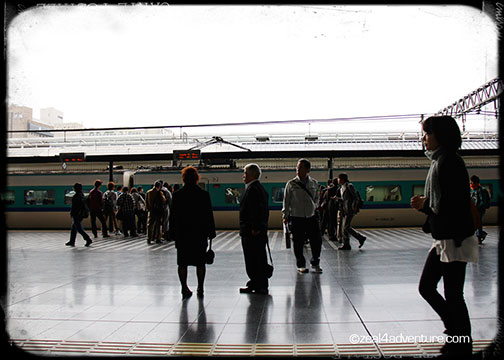
platform

It has an old fashion charm to it, but I am partial to traveling by train because not only is it easier on the budget, it is also less of a hassle and more flexible in terms of schedule.  However, purchasing train tickets and finding your way around stations can be confusing if English is not spoken fluently.  We believe that being there a day before to get the tickets and familiarize ourselves with the place makes it less stressful on the day itself.

modern-art

And spending the morning at the incredible Kyoto Train Station was enjoyable.  With the essentials done and over with, we explored the building.

view-from-the-top

stairs

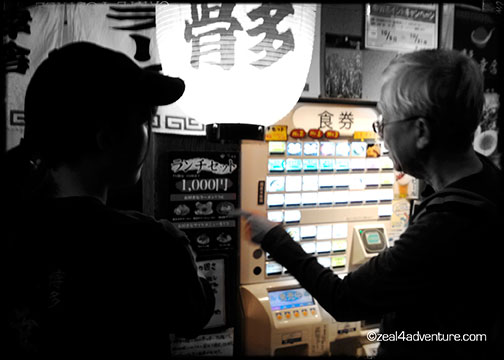
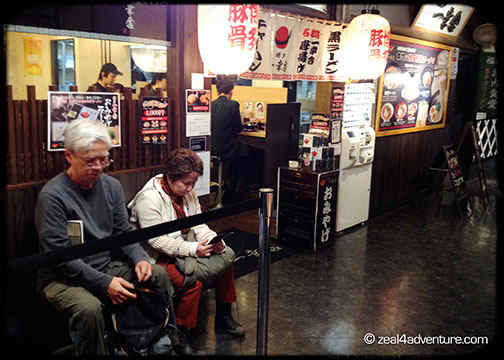
The Cube is a shopping mall that starts at the basement and goes all the way up to the 11th floor.  Kyoto Ramen Koji is on the 10th.  It is a “ramen alley” with seven different ramen shops and a coffee and dessert station.  Choosing a place was a daunting task – never thought ramen could be so complicated.  So we decided to choose the one with the longest line – the popular one, we thought.  The problem was we needed to order through a vending machine, which was all in Japanese.  The restaurant staffs do not speak English and therefore, could not explain the process.  We finally chose Hakata Ikkousha because:

a) girl at the door knew some English.

vending-machine

b) they had the 2nd longest line

waiting-in-lineIt was a long line… really!

c) it also has an English name and it promises to make people happy with their dish.

ikkousha

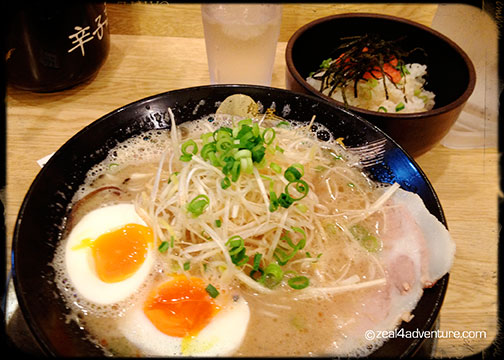
No way of comparing, we decided that the ramen we had was fantastic, though I could go without the rice with fish roe, which came as a set for  ¥1,000.

ramen

The pork literally melts in the mouth; the broth flavorful and the noodles are al dente.  It could be, by far, our cheapest meal in Kyoto.

chasen

display

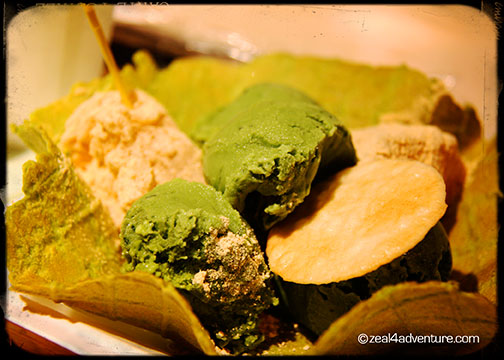
On our way out of ramen alley, I could hear the desserts at the corner ever so softly but persistently calling my name.

green-tea-ice-cream-with-mochi

Thank you Chasen, for calling out to me.  You did not disappoint.  The mochi was exceptional.

Useful Info

Kyoto Train Station
901, Higashi-Shiokojicho (JR west)
1-3, Higashi-Shikoji Takakura0cho (JR central)

East of Kyoto: Of Geishas and Wagyu

Their world a mystery to me, my fascination with Geishas is one reason I am walking the streets of Gion.

Gion-Kaikan

To catch a Gion Odori  (a geisha dance performance) at the Gion Kaikan Theater was high on my list of priorities but the timing was off.  So the next best thing is to take the streets where they frequent.

Filled with shops, restaurants and ochoyas (teahouses), Gion is Kyoto’s most celebrated geisha district, Hanami-koji being the most popular.

hanamikoji

The street and side alleys are lined with beautifully preserved traditional wooden townhouses called machiyo.  Many of which have become expensive restaurants, serving Kyoto-style kaiseki ryori (Japanese haute cuisine), some even extend to dance performances by real maiko dancers.

The number of geishas has significantly declined in the last one hundred years and to catch a glimpse, of either a geisha, or a maiko is scarce today.   But despite the dwindling lot, the present “women of art” still practice her skill with the same diligence  as those before her.

More than my fascination with geishas, my obsession with food brought me to Gion.  The best way to get acquainted with the places I visit (in my opinion) is to immerse in the local cuisine.  Japanese food is no exception even if it is arguably among the top in the international cuisine scene these days.  In fact, as I ventured into its different cuisine, I went home with a deeper appreciation and understanding of its food.

shinbanshi-st

The cobbled-stoned Shinbanshi St. is a traditional building preservation area in Gion Shinbanshi.

Shirakawa-canal

The street runs along the Shirakawa canal lined with willow trees, making it one beautiful, scenic stroll.

Shinbanshi

On top of that, it is a restaurant row, most of which overlooks the canal.  We walked the strip of high-end restaurants and teahouses partly in search for a place to dine that evening.

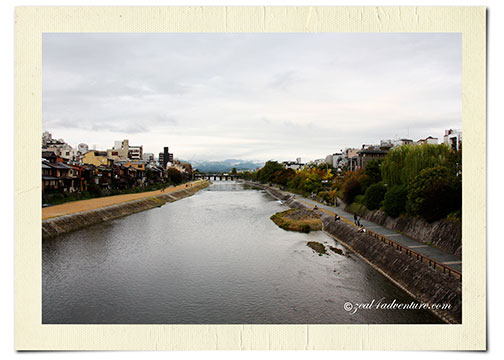
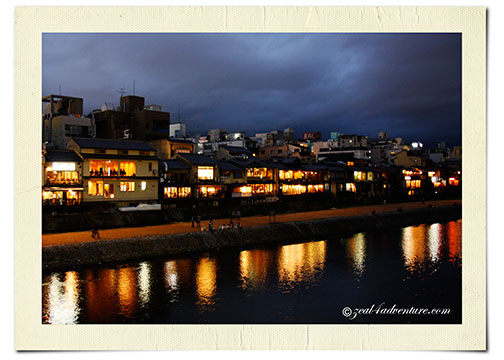
Kamo-River

Pontocho-restos-overlooking-KamoPontocho restaurants overlooking the river transform into a spectacular view at night.

Across the Kamogawa river is Pontocho, said to be home to many geisha houses and traditional teahouses.

pontocho-alley-daytime

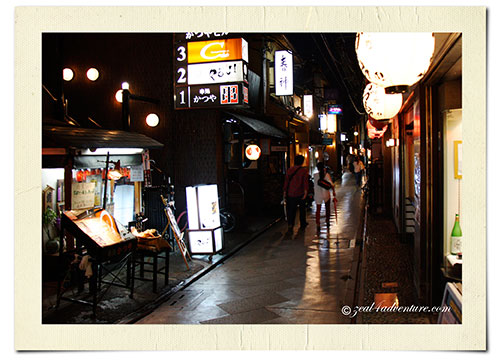
The alley that runs parallel to the Kamo River, once a leading geisha district, is also one of Kyoto’s most atmospheric dining areas.  It is packed with a range of dining options, including affordable Yakitori, traditional Kyoto cuisines and private establishments.

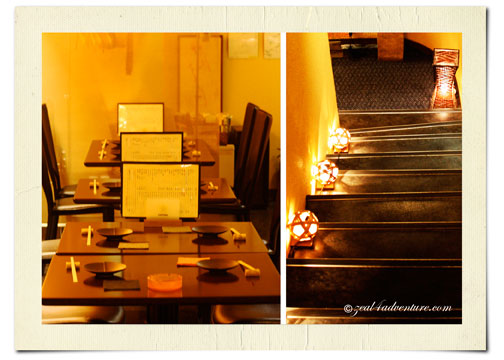
Kyoshikian-interior

In this small alleyway, we found Kyoshikian – a well-appointed teppanyaki-style restaurant that had us at Wagyu.

wagyu-dinner

So relieved that we opted to share, as I could only take so much of the beef sirloin due to its intense marbling.

sides

A side of grilled vegetables and seared tuna was perfect to tone down the richness.

pontocho-alley-at-night

Walking back to Shoji-dori, Gion’s main street, after a truly filling dinner, a woman totally made up and in full kimono regalia walked pass me.

shoji-dori-at-nightShoji-dori at night

“There’s a geisha”, I whispered to my friends.  “She could also be a maiko”, one whispered back.

Useful Info:

Gion Kaikan Theater
Address: 323 Gionmachi Kitagawa, Higashiyama-ku, Kyoto 
Tel: +81 75 561 0160
Transport: Gion Shijo Station
 
Kyoshikian
Address: 227 Nabeyamachi, Pontocho Shijo-dori Agaru, Nakagyo-ku, Kyoto 
Schedules:  click here

East of Kyoto: Shrines, Temples and Garden

Lunch was very satisfying…  and the rain abated after all.  So walk some more we did.

chion-in-entrance-from-street

Chion-in Temple was not easy to find.  The map was confusing.  We walked back and forth several times between the Yasaka Shrine and the Maruyama Park.  It was tiring, walking back and forth looking for the right turn, but the scenery was a sight to behold so I didn’t mind so much.

murayama-trees

Once you find the temple, it isn’t difficult at all, we realized.   We just had to trust our instincts more.

Yasaka-jinja Shrine is a colorful downtown shrine that stands at the end of a main street, Shijodori St.  Long connected with the Kyoto Geisha community centered in the nearby Gion District, the shrine dates back to the 9th century, when it aimed to stop the run of epidemic and other disasters that were afflicting the Kyoto residence at that time.

yasaka-shrine

Many visit the shrine today to pray for good fortune.  The shrine was quiet on our visit with only a few visitors praying.  Come early July, the shrine will be full of visitors as it plays host to the Gion Matsui Festival, a festival to drive away evil spirit.

murayama-pond

Right behind Yasaka Shrine is Maruyama Koen Park.  Best known for its many weeping cherry blossom tree or shidarezakura.

murayama-entrance

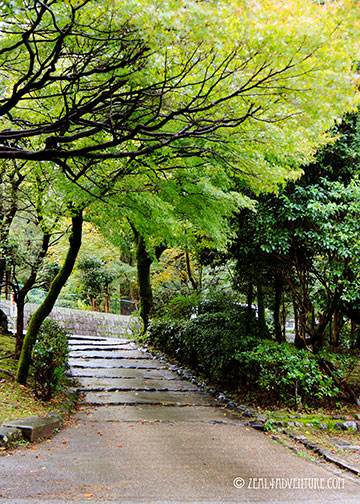
It may attract thousands of people for the hanami or the cherry blossom viewing parties in spring, but in autumn, the warm hues of fall can be quite enchanting.

Now this was where we didn’t make the turn.  We should have turned left at the corner where the “tallest” shidarezakura stands, instead we went straight and found ourselves on a road leading to a trail up a hill.

chion-in-steps

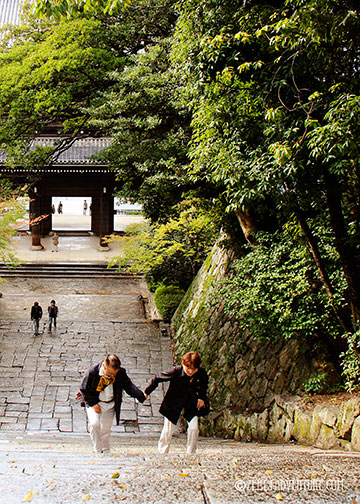
Close to the northeast corner of Maruyama is Chion-in Temple, which now serves as the headquarters of the Jodo (Pure Land) sect of Buddhism.

chion-in-entrance

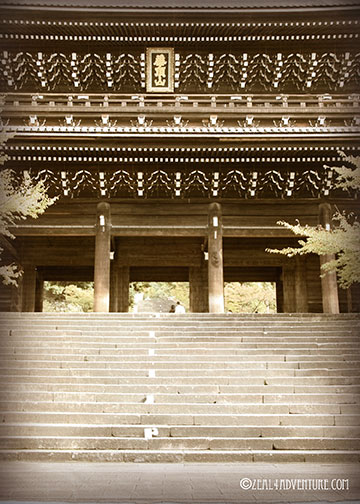
A huge and very popular temple, its colossal front gate is the largest of its kind in Japan, delivering a vision of grandeur.

chion-in-renov

Unfortunately, the main temple is under major maintenance and will not be ready for viewing till 2019.   Yeah…  all the effort for this 🙂

chion-in-looking-out

Useful Info:

Yasaka-jinja Shrine
625 Kitagawa,
Gion-machi, Higashiyama-ku
075-651-6155
*8 minutes walk from Gion-Shijo on Keihan line
 
Maruyama Koen Park
473 Maruyama-cho, Higashiyama-ku
075-222-3586
*5 minutes walk from Gion-Shijo on Keihan line
 
Chion-in Temple
400 Rinko0cho, Higashiyama-ku
075-531-2111
*Take bus 206 and get off at the Chion-in Mae stop.  20 minutes walk to temple