Of Cabanas and Good Books

A free day to lounge around, we got tips from Mang Rudy and the guests next door.  Corong Corong Beach, south of El Nido, came highly recommended.

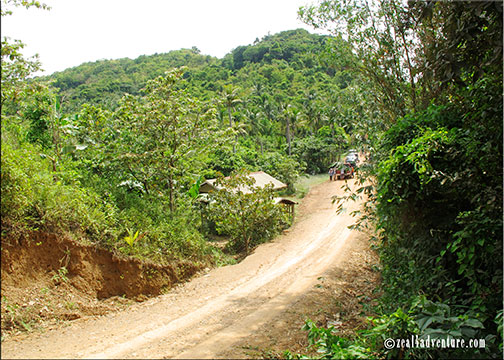
Las Cabanas Beach Resort, we told the tricycle driver and we got dropped off a dirt road.

He said to just walk down till we end up on the beach.  Las Cabanas will be on the left side.  He will pick us up in the afternoon.

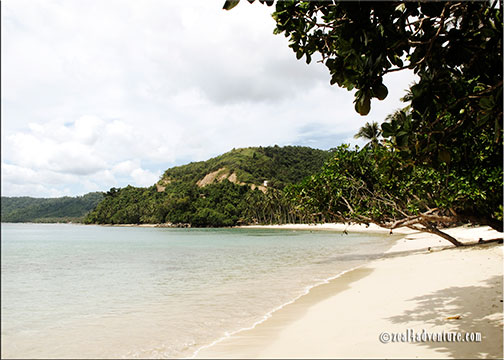
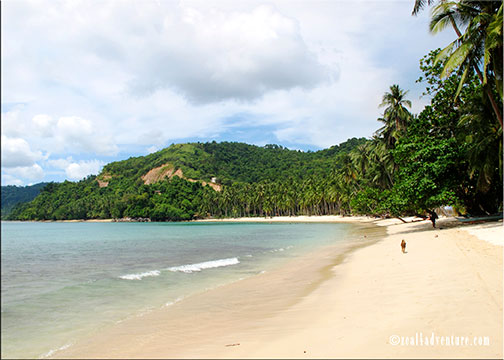
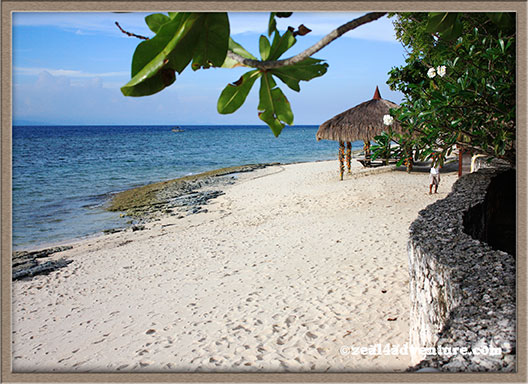
Just 3 kilometers south of El Nido town center is a gorgeous stretch of white sand beach, not quite Boracay-fine but fine enough for me.

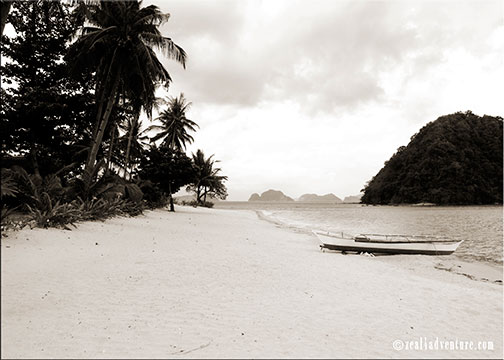
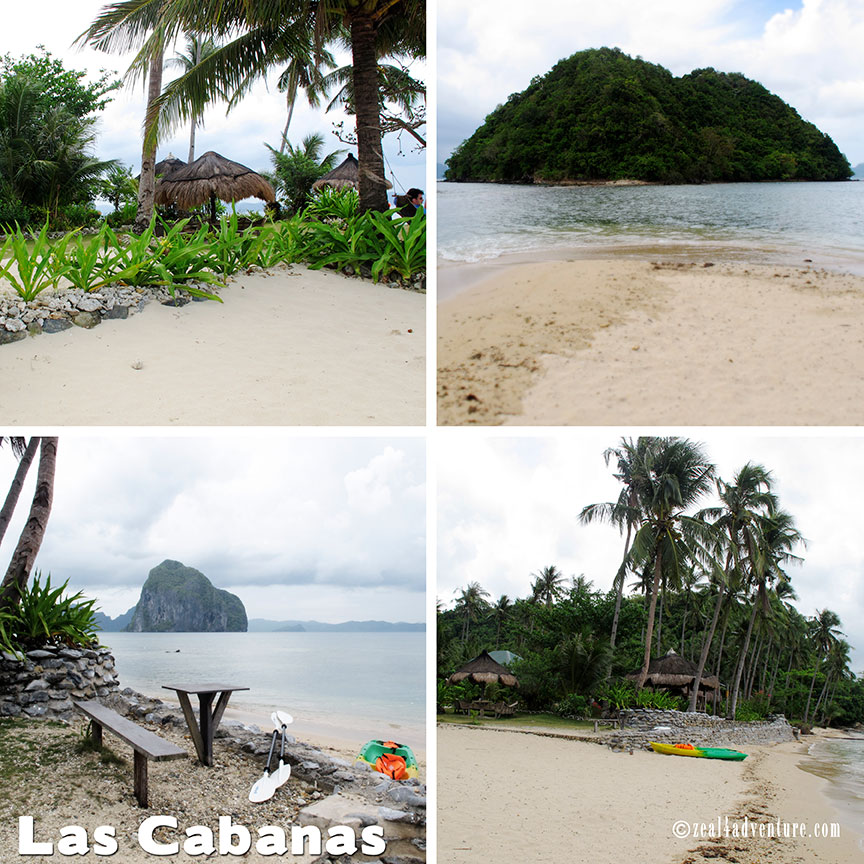
Still part of the Bacuit Archipelago, the panoramic view of the distant islands and the peaceful environment makes for a relaxing get-away from the hustle and bustle of town.  It is definitely more private, a lot quieter, unadulterated still.

We followed the driver’s instructions, we walked pass a resort which looked charming enough for us to want to stay.

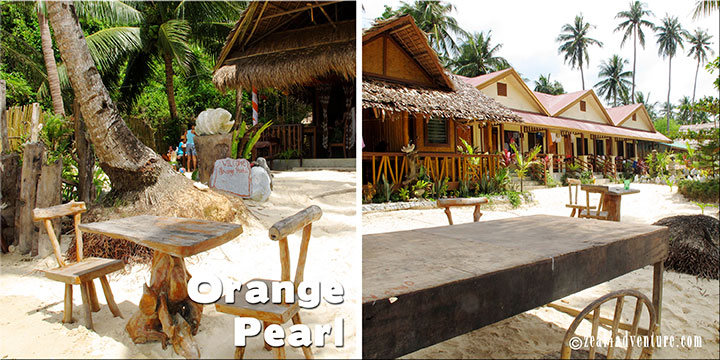
Orange Pearl has a few beachfront cottages and a restaurant that served simple Filipino food.  I was happily considering pancit.  We, however, decided to walk the rest of the strip and alas, we arrived at Las Cabanas.

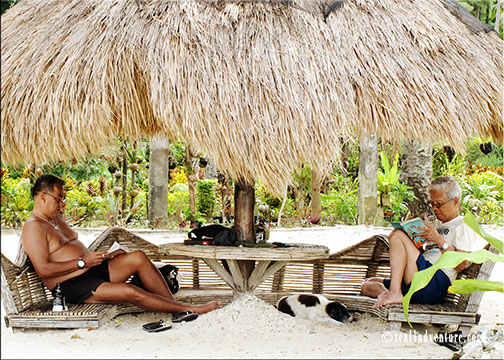
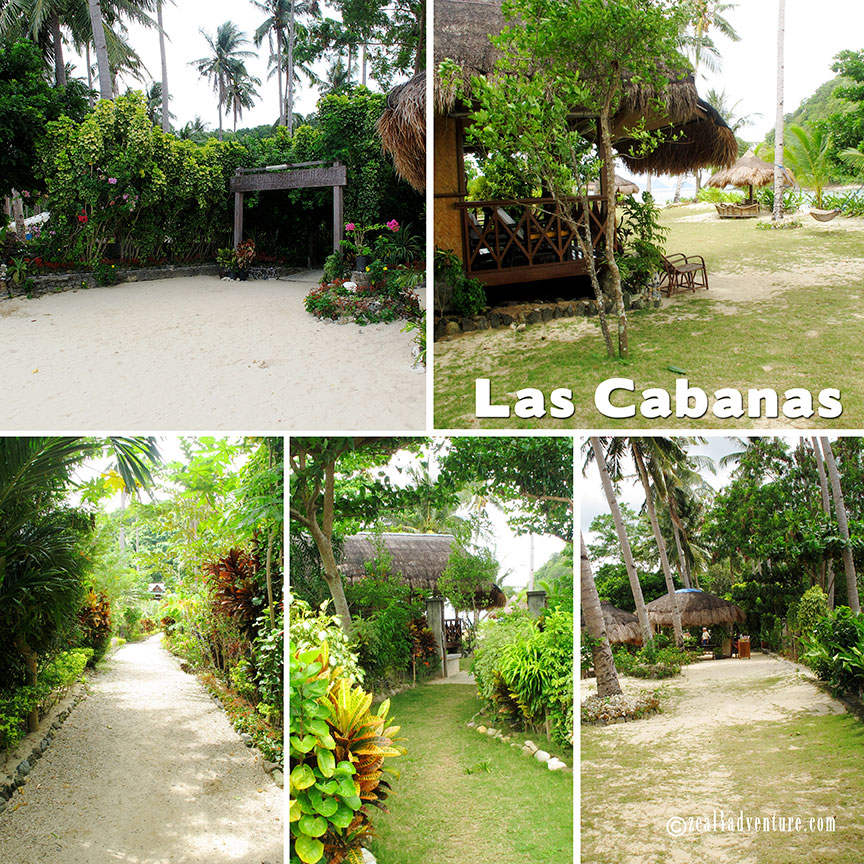
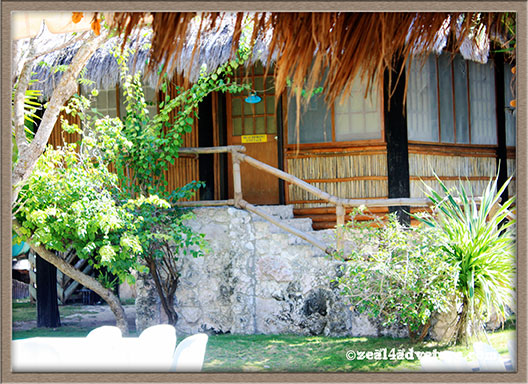
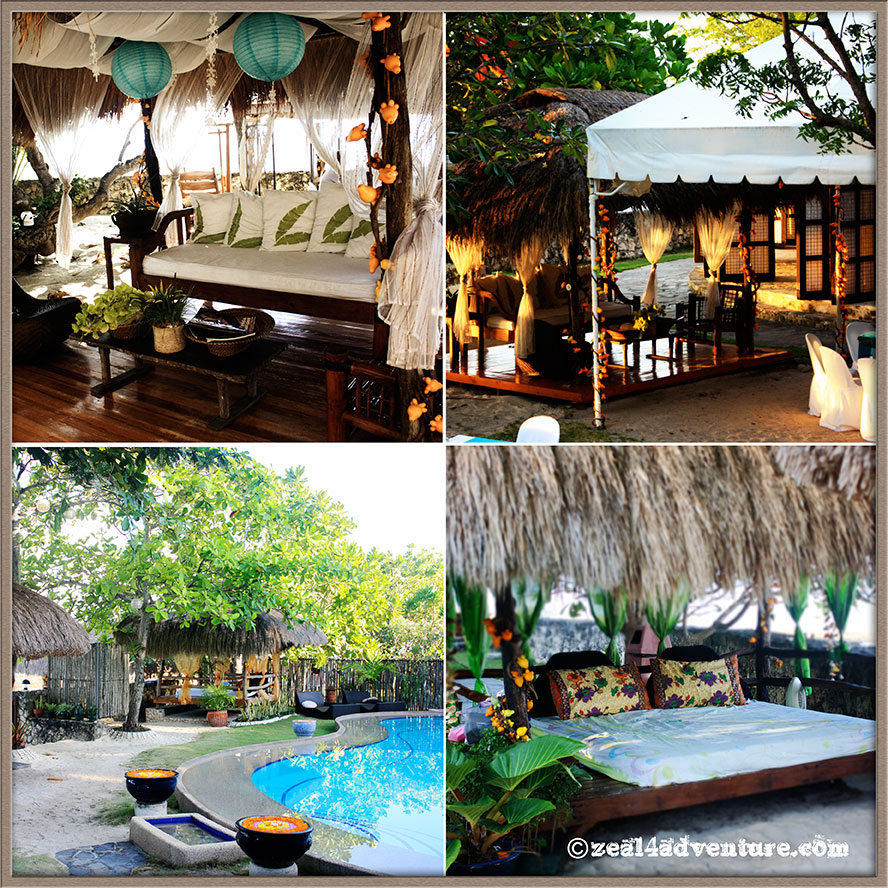
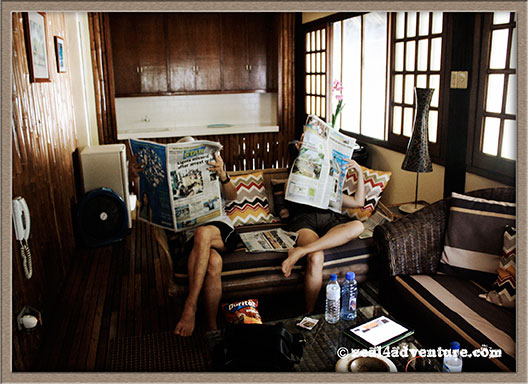
So much more cozier with beachfront cabanas calling our names.  There were hammocks too.  What a find… perfect place to chill with a good book.

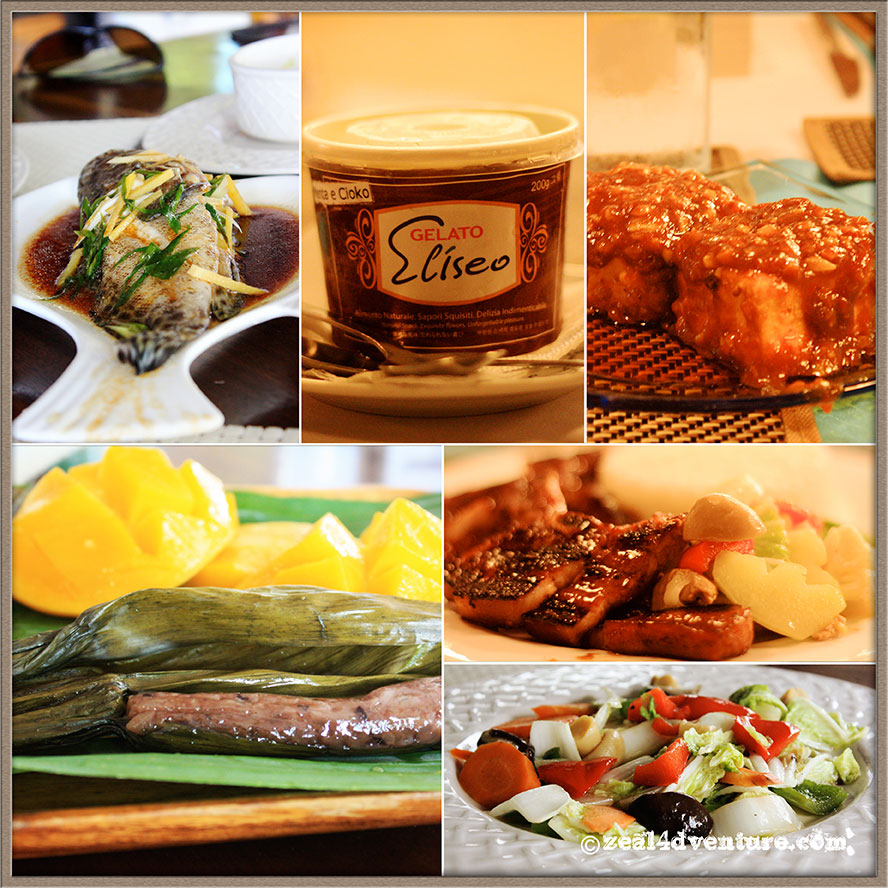
I snooped inside and was impressed with the lushly landscaped grounds.  I catch sight of what seemed like well-appointed cottages.  A nice, quiet place to escape the crowds, if that is what’s preferred.  Lunch was quite good – served family style.

Guests leaned towards families – tranquil waters and a secluded beach plays a big part for sure.

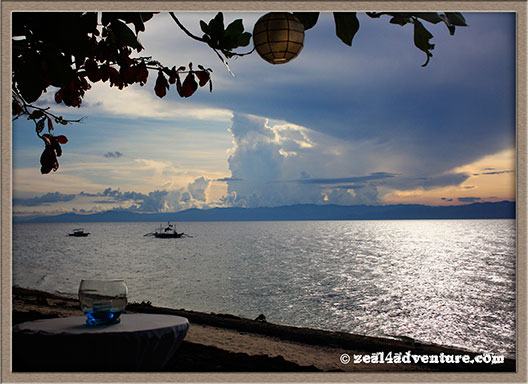
Facing west and unobstructed, Corong Corong is known for its glorious sunsets the same way the town isn’t.

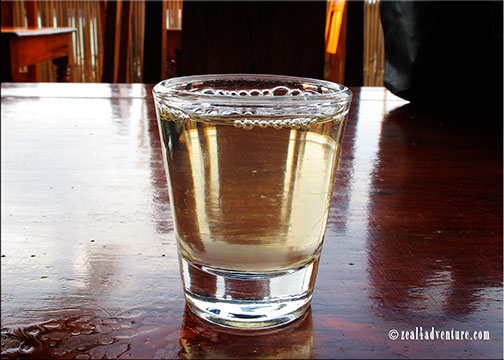
We however decided to miss the sunset and head back to town early, take a nice shower, enjoy a shot or two of the ginger-flavored rum at La Salangane before devouring a delightful “brick-oven” pizza.  A good reason to miss the sunset, you think?

Rugged Mystique

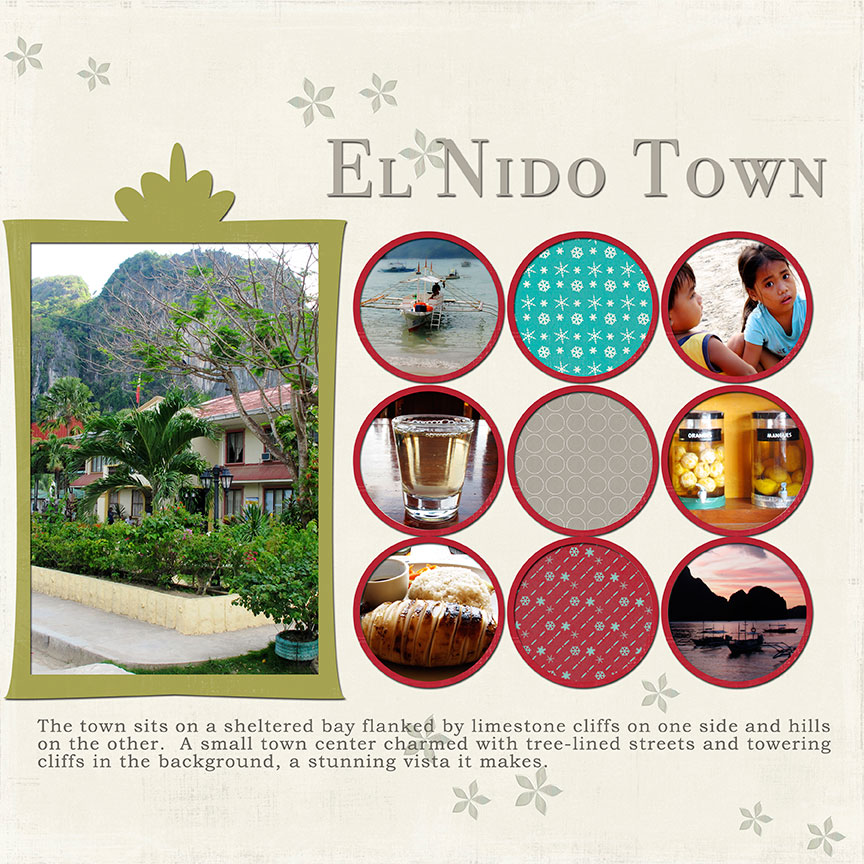
Credits: Papers from SDynes Christmas Treasures Mini Kit; Frames from Orchbroom Mask and SDynes Christmas Elements; Floral Elements from Sahlin Studio’s Story Telling kit (sc flowers).

Bewitched.  I can’t seem to put my finger on it but there’s something about the town of El Nido that has left me enchanted from day one.

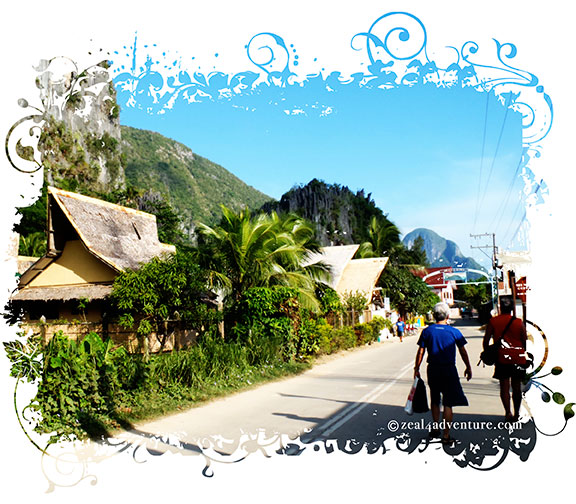
The town sits on a sheltered bay flanked by limestone cliffs on one side

and hills on the other.

A small town center charmed with tree-lined streets and towering cliffs in the background, a stunning vista it makes.

It still is very much a backpacker’s town really and it is this laid-back backpacking atmosphere that lured me back to many years after.

This charming fishing village in the northernmost tip of the Palawan Island often is referred to as the Last Frontier due to its rugged mystique.

How time flies… it took me 8 years to come back to one of my favorite towns.  I still remember many details of the town like it was yesterday.

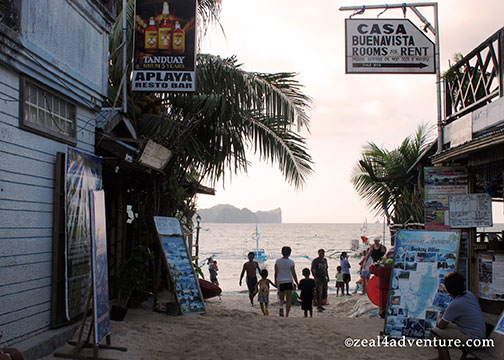
El Nido has turned into a touristic town and I see that more exciting places to eat and stay have sprouted everywhere.

Madali ang pera dito kung masipag ka”, says Mang Rudy.

The opportunities are endless with tourism at the forefront here at El Nido and money can indeed be easy if one works hard.

The one place I would have loved to go back to, we heard no longer serve meals on a regular basis.  Walking to town, we unwittingly found the house so we entered the half-opened gate and were told that they don’t accept dinner bookings anymore.  We took it as that.  On hindsight, I am not sure if they meant that they were already full for the holidays or that they weren’t serving because it was a holiday.  Having seen many closed shops and restaurants around Palawan during Easter break, this will not come as a  surprise.  Elm St Café is a cozy dining place set in a beautiful garden amidst a limestone backdrop so beautiful when lit at night.  The owners opened their home along Rizal Ave. and they served meals to those that booked in advance – usually a surprise, depending on what is found in the market that day.  They were the best of the best then, the ambiance and the element of surprise added to the experience and memories.

Not to fret though as there are a whole new lot to choose from, we barely scratched the surface, I think.  And here are some that caught our fancy.

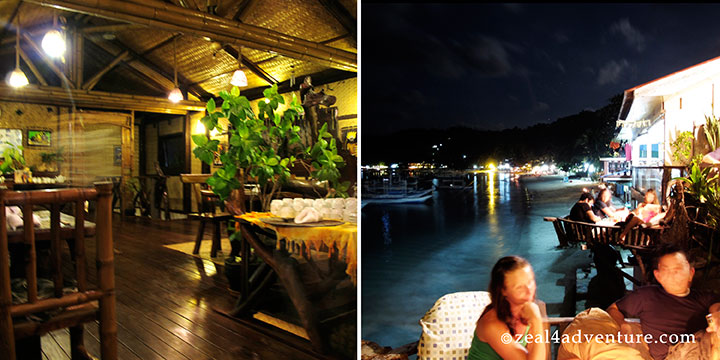
La Salangane – more than the French meals, what had us coming back were the homemade flavored rums.

Ginger, apple, pineapple, pears, oranges, mangoes, even pepper –

wonderful flavors enjoyed in a relaxed atmosphere overlooking the Cadlao Mountain by the beach.

Made more special over sunset.  This is THE place to get your espresso fix as well.  Many of the places in E Nido, including our inn, do not even serve brewed coffee.

The Alternative Restaurant – mentioned by some French tourists we met on our way to El Nido, we decided to give it a shot.  The place was not easy to find as it does not look like much from the outside and we kept walking pass it.

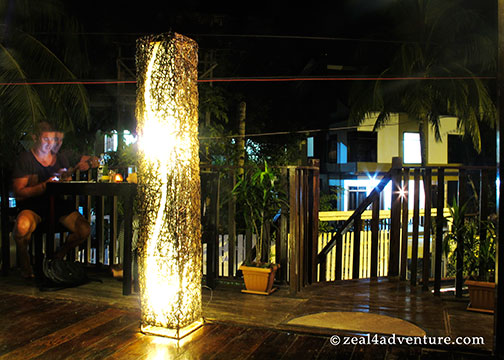
On the 2nd floor though where the restaurant is, the ambience turned to cozy.  At one side overlooking the sea, a few sunken oval seats resembling a “bird’s nest” overhangs the beach – a cool place to hang out and watch the sunset, me thinks but A wasn’t as confident that the structure would hold us so we got ourselves a table instead.

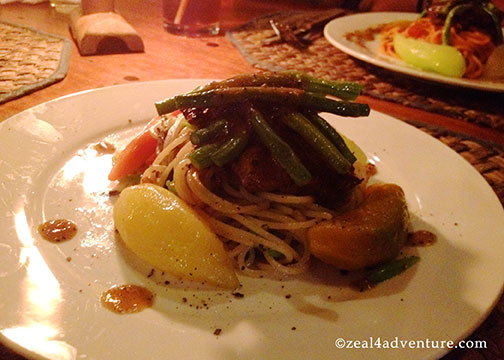
Despite an extensive vegetarian choice, I had a pork dish with pasta – and it was pretty good.  Our French friends though were not as impressed.

Altrové Trattoria – saving the best for last.  This Pizzeria was the best of the lot in my books.

Made of fresh dough and cooked crisp in a brick-oven is perhaps the best pizza in town.  The place, unlike The Alternative, is hard to miss.  Beautiful façade of a place, the brick oven proudly stands at the ground floor.

A nicely decorated second floor is where the dining area is.

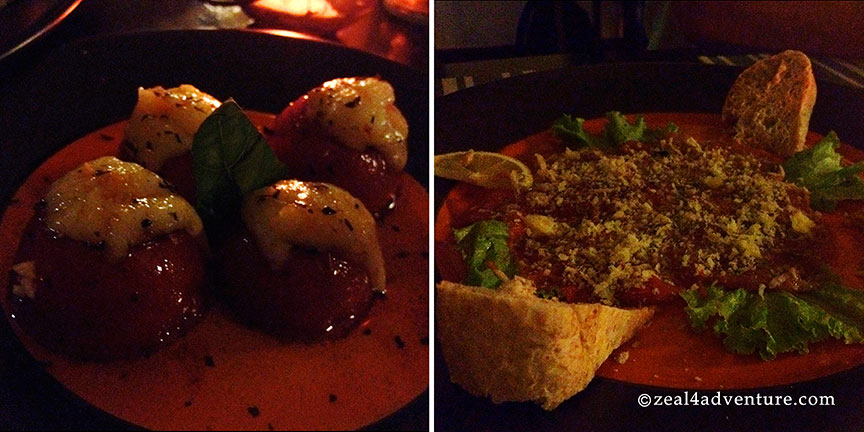
We enjoyed our antipasti of Beef Carpaccio and Baked Tomatoes on Mozzarella.

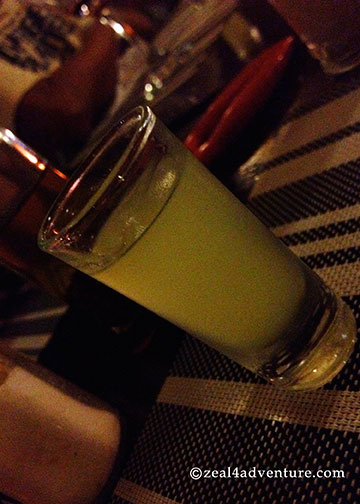
The seafood pasta dish was divine and the pizza, wonderfully crusty.  And to cap the evening… Limóncello, how can I not love this place?

To serve Limóncello in a town like El Nido, where electricity only runs from 2pm-6am, was impressive.  And this, dear friends, has easily landed on the top of my El Nido list, dining-wise.

Useful Info:

La Salangane
Serena Street
Barangay Buena Suerte
Contact:  (63) 916-648-6994
Email:  info@lasalangane.com
 
The Alternative
Serena Street
Barangay Buena Suerte
Contact:  (63) 917-896-3408
 
Altrove Trattoria
Hama Street
Barangay Masagana
Contact:  (63) 927-741-8016 
 

Off To El Nido…

And so we got up early the next day, had breakfast, and before we knew it, the van we booked ahead to take us to El Nido came, earlier than expected.

The 5-hour ride was uneventful with several toilet stops along the way.  Except for the last stretch of unpaved road due to road repairs and widening – I’ll say about an hour left of travel time – the ride was pretty smooth albeit a bit cramp.  But vans are always a bit cramp.  I heard that the RoRo buses have more leg room so that perhaps might be a better option next time.

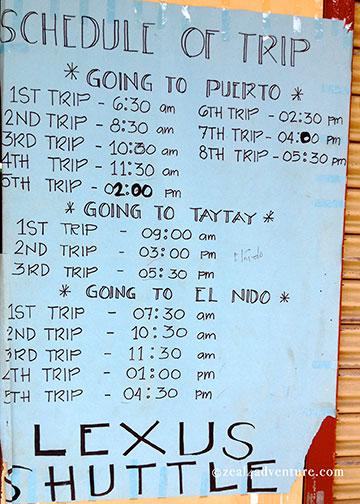
From the Lexus Company terminal at Calle Lising, a tricycle was the easiest way to get to the El Nido Viewdeck Inn;

a bed and breakfast perched on a hill with a fantastic view of the town and has for its backdrop, limestone walls.

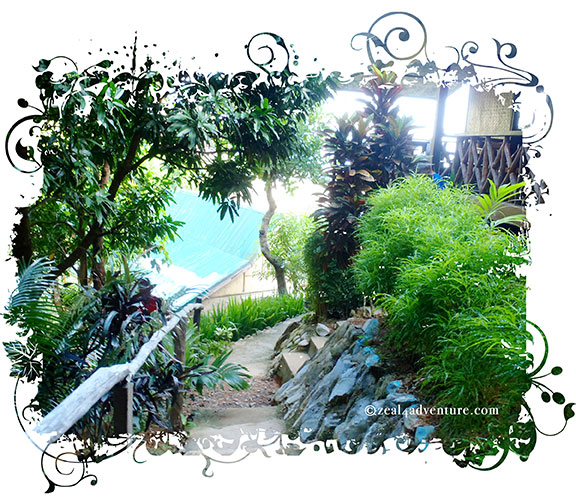
Just a few minutes away from the hustle and bustle of the town, the Viewdeck Inn provides serenity amidst mountains.  From the road, the inn welcomes with a series of steep steps, which leads to their reception area (a down side — if you may call it that — of accommodations set in the mountains).

We were led to climb more steps to get to our cottage and needless to say, we got a good workout during our 4-day stay — the upside, yes?   😉

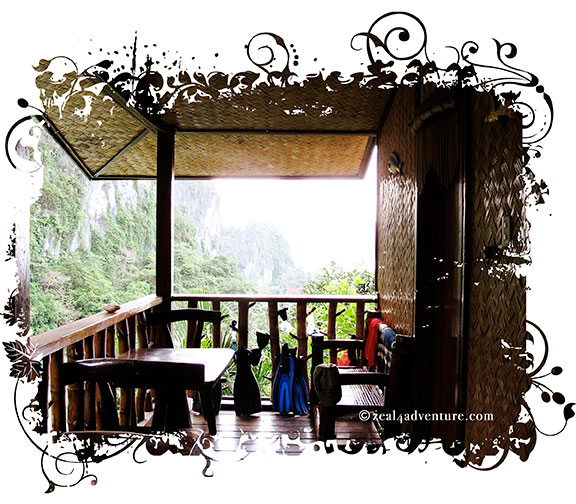
The room is basic with nothing to rave about save for that wonderful view from our balcony– this is what the place is all about after all.  Personally, the bonus is in the coffee.  No, it’s not the best coffee I’ve had; in fact it’s a 3-in-1, sometimes a 2-in-1 even.  That and a thermos of hot water awaits in our balcony just before we wake up.

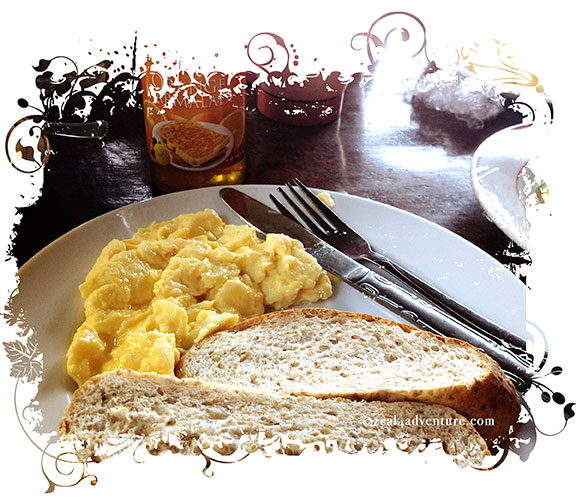
A hot cup of coffee with a sunrise view is enough to charm me to pieces and forget that I am drinking instant.  Toast, jam and scrambled eggs –breakfast so simple, I love it – follows about half an hour later.

Before heading to town, we chat a bit with the guy at the reception.  Mang Rudy, as it turns out, owns and runs the place and when asked if he was the owner, smiling he says “hindi halata no?” (it’s not obvious right?).   Well, no Mang Rudy because you wear the oldest, most comfortable t-shirts and shorts, we thought you were the caretaker.  And that’s how he likes it.  He is the perfect host, taking great care of us and that’s how we like it.

Getting There:

Shuttle Services:
Fortwally Shuttle Services: (63) 917-276-2875 / (63) 921-311-8755
Eulen Joy Shuttle Van: (63) 949-449-8858 / (63) 926-699-8700
Lexus Company: (63) 917-585-9602

RoRo Bus:  
Puerto-El Nido:  (63) 908-920-2568
El Nido-Puerto: (63) 917-597-1182

Useful Info:

El Nido Viewdeck Inn
Mobile:  (63) 927-723-4067 / (63) 947-601-8599
Email:  inquiry@elnidoviewdeck.com / inquiry.viewdeck@yahoo.com
 

El Nido… Here I Come

But first, let me talk about Puerto Princesa.  Not exactly the paradise Palawan promises to be, it is however the gateway to the promise.   The capital of Palawan is the jump off point to many beautiful beaches, lush rainforests, stunning limestone cliffs and the clearest water teeming with marine life.  And just like many of my trips to Puerto Princesa, we made it our jump-off to El Nido, a favorite part of Palawan and our destination.

Always in transit, never really staying, Puerto Princesa managed to endear itself a few years back when we decided to stay a few days more after a live-aboard trip to Tubbataha and Cagayancillo.  A clean, quiet city that is best known today for its Underground River, a UNESCO World Heritage site featuring a spectacular karst landscape and an extensive underground river system.

And because the van to El Nido leaves early morning, we thought it best to spend a night and enjoy a bit of its good food.  If you know me by now, you know that good food is never far behind.

As soon as we touched down, before we even checked in to our inn, we headed straight to our favorite Vietnamese eatery in PP – Rene’s Saigon Restaurant.

They serve the best Beef Pho in town.  That’s Beef Stew Noodle soup and locals call it Chao Long.  Once a United Nations Vietnamese Refugee Center in the ‘70s, the capital had been introduced to Vietnamese culture and its food its greatest reward and keepsake.

Even on a hot summer’s day, this soup provides great satisfaction.  A bowl each and a shared Beef Bahn Mi – yes we love beef – is one fulfilling “welcome to Puerto Princesa” meal.

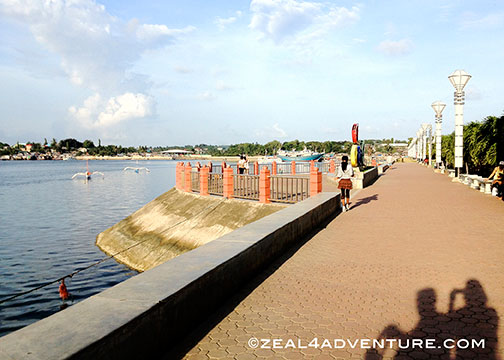
If you are to walk to Baywalk like we did, late afternoon (or early morning) is best during the hot summer.

A seafront strip that (sort of) reminds of Dumaguete’s Rizal Boulevard.  This strip, unlike that of Dumaguete’s, is tucked away from the road just beside the seaport.

Detained fishing boats for using illegal fishing methods.

Puerto Princesa Bay, a main port for smaller ship boats is likewise the main gateway to the many islets of Palawan by sea.  This is also where one would take a boat to watch the dolphins frolicking the bay early in the morning.

Long nose snouted spinner dolphins abound in the waters off Puerto Bay.

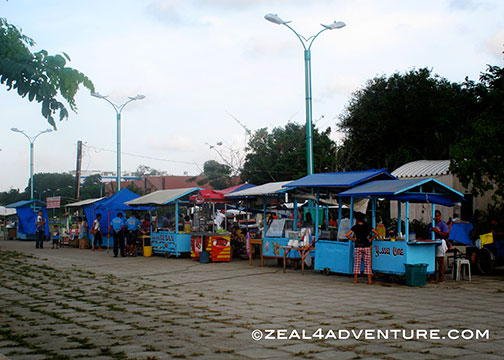
Many food stalls line the Baywalk strip offering various kinds of street food.

Trying a Tok Neneng — it really is just hard boiled eggs coated with an orange batter then fried.  It is flavored with the sauce of your choice ranging from sweet and sour to hot and spicy.
Some sort of a spicy cheese roll, the green pepper providing the heat.  Yum.

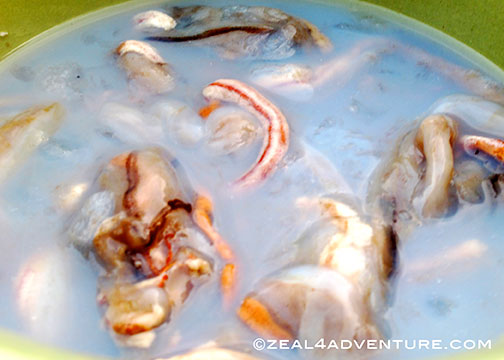
Seated near a stall enjoying our beer, our tok nenengs and the likes, the stall owner asked if we would be interested in some tamilok – a woodworm, sometimes also known as a shipworm.

It may look like a worm and called a worm, it is however not one.  It is a marine mollusk that tastes very much like fresh oysters, I found out.

Curious that Andrew Zimmern found it fabulous, I should give it a try myself, don’t you think?  Now, fabulous it is not (for me), but it definitely would pass as not bad.

The more popular restaurants were either closed or fully booked, we ended up trying a new kid on the block.

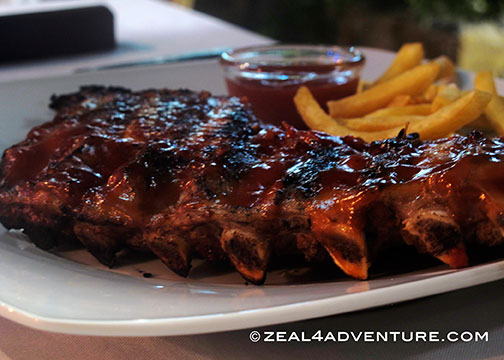
Blue Ginger serves Asian cuisine that is quite impressive but the one that had us all nodding our heads was this Texas Style Pork Ribs.

The chef’s American, that’s why.  In my books, this place is a serious addition to the many wonderful eats Puerto has to offer so far.

Satisfying day.  Tomorrow we’re off to my favorite Palawan getaway.

Useful Info

Rene’s Saigon Restaurant
Rizal Avenue Extension,
Puerto Princesa3
(048) 433-5255
 
Blue Ginger
Rizal Avenue,
Puerto Princesa
(0927) 545-5847

Spelunking

Many, many years ago, 1994 I think it was, we made a day trip to Sagada from Banaue.  We found ourselves a guide and he suggested that we do the caves.  That was 18 years ago, I was not the same person I am today.  I hesitated, “I’ll stay in the jeep”, I told my friends.  They looked at me, “that’s a 3-hour wait”.  “But my shoes (a trekking boots) will get dirty”, I said.  Bewildered, they just looked at me and started walking down the steep stairs leading to the opening of Sumaging.  A friend stayed with me but when the last of them disappeared from our sight, she convinced me to do it as she has already decided to go for it.  Long story short, I gave in.
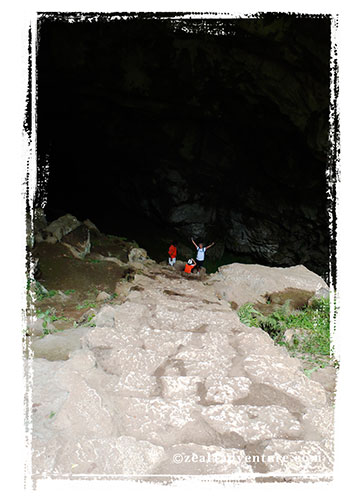
Slippery step after slippery step, I was cursing.  “I will never EVER listen to you guys again”.  But at least I didn’t cry like one of our companions.  I was too angry to cry.  Yes, it was terrifying, especially for a first timer.
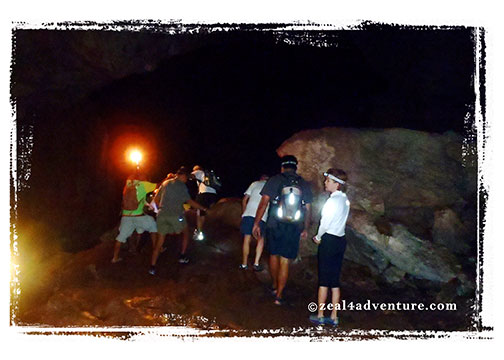
But it gets better as you walk pass the guano covered rocks.  Yes again, those rocks aren’t only slippery, they’re stinky as hell too.
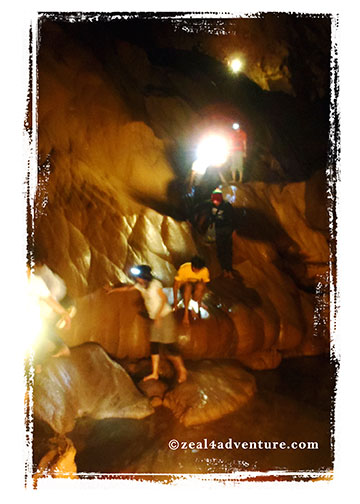
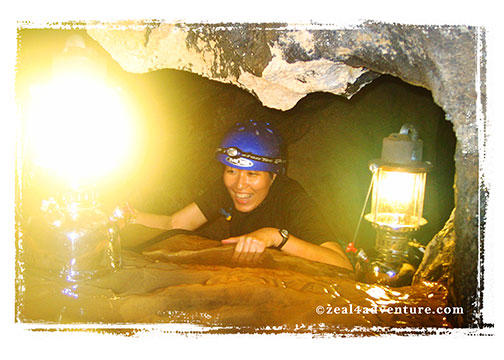
As we walk those boulders with only a gasera (gas lamp) lighting our way, I would imagine slipping and falling into a deep pit – for all you know, it ain’t that deep but the surroundings were pitch dark so imaginations can get wild, believe me.
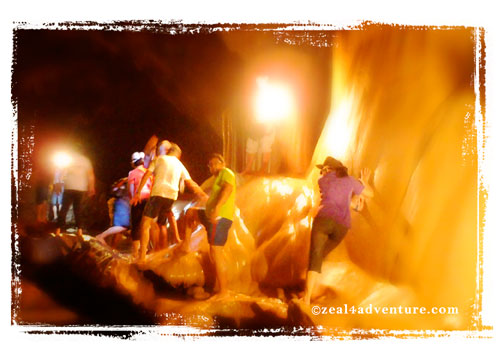
At a certain point, we were asked to take off our shoes.  Well, at least my (trek) boots won’t get wet, I thought.  But my next worry though was how on earth are we to manage those slippery rocks barefooted.  Best. Thing. Ever.
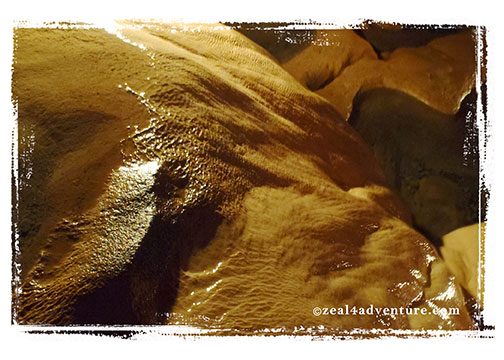
The pumice-like rocks had enough traction that your feet practically stick to those boulders.  Amazing.
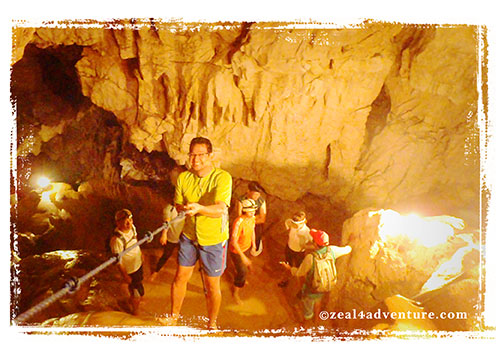
Still cursing though as we not only rappel up and down to get to other chambers, we had to step on our guides too, if no other options will do (shoulders or thighs lang naman).
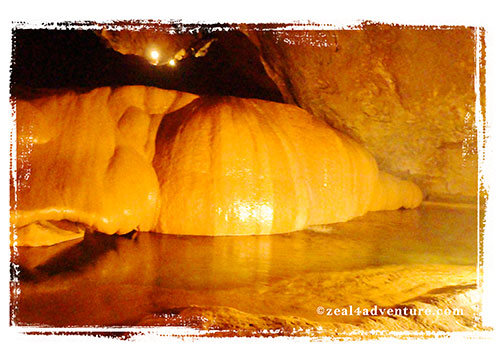
Beautiful stone formations with names like King’s curtain, pig pen, pregnant woman, rice terraces formation etc. are found in those chambers.
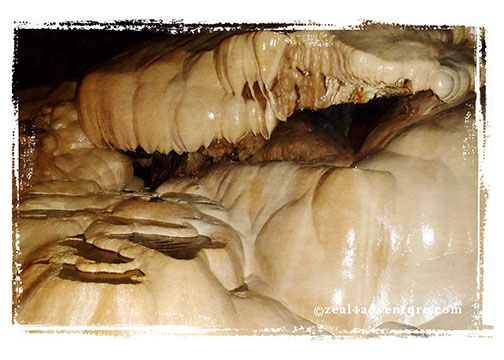
It was definitely the saving grace of this “craziness”, truth to tell.

Recounting our adventure that evening, I started with “Next time we do this again, I will…”, they all looked at me, “I thought you will never EVER do this again?”  Oh well.

I was somewhat true to my word, I never entered Sumaging since.  Not saying though that I haven’t done Cueba de Oro, San Carlos, Sierra, Baggao caves since that fateful day.  Unbeknownst to me then, Sumaging would be my intro to the outdoors and life has never been the same since.  Although caving or spelunking, as they call it, will never really be a favorite activity but if push comes to shove, I’ll do it.  Anything for camaraderie.
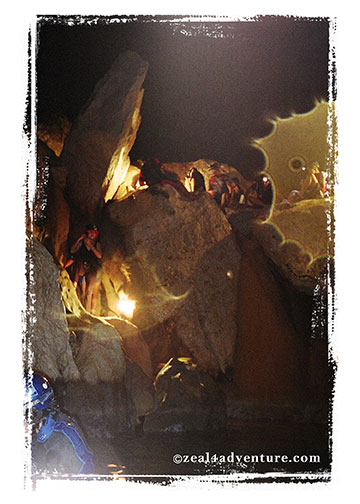
Fast forward to 2005, I heard of the Lumiang-Sumaging traverse.  Curious and not wanting anything new to pass me by, I ventured once more to the uncomfortable with friends in tow.
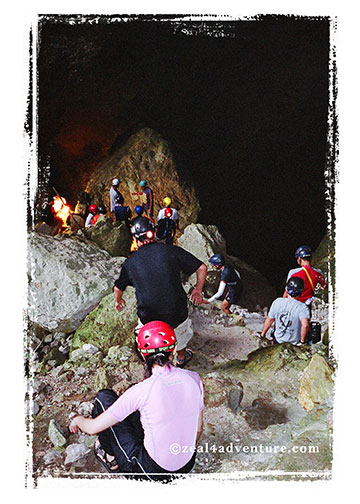
We started early as this would take us 4-5 hours, they said.  More experienced this time, it wasn’t as daunting but to say it was challenging might be an understatement.
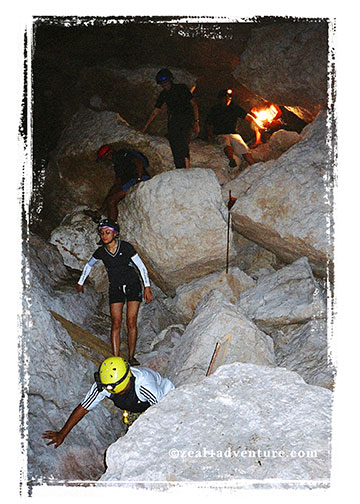
Not recommended for the faint of heart or the inexperienced.  That said, many of the friends with me that day had never experienced Sumaging or any caves for that matter… so who am I to discourage.  Did they ever enter another cave?  No.
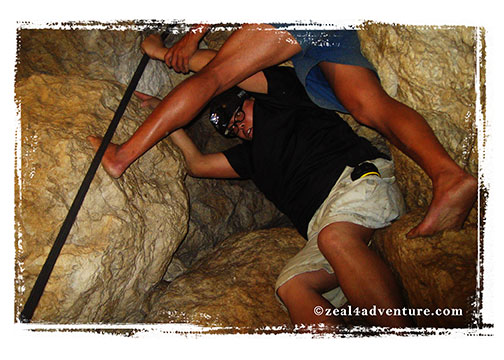
The obstacles that we went through would consist of rappelling down small openings with the use of ropes – squeezing and contorting sometimes,
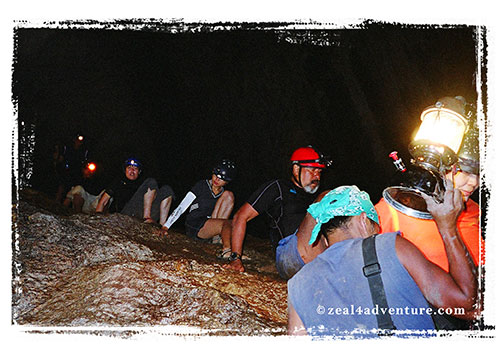
sitting on our butts and inch our way down if ropes were unavailable, hugging rocks,
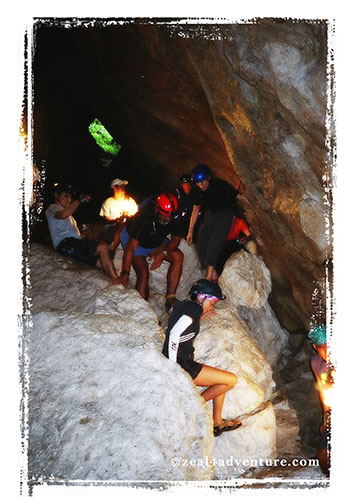
walking along narrow ridges with only a rope to hold on to –this I can guarantee are steep cliffs and falling can be fatal, and a lot of listening and following (mostly the guides’ instructions).
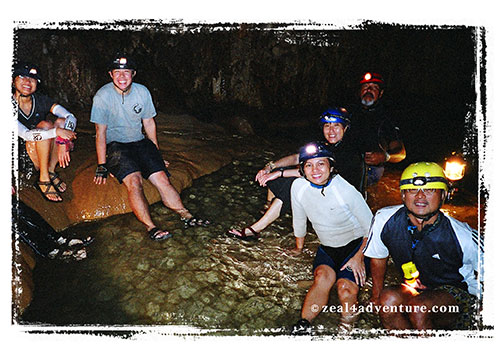
Halfway and nearing Sumaging, the chambers would have icy cold pools where one can take a dip or rest on the banks.
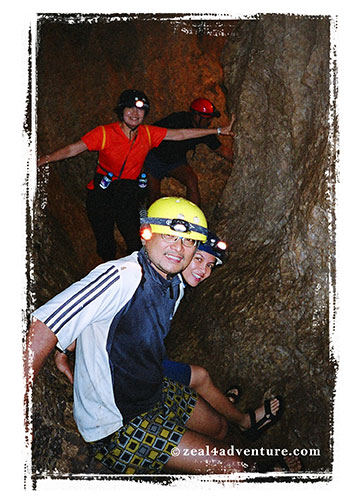
Like Sumaging, Lumiang is beautiful, breathtaking even but unlike Sumaging, it can really test your limits.  A bragging right of sort, me think.

Would I do it again?  Perhaps.  I always believe though that the first time is always the most memorable.  It stays vivid in your memory like it was yesterday.  I remember more my first descent on Sumaging 18 years ago than the more recent Lumiang-Sumaging traverse.
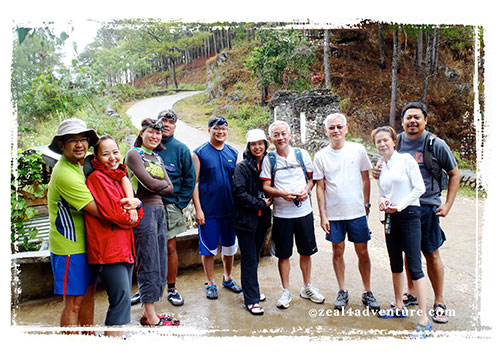
Early this year, I accompanied friends to Sumaguing.  These friends of mine have never gone into a cave ever.  It was as I remembered it but less intimidating – I didn’t have to step on anyone’s shoulders, to say the least.
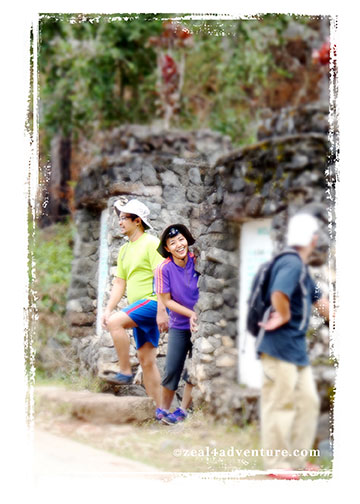
I didn’t push Lumiang… Sumaging was bittersweet for them – challenging yet a source of pride for finishing.  Exactly my sentiments each time – Sumaging or Lumiang.
Useful Tips:

1.  Aquasocks or river shoes proves best inside the cave.  I used my Five Fingers on my last trip and I didn’t have to take them off.  But sandals are good too.

2.  Wear quick drying shirts. Rash guards would keep you warmer.

3.  Never go in the cave without a guide.  Register for a guide at the Tourist Information Center at the Municipal Hall.

4.  Best is to bring headlamps and helmets (for Lumiang).

5.  Water and towel is likewise advised.

6.  Always follow your guide’s instructions.  They know best.

Random Travel Snaps: Threatened Heirlooms

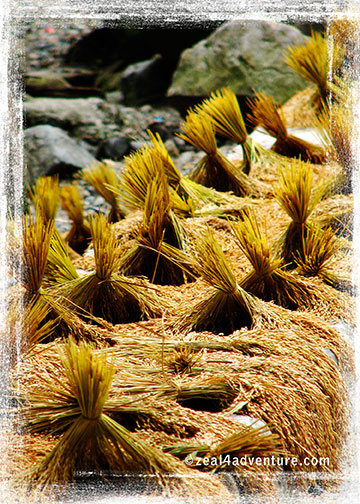
Upland palay (unhusked rice grains) left on the road to dry —  somewhere between Kiangan and Banaue, Mt. Province.

Kalinga Unoy Sun Dried Rice – Red heirloom rice from the terraced fields of the Philippines.

Kalinga Unoy is a rusty-red, speckled colored rice grown with organic methods on ancient terraces in the Philippines, then naturally sun-dried for three days.

Cook Kalinga like you would other rice. A delicate, sweet, nutty aroma lifts off it when it’s cooking and follows right through to the flavor of the finished dish. Great as a side or even as a focus of the meal. Its aroma and flavor will get you excited, I guarantee.  

~ As described on Zingerman’s Mail Order, an on-line shop

Kalinga Unoy, Ulikan Red, Tinawon Fancy, Tinawon White – these are some the varieties of traditional upland rice grown in the Cordillera region, cultivated by their ancestors for hundreds of years.  For generations, planting, cultivating, harvesting of rice have been the foundation of their culture.  But in the last decade or so, both the terraces and the indigenous culture have been slowly losing its durability.  The century old rice terraces are gradually deteriorating brought about by man’s carelessness, disuse and the changing weather. The terraces are too steep for machineries and the absence of which makes terrace farming back-breaking and hard.  It has lost its appeal to the younger generation who are leaving the mountains, abandoning strenuous farming for “greener pastures” elsewhere.

Rice supply of late comes mostly from lowland rice as upland or heirloom rice are low-yielding due to low tilling capacity.  Besides this, various problems related to changes in weather and infliction of rodents, pests and diseases, have had traditional rice farmers replacing traditional rice with high yielding, early maturing hybrid varieties.  Heirloom seeds and terraces however are considered a connection to their ancestors and the elders are anxious of losing this heritage.

Through upgraded technology provided by Department of Agriculture and the International Rice Research Institute (IRRI), farms in the uplands see hope of becoming self-sufficient once again.

Upland rice holds its own characteristics, uniquely ingrained through farming traditions that has been protected for thousands of years.  It has formed a niche in the world market given its distinct delectable taste and health benefits particularly from the organic conscious consumers.  Through the help of the Revitalized Indigenous Cordillera Entrepreneurs, Inc (RICE), Kalinga’s Unoy Red rice is now being sold in the US.   There’s light at the end of the tunnel for the threatened heirlooms, it seems.

Road Trip Eats: Cagayan Valley

“If you reject the food, ignore the customs, fear the religion and avoid the people, you might better stay home,” James Michener

Cagayan Valley is composed of five (5) provinces namely: Batanes, Cagayan, Isabela, Nueva Vizcaya and Quirino.  It lies in a larger valley in northeastern Luzon, between the Cordilleras and the Sierra Mountain Ranges.

Abuan River in Ilagan, Isabela

I’ve traveled this road countless times and for good reasons.  Besides serving as a jump off point to activities such as whitewater rafting and kayaking, Cagayan Valley’s allure includes beautiful mountain ranges that never failed to blow me away, unspoiled caves (except for Callao, of course) that begs to be explored, breathtaking sceneries along pristine rivers, historical churches, and good friends forged through the years.  Another important reason why I keep coming back is the food and here’s why.

The rugged mountain ranges greet you once you hit Nueva Vizcaya, also called the gateway to Cagayan Valley.  I’ve always looked forward to this part of the drive precisely because of the stunning mountains ranges of the Sierra Madre, the Caraballo and the Cordilleras that surrounds this province.  Truth be told, given that there are a lot to explore, I’ve never really set foot here except to pick up some gorgeous citrus fruits along the highway at Busilac, Bayombong– whatever is the sweetest and in season.

Satsuma from Nueva Vizcaya

The province has become known for its citrus fruits and oranges, which is available all year round.  Open even at the wee hours of the evening for the night travelers, the row of fruits stand at Busilac sells different varieties of oranges, which includes Perante, Valencia, Clementine, Satsuma, Pongkan, Washington Navel.  Other citrus fruits like Pomelo are also available when in season.  A bit on the tart side and not as sweet as the Davao variety, this yellowish variety is refreshingly juicy and best with salads and made as juice.

As you journey on, stop at Ilagan, Isabela (about 120 km from Nueva Vizcaya) for some really good suman (rice cake) called Inatata.
Wrapped in banana leaves as most sumans are but distinctly bundled in 10s.  But what makes this adorable mini suman a cut above the rest lies not in the packaging but in the product itself.

Made of glutinous rice, sugar, butter and coconut milk, somewhat like Biko but smoother and creamier in texture.  I must warn you, these little babies are so good, it’s hard to stop.  A bundle goes so quickly and before you know it, you’re so stuffed.

Once you reach the town proper of Ilagan, you’ll find a nipa hut (or is it a bamboo?) stall somewhere around the rotunda that sells Inatata for P25 a bundle.  Get a few bundles and a few more for good measure, then go across to a Jollibee to get yourself some coffee to go with the it.  You’ll thank me for it.

Make sure to save some for the road or for dessert after a plate of Pancit Cabagan at Cabagan, Isabela.  They say Feli-Cita’s serves the best in Cabagan.  This pancit has become the benchmark of all pancits for me.  Nothing so far is better than Pancit Cabagan, a medley of stir-fried fresh noodles, julienned cabbage and carrots, boiled quail eggs, and a generous heap of lechon de carajay.  Eaten with fresh onions, local soy sauce and calamansi… heaven.  What makes this so heavenly are the fresh al dente noodles – an apparent secret that may be hard to replicate.

I always have mine not in Cabagan but in Natan’s.  A small outdoor restaurant just outside the Tuguegarao Airport.  This simple pleasure I can have without having to do a road trip actually.  I often look forward to trips to the airport (whether arriving or departing) for I can have my fix of Pancit Cabagan at Natan’s.  Pancit Cabagan and Coke… need I say more?

Speaking of Tuguegarao – my base when I’m in the region and the gateway to Peñablanca where the Pinacanauan River flows.

It is one of my favorite rivers where just hanging out along the riverbanks for a barbecue lunch and some kayaking is enough to make me happy. Kayaking aside, it is also home to the circadian flights of fruit bats – a must-see spectacle when in the area.

Longganisa served at Casa Carag

When in Tuguegarao, I make it a point to bring home packs of Tuguegarao Longganisa for my stash and to give as gifts.  I’ve never met anyone who’ve tried this garlicky sausage and not love it.

Native Chocolate at Casa Carag

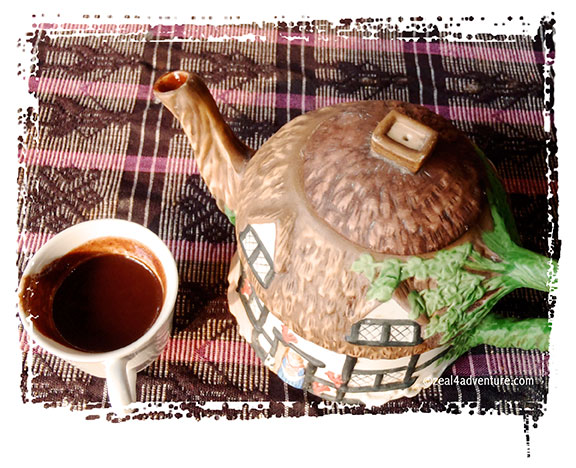
Another must have when I’m in Tuguegarao is their Tsokolate.  Four tableas (tablets) to a cup makes a perfect native chocolate drink – just thick enough with the right amount of sweetness.  Tsokolate, longganisa, eggs and garlic fried rice = a power breakfast courtesy of Tuguegarao.

About 65km further north on your way to Sta. Ana perhaps, is the town of Lal-lo.  Although it is recognized in history as once being the seat of the Diocese until it was transferred to Vigan in Ilocos Sur a long time ago, I know it as a town that makes the best milk candy I have ever tasted.

Better than the more popular Alcala milk candy, I swear.  Both made of carabao’s milk but somehow, the one from Lal-lo is softer and creamier with seemingly more milk.  Both are not too sweet but the Lal-lo specialty wins hands down.  The thing is, you won’t find it at the Tuguegarao airport where the Alcala milk candy abound.

So if you find yourself in Lal-lo by any chance, look for this sign along the road.  I promise it is worth the stop.

Once you reach Sta. Ana, head straight to the market for some fat, sweet crabs, lobster and the freshest fish.

Known as a game fishing mecca, the rich fishing grounds yield lobsters, octopus, yellow fin tuna, blue marlin and many more.  Freshwater fish, crabs and shrimps likewise abound in inland fishing grounds.

Best is to buy them at the market and have it cooked in a restaurant nearby for a fee.  We had ours cooked by JnJ Seafood restaurant along the Highway.

Ok, enough…

I’ll leave you with this for now but let this be a Part 1 as I document more good eats from this region.  A region still underrated and unnoticed in the tourism realm.   Its people, its natural wonders and its food keeps me coming back for more.

Unexpected Bonus

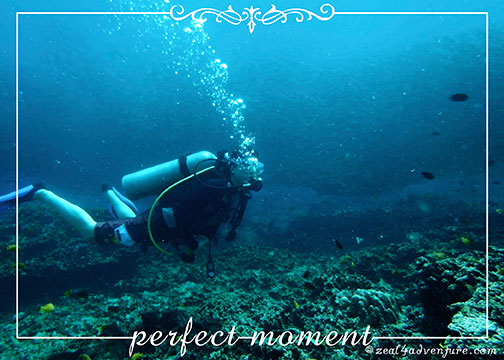
Mag-dive ka na, nandito ka na rin, you should dive, you’re already here”.  To be in Moalboal and not dive is indeed ridiculous. But because I was the only diver in the group, I didn’t plan to… until the divemaster convinced me, that is.

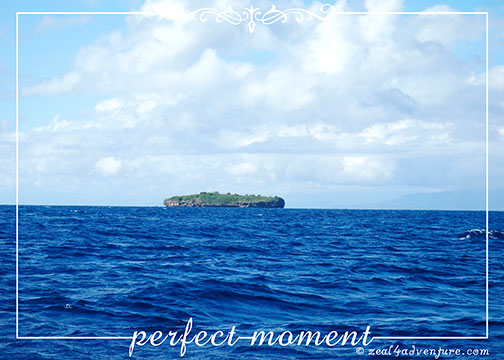
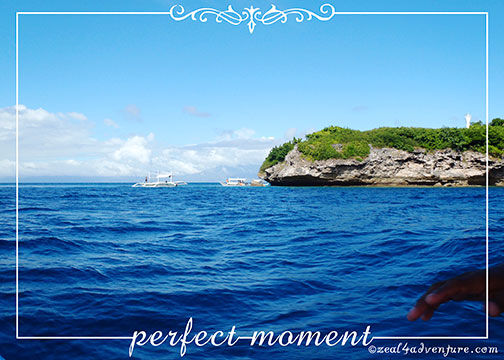
So we got up early the next day, sore from yesterday’s canyoning, and headed to this tiny island called Pescador.  Among the many impressive dive spots in Moalboal, Pescador is described to be their “jewel”.  My friends indulged and shared the cost of the banca (outrigger boat) with me.  They went snorkeling while I explored the world under… ok, that doesn’t sound right but you know what I mean.   😉

Located in the Tañon Straits, a narrow stretch of sea between the southern end of Cebu and Negros Oriental.  Considered “the most unique in the world” as it has the richest marine biodiversity in the coral triangle in the Philippines.

The island is essentially a wall dive made interesting with the overhangs, small caverns and holes in the reef wall.  It was an easy dive with just the right currents.  I was enjoying the drift, fascinated with all the marine life along the small caverns when divemaster taps me on the shoulder.

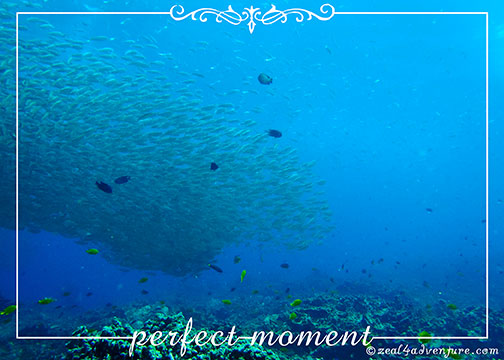
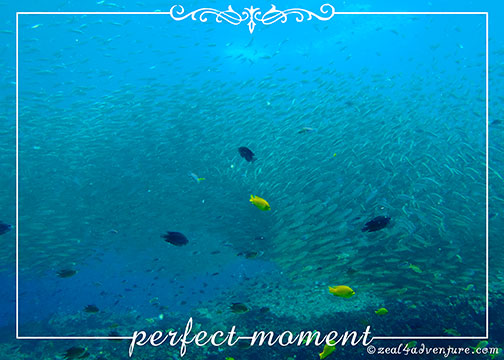
He pointed to my left and there, a short distance away, was a giant wall of fish, a silvery cloud of endless sardines against the blue backdrop of the deep, moving in one accord.  I was awestruck.  Never thought I’d ever get to see such a spectacle in our shores.

The first time I became aware of a sardine run was when a friend, years back,  showed me an awesome video filmed in South Africa.  Every year between the months of May and July, this famous shoal of sardines travel from their home in Agulhas banks and head north.  Predators follow this migration making it the main attraction for divers, rivaling the great migration in the African savannah.  This made it to my bucket list.

The tiny island off Moalboal has been host, for a few years now, to millions of sardines running the tropical waters but unlike the migration in South Africa; the sardines in our shores seemed to have made it its home (at least for now).  This wonderful phenomenon is seen all year round.  Predators seen in these side are mostly Threshers, White Tips and Whale Sharks.  Unfortunately, there were no predators in sight in this dive.  We were flying out the next day and couldn’t go below 40 ft.  Although not as spectacular as the South African video, it was an awesome experience nevertheless.
Observing from the surface, the snorkelers had their share of awesomeness from a different perspective.  They had to abort mid-stream though as the water got choppy, making it difficult to continue.  “Super bitin, too short” they said.

On our way back to the resort, the choppy waters were too big for our small boat, breaking an outrigger.

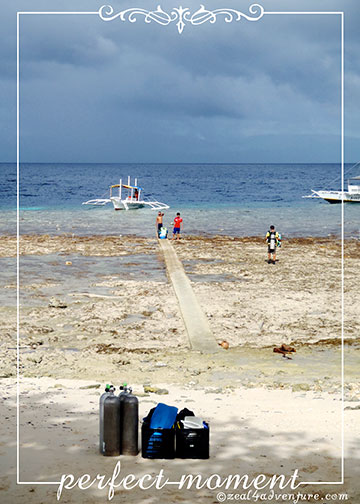
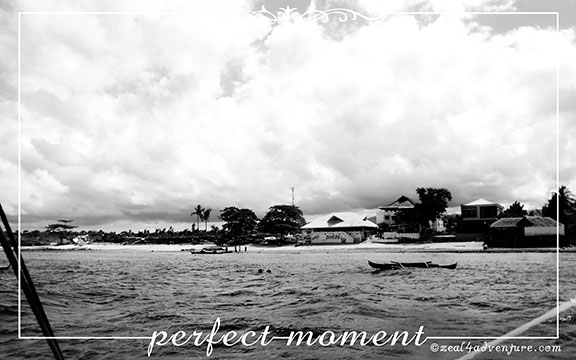
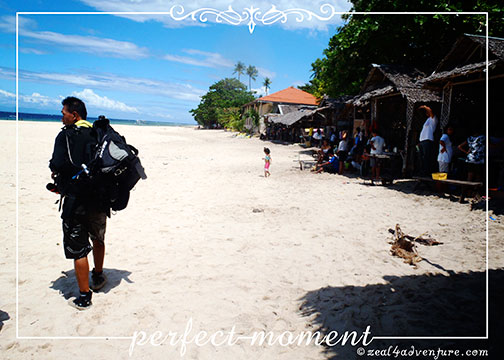
We were dropped off somewhere along White Beach.  Carrying our gears (except the tanks), walked the rest of the way back to the resort.  Awesome day.

The Kawasan High

Credits:  Papers by Queen of Quirks, Elements by Scrap Matters’ Life Simple Surprises Kit

Remarkable diving defines Moalboal and many combine it with a side trip to Kawasan Falls in nearby Badian town.

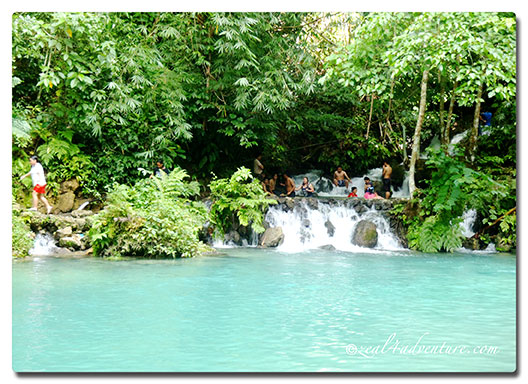
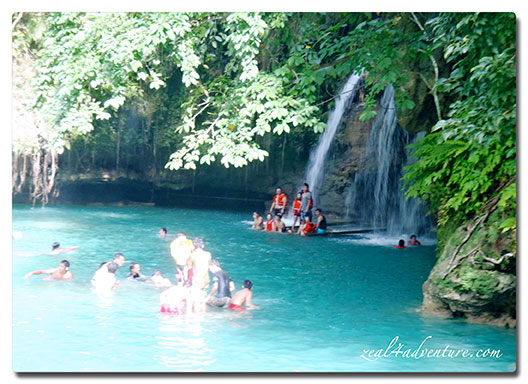
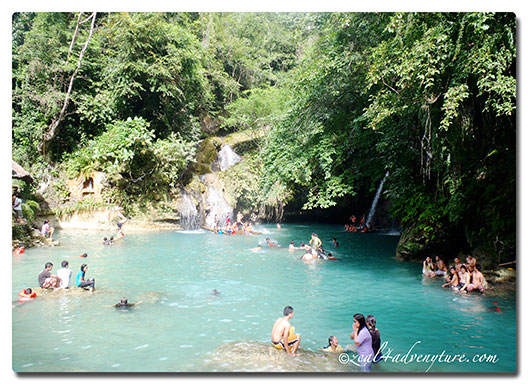
Just an hour away from Cebu’s diving destination, Badian is known for its 3-tiered waterfalls called Kawasan Falls.

A short trek will take you to the first falls where one can enjoy it with nary a need to swim if that is the preference (bamboo rafts are available to take people to the falls).

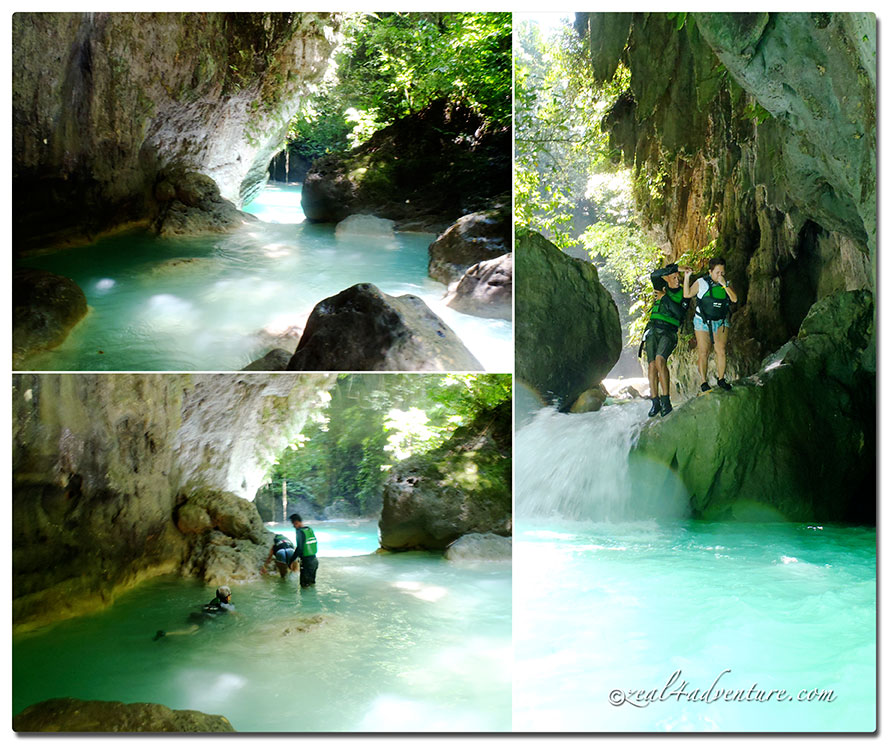
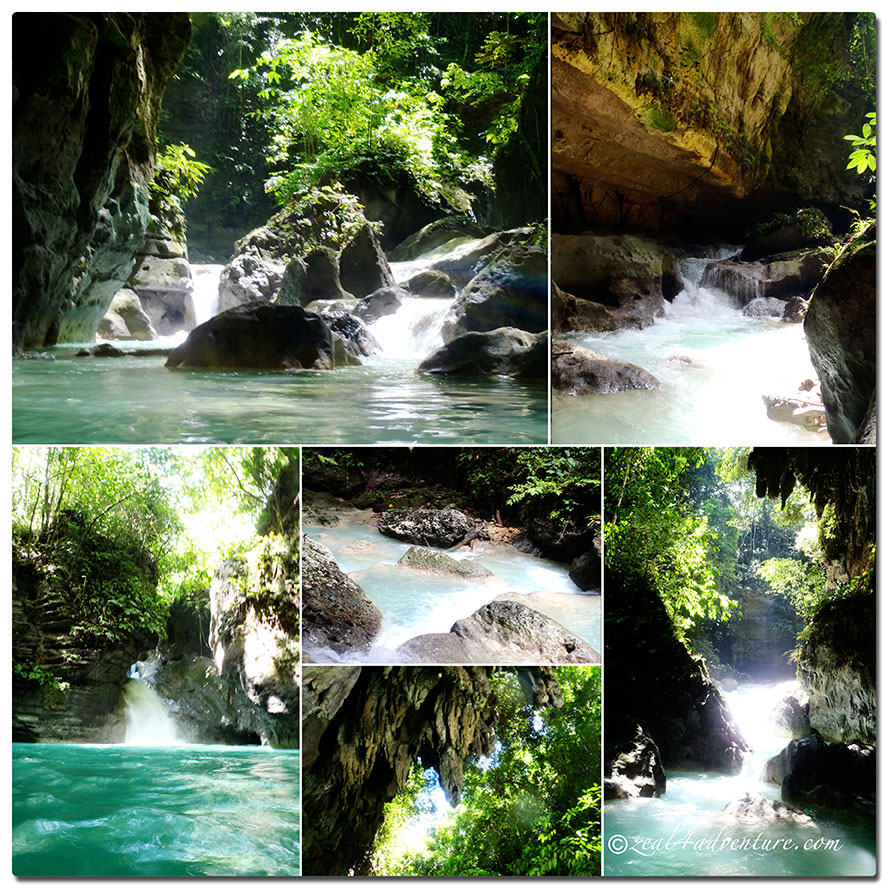
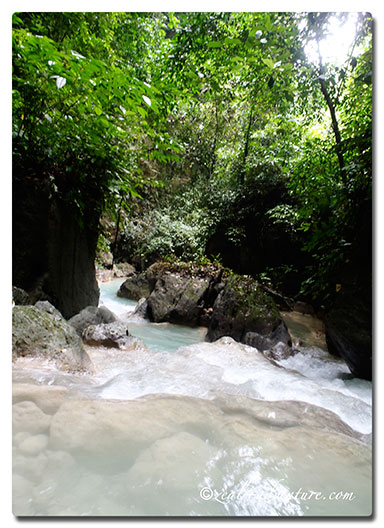
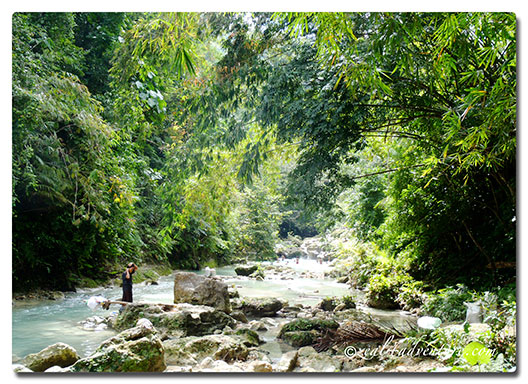
The beauty of the waterfalls cascading into turquoise pools and the lush tropical vegetation surrounding it already provides a natural high.

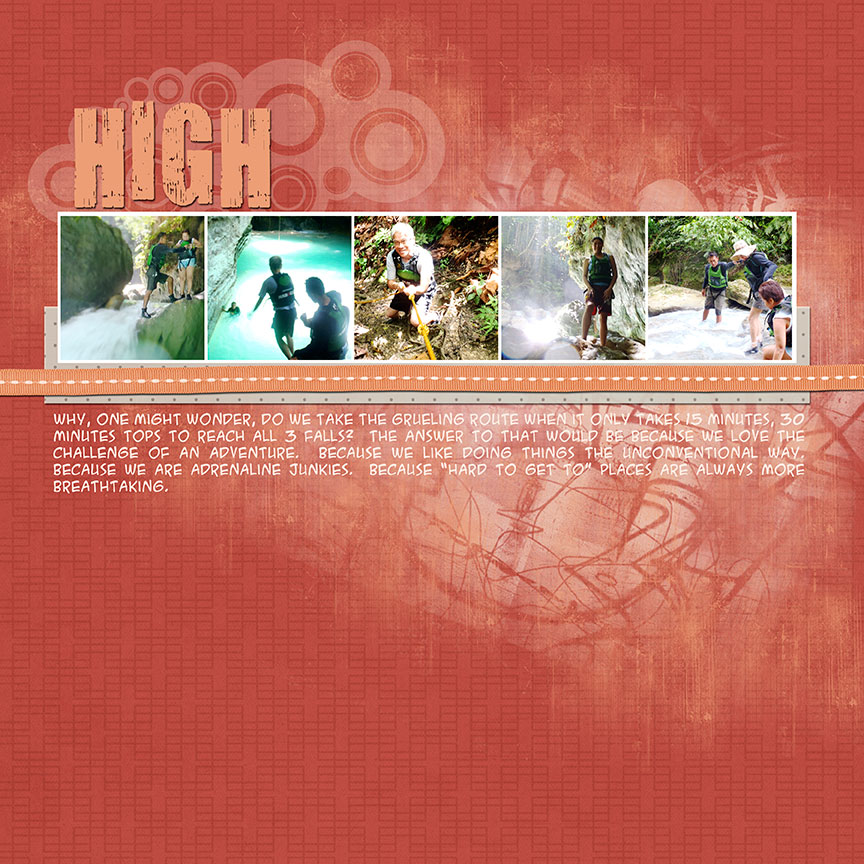
What more if, for 4 hours, you get to swim, trek, and jump into several of the turquoise pools along the way to Kawasan Falls?

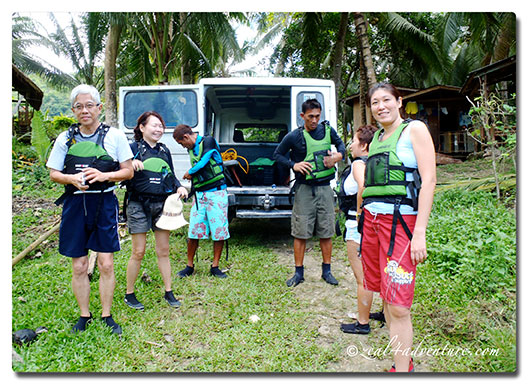
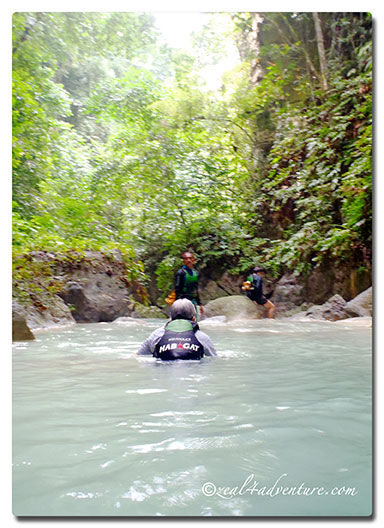
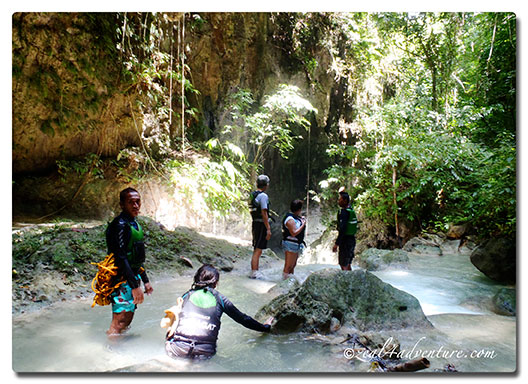
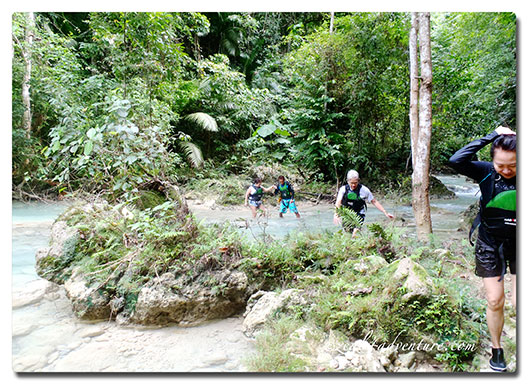
We entered the falls from upstream, near the border of Badian, at the Matutinao Valley geared with a pair of booties, a life jacket and an adventurous spirit.  Canyoning at the Kawasan is not your ordinary Kawasan Falls excursion.

It requires swimming, river trekking, jumping off waterfalls and a bit of rappelling.  Canyoneering, as they call it, is a sport of exploring a canyon by engaging in rappelling, rafting and waterfall jumping.

The adrenalin started pumping at the Matutinao River, just a short distance from our jump-off.

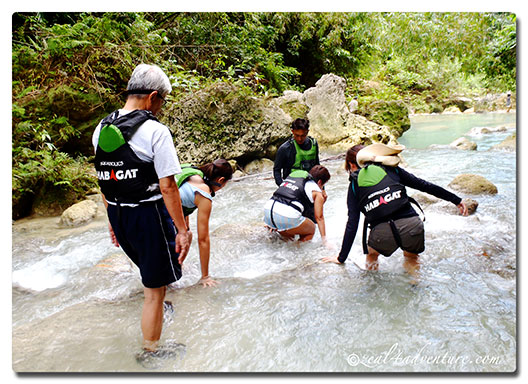
We scrambled over rocks as we get use to the art of river trekking.

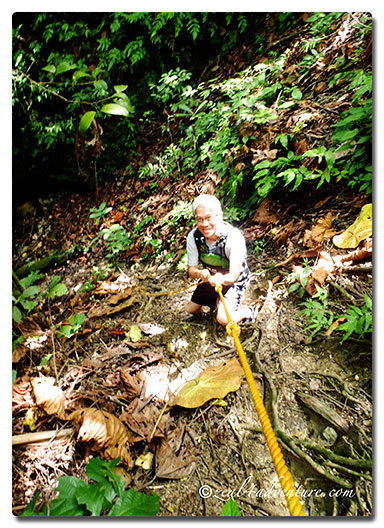
We sort of rappelled down a mountain slope to reach another canyon.

We swam when the water was deep.

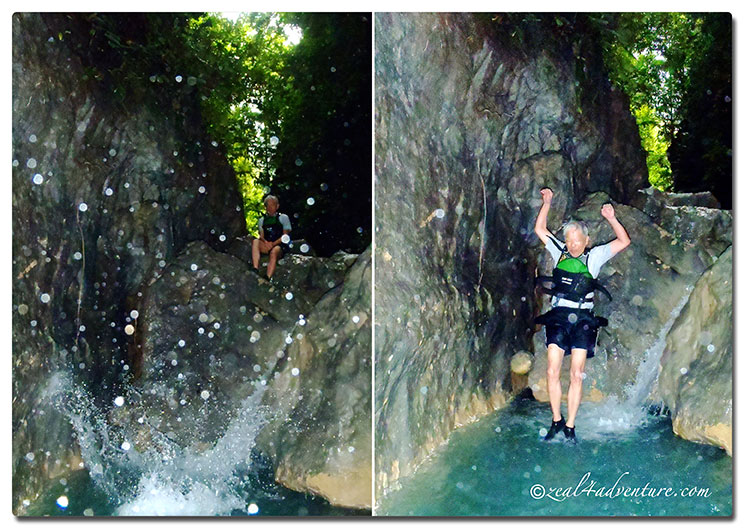
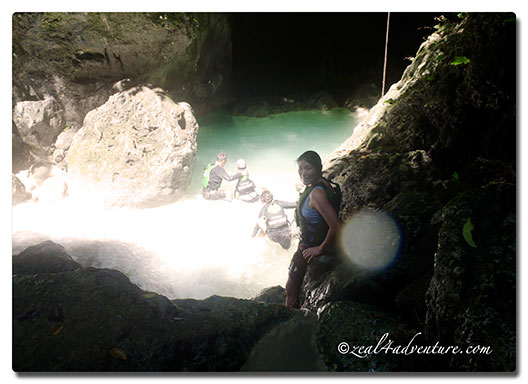
We jumped from big boulders 4 times, sometimes over waterfalls, other times into a small basin with little room for error.

It was terrifying at times, but for the most part, it afforded us an ultimate high, non-stop adrenalin rush.  It was a high like no other.

The Aquaholic team made us feel safe all through out, guiding us through the magnificent sceneries of gorgeous blue lagoons and spectacular canyons and rock formation.

The remoteness and lack of habitation have left this valley a sanctuary.  In the course of our 4-hour escapade, we bumped into a few locals at the start and another canyoning group that explores the river the harder way from below, which they call river climbing.  Otherwise, we had the river and the beautiful riverscape all to ourselves to take pleasure in.

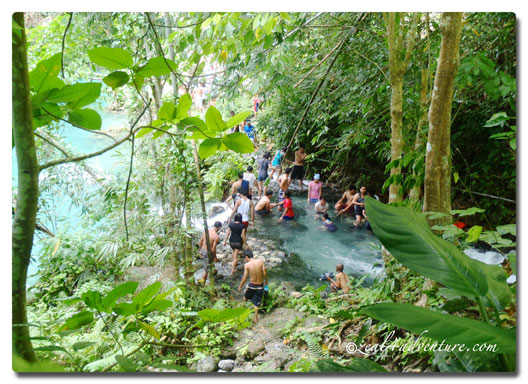
We reached the top of the 3rd cascade of Kawasan Falls at around 2pm.  Contrary to the tranquil environment we came from, we were greeted with loads of people enjoying their Sunday.

Caught off guard and surprised to see people out of nowhere walking down from atop the falls, they watched us with wonder as we walked pass them, exhausted but exhilarated.  Their facial expressions seemed to ask, “Where the heck did they come from?”

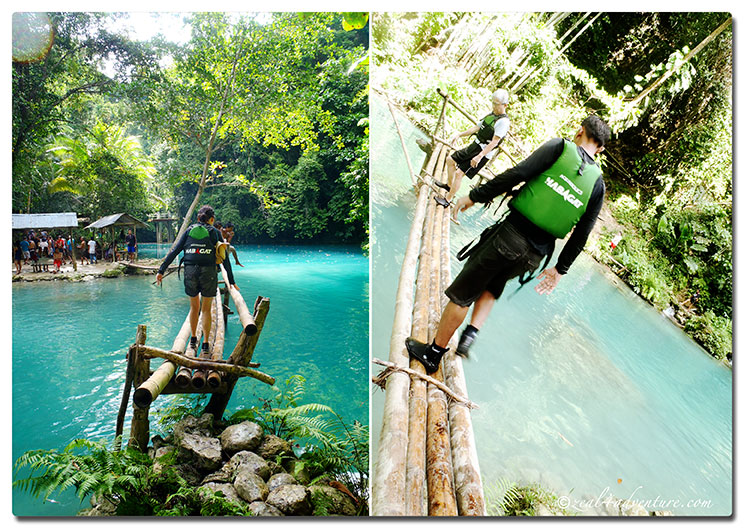
Going back to the van we walked this bamboo bridge which ironically was more frightening.

Why, one might wonder, do we take the grueling route when it only takes 15 minutes, 30 minutes tops to reach all 3 falls?

The answer to that would be because we love the challenge of an adventure.  Because we like doing things the unconventional way.  Because we are adrenaline junkies.  Because off-the-beaten paths are always more breathtaking…

Useful Info:

Philippine Aquaholic Diver’s Inc.
Club Serena Resort
Moalboal, Cebu City
Contact No: +63 (32) 516-1847; +63 (32) 474-0050; +63 (917) 717-3333
Email: dive@aquaholics.com.ph

Prelude To A Great Adventure

We were squished in a corner at the back of the mini van that was to take us westbound to Moalboal.  The van leaves when it is full and another one takes its place, taking in more passengers.

We only had time for a quick brunch at One Citilink Terminal before the conductor started calling for passengers.  There was no leg room where I was sitting in the van; I had to sit up the entire 2 hours to Moalboal.  I could not be happier to stretch my legs finally when we got off.  And even more so that we are to embark on a new adventure.  Yay!

Boasting of world-class dive spots, Moalboal has been a favorite haunt of serious divers since the ‘70s.  Diving, snorkeling and beach combing aside, a new adventure has emerged a few years ago in this side of Cebu.  This led us to Club Serena.

Where the van dropped us off, we took a tricycle to the resort.  The chatty tricycle driver offered to take us island hopping, snorkeling…  “Makakamura ho kayo (it will cost you less)”, he said.  I would have taken his offer except that we had more than just snorkeling and island hopping in mind.

Beach in front of the resort

In the outskirts of Moalboal is White Beach and lying at the end away from the busier Panagsama Beach is Club Serena.

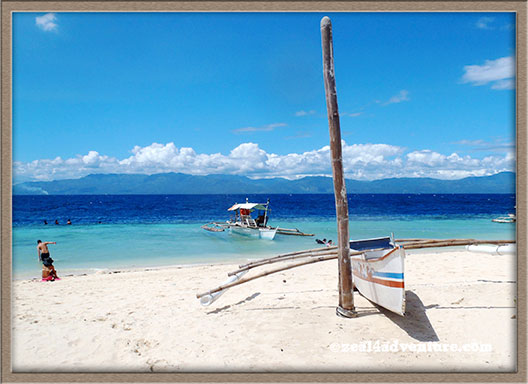
Stunning hues of blue from sea to sky is supposedly typical throughout Cebu.

Although both beach share a coastline, separated only by coves and rocks, White Beach also known as Basdaku (which means big sand in Cebuano) has a wide stretch of sand.  Panagsama Beach, however, plays hosts to many bars and restaurants but has no real sand to boast.  Typhoons and bad coastal management has left the beach of Panagsama rocky and without sand.  Depending on preference, I’m glad we ended up in quiet White Beach.

Honey for sale outside the resort.

Possibly the most expensive resort along the strip, Club Serena has 8 rooms scattered around its grounds.

We took the Beachfront Suite, which they also call the Honeymoon Suite (perfect actually for honeymooners but that was not what we were there for).

Fits all 4 but 2 had to sleep on mattresses.

The suite comes with a room that is big enough to fit 4 of us, it also has a living and dining area where we would hangout and read.

Albeit slow, the clubhouse just across our suite whips up wonderfully prepared Asian dishes and having all our meals there during our stay was a delight.

Having breakfast before we went off to our adventure.

An activity center offering a wide array of activities from diving to dolphin watching to canyoning was the reason we decided to splurge on the resort.  The resort alone with its many cozy corners, a nice pool and well-appointed rooms is already worth the splurge.

Having an activity center that arranges all your activities so close by was icing on the cake.

Over a late lunch when we arrived, our guide came up to brief us on tomorrow’s activity.  What to bring, what not to bring, what to expect, taking note too that one of our companion was over 60.  He seemed worried but was assured when he learned that our friend has climbed Mt. Kanlaon many times.  More than what I can say for myself.

We spent the rest of the day chilling.

We slept, read, and enjoyed the sunset over some wine and cheese until it was time for dinner.

The owner threw a party that night hence the nicely set-up tables.  It went till the wee hours of the morning but we were too tired to care.   🙂

What a perfect prelude to exceptional activities to come.  Stay tuned.

Useful Info:

One Citilink Terminal
N. Bacalao Avenue, near Cebu City Medical Center & Cebu Technological Center
 
Club Serena
For reservations:
Telephone:  +63 32-417-2445
Mobile:  +63 920-902-8888 / +63 917-623-6057