Captivating

“Captivating” was how A described Biri.  He promised to take me there “one of these days”, he said.  That was 7 years ago.  He was invited by his friends in the tourism office to check out Northern Samar.  When he came back, he couldn’t stop raving about the breathtaking rock formation and how wild the surfs were.  So enchanted he was that Biri stuck in my mind and had become a “need to see”.  Somehow between then and now, it got pushed back to the bottom of my list and so this Easter break, I decided to put it back on top and took A up on a promise he made 7 years ago.

Truth to tell, the culprit of this whole Northern Samar trip was Biri.  It was Biri that I needed to see and so…
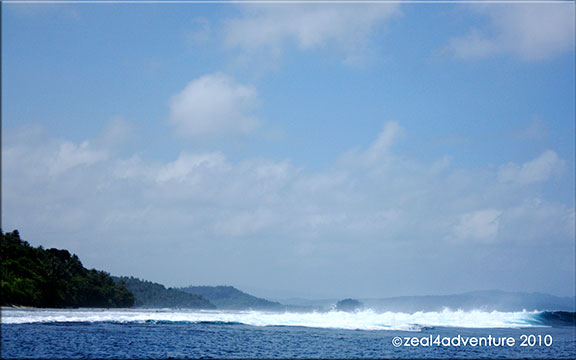
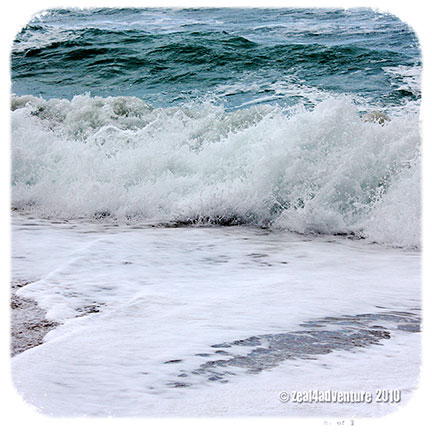
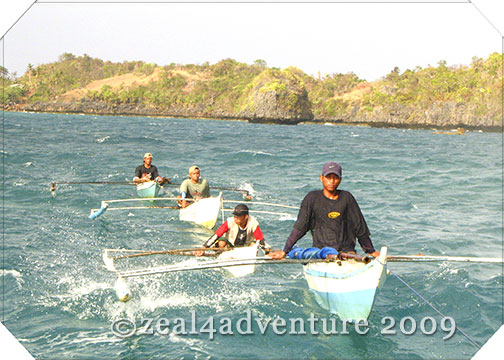
The surf on our way to Biri.

finally the day has come — a 45-minute (somewhat choppy) boat journey from Lavezares got us to the town of Biri.
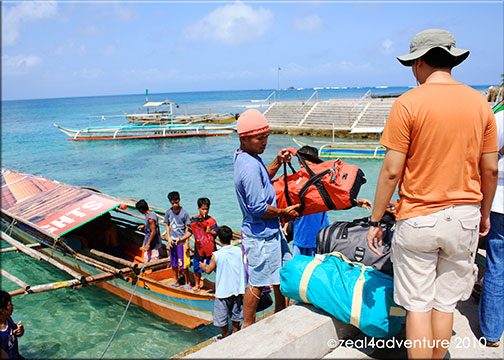
Anxious to see this highly raved rock formation, we checked in, plopped our bags, hopped on a habal-habal and off we were to the scene.

After about 10 minutes (it seemed) the scene transformed from quiet, simple town to world-class wonderment.
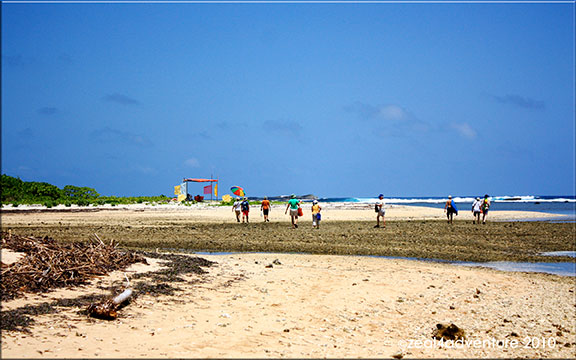
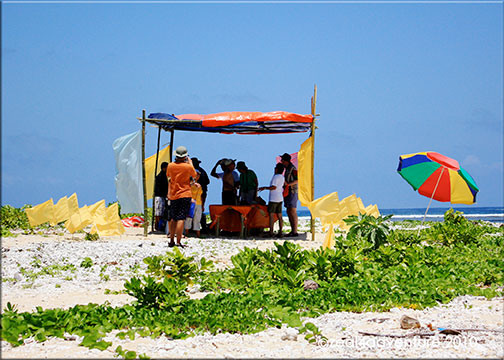
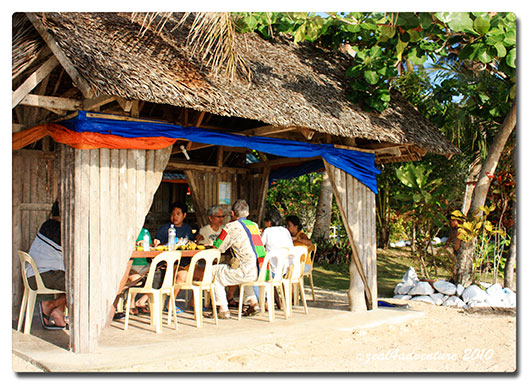
Walking to our make-shift shed

Yes, that’s our charming shed, prepared by the tourism office of Biri
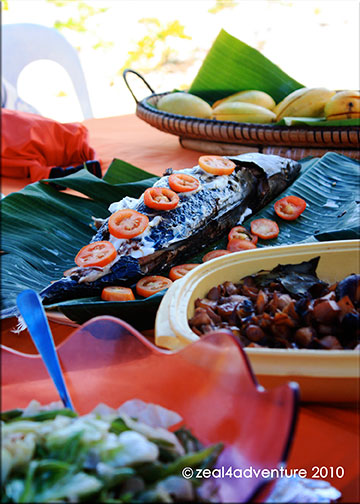
Where we were served a scrumptious lunch.
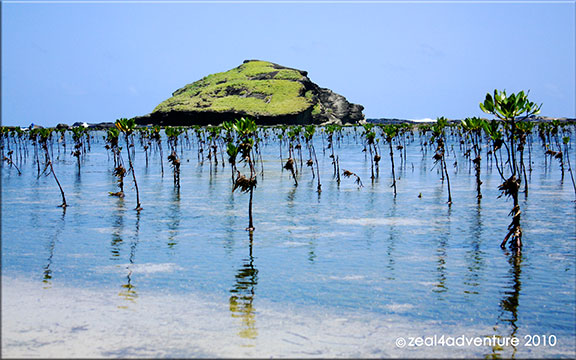
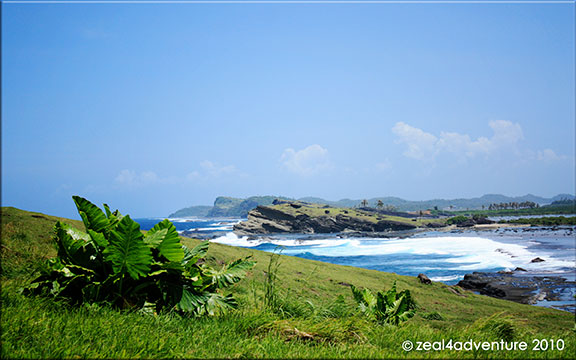
Overlooking the Magasang formation

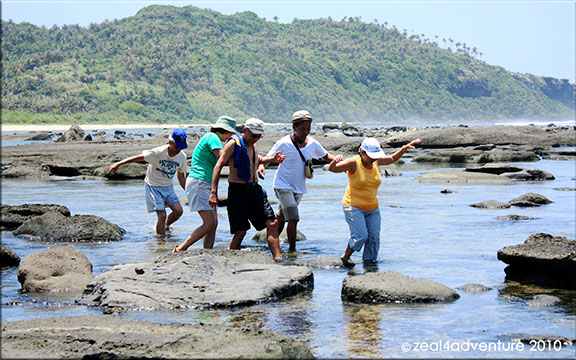
As we got closer to the outcrops plodding through slippery rocks –
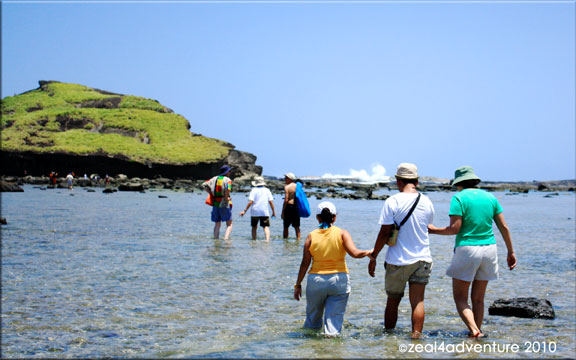
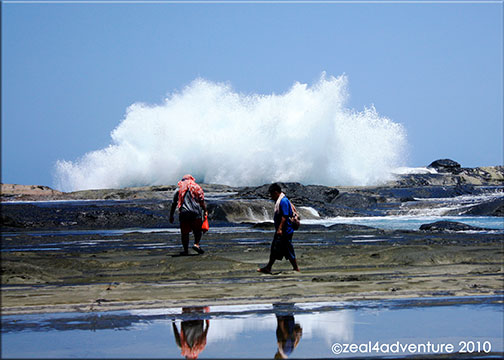
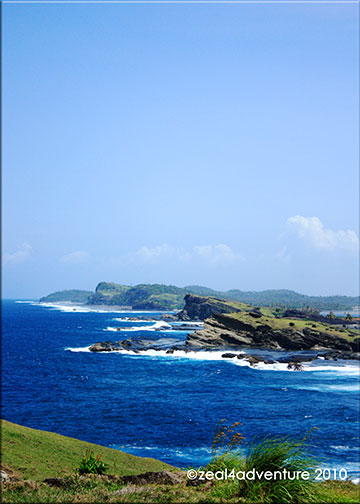
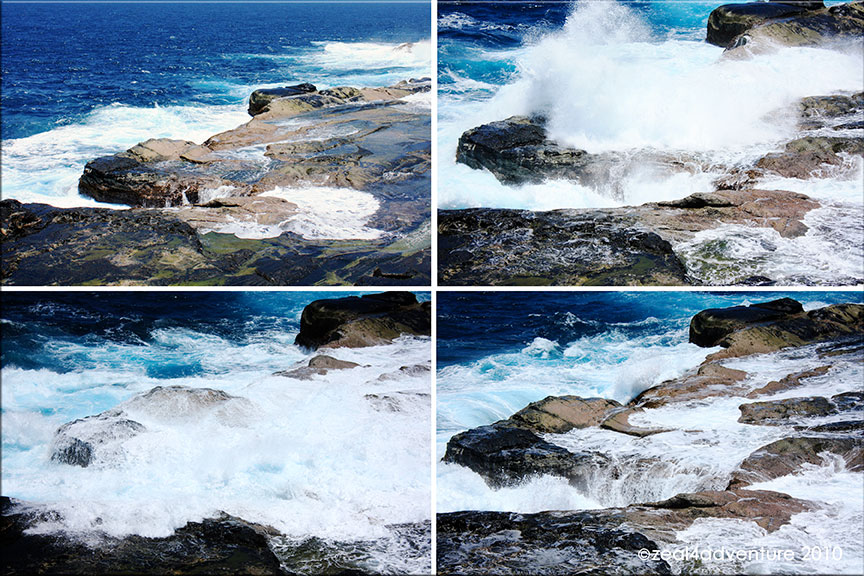
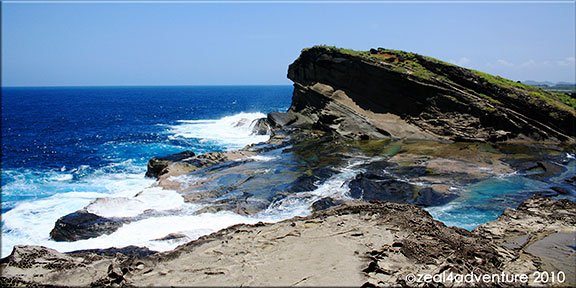
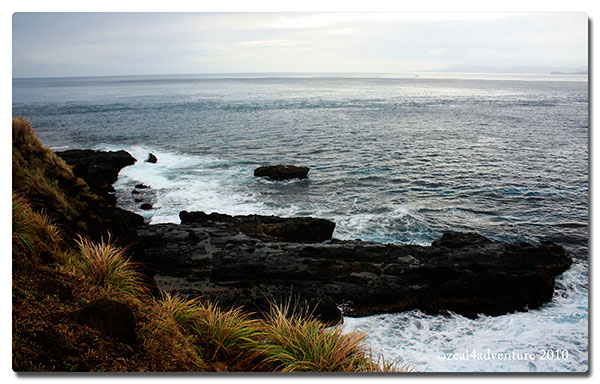
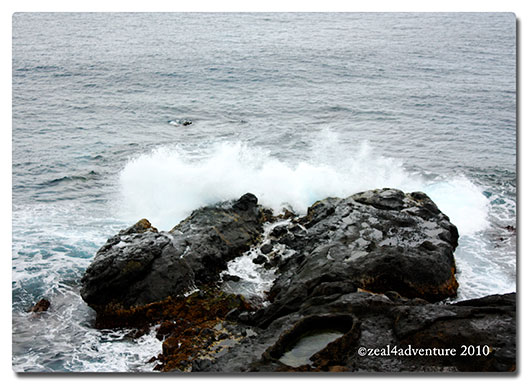
the enormous rock formations, the gigantic pounding waves, they were jaw-dropping A.M.A.Z.I.N.G.
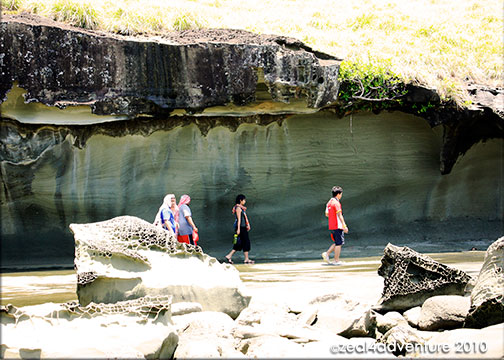
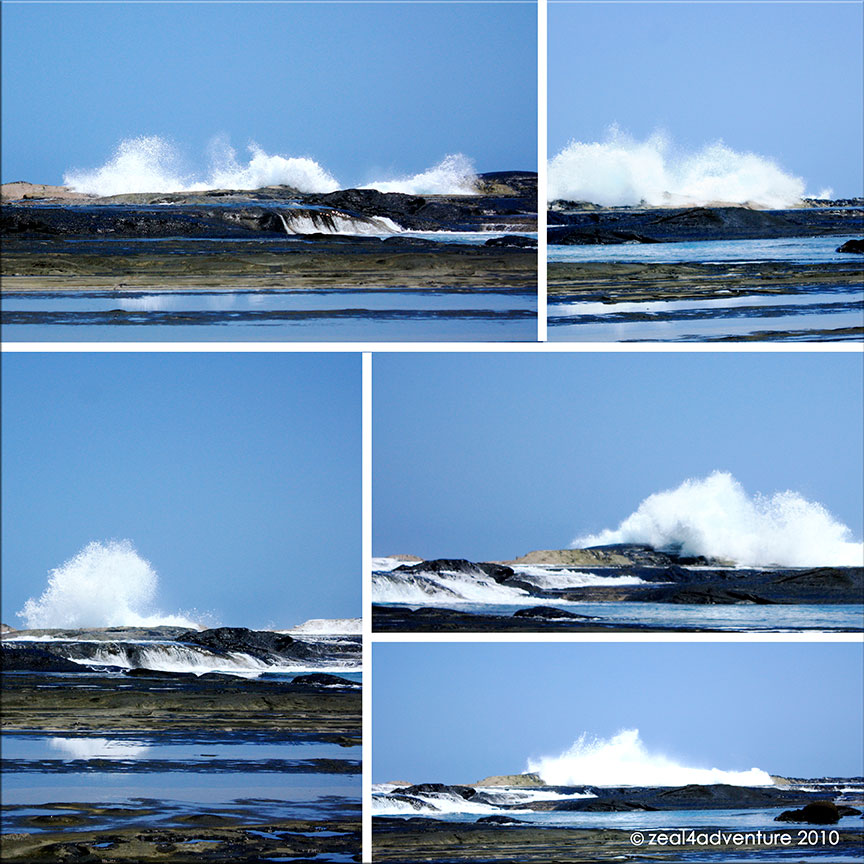
Unlike anything I’ve seen before.  It was unbelievable, surreal.
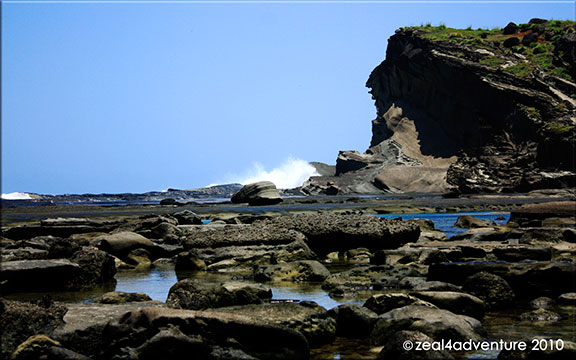
A view of the other side

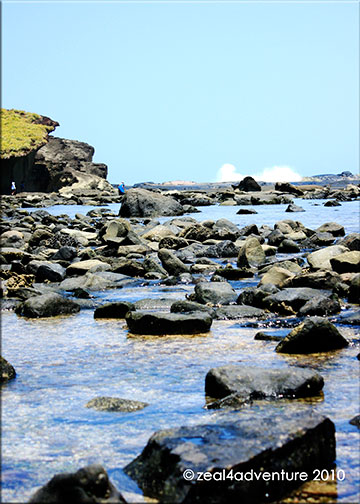
Our first rock formation, Magasang is an incredible formation of two huge, beautifully carved rocks standing separately on a wide flat rock.
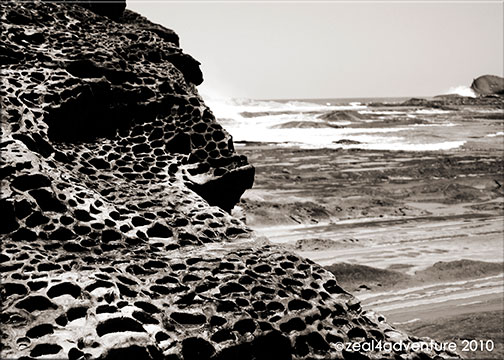
Climbing these porous rocks is easier than it seemed.

I recommend hiking up to see a 360 degree view of the many colors and textures of the grounds below and a different perspective of the crashing waves.
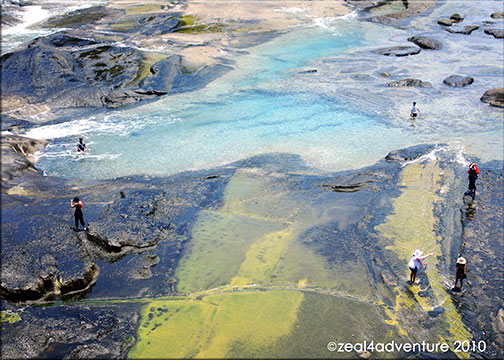
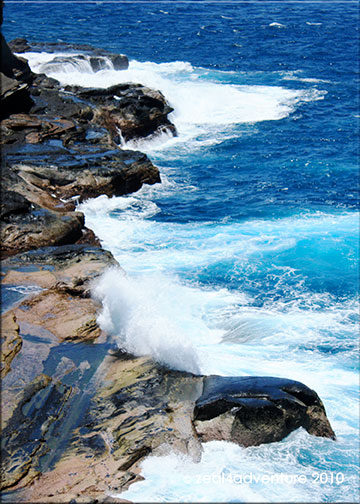
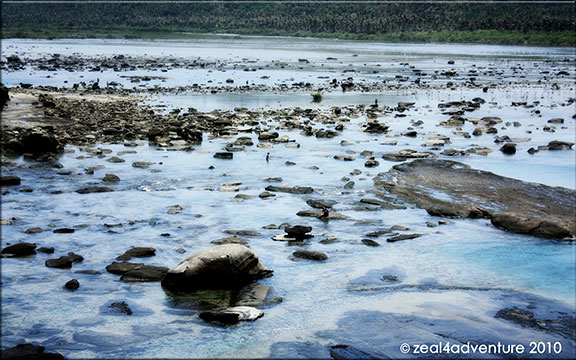
Wondrous colors and textures

How ironic is it that this natural beauty was formed by the wrath of nature, carved through time from the pounding waves of the San Bernardino Straits?
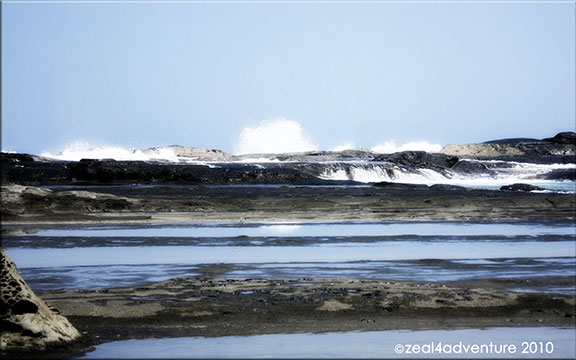
This beauty is, to me, one impressive site the Philippines can boast of.  Still largely unknown to the world, I am torn – a part of me wish this to be a secret hideaway for a long, long time, while the other part of me yearns to proudly share God’s amazing creation to the world.  Well, obviously my desire to share got the better of me.   😀  Amazing… simply amazing.

Wait!  There’s more.  So come back for more eye candy in the next few days.  It will not disappoint and that is a promise.   🙂

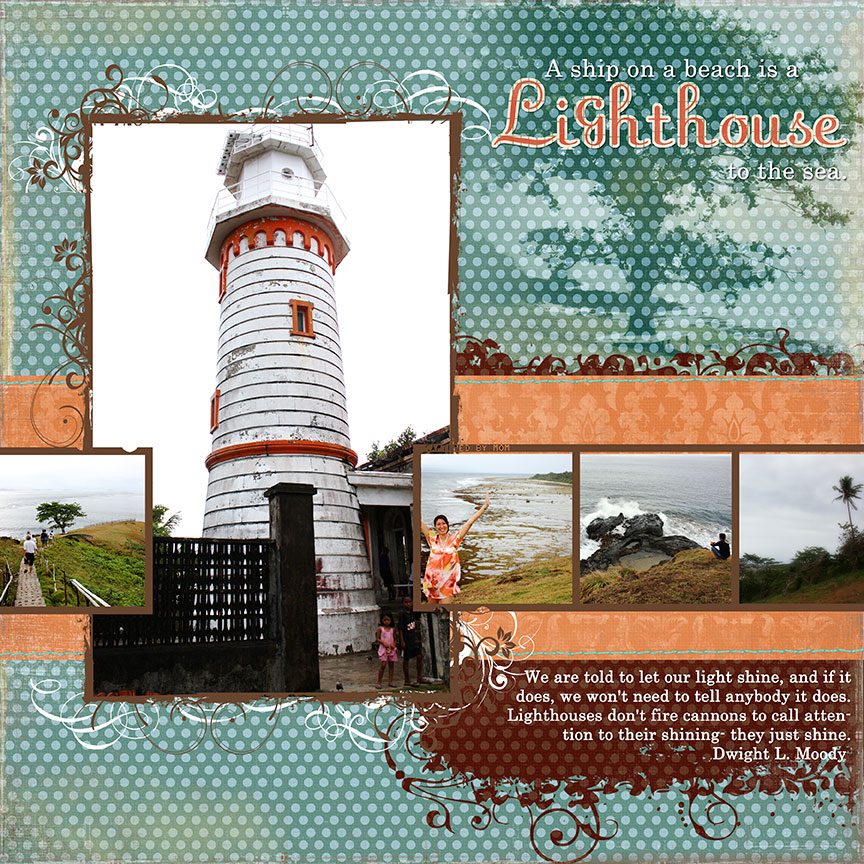
Faro de Isla Capul

Credits:  JSprague Typewriter2 Paper kit; DD MWISE A la Mode Brush- Scroll; KPertiet Grunge up photo block; JSprague Grungy edge frame; KPertiet Storyboard Negs frame; Alpha from JSprague’s Grand Intention Kit.

The mystery of lighthouses – they’ve always fascinated me.  Standing tall, alone and mysterious, shining its light on travelling vessels… never fails to evoke a sense of romance and adventure.  But nothing prepared me for this.

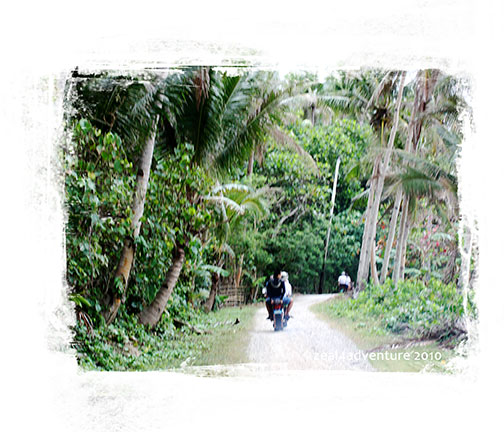
Zooming along a rugged coastline and through rows of coconut trees, we ended up at the northernmost part of the island of Capul.  And there perched atop a hill, 40 ft. tall and 143 ft. above sea level is Faro de Isla Capul, simply known as the Capul Lighthouse serving as a beacon till today to vessels traveling through the treacherous San Bernardino Straits.

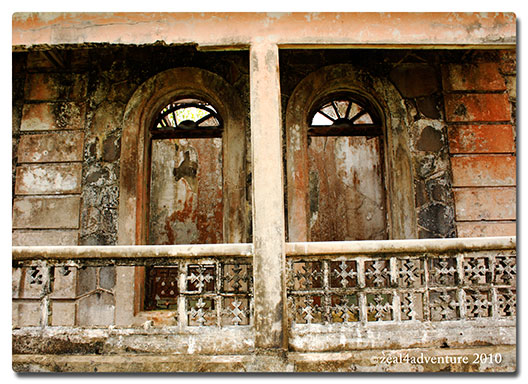
The approach from the street — insipid.  The lighthouse, in dire need of repair.  So, imagine the stir it invoked when we walked past the lighthouse and down the steps.  It greatly impressed.  We were dramatically surprised.

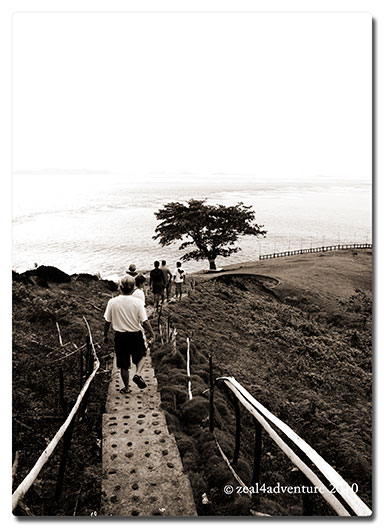
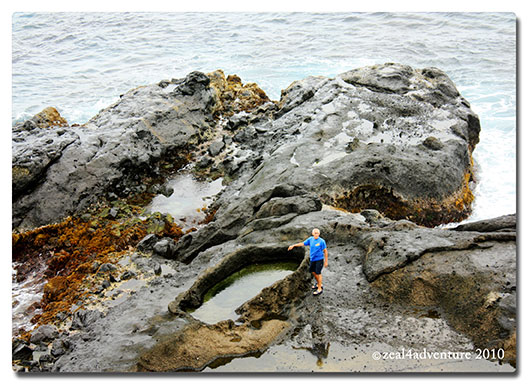
About 200 meters from the lighthouse, down below the shoreline is a pool shaped like a giant footprint.

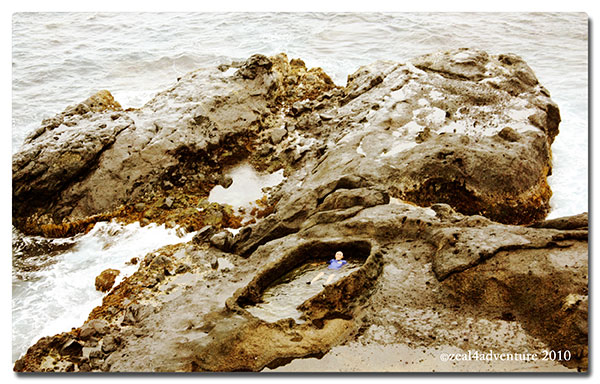
It was calling E who just couldn’t fight the urge to take a dip.  😀

How Capul Got Its Name

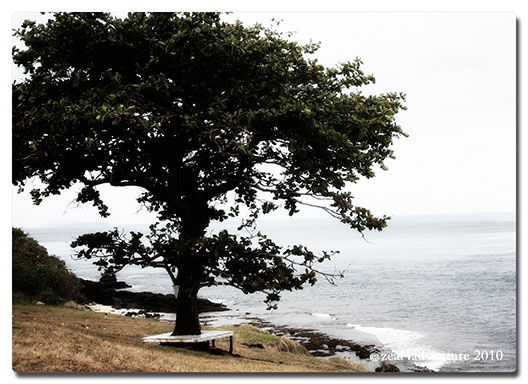
Beneath the lighthouse are natural rock formations that served as anchorage of the galleons during bad weather.

The location and proximity of the island to the Pacific Ocean and the strong currents flowing through the Straits made it useful for the galleons about to leave the Philippines to weigh anchor and start the voyage back only when the current was flowing outwards.

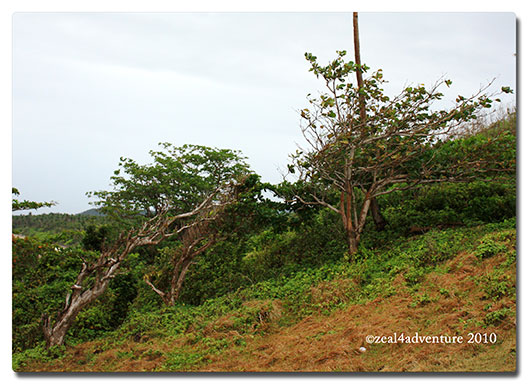
Evidence of how strong the winds are.

As the Manila-Acapulco Trade flourished so did the frequency of the stopovers.  According to folklore, to while a way time, a galleon crew engraved the name Acapulco on a rock.  It was later on used to designate the sitio where the engraved rock was located before it was eventually applied to the whole island replacing the name Abak.  As we Filipinos love shortcuts, Acapulco was corrupted to Capul.  And that, as legend has it, was how Capul got its name.

Scenic Sunday

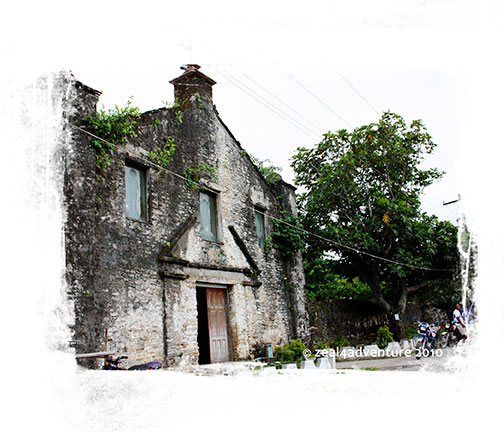
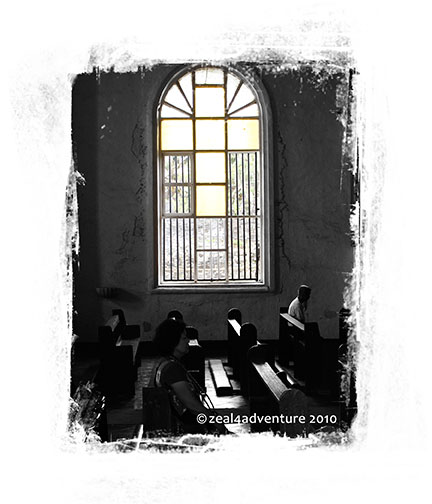
An old fortress church

Still on our island-hopping day, our next stop was Capul.  It’s an island that sits in the middle of the San Bernardino Straits, originally named Abak from a chieftain that migrated from the South.  These migrants brought with them one of the rare dialects in the country – they’re the only ones that speaks “Abaknon”.  Abak was changed to Capul (short for Acapulco) in the late 16th century because galleons from Acapulco, Mexico frequently stopover the San Bernardino Straits to barter.

The island is known for its lighthouse and old fortress church and from the port where our boat docked, the old reliable habal-habals (motorbikes) took us to both sites.

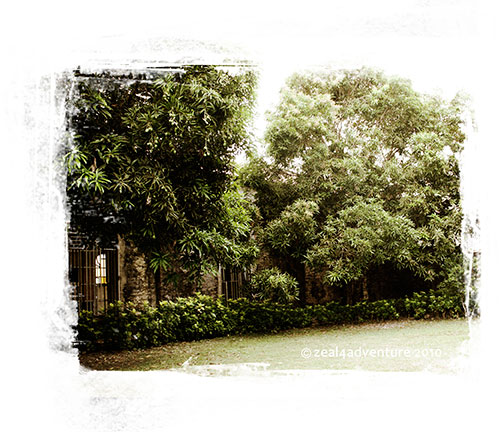
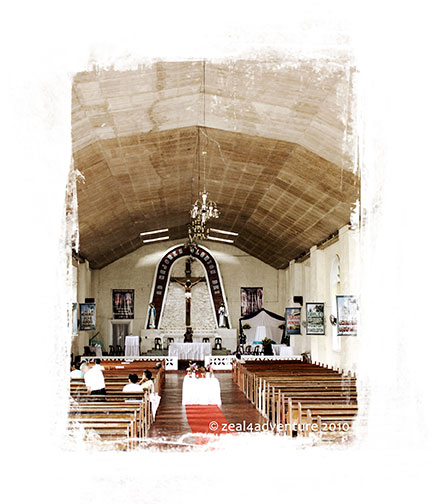
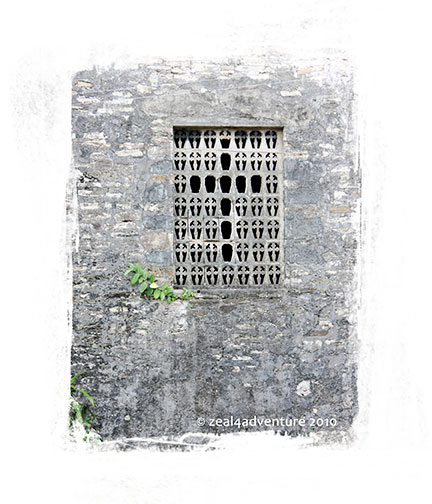
The fortress was first.  On a side street with a basketball court in front lays a 16th century church, 85% of its original form still preserved, its surrounding walls still intact.

It is one of the oldest Catholic Church that withstood pirate attacks and natural disasters and calamities and until the coming of the Americans, the church and a watchtower constructed on top of a large rock overlooking the town harbor, served as a warning system and as a refuge for the people of the island during the Moro raids.

At the time of our visit, we heard that a foreigner was rescued from their waters the night before – a miracle he survived the harsh waters drifting all the way from Biri losing his fins and mask along the way.  Glad he’s ok.

Pink Sand and a Charming Village

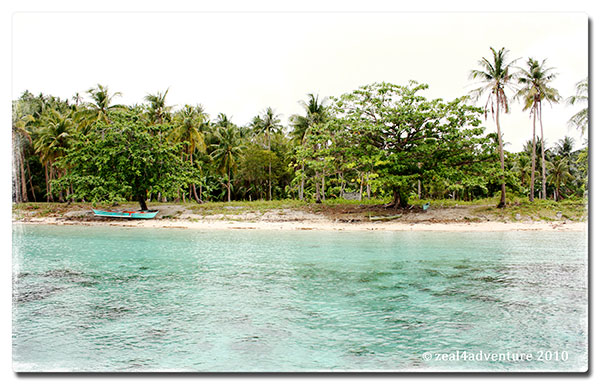
Brgy. Sila, we were told, boasts of a nice pink sand beach.  Pink.  Yes pink.

And there we proceeded to have lunch and do some snorkeling.  I, on the other hand, had enough of underwater events the past few months, had opted to explore the other side of the island.

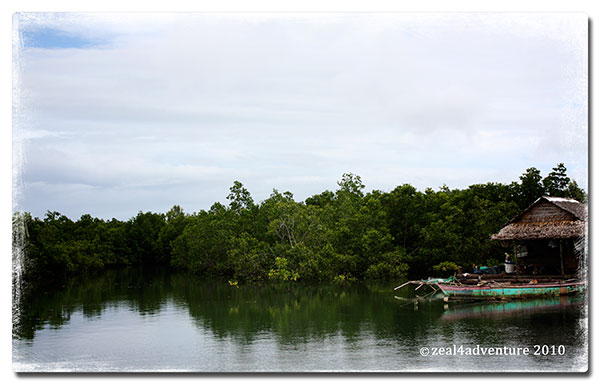
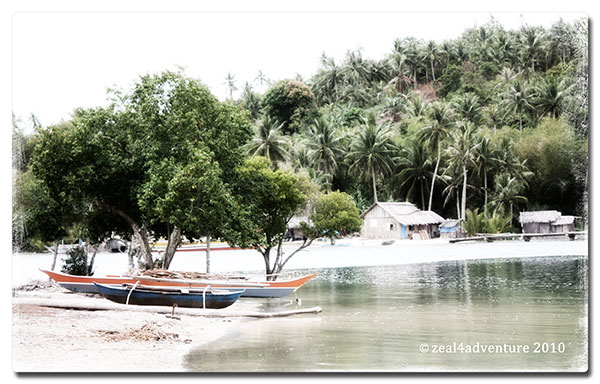
There I discovered a beautiful fishing village with a rich mangrove.

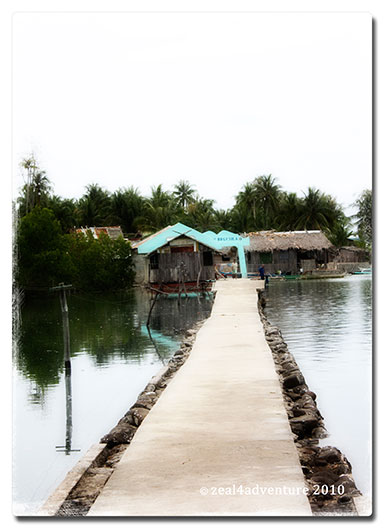
The village is 2 islands connected by walkways.  Charming.

Trust me, the photos can’t capture it but the beach is indeed pink.  It could be from crushed red corals perhaps?  Anyway, here are some captures of this little charming village.

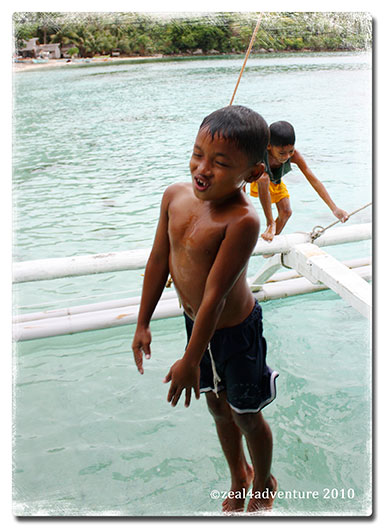
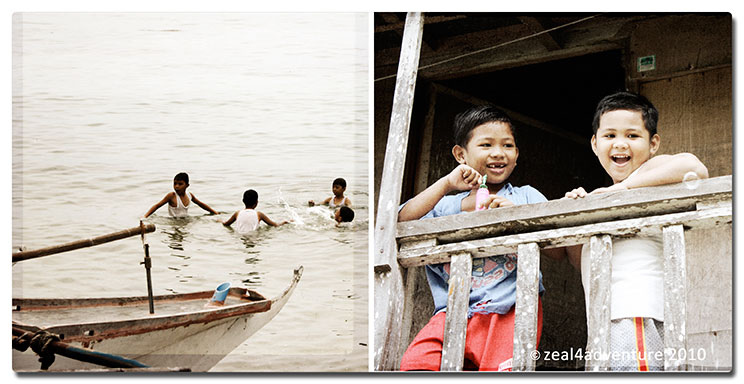
Children horsing around our “banca”

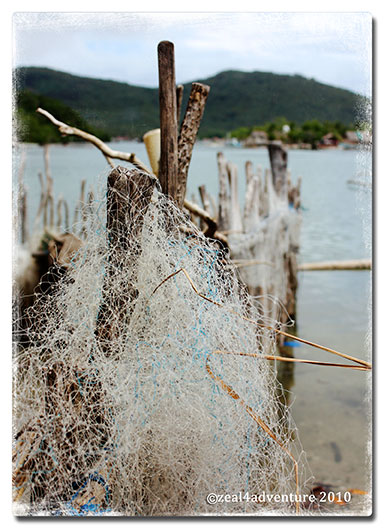
Entangled.

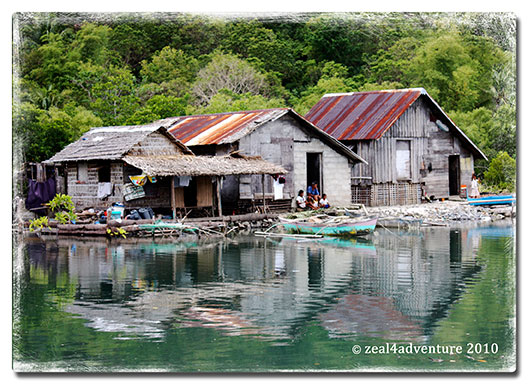
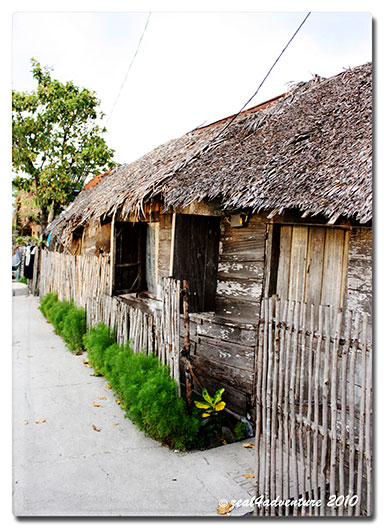
Shanties along the shore.

The village inside.

A nice shady place.

Barangay Sila is one of the 7 islets that makes up the Naranjo group of islands.  It is situated west of mainland Northern Samar.  These islands face each other almost in a circle, which aside from Sila are, Tarnate, Sanguputan, Panganoron, Maragat and Mahaba. Considered the game fishermen’s paradise, bountiful supplies of swordfish and marlins are to be found.  It is likewise said to be an ideal scuba diving spot with beautiful corals.  There are however currently very limited facilities for scuba diving.

A Simple Life

Credits:  Daniella Austen’s Fancy Quickpage 3.

The largest island, Dalipuri is the only one with resorts established among a cluster of islands known as the Balicuatro Islands.  The rest of the islands are mostly home to farmers and fishermen.  San Vicente has 7 islets called the Naranjo group.  On our way there, someone in our motley group decided that we wanted to explore the town of San Vicente and we spontaneously found ourselves in this island town that lies isolated from the other 6 Naranjo Islands.  The kind of exploring that I like.

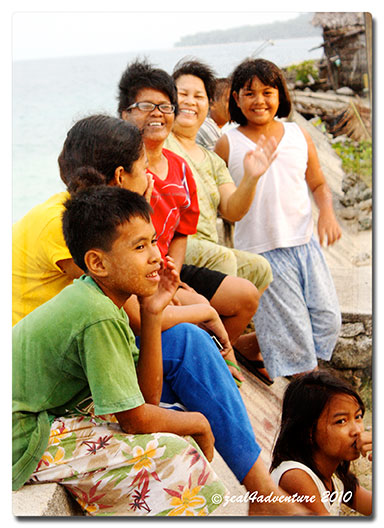
Not used to having visitors, the townsfolk started gathering around us as if we were famous people.  Really, we felt like superstars.   😛  Curious, they started following us everywhere until one lady – a teacher – decided to proudly walk us around her town.

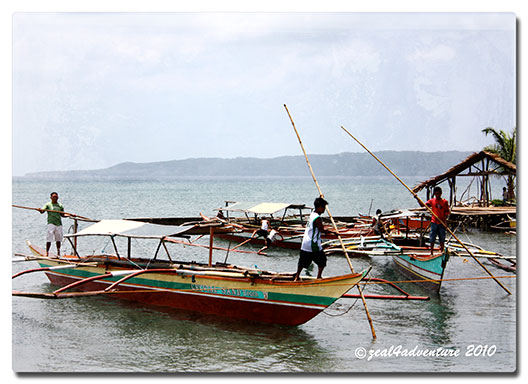
A small fishing town, they sell a lot of dried dilis (anchovies) to the entire province of Samar and probably to other areas in the Visayas Region.

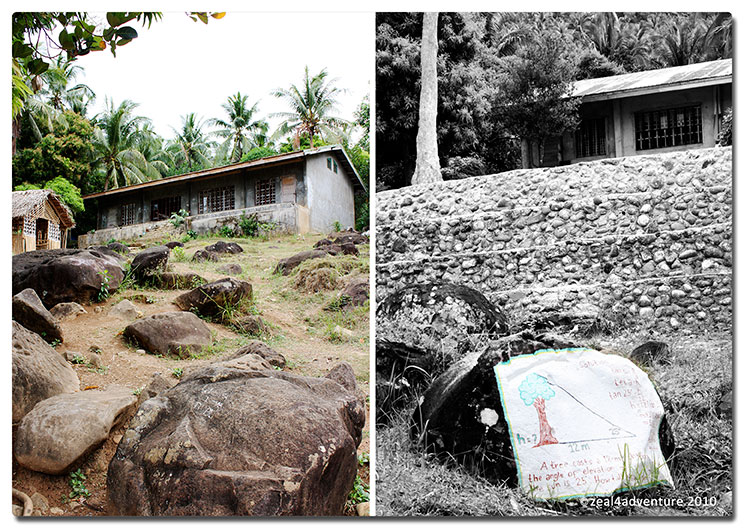
School on top of the hill and equations painted on boulders.

There was a grade school and a high school.  The former quite interesting, albeit dilapidated.  Interesting because it sits on top of a hill

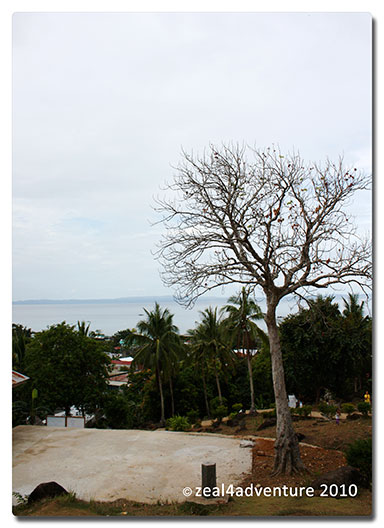
with a view so breathtaking – what a treat to be in school – I wish I had just a little of that view when I was in school.  On my way to the top, I noticed mathematical equations painted on large rocks beside the steps.  Makes me wonder what stimulates this kind of creativity.  Simple and practical, yet artistic and tasteful.  I think it’s the view!   😀

Excited and thankful (they seem) that soon, running water will come to every household.  I’m not kidding!

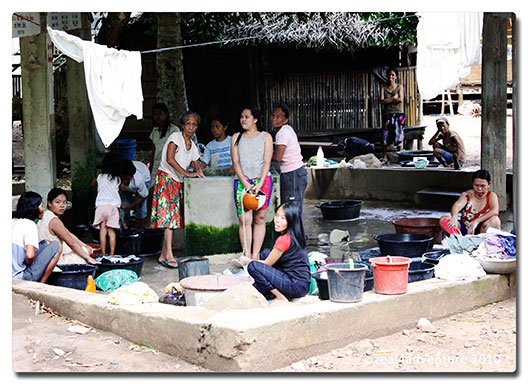
Meanwhile, they are happy with the posos (dug out wells) strategically located around town,

even if they have to wash their cloths in areas such as the above and carry water to their homes.  I cannot imagine how much worse their situation was before.

And yet, they seemed happy.

As Henry Ward Beecher says, “The art of being happy lies in the power of extracting happiness from common things”.

Live simply.  But not without a sabongan (arena for cockfighting), simple as this town may be.  Gambling, as it turns out, is their past time.

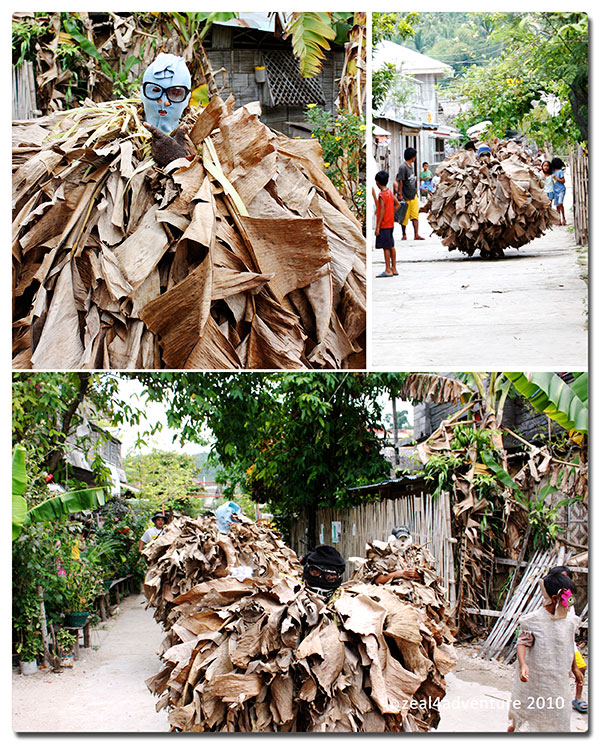
Every year on Maundy Thursday, boys (in their teens) parade around town donned in masks (similar to a ski mask) and dressed in dried banana leaves, supposedly to scare the evils away.  Each of them dressed differently.  Such serendipity that we were witness to a traditional ritual they call Judeo or Hudyo that only occurs one day a year.

Thanks E for your suggested detour.  It was the highlight of our visit as we were perhaps the highlight of their day.

Scenic Sunday

Unexplored Paradise

Naturally blessed with outstanding rock formations, captivating sceneries, pristine white sand beaches, alluring waterfalls, and historic old churches, Northern Samar is often described as a little piece of unexplored paradise.

Located some 630 kilometers south of Manila in the Eastern Visayas Region, this remote, desolate and definitely off the beaten path territory occupies the entire northern portion of the Samar Islands.

Compared to other parts of the country, Northern Samar remains an economic backwater.

Although left undeveloped, the province – its environment with many amazing wonders, its charming people, innocent and accommodating – waits to be explored.

This summer past, we wandered through one of Philippines’ hidden gems.  Our first stop and our home for the next 2 days was San Antonio, Dalupiri Island.

You’ll need to take a banca in Victoria to get there.

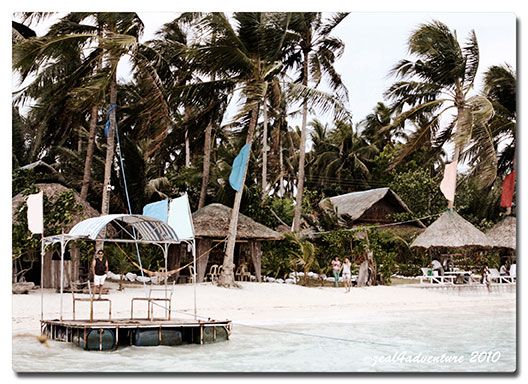
Haven of Fun Beach Resort is a great place to unwind, recharge for a few days and could very well be the best resort this island has to offer.

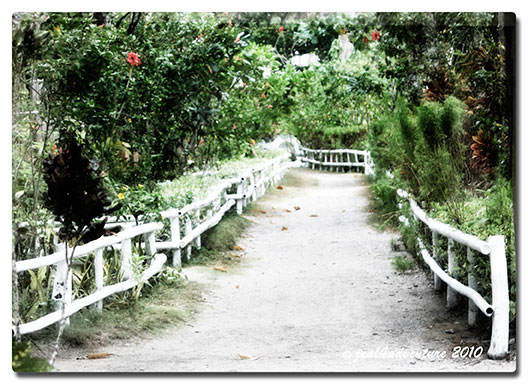
Pathway leading to our rooms

Albeit simple (read: basic), air-conditioned rooms are available and if on a budget,

this cabana has an attic, which serves as a room.  Clever, if you ask me.

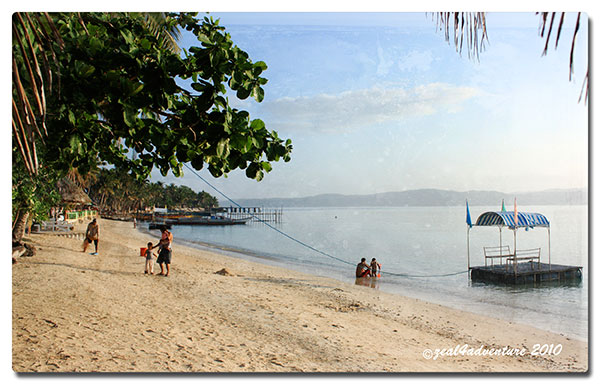
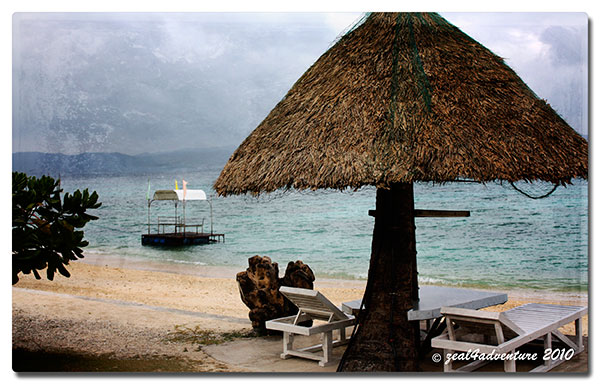
The long-stretched white sand beach and alluring blue waters makes up for what it lacks in amenities.

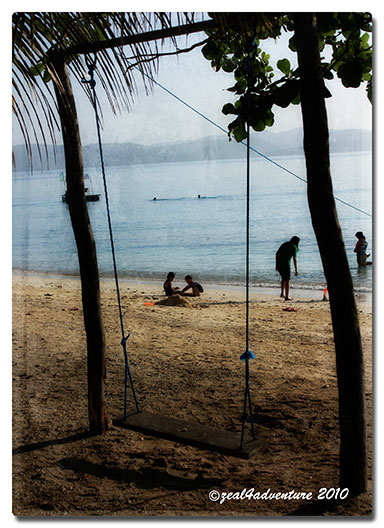
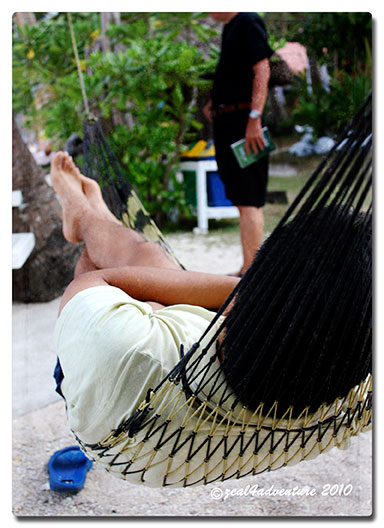
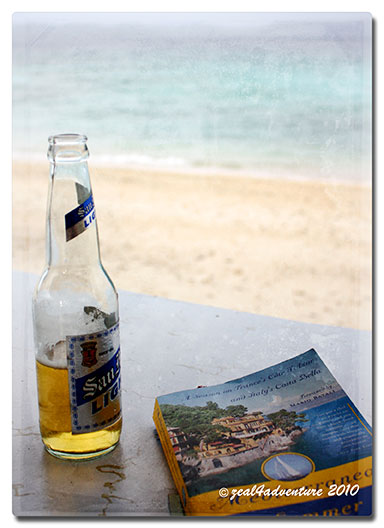
One can spend hours in the water or lounging around, chatting, reading, sleeping.  I call this a well-deserved respite.

We spent many a meals in this cabana, people watching, enjoying the early morning breeze and admiring the beautiful blue water over breakfast.

A great start to a great summer vacation, yeah?

So sit back, relax, have a hot cup of coffee or some iced tea (if you like) and discover the beautiful islands of Northern Samar with me.

Getting there:

By air:  Cebu Pacific and Pal Express flies daily to Catarman.

By land:  Philtranco, Eagle Star and other bus companies have daily trips (14-16hours).

* Pumpboats  make regular runs between Victoria to San Antonio.

Maira-ira, Kiteboarding and Happy Memories

There’s something about white sand and strong waves crashing on the shore that evoke memories of my childhood.  Perhaps because my earliest recollection of the beach was when I was 4, living in the US with my family (of course), vacationing then in Miami Beach.  I played with the waves, trying not to get my feet wet by outrunning the waves crashing on shore.  Fun but futile because I think I ended up wet anyway.

Approach to our resort — Hannah’s (shhh… it looks better from afar!)

We arrived at Maira-ira point practically sundown and oblivious to how pristine the beach across the street from our resort was.  We woke up to an overcast morning, greeted with strong amihan winds.  Perfect for surfers, I thought.

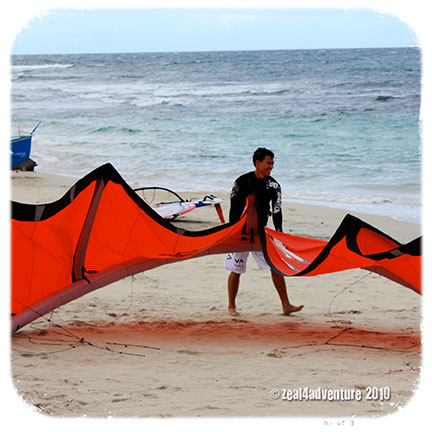
Well, there you have it… it was the first time I saw kiteboarders in action.  I learned about this sport from a friend J a few years back.

And what do you know?  It was J surfing the waves on his kiteboard.  It was fascinating to watch and I’m sure more than thrilling to be on board.

That’s not J!  Tee hee!   😀

J’s been convincing me to try it… yeah, yeah!  Perhaps someday… for now, I’m happy wading through the waves.

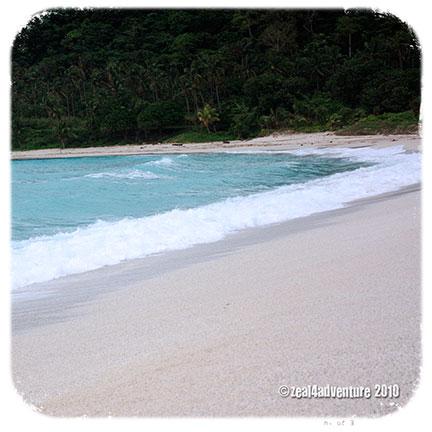
The Blue Lagoon, as it is aptly known, is nestled around hills on a crescent cove that can be truly private and hidden from the mainstream beach-combing crowd.

I like my beach that way.

From the road, partly hidden from trees and other vegetations, a sign pointing to some stairs leads to the beach.

sand up close

Sand definitely not “Boracay” fine but I like it that the tiny white pebbles stay put in super strong winds.  God knows best, doesn’t He?

A Glimpse at Alaska’s Wild Side

Scenic Sunday

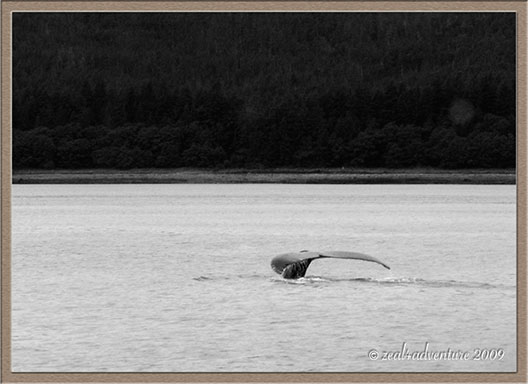
The best way to see Alaska’s wildlife is on the water, so we were told.  We had a simple goal – to search for, view and learn about a variety of North America’s wildlife.  We therefore plied the island-studded waters of Stephen’s Passage inside a warm, comfortable cabin on-board a water jet-powered catamaran, specially designed for wildlife viewing. Stephen’s Passage is renowned as a favored summer feeding ground for humpback whales.  We decided to go for it in Juneau because the operators guaranteed whale sightings or a $100 refund.  Sounds like a winning proposition to me.  And whales we did see + some seals to boot.

We saw graceful and magnificent whales tail lobbing – raising their flukes out of the water and then slapping it on the surface — blowing and perhaps even singing, a most interesting behavior of the whales, a naturalist on-board explains.  I couldn’t hear because it was too cold and windy for me so I stayed indoors the whole time, taking photos through the large windows surrounding the whole cabin.

Behavior and Habitat

The naturalist explains further that humpbacks are a baleen whale and a rorqual whale that sings amazing songs, long and complex, which they believe is used for mating.  They are acrobats of the ocean, breaching and slapping the water.  They live in pods (a social group of whales) and these mammals travel a great distance to take advantage of the best breeding grounds and feeding spots.  North Pacific humpbacks, for example, mate and give birth in Hawaii and then travel to Alaska each summer to feed.

Endangered

Humpbacks are among the most endangered whales and fewer than 10% of their original population remains.  However in recent years, humpbacks have been observed more and more frequently feeding along the California coast.

Harbor Seals

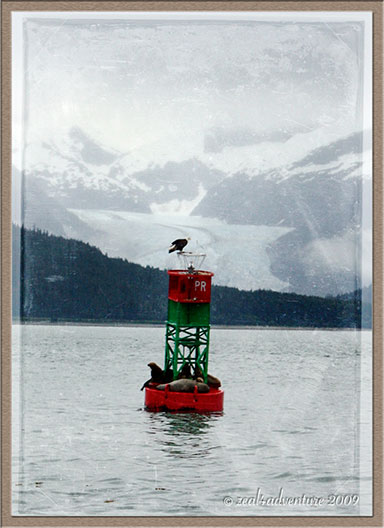
Normally hauling out on rocks, these seals seemed to be enjoying the rest on a buoy.  They often swim quietly along the shore, their round, earless heads just breaking the surface.  Seals depend on a thick layer of body fat for warmth.  Their coat consists of coarse short hairs.  Color varies from blond to nearly black, may are spotted and blotched.

Did you know…

Humpback whales can consume as much as a ton of krill and small fish per day in the summer?

Humpbacks migrate to the nutrient-rich waters of Southeast Alaska in the summer after having fasted all winter.  This intensive feeding builds a thick layer of fat called blubber which stores the nourishment the whales will need in autumn when they return to the warm waters of Hawaii and Mexico to breed.

For more scenes from around the world, go to Scenic Sunday.

A World Heritage Expedition

mwtwhite4

“We woke up to a perfect storm”, aptly described by a friend of the bad weather that welcomed us one morning as we approached the Sulu Seas on our way to Tubbataha Reefs National Marine Park, simply called Tubbataha.  The park was declared a National Marine Park in 1988 and a UNESCO enlisted World Heritage Site in 1994.

minerva1

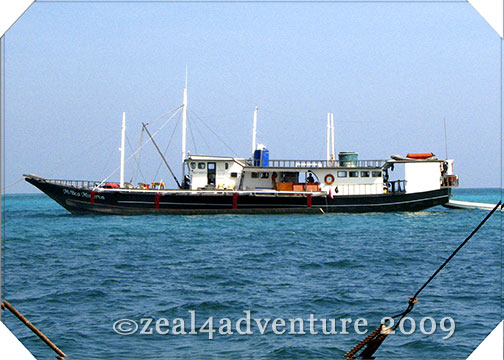
We were on an expedition on board the M/V Minerva, a research vessel owned and operated by WWF-Philippines, which opened the Cagayancillo micro-archipelago and Tubbataha Reefs to non-divers.  Yes NON-DIVERS.

Intrigued with Tubbataha, I’ve always wondered what it was all about.  “A must-see and a must-do especially if you are a diver”, I was told, which made me all the more attracted to it, never mind that I didn’t dive (then).  The hindrance was the cost and not to mention, the divers will be underwater while I will be left above, trying to get a glimpse of the world beneath (or so I thought).  So when I got hold of this offer to join the expedition… you guessed it, I jumped right at the chance.  Worth every centavo… good food

sunset

and awesome sunsets were just the tip of the iceberg.

cagayancillo

Cagayancillo was a discovery, but best of all, we were brought to snorkeling sites (as opposed to dive sites), and without having to don a scuba gear, we saw jacks (schools of ’em) in our face, sea turtles, even reef sharks, stingrays and barracudas owing to very clear visibility.  It was a turning point, so to speak.  Took up scuba diving soon after and turned out to be one of the best decision ever.   🙂

tubbataha

A reef ecosystem made of 2 atolls; Tubbataha is home to many marine species and is recognized as being probably the best diving in the Philippines and amongst the best in South East Asia.  Politically part of Cagayancillo, Palawan, the name Tubbataha comes from the dialect of the Samal, seafaring people of the Sulu region, and means “long exposed reef”.

lighthouse

The remoteness of Tubbataha Reefs has been its greatest protector against our exploitation.  There are no permanent residents here and the reefs are only accessible by live-aboard dive boats.  Not exactly cheap and easy.

bird-island

Situated on the north face of the north atoll is a large reef popularly known as Bird Island due to the numerous “boobies” and “noodies” that nests in the islet.

bobbies1

We were greatly charmed by these critters from afar.  The nearest we could get to them is thru telephoto lenses as stepping foot on this island is reserved for rangers and researchers.  Be that as it may, it was the most spectacular sight I’ve seen as far as bird watching is concerned.

noody

A project of WWF-Philippines, it aims to encourage and demonstrate to the commercial tour operators that there is a market in the non-divers.  The hope is that with the support of such operators, Tubbataha Reefs will raise funds each year to pay for itself.

Enjoyed myself immensely that I went on the expedition twice.  The first time, as a paying volunteer (to check out the sites) and the second was when it ran its first commercial trip in 2007.

The expedition takes you to not 1 but 3 World Heritage Sites.  Aside from Tubbataha, the expedition kicks off and/or concludes with a trip to Miag-ao church and the Puerto Princesa Subterranean underground river.

For the 2009 trip details, click here.

I hope you enjoyed my world this week.  To enjoy more worlds, hop on over to My World Tuesday.

Palanan On My Mind


mwtwhite

palanan-on-my-mindCredits:  Elements – scarlet hells media- JScollabed 2, Sclengeman- Carnival tag 2; Papers – hroselli carnival paper – turquoise, mlima – carnival paper, mmartin carnival paper

Travel doesn’t get much rugged than this. This remote province is only accessible by cargo ship, light aircraft or a trek of several days across the Sierra Madre mountain range. We opted to fly.  In June 2002, we found ourselves exploring Isabela’s best-kept secret, Palanan.   There were lagoons so blue, they called it Blue Lagoon (haha!), we likewise hiked to a really beautiful cascading waterfalls (name escapes me right now), and endless stretches of white sand beaches in the middle of nowhere with hardly anyone except for some occasional encounters with Dumagats fishing.


palanan-marlin

Declared a wilderness area in 1979, the Palanan Wilderness Area is home to several threatened bird species including the Philippine Eagle. Still inhabiting the Palanan coastline, the Dumagat’s lifestyle is relatively unchanged because of the area’s remoteness.

Its inaccessibility is both a hurdle and a lure to adventure-seekers.  Nestled in the farthest eastern corner of the province of Isabela, bounded by the Pacific Ocean.  Palanan is what I call P.A.R.A.D.I.S.E!

palanan1

Not only is it paradise, it has its fair share of history as well.  It was in Palanan that the Philippine-American war ended in Mar 23, 1901 when Emilio Aguinaldo was captured by American forces who gained access to Aguinaldo’s camp by pretending to surrender to the Filipinos.

An off the beaten path worth exploring.

For more That’s My World entries, head on to their site here.