The Secret Is Out!

Tent… check, sleeping bag… check, therma rest… check, swimwear… check, sunblock… check, pasta, pasta sauce and chorizo… check… cook set… check and the list goes on.  These however, are the essentials needed for an overnight trip to Nagsasa Cove.
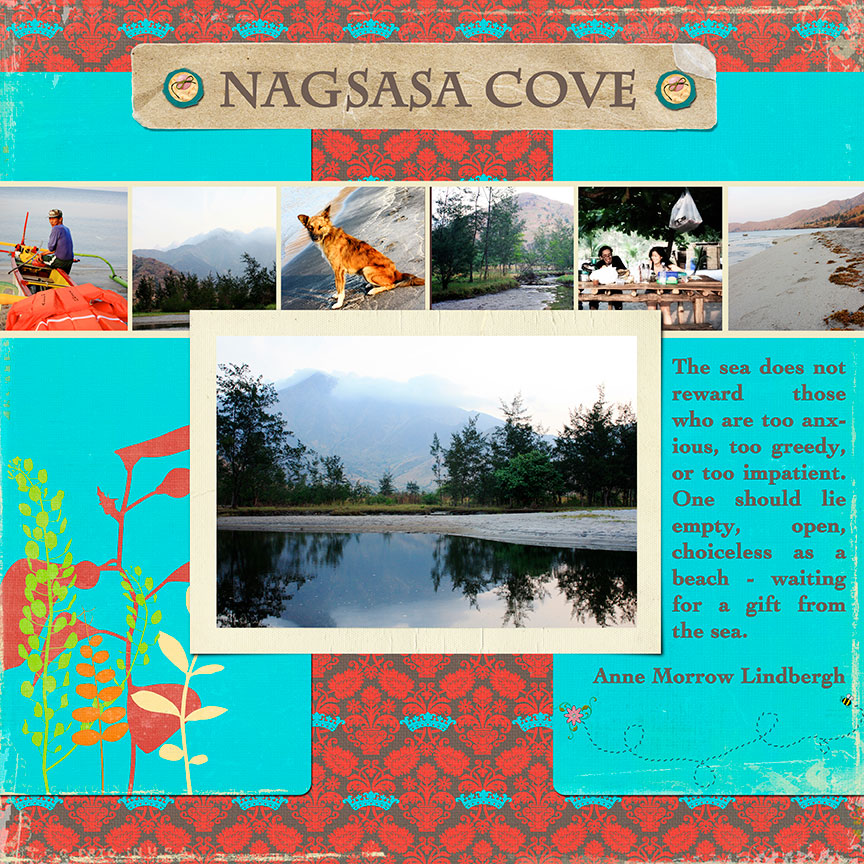
Credits: J. Sprague You are Awesome Paper kit (Blue Leaf & Brown Red), Framers; LivE’s Worn Kraft tag, Sing 4 Spring elements (Button Accent 02 & Fight of the Bbee)

My friend S had been itching to make a trip there ever since she learned of Nagsasa.  And so the weekend after our Northern Samar trip, we were up early, traveling north to what we thought was a secret paradise.  Punta de Uian Resort in San Antonio, Zambales to be exact.
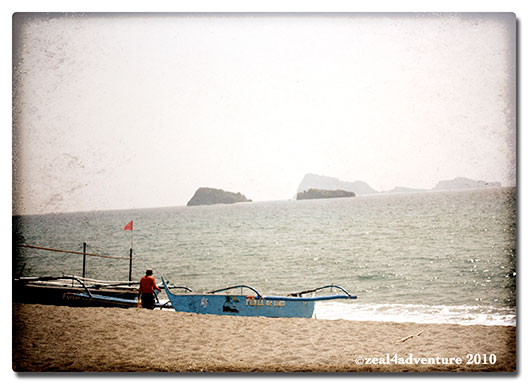
The boat we hired from Punta de Uian

A resort kind enough to take us to Nagsasa (for a fee, of course) even if it was not part of the trips they offer.
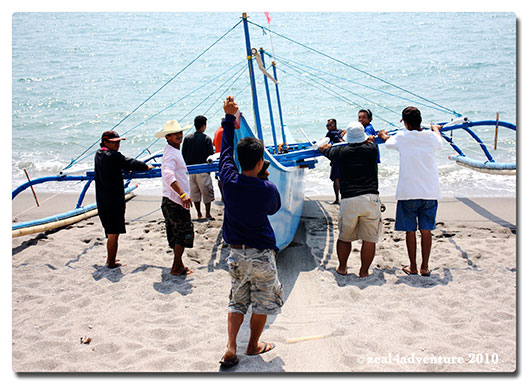
Off to Nagsasa…

Wondering why hire a boat through a resort?  I want my car parked safely in a parking lot while we camp out on a cove 8 kms away.   Better safe than sorry right?
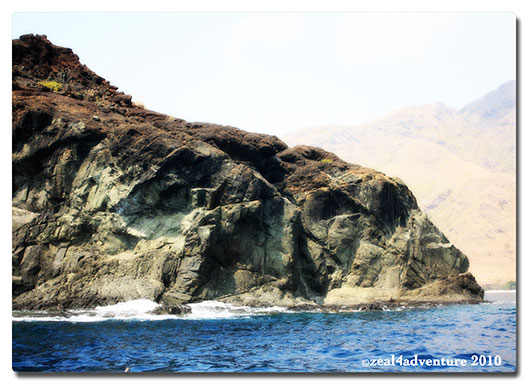
The view on our way

Nagsasa is supposedly less popular than Anawangin perhaps because it takes twice as long (about 45 mins) to get to Nagsasa from Pundaquit Beach.
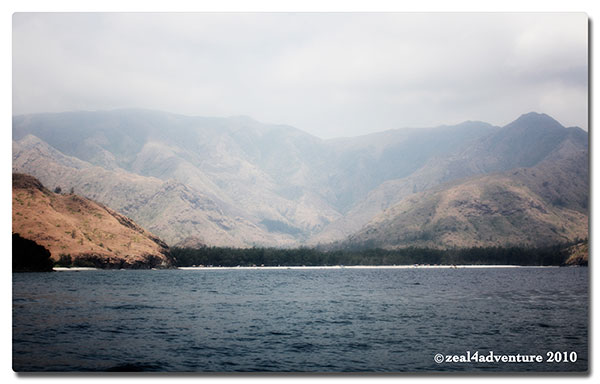
The approach

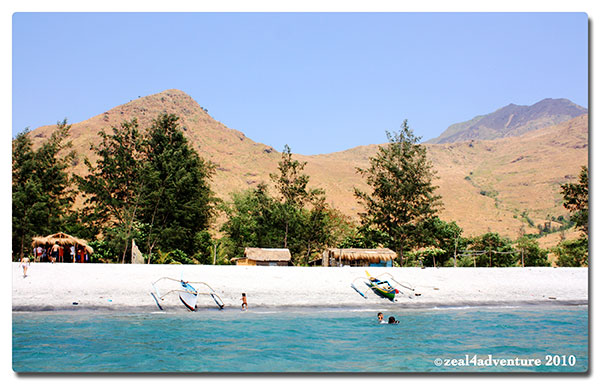
Arrival (looks empty)

So imagine how stunned we were at first to see scores of campers spread out on the crescent shaped stretch of beach, maybe having the same thoughts as ours, which is… “why are they all here?”
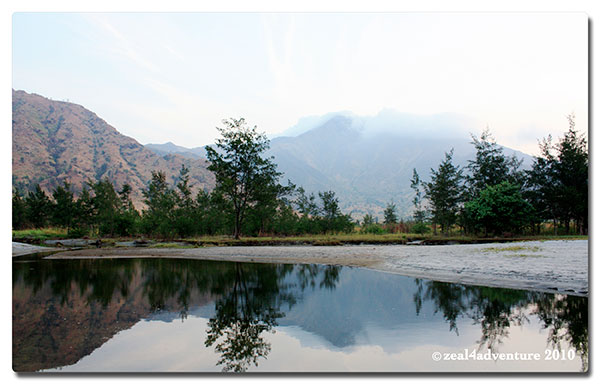
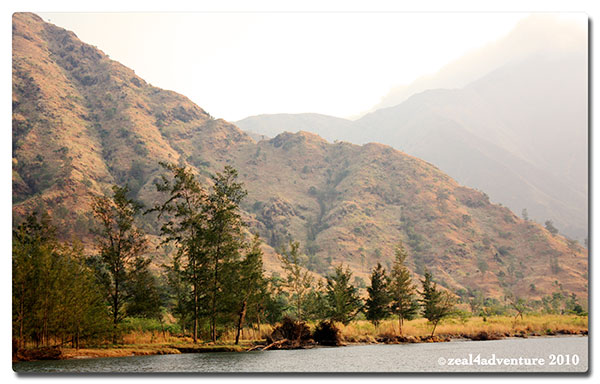
Water so still

Perhaps it was the long weekend and everyone who knows about Nagsasa had the same idea, or perhaps it is the magnificent paradise that makes it difficult to remain a secret for long.
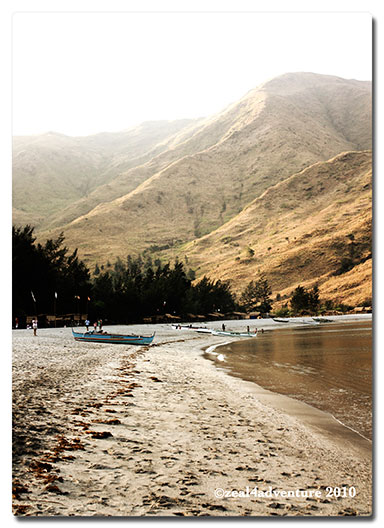
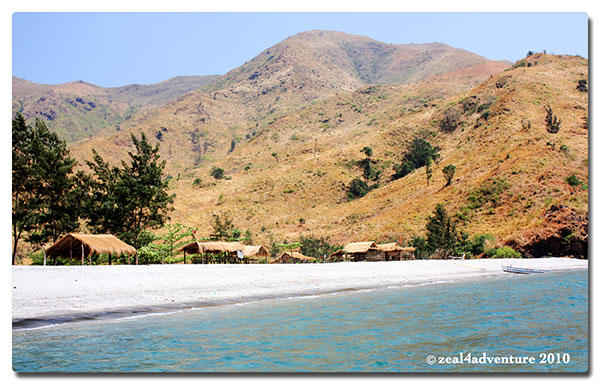
Whatever it is, we were happy to be among those who were enjoying this wondrous cove with breathtaking Mt. Nagsasa serving as backdrop to a pristine stretch of ash colored sand.
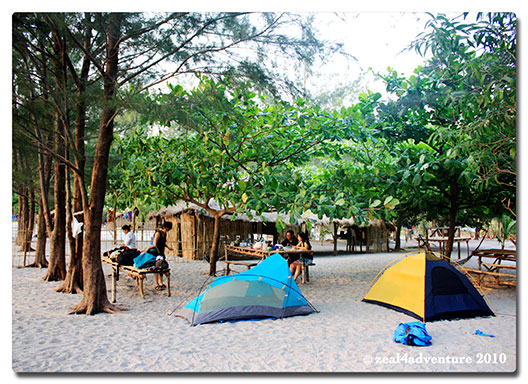
Once we got off the boat, we looked for our little corner, Mang Augusto and his family lives beside our campsite, making him the caretaker.
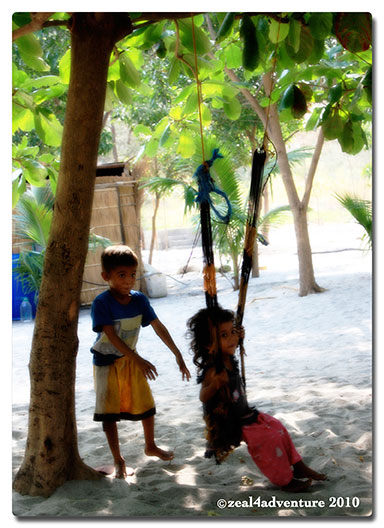
Siblings – Mang Augusto’s kids

We had a picnic table for our meals and our chit chats.
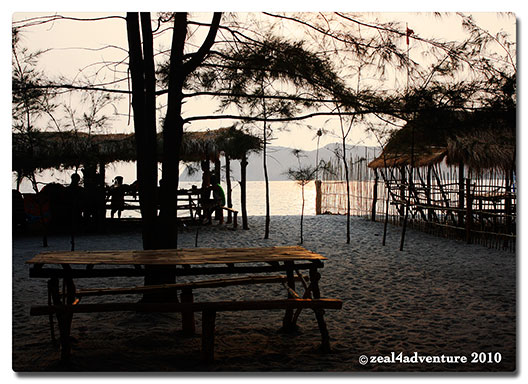
We also had a bathroom just at the back, which I truly appreciate, never mind that it didn’t have a light, what are headlamps for anyway?
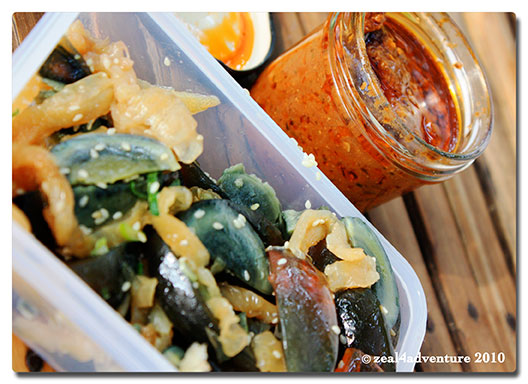
Our starters:  Greek and Chinese — an obvious lack of coordination… yummy just the same.

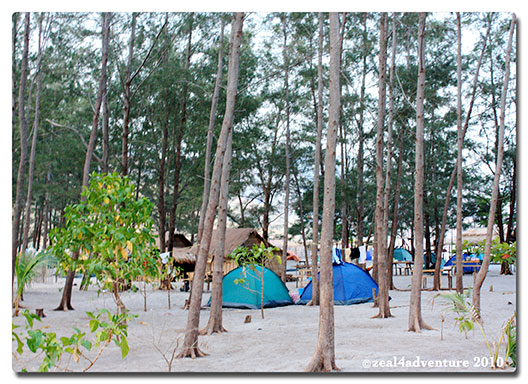
After we settled, we pitched our tent and then prepared our meal… we burned our rice (it was not easy using the aluminum cook set, really!).  Mang Augusto’s wife cooked 2 kilos of rice for us for only P100 ($2).  Way too much for 5 so we had it for breakfast, lunch and dinner and there were still left overs.  So here’s the tip: don’t even bother to cook rice when you can have it cooked for you (for practically a song).   😉
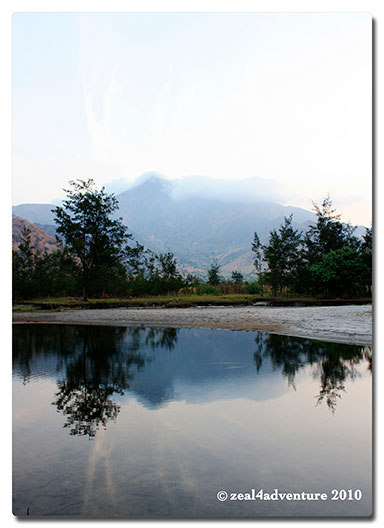
Nagsasa (and Anawangin and perhaps others as well) emerged after the violent eruption of Mt Pinatubo in 1991.
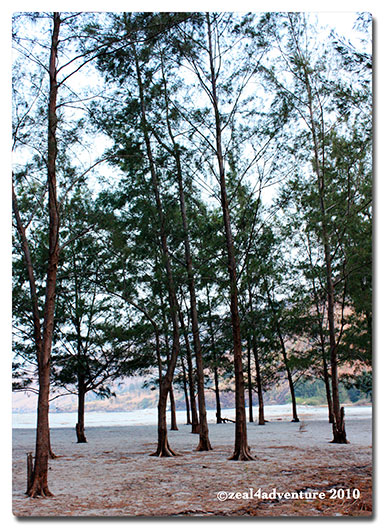
The eruption actually changed the landscape of Zambales producing these coves of ash sand beach lined with Agoho trees stretching inland, rendering a beach so impressive.
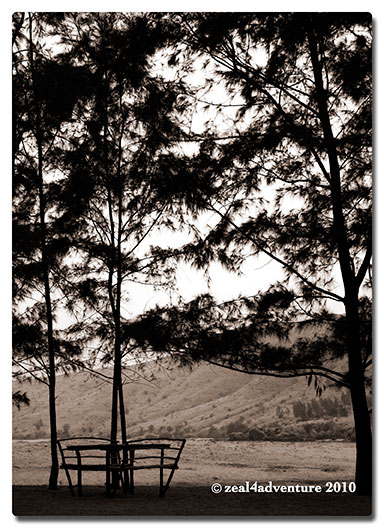
So how did such a tree find its way to this part?  It is said that these trees were non-existent prior to the eruption and that the seeds of the trees came from the ash expelled by Pinatubo.
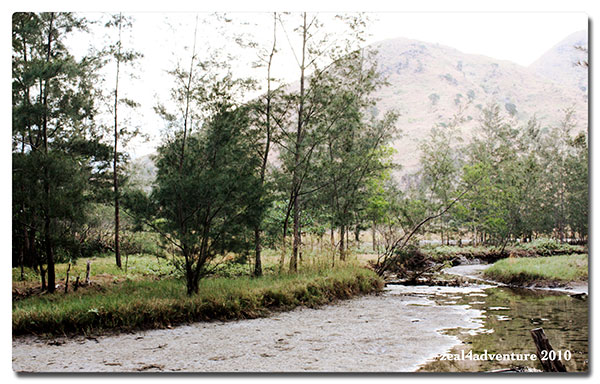
Streams and waterfalls dry out during the summer

How amazing is our God to reward us with unexpected loveliness after nature spewed out its fury?  Perhaps it is His way of reminding us that like a rainbow after a storm, something beautiful invariably comes after a tragedy.  Ain’t that a comfort?

Here are more snaps at different times of the day.
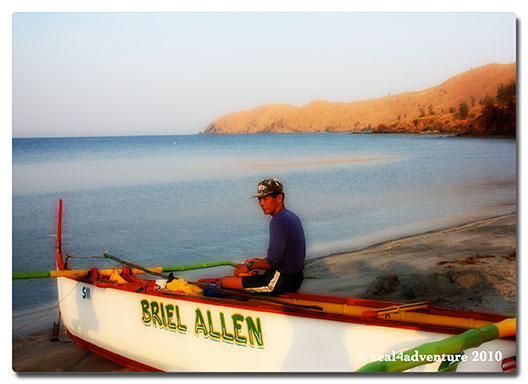
A bangkero (boatman) having breakfast

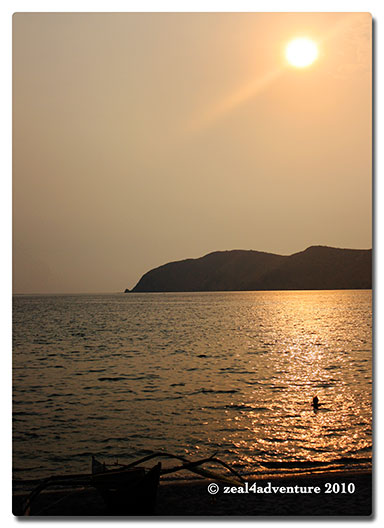
Sunset

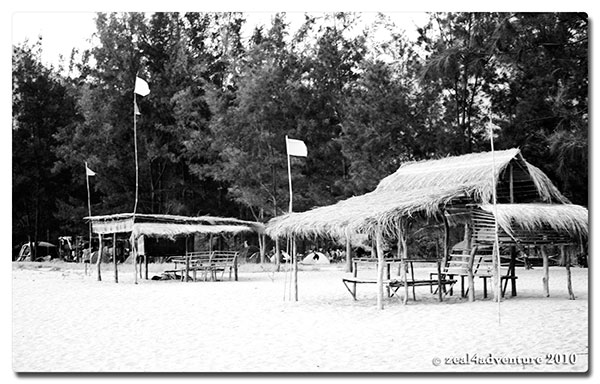
More huts for rent

At sunrise (I didn’t wake up early enough   😉 but pretty impressive just the same)
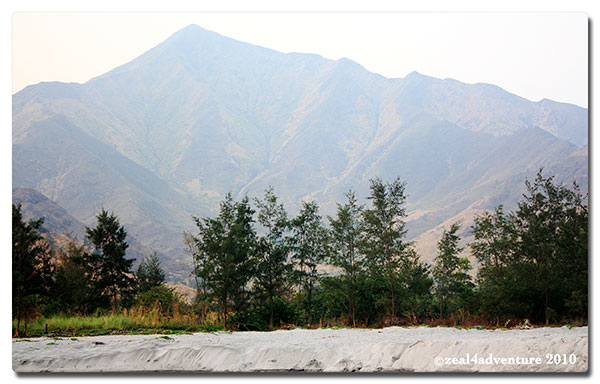
Mt. Nagsasa

Nagsasa Cove from the boat

And I leave you with this last shot (simply magic)   🙂

Chillin’ at Baguio Country Club

Credits:  LivE Tape it up frames

My last hurrah before the rainy season sets in.  Sometimes one just need a good old fashion pause from the daily grind and the scorching heat of Manila.  So I go up to the mountains to chill.  The smell of pine, the log cabins and the scrumptious Baguio longganisa (local sausages)… they remind me of my childhood.   Happy to be here.   🙂

Happy Independence Day, Philippines!

Five Reasons Why…

You should try Whitewater Rafting at least once in your life.

Credits:  Bannerwoman Designs Worn, Folded Edges, Judy Meibusch Doodle Dot elements, LivEdesigns SSunFun Alpha

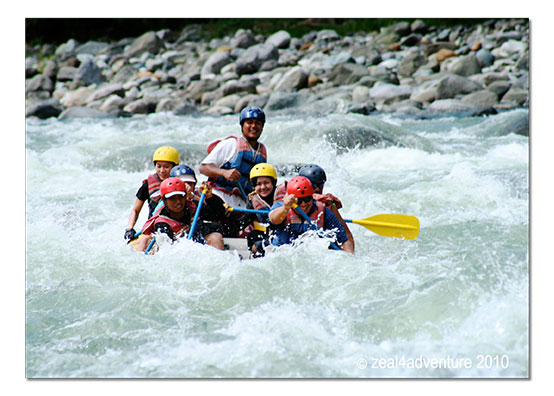
Ever since my first rafting experience in 1999, I was hooked (see here, here and here).  I can’t count the number of times I’ve rafted the Chico, after all as they say, you never run the same river twice.  And I felt it time to share this exhilarating experience with my team.

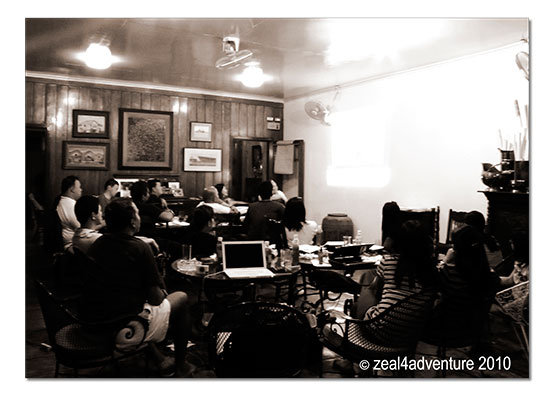
So for 3 days in January, we found ourselves in Tuguegarao slaving away, devising strategies for the year

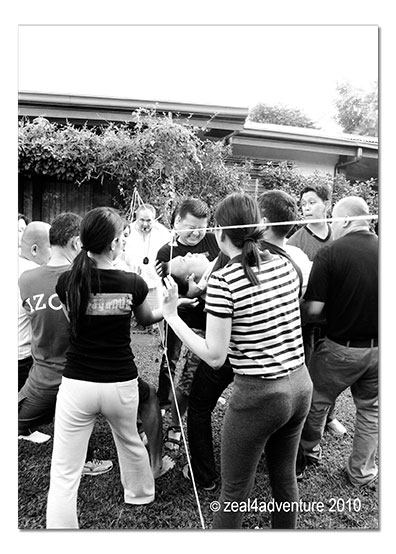
with a little bit of team building on the side.

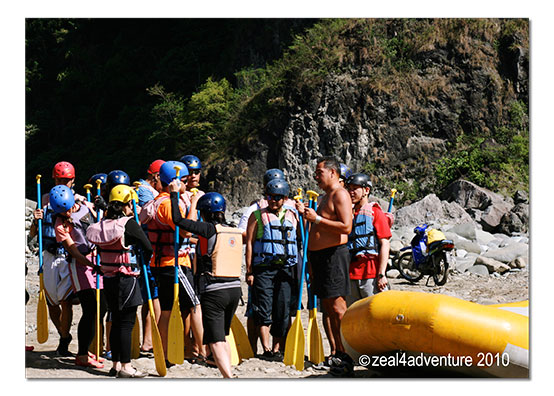
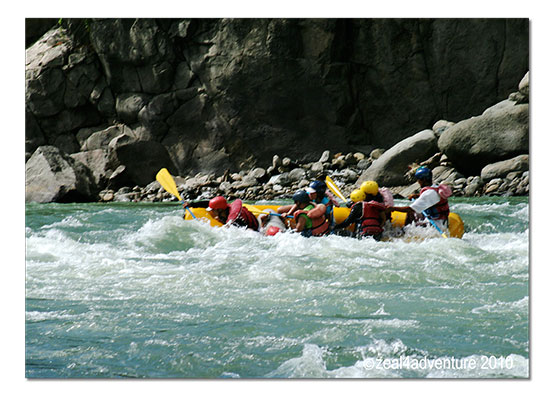
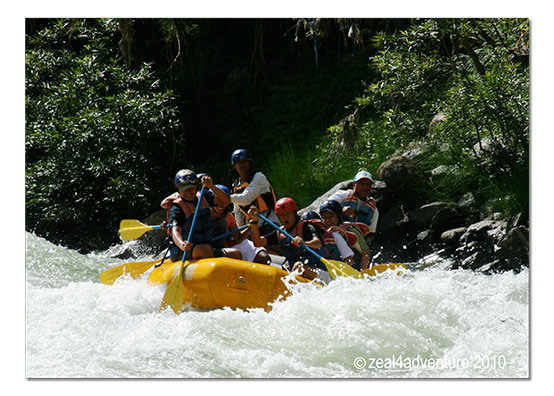
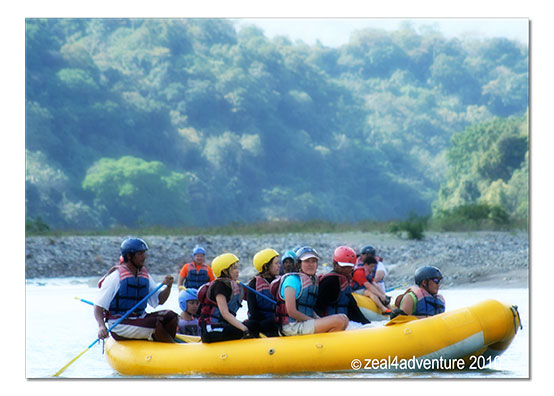
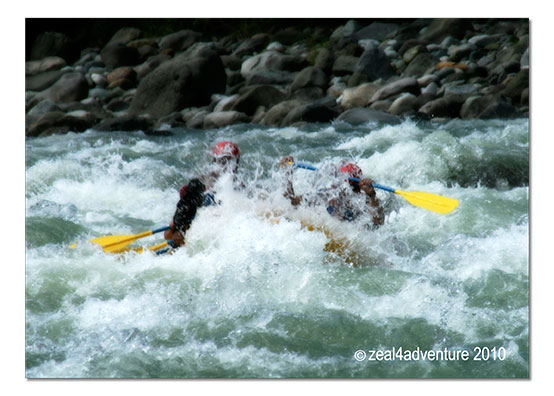
Then on day 3, we spent an adrenalin-filled day at the Chico River in Kalinga.  Here are insights gathered from this experience.

It’s Liberating

When was the last time you’ve tried something at least once in your life?  I am one to try almost anything (I say almost because I have yet to convince myself about bungee jumping) at least once.  Whitewater rafting may not be for everyone but you’ll never know unless you’ve tried it.

I’ve rafted with many first timers with sedentary lifestyles through the years and as often as not, they at the very least, had a blast and in numerous occasions, a wild side they never knew they had is kindled.

Anton Carag, charismatic mover and shaker of whitewater rafting since 1998 at the Chico

Many among my team were apprehensive before the run and listened intently to Anton Carag lecturing on proper paddling techniques, what to do when one falls off and how to get back on the raft.

Doing a Hi-Five for a job well done

I saw how their fears transformed to confidence after the first few rapids.  They started to have fun.

Some even enjoyed the falls, bringing home stories of how they survived it etc.  It also helps to know that two internationally recognized wilderness specialists trained Anton and his team of guides some 10 years ago.

It Fosters Team Spirit

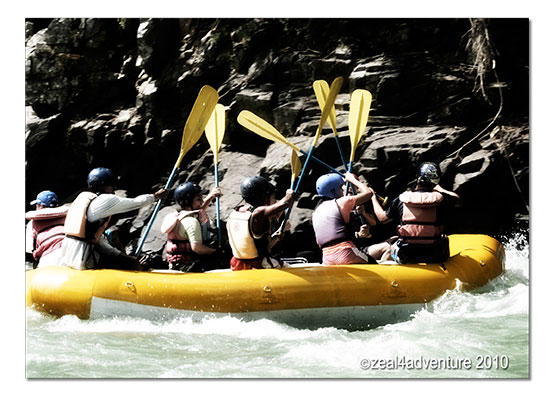
Rafting only works if everyone works as a team.  Listen to your leader and follow exactly the commands.  If the team fails to act as one, the raft may capsize.  If you’re not prepared to drink gallons of water, you probably don’t want this.   It’s also a hassle getting back on the raft and if the water’s low, you will most likely be going home with bumps and bruises as a remembrance from the river.  But hey, isn’t that proof of that adventurous spirit you thought you never had?  So listen to your guide and be in sync with your teammates.

It’s Actually Safe

First of all, the guides (mostly natives of Kalinga) know the river like the back of their hands.  And to reiterate, top-notched, seasoned river guides with international experience trained most of them.  But in case you didn’t follow instructions or to put it nicely — misunderstood the guide’s instructions and you fall off or worse, the whole raft flips, not to worry because the equipments, most especially the vest you are wearing (I can only speak of AEPI’s as I am not familiar with the other outfitters) is US-certified safe.  This means that when you’re under, the vest is buoyant enough to carry you out.  Sometimes with a little help from you, but hey again, sometimes you need to work a little harder eh?

It promotes Eco-tourism

And provides jobs.  Whitewater rafting is part of the new adventure and eco-tourism that the Philippines have to offer.  Most of the guides used are from neighboring communities and the more tourists, more jobs and other business opportunities are not far behind.  It also teaches us to respect and appreciate Mother Nature.

It’s Gorgeous Out There

Spectacular views of the Cordillera Mountains coupled with beautiful riverbanks and clear waters (not always the case though) surrounds the whole stretch of the run.  Unspoiled.  Pristine.

Except for raging rapids that never fails to stir up your adrenalin, the only other sounds you hear are chirpings of birds and the flow of the river.  Serenity in a most natural setting.

Excellent Food at Casa Carag

The 6th reason why you should try whitewater rafting with AEPI.  The food is just extraordinary.

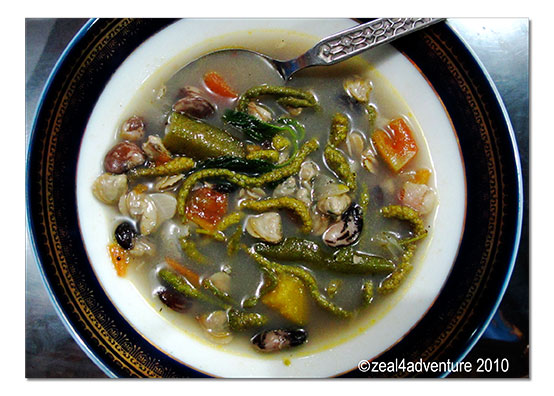
Nothing is ordinary, from the longganisa, Salinas and hot native chocolate for breakfast, to the local Ibanag dishes such as their pinakbet and inabraw.  It’s all good!

So, at the first chance of rain (which is sadly a long way off), book a package with AEPI and experience the ultimate adventure of your life.  Season starts in August and ends in February.

*  All photos at the river courtesy of AEPI.

Contact Details:
Anton Carag, Jr.
Mobile:  (63)917-532-7480
Landline: (6378)844-1298
Email:  aepi@whitewater.ph; anton@whitewater.ph; whitewater1ph@yahoo.com

Ilocos UNESCO Pride

Three UNESCO World Heritage Site found in one region, that’s right, all found in Ilocos – Vigan City, Santa Maria Church both in Ilocos Sur and Paoay Church in Ilocos Norte.  That’s two out of four Baroque Churches in the Philippines inscribed in the UNESCO World Heritage list.  Can’t get any cultural than that — a perfect post to end this road trip series.  So without further ado:

Santa Maria Church

Along the western coast of the Ilocos Region, an hour drive south of Vigan is the town of Sta. Maria.  Somehow the Spaniards like building churches on top of hills because again on top of a hill overlooking the town, the blue sea and the verdant fields nearby is another World Heritage Site, the massively baroque Sta. Maria Church.  Built in 1769, this church was used as a fortress during the 1896 Philippine Revolution.  The church’s façade is not impressive but more striking and quite unique is the tower that is slightly tilted.

St. Augustine Church

Is also popularly known as Paoay Church visited by many due to its interesting architecture.  A unique example of Filipino architecture from the Spanish period, the main distinction though are its buttresses which supports its walls, 3 meters thick, from earthquake.  For that reason, it was cited as one of the most outstanding “earthquake baroque” structure.  Aside from its function however, I think the buttresses add a very Asian touch, almost reminding me of Balinese architecture.  The church is an example of east meets west architecture (Filipino, Asian and Spanish) which is uniquely Filipino, I think.

I hope you enjoyed Ilocos as much as I have.

Keeping Watch Through the Years

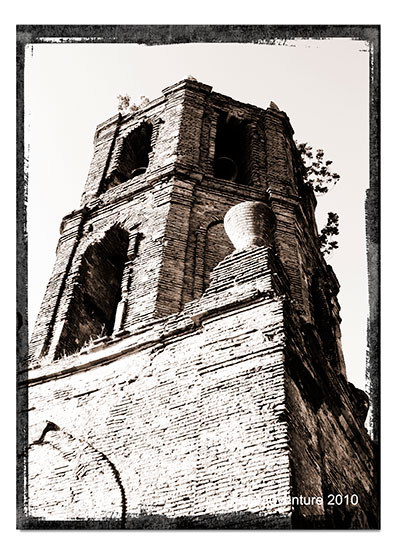
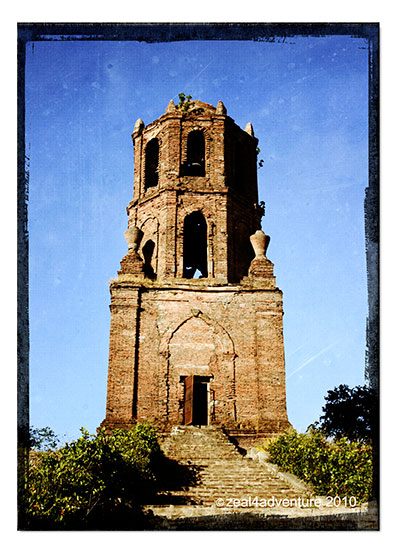
Just a stone’s throw away from Vigan is an old bell tower standing alone on a hill watching guard over the town of Bantay.

It is without a doubt one of the most dramatic belfries in the region (and one of my favorite) owing to a superb view of  the mountains of Abra

and exquisite sunsets bringing forth a golden charm to the brick and slime walls.

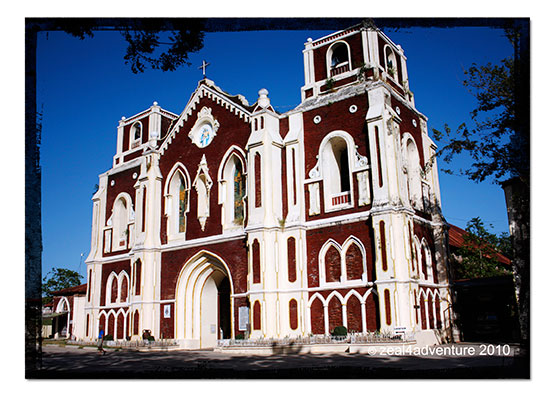
Also used as watchtower for invading enemy forces during World Wars I and II, it was constructed separately, as many Spanish churches are in Ilocos, from its main church, St. Augustine Parish Church, also known as Bantay Church.

Built in 1590 with design reminiscent of the Old Spanish architecture using local indigenous materials like brick and slime.

Damaged during World War II and was restored in the 1950s in neo-gothic design as seen today.

Scenic Sunday

A Peek at the Lives of the Crisologos

Credits:  Template by Jen Caputo;  Papers by Jessica Sprague Thank You Kindly kit

The Crisologos – one of the most prominent political families of Vigan, a principal political dynasty, so to speak.  The most popular street of Vigan was in fact named after them.  Their lives were filled with political drama and violence.

Floro Crisologo was a veteran and a long time congressman.  On Oct 18, 1970, while standing in line for communion, a lone gunman entered the church and shot him.  The assassin escaped during the chaos that ensued and the murder case remains unresolved to this day.  As rumors have it, it was politically motivated.

His wife Carmeling, once a Governor of Vigan, survived him.  She also had her fair share of political violence when she was ambushed in her car in 1961.  She lived to tell the tale.

Their son Bingbong on the other hand, served time in the Bilibid prison for burning down two villages in Ilocos Sur in 1970.  It was rumored that it was done in retaliation for the residents voted for his mother’s opponent.  Today, he is a congressman for a district in Quezon City.

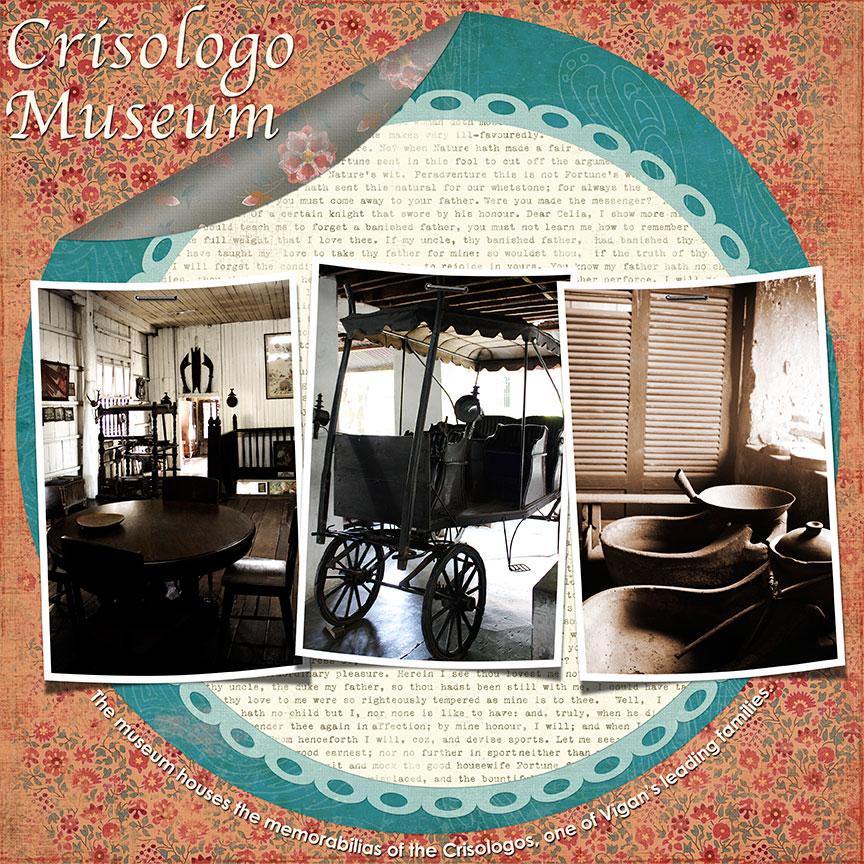
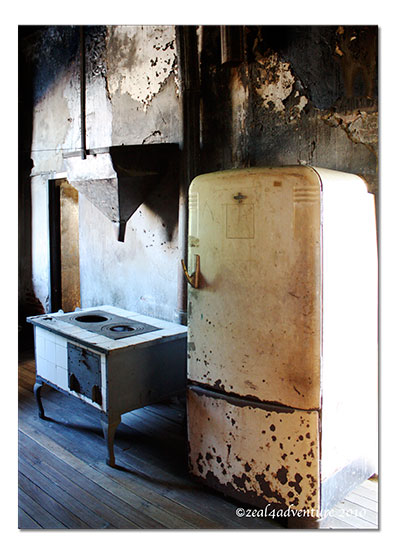
Housing the memorabilia and antique collections of this family is their ancestral home now turned museum, the Crisologo Museum. Truth be told, when compared to the well-kept Syquia Mansion, this was a let down and anti-climactic.

Did you ever own one of this?

Or this?

I hope not this.   🙂

A Tourism apprentice who knows very little about the family and its (very colorful) history took us around and when bombarded with questions, the poor girl couldn’t answer most of it.

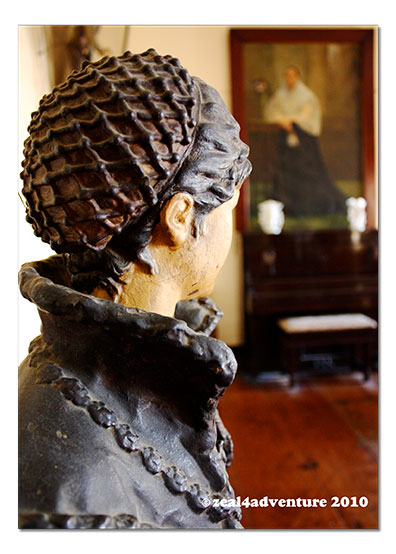
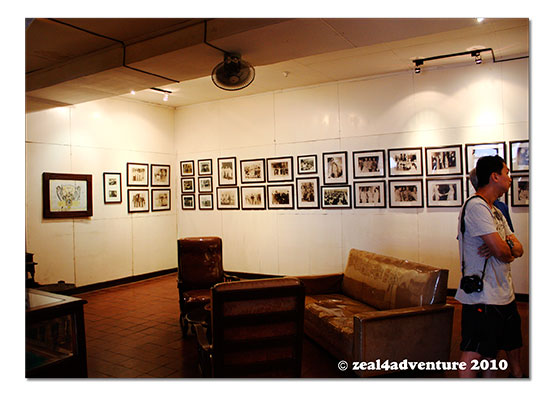
The house however, albeit not as well kept as the one of the Syquia’s, was interesting enough showcasing a lot of paintings and photos of the family.

Syquia Mansion

Credits:  Papers by Jessica Sprague Home Away From Home Paper kit.

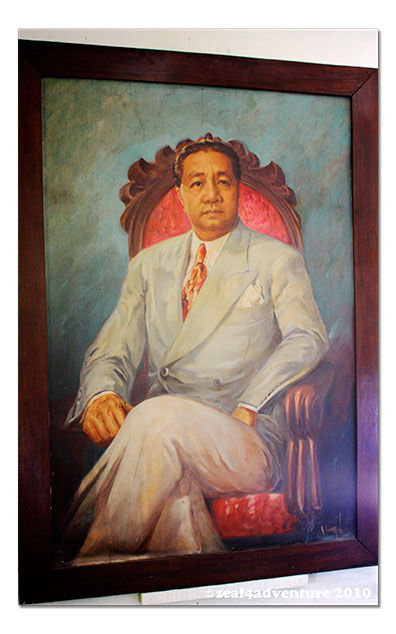
This colonial mansion built in 1830 at the corner of Quirino Blvd. and Salcedo St. is the ancestral home of Doña Alicia Syquia, wife of Philippine’s 6th president, the late Elpidio Quirino.

It is today a museum that offers free entrance to visitors.  In the house are 19th century furnishings, memorabilia and various photos, providing a glimpse to the man.

Doña Alicia did not live to become first lady however, because she was a casualty of World War II — she along with 3 of her children were killed by the Japanese.  Elpidio did not re-marry and his daughter, Doña Victoria served as First Lady.

The mansion had become the official residence of President Quirino thus claimed as the first Malacañang of the north.

A portrait of Doña Victoria graces the wall of the Receiving Room

A single wooden stairs leads to the receiving room on the 2nd floor where a replica of the Spolarium hangs.  Rumor has it that Juan Luna’s assistant painted the replica and this was what they referred to when the real Spolarium was restored.

The rooms are spacious with various doors linking one room from the other.  One can enter one door and exit another door leading to another room.

Capiz windows up close

The mansion was well kept and retains a lot of the 19th century details.

Glass window detail

I am a fan of Machuca tiles — flooring used in the Azotea

Looking out to the Azotea froma room (nice grill detail too).

The guide was very knowledgeable and equipped with many information.  Definitely a must see when in Vigan.

This is my entry to My World this week.  Click on the icon below for a glimpse of more worlds from around the globe.

Timeless Vigan

Ilocos Sur is where many culture and histories meet, all sharing space in this timeless city called Vigan – shrines, landmarks, museums, churches, ancestral homes, a cobbled-stoned street.  Inscribed in 1999 in the UNESCO World Heritage list, citing that, “Vigan represents a unique fusion of Asian buildings and construction with European colonial architecture and planning.”

Established in the 16th century, Vigan is still the most intact example of a Spanish colonial town in Asia today.  It is best known for its cobbled-stone street, Calle Crisologo, lined with many old buildings that are intact, restored or in (dis)repair.

One can see remnants of the old-Spanish architecture throughout the center of the city.

Although the street is now busy with souvenir and curio shops, it still transports one back to the Vigan at its peak.  It is the oldest surviving Spanish colonial city in the country, not many of the historical buildings are left after WWII.

The old Vigan colonial houses, built mostly by rich Chinese traders, are made of thick brick walls and red clay.

They conduct their business on the ground floor and reside above.  It is a characteristic of Chinese culture and other Asian countries as well.  The resulting townscape is a unique display of a harmonious blend of Ilocano, Chinese and European elements, a unique display of the multi-culture nature of the Filipino society.

Captivated by colonial towns and its culture, this road trip all started with Vigan in mind.

From their longganisa and bagnets to their ancestral homes, we savored it all.

the street at night

We spent the 2 days walking up and down Calle Crisologo soaking in the heritage,

wondering how life was back in those elegant days of yore.  An interesting city albeit far from the capital with about 400 kilometers (that’s about 8 hours) of travel needed if you are coming from Manila.  Vigan is charming and I urge every Filipino to make a visit at least once in their life.   🙂

Not your typical McDonald’s facade

Al fresco dining in the evenings is a wonderful thing

Scenic Sunday