The Secret Is Out!

Tent… check, sleeping bag… check, therma rest… check, swimwear… check, sunblock… check, pasta, pasta sauce and chorizo… check… cook set… check and the list goes on.  These however, are the essentials needed for an overnight trip to Nagsasa Cove.
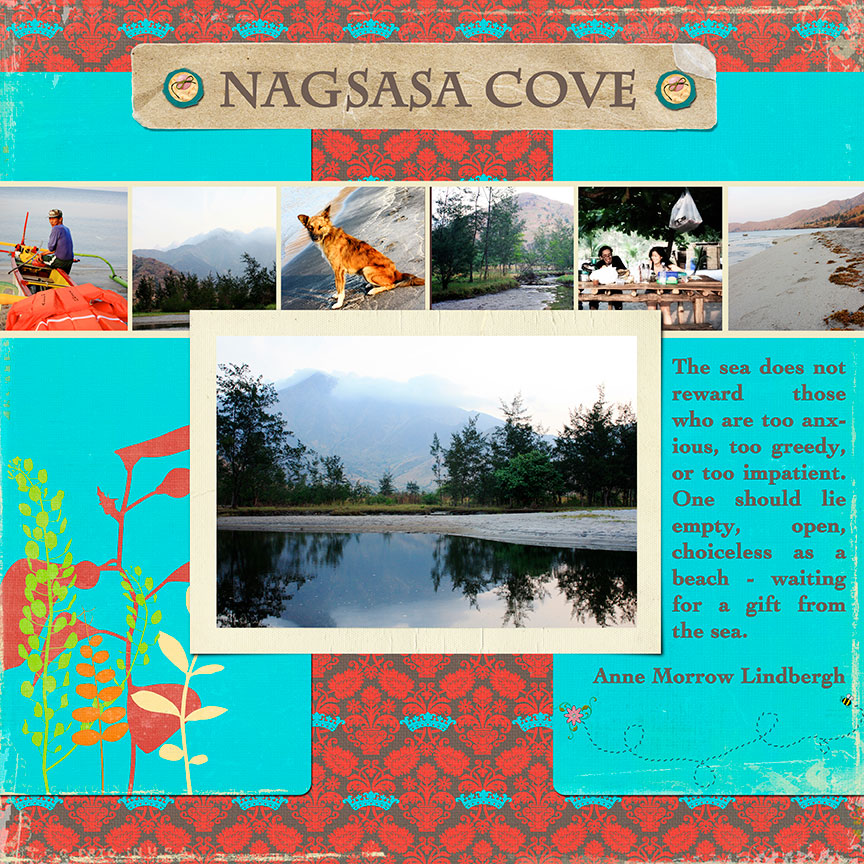
Credits: J. Sprague You are Awesome Paper kit (Blue Leaf & Brown Red), Framers; LivE’s Worn Kraft tag, Sing 4 Spring elements (Button Accent 02 & Fight of the Bbee)

My friend S had been itching to make a trip there ever since she learned of Nagsasa.  And so the weekend after our Northern Samar trip, we were up early, traveling north to what we thought was a secret paradise.  Punta de Uian Resort in San Antonio, Zambales to be exact.
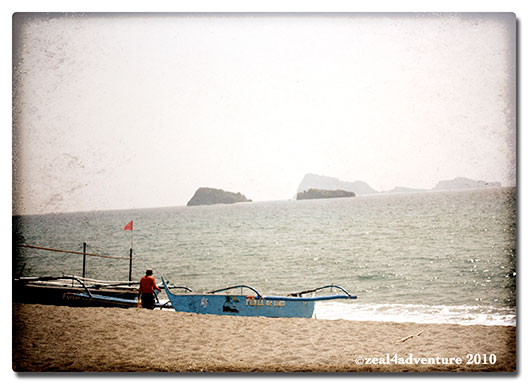
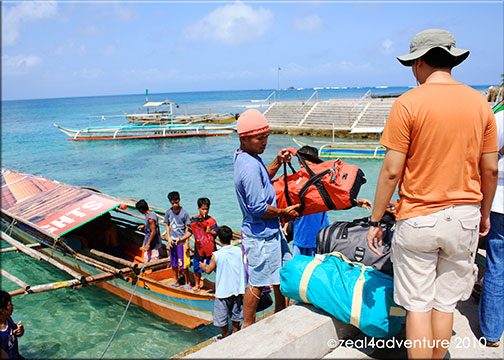
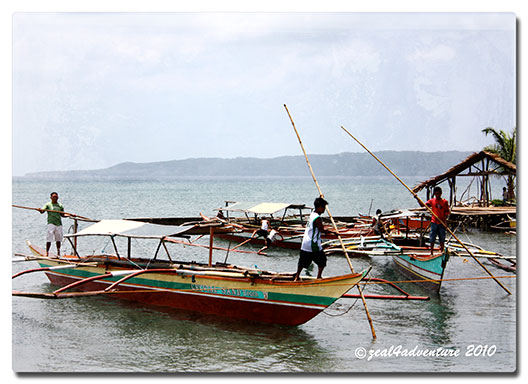
The boat we hired from Punta de Uian

A resort kind enough to take us to Nagsasa (for a fee, of course) even if it was not part of the trips they offer.
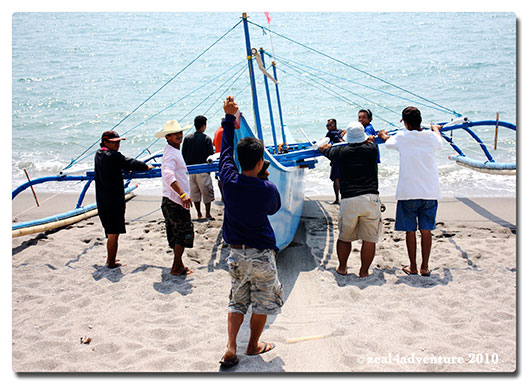
Off to Nagsasa…

Wondering why hire a boat through a resort?  I want my car parked safely in a parking lot while we camp out on a cove 8 kms away.   Better safe than sorry right?
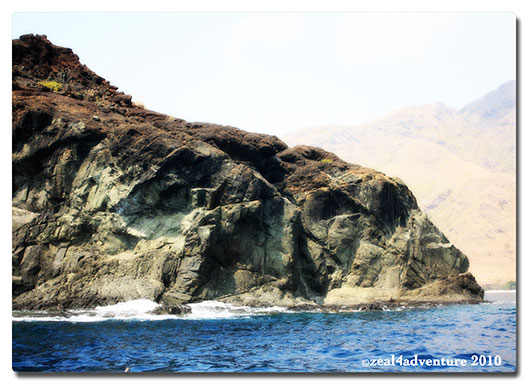
The view on our way

Nagsasa is supposedly less popular than Anawangin perhaps because it takes twice as long (about 45 mins) to get to Nagsasa from Pundaquit Beach.
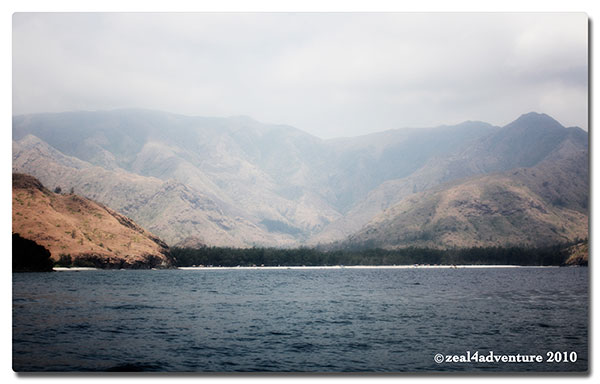
The approach

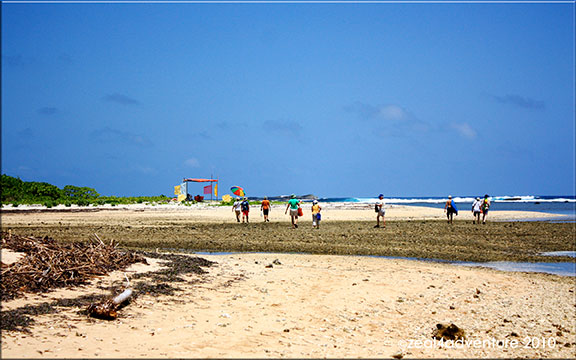
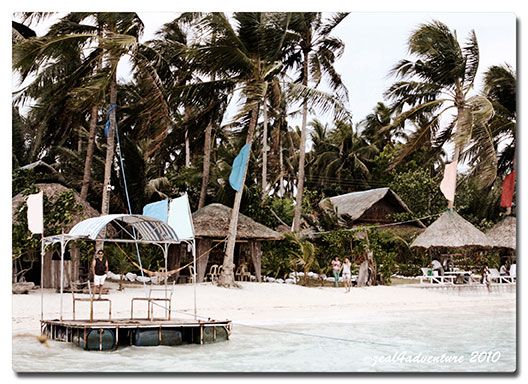
Arrival (looks empty)

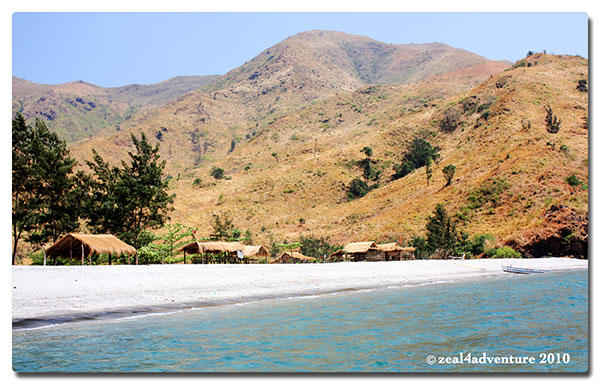
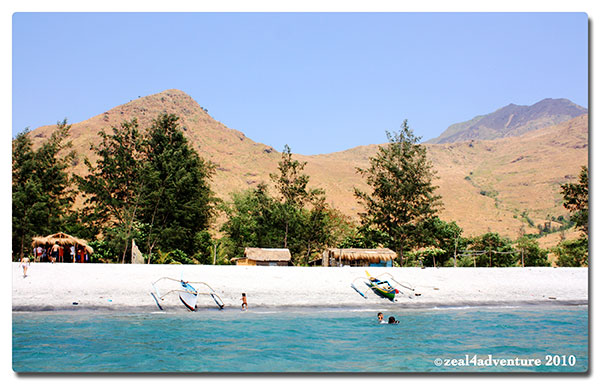
So imagine how stunned we were at first to see scores of campers spread out on the crescent shaped stretch of beach, maybe having the same thoughts as ours, which is… “why are they all here?”
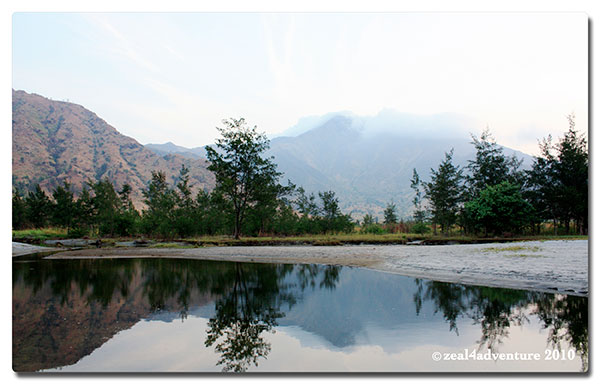
Water so still

Perhaps it was the long weekend and everyone who knows about Nagsasa had the same idea, or perhaps it is the magnificent paradise that makes it difficult to remain a secret for long.
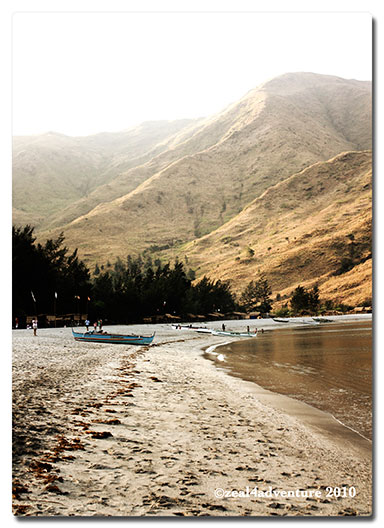
Whatever it is, we were happy to be among those who were enjoying this wondrous cove with breathtaking Mt. Nagsasa serving as backdrop to a pristine stretch of ash colored sand.
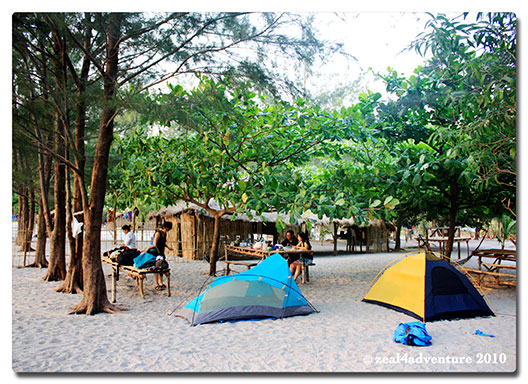
Once we got off the boat, we looked for our little corner, Mang Augusto and his family lives beside our campsite, making him the caretaker.
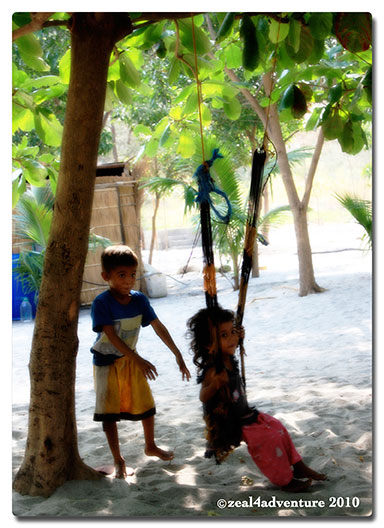
Siblings – Mang Augusto’s kids

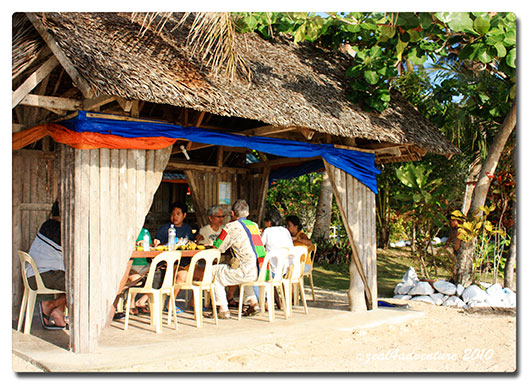
We had a picnic table for our meals and our chit chats.
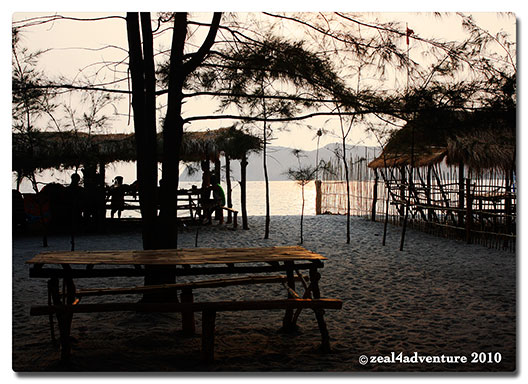
We also had a bathroom just at the back, which I truly appreciate, never mind that it didn’t have a light, what are headlamps for anyway?
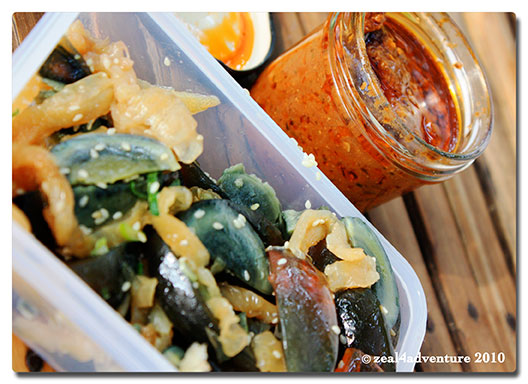
Our starters:  Greek and Chinese — an obvious lack of coordination… yummy just the same.

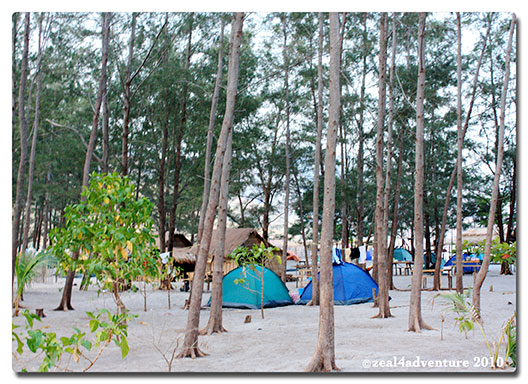
After we settled, we pitched our tent and then prepared our meal… we burned our rice (it was not easy using the aluminum cook set, really!).  Mang Augusto’s wife cooked 2 kilos of rice for us for only P100 ($2).  Way too much for 5 so we had it for breakfast, lunch and dinner and there were still left overs.  So here’s the tip: don’t even bother to cook rice when you can have it cooked for you (for practically a song).   😉
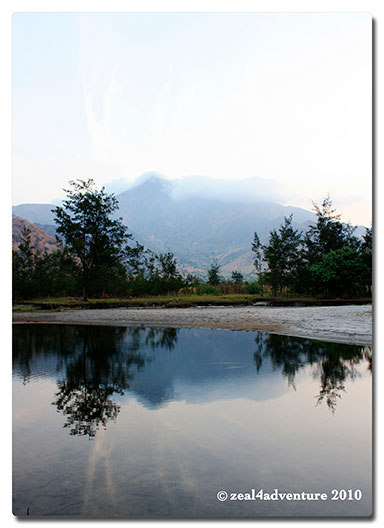
Nagsasa (and Anawangin and perhaps others as well) emerged after the violent eruption of Mt Pinatubo in 1991.
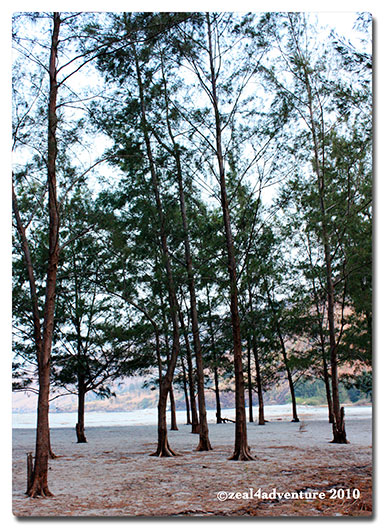
The eruption actually changed the landscape of Zambales producing these coves of ash sand beach lined with Agoho trees stretching inland, rendering a beach so impressive.
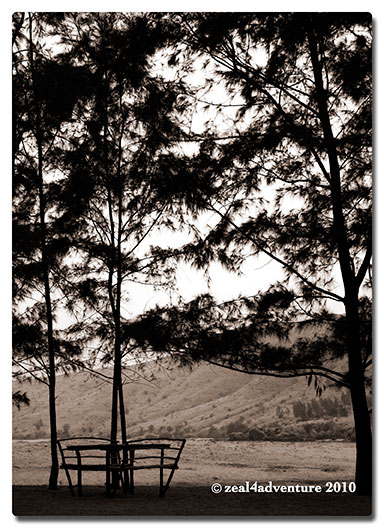
So how did such a tree find its way to this part?  It is said that these trees were non-existent prior to the eruption and that the seeds of the trees came from the ash expelled by Pinatubo.
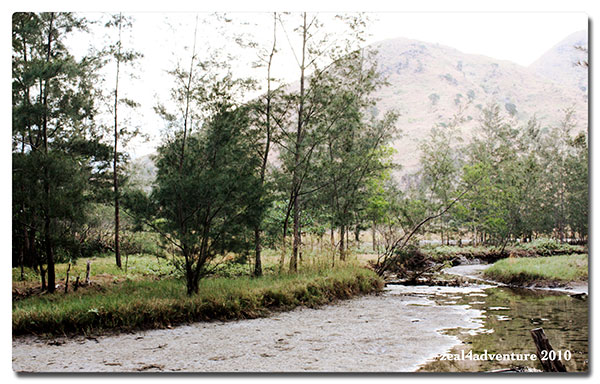
Streams and waterfalls dry out during the summer

How amazing is our God to reward us with unexpected loveliness after nature spewed out its fury?  Perhaps it is His way of reminding us that like a rainbow after a storm, something beautiful invariably comes after a tragedy.  Ain’t that a comfort?

Here are more snaps at different times of the day.
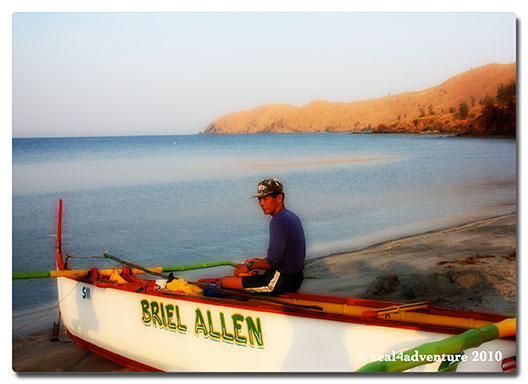
A bangkero (boatman) having breakfast

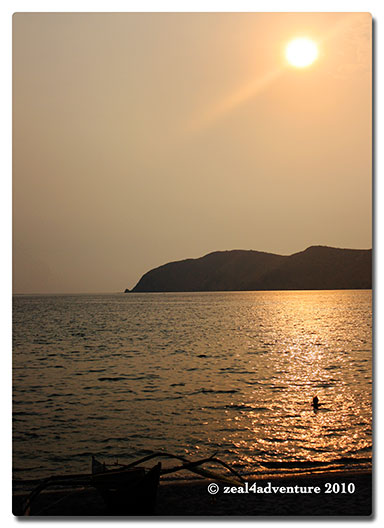
Sunset

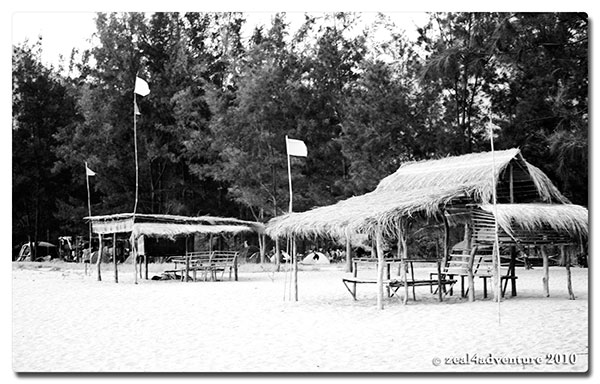
More huts for rent

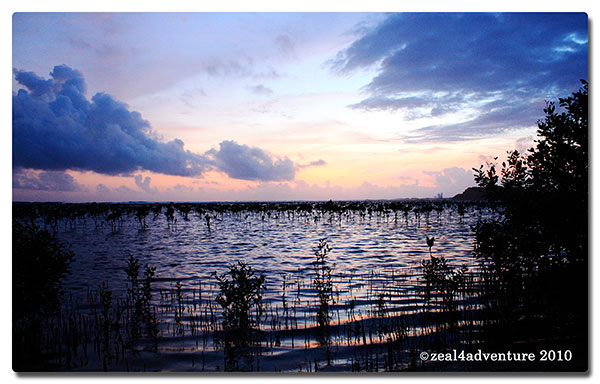
At sunrise (I didn’t wake up early enough   😉 but pretty impressive just the same)
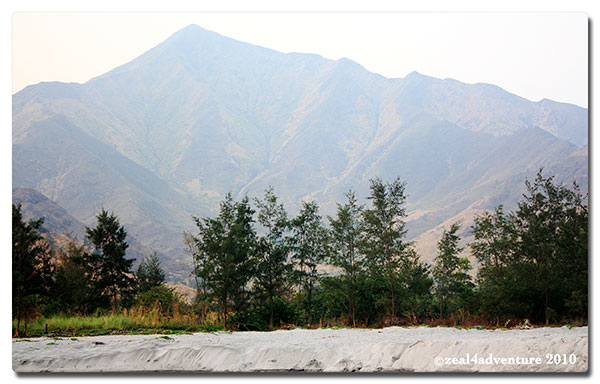
Mt. Nagsasa

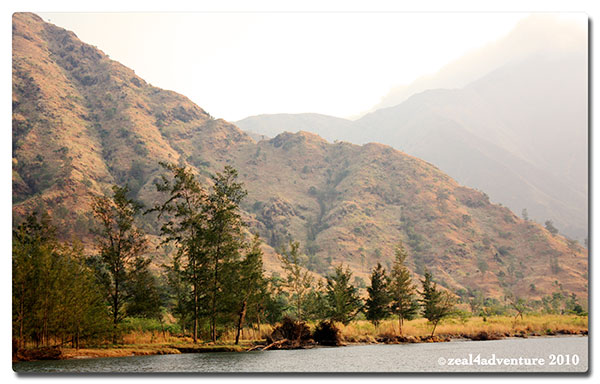
Nagsasa Cove from the boat

And I leave you with this last shot (simply magic)   🙂

A Climax Unparalleled

Credits:  Template by Crystal Wilkerson.

Am so happy that we followed our instincts, we had decided to stay one night instead of the suggested day trip.  I figured that the dramatic rock formations would make for a dramatic sunset or sunrise.  And I was right!  I was hoping for a sunset because I could never get up early enough to catch a spectacular sunrise.  But am I glad I paid no heed to this early morning indolence of mine and decided to wake up at 4am ON. THE. DOT.  By 5am, we found our own spot, waiting for the sun to rise on one side and

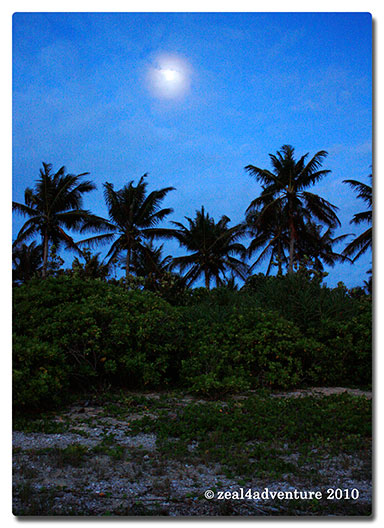
bidding the moon so long on the other – coolness!!

And this, my dear readers, is my reward!  I must remember this scene whenever I need to rise at an ungodly hour.  I know!  Sleep still rules (most of the time).  Hee hee!   😛

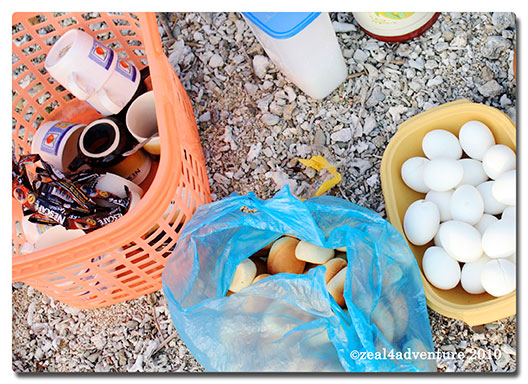
With this grandeur comes a simple breakfast of pan de sal, peanut butter, hard-boiled eggs and instant coffee.

Well, one can’t have everything – the brewed cuppa joe can wait for now.

After that spectacular sunrise, we headed to Bel-at – which will turn out to become one of my favorite spot on earth.  And this is why…

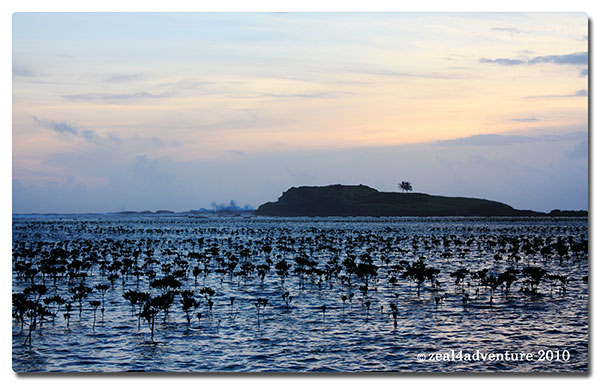
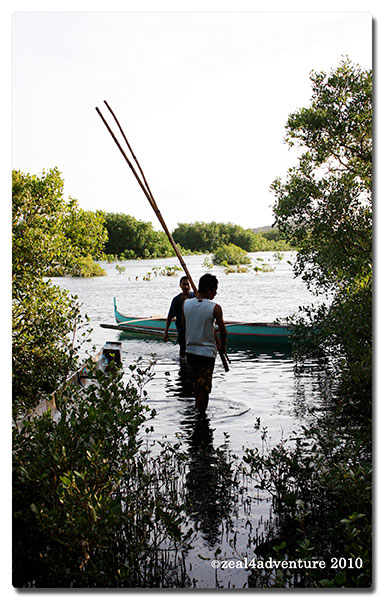
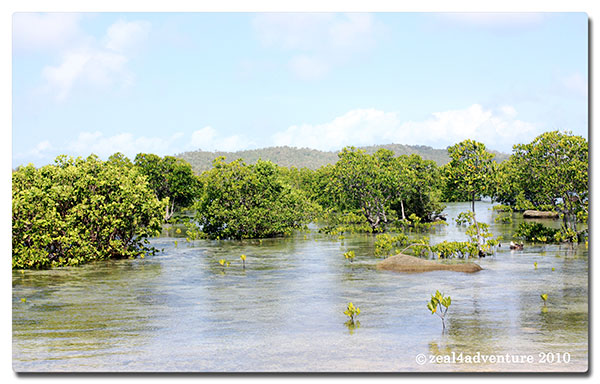
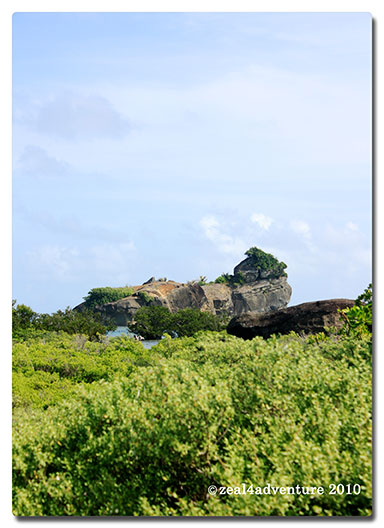
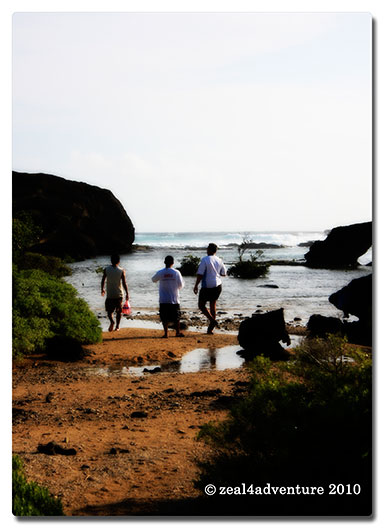
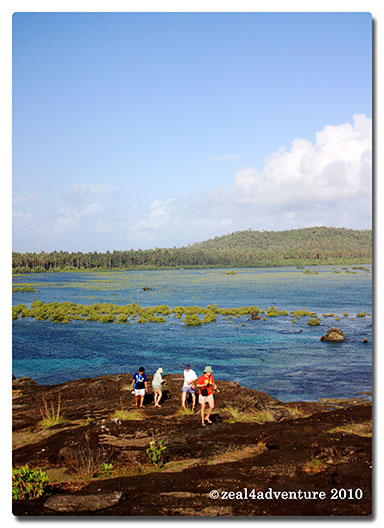
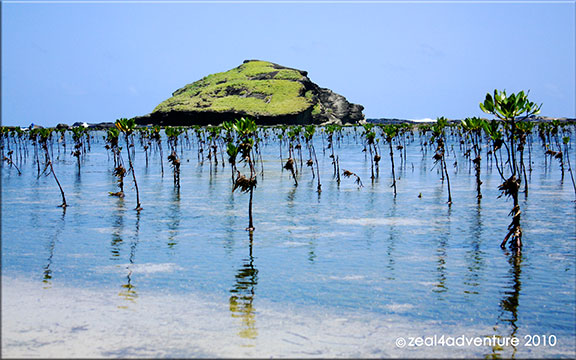
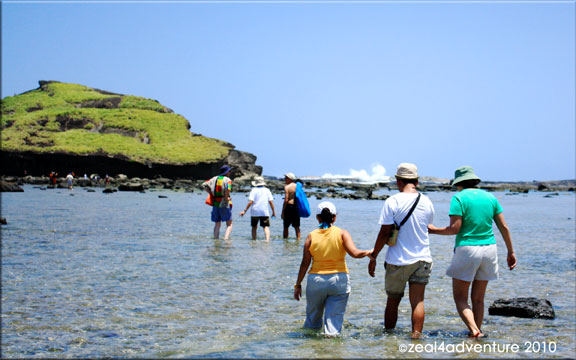
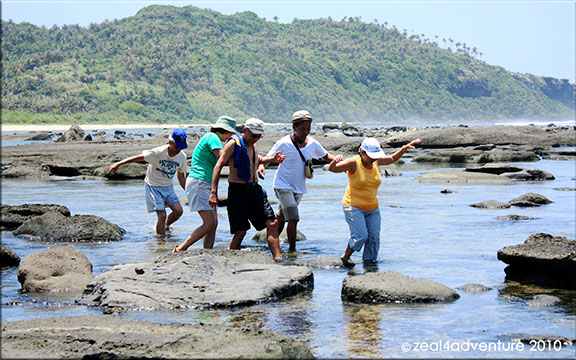
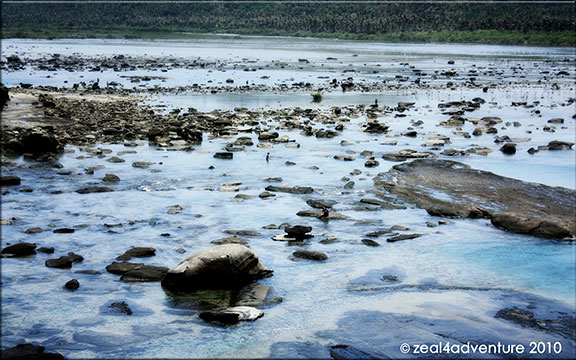
We hired two fishing boats to weave us through the mangrove and then walked a portion of it when the water became too low for the banca – not an easy feat because the bottom is partially slippery bed of rocks (pleased that I chose to wear my aqua socks that day).

While in the mangroves, you couldn’t really tell what’s up ahead.

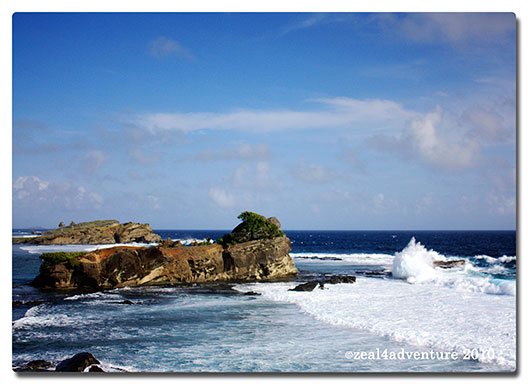
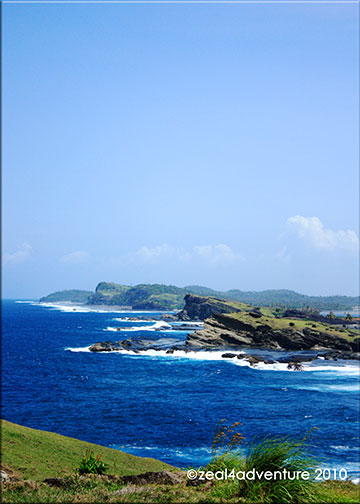
When I saw rock formations and some high crashing waves… my thought bubble goes, “nice, interesting… I wonder if this can top yesterday”.

I was excited nonetheless as it keeps getting better by the second.

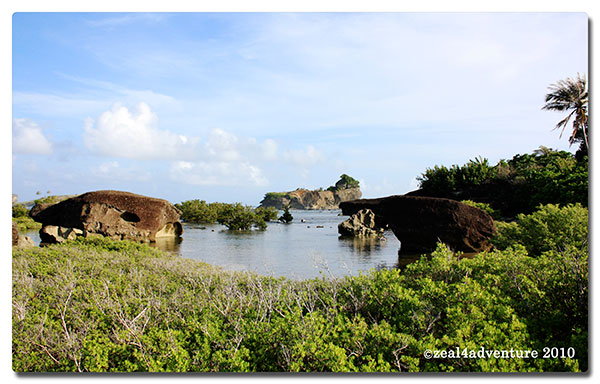
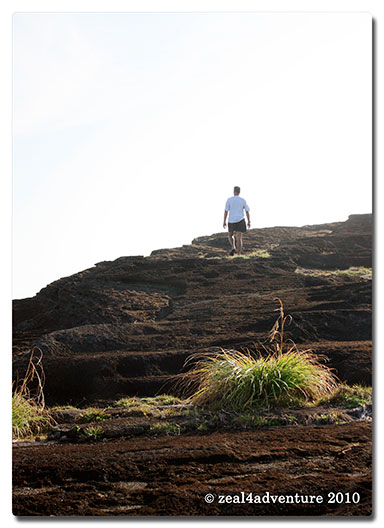
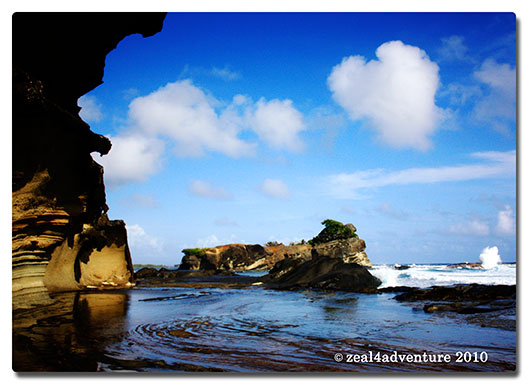
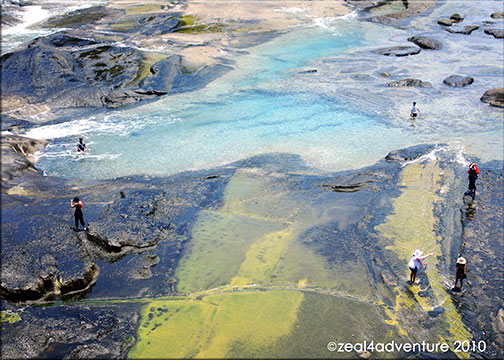
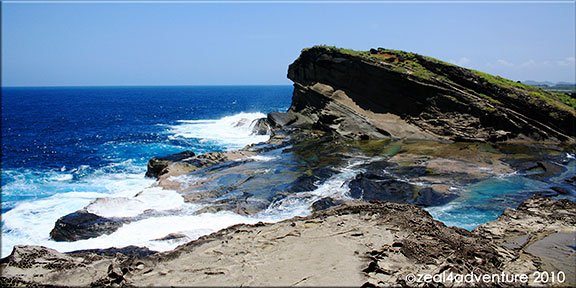
Then we hiked up the porous rock (easy!) and this was what greeted us:

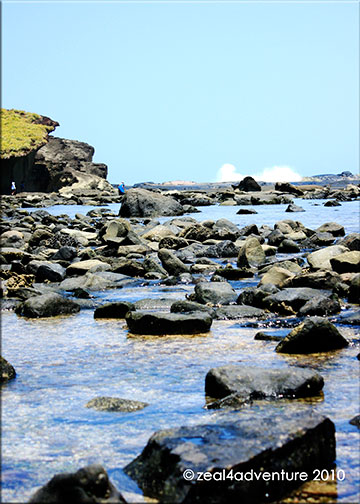
Meron pa (there’s more)”, says our guides cum boatmen.  So we followed them, waded through shallow waters, climbed some smooth rocks, then we waded some more.   Lo and behold…

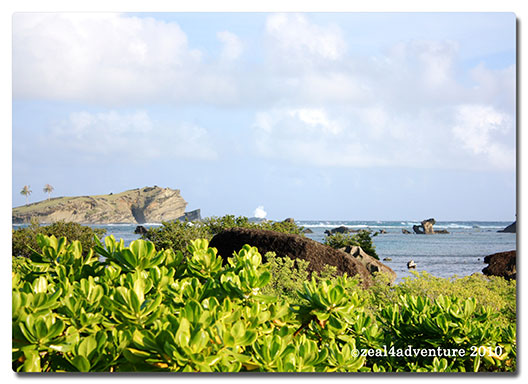
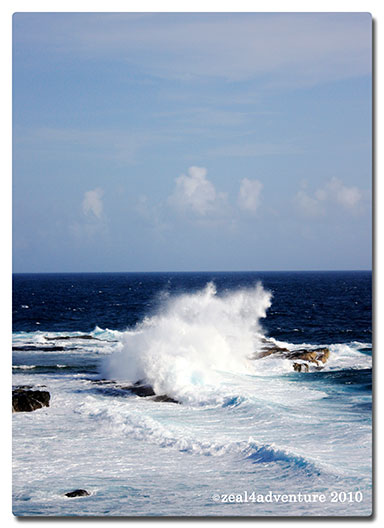
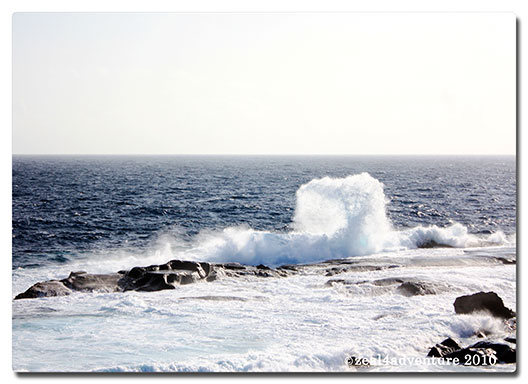
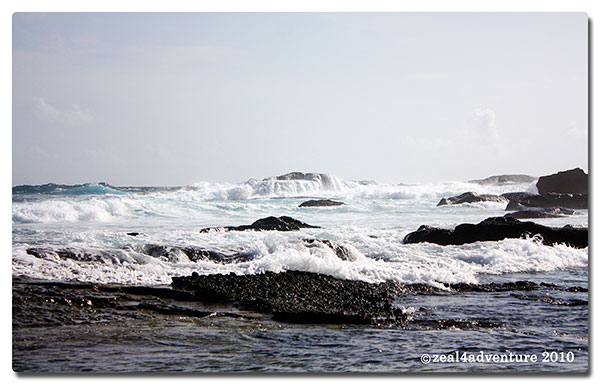
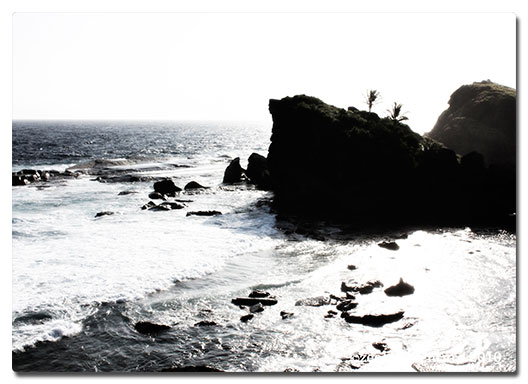
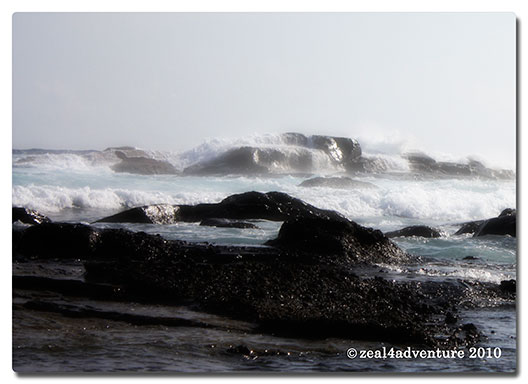
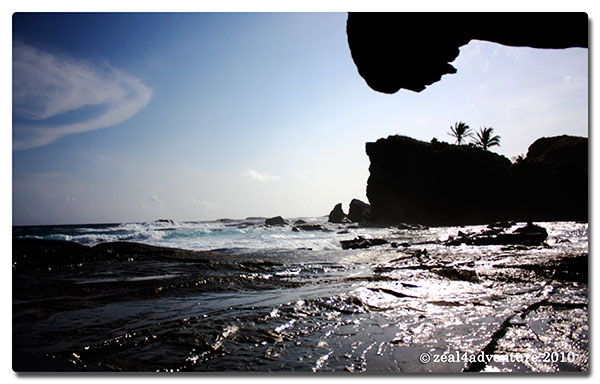
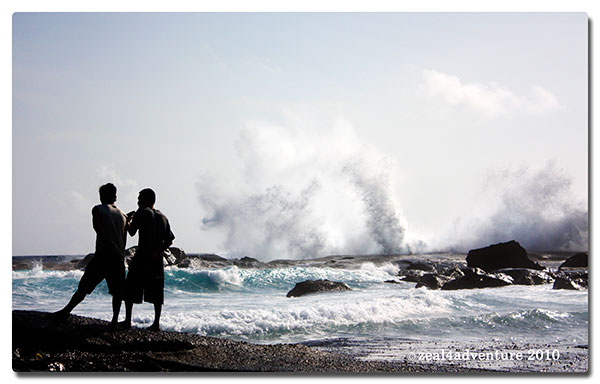
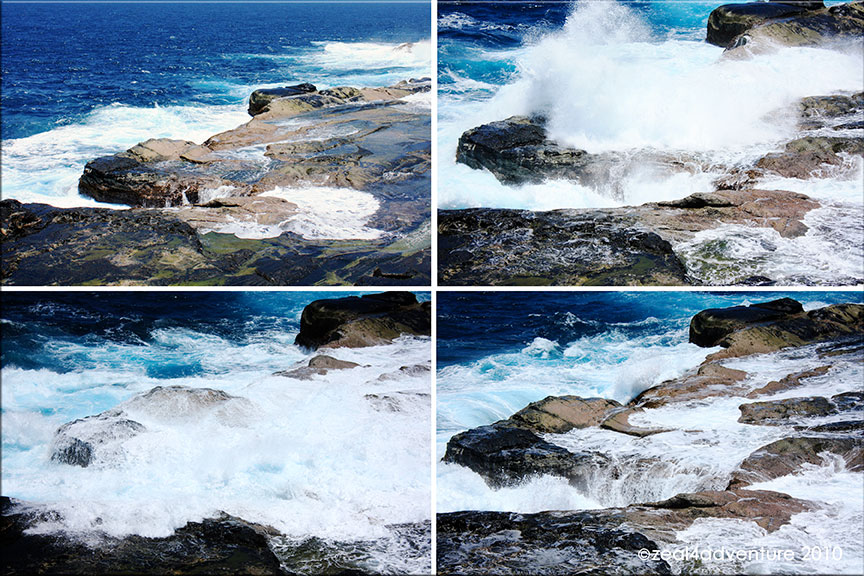
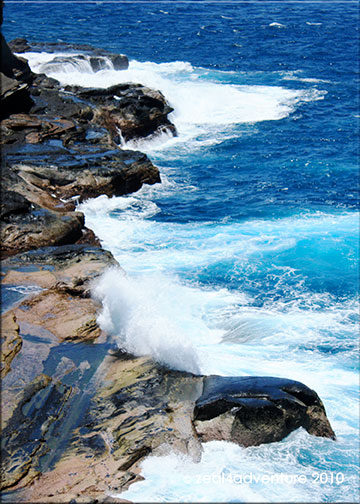
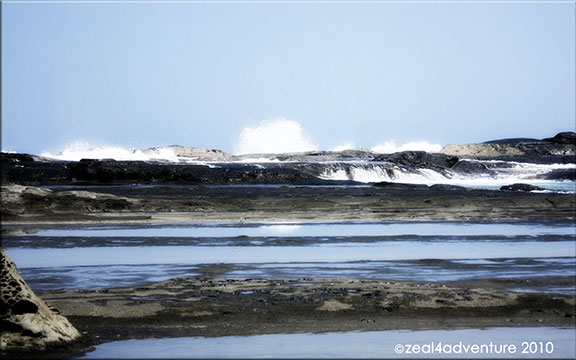
As we got closer, I see a wall facing the ocean with crazy waves crashing into the rocks.

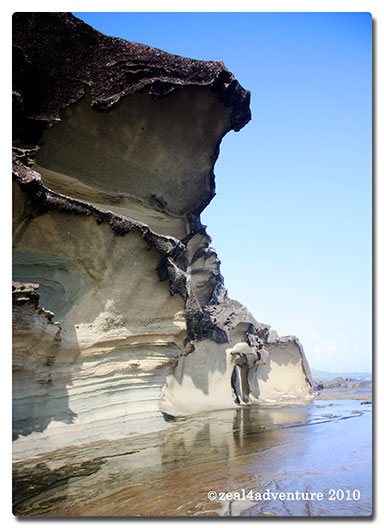
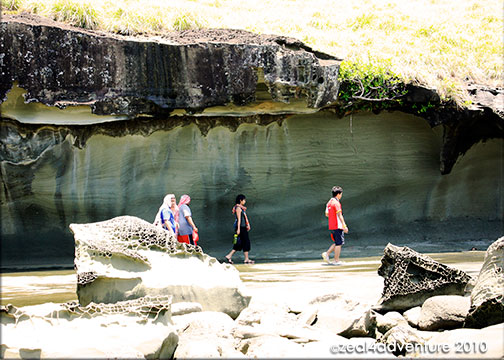
As I reached the bend, I was blown away!

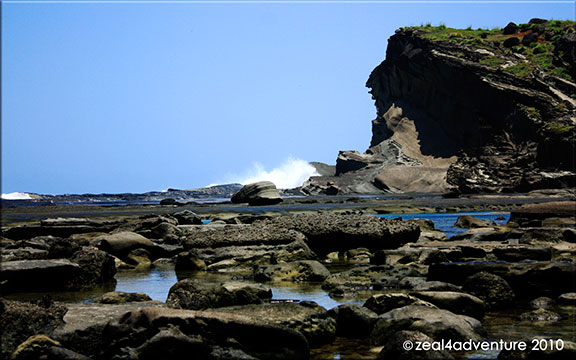
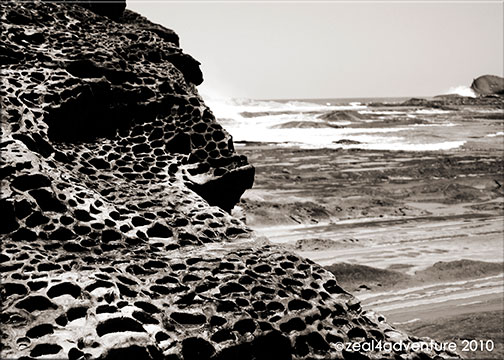
It revealed a beautifully etched wall which lived through the fury of the sea.  Amazing how God works — in life, character comes when one endures life’s conflicts and challenges as with this piece of art, it transforms according to the conditions it endures through time. Stunning, spectacular, mind-blowing.  No words could describe this remarkable creation.  I am awed by His unfathomable wisdom and ways.

And that, my friends, is what I call a climax unparalleled.

Scenic Sunday

Captivating

“Captivating” was how A described Biri.  He promised to take me there “one of these days”, he said.  That was 7 years ago.  He was invited by his friends in the tourism office to check out Northern Samar.  When he came back, he couldn’t stop raving about the breathtaking rock formation and how wild the surfs were.  So enchanted he was that Biri stuck in my mind and had become a “need to see”.  Somehow between then and now, it got pushed back to the bottom of my list and so this Easter break, I decided to put it back on top and took A up on a promise he made 7 years ago.

Truth to tell, the culprit of this whole Northern Samar trip was Biri.  It was Biri that I needed to see and so…

The surf on our way to Biri.

finally the day has come — a 45-minute (somewhat choppy) boat journey from Lavezares got us to the town of Biri.

Anxious to see this highly raved rock formation, we checked in, plopped our bags, hopped on a habal-habal and off we were to the scene.

After about 10 minutes (it seemed) the scene transformed from quiet, simple town to world-class wonderment.

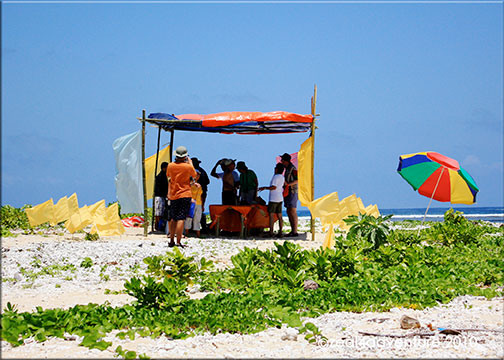
Walking to our make-shift shed

Yes, that’s our charming shed, prepared by the tourism office of Biri

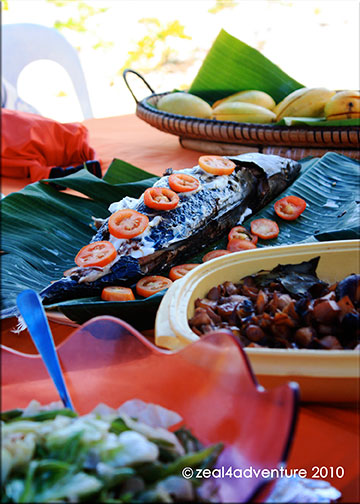
Where we were served a scrumptious lunch.

Overlooking the Magasang formation

As we got closer to the outcrops plodding through slippery rocks –

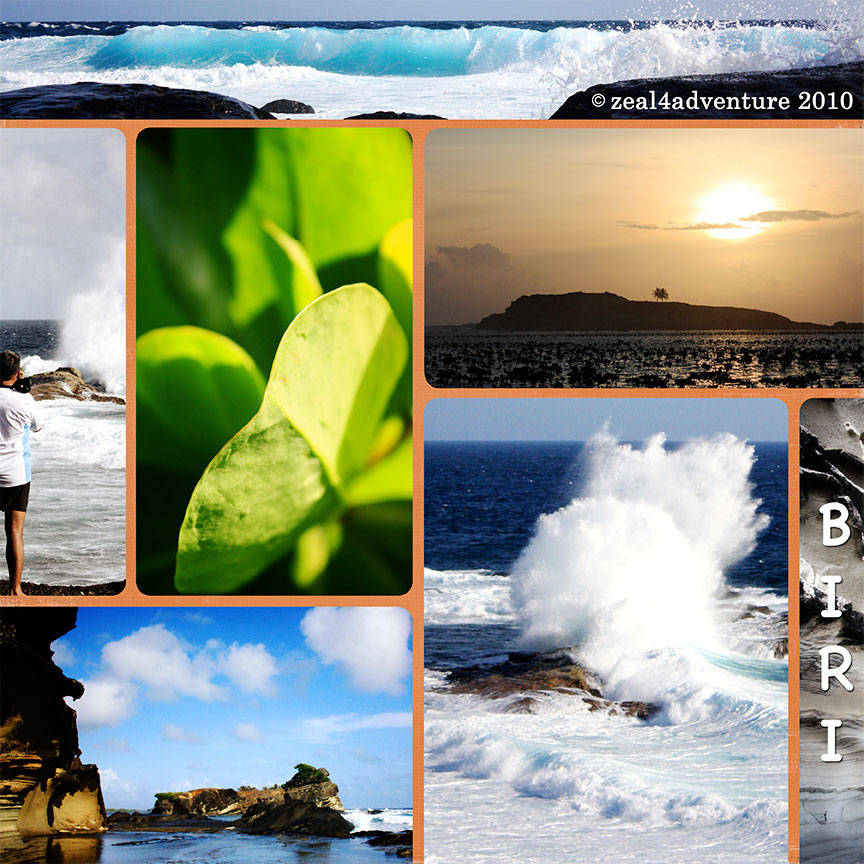
the enormous rock formations, the gigantic pounding waves, they were jaw-dropping A.M.A.Z.I.N.G.

Unlike anything I’ve seen before.  It was unbelievable, surreal.

A view of the other side

Our first rock formation, Magasang is an incredible formation of two huge, beautifully carved rocks standing separately on a wide flat rock.

Climbing these porous rocks is easier than it seemed.

I recommend hiking up to see a 360 degree view of the many colors and textures of the grounds below and a different perspective of the crashing waves.

Wondrous colors and textures

How ironic is it that this natural beauty was formed by the wrath of nature, carved through time from the pounding waves of the San Bernardino Straits?

This beauty is, to me, one impressive site the Philippines can boast of.  Still largely unknown to the world, I am torn – a part of me wish this to be a secret hideaway for a long, long time, while the other part of me yearns to proudly share God’s amazing creation to the world.  Well, obviously my desire to share got the better of me.   😀  Amazing… simply amazing.

Wait!  There’s more.  So come back for more eye candy in the next few days.  It will not disappoint and that is a promise.   🙂
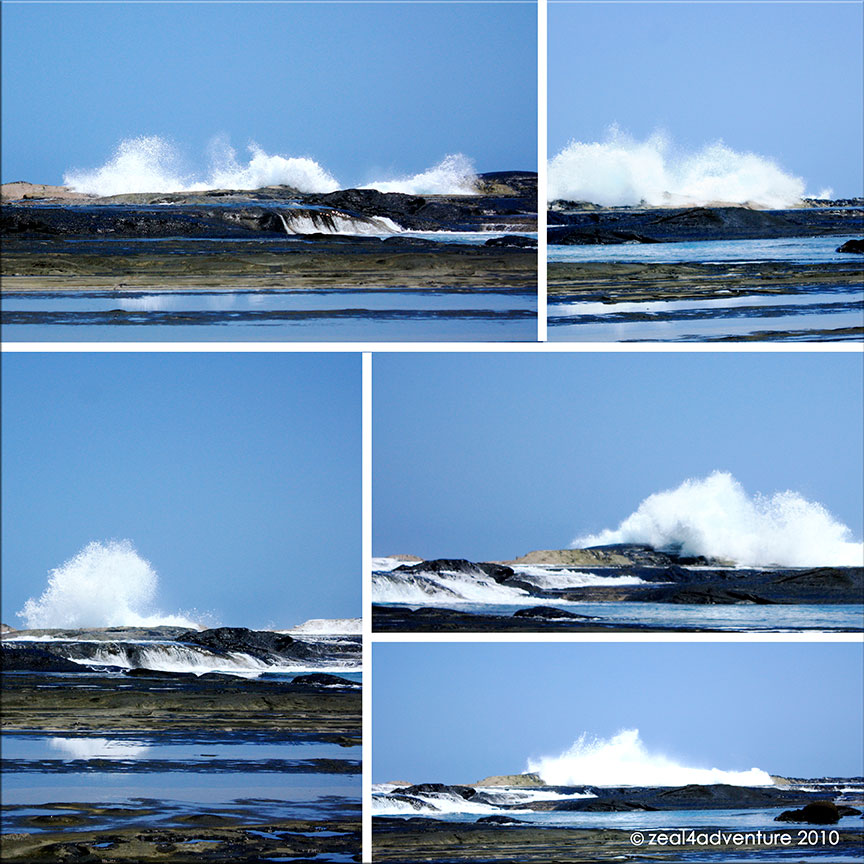
Faro de Isla Capul

Credits:  JSprague Typewriter2 Paper kit; DD MWISE A la Mode Brush- Scroll; KPertiet Grunge up photo block; JSprague Grungy edge frame; KPertiet Storyboard Negs frame; Alpha from JSprague’s Grand Intention Kit.

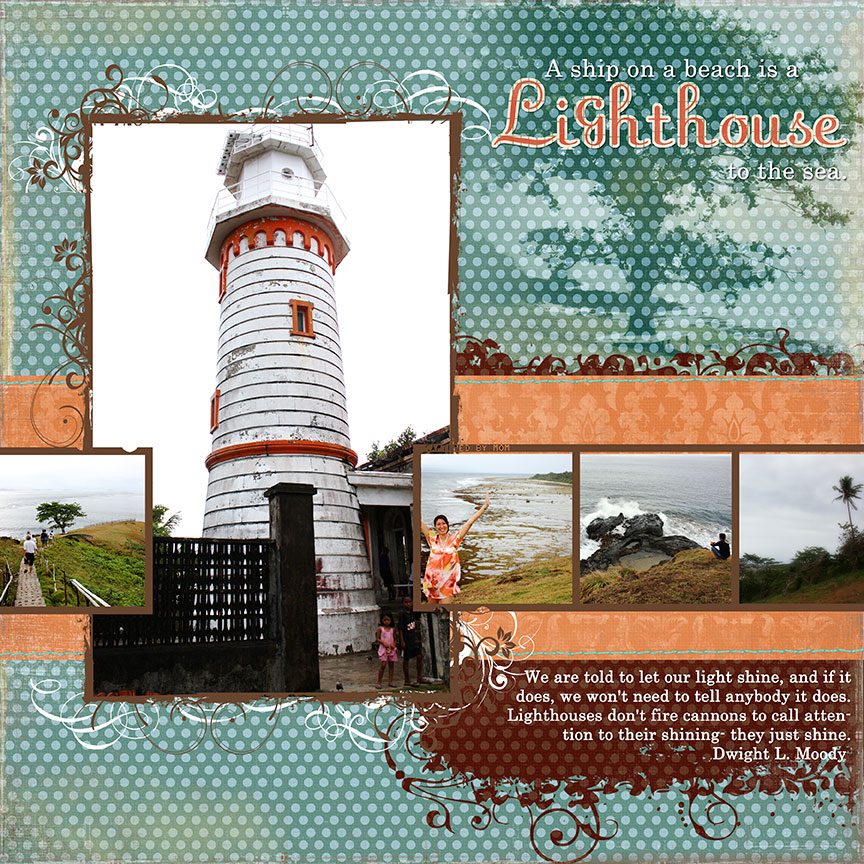
The mystery of lighthouses – they’ve always fascinated me.  Standing tall, alone and mysterious, shining its light on travelling vessels… never fails to evoke a sense of romance and adventure.  But nothing prepared me for this.

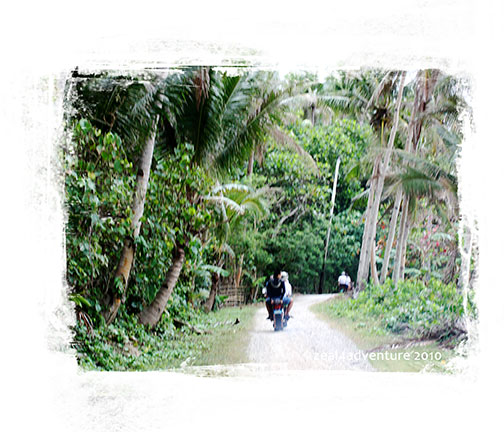
Zooming along a rugged coastline and through rows of coconut trees, we ended up at the northernmost part of the island of Capul.  And there perched atop a hill, 40 ft. tall and 143 ft. above sea level is Faro de Isla Capul, simply known as the Capul Lighthouse serving as a beacon till today to vessels traveling through the treacherous San Bernardino Straits.

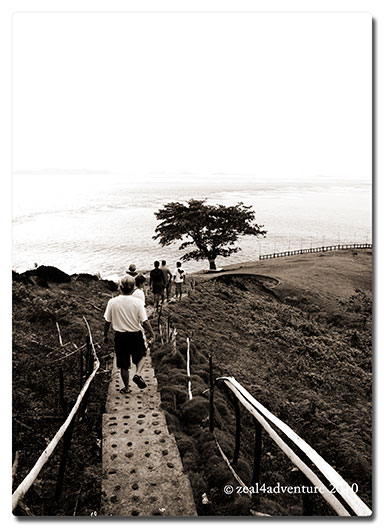
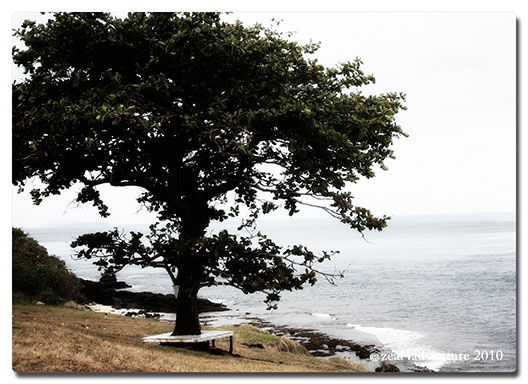
The approach from the street — insipid.  The lighthouse, in dire need of repair.  So, imagine the stir it invoked when we walked past the lighthouse and down the steps.  It greatly impressed.  We were dramatically surprised.

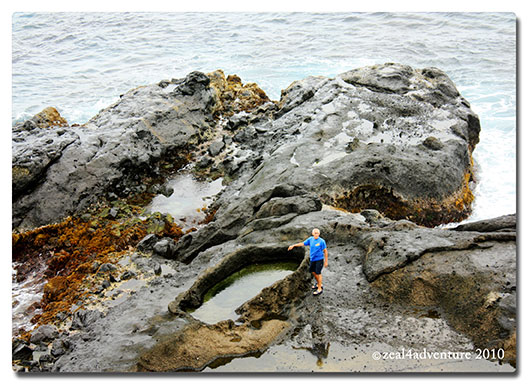
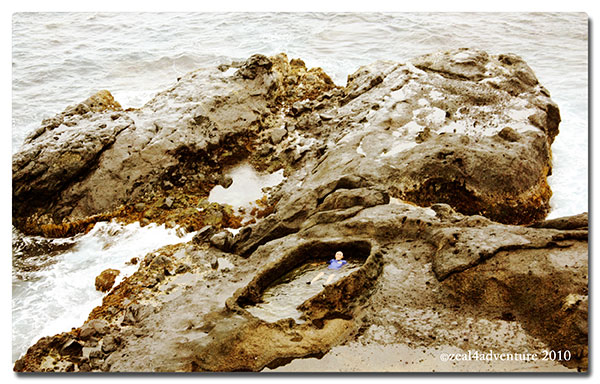
About 200 meters from the lighthouse, down below the shoreline is a pool shaped like a giant footprint.

It was calling E who just couldn’t fight the urge to take a dip.  😀

How Capul Got Its Name

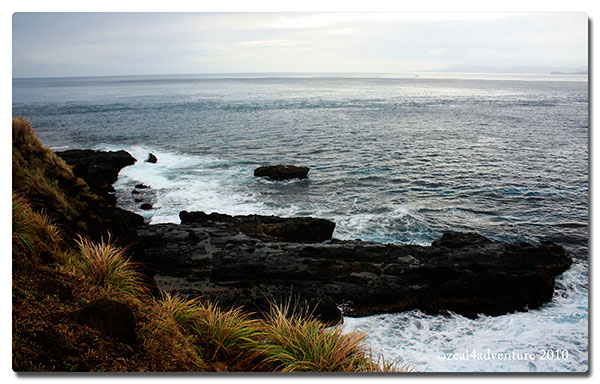
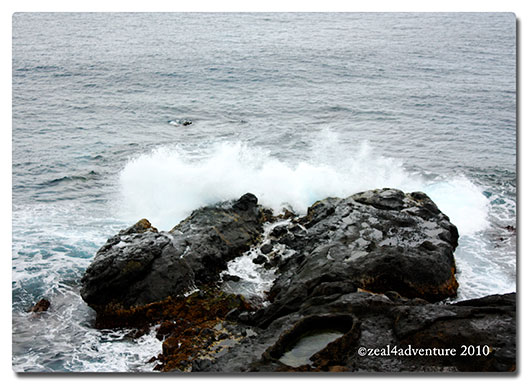
Beneath the lighthouse are natural rock formations that served as anchorage of the galleons during bad weather.

The location and proximity of the island to the Pacific Ocean and the strong currents flowing through the Straits made it useful for the galleons about to leave the Philippines to weigh anchor and start the voyage back only when the current was flowing outwards.

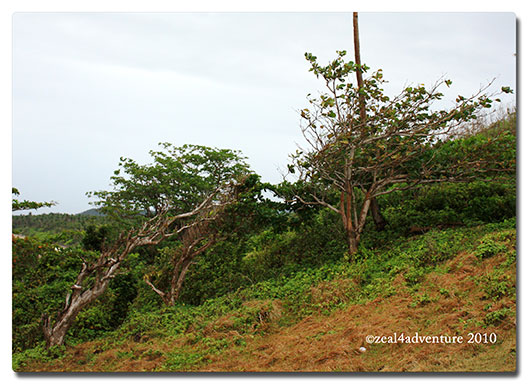
Evidence of how strong the winds are.

As the Manila-Acapulco Trade flourished so did the frequency of the stopovers.  According to folklore, to while a way time, a galleon crew engraved the name Acapulco on a rock.  It was later on used to designate the sitio where the engraved rock was located before it was eventually applied to the whole island replacing the name Abak.  As we Filipinos love shortcuts, Acapulco was corrupted to Capul.  And that, as legend has it, was how Capul got its name.

Scenic Sunday

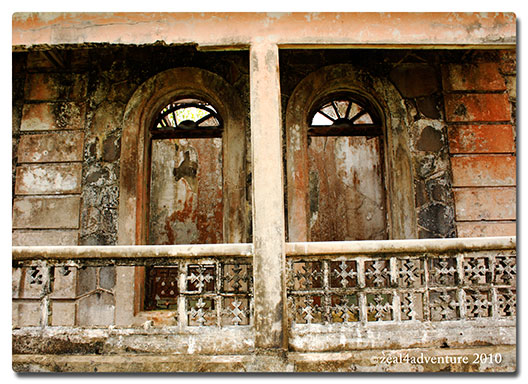
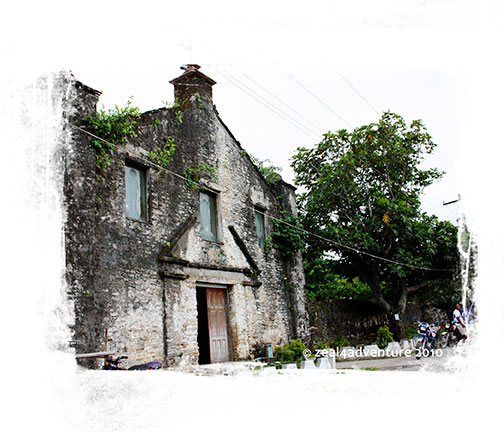
An old fortress church

Still on our island-hopping day, our next stop was Capul.  It’s an island that sits in the middle of the San Bernardino Straits, originally named Abak from a chieftain that migrated from the South.  These migrants brought with them one of the rare dialects in the country – they’re the only ones that speaks “Abaknon”.  Abak was changed to Capul (short for Acapulco) in the late 16th century because galleons from Acapulco, Mexico frequently stopover the San Bernardino Straits to barter.

The island is known for its lighthouse and old fortress church and from the port where our boat docked, the old reliable habal-habals (motorbikes) took us to both sites.

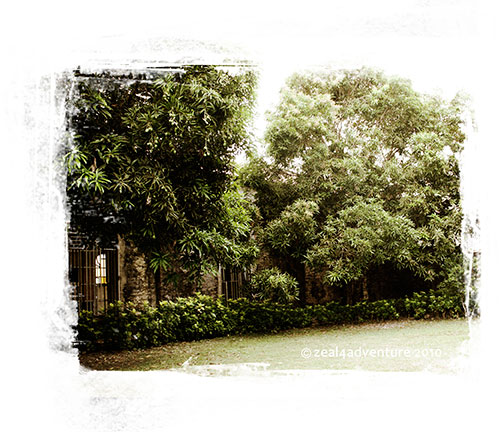
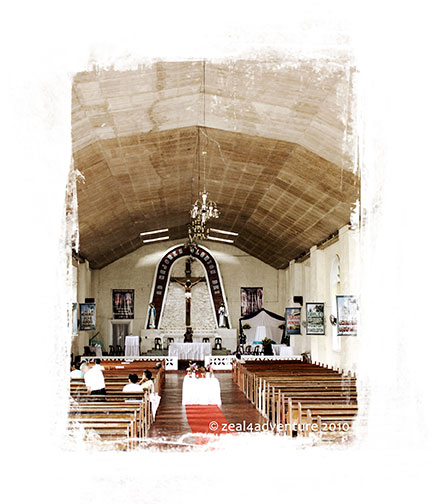
The fortress was first.  On a side street with a basketball court in front lays a 16th century church, 85% of its original form still preserved, its surrounding walls still intact.

It is one of the oldest Catholic Church that withstood pirate attacks and natural disasters and calamities and until the coming of the Americans, the church and a watchtower constructed on top of a large rock overlooking the town harbor, served as a warning system and as a refuge for the people of the island during the Moro raids.

At the time of our visit, we heard that a foreigner was rescued from their waters the night before – a miracle he survived the harsh waters drifting all the way from Biri losing his fins and mask along the way.  Glad he’s ok.

Unexplored Paradise

Naturally blessed with outstanding rock formations, captivating sceneries, pristine white sand beaches, alluring waterfalls, and historic old churches, Northern Samar is often described as a little piece of unexplored paradise.

Located some 630 kilometers south of Manila in the Eastern Visayas Region, this remote, desolate and definitely off the beaten path territory occupies the entire northern portion of the Samar Islands.

Compared to other parts of the country, Northern Samar remains an economic backwater.

Although left undeveloped, the province – its environment with many amazing wonders, its charming people, innocent and accommodating – waits to be explored.

This summer past, we wandered through one of Philippines’ hidden gems.  Our first stop and our home for the next 2 days was San Antonio, Dalupiri Island.

You’ll need to take a banca in Victoria to get there.

Haven of Fun Beach Resort is a great place to unwind, recharge for a few days and could very well be the best resort this island has to offer.

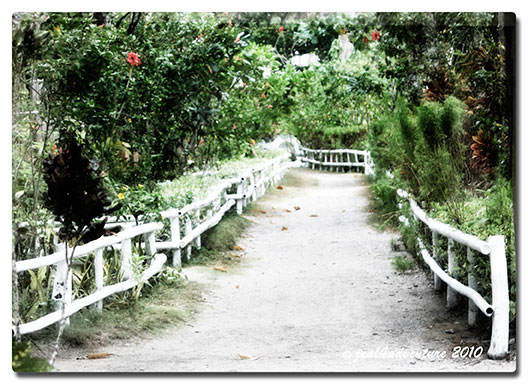
Pathway leading to our rooms

Albeit simple (read: basic), air-conditioned rooms are available and if on a budget,

this cabana has an attic, which serves as a room.  Clever, if you ask me.

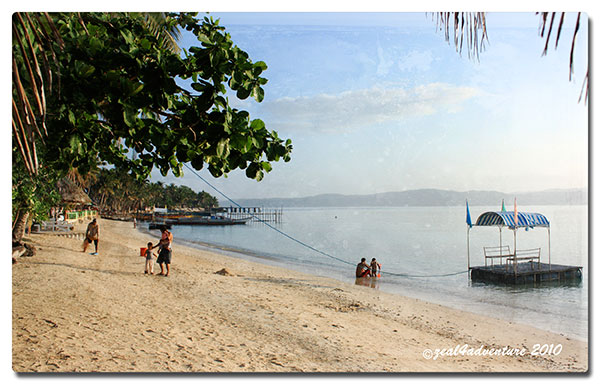
The long-stretched white sand beach and alluring blue waters makes up for what it lacks in amenities.

One can spend hours in the water or lounging around, chatting, reading, sleeping.  I call this a well-deserved respite.

We spent many a meals in this cabana, people watching, enjoying the early morning breeze and admiring the beautiful blue water over breakfast.

A great start to a great summer vacation, yeah?

So sit back, relax, have a hot cup of coffee or some iced tea (if you like) and discover the beautiful islands of Northern Samar with me.

Getting there:

By air:  Cebu Pacific and Pal Express flies daily to Catarman.

By land:  Philtranco, Eagle Star and other bus companies have daily trips (14-16hours).

* Pumpboats  make regular runs between Victoria to San Antonio.

Tainted but not Spoiled

Credits:  Papers — Cherished love by Carena Designs, K Pertiet Notebook 8 and King Me paper; Photo Mask — K Pertiet Grunged up photo block No. 2; Overlay– House of 3’s Rhonna swirl cluster No. 8

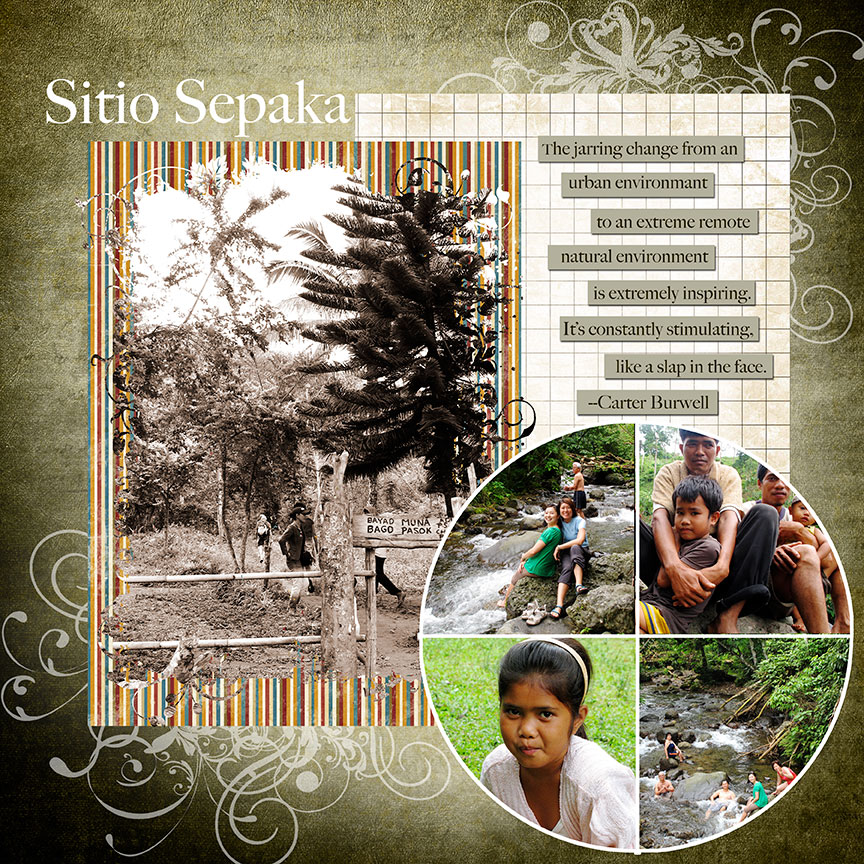
Setting aside the fact that it is tainted with a peace and order situation, Sitio Sepaka, a beautiful site is also known for its cool stream.  Four habal-habals with us in tow arrived at an entrance that charged P5 per head.

It led us to a shaded foot trail that eventually revealed a refreshing creak that enticed us to take a dip.

Children were all around, watching us with interest.  The remoteness (and of course the peace and order stature that it holds) probably does not bring many tourists to their neck of the woods thus the delight.  Oblivious to whatever threat that supposedly surrounded us, we had a great time frolicking with the locals, and the invigorating cold stream was a great “perk up” for the rest of the day.

Disclaimer: Four guides that made sure that everything was safe before we headed out to this place of course accompanied us.  If there were any danger to our wellbeing, we would never have ventured out at all.  Please check with your guide at the time of your visit and please do not insist if it is not advisable.

Scenic Sunday

Beauteous Lakes of Lake Sebu

Uhmm… yes there are lakes in Lake Sebu, in fact, there are several but it is not exactly what you think.  There are no lakes within a lake.  Not to add to the confusion but Lake Sebu is a lake and a municipality, which consists of three adjacent mountain lakes – Lake Sebu, Lake Seloton and Lake Lahit… all with its own charm so impressive.  And Lake Sebu, the municipality, was named after its largest lake… aha!

Lake Sebu

Credits:  Frame mask by Orchard and Broome.

Known for its vastness, measuring around 354 hectares, is the most famous among the three lakes.

Isla Grande, the largest island within the three lakes is likewise located here.

We hiked up to the top of the island for a good view of the lake and the only way to get there was through an owong —

a canoe that is used for fishing.  A few meters from the jump off was a church,

which looked more like a shed (count your blessings folks!).  Being a Sunday, families, mostly mothers and children, waited patiently for the pastor who was still in another church in another island.   What an amazing servant of God, if you ask me.

We spent a little time there chatting the them.  Not long after, the children gamely sang hymns to entertain us.  Adorable.

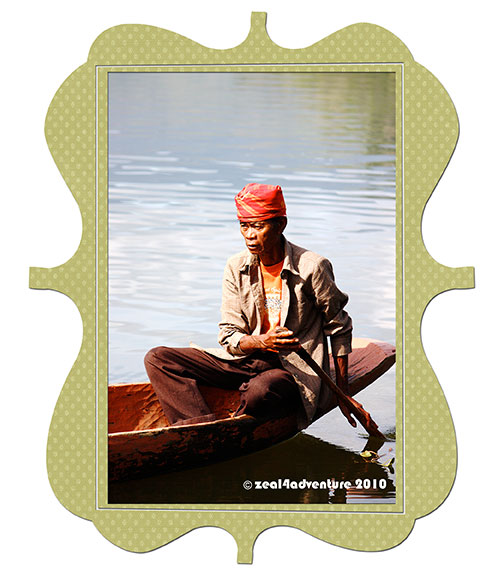
Our T’boli hosts including this man who served as boatman and

entertainer accompanied us to the top of the island.  He was making up stories (apparently a funny one), which he chants in his native language — yes language.  The T’bolis speak a Malay-Polynesian language also called Tboli.   🙂  A wonderful experience, I must say, of cultural immersion.
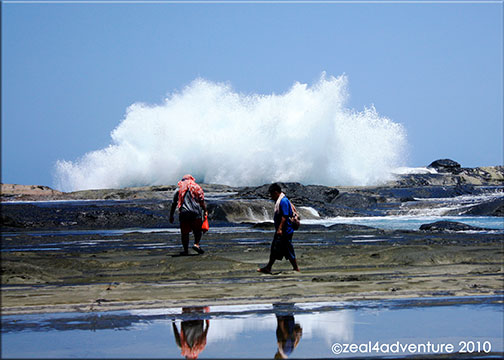
Lake Seloton

Supposedly the deepest among the three and it is also known as the sunrise lake for having the best-unblocked view of the sunrise.

Not quite as stunning as its big sister sans the sunrise, it still possesses its own loveliness.  I am sorry that we never got to see its glorious sunrise.

Accessible only through the Sunrise Garden Lake Resort and although just a habal-habal ride away from our longhouse, we still didn’t made it up early enough to take that (cold) ride to the resort.

Lake Lahit

The smallest but not to be outshined by its two big sisters,

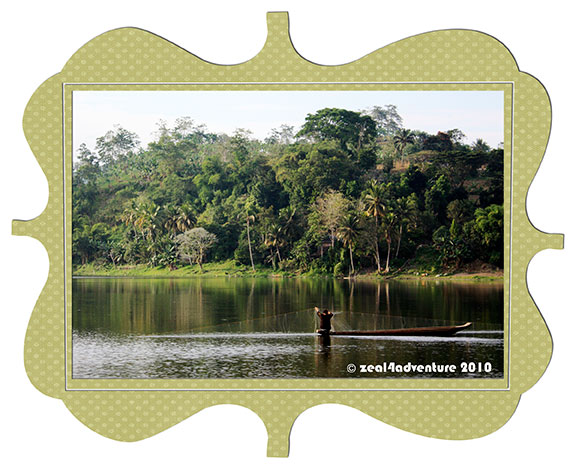
here we caught a fisherman fishing for tilapia just before sunset.

The lake at that time was quite spectacular, if I may say so myself.

These placid lakes are found in the middle of the Allah Valley Watershed Forest Reserve, which is used for fish (tilapia) farming,

duck raising and harvesting fresh water shrimps and snails.  The watershed supplies important irrigations to the provinces of Sultan Kudarat and South Cotobato.

Taken ten years ago… don’t remember which lake but most likely Lake Seloton

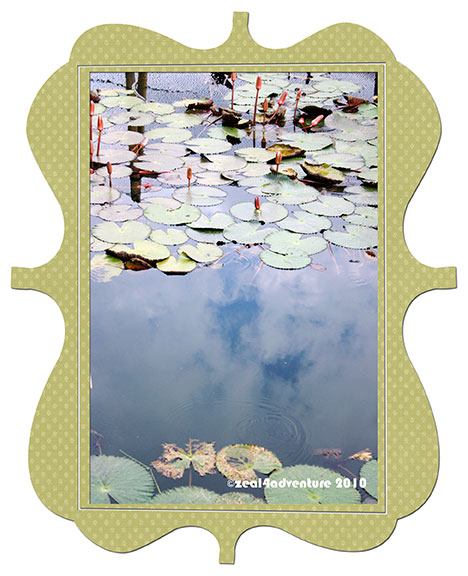
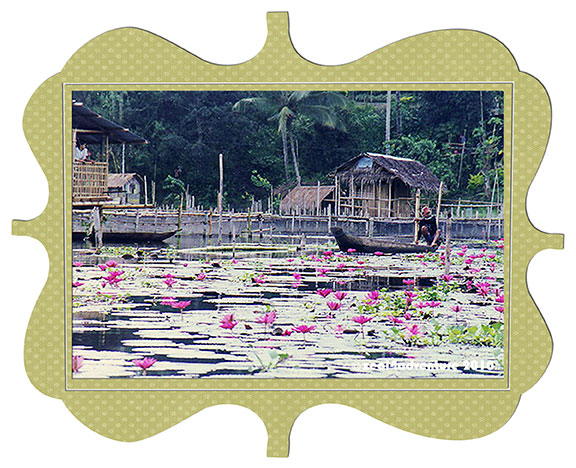
Ten years and perhaps even until a few years ago, the lakes had an abundance of lotus and lilies creating a picturesque setting – at least in my opinion.

Today, the lakes are clean with hardly any lotus plants in sight.  I was told that lotuses are (sadly) nuisance aquatic plants that are not recommended for ponds used for fishing.  And most of the people living in the nearby islands are engaged in fishing.  Well, I’ll take health of the lake over aesthetics anytime.

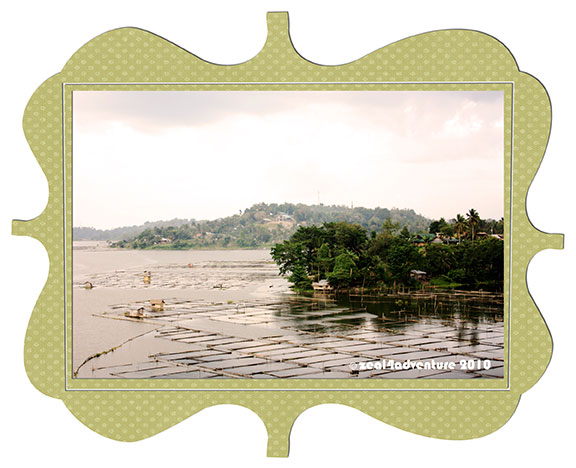
Lake Sebu with the fish cages at dusk

The lakes, in fact, became so famous in the early 1980s for tilapia raising that gave rise to the mushrooming of fish cages.  So much so that it would cover half of the lake, deteriorating its quality.   Today, it is good to know that the Fisheries Code prevents this from happening as the fish cages is allowed to occupy, at the most, only 10% of the total lake area.

It is no wonder that Lake Sebu was named after its beauteous lake, given that the lakes are such an integral part of their lives.

Scenic Sunday

Forceful Cascades of Lake Sebu

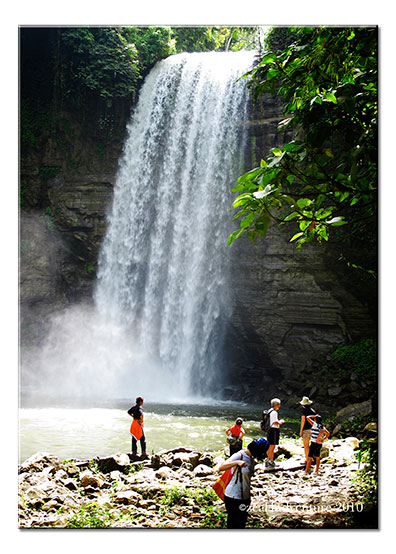
Hikong Bente (Falls #2)

Two of the seven waterfalls were the most accessible while the others have yet to have access trails.  Developed a few years ago through the funding of the local government with help from New Zealand, Hikong Alu (falls #1) and Hikong Bente (falls #2) today only requires about 30 minutes of walk – although I do not remember it to be a strenuous hike 10 years ago.  Often dubbed as the “Summer Capital” of Southern Philippines, the development of the seven waterfalls is part of a bigger plan to capitalize on the tourism potentials of Lake Sebu and to turn it into a major destination in Central Mindanao – not exactly the most popular in terms of tourism due to the poor press releases of its neighboring provinces and the mere fact that it is in Mindanao scares off a lot of tourists, foreign and locals alike.  So the efforts of the local government to focus on its beauty are commendable.

Two passengers and a driver in one motorcycle   😯

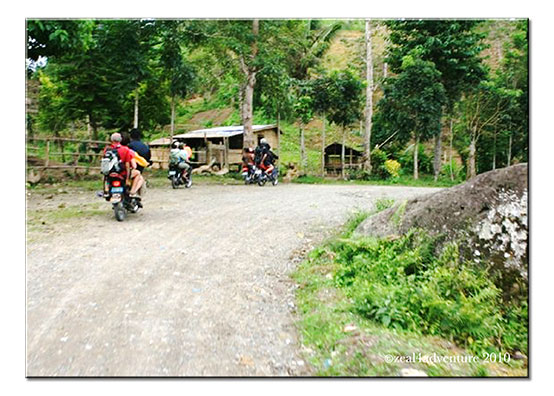
The only means of public transport around Lake Sebu is through motorcycles or what they call habal-habals.   From our longhouse, it took us 15 minutes perhaps to arrive at what looked like an entrance to a park.  P20 was all that’s needed to enter.  The focus of the development was mainly on road development and the establishments of resort facilities.  Save for the inner roads, it was a pretty smooth haba-habal ride along the main highway.

A short walk from the entrance is Hikong Alu, the first falls cascading down the jagged landscape of the lush forest of Lake Sebu.

A trail on the right leads to a natural pool where one can enjoy the beauty up close.

There are two options to get to the 2nd falls, Hikong Bente.  One can choose to zip down through a recently developed zipline.  The queue was long so we chose to walk.  The walk through the verdant forest is made easy with the stoned steps established.

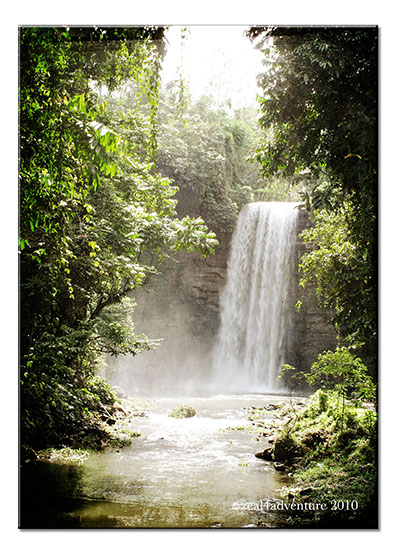
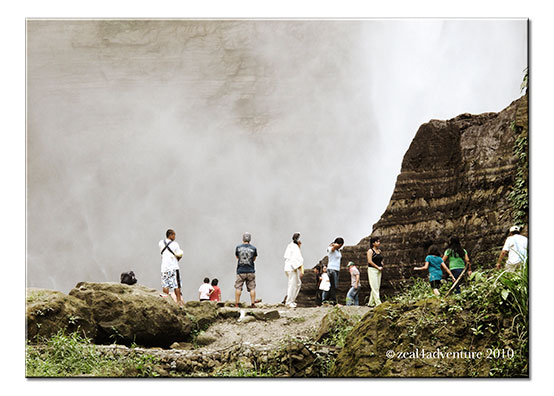
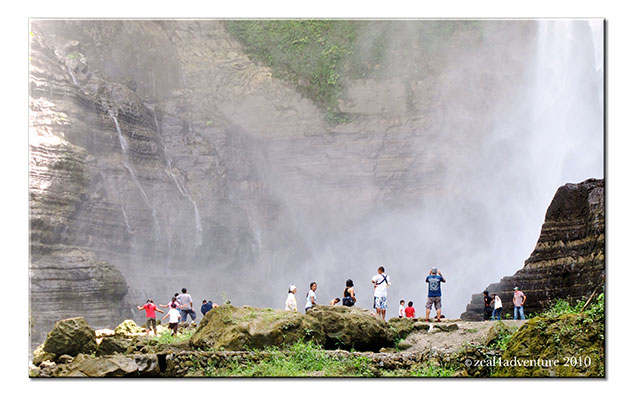
What greeted us was a grander falls with powerful cascading water that leaves a misty atmosphere.   Apparently the largest of the seven.

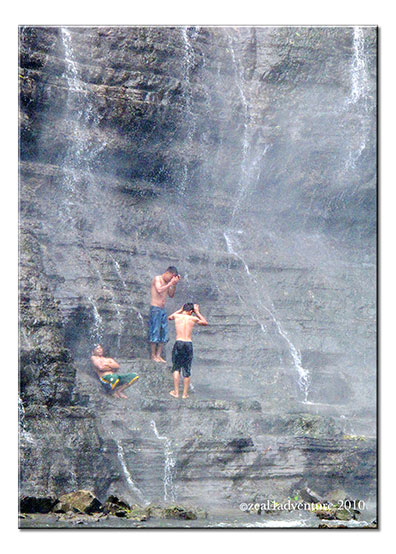
The ragged rock wall etched through the years

by the constant mist from the falls

has become favorite playgrounds.

One could either swim or do as I did – simply admire the beauty that surrounds.

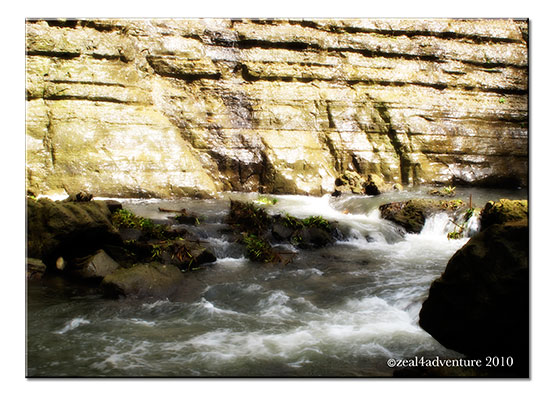
Stream as seen from the entrance

Nature tops the list of potent tranquilizers and stress reducers.  The mere sound of moving water has been shown to lower blood pressure.

~Patch Adams

Scenic Sunday

Making Good Use of Downtime

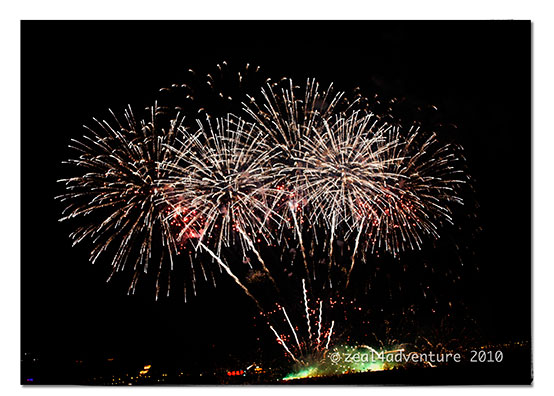
We were at the sea area in front of the Macau Tower early to catch the Annual Macau Fireworks Display contest.

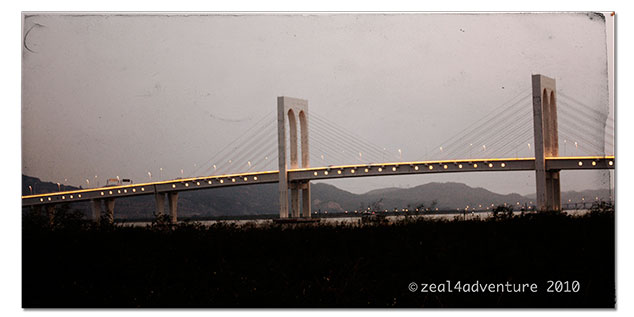
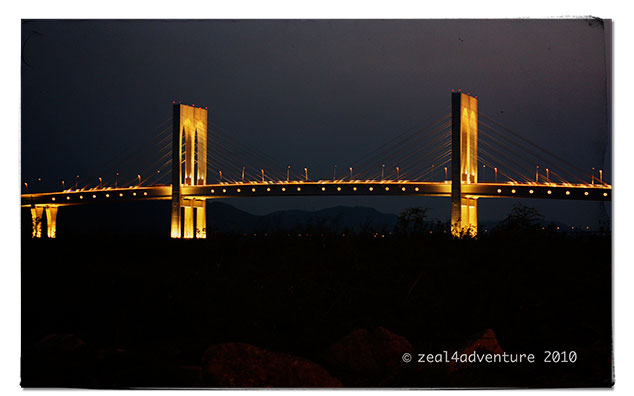
Early birds have its drawback… a long wait.  Its reward however outweighs it inconvenience.  Securing good front row seats afforded great captures of the fireworks and these series of shots of the Sai Van Bridge as the sun sets.

Once considered remote from Peninsular Macau, when they were accessible only by small ferries, the islands of Taipa and Coloane have developed as integrated suburbs since being linked to the mainland by 3 bridges.

One of them is Sai Van Bridge, opened in January of 2005.  It is the first cable-stayed bridge in Macau.  The double deck bridge has 6 lanes in the upper deck and 4 at the lower deck.

More of the fireworks in upcoming posts.  For more scenes from around the world click image below.

Scenic Sunday