Romancing with Sintra

Sintra-collageCredits: J Sprague Photo Collage Template version 3; Paper by Wimpychompers Creations

If you have an extra day in Lisbon, I suggest you head out to Sintra. It’s just a 45-minute train ride from the Rossio Station and well worth the trip.

first-glimpse

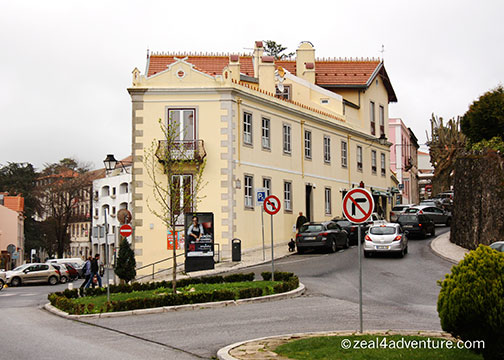
Walking into Sintra is like treading on fairytale land, more so on a gloomy day as when we were there. Known for its many romantic 19th-century architectures, Sintra is an outstanding reference for Portuguese culture.

fairytale town

Royal castles, mansions, and chalets scatter around the verdant rolling hills and peaks of the Sintra mountain range. The long sections of walls winding around the high peaks of the Serra reminds of century’s past.

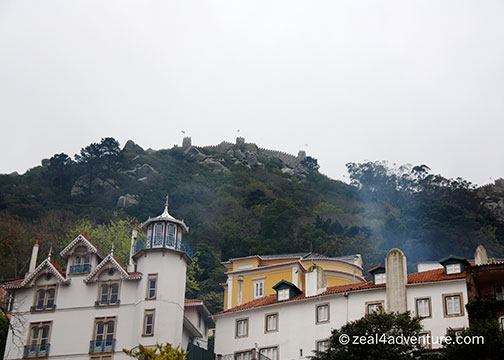
stonewalls-of-the-moor-castle

The Moors Castle high above Sintra

Here, at the Central Western Portuguese coast, at the northern-most stretch of the protected Sintra-Cascais Natural Park, history, archeology, architecture and natural beauty meld into a beguiling and magical town.

It’s UNESCO World Heritage-listed center, the Sintra Vile is a 15-minutes walk from the train station.

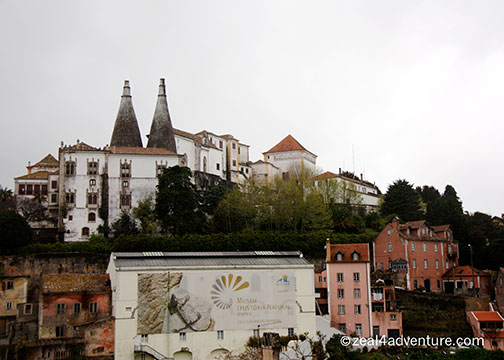
Palacio-Nacional-de-Sintra

The Palacio Nacional de Sintra dominates the old town. Its iconic twin conical chimneys can be seen from far away. We, however, only had time to visit 2 Castles that day:

Sintra Castelo dos Mouros (The Moor Castle)

Castelo-dos-Mouros

A classic ruined castle set amidst the lush forests of the Serra de Sintra. Established by the Northern African Moors during the 9th century to guard the town but fell into disrepair after the Christian conquered Portugal. The castle was restored and transformed into a romantic ruin in the 19th century by King Ferdinand II.

Pena National Palace

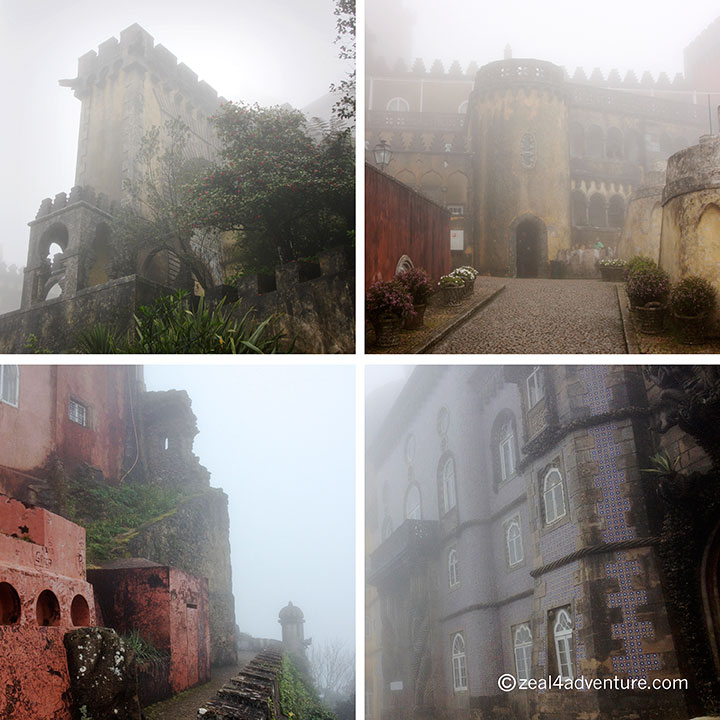
Pena-exterior

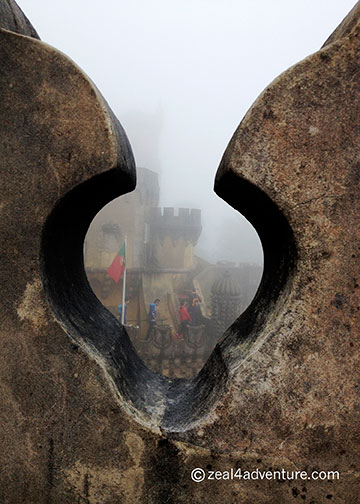
On top of a hill stands an eccentric palace built in the 19th century for Dom Fernando II, an artistic king who wanted the palace to resemble that of an opera. Despite the hodgepodge of styles, the castle looks surprisingly harmonious and the use of yellow, pink and purple colors completed the “fairytale” quirkiness of the palace.

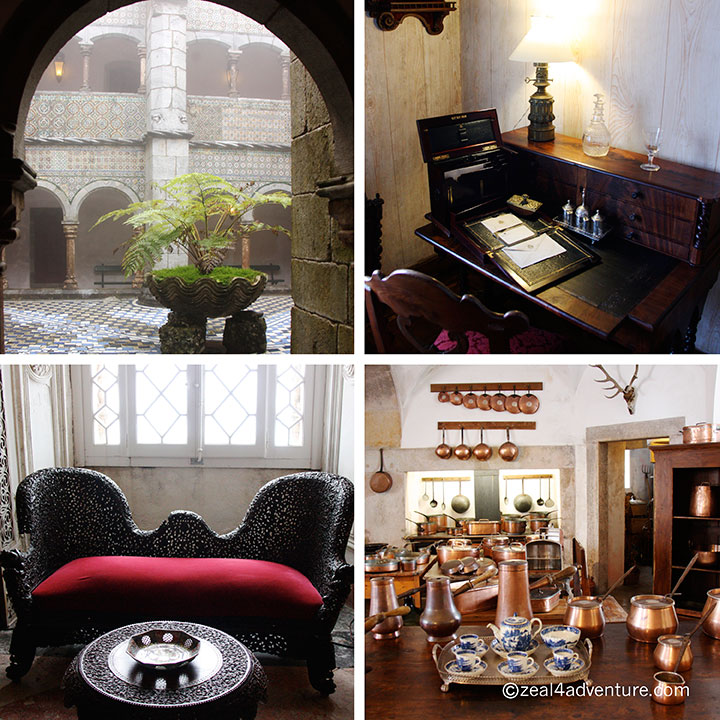
Pena-interior

A Protected National Monument, the Palace is considered to be one of the world’s best examples of architectures from the Romantic era.

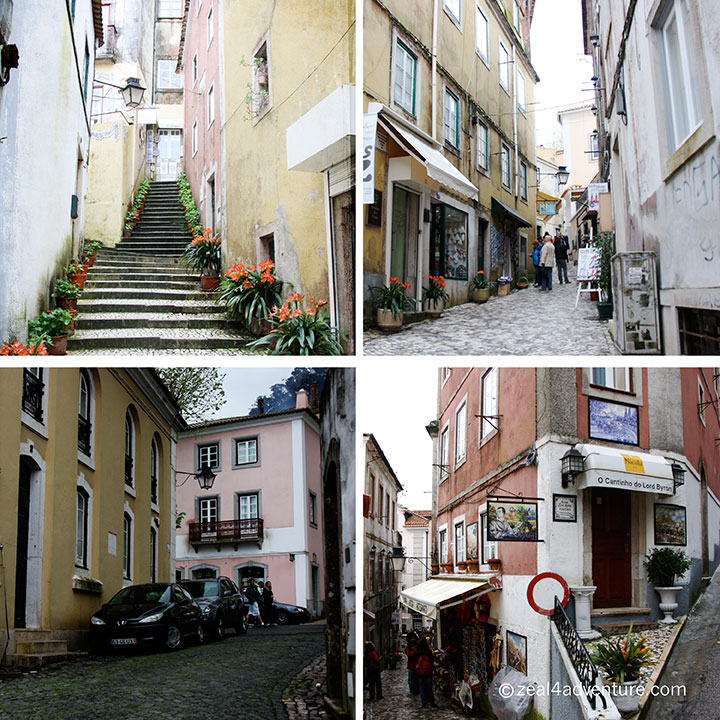
medieval-streets

The medieval streets of Sintra Vile lead to many treasures – craft shops selling a host of local artisan specialties, a range of cafes and restaurants or even townhouses that exude the air of past glories.

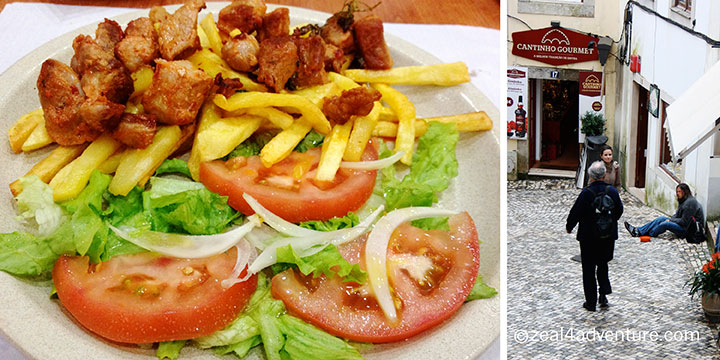
Cantinho-Gourmet

In one of the narrow streets, we found a small café (Cantinho Gourmet) for a pretty good lunch prepared by an old lady. In another part of town is A. Piriquitos.

traveisseros-and-queijadas

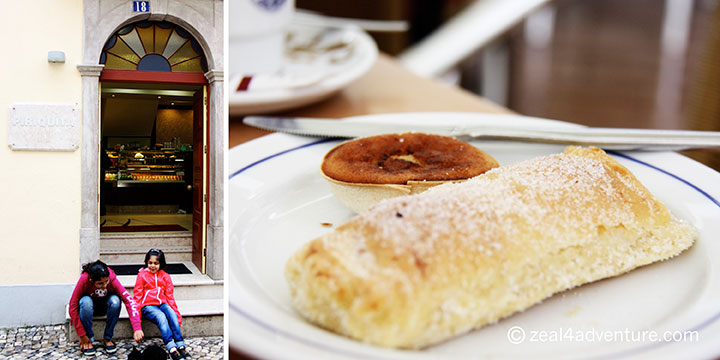
Here we had the famed delicacies of the village, Queijadas de Sintra and Travesseiros. Delicious treats not to be missed.

Pena-Palace

In this region north of Lisbon, the center town of Sintra is only half the story. A must-do day trip but if time permits, a few nights stay is ideal to spend time exploring the surrounding beaches and the many seafood restaurants. The other half is a spectacular stretch of Atlantic coast with rugged cliffs, crashing waves and near-empty stretches of sandy beach, which calls for another visit in the future, perhaps.

Useful Info:

A Piriquita: Rua Padarcias 1/7; +351 219 230 026

Pena National Palace: Estrada da Pena; +351 219 237 300

Castelo dos Mouros: Parque de Monserrate, Estrada da Pena; +351 219 237 300     Opening Hours: 9:30AM-8:00PM; shorter hours in low season

Belem: The Glory days of Portugal’s Explorers

Wealth, fame, and fortune, along with spreading Christianity, were reasons why daring sailors like Ferdinand Magellan, Vasco de Gama, and the likes set sail in uncharted waters. This was from a period known as the Age of Discovery. From 1400 to 300 years later, European explorers, many of which are from the seafaring country of Portugal and Spain, visited and mapped most of the world. Portugal discovered the sea route to India while the Spaniards discovered America.

Portugal, a small kingdom whose economy relied on seafaring in the 15th century, had a visionary ruler in Henry the Navigator. He encouraged and paid many to explore the world. And so this nation once ruled the waves.

doca-de-belem-marina

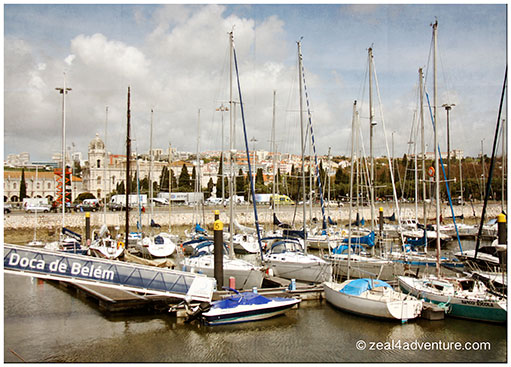
Belem is where the Tagus River meets the sea. From its waterfront, many of the great Portuguese explorers embarked on their voyage to discover the world. During this time, Lisbon flourished and many great monuments were constructed.

belem-tower

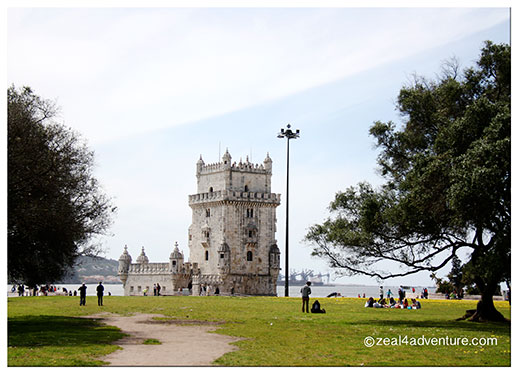
Belem Tower was one of those. A magnificent fortress also named Tower of St. Vincent, as it was built to honor Lisbon’s patron saint. The tower situated at the mouth of the Tagus River was initially built to defend the city. The 4-storey tower was originally constructed on an island in the Tagus River near the shore. It stands on land today because the riverbank’s location shifted through the years.

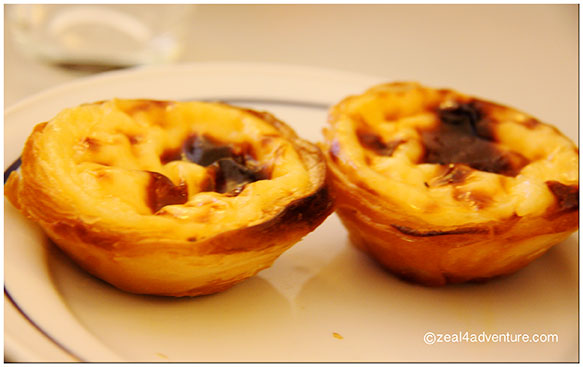
Belem’s main street and historical avenues are a strip of 160-year-old buildings that have survived changes and modernization. These include the famous pastry shop, Antiga Confeteria de Belem, known for a particular Portuguese confectionery, an egg tart called

pasteis-de-belem

Pasteis de Belem—the flakiest pastry filled with creamy custard. Just across from Jeronimos Monastery, the shop is easily spotted because of the long line spilling over to the sidewalk. Many of which are visitors from the stunning monastery.

jeronimos-monastery

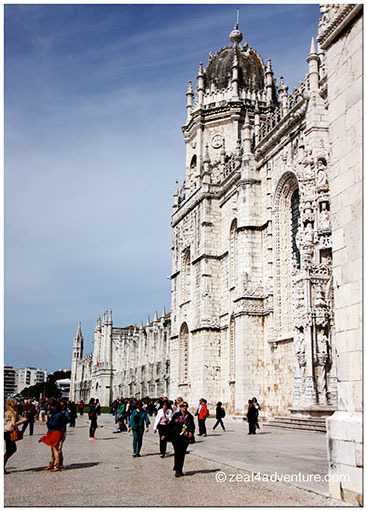
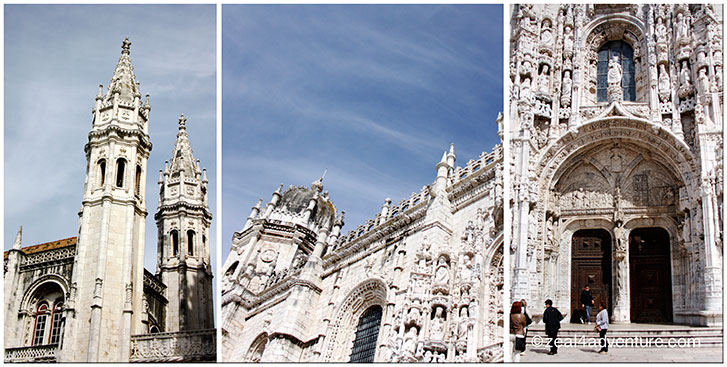
The Jeronimos Monastery is a classic example of a Portuguese late Gothic Manueline architecture. Along with the nearby Tower of Belem, it was classified in 1983 as a UNESCO World Heritage Site. It is one of the significant emblems of the Age of Discovery and the distinct maritime motif, which includes corals, sea monsters, and coiled rope, reflects that golden era.

jeronimos-monastery-details

The monastery was built in honor of the successful voyage to India of celebrated Portuguese explorer Vasco de Gama. This is also where De Gama, King Manuel, and other prominent figures were laid to rest.

Discovery-Monument

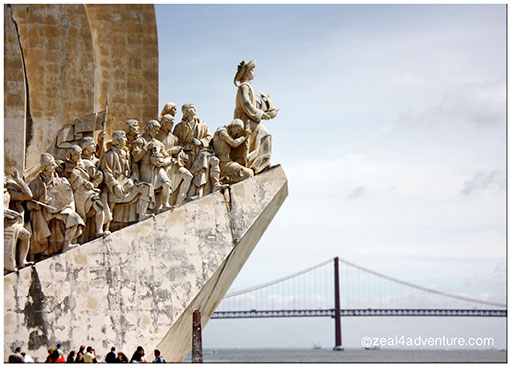
Sitting opposite the monastery, on the banks of the Tagus River, is another stunning iconic monument, the Discoveries Monument. Dedicated to the adventurers and explorers who helped established Portugal as a 14th-century superpower. Unveiled in 1960, on the 500th death anniversary of Prince Henry the Navigator. The massive monument had Prince Henry at the prow of a caravel, backed by figures from Portuguese history that participated in the golden age of discovery.

I have to admit, Belem caught my attention because of one thing only—Pasteis de Belem. If this is the only thing you do, that tram ride to Belem will be worth it already. But it would be a waste to miss its historical sights, which are all within walking distance anyway.

Lisbon’s gateway to the Atlantic, Belem, is where the Tagus meets the sea and where the naval explorer of yore started their journey to the unknown. Take the effort to visit it when in Lisbon.

Useful Info:

Jeronimos Monastery: Praca do Imperio

Opening Hours: Oct-Apr: Tues-Sun 10AM-5:30PM May-Sep: Tues-Sun 10AM-6:30PM Admission: €7

Antiga Confiteria de Belem: 84/92 Rua de Belem

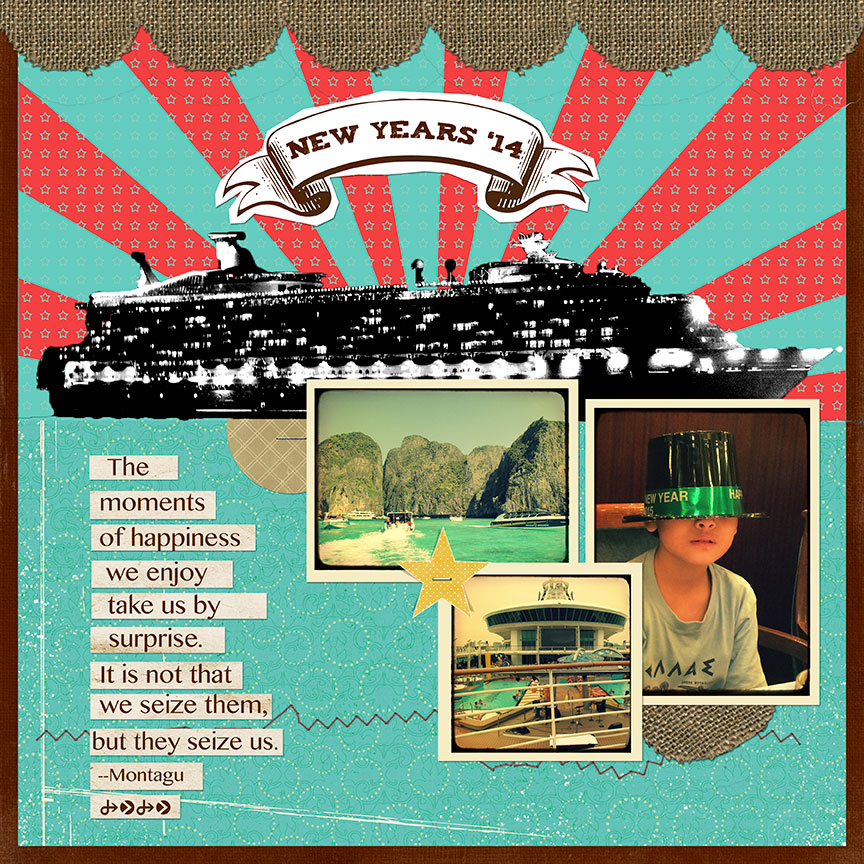
New Year Cruising

“The moments of happiness we enjoy take us by surprise. It is not that we seize them, but that they seize us.” — Ashely Montagu

 New-Years-at-High-SeaCredits: JSprague Digi in Deeper course materials

This year, 68 of my family members from all over flew to Singapore for a grand reunion. For the first time, brothers and sisters, aunts and uncles, cousins and second cousins took the time and effort to fly from all over and spent New Year holidays together, on the high seas to boot.

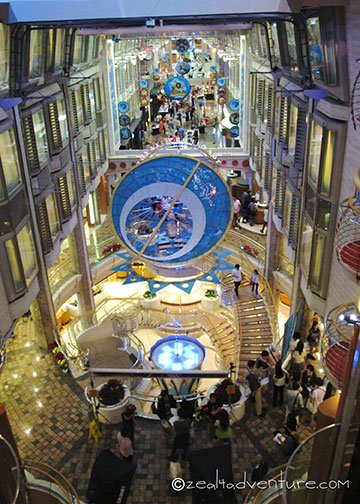
mariner's-of-the-seaInside Royal Caribbean’s Mariners of the Seas

A perfect venue, truth to tell, as none of us could go very far—not saying though that the ship isn’t big and off-shore excursions aren’t aplenty. It was contained enough to allow us to catch up.  Some met each other for the first time.

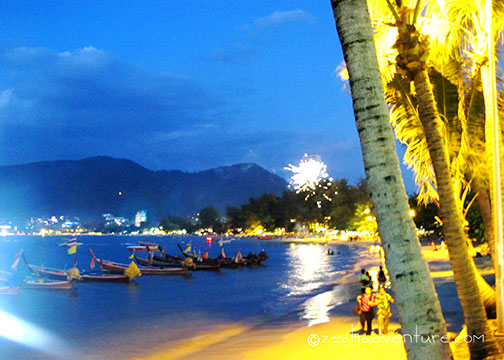
new-year-in-patongFireworks before the New Year in Patong Beach

It was an experience I surprisingly enjoyed. Being the traveler that I am, I thought that this was merely something I had to do, an obligation of some sort. The destinations were nothing to rave about but the togetherness was awesome. It was something unexpected… Which are usually the best, yes? You know what they say— “the things you don’t see coming tickles you the most.”

Port Klang

So the destinations weren’t great, they weren’t total disappointments either. Our first port of call was Port Klang. What is there to see in Port Klang, the principal port in Selangor state of Malaysia? Nothing much though we heard that it is a haven for local foodies—good enough for us (by us I mean my immediate family).

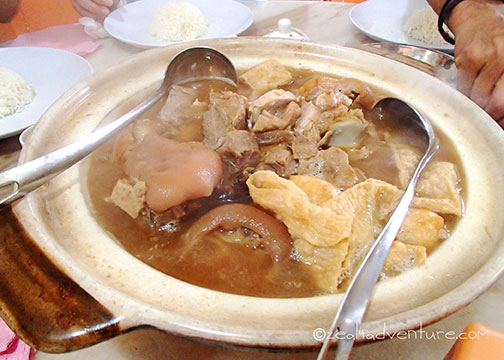
bak-kut-teh

Seafood aside, Klang is famous for its Bak Kut Teh, in fact they say that this pork rib soup which has become a staple in Malaysia, Singapore and some parts of Indonesia started here. Considered a breakfast food, BKT, as locals call it, is pork ribs (or other parts of the pork meat) slowly simmered in an herbal broth.

restoran-bak-kut-teh-facade

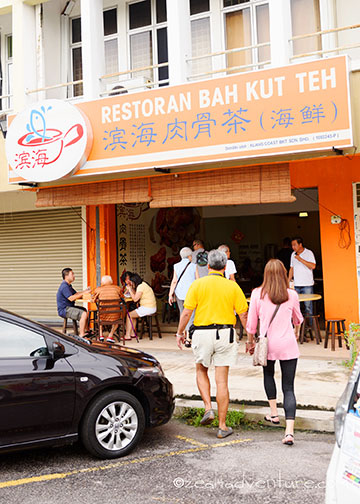
Across the AEON Bukit Tinggi Shopping Center, about 30 minutes away from the Star Cruises Terminal, we randomly chose Restoran Bak Kut Teh. A small shop sans the fanfare – open air and round tables and stools to sit that serves (in my opinion) quite a good and (I assume) authentic BKT.

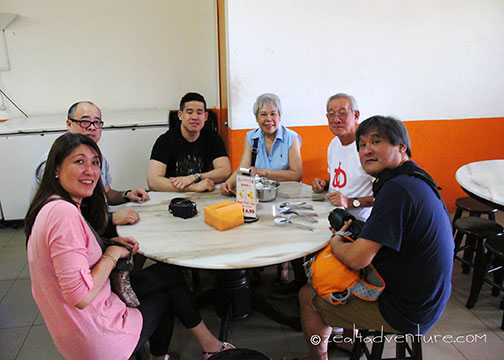
restoran-bak-kut-tehFood tripping with the family

The Bak Kut Teh has an herbal taste (of course), salty with the hint of sweetness; meat was falling off the bone. Extremely enjoyable with soy sauce, garlic and a bit of chopped chili.

Phuket

Next port of call was an overnight in Phuket. Arriving Phuket at 11AM, it was too late to do much so we decided on a late lunch in Old Phuket Town and a massage after. We took the tender to Patong Beach and haggled with one of the many vans peddling their services to take us to town.

old-shop-house

Old Phuket town shines with personality with its rich history. In this old quarter, you will see beautifully ornate old shophouses, quaint cafes, Buddhist and Chinese temples, and some grandiose Sino-Colonial mansions once occupied by Phuket’s tin barons of years ago.

Raya

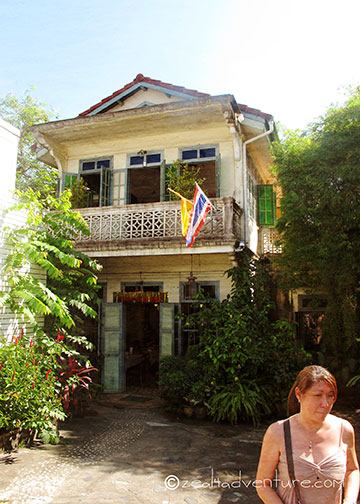
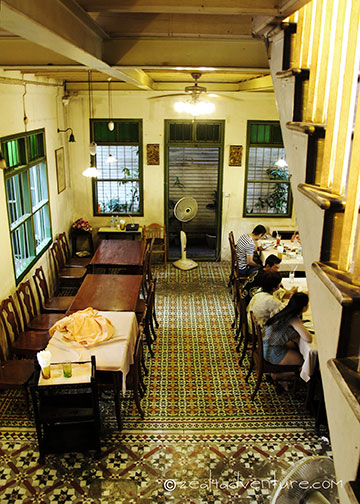
In the middle of town, on New Dibuk Road is a two-storey Sino-Portuguese house converted into a restaurant.

green-tint-windows

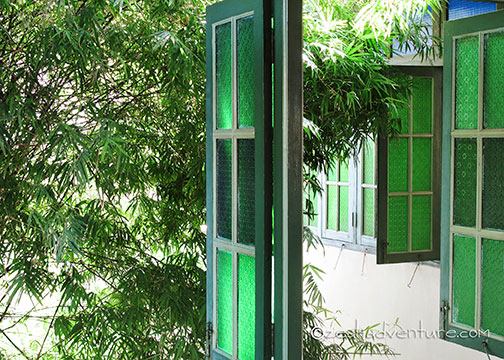
Tinted glass windows and wooden shutters, hard to find Machuca floor tiles,

Raya-interior

stairs

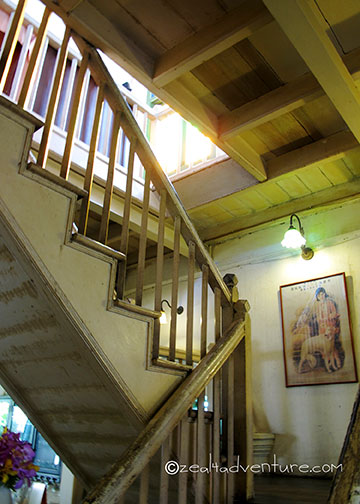
rustic ceiling fans, vintage posters, a wooden staircase,

old-bar

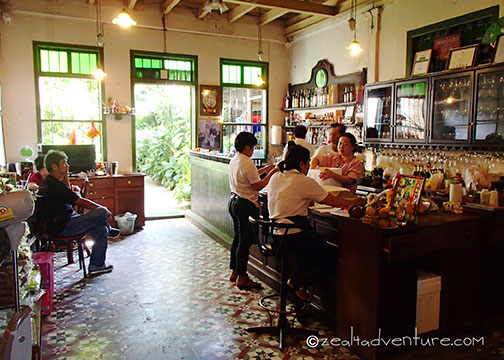
and an antique bar, this old house exudes old colonial.

raya-dishesL-R: Pork with Kafir Leaves; Deep Fried Sea Bass with Shallots and red chilli in Tamarind-Lemongrass Sauce; Green Mango with Dried Squid Salad

The food, known to be THE Thai restaurant in Phuket; its specialty is said to be the Crabmeat Curry served with rice vermicelli. Being a sucker for all things crab, this was a definite winner. Big chunks of crabmeat and the strong curry muted by the addition of coconut milk produced a subtle creamy curry dish. The deep-fried sea bass with shallots and red chilies in tamarind-lemongrass sauce and the pork with Kafir leaves were fantastic too. When in town, do visit Raya Restaurant if you can.

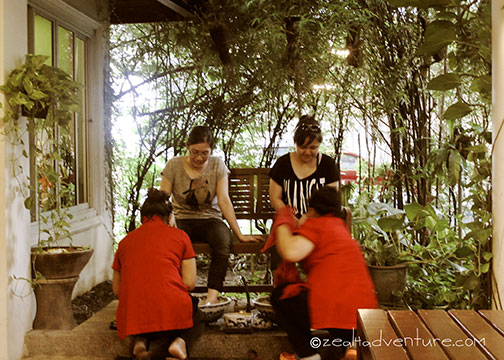
We could and should have walked around town, but we opted instead for a massage. We could and should have gone to the spa just around the corner from Raya. On a previous  trip (a post I still owe) the boutique hotel I stayed in offered a discount at The Raintree Spa when booked through them.

RainTree-Spa

It was most satisfying, in all the right ways—service, skills, and ambiance. I should have known better than to indulge our driver but, hindsight is always 20/20, so yeah… We could have saved the 30-minute drive to the spa he recommended (name and place I won’t even bother to tell) and used it to walk around the charming old town instead. And to think, I convinced my whole family to that massage.

Koh Phi Phi

Thank goodness for Phi Phi Islands.

Phi-Phi

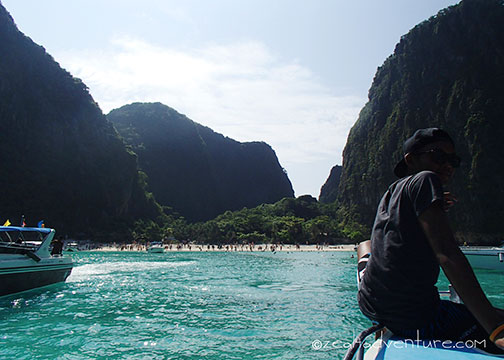
Praised as one of the most beautiful beaches in Southeast Asia, thanks to the film “The Beach”.

white-sand-beach

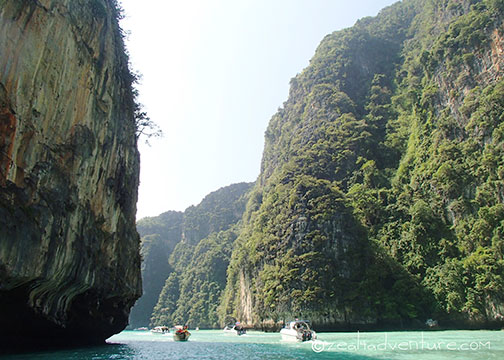
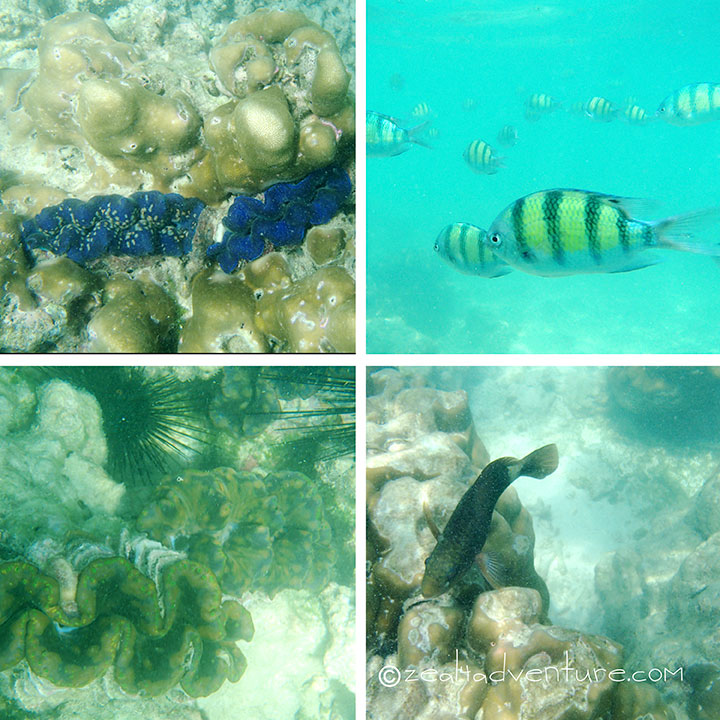
A 45-minute bumpy (because we decided to sit in front) speed boat ride from Phuket, the Phi Phi archipelago comprises 6 islands boasting of white sand beaches, stunning limestone cliff and turquoise water, many parts ideal for snorkelling.

snorkling

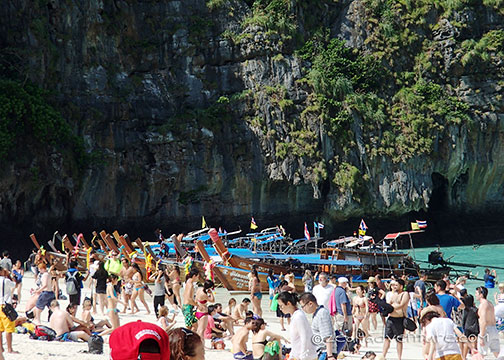
tourists

Popular with backpackers even before the movie, but the world seemed to have flocked here after the film was shot in 1999. In spite the crowd, the limestone outcrops that swept the archipelago still impressed.

phi-phi-2

Baixa: An Architectural Delight

I walked around the part of Baixa closest to our hostel, bewitched. Lisbon, you are a surprise.

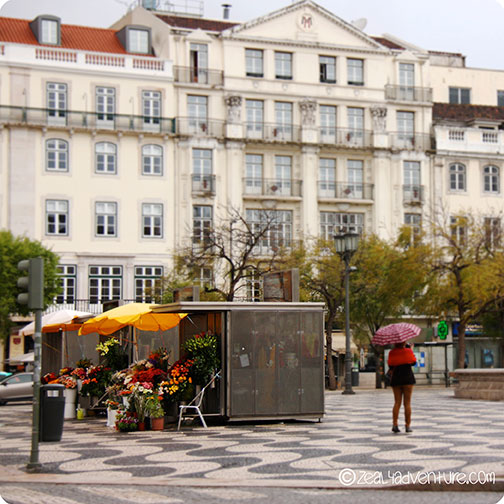
flower-stand-by-figueira-square

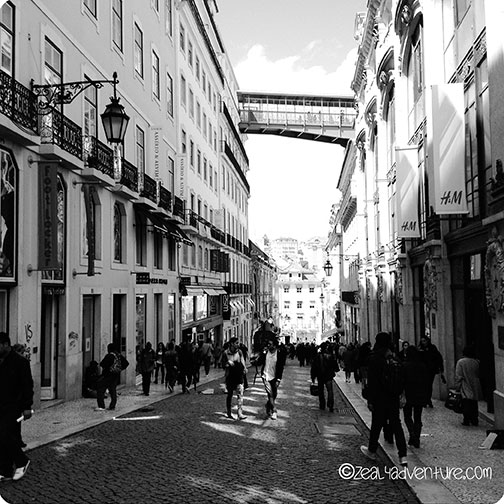
Elegant squares, streets filled with cafes and shops, old tramcars, street performers, Neo-classic and Art deco buildings, street vendors selling everything… All this adds to the charm of downtown Lisbon.

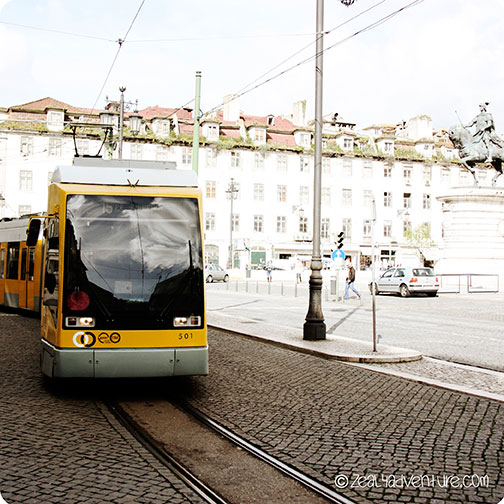
tram-in-figueira-square

Baixa borders the river in the bottom of the valley and nestled among the hills of Alfama, Chiado, and Bairro Alto. It’s grid like area stands in contrast to the winding and complicated alleyways of neighboring Alfama.   A central location extending to the Tagus River and Avenida da Liberdade (the Liberty Avenue) and is considered the most elegant of all districts in Lisbon.

Rossio-Square

Rossio. Where the main central square is found. Officially named Praca Don Pedro IV, the square is also called Rossio Square because it revolves around Rossio. It is the heart of the city and surrounding it is nothing but a bundle of architectural delights and here’s sharing with you a bit of Baixa.

Figueira Square (Square of the Fig Tree)

figueira-square-transport-hub

Neighboring the imposing Rossio Square is one of the city’s important transport hub. The metro, the buses, and the charming trams stop here and many shops, cafes, and guesthouses surround the square because of it.

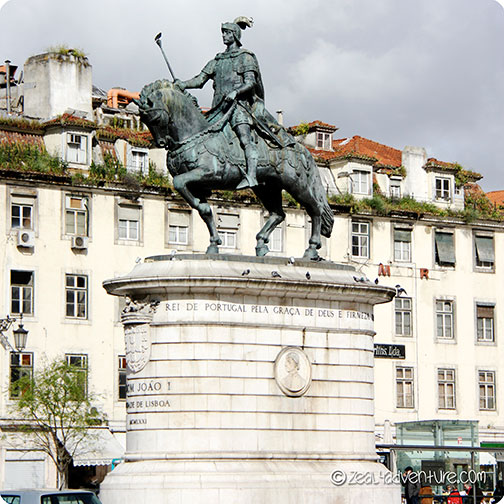
figueira-square

The bronze equestrian statue of King João I stand on a pedestal in the middle of the plaza, the beautifully designed grounds covered with pigeons.

Teatro Nacional Doña Maria II

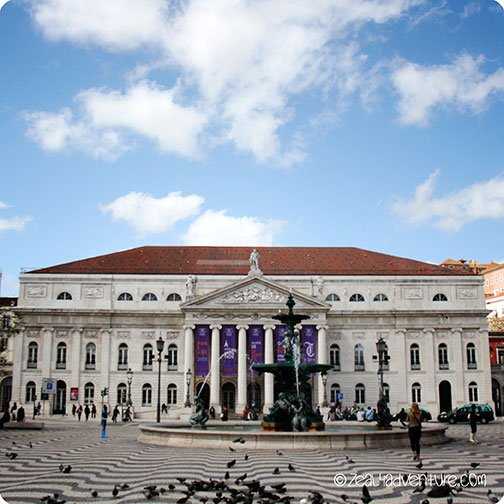
teatro-nacional-rossio-square

This beautiful neo-classical building survived the earthquake but was destroyed by fire in 1964. It was rebuilt in the 70’s and with it founded Lisbon’s municipal orchestra. Named after Dom Pedro IV, the theater’s façade dominate the northern side of Rossio Square and now hosts some of the most spectacular performances of Lisbon.

Rua Das Portas de Santo Antão

rua-das-portas-de-antao

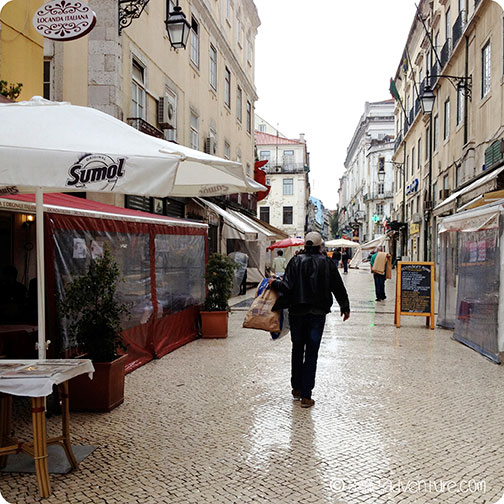
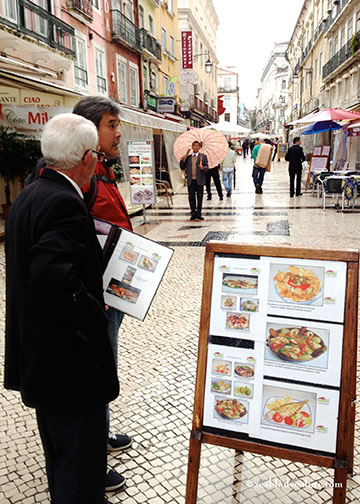
Just behind the National Theater Doña Maria II and a stone’s throw away from Pensao Residencial Portuense (our hostel) is a lively pedestrian street buzzing with outdoor cafes and restaurants.

steak-at-Locanda-Italaina

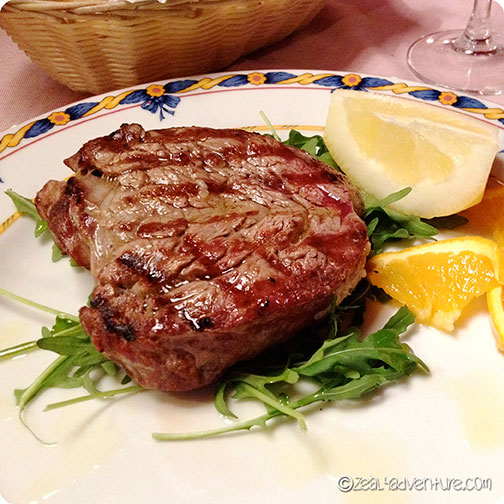
It is a mecca for seafood lovers but ironically, we found Locanda Italiana where we were served a superb steak dinner.

Elevador de Santa Justa

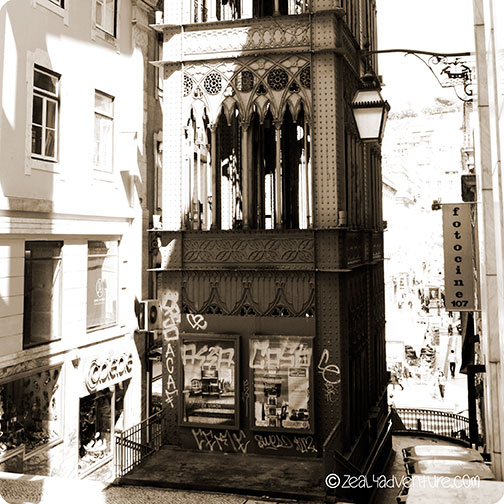
elevador-de-santa-justaThis beautifully crafted lift southeast of Rossio Square is the area’s highlight. Raoul Meisner du Ponsard, an engineer, born in Porto to French parents and a Gustave Eiffel student, built this alternative transport to climb up the many steep hills of the city.

walkway

A challenge to Lisbon citizens for centuries. And until the underground Baixa-Chiado metro station opened in 1998, the Santa Justa Elevator was the easiest way to get to the Bairro Alto and Chiado district from Baixa.

metro-station

Rossio Station

rossio-station-entrance

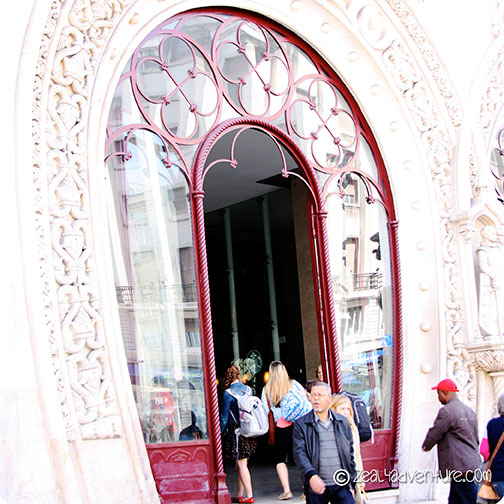
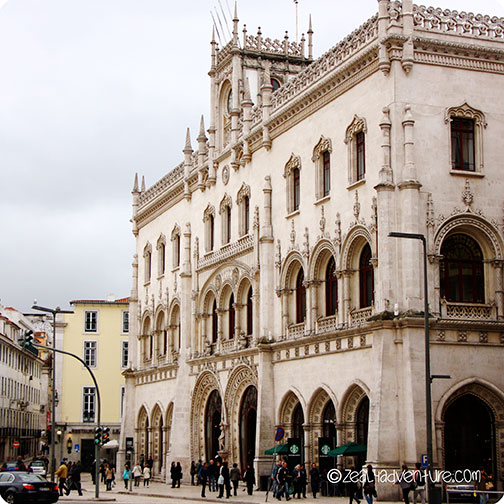
One of the most beautiful train stations I’ve ever seen. Looking more like a temple, the façade is decked with horseshoe doorways and the roof is topped with small turrets and a clock tower.

rossio-station

Influenced by the 16th century Portuguese Manueline style, the façade dominates the northeast side of the Rossio Square. Here, the trains depart for Sintra.

Restauradores Square

Restauradores-Square

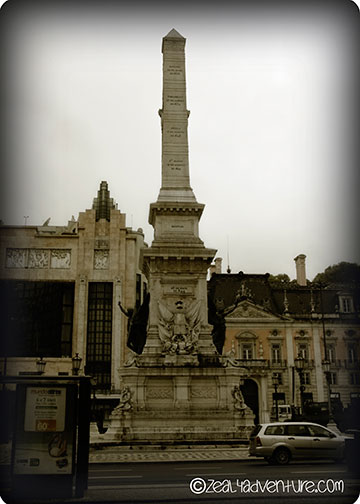
Surrounded by beautiful 19th and early 20th century buildings, an obelisk standing in the middle of the rectangular square. It has names and dates of battles fought during the Portuguese Restoration War and this entire square is dedicated to the country’s liberation from Spanish rule.

hard-rock-cafe

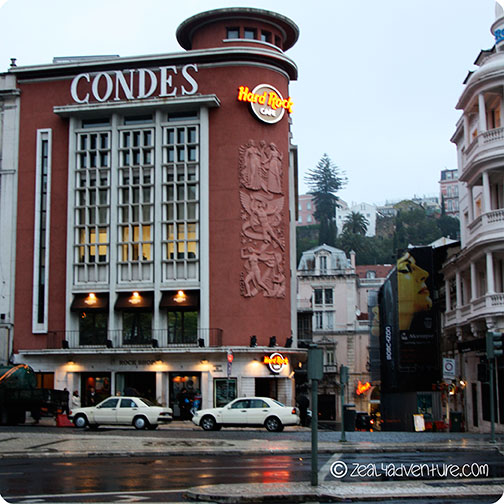
Nearby is the former Condes Cinema, a Modernist building built in the 1950s that reopened in 2003 as Hard Rock Café.

elevador-da-gloria

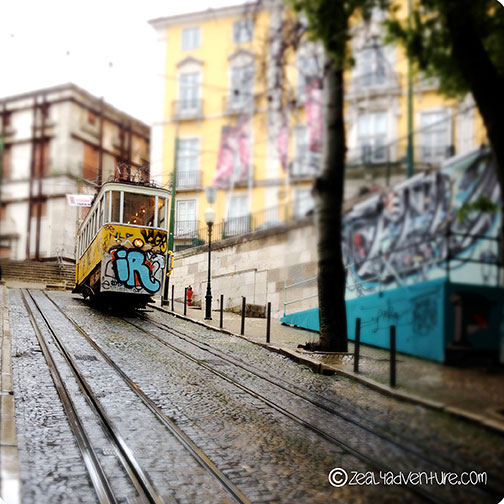
The square is also a few steps away from the Elevador da Gloria, a funicular linking downtown with the Bairro Alto district.

And this is just downtown Lisbon.

Good Eats: Portugal

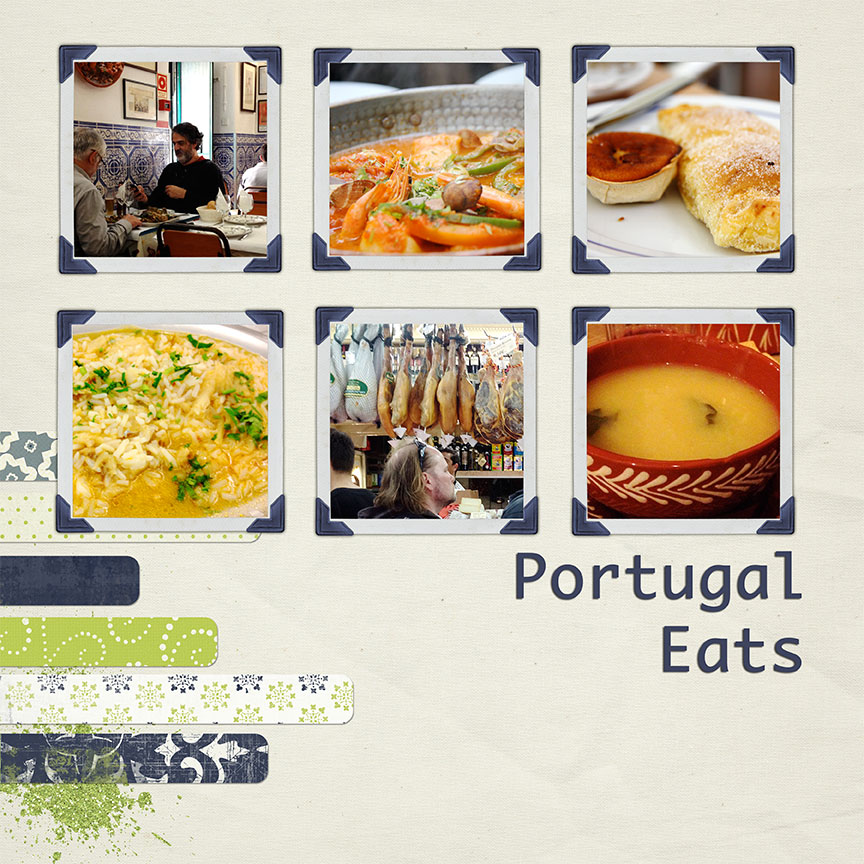
Portugal-EatsCredits: Quickpage from 4EVER kit by Sarah H.

Not as famous a cuisine in my part of the world, my first encounter with Portuguese cuisine was in Macau. Technically, what I had was Macanese food—more like a mix of Portuguese and Chinese with influences from cuisines of other Portuguese speaking nations but this sparked an interest in Portugal (and of course its cuisine).

So we made our way there last year. Little did we know that this land offers more than just an awesome cuisine but boasts of picturesque landscapes, colorful cityscapes as well as a rich history.
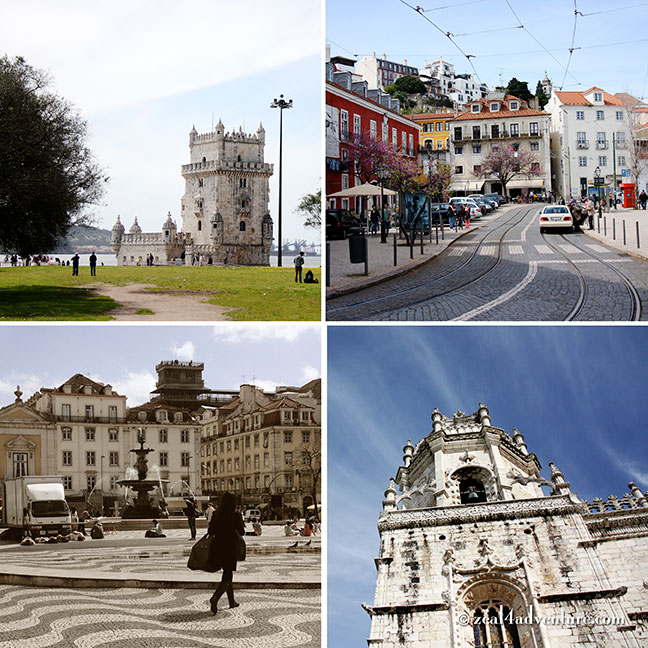
Lisbon

The primary goal, however, is to delve deeper into its cuisine. And as soon as we arrived in Lisbon, we immediately solicited advice on where to find authentic Portuguese restaurants around the city.

touristy-restos

And thanks to Hossein, we found our way to some unforgettable good eats even though eateries catering more to the tourist crowd dominated the area near his hostel.

Portugal’s colonial possessions influenced the use of spices and ingredients that are today widely used in their cuisines such as chilies from Angola called piri-piri, black pepper, as well as cinnamon, vanilla and saffron. The result is rustic and robust, often described as peasant food. Portuguese restaurants run a broad spectrum from rustic eateries to fancy hotspots.

Lisbon has left an indelible impression on me and a lot of it had to do with the food.  Here’s why I know I’ll be back.

Chicken Piri Piri at Bonjardim

Chicken-Piri-Piri

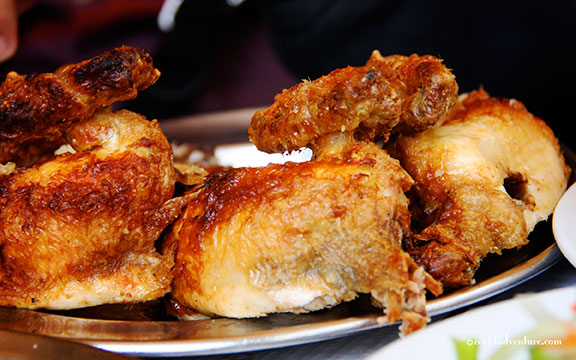
Chicken Piri Piri. One of Portuguese’s simple pleasures. This chicken is roast to perfection with a blend of potent small chili peppers. Top on our list, the first thing we did was head to this unpretentious eatery where locals go for the charred and plump piri-piri spiced roast chicken.
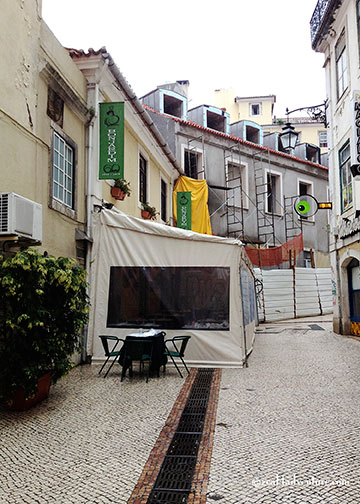
Bonjardim

Just within walking distance from the hostel, in a side street east of Praca Restauradores is Bonjardim Cervejaria.

On a rainy day, it was comforting to be enjoying chicken cooked to perfection – moist in the inside, skin crispy and gently spiced.

Piri-Piri

For added heat, a piri-piri sauce comes on the side and should be taken with caution. Hossein’s first recommendation, I give it a two-thumbs up.

Maritime Bounty

Being a seafaring nation with a well-established fishing industry, fish and seafood dominate the menu. Often relying on a traditional repertoire of grilled fish, meat, hearty stews and the ubiquitous salted cod, the cuisine is best when simply prepared.

The Ubiquitous Bacalhau

Codfish is a staple and is almost always used dried and salted because this is how this fish was preserved pre-freezer days. Today, they say that there are 365 different ways to cook bacalhau—one for every day of the year. The strong flavor of this salty fish represents the real taste of Portuguese food.
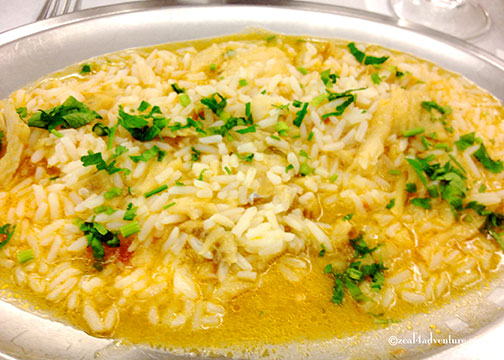
bacalhau-riceBacalhau Rice

Sardinhas

sardinhas-de-escabeche

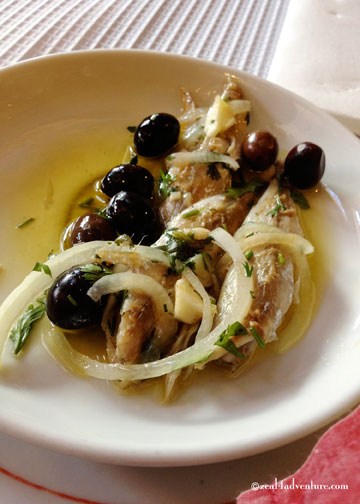
Another popular sardine dish— Sardinhas de Escabeche, fried sardines marinated in olive oil, vinegar, onions and bay leaves.

Next to adorn the tables of rich and poor are the Portuguese sardines. The country’s 6-8 inch long “slave of the sea” is found off the Atlantic coast of Iberia and France.   They are known to have layers of fat content that melts when cooked (usually grilled), giving it a unique flavor.

Caldeirada

This very Algarvean dish is a stew consisting of a variety of fish and shellfish with potatoes, tomatoes and onions and usually served at the table from a large pot, usually from where it was cooked in.
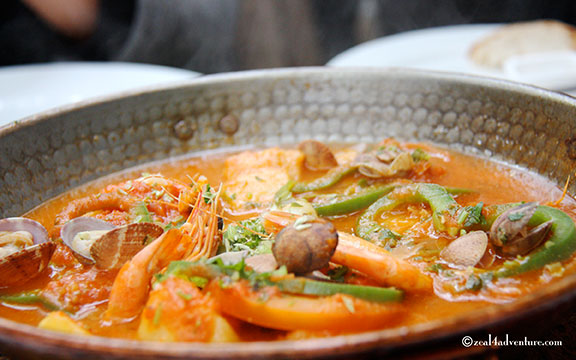
caldeirada

It is a Portuguese bouillabaisse that calls for a generous splash of white wine and lots of herbs, resulting to a hearty one pot dish often served with crusty bread to soak up the delicious soup.

Porco

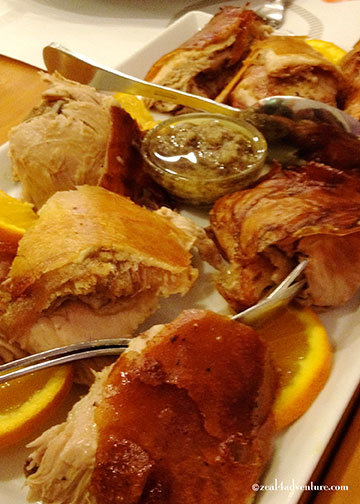
From fried pork cubes to the national favorite—roast suckling pig. Portuguese love their pork.

Leitão
leitao

Or suckling Pig is served throughout Portugal. Rubbed with garlic, pork fat, rock salt and pepper, then traditionally roasted in a spit. The result is usually crisp skin and succulent meat.

Bifana
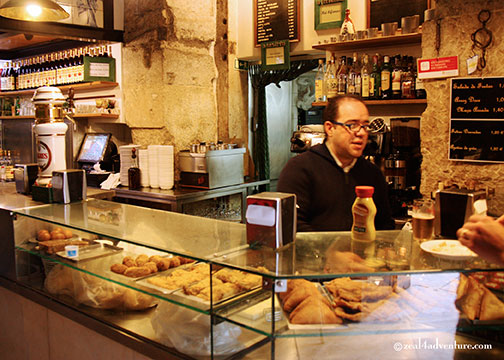
TendhinaTendhina, a hole in the wall in Rossio serving lovely sandwiches.

It’s a simple pork sandwich, really. A humble combination of grilled pork sandwiched on a hard roll that pairs perfectly with a few squirts of tart honey mustard.
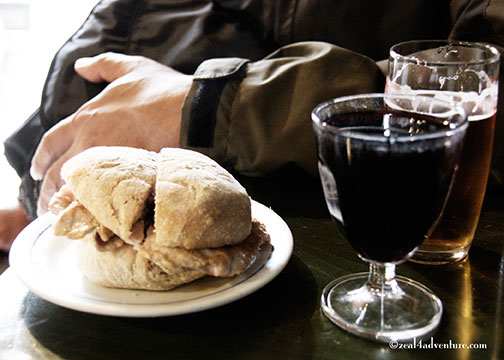
Bifina-sandwichMay not look very appetising but this sandwich is heavenly.

A deliciously simple meal to grab when busy or while exploring the town.

Caldo Verde
Caldo-Verde

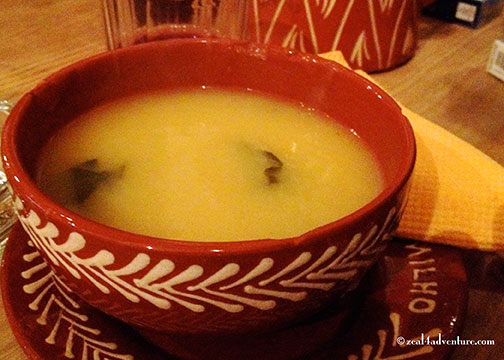
A hearty soup more common in the north but is found in menus all over Portugal. Made from a thick creamy base of onions and potatoes with very finely shredded collard green (sometimes substituted with kale) and chouriço (Portuguese sausages).

Feijoada

Our kind of dish—hearty and full of flavor.

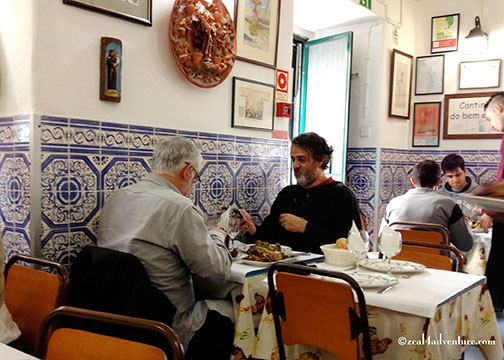
Hossein pointed us to an address in Rua do Norte. No name, just a number and a street name. Small restaurant with a few tables, the signage inconspicuously positioned somewhere on a window revealed the restaurant’s name—Cantinho do Bem Estar. It was still closed. Someone from inside came out to tell us to come back at 1 (pm). So we walked around, had a few beers and by the time we returned (at precisely 1pm), there was a table already occupied.
IMG_1866

And no sooner than we are settled, it was full. And by the time we were done, there was a line.

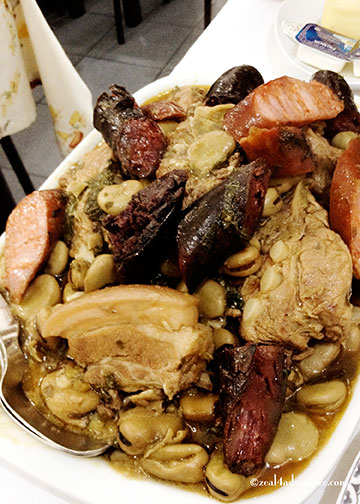
Because it came highly recommended by the server and almost everyone had this dish on the table, we went for Feijoada.
feijoada

A dish consisting of beans and pork braised in a sauce of tomatoes, carrots, and cabbage to which traditional sausages (we had a mix of blood sausages and chorizo) and bacon are also added. Definitely a great meal to have on a rainy day.

Cantinho do Bem Estar. Thank you, Hossein, for this marvelous find.

Doces

I’ve always looked forward to Macanese / Portuguese desserts when in Macau, not only because I love sweets but also because they were all divinely addicting. Portuguese love their dessert that’s why.
portuguese-sweets

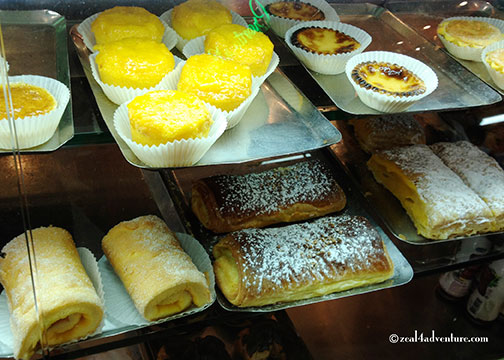
Convent made cakes and desserts introduced in the 15th century brought forth this fascination for sweets. There is an abundant list of Portuguese desserts from cakes, pastries and tarts to mousses and puddings. And of course, I can’t end this post without mentioning some of my favorites

Pasteis de Belem

As it is in Spain, eggs especially the yolks were in abundance (Portugal being Europe’s largest egg producer).
pasteis-de-nata

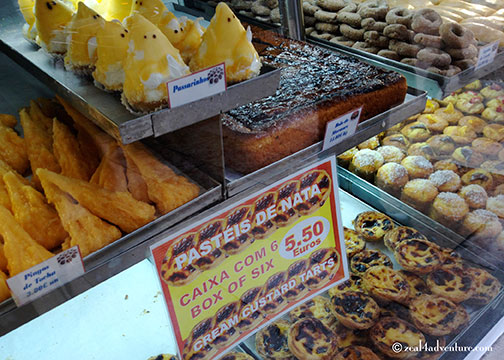
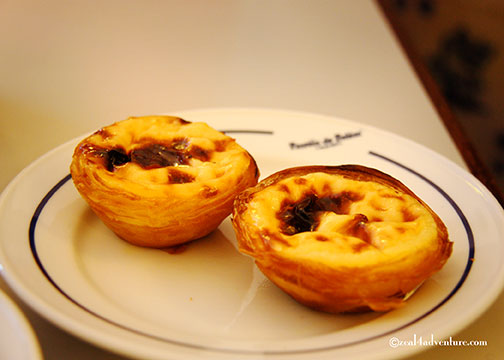
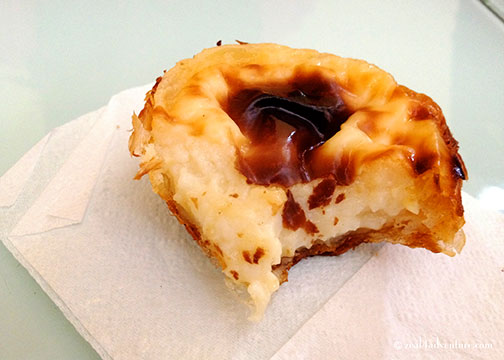
Pasteis de Nata became Portugal’s favorite sweet treat. So good that it has made its mark in other countries, Macau being one of them. These are small open pastries with a sweet custard filling and a caramelized sugar topping.
pasteis-de-belem-2

Available in every coffee shop in the land but the best can only be found in the Belem area of Lisbon called Pasteis de Belem. A carefully guarded recipe since it was introduced in 1837. The lines are long and I hate lines.
pasteis-de-belem

But when you bite into the flaky pastry shell, and tasted the sweet, creamy filling dusted with sugar and cinnamon, you know that however long the wait, it will be worth it. Believe. You. Me.

Sintra’s Travesseiros and Queijadas

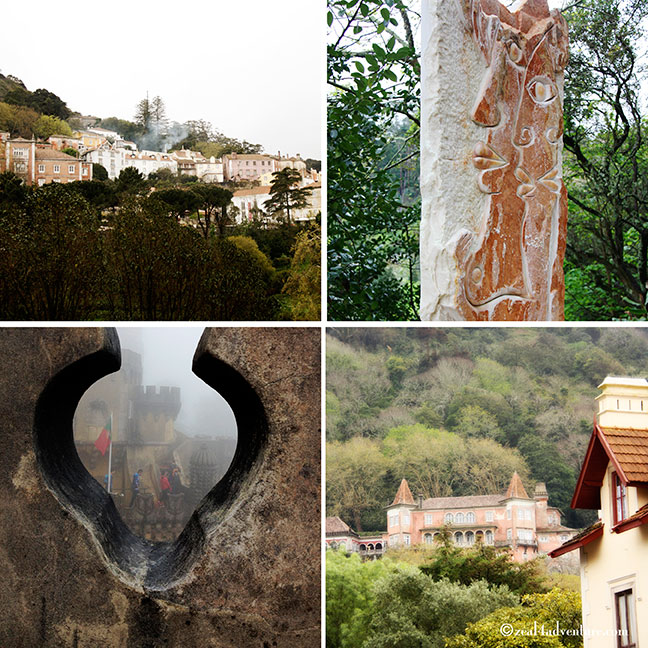
After touring around this magical UNESCO World Heritage Site, our guide pointed us to A. Piriquita to cap our simple yet beautiful lunch.
sintra

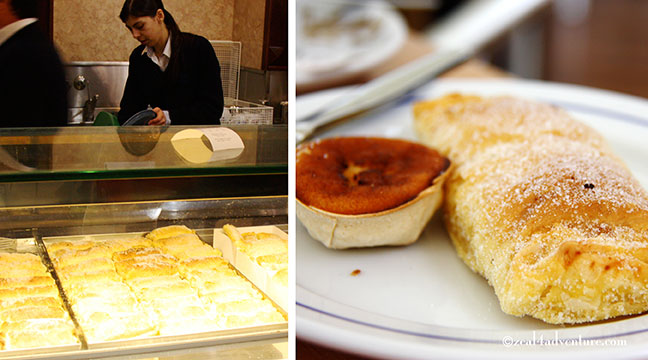
As we walked in, the smell of the buttery goodness of freshly baked goods greeted along with a display full of heavenly sweets. The café though is known for Sintra’s delicacy, the travesseiros, a puff pastry filled with custard and almond, and dusted with sugar. The looks do not prepare you to the light and flakey crust and the moist, creamy almond filling that oozes out when bitten.
Piriquita

Along with this, the jewel of the crown is the famous cupcakes / cheesecake called queijadas. It is essentially a small round custardy tart wrapped in pastry, unlike the cupcake / cheesecake we are familiar with.  It is made with simple ingredients of cow’s cheese, sugar, flour, eggs and cinnamon. With a pronounced cinnamon flavor, these simple ingredients gave rise to an exquisite dessert not quite a cupcake or a cheesecake.

Impressive recommendations, which suffice to say, left me longing to go back.

Useful Info: 

Bonjardim
Travessa de S. Antão 11
+351 213 427 424
 
A Tendinha do Rossio
Praca Don Pedro IV, 6
Rossio, Lisbon
+351 212 468 156
 
Cantinho do Bem Estar
Rua do Norte, 46
Bairro Alto, Lisbon
+351 213 464 265
 
Pasteis de Belem
Rua de Belem, 84-92
1300-085 Lisbon
+351 213 637 423
 
A Piriquita
Rua Padarias 1/7
Sintra
+351 219 230 026
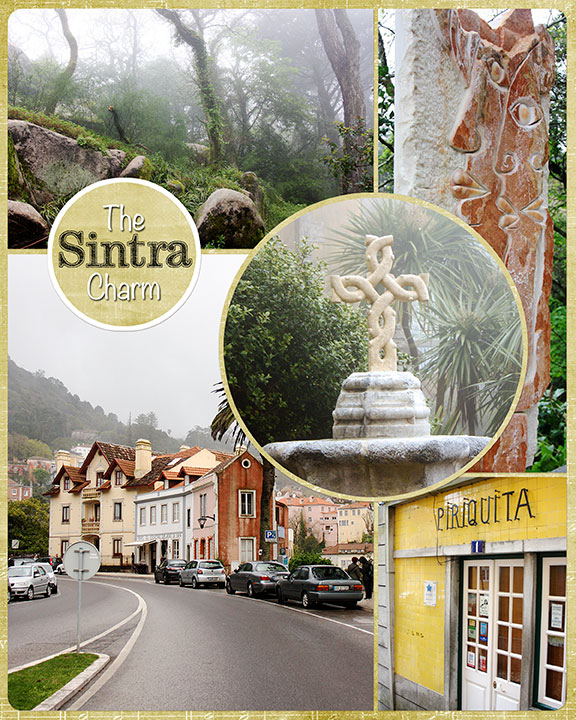
Passing Through Faro

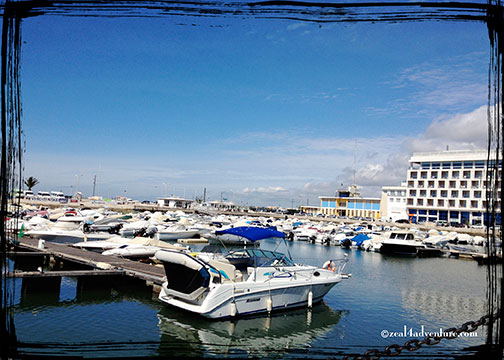
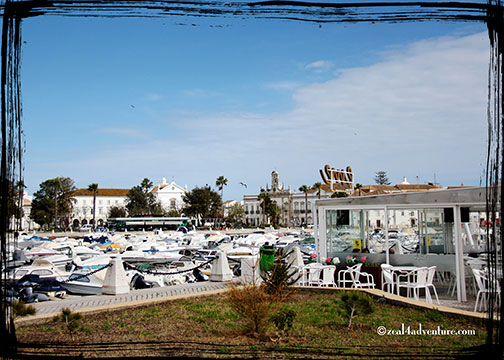
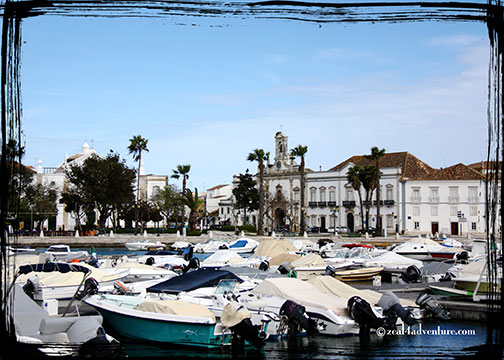
marina-4

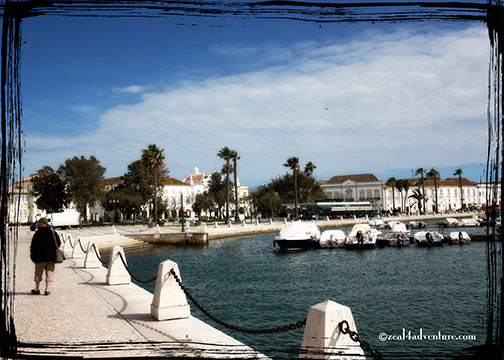
It was a beautiful, balmy day. Blue skies, gorgeous clouds, splendid sunshine.

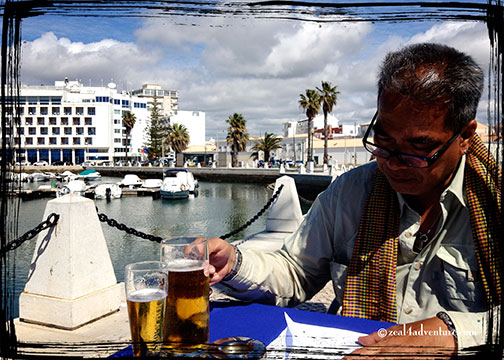
planning-the-route

We sat outdoors, right beside the marina. We ordered our beer and then planned our day. First agenda was deciding on lunch.

Not particularly known as a tourist destination with little to boast in terms of tourist attractions.

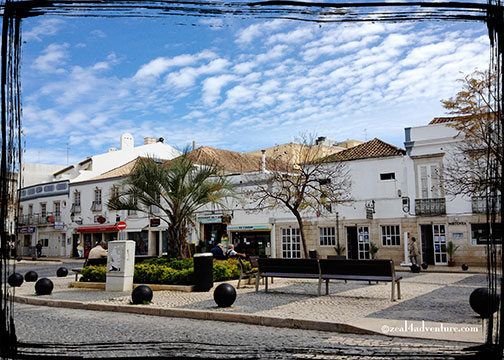
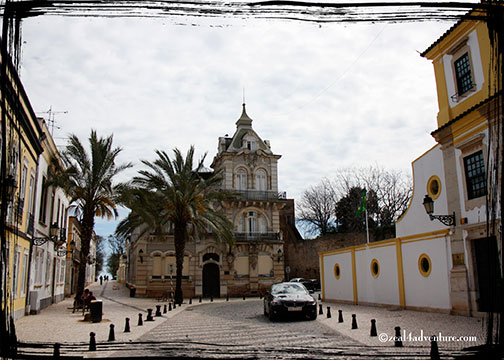
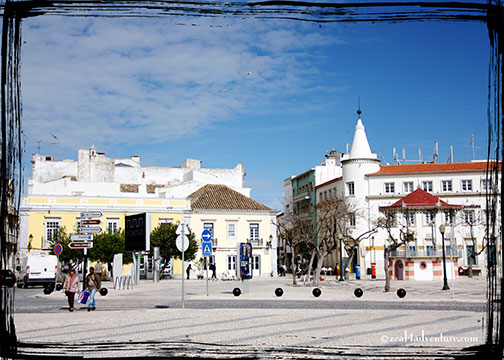
quiet-plaza

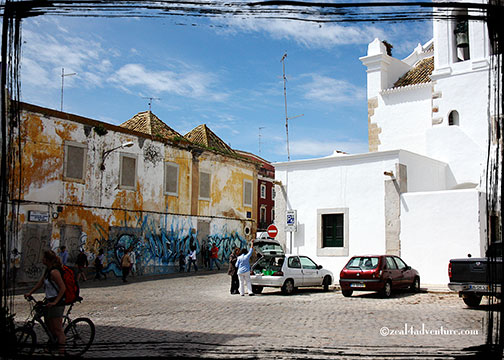
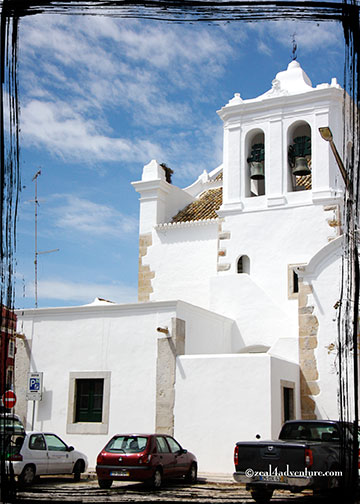
The gateway to Portugal from Southern Spain is a quiet town in the Algarve region.  Quiet relative to all the places we’ve visited on this trip.  Tourists more like pass through Faro on their way to a beach resort or a fairway nearby. But I love it for the quietness.

graffiti

If you look beyond the graffiti walls, Faro is charming. Small enough to cover by foot and without an agenda, we went with the flow, stopping for beer or sweets when tired or just felt like it.

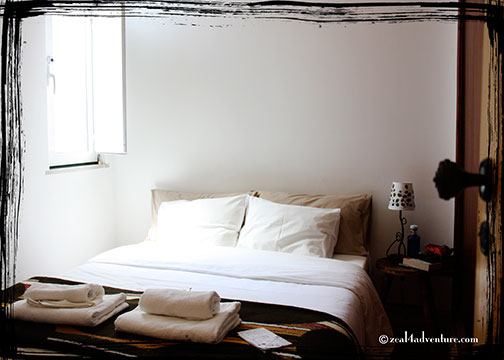
The journey by bus from Seville took about 2 hours.  We arrived mid-morning and it took about 10 minutes from the bus station to our cozy B&B, comfortable enough for one night (read: tiny room).

azothea

“What can we do for the day?” we asked the young lady in charge. “Here?” she thought for a second. “Nothing much” she replied. We could go to Lagos for the day if we wish. Her advice.

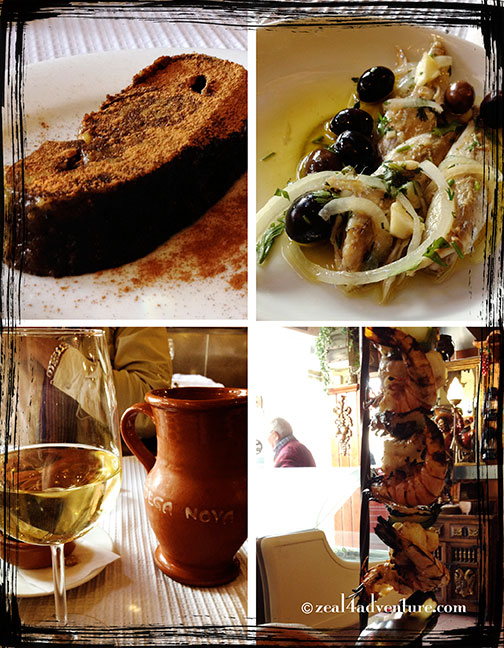
We didn’t.  Into our third week of traveling, we felt like doing nothing.  We needed to recharge so we stayed put.  Never mind that we didn’t get see the fort up in Lagos.  So after a few beers at the marina, we followed the map to Adega Nova along Rua Francisco Barreto.

Adega-Nova

Beautiful lunch and a superb dessert—a place I highly recommend when in the area.

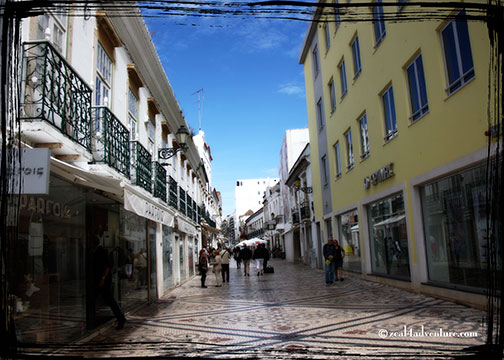
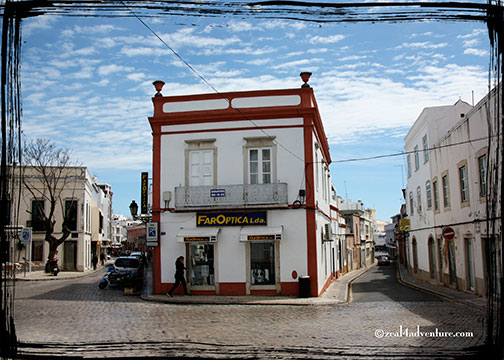
Then we walked towards Cidade Velha (the old town) through shops and cafes along the city’s pedestrianised shopping center.

pedestrian-shopping-street

We entered the old town through Vila Adentro and was magically transported to another world.

old-town

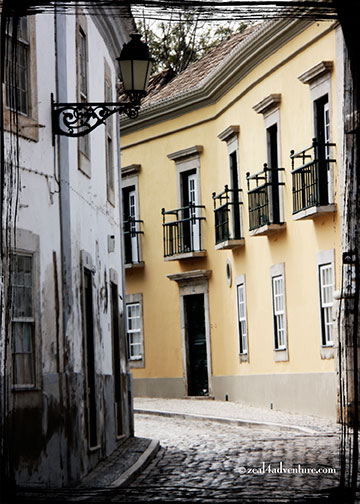
Streets cobbled and lined with whitewashed houses maintaining the Portuguese character,

cobbled-street

a large section of this old walled city is still surrounded by walls built by the Muslim conquerors.

wall

This medieval walled city survived two earthquakes, they say.

Palacio-BelmarcoThe Palacio Belmarco

The hodgepodge of Baroque, Gothic, and Moorish architecture provides a fascinating insight into its past.

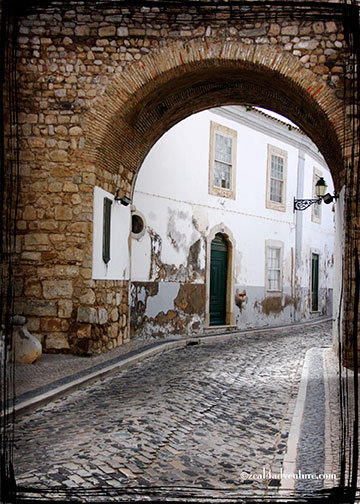
Linked by medieval gates or arches, the Arco do Repouso is the most impressive section of the walled city,

arco-do-repouso

 and the Arco do Porta Nova or the Portes do Mar (doors of the sea) near the water, is usually where many would end their walk, us included.

jardim-manuel-bivar

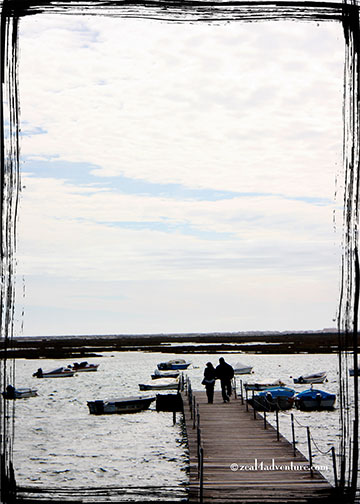
Walking at the water’s edge heading back to Jardim Manuel Bivar near the marina, many offered us a trip to Ria Formosa Natural Park, a marshland supposedly teeming with birdlife.

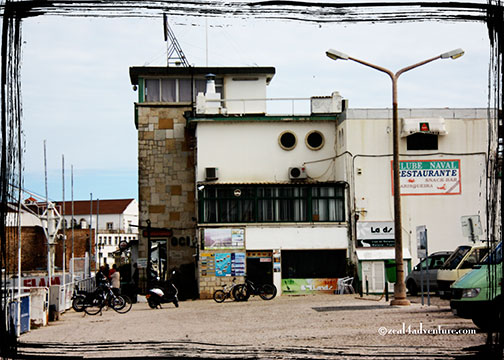
We declined. Instead, we headed to Clube Naval.

clube-naval

We read that this harbor-side bar offers good views of the park and the city from the top floor,

beer and ice cream

but they were closed for the day so we settled for a cafe nearby, spending the rest of the day admiring the harbor and the city until we were ready for dinner.

boardwalkWhere one take the trip to Ria Formosa.

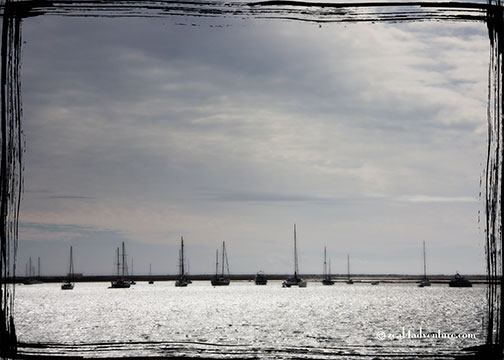
harbour marina-2 marina-3

Contrary to the lady’s (from the B&B) enlightenment or lack thereof, Faro is a delightful destination in its own right.  The charming old town had impressed and makes for a wonderful, unforgettable break.  I wonder why she thought otherwise? Perhaps we need to start seeing beyond our ordinary. I too am guilty of that in many ways.  We tend to take for granted the (what we think are) ordinary things.

Here are more photos of our wonderfully surprising day well-spent.

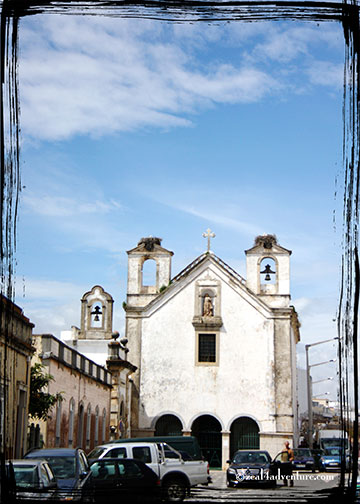
Capuchin-conventCapuchin Convent close to the guesthouse

charming-city   estatua-d-afonso-III

At the Largo do Don Afonso III, named after the 13th century king whose statue dominates the square.
governo-civilGoverno Civil
igreja-de-sao-pedroIgreja de Sao Pedro

museu-municipal

The Municipal Museum, Faro’s cultural highlight, is in a former convent built around a Renaissance cloister containing exhibits related to the city’s Roman and Islāmic heritage.

Useful Info:

Adega Nova
Rua Francisco Barreto
+351 289 813 433
www.restauranteadeganova.com
 
Azothea
Rua Baptista Lopes, 40
+351 289 802 536
www.facebook.com/Azotheabnb

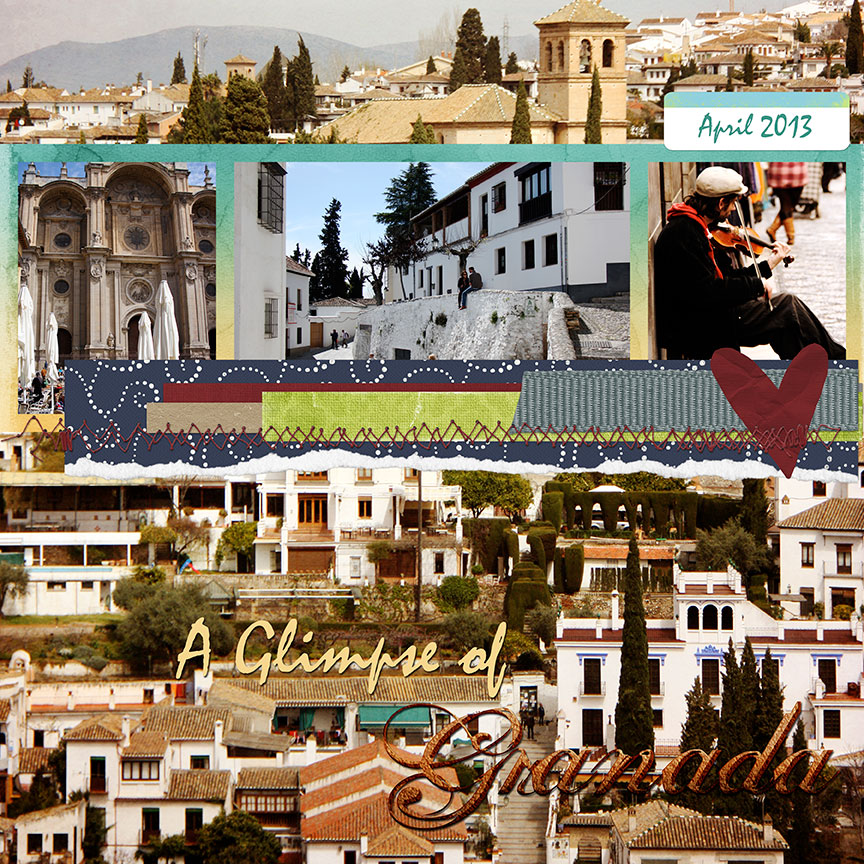
A Glimpse of Granada

Glimpse-of-GranadaCredits: Papers by Scrapmuss Design; label and border element by Splendid Fiins; Suede Alpha by MissBhaving

Outside of (the little I know of) the Alhambra, I know close to nothing about Granada. After all, I didn’t plan to venture out this far from Seville. So expectation was kept to a minimum.

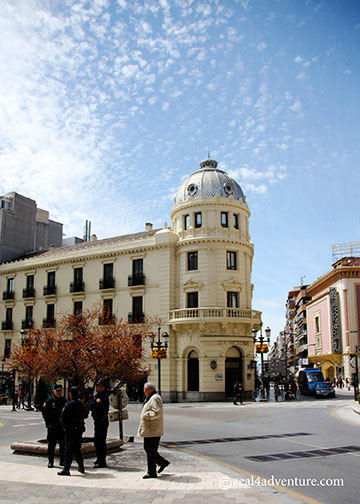
calle-puerta-realThe NH Hotel at Puerta Real, the crossroad of the city’s shopping zone.

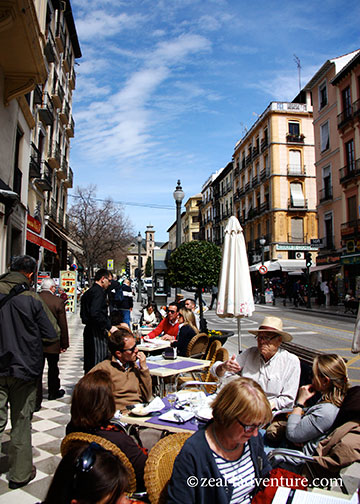
Crossing Calle Puerto Real on our way to lunch, the beautiful bourgeois architecture instantly left an impression.

desolate

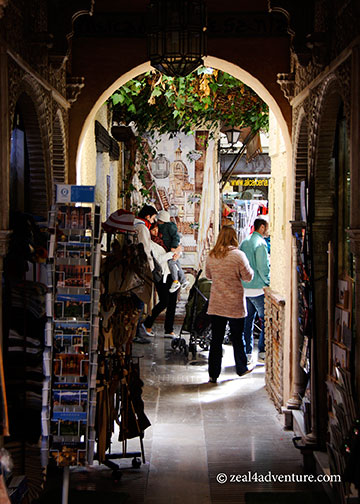
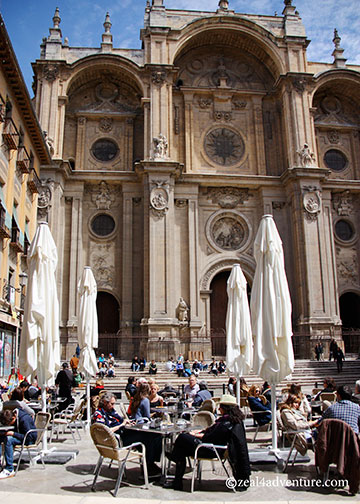
Although we passed some streets that seemed desolate, we soon found ourselves in the heart of the city where the Cathedral and the Alcaiceria, the Moorish Silk market of way back, impressed once more.

cathedral

Lunch, arranged by the Noval brothers (our guide and driver), was at the Restaurante Sevilla—a stone throw away from the Cathedral, at the fringe of the Alcaiceria.

restaurante-sevilla

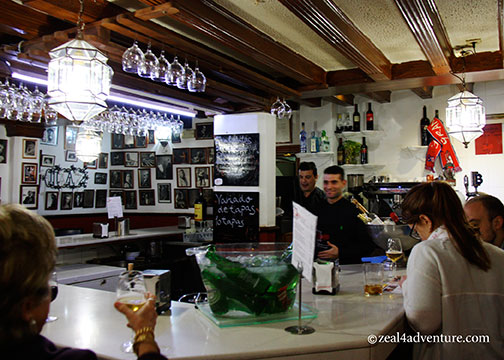
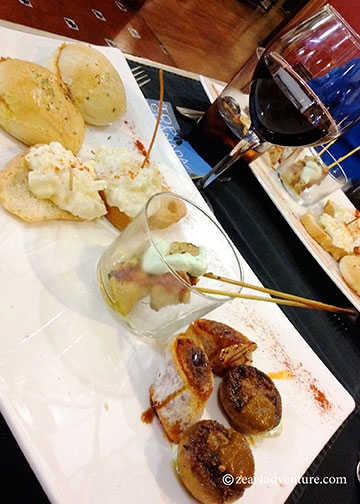
In a small, old style Spanish bar, we were served yet another excellent meal of tapas.

tapas

Quite in keeping with the cuisine’s good repute. Andalusian cuisine has yet to disappoint.

The best way to experience the city’s old yet vibrant center is to walk it.

Alcaiceria

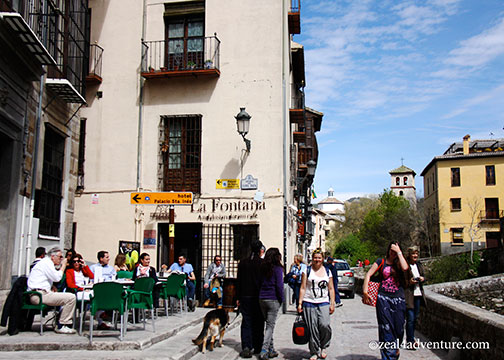
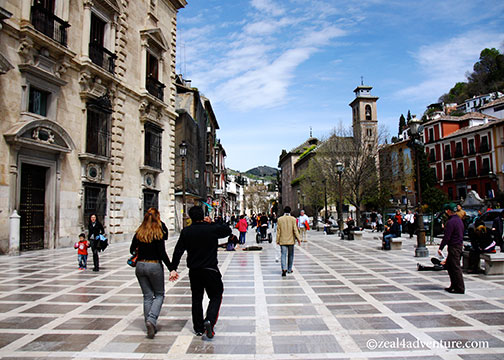
So after that fulfilling lunch, we inched our way out of the Alcaiceria to the busy Plaza Nueva, which despite the name, is the oldest square.

busy-plaza-nueva

Lively cafes and bars, along with Moorish and Renaissance monuments and landmarks scatter around here.

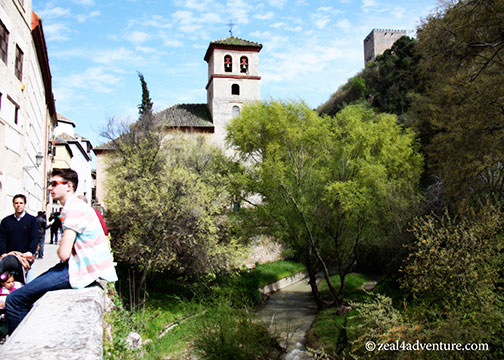
A short distance on the east, right where the Carrera de Darro begins, the Rio Darro emerges from underground.

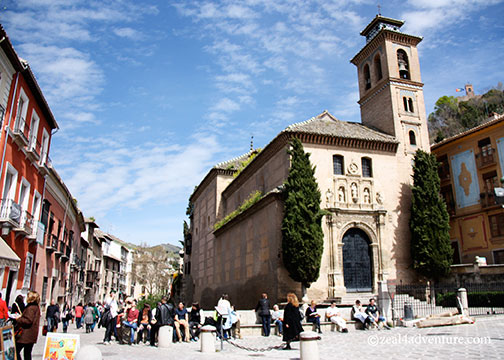
Iglesia-de-San-Gil-y-Santa-Ana

Here too lies one of the best remaining churches of Mudejar architecture, the 16th century Iglesia de San Gil y Santa Ana.

cafes-along-carrera-del-darro

It was strolling along the Carrera de Darro that Granada called to me. “One day,” I told Anton, “we will sit and absorb the pulse of the city in one of these cafes.”

artists

To assimilate with the carefree students and free-spirited artists that fill the streets for even just a few days would be pretty cool.

Follow the river and you will come across Paseo de los Tristes.

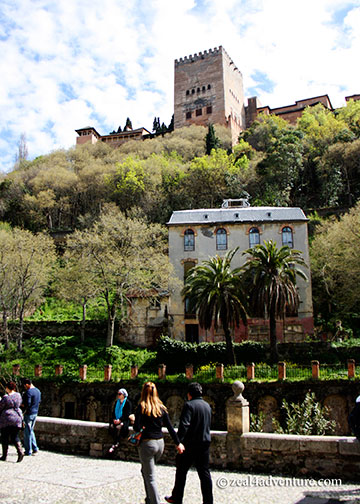
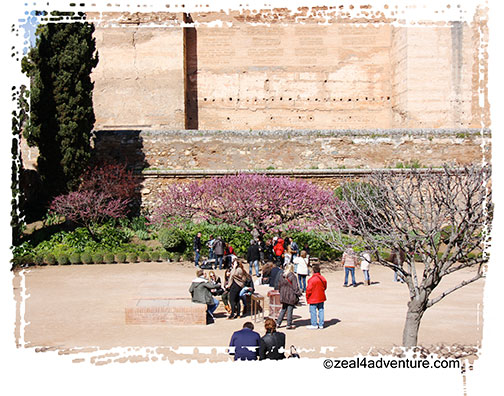
Alhambra

A picturesque street with a river running along it, the Alhambra keeping watch from atop.

Granada has an unmistakable Moorish soul, most likely because it was the last city to be reconquered by the Catholic Monarchs.

darro-river

Lying at the confluence of 4 rivers—the Beiro, Darro, Genil, and the Monachit, separated by the gorge of the Rio Darro. The city is set between 2 outlying hills, the Alhambra hill on the south and the Albaicin, on the north.

Albaicin, a UNESCO World Heritage site, is the old Moorish quarter of Granada.

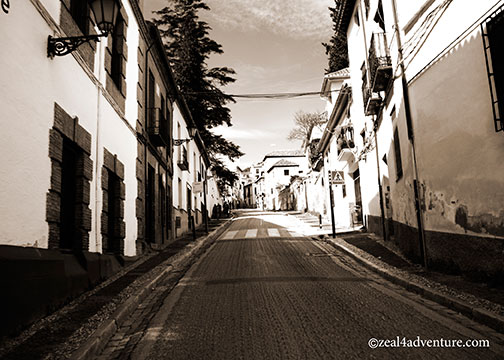
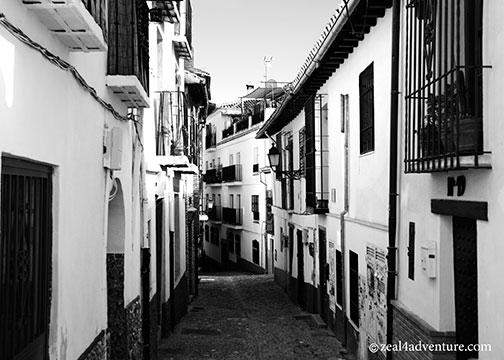
cobbled-streets

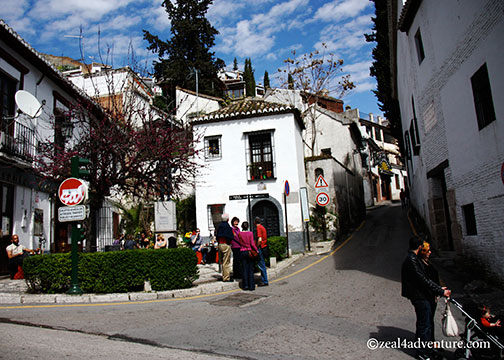
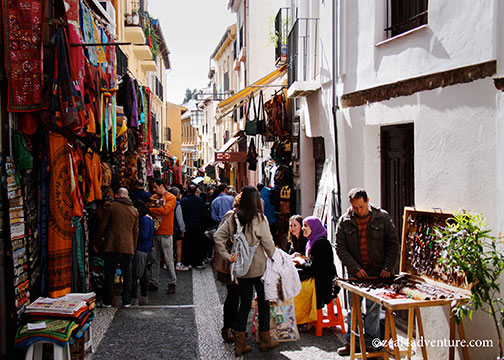
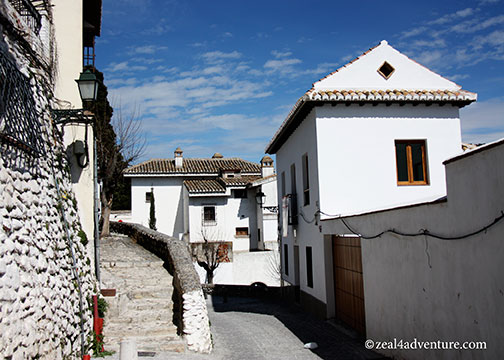
Walking through its narrow and winding cobbled streets will take you back over 1500 years. It holds a vast amount of Granada’s historic buildings and plazas.

residential-district

Although a residential district on the whole, it is host to many restaurants, bars as well as guesthouses oozing with classic Andalusian charm.

andalusian-charm

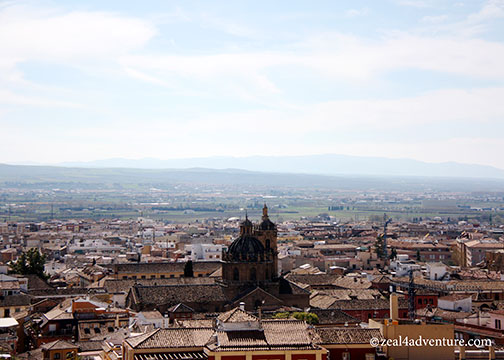
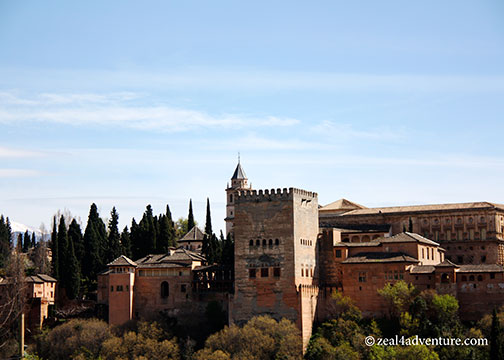
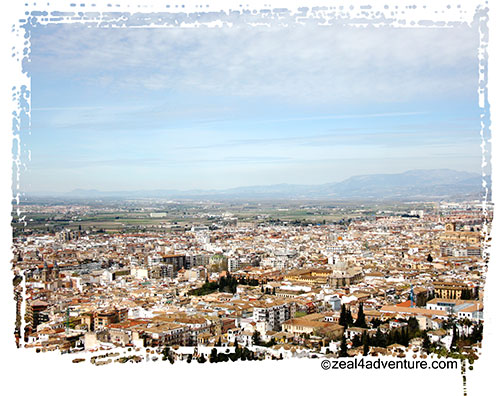
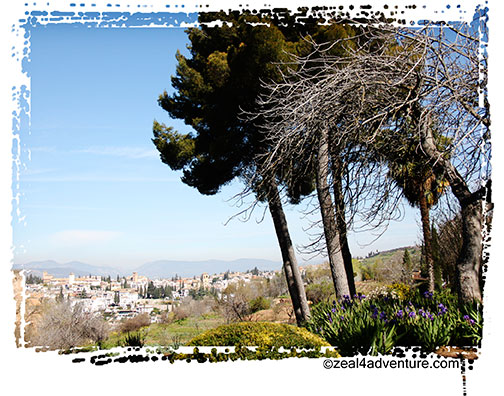
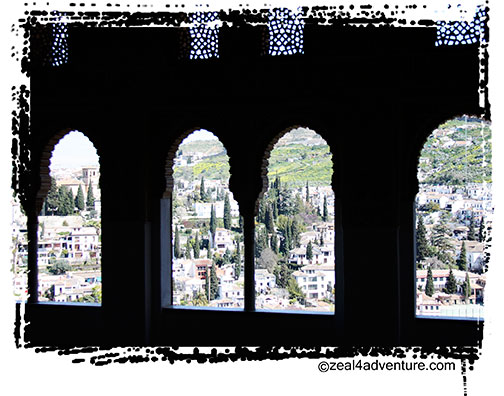
Above all, this beautiful residential neighborhood delivers some incredible view of the Alhambra and much of the city.

view-of-the-city-from-AlbaicinView of the city from Albaicin
alhambra-from-albaicinAlhambra from Albaicin

More of Granada through my lens:

albaicin-restaurantsA Plaza in Albaicin
calle-caldereria-nuevaCalle Calderreria Nueva–a narrow street close to Plaza Nueva, holding tourist shops, a few restaurant and a few merchants typical of the old Moorish quarter.  Not quite similar but oftentimes referred to the medina found in Morocco.
carmen-es-2The Carmen es—rows of beautiful houses—line the streets of Albaicin.
real-chancilleriaThe Real Chancilleria at Plaza Nueva
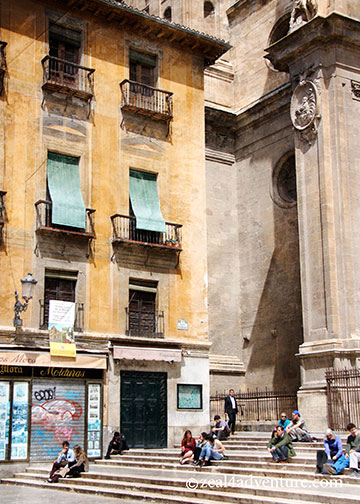
cathedral-surroundingsSteps of the Cathedral where people hang out
narrow-streetsNarrow streets of Albaicin
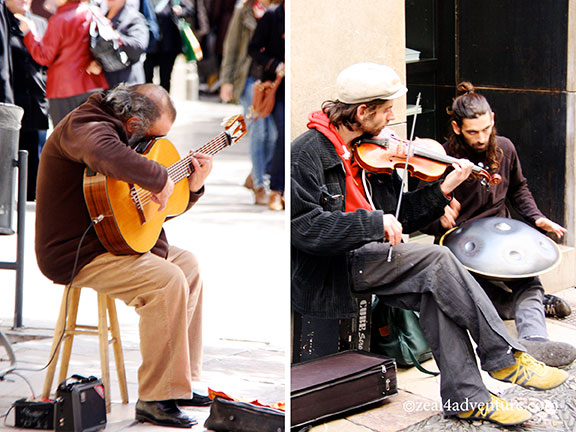
musiciansMusicians found in every corner — Alcaiceria
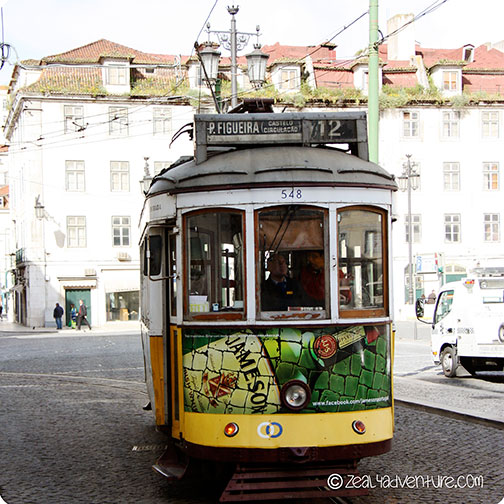
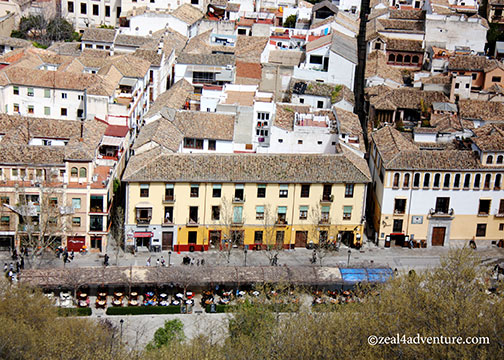
GranadaA glimpse of the city from the Alhambra

Useful Info:

Restaurante Seville
Calle Oficios, 12
+34 958 221 223

La Alhambra

We didn’t plan this, going to Granada that is. I was thinking Cordoba because it is closer to Seville. And of course, the beautiful Mezquita de Cordoba tickled my fancy. In Cadiz, however, our host was bewildered that we weren’t going to Granada and urged us to take a trip there. Curiosity got the better of us and the Mezquita will have to wait.
pic-3

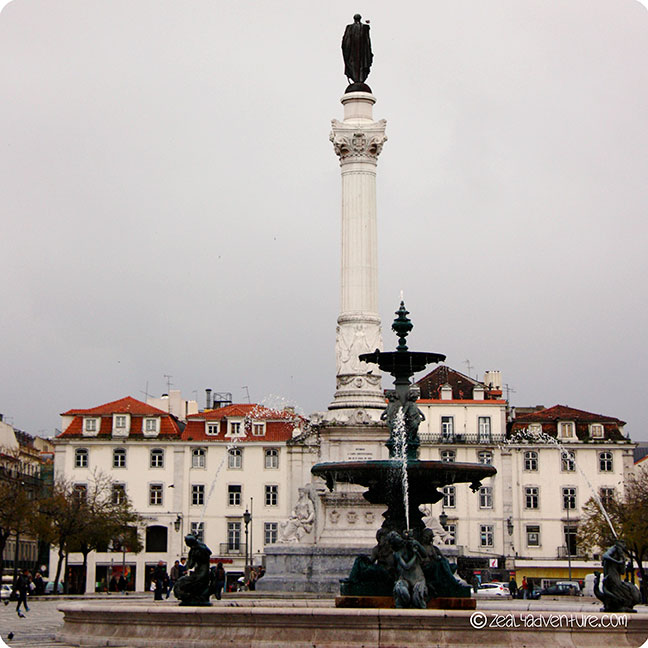
So what is there in Granada that captivated the hearts of even its own? It was the pride in their faces that convinced me to change plans. La Alhambra, the most renowned building of the Andalusian Islamic historical legacy, is in Granada, and this Moorish citadel and palace is one big reason behind the region’s appeal.

pic-1

The private tour we booked included tickets to this UNESCO World Heritage Site. They say that when in Granada, you cannot miss the grand Alhambra because it is a city, a fortress and a palace all in one site.

overlooking-the-modern-Ganada

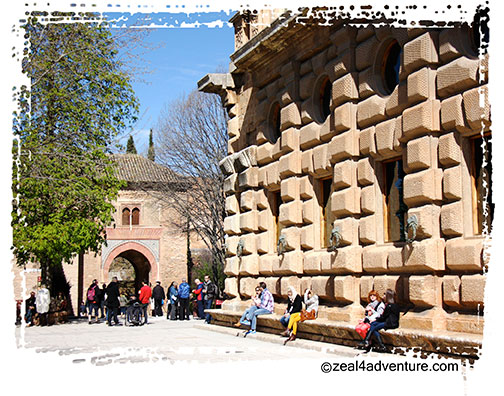
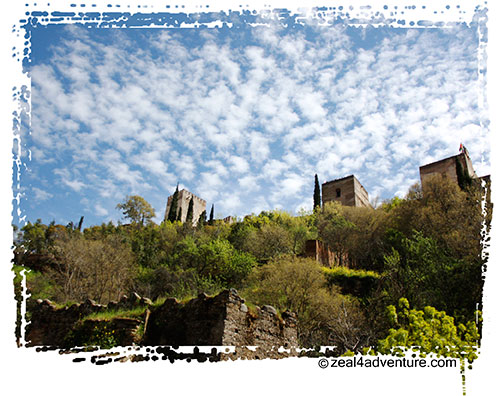
On a hill overlooking the modern lower town, the Alhambra (consisting of three parts—the Nasrid Palace, the Alcazaba and the Generalife) snake around the Sabika hill.

Alhambra

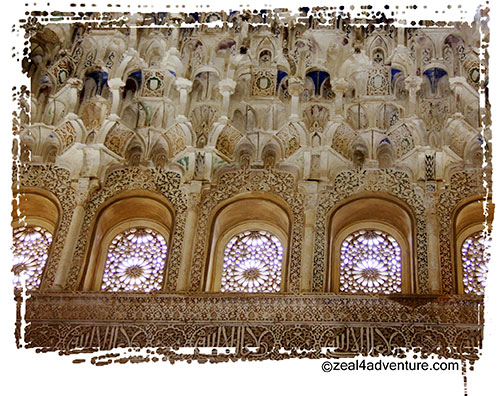
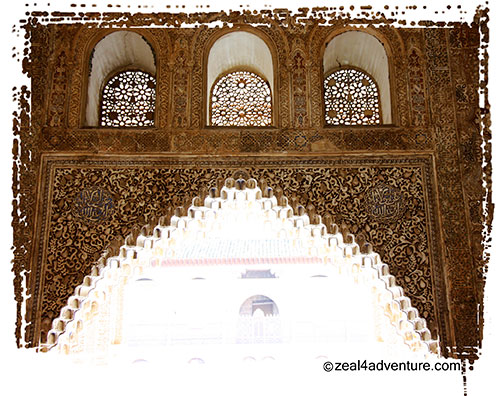
It is the pinnacle of Moorish Art that captured well the Muslim Spain. One of the great architecture sights of Europe, it is an outstanding example of royal Arab residences of the medieval period.

pic-12

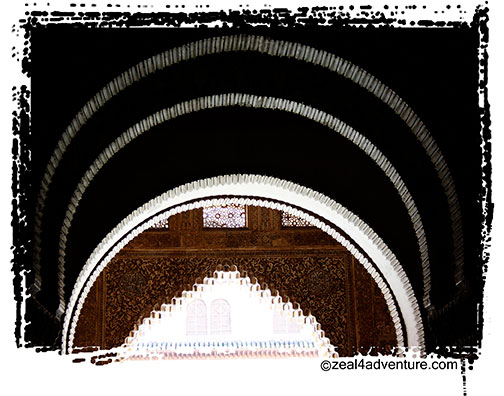
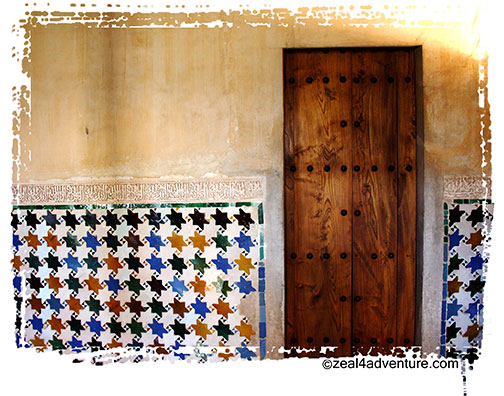
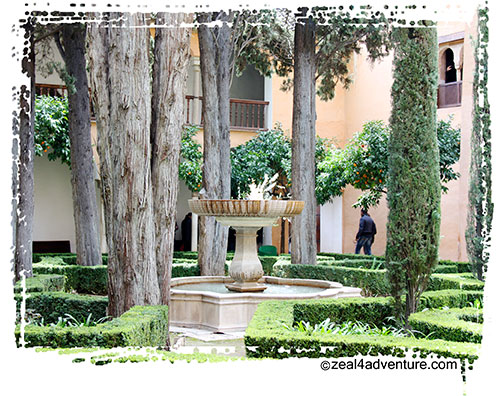
A series of courtyards surrounded by rooms present a varied repertoire of Moorish arched columns, fountains, and light reflecting water basins.

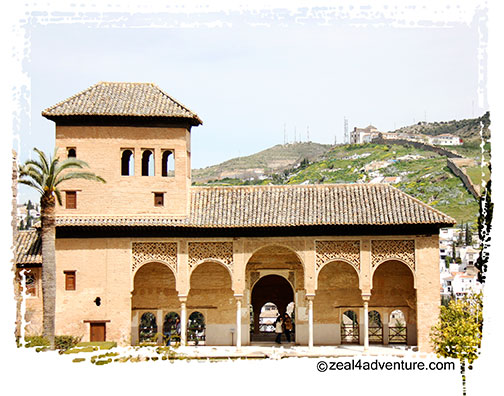
pic-16-partal-palaceThe Partal Palace

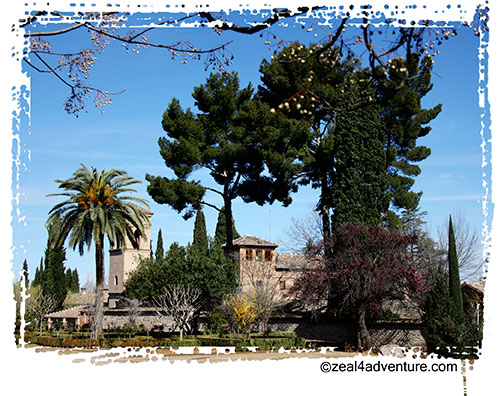
Here’s more captures… the details, the grandeur, the lushness– a great source of pride indeed.

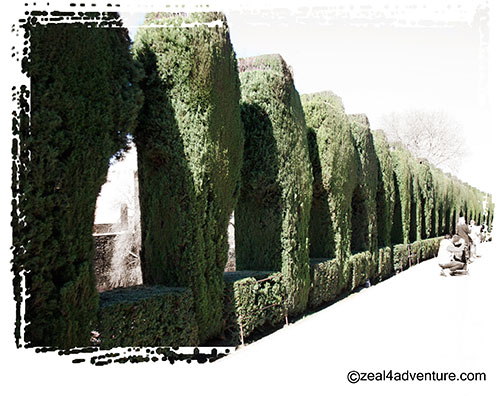
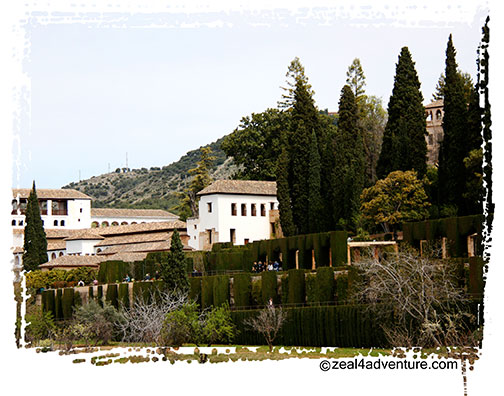
pic-2The tall hedges of the Generalife Garden.

pic-4 pic-5

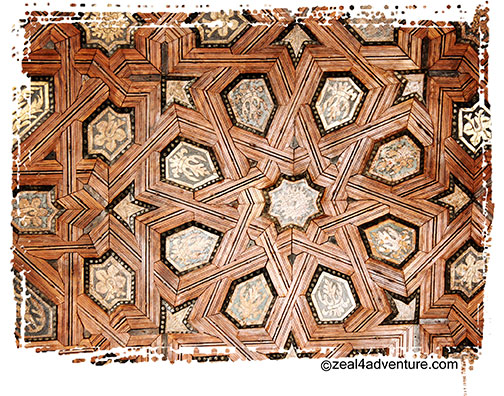
pic-6-ceiling-designCeiling Design

pic-7 pic-8 pic-9 pic-10   pic-11   pic-13

pic-14The garden of the Nasrid Palace
pic-15The facade of the Alcazaba, the battlements


Useful Info

The Nasrid Palace is booked by time and date, and visitors must be mindful of the time stated on their tickets. There is always a queue so make sure not to be late or you might not get in.

La Alhambra
Calle Real de la Alhambra
+34 958 027 971

Our Flamenco Fling

I took a leaflet. “This is better,” the lady at the counter recommended a different one. “If you don’t mind, it’s at the outskirt of Sevilla. You will be picked up,” she added. “It’s €38 per person and comes with drinks and tapas.”

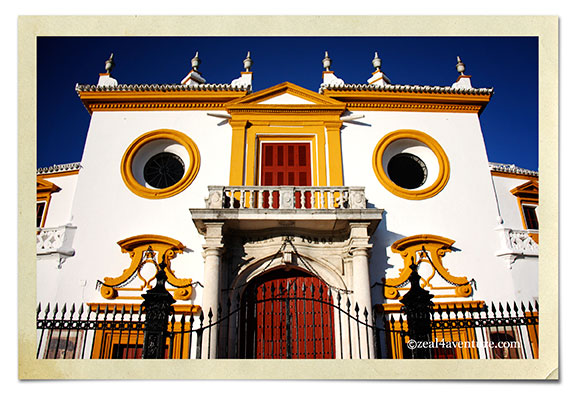
plaza-del-toro

And so, there we were in front of the Plaza del Toro a quarter before eight as instructed. At exactly eight, a van stopped in front, a lady came out greeted us and off we went.

Maria introduced herself as the co-owner of Flamenco Esencia, the company on the leaflet. They promised an authentic flamenco performance in an intimate setting. Not that easy to come by today, so I heard. Most performances are produced with tourists in mind. Maria, being a flamenco dancer herself (and respected one in the industry at that), had thought to revive flamenco performances the way it was intended to be: up close, spontaneous, and unplugged.

artists

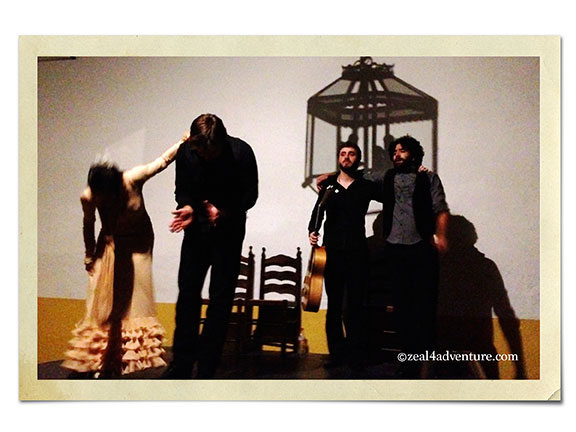
With her influence, she has established and upcoming but promising flamenco artists on stage together resulting in performances that vary in style and temperament, depending on who are performing. We were awarded an outstanding, heartrending performance.

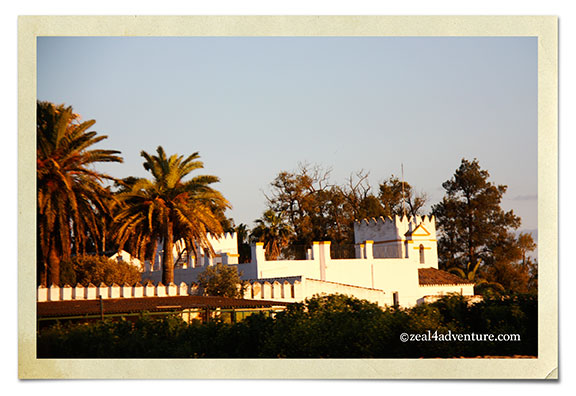
countrysideWe had a glimpse of the Sevillian countryside on our way to the venue in Salteras, a small village 10 kilometers away from the city center.

saltero

In a narrow street, we walked into a high 19th-century bodega where we were greeted with a glass of wine.

seating

stage

It is a small space with a high ceiling that has seats only for a limited number of people, I estimate about 40. Aside from the eight of us, a few more people arrived; I assumed were regular enthusiasts and friends.

tapas

A flavorsome choice of tapas, which included freshly carved Jamon Iberico, cheese and mouth-watering patatas tortilla, followed after the impressive, soulful performance.

jamon

The informality and friendliness that was shown the entire evening evoked a sense of genuine hospitality that I suspect isn’t felt in a regular show in the city.

Flamenco was an expression of denial, a means of escape of the persecuted gypsies back then. It was a mockery of paradoxes, which symbolizes their way of life evident in the supercilious dancers in bright costumes, the intricate rhythm set by hand clapping and foot stomping, and the raspy wail of singers echoing the Muslim’s call to prayer. And for at least 200 years, Flamenco has existed and has become an important part of Southern Spain’s cultural heritage with Seville as the center of this performing art.
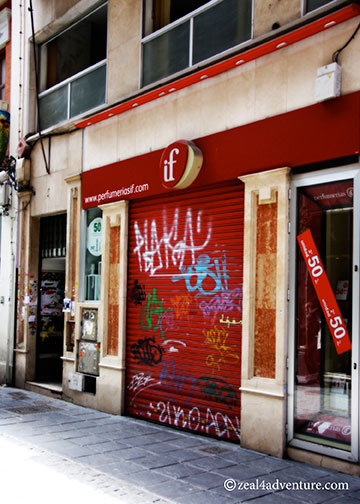
How the Andalusian Horses Dance

“We must see this” and so we did.  What sealed the deal for Cadiz to be part of our itinerary besides Anton’s family were actually the horses.  And if you too love horses, this you must not pass up.

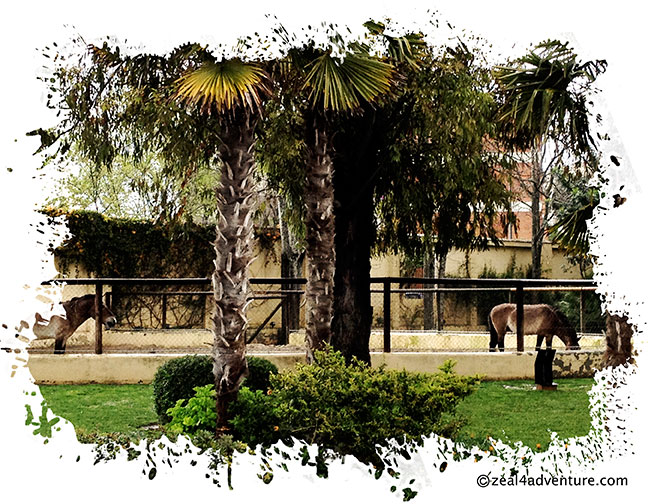
stable

Jerez de la Frontera, a municipality of Cadiz, lies in a fertile upland region on the southern edge of the Andalusian plains, between sea and mountain.  This fertile land that surrounds the city produced some fine wines and sherry that has given rise to some of the most prominent families in the area.  This wealth enabled them to invest on impressive stud and bull-breeding farms all around the city.

Horse-performance

And for breeding the famous and the beautiful Andalusian Horses, Jerez became the cradle of Spanish horsemanship.   Beautiful, docile, and gentle, the purebred Spanish horse impresses with its sculptured beauty of noble bearing and natural high action.  Extremely elegant, naturally graceful in its rhythmic pace, and extraordinarily beautiful, the PRE (Pura Raza Española) is a horse breed from the Iberian Peninsula with 3,000 years of history.  It has been known for its deftness as a warhorse and was prized by nobility.

The-Royal-Andalusian-School-of-Equestrian-Art

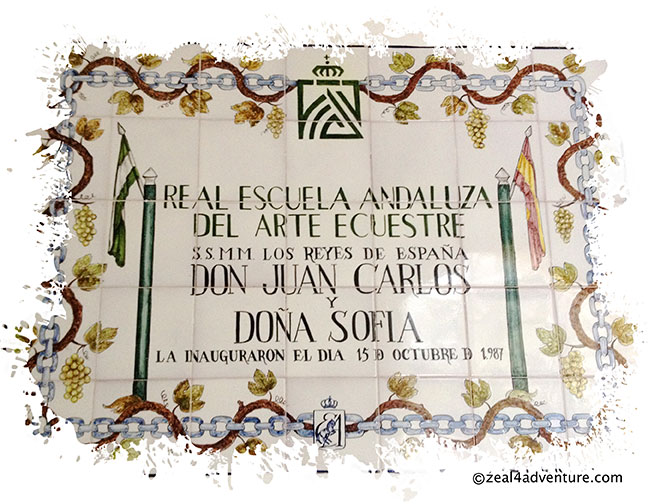
One of the best places to learn more about these beauties is in the Royal School of Equestrian Art or the Real Escuela Andaluz del Arte Escuetre, a riding school comparable to the world-famous Spanish Riding School in Vienna.

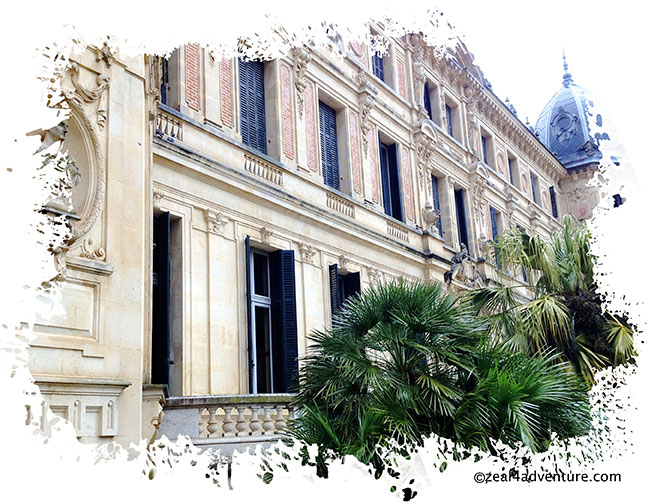
palacio-de-las-cadenas-2

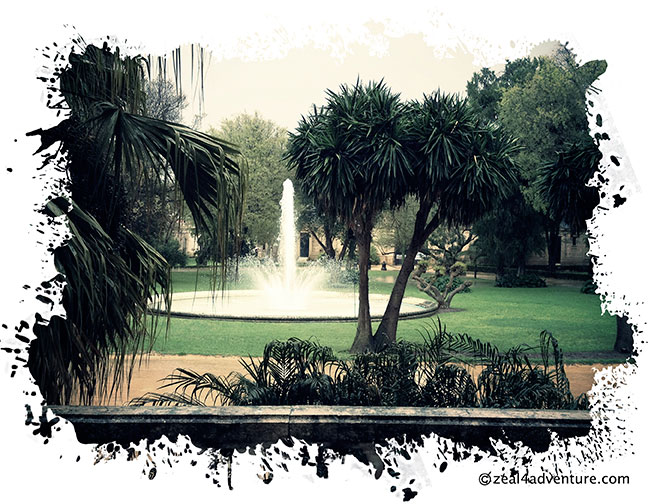
garden-2

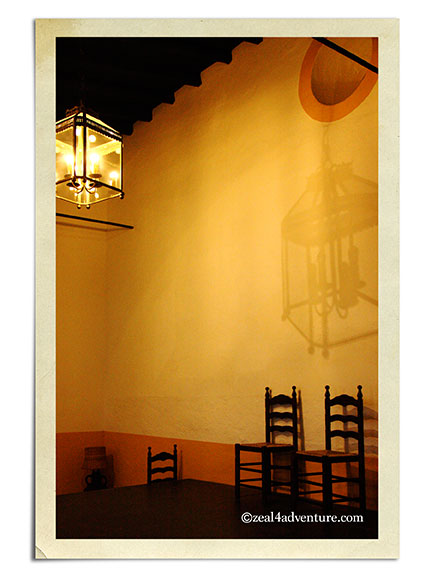
A beautiful garden surrounds the premise.  A 19th-century palace, the Palacio de las Cadenas, serves as its headquarters and visitor center.

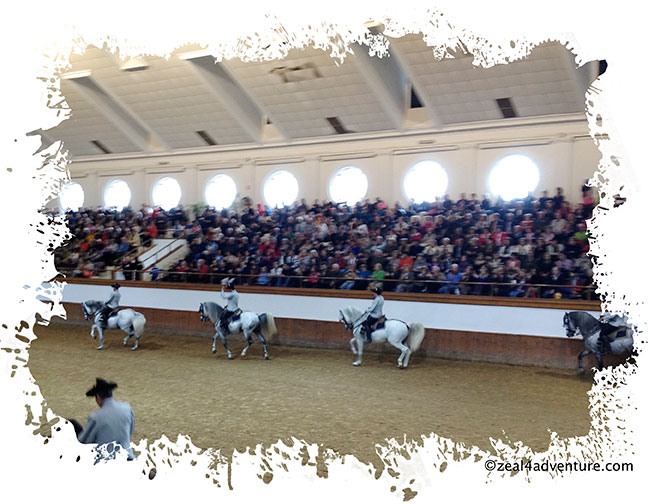
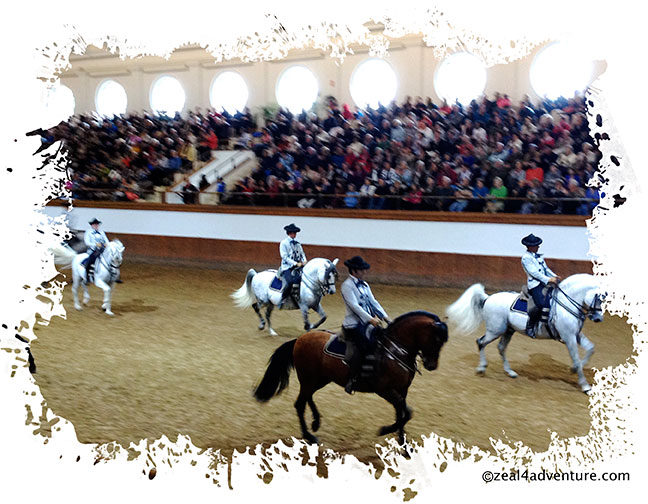
And whatever else you do, make sure to catch its equestrian ballet show entitled “How the Andalusian Horses Dance.”

Horse-performance-2

To the beat of traditional Spanish music, the horses perform complex and arduous movements with effortless grace and control.

An absolute must.

Useful Info:

Real Escuela Andaluz del Arte Escuetre
Avenida Duque de Abrantes S/N,
Jerez de la Frontera
+34 956 319635