Timeless Vigan

Ilocos Sur is where many culture and histories meet, all sharing space in this timeless city called Vigan – shrines, landmarks, museums, churches, ancestral homes, a cobbled-stoned street.  Inscribed in 1999 in the UNESCO World Heritage list, citing that, “Vigan represents a unique fusion of Asian buildings and construction with European colonial architecture and planning.”

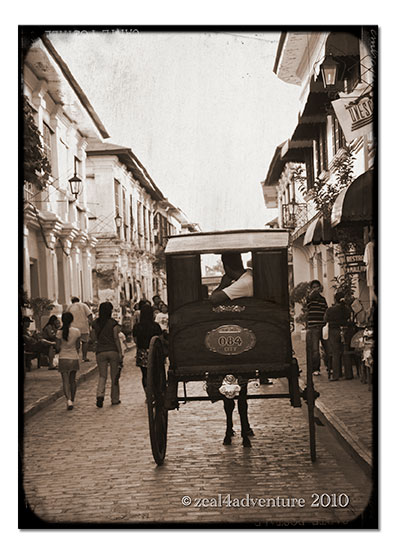
Established in the 16th century, Vigan is still the most intact example of a Spanish colonial town in Asia today.  It is best known for its cobbled-stone street, Calle Crisologo, lined with many old buildings that are intact, restored or in (dis)repair.

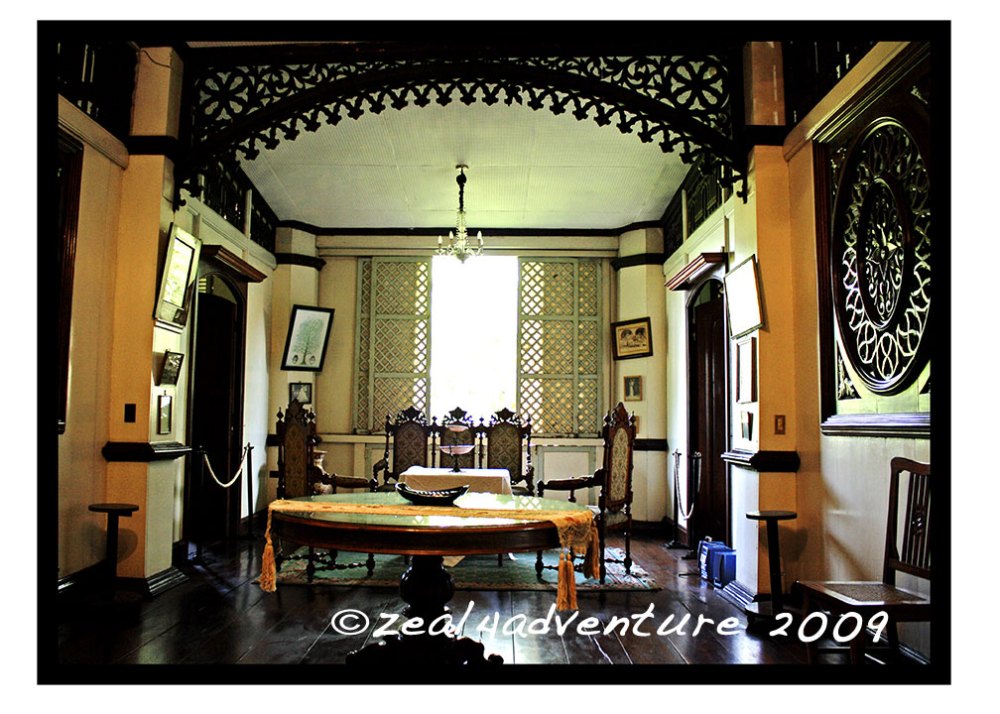
One can see remnants of the old-Spanish architecture throughout the center of the city.

Although the street is now busy with souvenir and curio shops, it still transports one back to the Vigan at its peak.  It is the oldest surviving Spanish colonial city in the country, not many of the historical buildings are left after WWII.
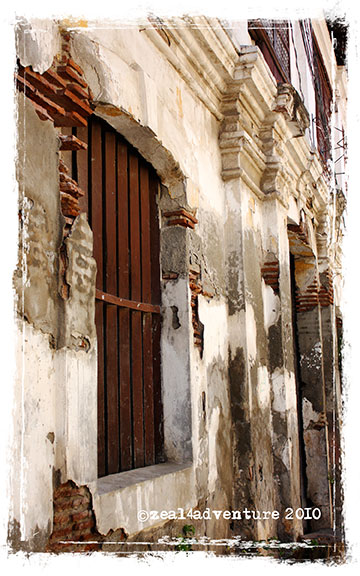
The old Vigan colonial houses, built mostly by rich Chinese traders, are made of thick brick walls and red clay.

They conduct their business on the ground floor and reside above.  It is a characteristic of Chinese culture and other Asian countries as well.  The resulting townscape is a unique display of a harmonious blend of Ilocano, Chinese and European elements, a unique display of the multi-culture nature of the Filipino society.

Captivated by colonial towns and its culture, this road trip all started with Vigan in mind.
From their longganisa and bagnets to their ancestral homes, we savored it all.

the street at night

We spent the 2 days walking up and down Calle Crisologo soaking in the heritage,

wondering how life was back in those elegant days of yore.  An interesting city albeit far from the capital with about 400 kilometers (that’s about 8 hours) of travel needed if you are coming from Manila.  Vigan is charming and I urge every Filipino to make a visit at least once in their life.   🙂

Not your typical McDonald’s facade

Al fresco dining in the evenings is a wonderful thing

Scenic Sunday

A Century-old Lighthouse

After a hearty breakfast of longganisa in Vigan, we wasted no time and found ourselves back on the road heading towards the northern most province on the western side of Luzon.  At some point along the narrow coastal road in Burgos, a big brown marker on the right lead us to a winding road up a hill.

Sitting on top of the hill is a Spanish-era “parola” or lighthouse overlooking a dramatic view of the northern-most tip of Luzon.

Cape Bojeador, it is called, is one of the famous historical landmark of Ilocos Norte.

This 19th century lighthouse is still standing today serving ships passing by the northern part of South China Sea.

One off the list of many must sees of this road trip.

A Taste of Ilocos

Credits: Papers by Pou You from the Pink & Me Kit.

Food can be a landmark as surely as any monument ~ Patricia Volk

If food can get a landmark status, I bet Bagnet will surely be it for the Philippines.  A favorite of many and if you are Filipino, more likely than not, you’d know what it is and where to go to get it.

One long weekend a few months ago, we ventured on a road trip up north to have a taste of Ilocos.  An experience involving more than the sights and activities, our taste buds had a feast as well.  Here’s a short list of our flavor adventure.

Vigan Longganisa

Breakfast from our hotel – Hotel Salcedo de Vigan

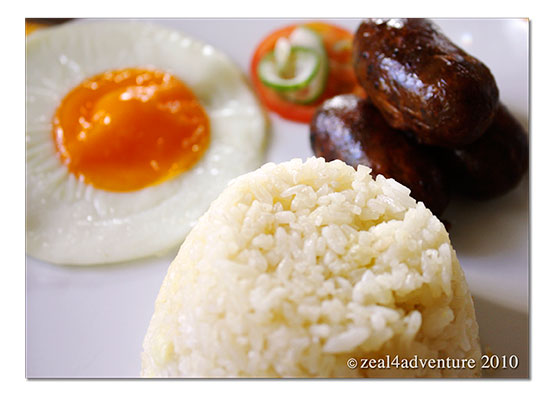
Vigan, Pampanga, Lucban, Cagayan, Bagiuo… all proud of their version of longganisa, a Filipino pork sausage which I also posted a few months back here..  The Vigan version is a mix of ground pork, garlic, vinegar and spices.  Some like it sweet, I like it a bit sour with loads of garlic flavor, just how Vigan makes theirs.  We arrived at Vigan in time for breakfast just as we planned it.  Longganisa, rice and eggs (sunnyside up for me) – is breakfast hard to beat.

Bagnet

Bagnet from Cafe Uno

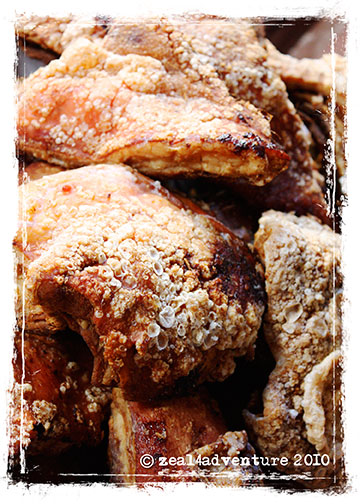
Sometimes called Ilocano chicharon, it is essentially double-deep fried pork belly that is crispy on the outside, tender and juicy in the inside and certainly heart attack material.  Double fried because after boiling the piece of meat, it is dried in the oven before it gets deep-fried in low heat.  To serve, it gets deep fried again, this time in high heat.  Forget about healthy eating when in Ilocos, this crispy pork meat is hard to resist especially when served with a side dish of tomatoes, fish sauce and onions or what locals call KBL.  Every bite sends me (literally) closer to heaven.  Teeheehee!   😀

Ilocos Empanada

Simply delicious!

My first experience of this crispy empanada was 10 years ago, bought in a stall along Plaza Burgos.  Didn’t leave much of an impression except that it was on the oily side, the fact that it is (again) deep-fried.  10 years later, walking along Salcedo St., we stumbled upon Irene’s Empanada, an unassuming eatery that boasts of their empanada (of course).  Hungry after a visit to the Syquia Mansion, we decided that this was a good time to have lunch.  Best decision ever.  Now I know why Ilocos proudly boasts of their empanada.  The shell was light and crispy, stuffed with grated young papaya, which perfectly compliments the skinless Vigan longganisa.  The best part was the egg inside, the yolk still soft.  With a sprinkle of sukang iloko (local vinegar), it was super.

Tongson’s Royal Bibingka

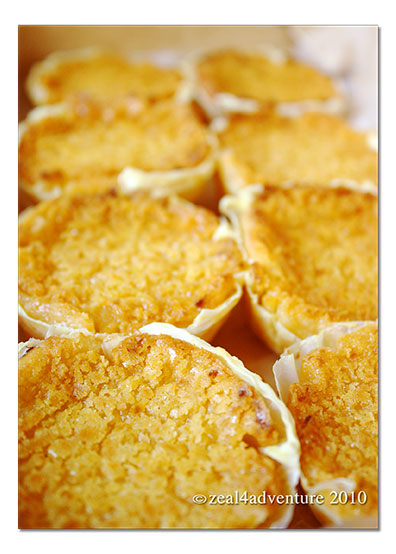
This one I read about and was on the top of my list.  A street away from the plaza and easy to spot.  After our delightful lunch of empanada, we decided that dessert was to be Tongson’s Royal Bibingka.  We bought a box and headed to our hotel’s coffee shop to pair it with coffee.  This got mixed reviews; some didn’t think much of it expecting a more traditional kind of bibingka.  This Royal Bibingka is more like native rice cakes, stickier and heavier than the bibingka we are familiar with.  I happen to be one of those who think it’s fabulous because I adore sticky rice cakes.

Torta

Perfect with the Tsokolate!

Something like mamon.  I’m not quite sure if this is a native if Ilocos but this one coffee shop called The Perfect Cup, served us torta and native chocolate receiving a high rating from all of us.  Yum!

More on Ilocos… stay tuned!

Lazing around Banff

It was a day of splendor and impressiveness and it had to end sometime.  So we checked in and had a quick bite before knocking off.  We were delighted to see Filipinos working there.  They, eager to see hometown folks, provided tips on how to get around town.

Roam-bus

Apparently, we didn’t need a car or kill our soles walking to get around in Banff.  Their Roam public transit bus system is very convenient with routes covering the whole townsite and there are bus stops near just about any places of interest.

The next day was spent downtown.  First stop was the information center, then we walked over to a tour company where we booked an evening wildlife tour, we spent the most part of the  day walking around town, museum hopping and shopping.

Grizzly-House

Food, as usual, was essential to our enjoyment. We were eyeing it the day before and agreed that lunch the next day will be at Grizzly House.

buffalo-burger

It was the Buffalo burger that caught our eye.  We were not disappointed.  It was juicy and had a richer flavor than beef burgers.  Did you know that buffalo meats are healthier being lower in cholesterol yet higher in iron and protein?  That’s right!  A great tasting, guiltless lunch.

The guiltless lunch was necessary for the dessert to come.

fudge-2

Choco-mint and Amaretto fudge.  Right beside Grizzly House is this candy store called The Sweet Shoppe and we went gaga over those fudges the minute we tried a small piece of sample.  The fudge was really a tad too sweet for my taste but it looks so irresistible and the flavors blended so perfectly with the chocolate, you seem to accept the sweetness, especially if paired with a good cup of black coffee.  Perfection.  This is how to gain instant weight!!  But who cares… I’m on vacation, am I not?   😉

So with that dessert we were ready for some serious walking around town.  And here are some of the town captured through my lens.

banff-downtown

Banff with Sulphur Mountain as its backdrop.

banff-fr-bridge

Taken from the bridge.

bridge

The bridge.

caramel-popcorn-2

Yummy Caramel Popcorn from Mountain Chocolates.

downtown-2

fudge

Fudge from the Fudgery.

totem-poleTotem Pole at the Indian Trading Post.

We also checked out some museums along the way.

Buffalo Nations Luxton Museum

Luxton-Museum-4

Just a few steps away from Banff Indian Trading Post, this museum returns you to when First Nations people followed the buffalo herds into the Bow Valley, hauling their belongings by travois.

luxton-museum-3

It tells the story through interpretive exhibitions, artifacts and dioramas.  The museum displays a wealth of Native artifacts and collections from richly ornamented costumes, beautifully decorated teepees, colorful quillwork to historical hunting equipments.

Luxton-Museum-2

Luxton-Museum

It is a cultural display that celebrates the richness, diversity, continuity and above all, the resilience of the First Nations people.  Life sized scenes from the life of the plains before the Europeans arrived are depicted in a reconstructed fur-trading post.

Norman Luxton, for whom the museum was named, ran the trading post.  Luxton developed a long-standing relationship with the Stoney Indians and the Luxton Museum’s collections display some of the memorabilia he obtained through the years.

Banff Park Museum National Historic Site

Park-Banff-Museum-2

This 1903 log cabin characteristic of early federal buildings is the oldest Natural History Museum.  It is a fascinating little museum.

Park-Banff-Museum

Not only did it have Banff’s mammals, birds and insects preserved in authentic Victorian style display cases – many of which visitors hear about but didn’t get to always see in the wild — it also is like seeing through the eyes of an early 20th century visitor with some of the displays dating back to 1860.  The amount of animals was probably the most interesting part – coming from the Philippines, many of the North American animals are unfamiliar to me so it was interesting to learn and see them up close.

stuffed-buffalo

Up next… the real thing.

Negros Heritage (Part 3)

mwtwhite

Last of 3 parts, part 1 is here and part 2 here.


Hofileña Ancestral House

hofilenaCredits:  Template – KL365 template 02-000001;  Papers – Khakisack Scraps Think Pink blackgraph and pink solid papers;  Elements – LivE S4S- Spring String, LivE S4S Tag Sky, Oscraps Moonrise – R1CRAC2 – dyoung

By the 1930’s, the age of dazzling plantation houses began to come to an end.  Houses became more compact and practical, built in more central locations.  The house that Manuel Hofileña (one of the original Sialy sugar baron) built in 1934 on Cinco de Noviembre Street is the first inhabited heritage house to be declared a National Historical landmark in Silay, as declared proudly by his son Ramon.

hofilena-plaque

The Hofileña house has a big art collection, mostly paintings from Filipino masters.  Precious family heirlooms such as the 200-year old Rachall piano that belonged to his great grandmother sits comfortably in the cozy living room.

hofilena-paintings

Ramon Hofileña who now owns the house is one man who knows a lot about Silay, in fact, the city owes a lot to this man.  In 1977, there was a plan to widen Rizal St. as part of the many road projects under a World Bank program.  The highway would have encroached on treasured properties. Hofileña submitted a petition to the National government to have the decision reversed.  With the help of the city tourism, he organized the homeowners to rally behind the cause, which caught the attention of the Governor who then mediated over the matter.  Suffice to say that Silay has become one city with a great deal of well-maintained ancestral houses opened to the public either as a museum or a gallery of sorts.

hofilena-in-action

Today, the Hofileña house is still functional and inhabited (by Ramon) and was the first house to be opened to the public.  By appointment, Ramon conduct tours of the house complete with tales of Silay, his lineage and the artist he so cares about.  All told with so much passion and gusto.  His enthusiasm so infectious, you leave the house with a sense of pride for the Filipino people, especially the artists that had found a place in his wall.  These are collections by Juan Luna, sketches by Dr. Jose Rizal to name a few.

To schedule a visit to the Manuel Hofileña Ancestral House, call Mon at (034) 495-4561.

To get more glimpses of our awesome world, click here.

Negros Heritage (Part 2)

mwtwhite2

Part 1 here

The Ruins

ruins-facade

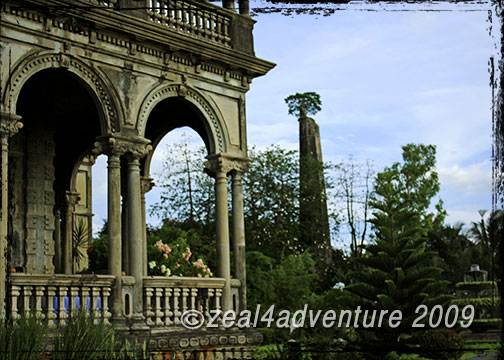
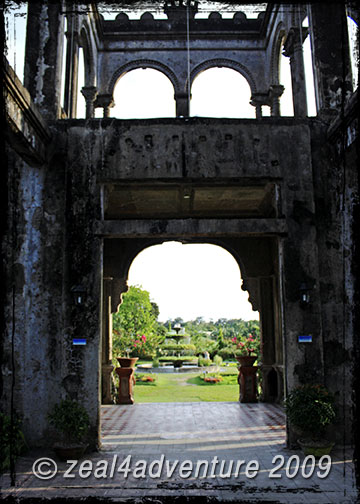
On an extensive and beautifully landscaped grounds lies this once lavish early 20th century concrete that showcases what is left of Don Mariano Ledesma Lacson’s ancestral home also in Talisay City.  This mansion has a lovely story and this sign tells it best.

structure-sign

shell-inspiredNotice the shell-inspired design at the top of the structure

It was said that out of depression and a broken heart, this mansion was built after the death of Don Mariano’s his first wife, Maria Braga, a Portuguese from Macau and became his residence with his unmarried children.  It had in it one of the finest furniture, chinaware, and decorative items as the father of Maria Braga was a captain of a ship that sailed across Europe and Asia.  He would bring with him these items.

columns

The massive and indestructible stonework almost stood against the inferno that engulfed the house in 1942.  The guerillas first ignited three drums of gasoline, which failed to even burn the 3-inch wooden floors.  On their second try, they had to mix three drums of used oil and a drum of gasoline which subsequently destroyed all the woodwork and brought down the roof as it burned for 3 days.

simborio

The mansion was built beside the sugar farm and at the background is a simborio.  It’s the local name for smoke stock or chimney.  It was a vent used for the muscovado mill.

fountain-from-inside

stairs

Fast forward to present day, Pacita Lopez Heredia won the 3.6-hectare farmland, which included this structure in a lottery held by the heirs when the vast plantation was partitioned among them.  The cost of rebuilding was so unfathomable, even the priests refused it when it was offered to them as a donation.

wine

That being the case, her son Raymond Heredia Javellana started rehabilitating the ruins in 2006 turning his family inheritance into a tourist attraction and café.  A dream come true for Javellana.

angled-golden-hour

golden-hour1

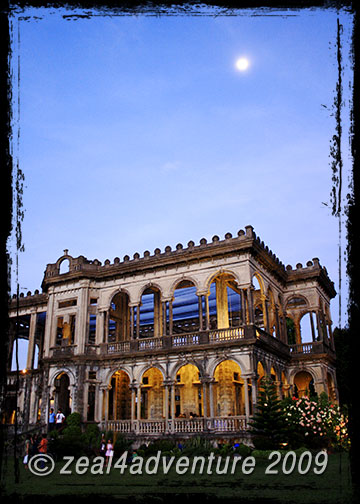
Even when reduced to skeletal frame, the 2-storey mansion is breathtaking especially when bathed in the golden glow of sunset.

ruins-at-dusk-2

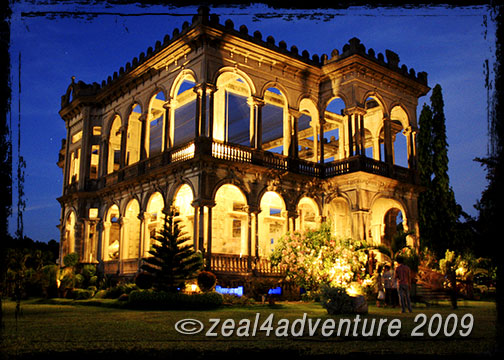
Best enjoyed during dusk and if you stay a little longer, this is what you’ll see.

ruins-at-night

The Ruins opens daily from 8:30am to 8:00pm.  Fee is P25 per head.  It has a café and a mini gold course at the back garden.  For more information:  (034) 4952790.

grassy-ruins

Can you see that blurry image?   😯

To enjoy more worlds, click here

Negros Heritage (Part 1)

mwtwhite1

Back in the days when sugar barons own large pieces of land that makes a hacienda, Negros was the biggest sugar producer in the country.  The wealth of the island of Negros is from its volcanic soil, which is ideal for agriculture.  The collapse of the textile industry in the 19th century attracted Spaniards from Spain and Manila, the French and people from neighboring provinces, which started the sugar industry.   But what are known as the Negrense Hacienderos (sugar barons) are from its neighbor Ilo-ilo in origin and ancestry.

The expansion of the sugar industry in the 1850’s and the opening of the Suez canal flooded Bacolod with European fineries and artworks.  Baroque churches and sprawling mansions rose across the Negros landscape and Spanish culture blossomed in the tropics.

churchSilay’s most famous landmark is the Church of San Diego.

The Negrenses lived the good life in those days.  The golden years of the sugar magnate, however came to an end in the 1980’s and the sugar industry swiftly declined leaving many tycoons landless.

jison

Many however held on to their ancestral homes, turning them to galleries or museums.  Some actually still live in it like that of our hosts’ residence, where we stayed during our stay.  The house was once used as a set for Oro Plata, Mata, a well-acclaimed film of period setting.

Silay and its neighboring towns such as Talisay abound in well-preserved ancestral homes and aside from staying in one, we dropped in on some.  Come, let’s explore some of these houses together.

Balay ni Tana Dicang

One house that is in perhaps the best state of preservation is the stately 1880 “bahay-na-bato” (literally house of stone) of Don Efigenio Lizares y Tyeres and Doña Enrica “Dicang” Alunan y Labayon built in coral stone and various hardwood.  Engaged in the production of sugar and owning several haciendas, they built their 1st house of modest size, it however was burned down by the guerillas during World War I.  What is standing today is their 2nd house built in 1880 in Talisay, larger than the first hence the name Balay Dako (big house). The couple had seventeen children, Efigenio died in 1902, leaving his widow to raise fifteen children (2 died early) on her own for the next 4 decades.  Kapitana Dicang as she was popularly known (which was later shortened to just Tana Dicang) assumed the management of the haciendas and continued to acquire more.  She was an extremely enterprising lady, apart from being a great haciendera, she was a grocer, cigar manufacturer and a famous confectionery as well.  How she raised her children was one that was instilled in stern discipline in the family and her sons and daughters took her word as law.

tana-dicangThe bust of Don Efigenio and Tana Dicang

boyencyclopediaThat’s a set of encyclopedia.

untitled-1washbasin1

capizWindows were made of capiz shells

This recently opened balay, although not as famous as Balay Negrense, echoes the lifestyle of past splendor down to the chinas, furnitures and other accessories.

td-foyer

The ground floor houses K (for Kapitana) gallery and the stairway leads to the entrance hall on the 2nd floor.  The floors are from “balayong” wood custom cut – meaning the floor planks stretched from one point to the other in one piece.

td-window1

Balay ni Tana Dicang
36 Rizal St., Talisay City
Negros Occidental
For details call:  (34)4952104


More houses to come…  For a glimpse of other worlds, click here.

WS#11: Guapple Pie

Just got back from Easter (Holy Week, we call it) break that was brimming with adventure and new discoveries, from hiking to diving to feasting.

ws-11-guapple

But before I launch into the details, let me first share some Guapple Pie fresh from El Ideal Bakery.

ws11-guapple-slice

Made from guapples (a large guava variety), this piece of heaven is a great twist from the original (and very American) Apple Pie.  Tastes quite similar down to the cinnamon and the crumble, what makes the difference is the crunchy bite and the slight, distinct guava flavor that compliments rather than drowns in the cinnamon.

el-ideal

An institution and the pride of Silay, El Ideal is always a “must stop” when in Bacolod (or anywhere in Negros Occidental actually), more accessible these days with the Airport now just minutes away.  Certainly a great “pasalubong” (gift) from the city of Silay.

El Ideal
118 Rizal Street, Silay City,
Negros Occidental

Uganda Mishaps

You get what you pay for. We were on a budget and we decided to take the bus to save some money. We could have asked the taxi driver to drive us there but it would cost us 4x more than if we took the bus…

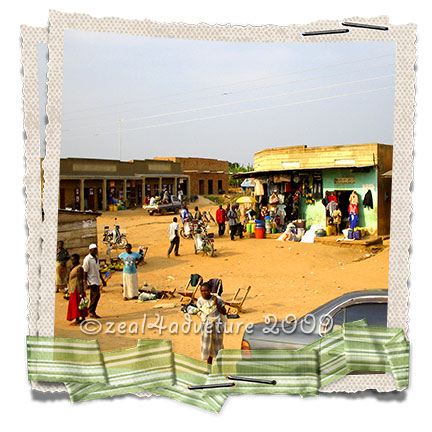
After our rafting stint in Kampala, we headed west. We took the wrong bus and ended up in a small town called Kamwenge with no inns to accommodate us. It was our first taste of the local Ugandan life. We should have been alarmed when we entered the bus and saw zero foreigners.

bus-to-kamwengeCredits:  Frame (for all photos)  by Sweet Shop – Cycle Carnival Frame

The trip was supposed to have taken 4 hours. 5 hours later, we realized we were nowhere near our destination.

kamwenge-enroute1

Along the way, I was scouting for places to sleep and can’t seem to spot any and as the town gets smaller and more remote, my fear gets bigger and more foreboding.

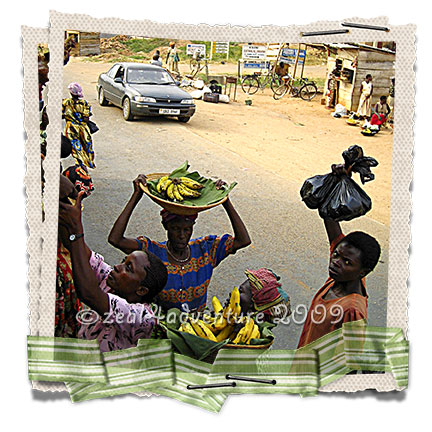
vendors

When we finally reached the end of the road, we got out, got our bags and tried to muster an act of normalcy, probably to no avail. The people were staring, probably wondering what brought these 2 Asians to their town (if they’ve even seen an Asian upclose and personal before). On the bus, dear boyfriend befriended a young local residing in the city, who was going to visit family. Dear boyfriend’s thought balloon – “I’ll force this young guy to take us home with him for the night!”   😯 He probably sensed it because he waited with us for a matatu (their version of our FX) and was I relieved when we were finally on our way to where we were supposed to be 6 hours ago. The driver even helped us find a good hostel, stayed with us until we were guaranteed a room. We were warned by friends to be careful in Africa and so far all we had experienced was kind accommodation from everyone.

OK, that was our scary moment, we also had our fair share of funny moments and one such moment was when we had to take a matatu in Fort Portal to Lake Nkuruba (near Kibale Forest, where the Chimpanzee tracking is). We were the first passengers and had to wait till the car got filled up.

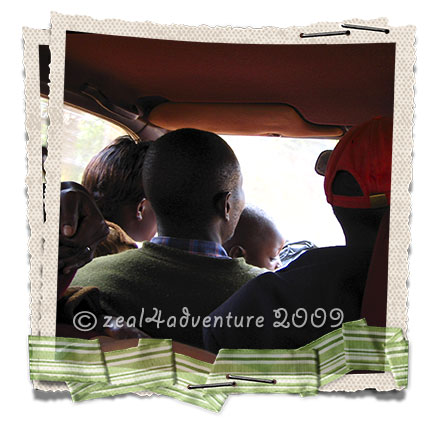
squeeze

The matatu, a Corolla, finally left with all 10 of us – 5 passengers at the back and 5 in front including the driver – but not without a flat tire.

flat-tire1

Don’t ask me how we fit in that poor Corolla. It was hilarious! It didn’t help that dear boyfriend is a big guy and I refused to sit on anyone’s lap nor have any one sit on mine so one guy was practically standing (squatting was more like it!) all the way. Poor guy but I wasn’t budging.

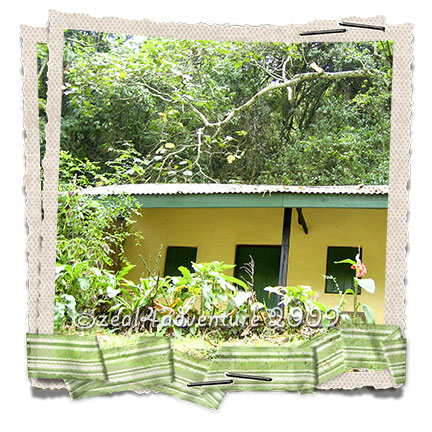
lakeside-cabin

The misadventures did not stop there. In Lake Nkuruba, we booked for the lakeside cabin. It wasn’t what we (or rather I) envisioned it to be and the lake was practically the only thing that was going for us, at this point.

admiring-nkuruba

First of all, the bath is an outhouse on a hill. Secondly, there was no electricity, good thing we had headlamps. But the worst thing was when we were about to call it a day, (headlamp) lights out and all, as I lay down, head resting on my pillow, I felt something moved! MOVED! I was sharing a pillow with a bush rat! Let’s just say that the pillow (and the rat) got thrown out of the cabin, and I shared a pillow and a bed that night! The next day, we checked out and moved to a $45 room in Fort Portal.

So did we save? Learn from our lessons, my friends. If unsure, take a cab and be wary of super budget prices. As I said, you get what you pay for, as simple as that. Not their fault.

Despite the mishaps, this trip was exceptionally memorable (and on hindsight, quite enjoyable) precisely because of the risks we took.  The experience was all worth it.  No regrets. It’s all good!