Hanoi At Night

We’re not big on night outs but the mere mention of a “beer corner” got our attention. We learned about it by chance at the hotel lobby and, of course, we had to go.

Beer Corner

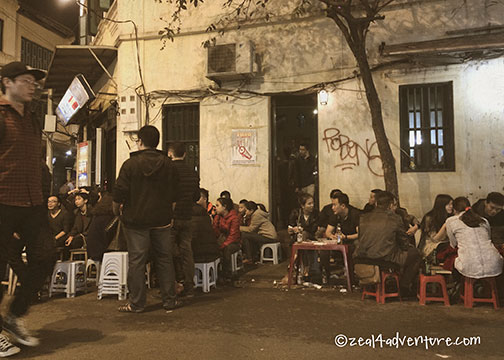
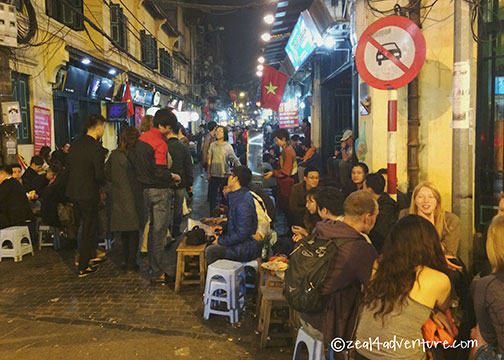
Hanoi’s Beer Corner is a strip of a makeshift outdoor bar that spills over from Luong Noc Quyen to Ta Hien Street.
outdoor-bar

It is packed with people (locals and foreigners) sitting on small stools gathered around a little table on the street enjoying their beers. Many also people watch by sitting on stools facing the street.
beer-corner

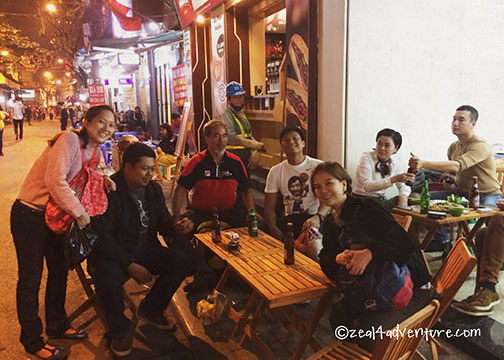
So there we were in our little corner, sitting (almost squatting) on small wooden chairs, enjoying our beer with food that keeps coming.
group

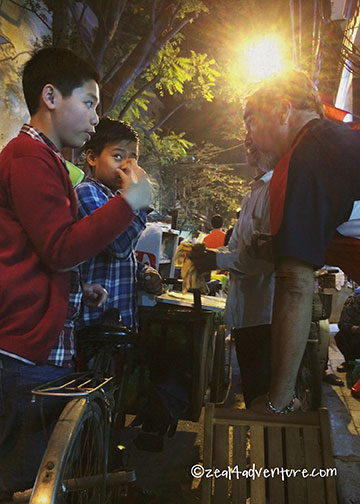
studentsInternational School student (out for a birthday party with friends) explains and recommends to Anton a street food.
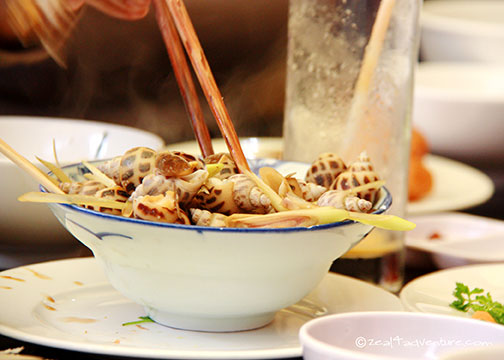
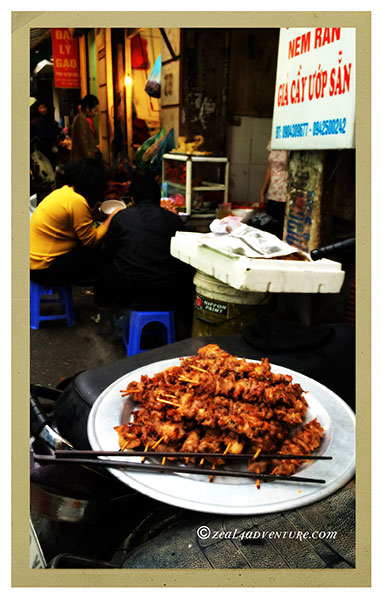
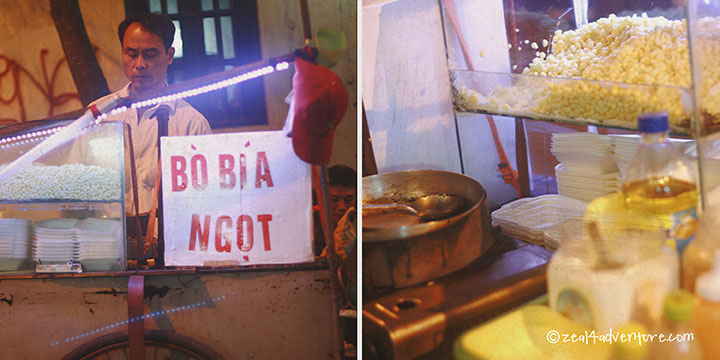
We chatted with locals who introduced us to a string of sumptuous street food from the various vendors that scatter the area offering local favorites.
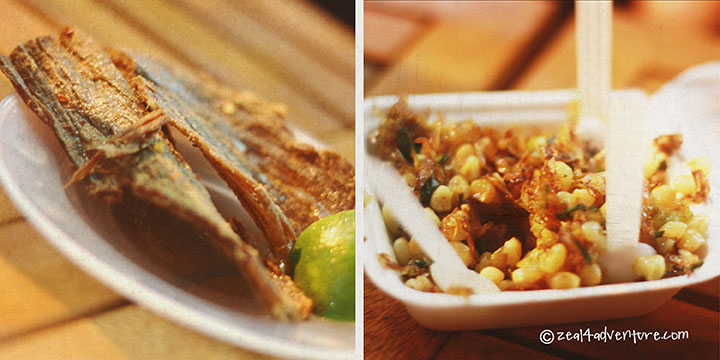
bo-bia-ngot

street-food

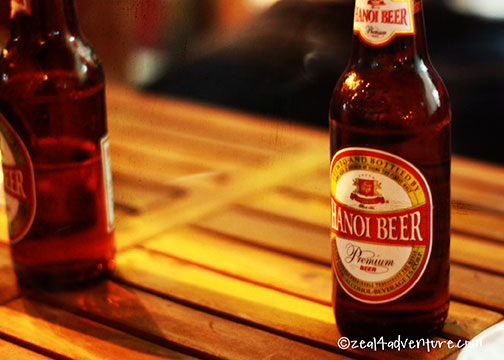
hanoi-beer

Night Market

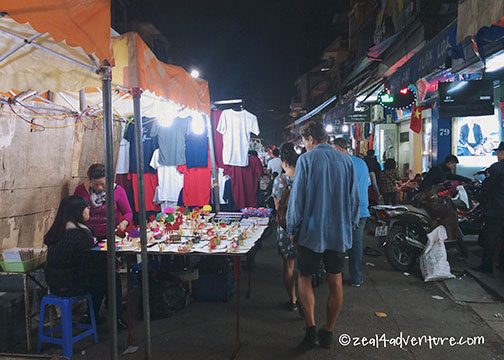
If you find yourself there on a weekend, before heading out to the Beer Corner, the weekend night market might interest you.
night-market

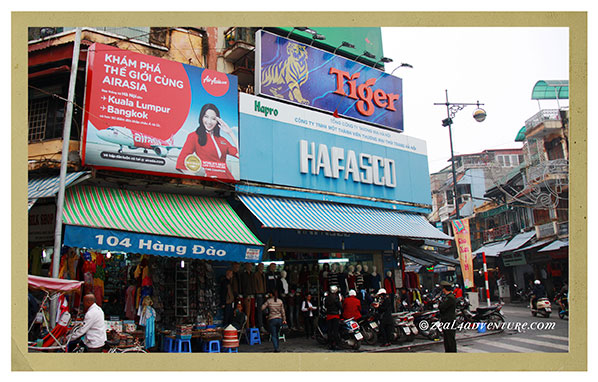
The Dong Xuan Night Market spreads along Hang Giay to Hang Dao Streets, splitting through the center of the Old Quarter. The streets transform into vehicle-free pedestrian lanes (but some motorbikes are seen navigating the streets still) as stalls are set up in the middle of the road.
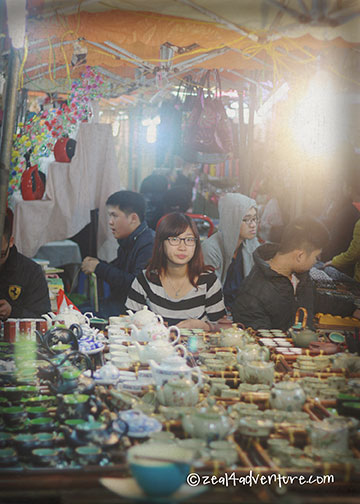
ceramic-wares

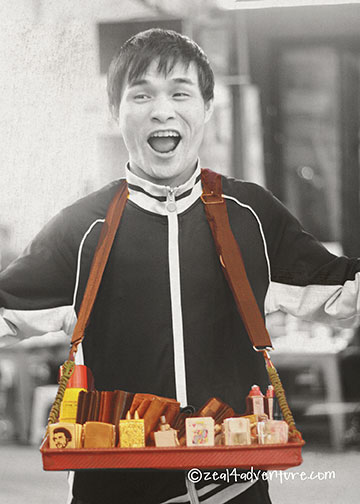
friendly-vendor

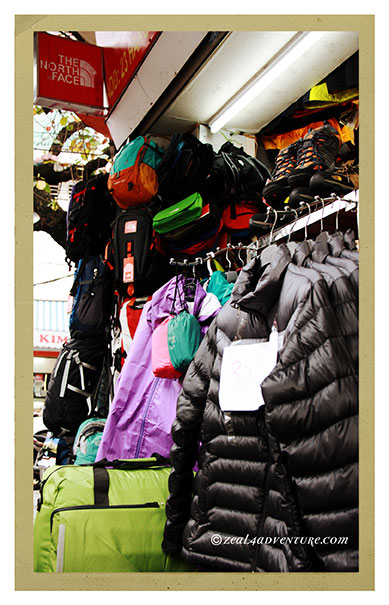
I find nothing spectacular with this market, truth to tell – you’ll find a myriad of stalls selling merchandise from clothes to souvenirs to food of all kinds. Having said that, it is still interesting to at least pass through, you never know what you might find – we did get a few of these.
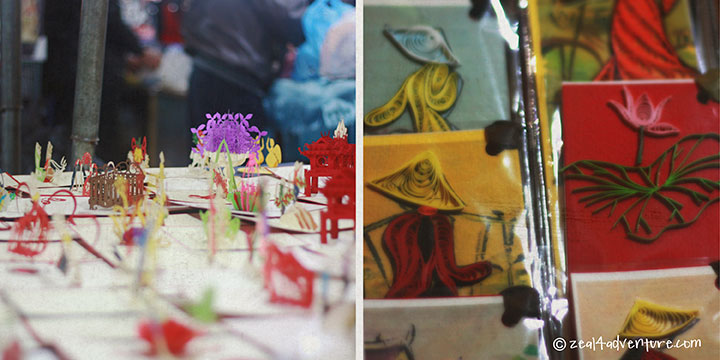
3D-cards-and-bookmarks

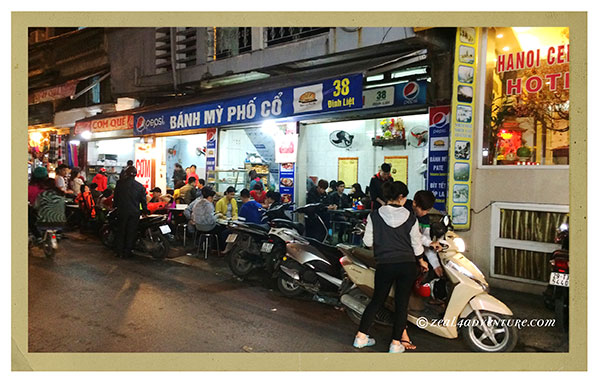
We went for a quick Banh Mi dinner before exploring the market
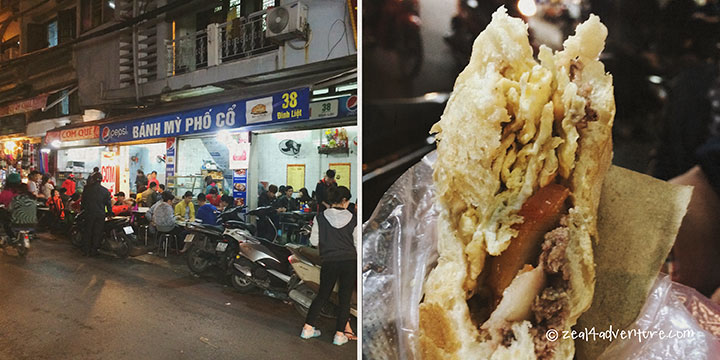
banh-miBanh Mi: A Vietnamese sandwich of a combination of pork, eggs, pâté on a baguette.  Usually found on small shops or stalls by the road.
but what we should have done instead was to go there for the food.
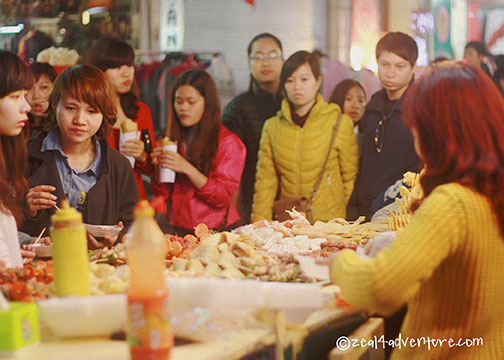
food

It is a fabulous place to explore some street food.
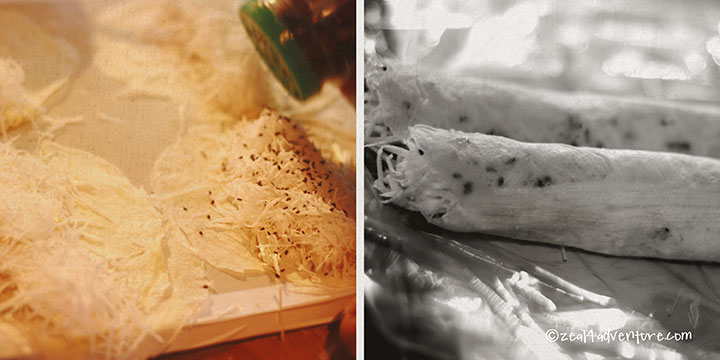
coconut-crepeShredded coconut flavoured with sugar and sesame seed, rolled in some sort of crêpe or a spring roll wrapper.  Can make for a lovely dessert.
View from the Top

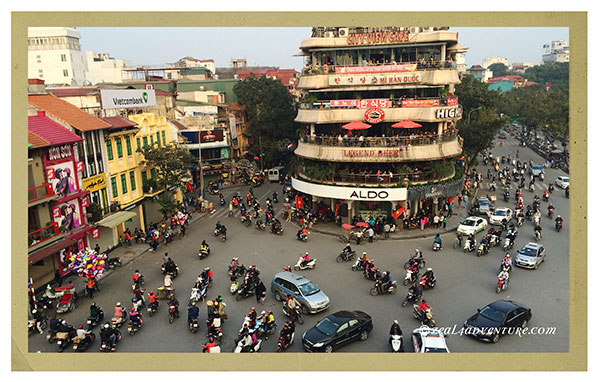
Our favorite spot to while away the time before dinner is at any of the terrace cafes atop a building overlooking Hoan Kiem Lake and the plaza below.
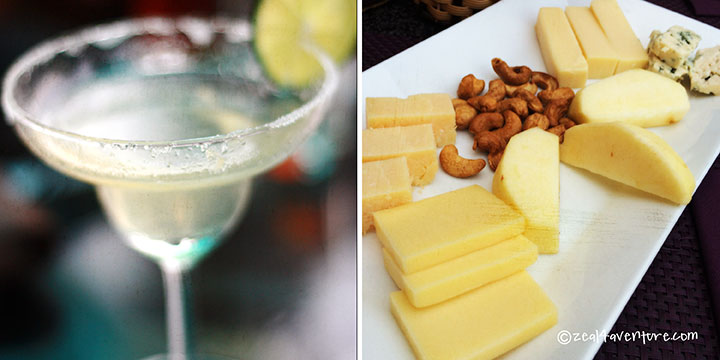
cocktails

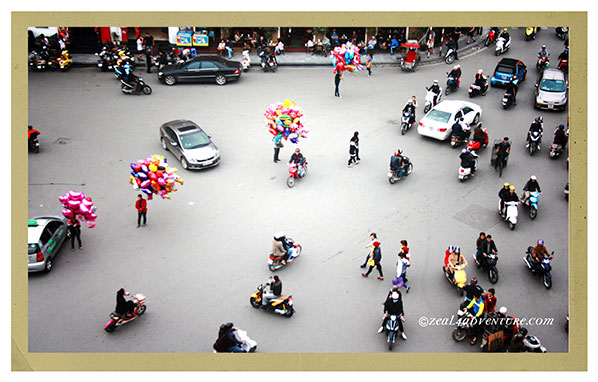
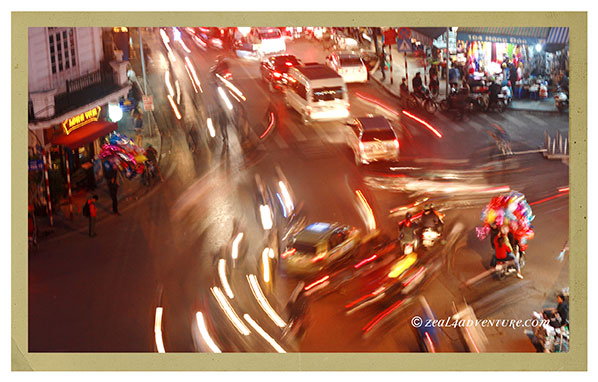
We like it because it is the best place to enjoy a few drinks while we amuse ourselves with the crazy traffic of Hanoi.
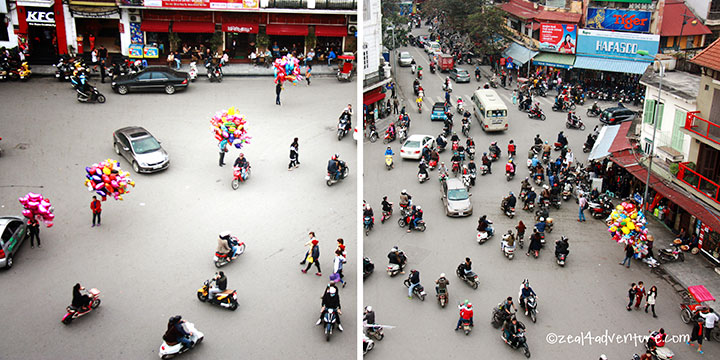
hanoi-trafficPedestrians, cars, vendors and motorbikes — all going their own way.
From my last visit 7 years ago, nothing much has changed (including the traffic) except for a few more cafes to choose from.
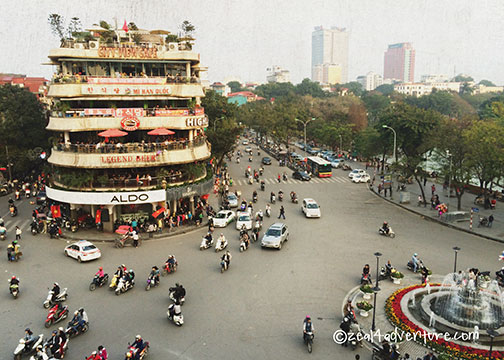
view-from-coffee-club

We were at the City View Cafe every night 7 years ago, but we made sure to check out the Coffee Club (under construction then) across so we could enjoy the view from a different perspective.
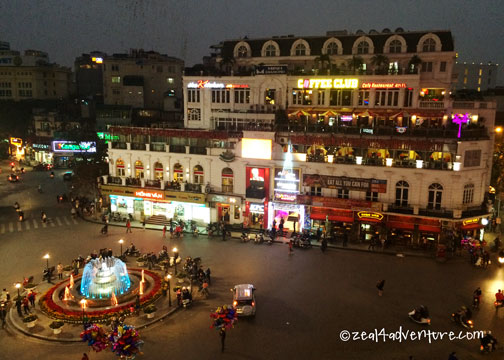
view-from-city-view-cafeUseful Info:

City View Cafe:  1-3-5 Dinh Tien Hoang Street, Hoan Kiem District

Coffee Club: 3B Le Thai To, Hang Trong Ward, Hoan Kiem District

Banh My Pho Co: 38 Dinh Liet Street, Hoan Kiem District
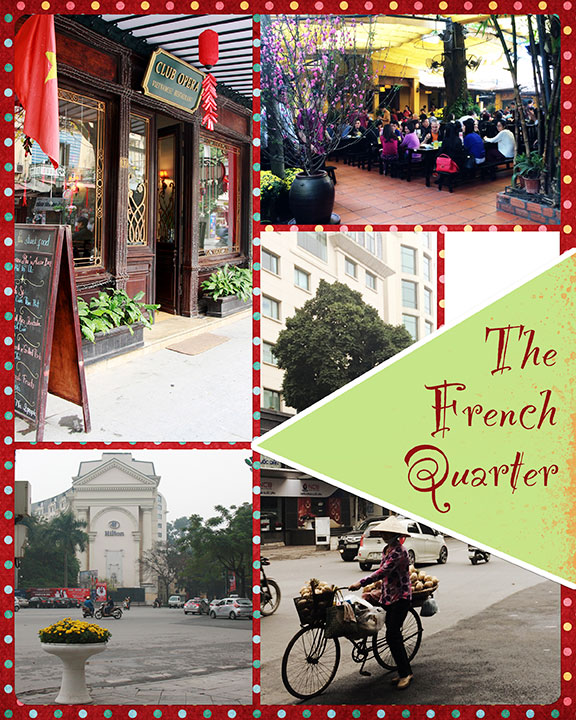
Streets of Hanoi: The French Quarter

The-French-QuarterCredits: 

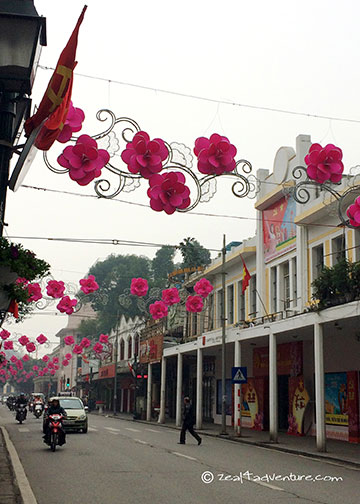
Ba Dinh District also called the French quarter is a pleasant interlude from the chaos of the Old Quarter (especially if you are staying in the Old Quarter like we were).

tree-lined-boulevard

The area is home to wide tree-lined streets, French colonial buildings,

posh-hotel

posh hotels, fancy restaurants and swanky shops.

swanky-shops

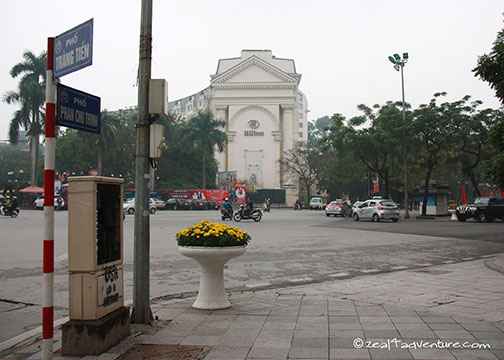
On our way to lunch, we walked through Trang Tien, the main artery of the French Quarter, walking pass (but never entered) the famous ice cream store, Kem Trang Tien.

Trang-Tien-Street

Elegant French style buildings and villas replaced the old Vietnamese buildings in this section (as the name suggests) when the French occupied Hanoi in the last 19th century.

Opera-House

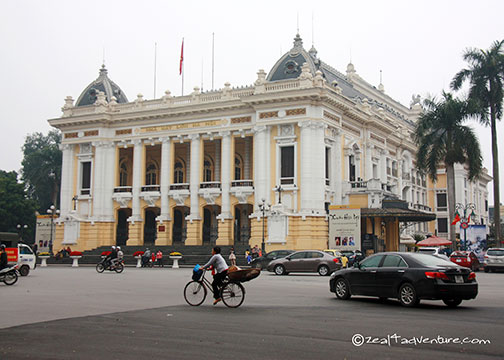
At the end of Trang Tien, on the August Revolutionary Square, the Hanoi Opera House, stand proudly as an architectural, political and cultural symbol of the capital.

Lunch at Au Lac House along Tran Hung Dao was a pleasant default. We were headed to La Badiane (which we never got to try but came highly recommended) but were unfortunately closed for the day.   The reason is a blur to me now but because we were there during the Lunar New Year, it could be because of that, but I digress.

Au-Lac-House

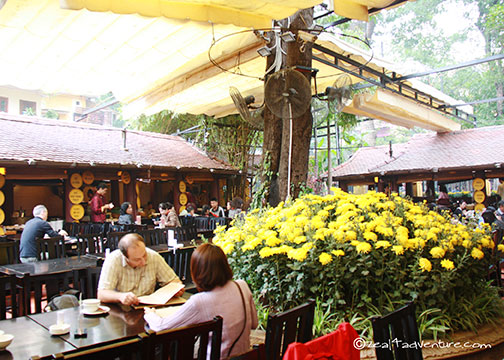
So, just a few steps away from La Badiane is Au Lac House, a large French Style garden house built during the French colonial period restored into an elegant dining venue.

Bun-Cha

snails

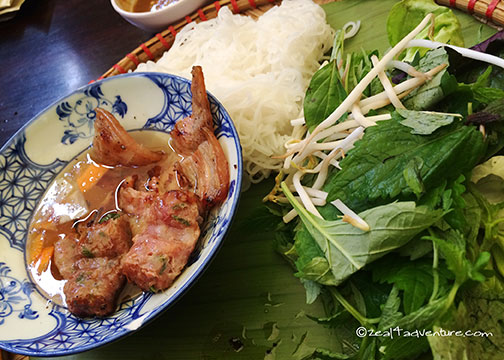
The food was Vietnamese Specialty (a sudden mind-shift from the expected French lunch at La Badiane) and quite impressive too.  Truth to tell, Vietnam is always a gastronomical delight whether it be hole in a wall or high-end.

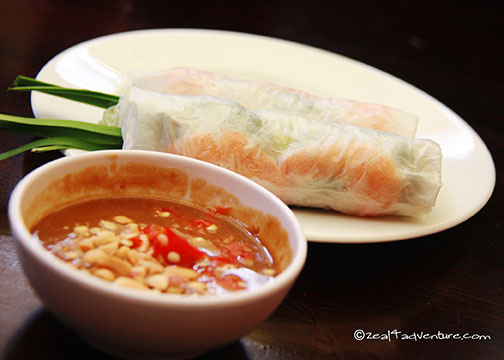
spring-rolls

You can walk through the different stations with your server and point and choose and the food will be prepared and served accordingly.

Au-Lac-interior

The beautiful house and stunning interior with old photographs were icing on our cake.

Useful Info:

Au Lac House13 Tran Hung Dao

Opera House:  1 Trang Tien, Hoan Kiem

The Streets of Hanoi: Old Quarter Immersion

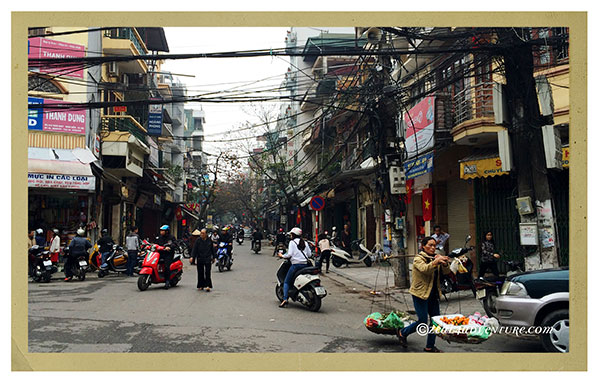
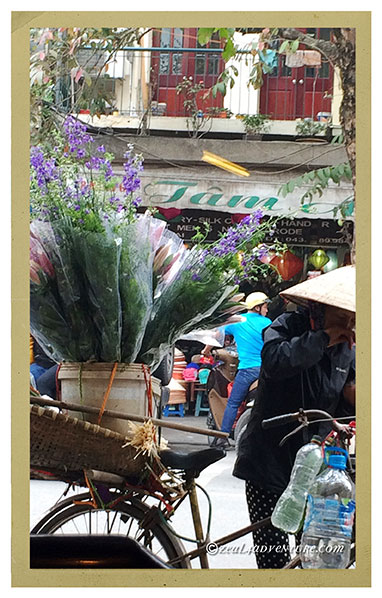
The capital of Vietnam and perhaps one of Asia’s most nostalgic. A sleepy town, Hanoi is not. On our arrival at midnight, the street was still or maybe already bustling with flower vendors unloading flowers for transport. The alley near our hotel, though seemingly winding down, scatters with people. And, of course, during the day, it is chaos.

coming-from-all-directions

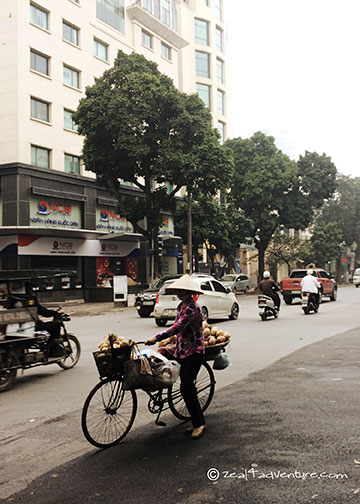
Motorbikes, bicycles, cars, peddlers, and pedestrians whiz by in different directions, honking, and pushing.

street-of-hanoi

I anxiously brave through this confusion at first but comfortably got into the groove. “Just walk in a steady pace, do not stop.” We were advised. “Speeding up or stopping confuses the driver and you might end up getting bumped.”

traffic-at-the-plazaWe like watching this organized chaos from the balcony of a coffee shop .

Somewhat similar (but not as crazy) to how we Filipinos cross our streets and highways, actually.

flower-seller

Hanoi is noisy, busy and clogged with motorbikes as it is serene, cultured and delightful.

tranquil-lake

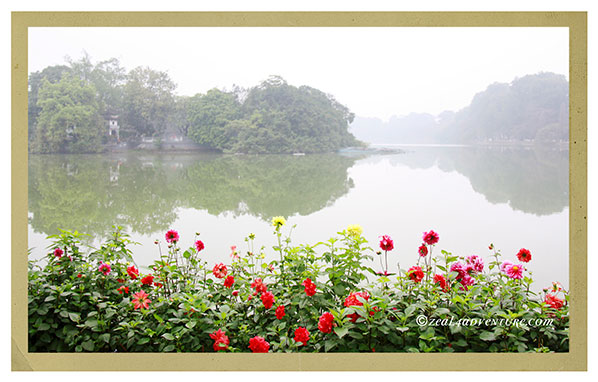
The tranquil lakes, excellent food scene, beautiful architecture, the old quarter and colonial architecture offset the madness.

excellent-food

This wasn’t my first time to Hanoi but coming back was something I knew would happen again and again. Seven years and I notice some changes, more charming boutique hotels for one and the night scene has gotten more packed. But many has remained the same.

We stayed in the Old Quarter, a nice boutique hotel in an alley too narrow for cars.

Le-Beaute-de-Hanoi

This district is the soul of Hanoi where travelers go to immerse in its historical labyrinth of 36 streets, each named after the trade it specializes in.

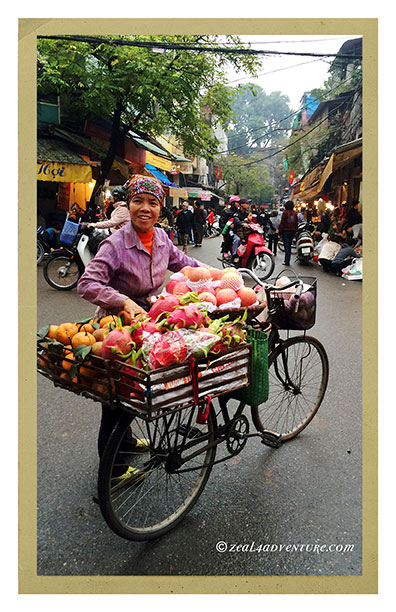
Lady-peddler

Similar to Morocco’s markets, streets in the Old Quarter are named Silk Street, Herbal Medicine Street, Appliance Street, Blacksmith Street, etc… you get the drift.

Why? The Old Quarter became a crafts area when King Ly Thai built his palace there after Vietnam’s independence. Not long after, craftsmen clustered around the palace according to their skills. These artists who worked and lived close together formed their respective cooperatives and the streets consequently earned its names, according to skills.

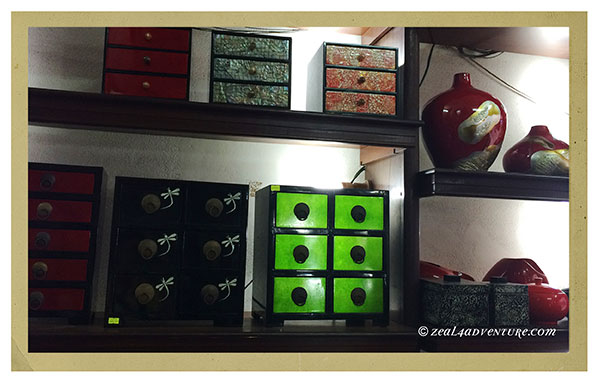
lacquer

These rows exist to this day and still buzz with commerce.  You can find about anything from the traditional down to the knock-offs.

Buzzling-commerce

Another quirk that remained unchanged:

extends-out-to-side-walk

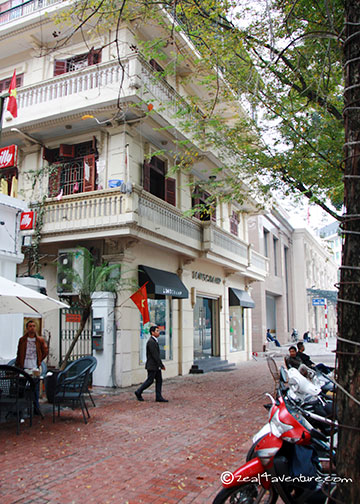
The people of Hanoi do a lot of their living and working outside of their small tube houses or stores.

parked-motorcycles

And they make use of the sidewalk, which, of course, is also where they park their motorcycles and bicycles. People tend to walk along moving vehicles… on the street.

traffic-at-night

With its idiosyncrasies and all, Hanoi is easy to love. Stay with me and you’ll see why.

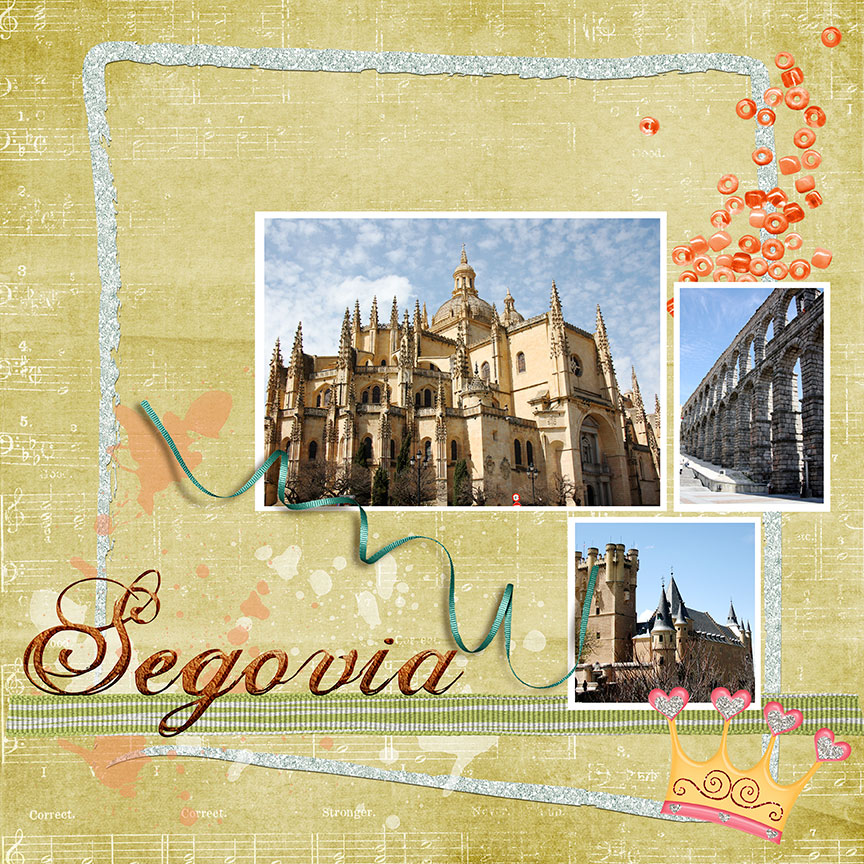
Segovia: An immersion in Architecture and Historic Treasures

SegoviaCredits:  Elements by Haynay Designs, Plum Dumpling Designs, Pri Rocha, Sahlin Studio, Trixie Scarp Designs, Wimpy Chompers; Paper by Wimpy Chompers; Alpha by MissBehaving 2011

A visit to picturesque old city Segovia was an excellent way to cap off this month-long West Mediterranean trip. We spent the day exploring a castle, devouring a roasted suckling pig, taking lots of photographs and people watching.

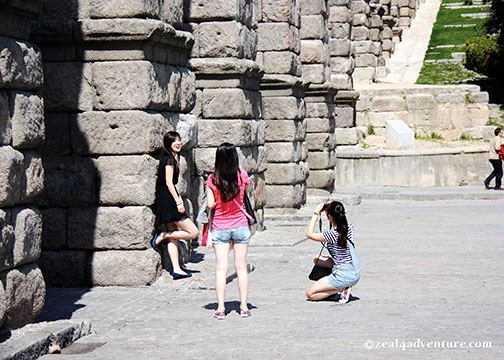
tourists

This once sleepy Castilian town had a lot to offer and had us in awe at every turn, suffice it to say that we had a fun stroll.

wandering

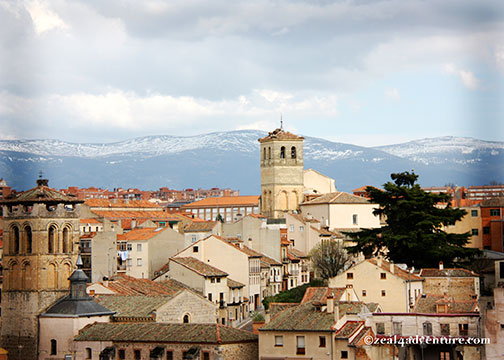
A UNESCO World Heritage City, visitors fill the twisting alleyways wandering around a multitude of historic buildings, churches, and monuments.

Located just 80 kilometers from Madrid, it is only a 30-minute high-speed train ride away. If you have the time, seize the opportunity and take a trip to the walled old town of Segovia.

town

It is a good way to travel back in time, explore the fascinating UNESCO World Heritage-listed city by foot.

The Aqueduct

aqueduct-2

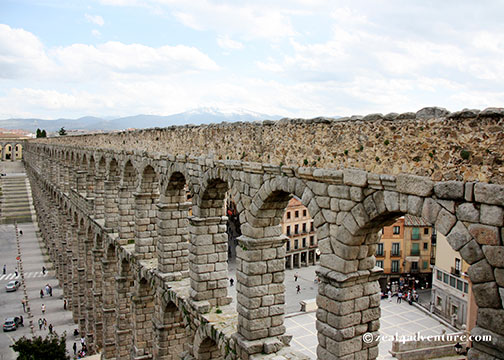
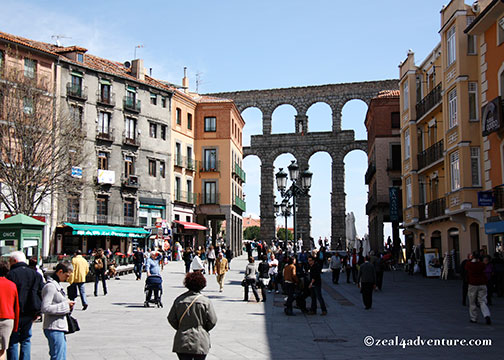
An impressive aqueduct built sometime in the 1st or 2nd century supplied water to the small town of Segovia, perched on a steep isolated hill and joined by two rivers.

aqueduct

The magnificent aqueduct bridge carried water from the Fuente Frio River traversing about 15km before entering this town.

Aqueduct-4Today its boasts of being one of the most significant and best-preserved works of Roman engineering on the Iberico Peninsula.

Segovia Cathedral

Cathedral

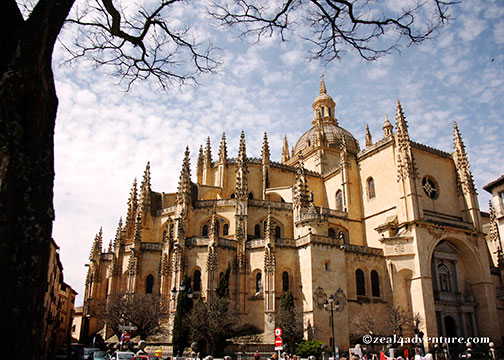
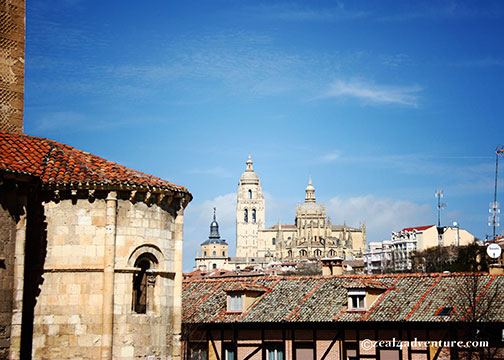
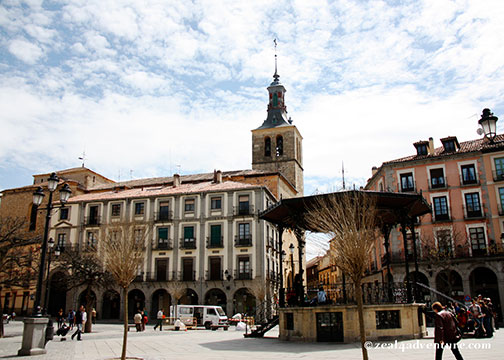
On the highest point in the old town, fronting the historic Plaza Mayor (Segovia’s main square) stands the Cathedral of Segovia, one of the last Gothic Cathedral built in Spain and Europe.

Plaza-Mayor-and-cathedral

The construction began in the early 16th century to replace an earlier cathedral destroyed during the war of the comuneros, a revolt against the King. I am awed by the details of this church.

cathedral-up-close

Alcazar

alcazar-2

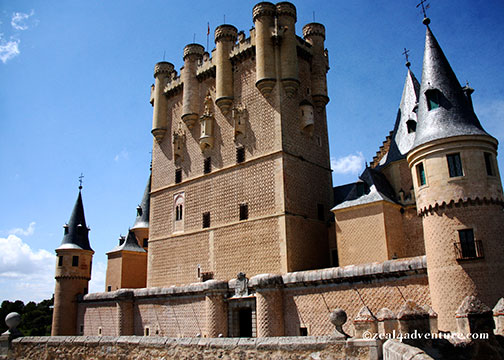
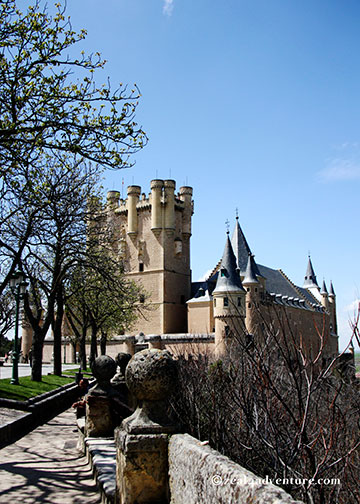
Now, this looks like a castle straight out of a Disney fairytale.

alcazar-4

The castle rises out on a rock between the confluence of the Eresma and Clamores Rivers, a testament to its original military status. Being the favorite residence for Kings of Castile, the Alcazar was transformed from a small castle into an extraordinary palace.

alcazar-3

It played a crucial role in Spanish history because it was used in various ways throughout history.

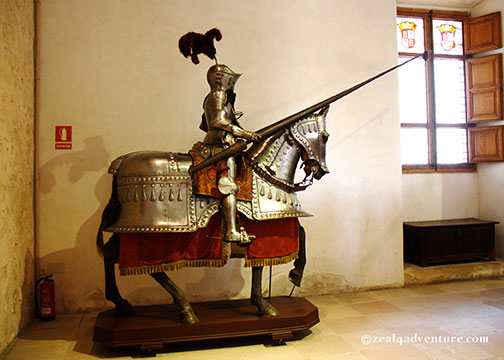
alcazar-interior-2

Originally built as a fortress, it had served as home to royals before it became a state prison, a Royal Artillery College, and a military academy. Currently, it is a museum and home to the Spanish General Military Archive.

Lunch at the Meson de Candido Restaurant

Plaza de Azoguejo 5, 40001  +34 921 425911

Meson-de-Candido

An attraction in itself, the restaurant was declared a national monument in 1941. Set in a delightful 18th-century building next to the aqueduct, it is most famous today for its wood-fire roasted suckling pig, cochinillo.

cochinillo-ritual

Served with a short speech and a ceremonial cutting of the pig with a plate,

cochinillo-ritual-2

this famous dish was a delight—crispy skin and flavorful and fork tender meat is hard to beat. Also, worth noting is their Sepulveda-Style Roasted Lamb.

Rich in architecture treasures, it was a joy to wander through this town. Presenting below a few more photos to delight in.

Segovia-CathedralThe Cathedral from afar.
alcazar-interiorStained Glass wall at the Alcazar
view-from-the-alcazarA view from the Alcazar
Aqueduct-3The Aqueduct up close
plaza-medina-del-campoPlaza Medina del Campo
Azoguejo-Square-2The Azoguejo Square with the Aqueduct as backdrop
Plaza-MayorPlaza Mayor of Segovia
from-the-castleA view from the castle
peddlersPeddlers line the periphery of the aqueduct
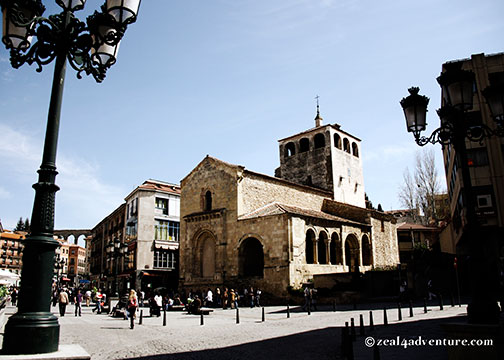
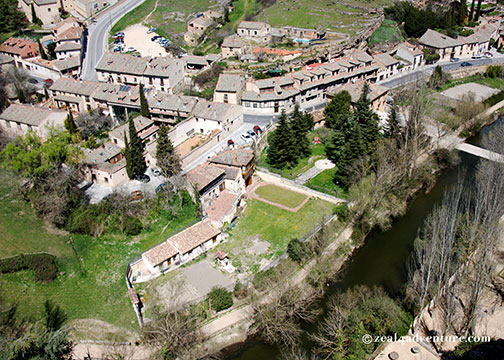
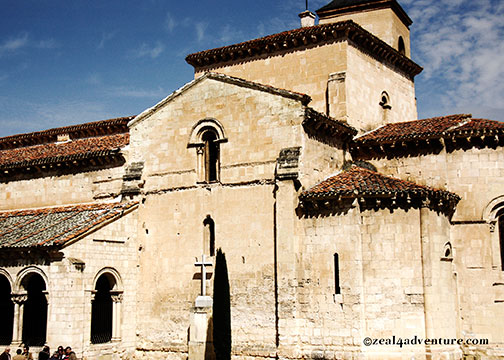
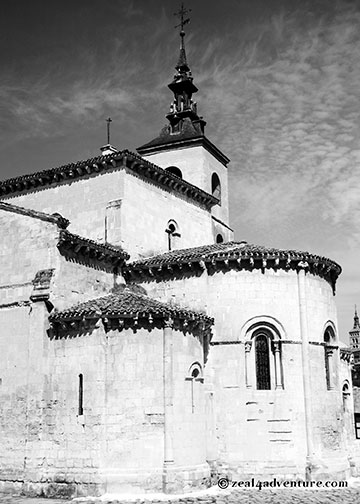
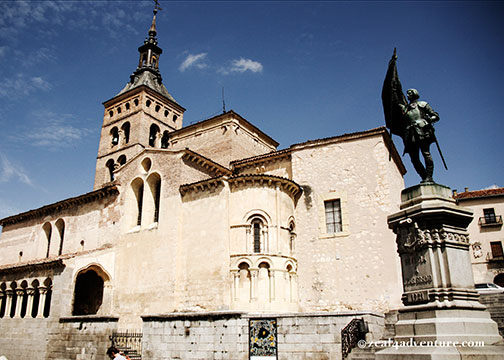
Iglesia-de-San-Martin-2Iglesia de San Martin
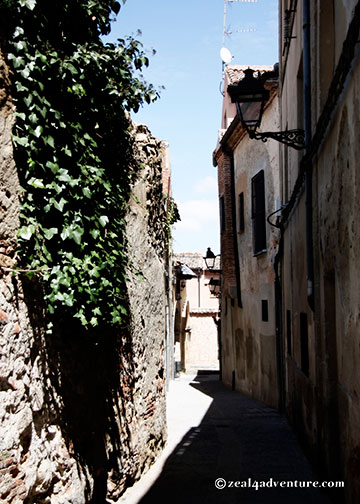
narrow-roadNarrow winding road of Segovia
Iglesia-de-San-MartinIglesia de San Martin
Juan-BravoA statue of Juan Bravo: a leader of the rebel Comuneros in the Castilian Revolt of the Comuneros.

Bullfighting

arena

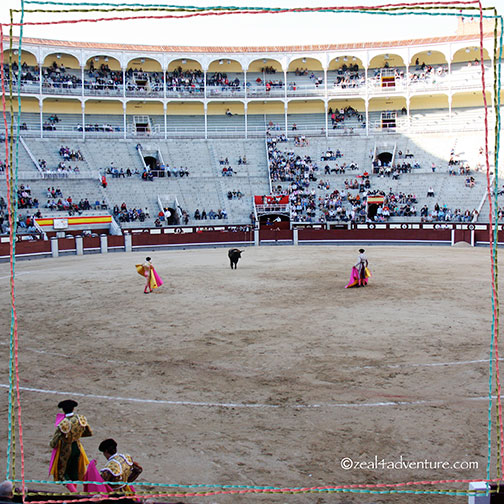
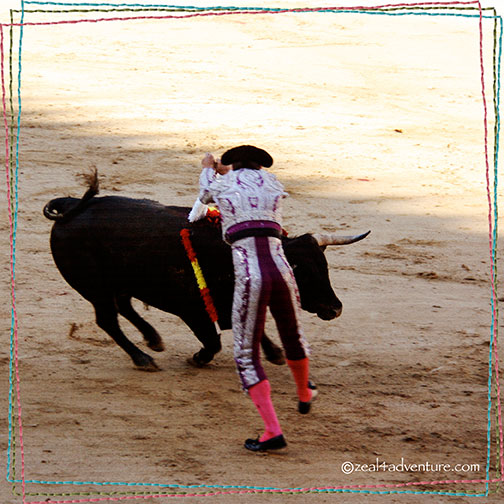
One April evening, enthusiast and curious tourists from around the world enter the massive arena of Las Ventas to witness a bullfight. I was there too, sitting in the Sombra (shaded) section, quite close to the action.

bullfighting

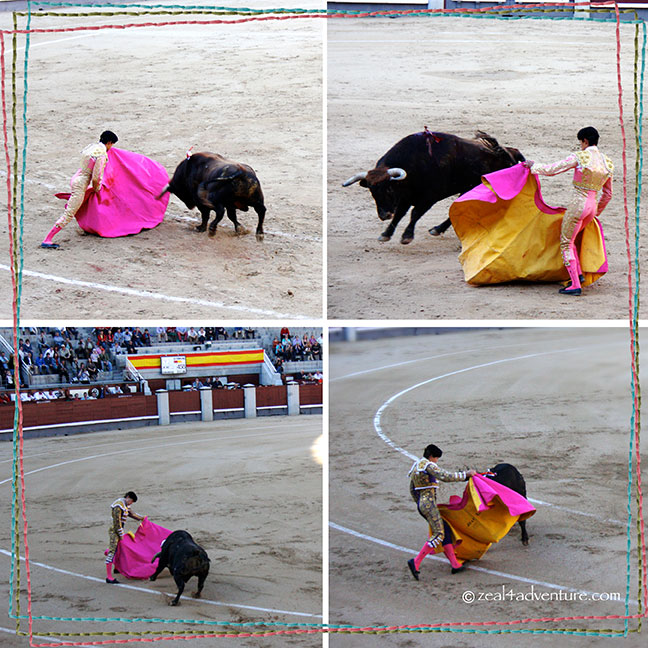
Bullfighting or a corrida is an ancient tradition that goes back four millennia, practiced by many different cultures. Three toreros (matadors) fighting six bulls, each with 6 assistants: two picadors (lancers) mounted on horseback, three banderilleros (flagmen) and a mozo de Espada (sword servant). Together, they form a cuadrillo or an entourage.

opening-parade

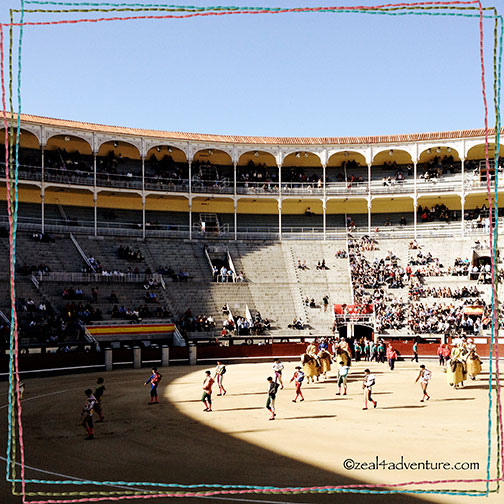
The trumpet sounds and in flamboyant bullfighter costumes, the entourage parades into the arena. The corrida starts with the first bull entering the field from the Puerta de las Toriles, where it waited.

Untitled-4

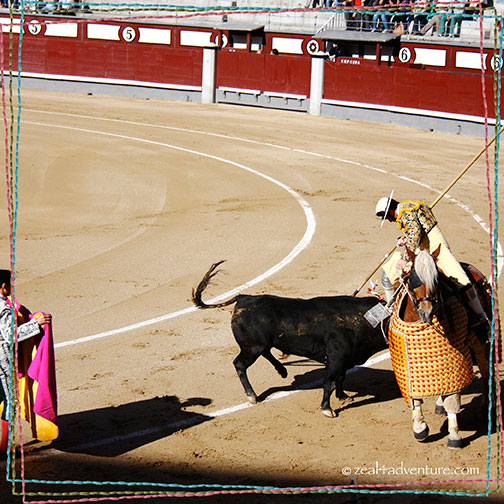
The picadors mounted on heavily padded horses follow. Bull attacks the horse, the picador stabs its neck, the bull weakens.

Untitled-3

Then three banderilleros enters as the picadors leave, plants spiked flag sticks into the bull’s shoulder.

Untitled-2

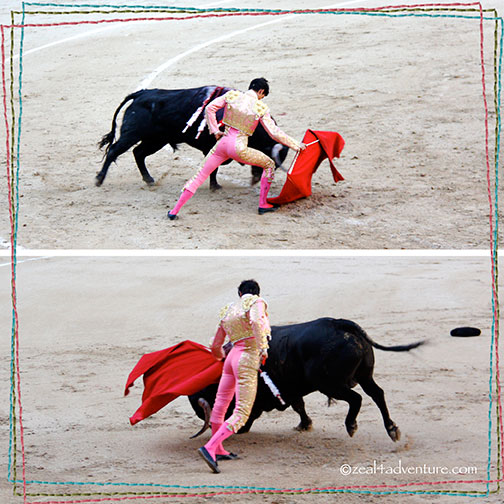
When the bull is deemed weak enough, the torero appears and works the bull with several runs at the cape. The whole spectacle comes to an end with the torero killing the bull with his sword. This was repeated six times.

Untitled-1

Did I enjoy it? Many times I cringed, especially when the puncture wasn’t clean. No, I will not watch it again. Just once, I told myself.   Hard as it may be to watch, I could not deny that it was a cultural experience hard to forget.

Queluz

Plan to stop at nearby Queluz on your way back to Lisbon from Sintra.

IMG_9527

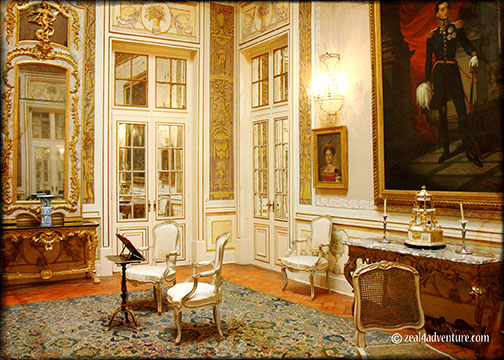
The national palace is worth the detour.  Be sure though to buy a ticket to Queluz, or you won’t be able to get off at your end destination. That was what happened to us when we decided mid-way to get off at Queluz instead of heading straight back. When we arrived at the Rossio station, the tickets we had were void, and we couldn’t get out. Apparently, the time started ticking once we got on the train and what should have taken 45 minutes took us 2 hours. We should have bought another ticket back to Rossio when we got off at Queluz — explained Mr. Operator. With many apologies, we asked to be freed with the promise of paying what was due. Kind Mr. Operator let us out, even waved our arrears. Smiling and shaking his head, I wonder how many mindless tourists did the same thing?

IMG_9542

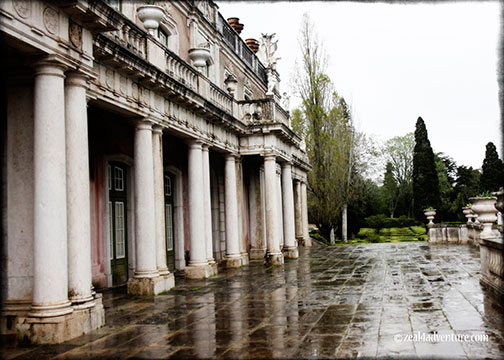
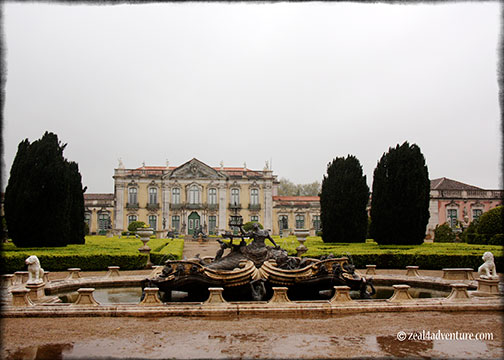
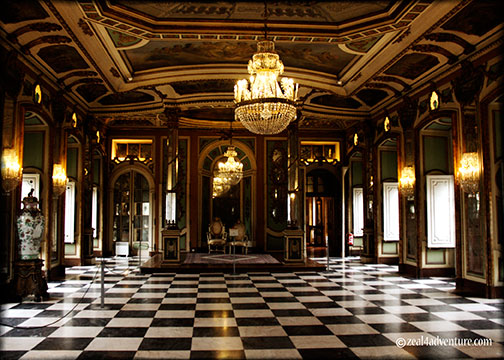
It was, however, worth the hassle. Queluz is a rather unremarkable suburb but its National Palace, in its pink Rococo glory, is a remarkable example of Portuguese Romantic architecture. Although smaller, it shares much of Versailles’ sense of grandeur in its ornate decorations and exquisite gardens.

IMG_9520

It is because Portuguese architect, Mateus Vicente Oliveira designed it in homage to the famous palace outside Paris France. Built as a summer retreat for Dom Pedro, the famous Duke of Braganza, who later married his niece, Queen Maria I.

IMG_9532

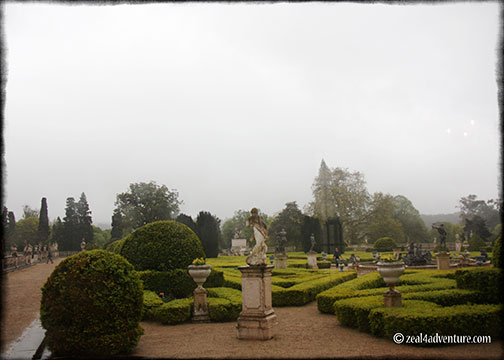
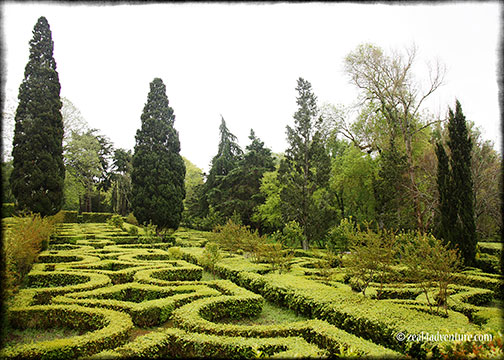
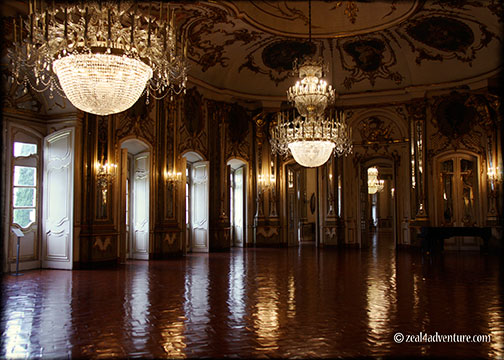
Famed for the glory of its gardens, which include a large topiary parterre, formal terraces and fountains at the rear of the palace. The interior’s attention to detail is no less than that of the exterior.

IMG_9509

IMG_9512

IMG_9523

The palace is a 10-minute walk from the Sintra train line, turning left out of the Queluz-Belas Station. Signs will lead you to a cobbled square with a statue of Queen Maria I. Facing directly into the plaza is the façade of the palace.

Romancing with Sintra

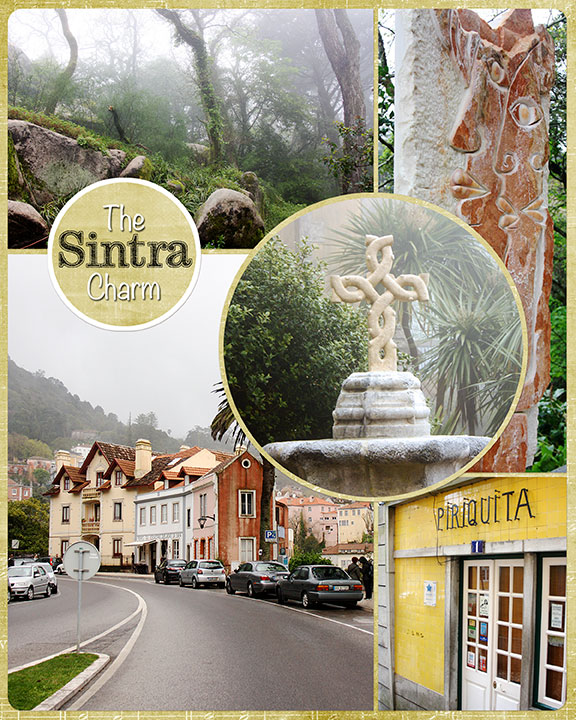
Sintra-collageCredits: J Sprague Photo Collage Template version 3; Paper by Wimpychompers Creations

If you have an extra day in Lisbon, I suggest you head out to Sintra. It’s just a 45-minute train ride from the Rossio Station and well worth the trip.

first-glimpse

Walking into Sintra is like treading on fairytale land, more so on a gloomy day as when we were there. Known for its many romantic 19th-century architectures, Sintra is an outstanding reference for Portuguese culture.

fairytale town

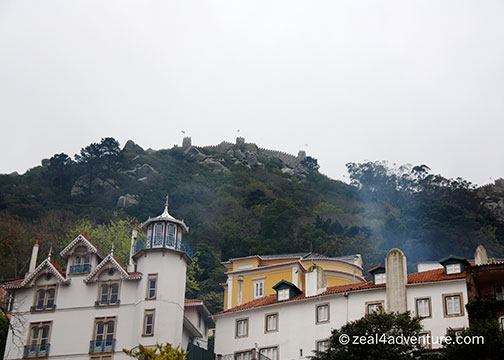
Royal castles, mansions, and chalets scatter around the verdant rolling hills and peaks of the Sintra mountain range. The long sections of walls winding around the high peaks of the Serra reminds of century’s past.

stonewalls-of-the-moor-castle

The Moors Castle high above Sintra

Here, at the Central Western Portuguese coast, at the northern-most stretch of the protected Sintra-Cascais Natural Park, history, archeology, architecture and natural beauty meld into a beguiling and magical town.

It’s UNESCO World Heritage-listed center, the Sintra Vile is a 15-minutes walk from the train station.

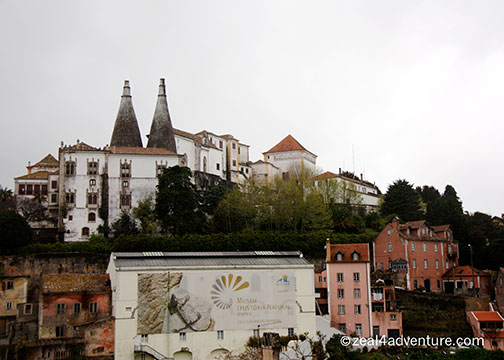
Palacio-Nacional-de-Sintra

The Palacio Nacional de Sintra dominates the old town. Its iconic twin conical chimneys can be seen from far away. We, however, only had time to visit 2 Castles that day:

Sintra Castelo dos Mouros (The Moor Castle)

Castelo-dos-Mouros

A classic ruined castle set amidst the lush forests of the Serra de Sintra. Established by the Northern African Moors during the 9th century to guard the town but fell into disrepair after the Christian conquered Portugal. The castle was restored and transformed into a romantic ruin in the 19th century by King Ferdinand II.

Pena National Palace

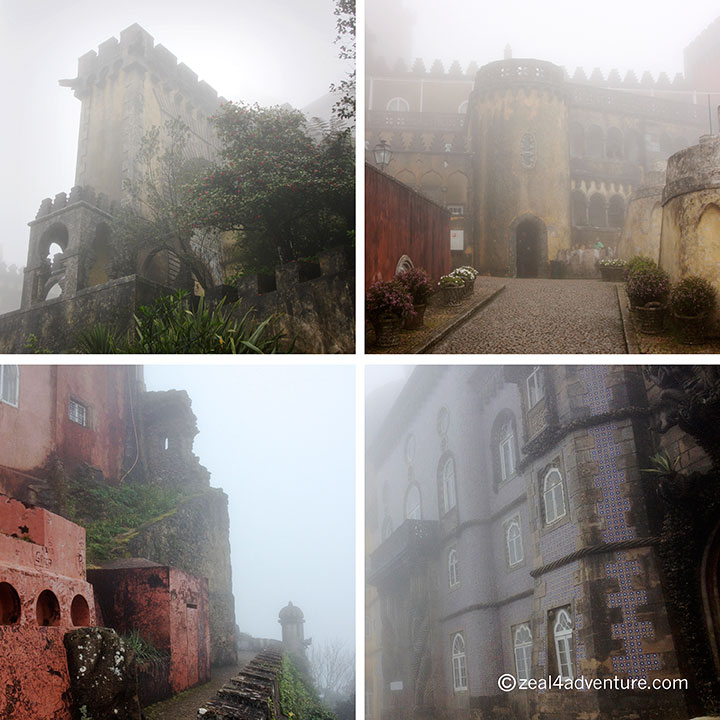
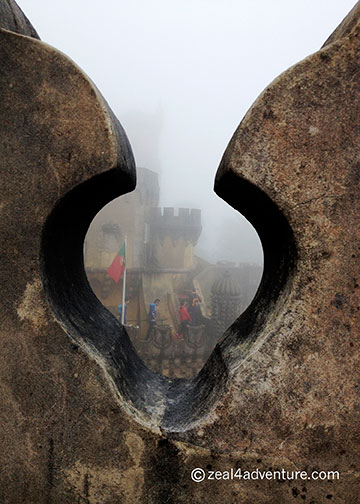
Pena-exterior

On top of a hill stands an eccentric palace built in the 19th century for Dom Fernando II, an artistic king who wanted the palace to resemble that of an opera. Despite the hodgepodge of styles, the castle looks surprisingly harmonious and the use of yellow, pink and purple colors completed the “fairytale” quirkiness of the palace.

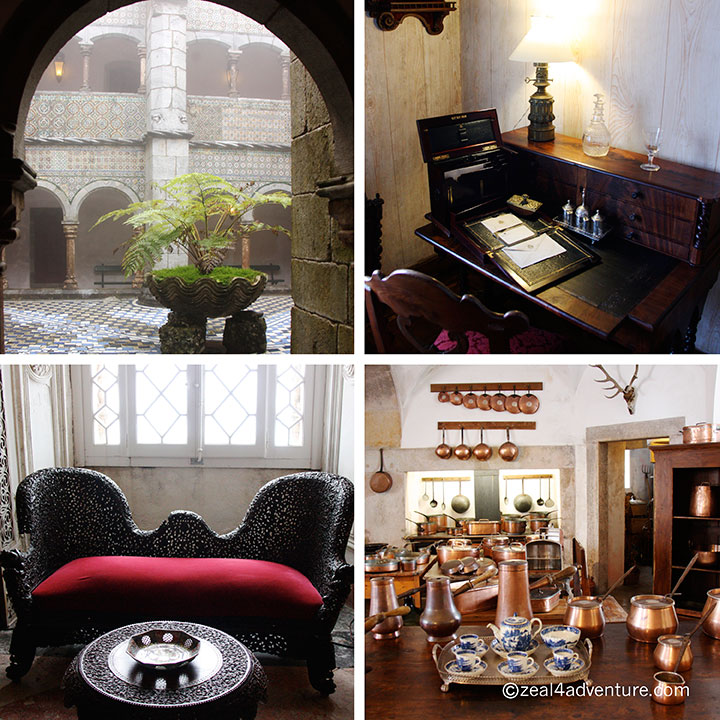
Pena-interior

A Protected National Monument, the Palace is considered to be one of the world’s best examples of architectures from the Romantic era.

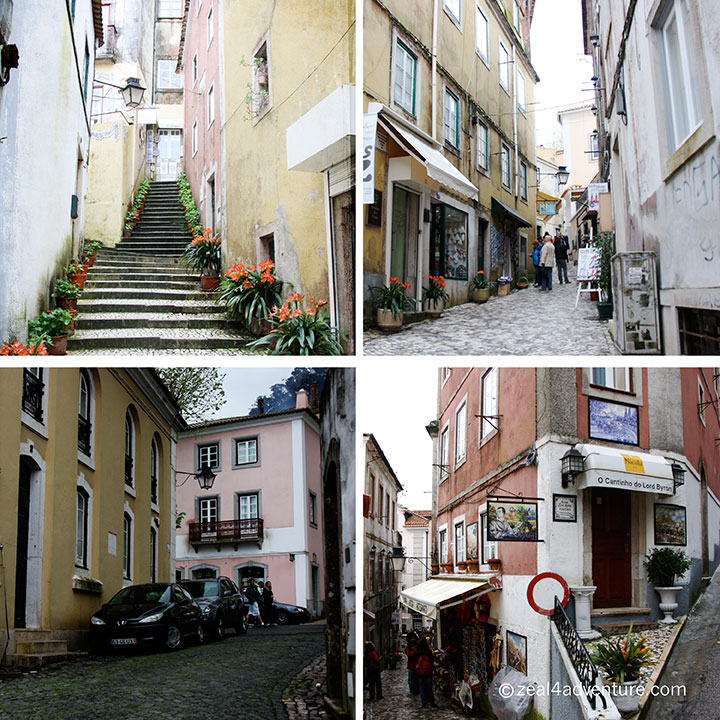
medieval-streets

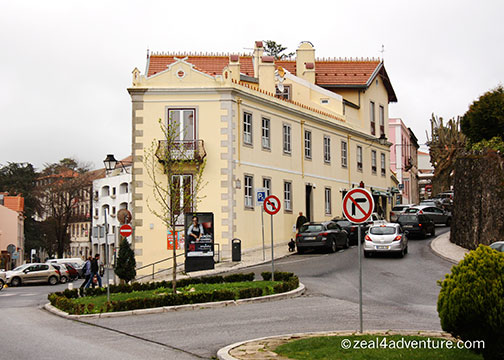
The medieval streets of Sintra Vile lead to many treasures – craft shops selling a host of local artisan specialties, a range of cafes and restaurants or even townhouses that exude the air of past glories.

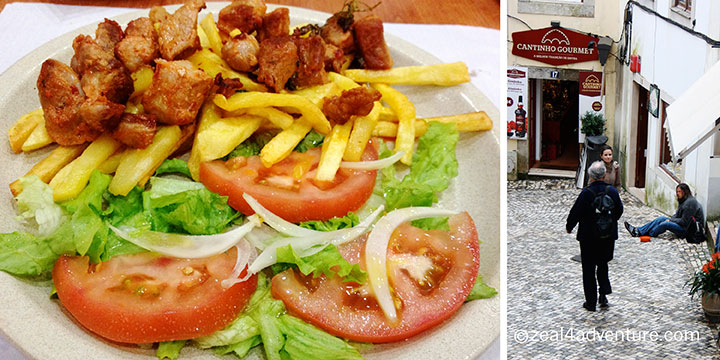
Cantinho-Gourmet

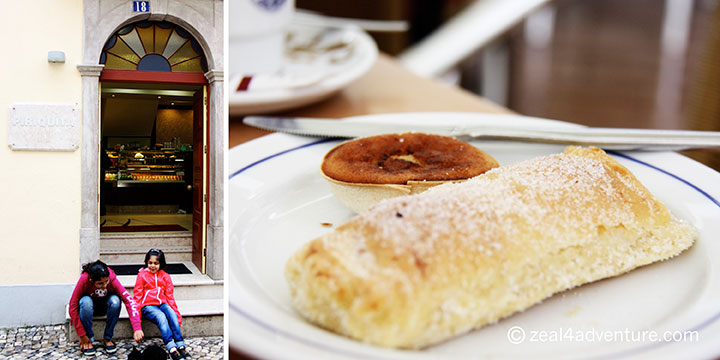
In one of the narrow streets, we found a small café (Cantinho Gourmet) for a pretty good lunch prepared by an old lady. In another part of town is A. Piriquitos.

traveisseros-and-queijadas

Here we had the famed delicacies of the village, Queijadas de Sintra and Travesseiros. Delicious treats not to be missed.

Pena-Palace

In this region north of Lisbon, the center town of Sintra is only half the story. A must-do day trip but if time permits, a few nights stay is ideal to spend time exploring the surrounding beaches and the many seafood restaurants. The other half is a spectacular stretch of Atlantic coast with rugged cliffs, crashing waves and near-empty stretches of sandy beach, which calls for another visit in the future, perhaps.

Useful Info:

A Piriquita: Rua Padarcias 1/7; +351 219 230 026

Pena National Palace: Estrada da Pena; +351 219 237 300

Castelo dos Mouros: Parque de Monserrate, Estrada da Pena; +351 219 237 300     Opening Hours: 9:30AM-8:00PM; shorter hours in low season

Belem: The Glory days of Portugal’s Explorers

Wealth, fame, and fortune, along with spreading Christianity, were reasons why daring sailors like Ferdinand Magellan, Vasco de Gama, and the likes set sail in uncharted waters. This was from a period known as the Age of Discovery. From 1400 to 300 years later, European explorers, many of which are from the seafaring country of Portugal and Spain, visited and mapped most of the world. Portugal discovered the sea route to India while the Spaniards discovered America.

Portugal, a small kingdom whose economy relied on seafaring in the 15th century, had a visionary ruler in Henry the Navigator. He encouraged and paid many to explore the world. And so this nation once ruled the waves.

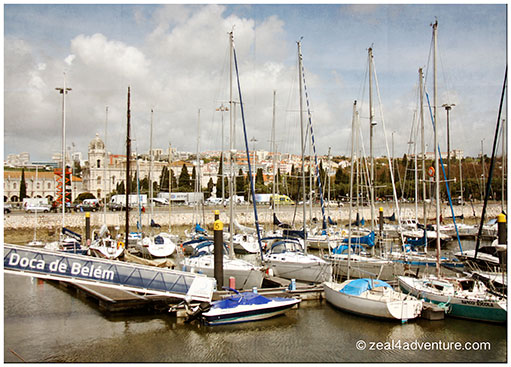
doca-de-belem-marina

Belem is where the Tagus River meets the sea. From its waterfront, many of the great Portuguese explorers embarked on their voyage to discover the world. During this time, Lisbon flourished and many great monuments were constructed.

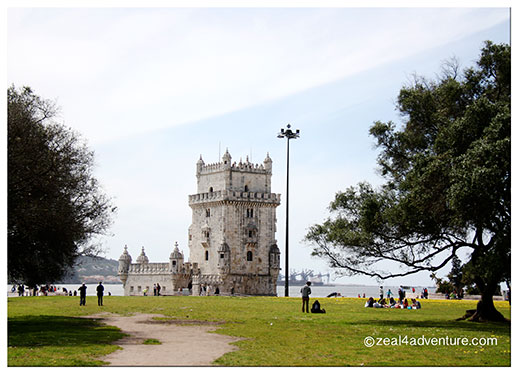
belem-tower

Belem Tower was one of those. A magnificent fortress also named Tower of St. Vincent, as it was built to honor Lisbon’s patron saint. The tower situated at the mouth of the Tagus River was initially built to defend the city. The 4-storey tower was originally constructed on an island in the Tagus River near the shore. It stands on land today because the riverbank’s location shifted through the years.

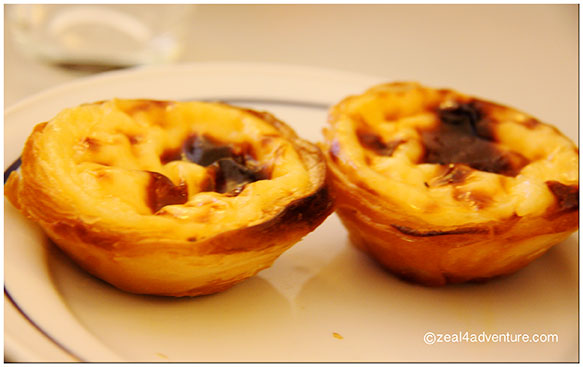
Belem’s main street and historical avenues are a strip of 160-year-old buildings that have survived changes and modernization. These include the famous pastry shop, Antiga Confeteria de Belem, known for a particular Portuguese confectionery, an egg tart called

pasteis-de-belem

Pasteis de Belem—the flakiest pastry filled with creamy custard. Just across from Jeronimos Monastery, the shop is easily spotted because of the long line spilling over to the sidewalk. Many of which are visitors from the stunning monastery.

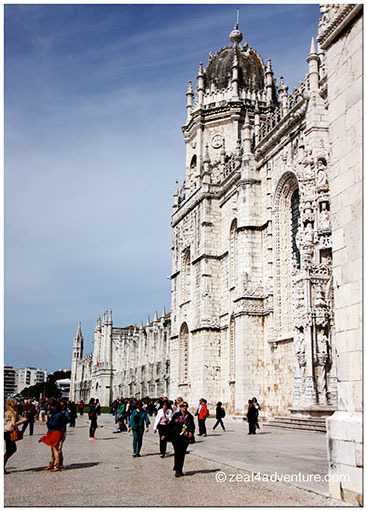
jeronimos-monastery

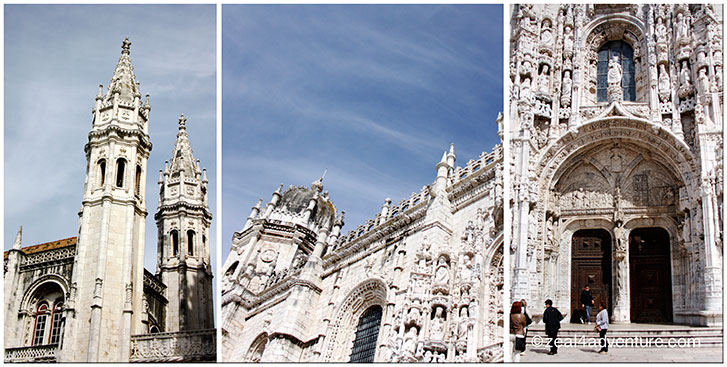
The Jeronimos Monastery is a classic example of a Portuguese late Gothic Manueline architecture. Along with the nearby Tower of Belem, it was classified in 1983 as a UNESCO World Heritage Site. It is one of the significant emblems of the Age of Discovery and the distinct maritime motif, which includes corals, sea monsters, and coiled rope, reflects that golden era.

jeronimos-monastery-details

The monastery was built in honor of the successful voyage to India of celebrated Portuguese explorer Vasco de Gama. This is also where De Gama, King Manuel, and other prominent figures were laid to rest.

Discovery-Monument

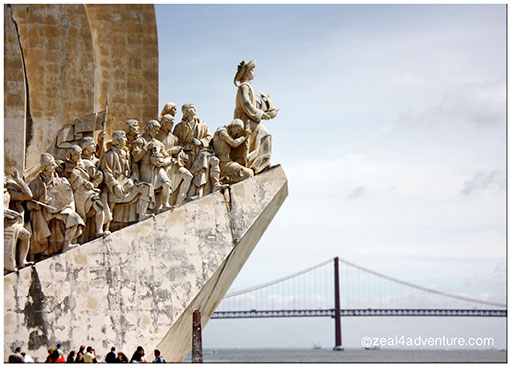
Sitting opposite the monastery, on the banks of the Tagus River, is another stunning iconic monument, the Discoveries Monument. Dedicated to the adventurers and explorers who helped established Portugal as a 14th-century superpower. Unveiled in 1960, on the 500th death anniversary of Prince Henry the Navigator. The massive monument had Prince Henry at the prow of a caravel, backed by figures from Portuguese history that participated in the golden age of discovery.

I have to admit, Belem caught my attention because of one thing only—Pasteis de Belem. If this is the only thing you do, that tram ride to Belem will be worth it already. But it would be a waste to miss its historical sights, which are all within walking distance anyway.

Lisbon’s gateway to the Atlantic, Belem, is where the Tagus meets the sea and where the naval explorer of yore started their journey to the unknown. Take the effort to visit it when in Lisbon.

Useful Info:

Jeronimos Monastery: Praca do Imperio

Opening Hours: Oct-Apr: Tues-Sun 10AM-5:30PM May-Sep: Tues-Sun 10AM-6:30PM Admission: €7

Antiga Confiteria de Belem: 84/92 Rua de Belem

Alfama: The Home of Lisbon Blues Music

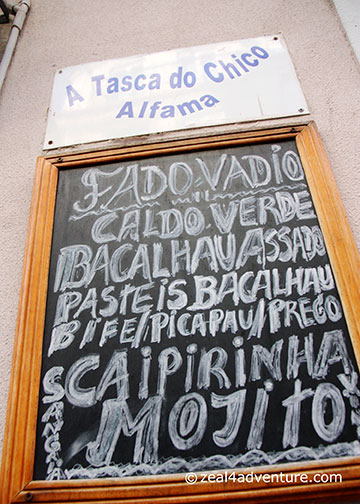
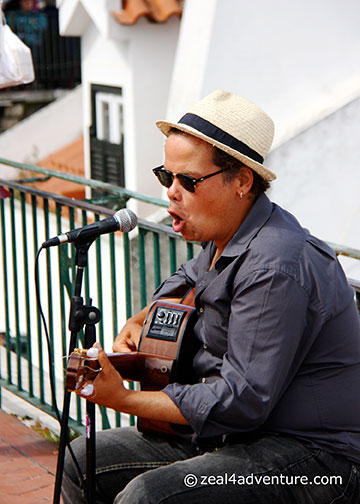
“Alfama” recommends Hossein. For an authentic fado vadio, our “unofficial” guide guaranteed that this place is it, writes down the name and address of the bar, then points it out on our map.

A-Tasca-do-Chico-signage

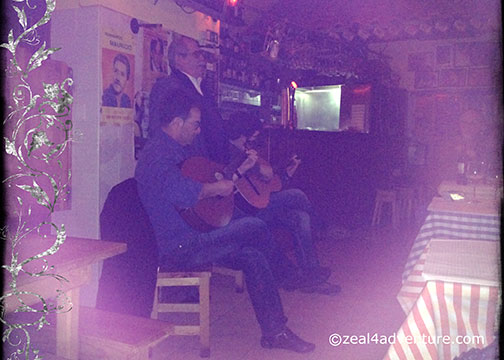
On Rua Dos Remedios, we found A Tasca do Chico. It was Fado Vadio (amateur fado singers) night.

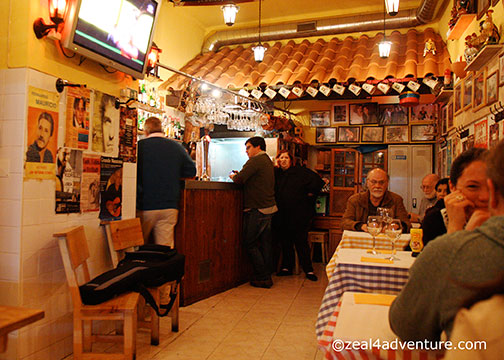
A-Tasca-do-Chico

The small joint only had a few tables, perfect for intimate and informal performances.

tapas-and-sangria

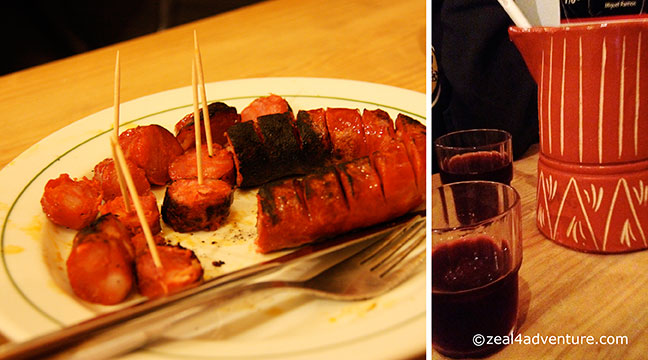
Dinner was simple but we were there for Fado anyway. It was an absolutely enjoyable evening of soulful music. A must in Lisbon.  Really.  Don’t leave Lisbon without a live experience of Fado music.

Fado

So what is Fado? I too, have  never heard of it until I read up on Lisbon. It is a music genre traced back to the 1820s and 1830s at best. Although difficult to trace, it seems to have its roots in the merging of Portuguese, Moorish and African culture. Fado songs can be about anything but it is a traditional form of urban folk music. The Portuguese language has a word, saudade, which roughly means nostalgia or homesickness with a bittersweet longing. Fado music is exactly that. It often conveys a yearning for what could have been or what cannot be. Most of its lyrics are about lost or unrequited love, jealousy and passion, death, and the lives of the Fadistas (fatalists).

There is no better place to experience the nostalgia of Fado than in Lisbon’s oldest district, Alfama. But it is not only famous for its Fado music as to visit Alfama is to visit the architecture, sound and smell of old Lisbon.

And so we went back the following day. Alfama is Lisbon’s most symbolic quarter. The oldest district of Lisbon spreads down the southern slope from Castelo de Sâo Jorge to the River Tagus. The Mouraria and Alfama (both old districts) were relatively spared during the Great Earthquake,
narrow-street
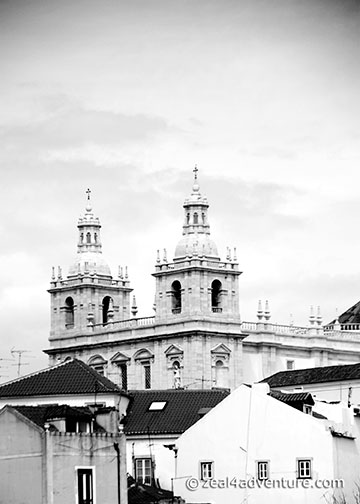
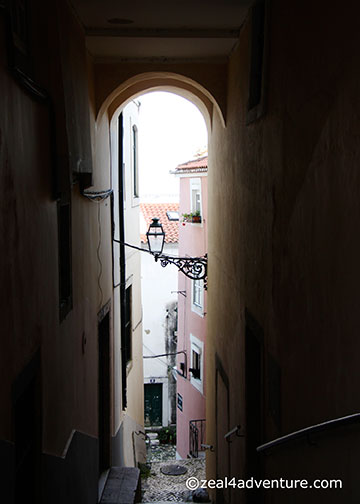
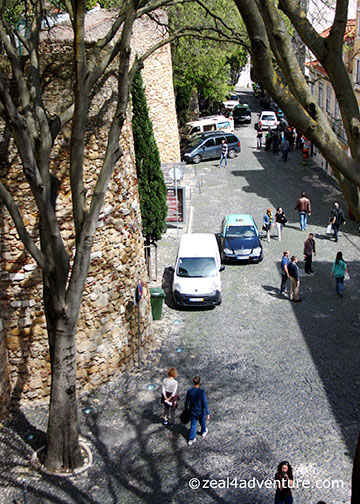
thus remains the charm of winding narrow streets and crumbling walls.

castelo-de-sao-jorge

A walk through the old-fashioned residential neighborhood is like stepping back in time.

Alfama

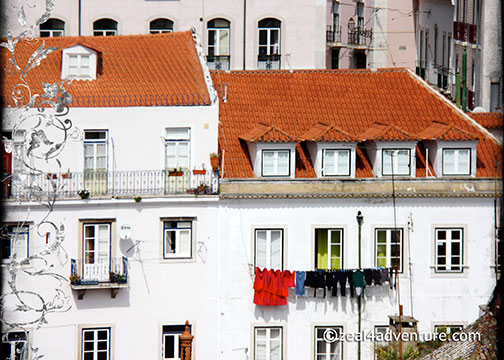
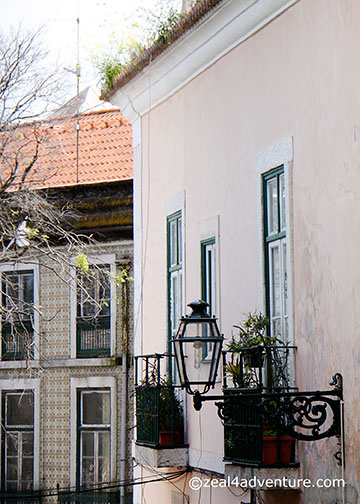
It’s a village still made up of tiny spaces, whitewashed houses with iron balconies adorned with pots of flowers and drying laundry.

The best way to get to know Alfama is to wander around.

view

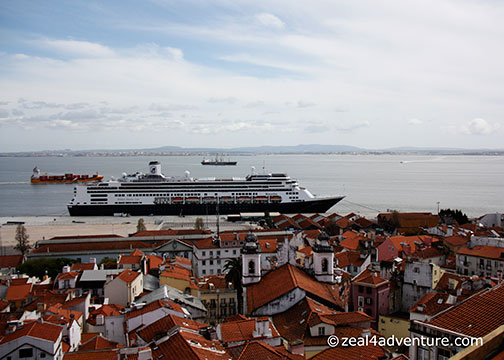
The outstanding views, the churches, and the breathtaking panorama of the city from the castle were worth another trip back the next day. Some scenes from our wanderings:

from-castelo-de-sao-jorge

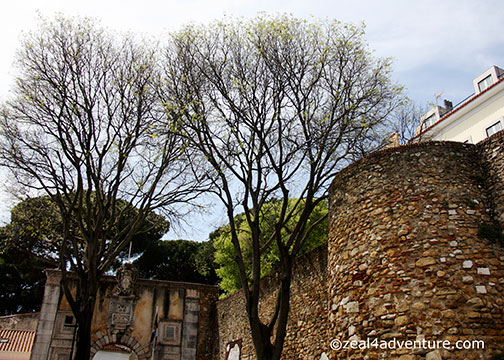
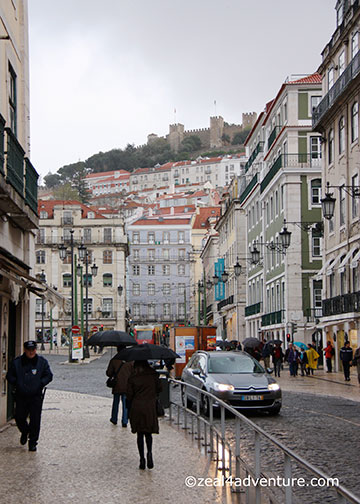
Although we didn’t have time to explore, Castelo de Sâo Jorge is a Moorish castle occupying a commanding hilltop overlooking the historic center of Lisbon and Tagus River.

IMG_9367As in from Baixa.

It can be seen from almost everywhere on the city.

Miradouro-de-Santa-Luzia

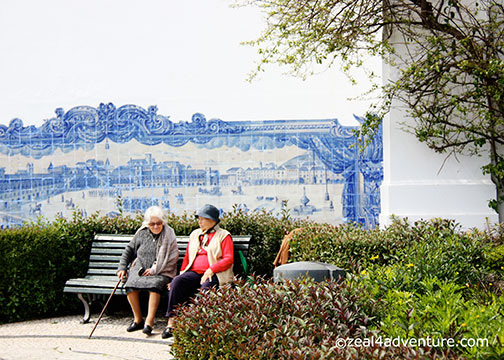
Miradouro de Santa Luzia is a romantic terrace by the church of Santa Luzia with a view of the river and Alfama. On the outside wall of the church are 2 tiled panels, one of Gomercio Square before the quake and another showing Christians attacking the castle.

Miradouro-das-Portas-do-Sol

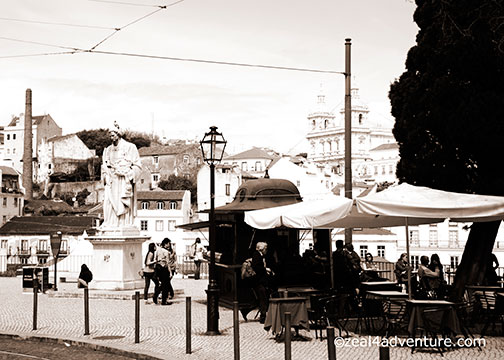
A few steps away from Miradouro de Santa Luzia is a balcony that opens to the river offering spectacular views over Alfama.  A statue of St. Vincent holding a boat and 2 ravens also stands proud watching over the district. Miradouro Das Portas Do Sol.

Sao-Vicente-de-Fora

From the balcony, one can spot Sâo Vicente de Fora Monastery, an exceptional 16th-century monument located outside the city walls. “De Fora” means on the outside.

Santa-Engracia-Church

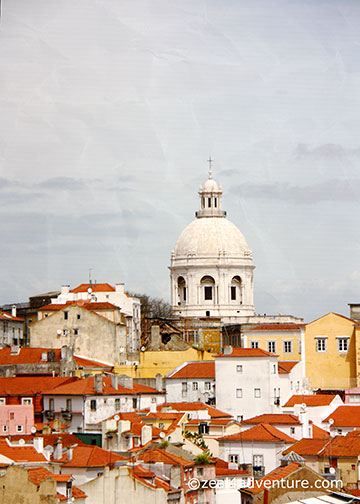
Church of Santa Engracia or Portugal’s National Pantheon. This 17th-century monument was converted in the 20th century into the National Pantheon. It is now the burial-place for a number of Portuguese personalities.

approaching-alfama

entertainment

IMG_9665

Useful Info:

Getting There: 

tram-28

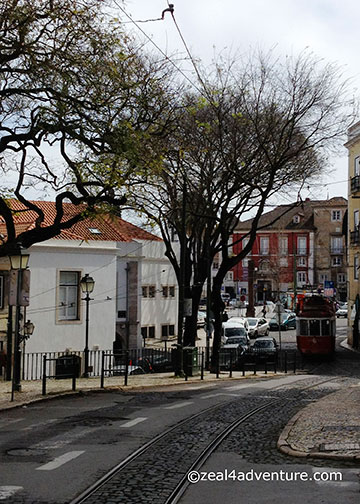
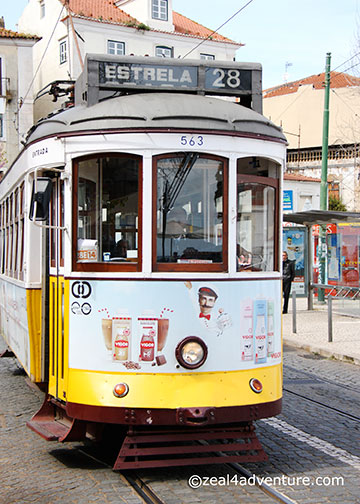
Walk from Rossio or take tram no. 28

A Tasca do Chico (Alfama)
Rua Dos Remedios, 83
+351 965 059 670
 
 
References:
Portuguese Fado Music 101 – About. (n.d.). Retrieved from http://worldmusic.about.com/od/europeanjudaica/p/PortugueseFado.htm

Passing Through Faro

marina-4

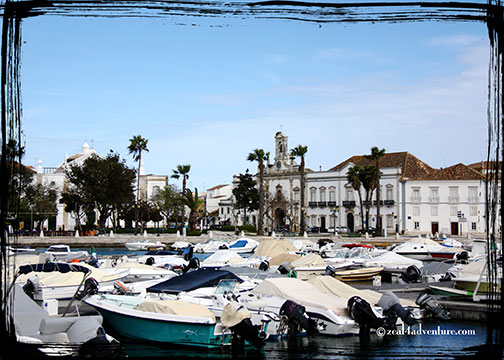
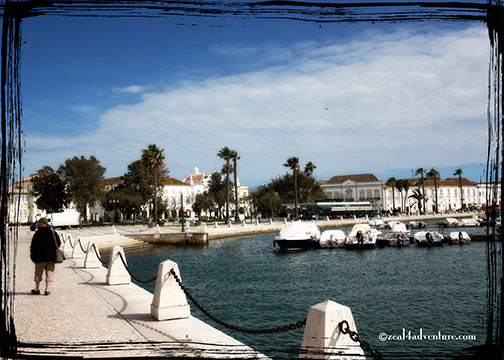
It was a beautiful, balmy day. Blue skies, gorgeous clouds, splendid sunshine.

planning-the-route

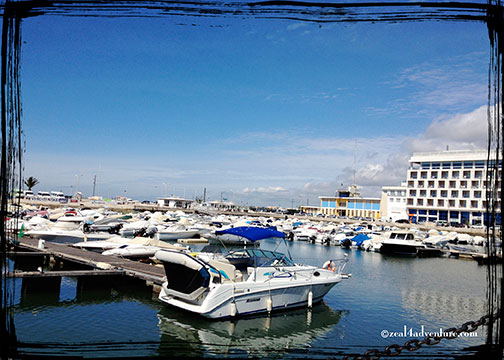
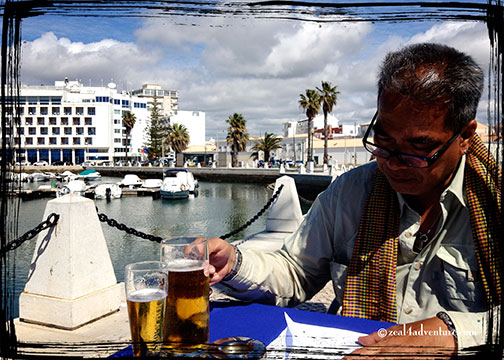
We sat outdoors, right beside the marina. We ordered our beer and then planned our day. First agenda was deciding on lunch.

Not particularly known as a tourist destination with little to boast in terms of tourist attractions.

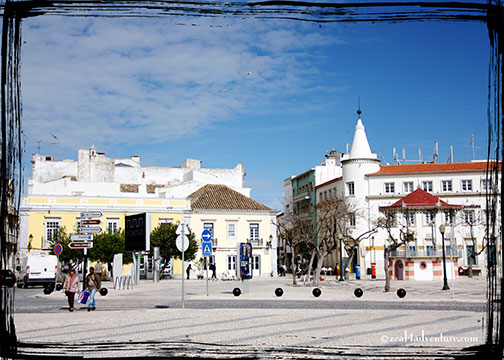
quiet-plaza

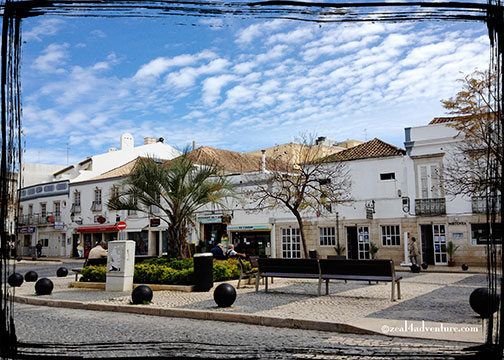
The gateway to Portugal from Southern Spain is a quiet town in the Algarve region.  Quiet relative to all the places we’ve visited on this trip.  Tourists more like pass through Faro on their way to a beach resort or a fairway nearby. But I love it for the quietness.

graffiti

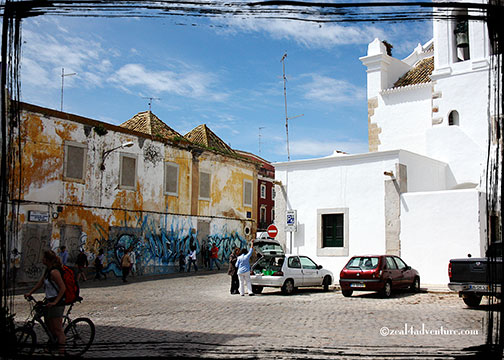
If you look beyond the graffiti walls, Faro is charming. Small enough to cover by foot and without an agenda, we went with the flow, stopping for beer or sweets when tired or just felt like it.

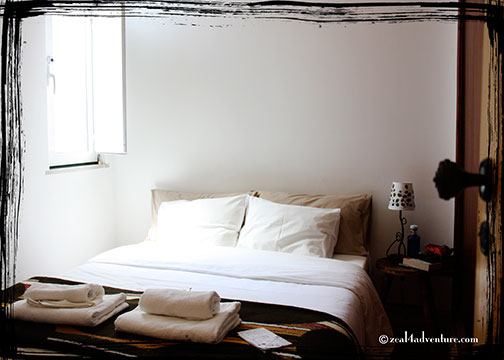
The journey by bus from Seville took about 2 hours.  We arrived mid-morning and it took about 10 minutes from the bus station to our cozy B&B, comfortable enough for one night (read: tiny room).

azothea

“What can we do for the day?” we asked the young lady in charge. “Here?” she thought for a second. “Nothing much” she replied. We could go to Lagos for the day if we wish. Her advice.

We didn’t.  Into our third week of traveling, we felt like doing nothing.  We needed to recharge so we stayed put.  Never mind that we didn’t get see the fort up in Lagos.  So after a few beers at the marina, we followed the map to Adega Nova along Rua Francisco Barreto.

Adega-Nova

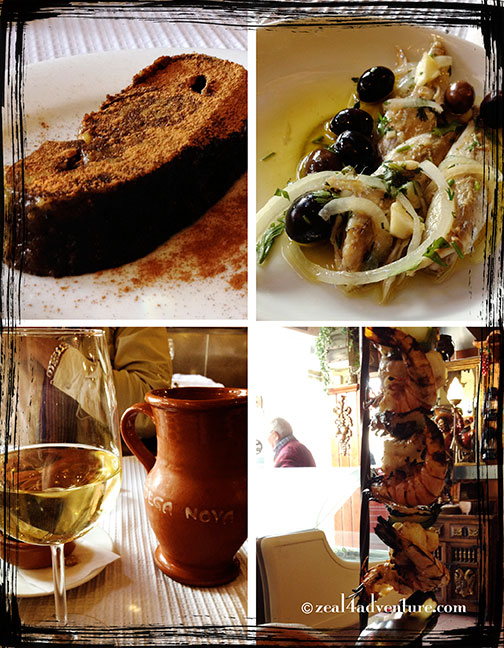
Beautiful lunch and a superb dessert—a place I highly recommend when in the area.

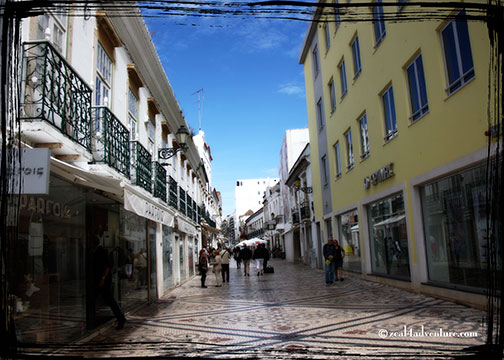
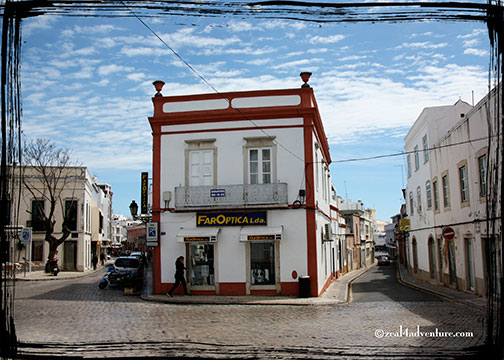
Then we walked towards Cidade Velha (the old town) through shops and cafes along the city’s pedestrianised shopping center.

pedestrian-shopping-street

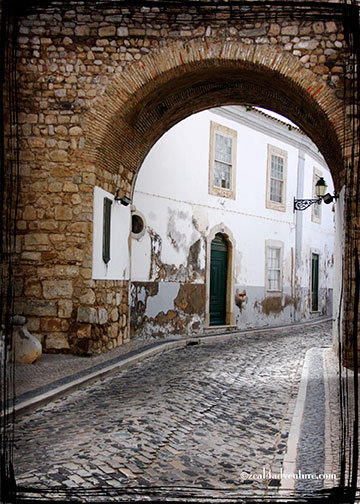
We entered the old town through Vila Adentro and was magically transported to another world.

old-town

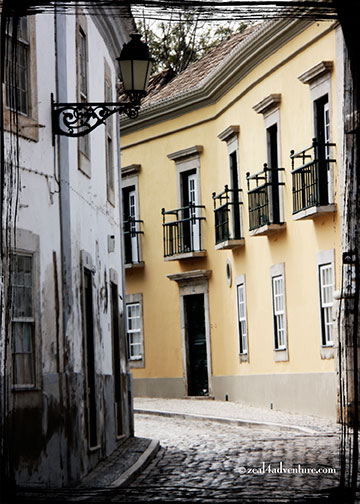
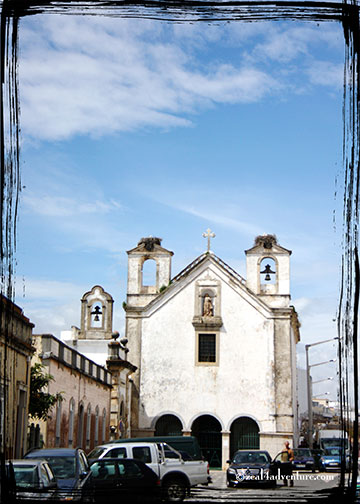
Streets cobbled and lined with whitewashed houses maintaining the Portuguese character,

cobbled-street

a large section of this old walled city is still surrounded by walls built by the Muslim conquerors.

wall

This medieval walled city survived two earthquakes, they say.

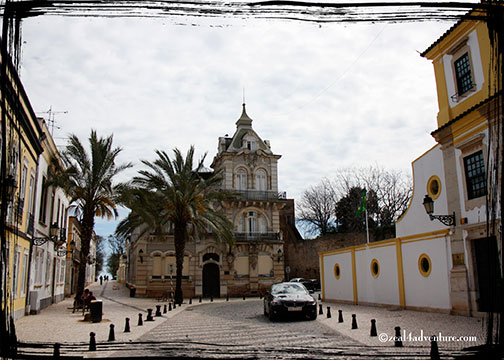
Palacio-BelmarcoThe Palacio Belmarco

The hodgepodge of Baroque, Gothic, and Moorish architecture provides a fascinating insight into its past.

Linked by medieval gates or arches, the Arco do Repouso is the most impressive section of the walled city,

arco-do-repouso

 and the Arco do Porta Nova or the Portes do Mar (doors of the sea) near the water, is usually where many would end their walk, us included.

jardim-manuel-bivar

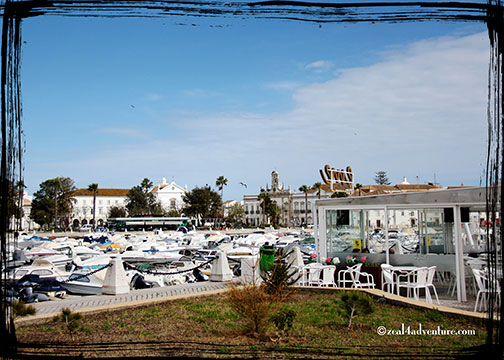
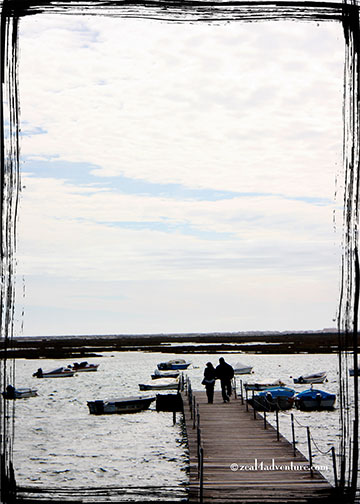
Walking at the water’s edge heading back to Jardim Manuel Bivar near the marina, many offered us a trip to Ria Formosa Natural Park, a marshland supposedly teeming with birdlife.

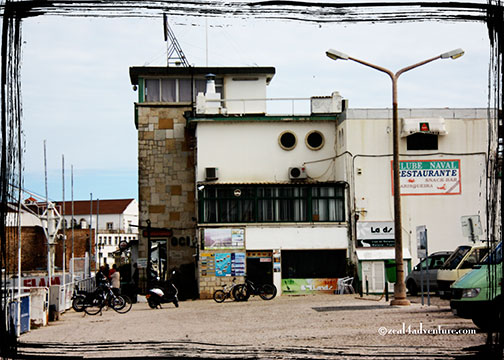
We declined. Instead, we headed to Clube Naval.

clube-naval

We read that this harbor-side bar offers good views of the park and the city from the top floor,

beer and ice cream

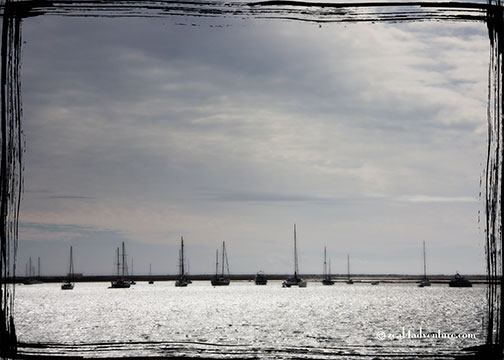
but they were closed for the day so we settled for a cafe nearby, spending the rest of the day admiring the harbor and the city until we were ready for dinner.

boardwalkWhere one take the trip to Ria Formosa.

harbour marina-2 marina-3

Contrary to the lady’s (from the B&B) enlightenment or lack thereof, Faro is a delightful destination in its own right.  The charming old town had impressed and makes for a wonderful, unforgettable break.  I wonder why she thought otherwise? Perhaps we need to start seeing beyond our ordinary. I too am guilty of that in many ways.  We tend to take for granted the (what we think are) ordinary things.

Here are more photos of our wonderfully surprising day well-spent.

Capuchin-conventCapuchin Convent close to the guesthouse

charming-city   estatua-d-afonso-III

At the Largo do Don Afonso III, named after the 13th century king whose statue dominates the square.
governo-civilGoverno Civil
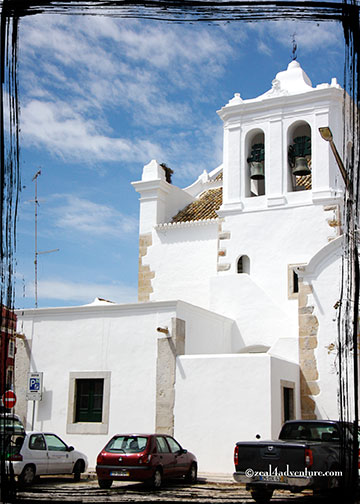
igreja-de-sao-pedroIgreja de Sao Pedro

museu-municipal

The Municipal Museum, Faro’s cultural highlight, is in a former convent built around a Renaissance cloister containing exhibits related to the city’s Roman and Islāmic heritage.

Useful Info:

Adega Nova
Rua Francisco Barreto
+351 289 813 433
www.restauranteadeganova.com
 
Azothea
Rua Baptista Lopes, 40
+351 289 802 536
www.facebook.com/Azotheabnb