Korean Street Food: A Food Tour

Food has always been a big part of my travels.   It is, after all, the best way to connect with a place and its people. Food is Culture.

And in Korea, street food is part of its culture. The food scene in Seoul is deliciously varied and steeped in tradition. And its streets will fill you in on its true flavors. Ubiquitous food stalls and kiosks are the best places to eat on the go in a city that needs fuel to get going. Food is quick, hot and cheap in a Po Jang Macha, as locals call them.
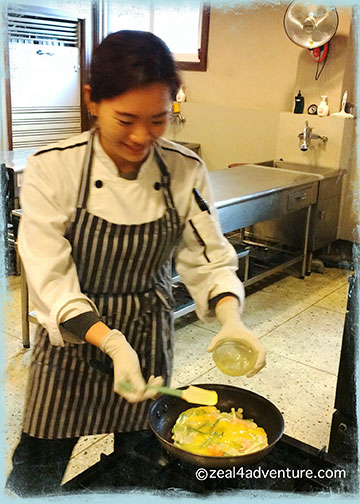
demo

Our adventure started with a dish of Haemul Pajeon (Seafood Pancake) demonstrated first to us by a chef at O’ngo Food Communication’s kitchen in Jongno-gu. A food tour we joined to experience Seoul through our belly. I tried many times to replicate this Korean pancake in my kitchen but could never get the crunch. Now I know. A pinch or two of baking soda will do the trick.
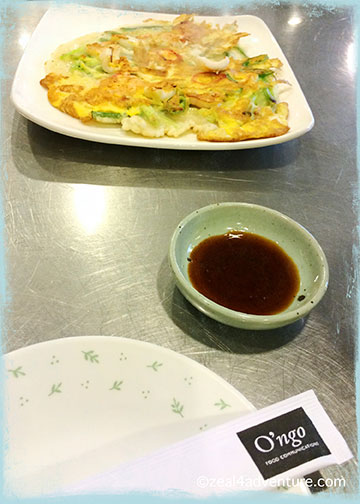
Pajeon

On hindsight, hard as it may be, I shouldn’t have gorged on that favorite dish of mine because the rest of the tour had us weaving through good eats after good eats around Insadong.

First stop was the Nakwon Market. Definitely not a Gwangjang (the market of all Seoul markets) but it caters to the neighbourhood and it doesn’t get as local as this.
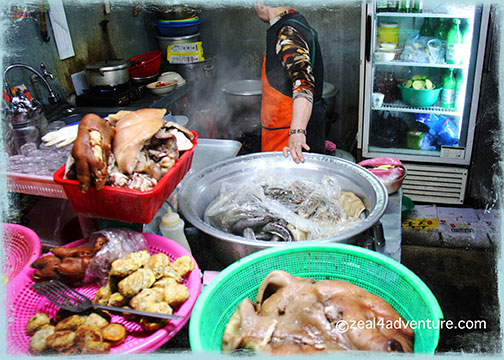
nakwon-market

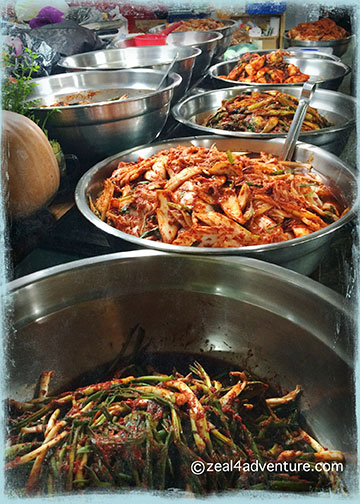
It is here where I had my first taste of baechu geotjeori, which translates to Napa cabbage lightly salted.
kimchi-variety

It doesn’t have the oomph of the classic kimchi, but it is mildly salty and sweet making it more rounded. Its crispy texture is refreshingly addicting that leaves me craving for it to this day.
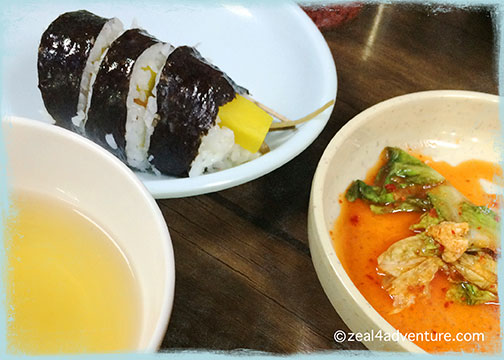
fresh-kimchi-and-gimbap

A kimchi made to be eaten fresh without fermentation,
making-gimbap

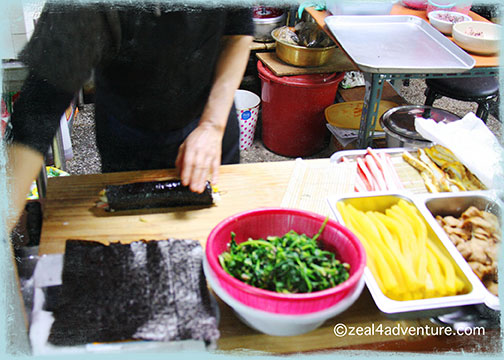
it is made daily by this lady who also makes an outstanding Gimbap, a dish that I was never compelled to try (because I thought it is an inferior version of the Japanese sushi, quite the contrary) but have since become a convert.
gimbap

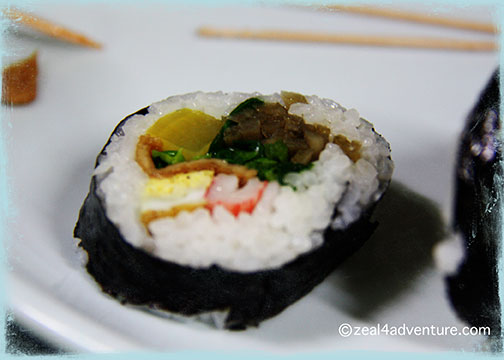
Gimbap: Rice rolls stuff with cucumber, crab sticks, turnip and wrapped in seaweed then brushed with a bit of roasted sesame oil.

Her stall is packed with locals, and you can guess why.

A few street foods later,
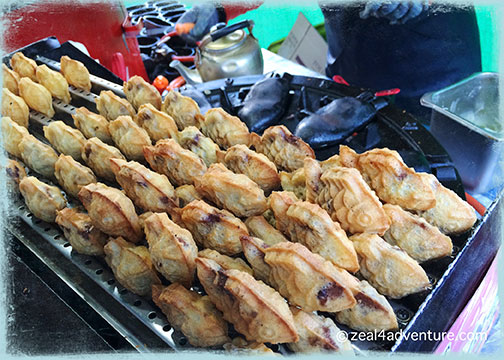
bungeoppang

Bungeoppang: It’s a waffle with either a red bean paste (azuki) or a cream filling (similar to a Bavarian) shaped and sealed in a bungeo (carp) like cast iron mold. Crispy edges with a soft sweet middle.
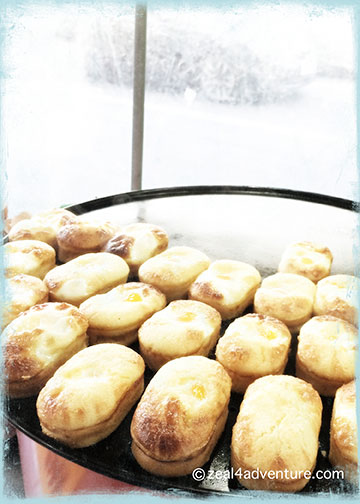
egg-bread

Gyenranppang: On the same stall you’ll most likely find this chicken egg bread or simply egg bread. A version of the bungeoppang. The dough is topped with an egg and cooked in a mini oven.
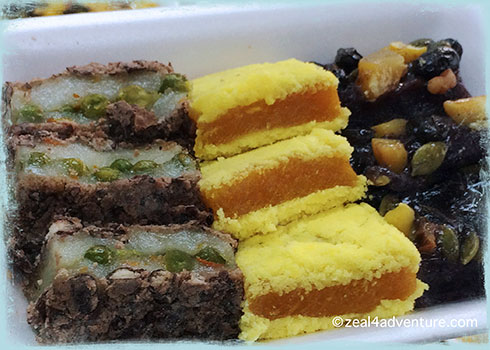
rice-cakesVarious rice cakes

silkworm

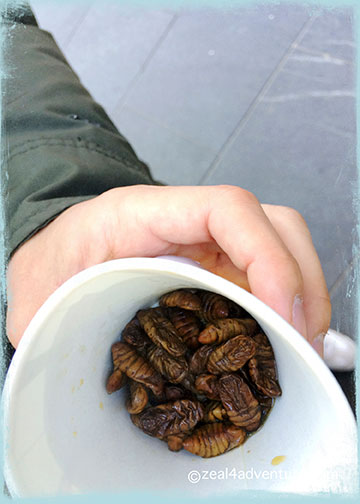
Beondegi: Seasoned silkworm pupae steamed or boiled and eaten as a snack. Chewy in texture, taste is ok, but the smell is a bit off. Overall, ok to try once.

we found ourselves in Bukchon Son Mandu.
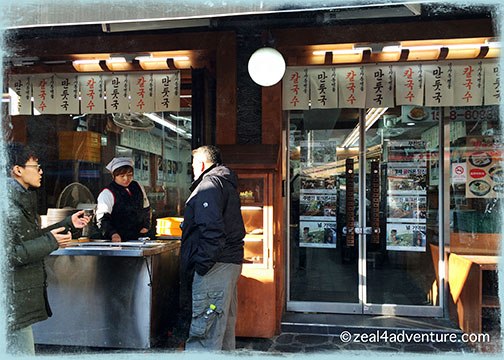
Bukchon-Mandoo

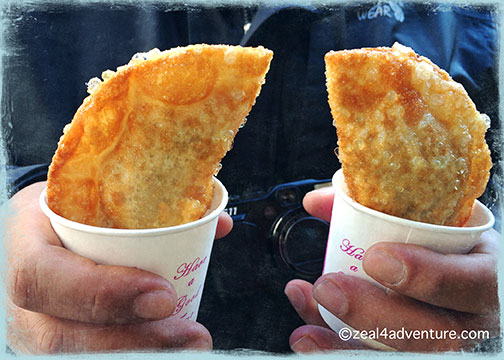
Oh the deep-fried pork dumpling is to die for.
pork-mandu

A combination of pork, scallions and glass noodles on a dumpling that is fried to a perfect crisp. We were back the following day for a full meal.
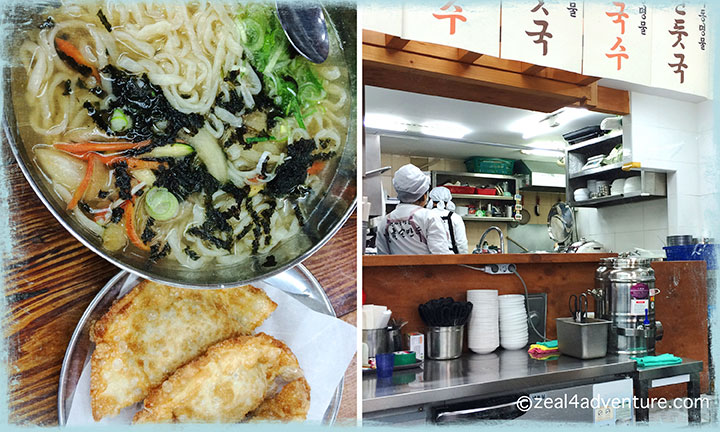
bukchon-mandoo-full-meal

That good.

We then capped the tour with more food. A sumptuous BBQ lunch.
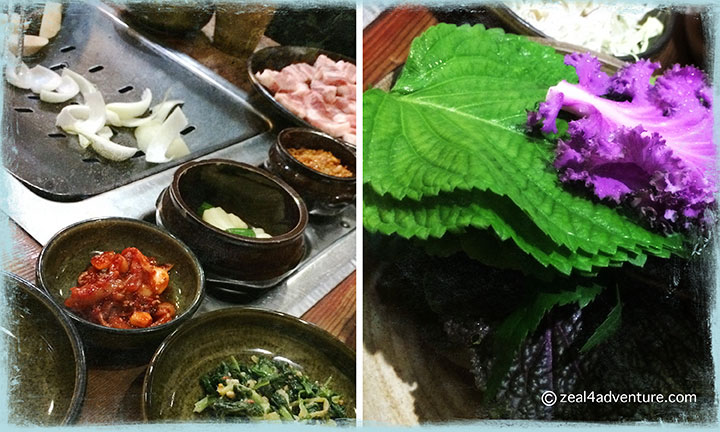
bbq-lunch

Left to wander on our own, we found more street food that fancied our eyes more that our stomachs but still gave in to the lure.
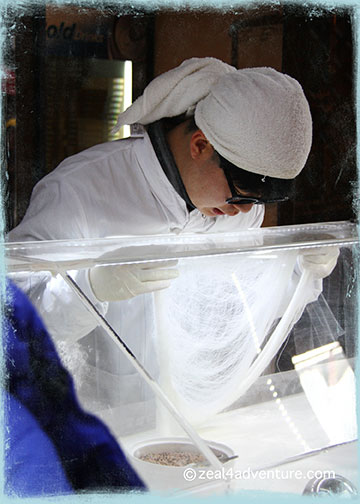
making-dragon-beard-candy

Ggultarae or Dragon Beard Candy: These guys do a great show, attracting many audiences. They start with a block of fermented honey and a bowl of cornstarch (chanting as they work) that is stretched until it turns into fine soft strings. It is then stuffed with hazelnuts, walnuts or peanuts. Yummy!
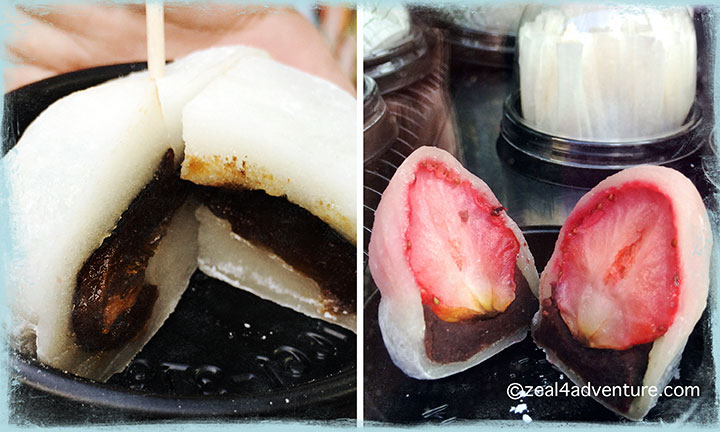
mochiFruit filled mochi — preserved persimmons on the left and fresh strawberry on the right.
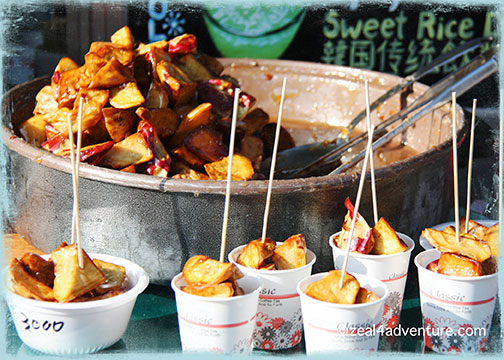
sweet-potato

Spotted, not in Insadong but in Bukchon (on my next post), is this heavenly sweet potato that Korea is so known for.

Seoul is a haven for foodies and a wonderful city to be on a food trip.  Check out my past posts here and here.

Bukchon Son Mandu
42-5, Insadong-gil, Jongno-guSeoul, South Korea (Insadong)
Rainy Days in Seoul: Taxi rides, Museums and Bibimbap

rainy-days-in-SeoulCredits:  Template from the You are Awesome bloghop

As luck would have it, we woke up to a rainy Seoul on our first full day in South Korea’s capital.

rainy-dayBreakfast at the guesthouse.

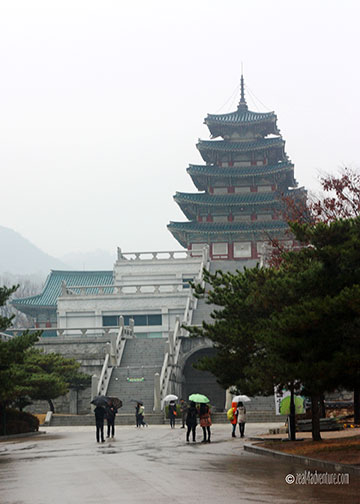
What to do? We deferred our plan to walk around Bukchon Hanok Village and instead, per the suggestion of the guesthouse staff, we headed to the National Folk Museum in Samcheong-ro in Jongno-gu.

The hassle-free way to get around on a wet day is by taxi. So driver dropped us off in front of the Gyeongbokgung Palace. The museum is located inside the palace grounds, but we didn’t know that. So imagine us bewildered when he stopped the car and tried to tell us (in Korean and sign language) where to go. And so we got off but couldn’t figure out why. While studying the map (in the rain) to get our bearings, he came back and gestured for us to get back in. He decided to drive us all the way to the gate. A quick left and a U and there we were at the side entrance of the Palace, closest to the museum. He was actually trying to tell us to cross the street, walk a little further, turn left, and we will find it. But he didn’t speak English, and we didn’t understand Korean hence the confusion. He didn’t charge extra.

National-Folk-MuseumThe museum shows the lifestyle and traditions of everyday Koreans at different periods that stretches from prehistoric to the end of the Joseon Dynasty.

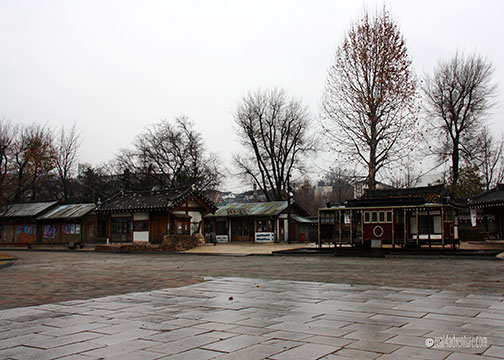
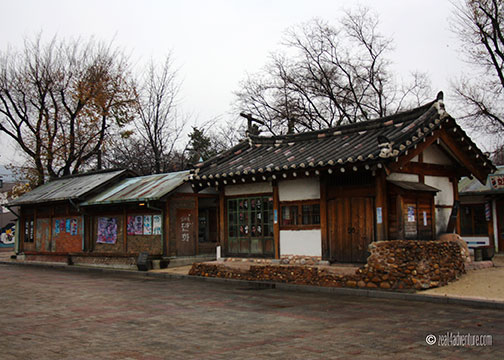
traditional-villageThere is also an open-air exhibit that takes you back in time through a replica of a street in a traditional village in late 19th century when a new modern culture was rising in Korea.

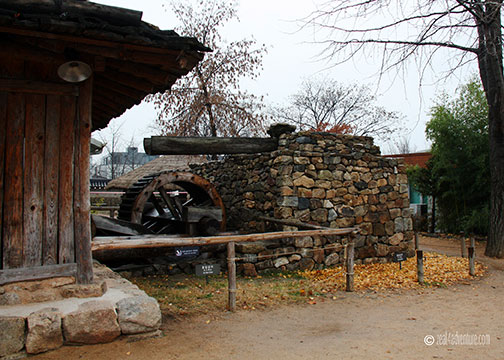
grinding-millThere you’ll see a grinding mill, a street car; hanok-style buildings and stores.hanok-style-stores

For lunch, we took a very short taxi ride (the driver scratching his head but couldn’t explain that it is just across the street, practically!) to Insadong. But because it was also drizzling, he obliged. I am amazed at how kind and gracious these people are. Thank you!

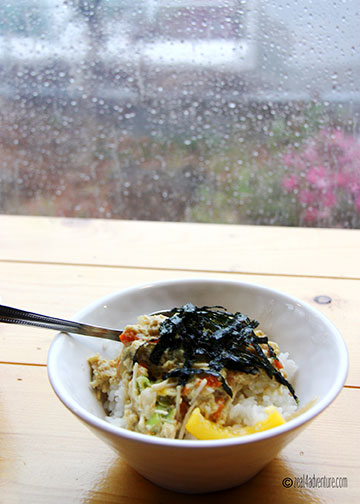
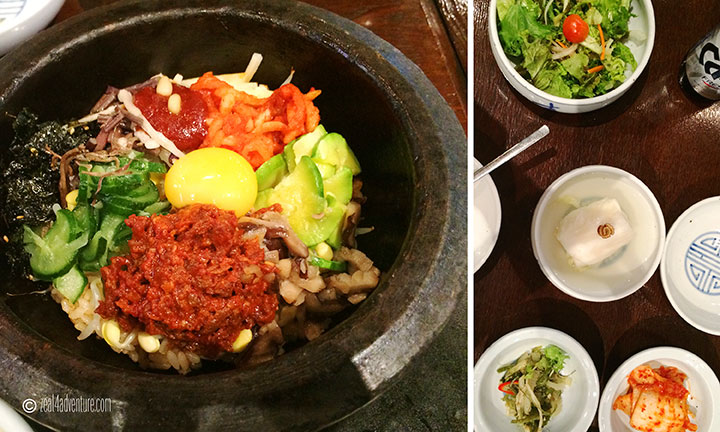
Lunch was an entirely satisfying meal of bibimbap and bulgogi at Gogung. I forgot how I adored these well-known dishes, which I first came across about 3 decades ago, when Seoul and I weren’t quite as hip. GogungThis beautiful mixed rice with vegetables, chili paste and eggs called bibimbap kept us full without breaking our pockets. Gogung, known for its Jeonju style bibimbap, is in the basement of Ssamzie-gil, a colorful shopping and cultural complex in Insadong-gil.

insadong-gilThe main street, Insadong-gil

An iconic Korean street, Insadong is a vibrant neighbourhood with streets and narrow alleys lined with antique shops, art galleries, and all kinds of shops, from beauty to crafts.

alleys-insadong

insadong-stores It is also home to many traditional restaurants and teahouses. Tomorrow a food tour we signed up for will bring us back here. So stay tuned for more of Insadong and its street foods on my next post.

Rainy Days in Seoul: Staying at the Hongdae District

main-road-mapo-gu

Blame it on K-drama and a thwarted meeting last June, we found ourselves walking the streets of Mapo-Gu, backpacks in tow, looking for our guesthouse on a cold and rainy day in November. We don’t want to waste that visa and ticket, yes?

We got off the subway, followed the instructions provided by the guesthouse complete with photos. Easy to find, on a quiet street not far from the main road sits a charming brick building housing a photography studio and an office on the ground floor.

Lee-Kang-Ga

Lee Kang Ga will be our home for a few days while we explore Seoul (some of it, that is). The cozy guesthouse is on the top floor with residential units in between.

wall-artI chose to stay in the Hongdae district for its urban street arts and indie music culture. Brimming with mostly young people wandering about, the vibrant streets (especially at night) are alive with music and a lot of cheering. You’ll see dance performances, musicians singing or playing their instruments in all sorts of genre.

shopping-at-hongdae

Filled with independent stores and boutiques, it is also a fantastic place to shop if edgy fashion is your thing. It is clearly a place for the young and the young at heart.

As it is a university belt, restaurants and coffee shops abound. Although a phenomenon in all of Korea, the area boasts of exciting themed cafes.

hongdae

Every night was a different discovery of the local taste. One night we devoured on (fried) chicken and beer.

chicken-and-beerIf you don’t know this combination, then you are not watching enough K-dramas.
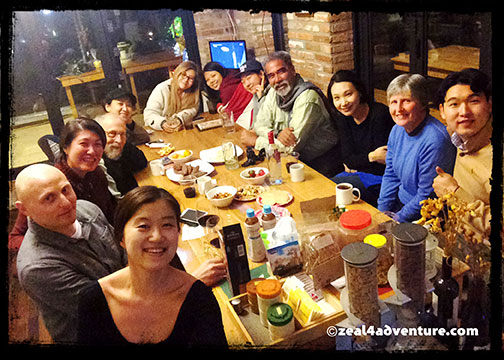
“Have you tried makgeolli?” Andy, from our guesthouse and (must add) the kindest staff I’ve encountered so far, asked. Apparently also superb with chicken, he ran down to the nearest convenience store, bought us a few bottles of Korean rice wine. He ordered a box of fried chicken to go with it.

Mageolli

Pronounced Mak-a-lee, this milky alcoholic beverage is fizzy and refreshing, slightly sweet and tangy and easy to drink.

Every night, we gather at the rooftop kitchen and dining area to exchange stories and share a few bottles of beer, soju, makgeolli or wine with other guests and staff.

hanging-out

It was a lovely vibe of different cultures and age groups. And till today, I still fond memories of those nights.

In the heart of Hongdae, Andy pointed us to one of his favorite “grilled beef” restaurants. It didn’t have an English sign so he sent us a photo of the sign in Korean and instructions on how to find it.

Korean-beef

Found on the 3rd floor atop a 7Eleven store, it was packed with students and young professionals. And on a corner table, we indulged in excellent Korean beef. What made it really special outside of its quality and reasonable price is the array of flavoured salt that one dredges on the meat.salt-variety

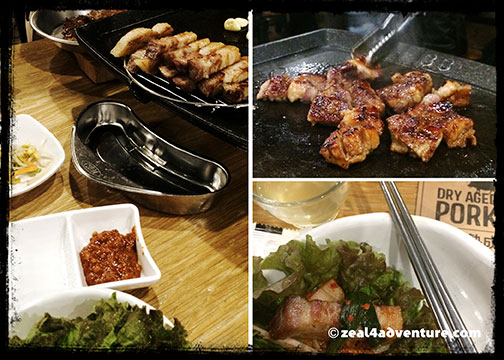
Equally as important to Koreans are pork bellies. Samgyupsal or pork belly wraps could possibly outshine any beef dish in Korea. Koreans are in love with pork bellies and so are we. On our way to the Nanta Theater in Hongdae, we spotted “The Ginger Pork” and instantly knew where dinner will be after the show.

Ginger-Pork

Thick fatty slices of pork bellies grilled on a grill plate, eaten together with garlic, green onion salad and some ssamjang wrapped in fresh lettuce leaf.  It was a glorious way to cap  a fantastically energetic show.

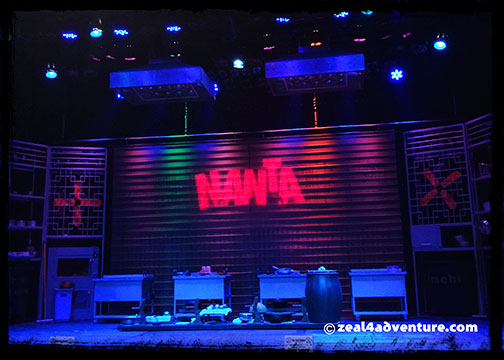
nanta

And speaking of Nanta, do find time to watch this impressive non-verbal comedy show that is entirely about cooking/food. It’s a lot of fun. In Hongdae, the theatre is housed in the beautiful Yellow Stone Building.

Yellow-Stone-Building

There are more to explore in the Hongdae district and 4 nights is simply not enough. In fact, we only scratched the surface and definitely calls for another visit. More of Seoul in my next posts. Stay tuned.

Responsible Traveling

Sagada's-RealityCredits: Papers by Splendid Fin 4ever Swirls and Now is paper in green; The Design Girl paper 1; Elements from Scrap Matter’s Life Little Surprises: leaf and flower by Scrapmuss; frame by Gwenipooh Designs; Splendid Fin Now is Striped ribbon

My first entry to Sagada was in 1994. I was instantly drawn to it because it reminded me of a TV series set in Alaska that I love. Remember Northern Exposure? Rustic town, log cabins, lots of trees, hilly and winding roads, cool weather, sunflowers, indigenous people… well, it doesn’t snow in Sagada, but you get the drift. But more than that, it had caves, waterfalls, rice terraces, lakes and green pastures too. It has become my haven of rest, my respite when the going gets tough in the metro. I’d frequent it through the years.

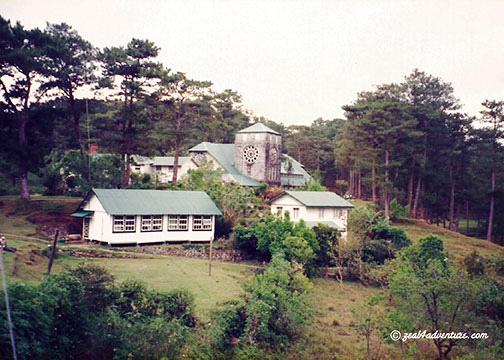
St-Mary'sUnobstructed view of St. Mary’s Episcopalian Church back then.  1997.

Back in the days when going to Sagada entails eight to ten hours of (no air conditioning) bus ride and two very bumpy, dusty jeepney rides because you dare not subject your car to the condition of the road (fit for a 4×4 only) leading up to Sagada. Inaccessibility kept Sagada away from the crowd. You had to adore the place to keep going back or even attempt a visit back then.

Walking-to-Lake-DanumWalking to Lake Danum.  1997.

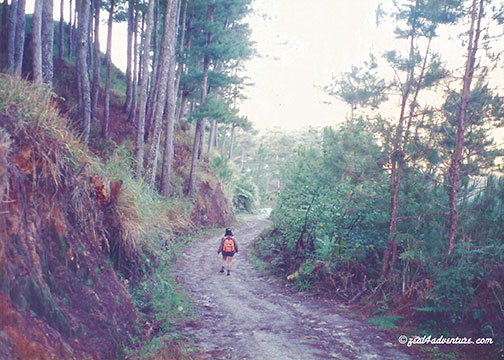
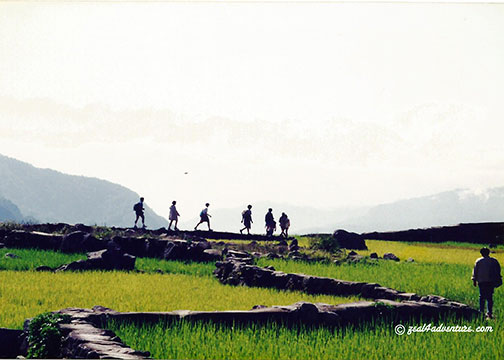
Back in those days, we’d walk everywhere. Sumaging Cave, Lake Danum, Kiltepan, Echo Valley, except for Bomod-ok Falls, where we’d take a jeep to the jump off point to the village of Fedelisan. I remember my first attempt to the falls—muddy and slippery and scary.

narrow-path-to-the-falls
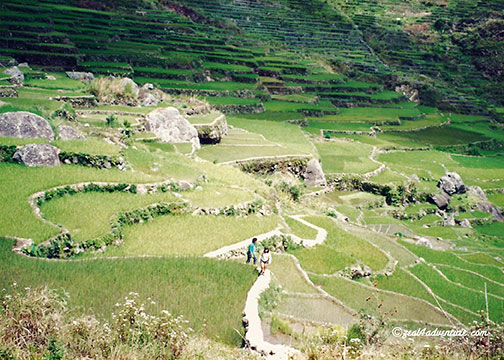
The terraces were narrower then unlike the wider cemented walkways of today (done for the tourists in mind).

Fedelisan-terracesSome paths only had rocks to step on. That was scary.
Back in those days, there was no way to book a room in advance. We’d take a chance and stay wherever there was room. We’d take cold showers because we didn’t know that they sell hot water by the pot for 10 pesos. Crazy, I know. But those were the best times.

The way to Sagada has gotten so much easier because the roads are paved now. Visitors tripled, probably quadrupled over the years. Accommodations of all sorts have sprouted, eateries too. Subtle changes I didn’t mind at all. I actually loved the new additions until my haven of rest started to morph from a tranquil, laid-back escape into a noisy, car-packed town. I now become nostalgic of what Sagada used to be and desiring the old one back.

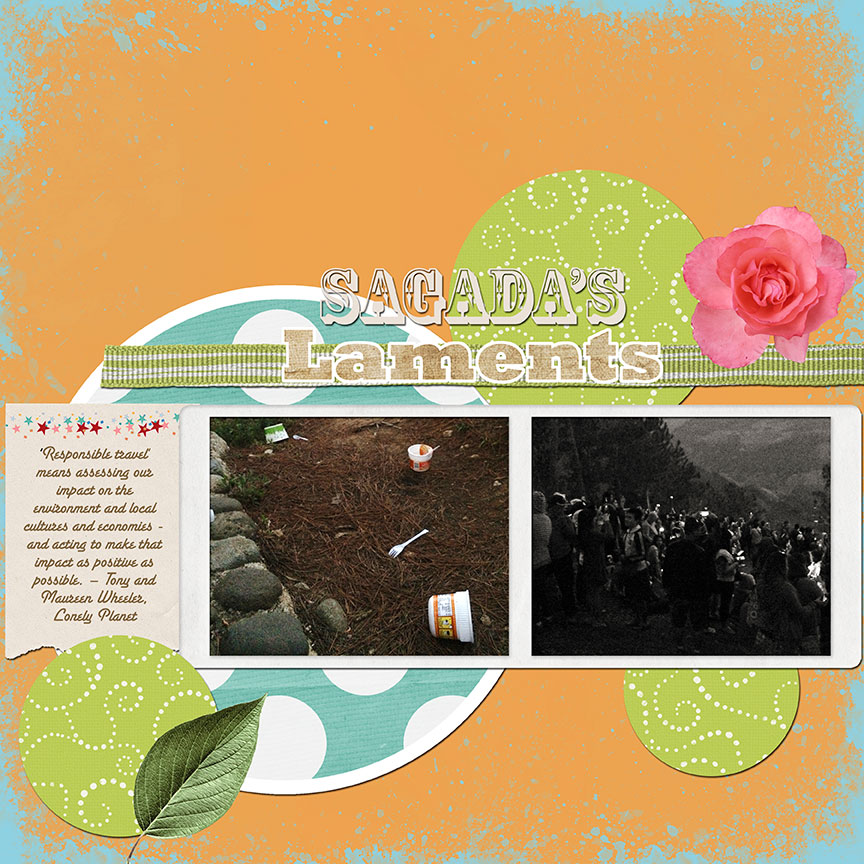
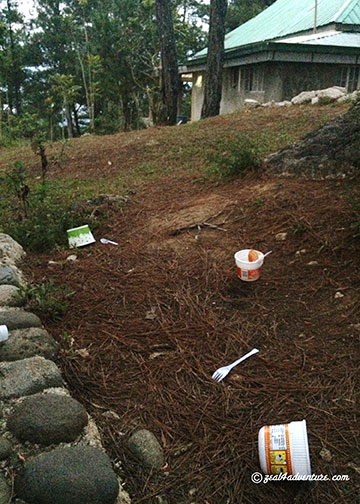
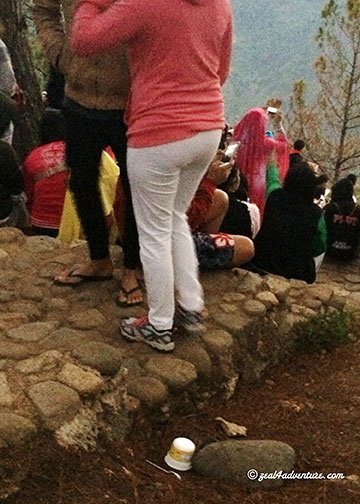
IMG_7145Basura and problema  naming ngayon (we now have a problem with trash),” says friend and guide Fabian. In the many years that travellers (mostly foreign and local backpackers) have come, trash had never been an issue until recently.

And that recently is when the Filipino hit flick, “That Thing Called Tadhana” unwittingly made Sagada an “in” thing.   Nothing wrong with that but sad to say, many of new visitors are irresponsible tourists leaving not only their footprints but also their trash behind.

IMG_7146

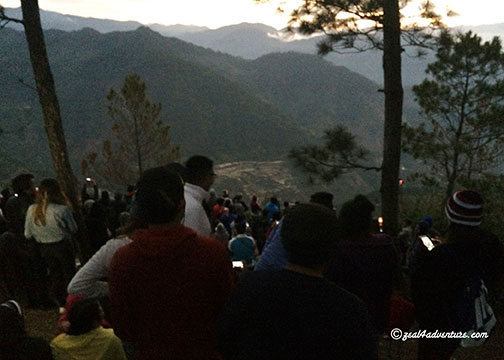
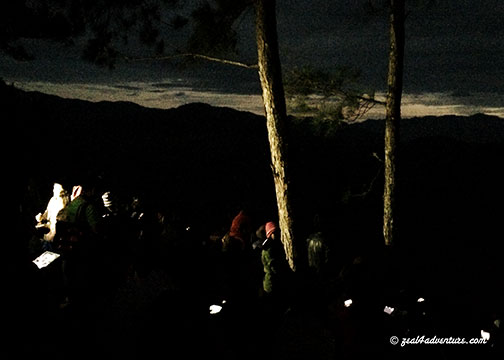
I have yet to understand their psyche but I sense a lack of respect for nature and the surroundings. While waiting for the sunrise in Kiltepan (which by the way was packed with perhaps 200 people taking “selfies”that morning),

crowd-in-Kiltepan

taking-selfiesI’d hear words like “Bet ko nandito parin tayo ng 7 o’clock” (bet you we’re still here by 7 o’clock), like the sun will never rise.

sunriseSana natulog nalang tayo” (we should have just slept in), one said before leaving because the sunrise wasn’t spectacular.   Folks, the sun will rise, that’s for sure but life does not promise dramatic ones every day.   I tell myself to chill because people think differently but how do you explain this one— “Pinaasa lang tayo ng sunrise” (in essence, it means – the sunrise led us on).   Really? Like nature owes you?

I always encourage people to travel because it is enriching. Depending of course on how one takes a trip, the experience can be priceless. But, we need to change our travel habits and be responsible travelers, to be responsible enough to properly dispose of our trash, respect local tradition and most especially their environment. I hope one day we learn to be just that.

‘Responsible travel’ means assessing our impact on the environment and local cultures and economies – and acting to make that impact as positive as possible. – Tony and Maureen Wheeler, Lonely Planet

Begnas: A Ritual for Good Harvest

Happy and contented with finally being able to see up close the Panag-apoy, witnessing another festival is, what I would like to think of as, a bonus.

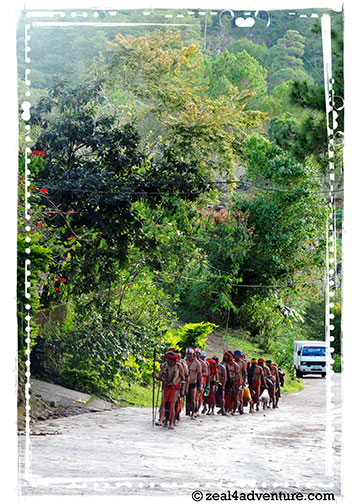
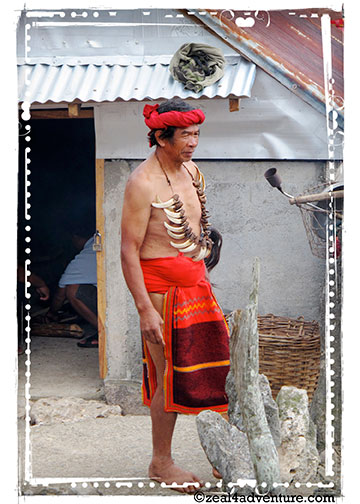
a-few-days-ago-2Walking to town from Ex-Mayor Killip’s house, which we rented for our stay, we saw these men in traditional Igorot clothes.

Former Sagada Mayor Tom Killip invited us to watch their ritual for a good harvest if we have time before heading down. Of course, we have time, we will make time.

dancing-2

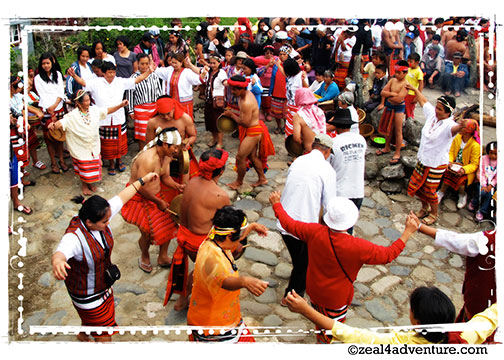
Deeply rooted in culture and tradition, the Kankanaey community of Sagada celebrate a Rice Thanksgiving ritual that follows the cultural calendar of the Igorot. The dates of the Begnas are usually decided by the tribal leaders via age-old omen and signs and, therefore, have no fixed dates.elder

It is generally held to mark the different agricultural cycle—pre- planting or land preparation, planting and harvest—and apparently happens three times a year, loosely in March, June and November.

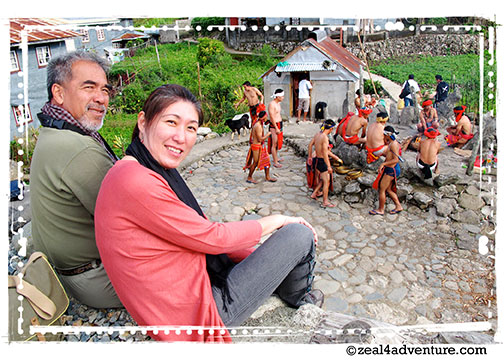
We were advised to be there early so not to disturb their celebration. Being early has its advantages.vantage-point

From our vantage point, we were able to watch the celebration up close without being in the way.gathering-in-the-dapay

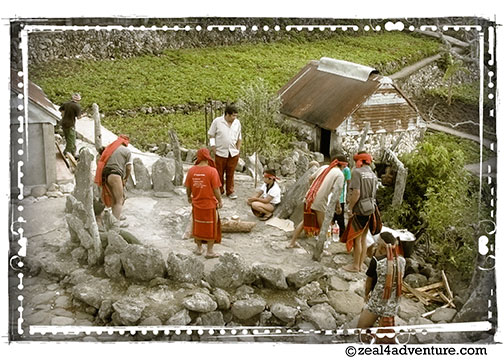
Arriving in traditional clothes, men and women from different barangays gather in the hosting dap-ay.to-the-patpatayan

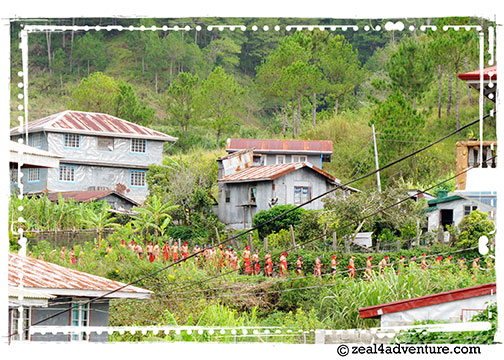
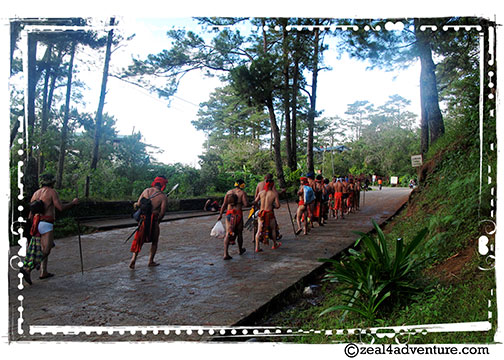
It starts with a group of men in a single file going off to the rice fields to sacrifice a pig on sacred ground the community calls patpatayan.practicing

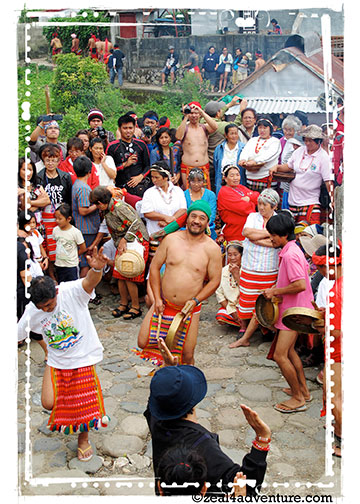
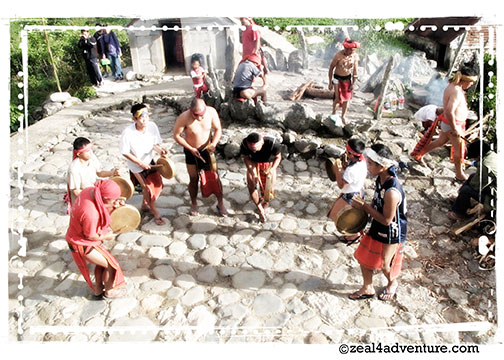
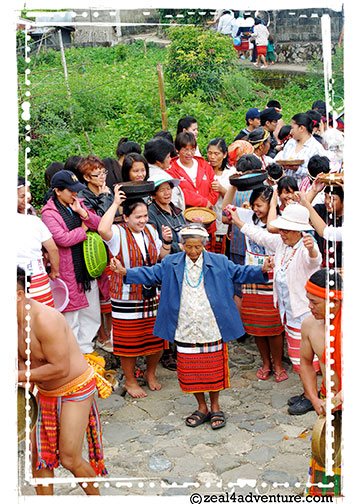
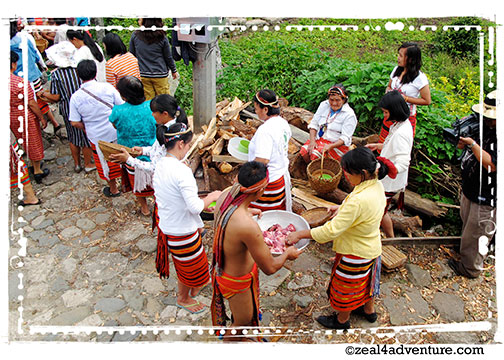
Meanwhile, the men left in the dap-ay started to perform their traditional dances, not to entertain us (but perhaps themselves) but that we were.   After a half an hour perhaps, they came back, still in single file, to the dap-ay with the pig divided into pieces. The ceremony ends with everyone participating in the dance and the pieces distributed to each community.

dancing-3

pig-distribution

I am honored to have seen this tradition and was well worth setting our trip back for a few hours.

I leave you with more photos of the celebration:

a-few-days-ago

dancing-4

dancing

Panag-apoy: A Sagada Ritual

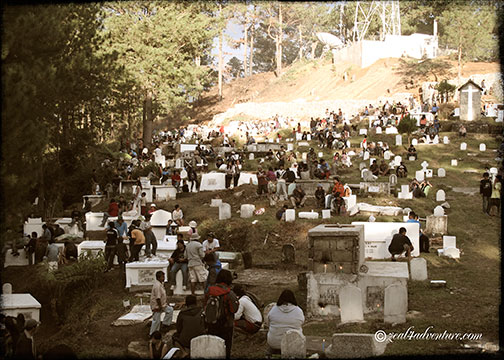
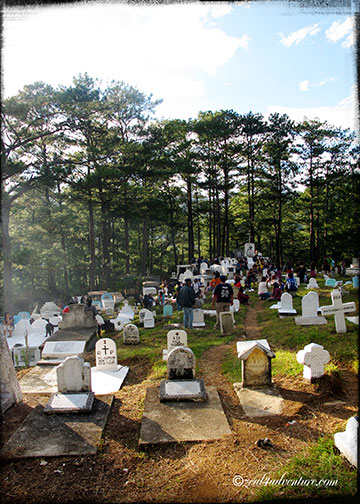
In Sagada like the rest of the country, All Saint’s Day is the day they gather together and remember the departed. families-gather

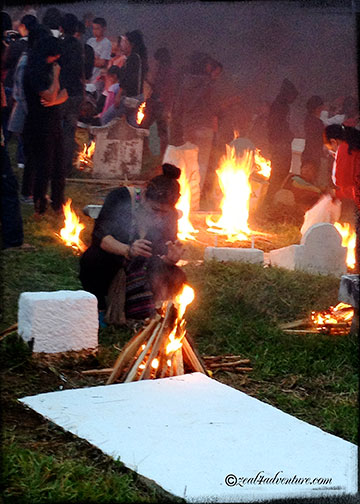
But while it is common to light a candle or two, the indigenous community of Sagada, instead burn wood from old pine, locally known as “saeng”.

lighting-the-saeng

The Panag-apoy, as the Kankanays call this ritual, was an event I had wanted to witness since I learned of it many, many years ago.   Not for lack of trying but victorious, I never was until two years ago. The threat of rains, I thought, would once again thwart the gathering as it did in my previous attempts.

sun-showing

But lo and behold, the sun came out on that 1st day of November and finally allowed this curious spectator a glimpse of this unusual ritual.

A ritual that’s been practiced since the 1900s and is not purely indigenous. It is a combination of Anglican rites, influenced by the teachings of American missionaries, and the Igorot culture. St.-Mary's

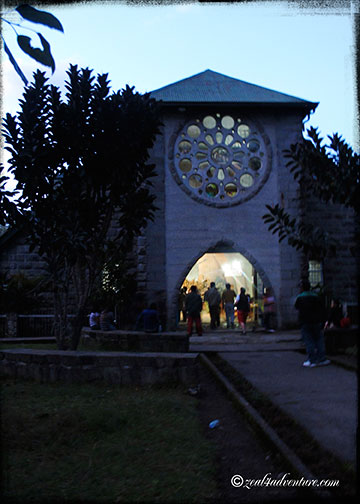
It starts with a liturgical service at the Church of St. Mary the Virgin.

priest-blessings

Followed by the blessing of the saeng and the tombs. And as the priest moves around, one by one the saeng gets lighted and laid by the tomb.

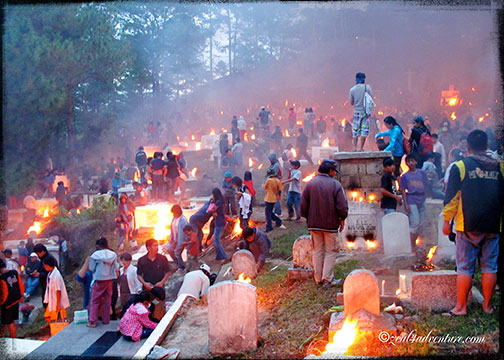
bonfire

ablaze

By day’s end, the Sagada cemetery behind St. Mary glows in the dark. And truth be told, it is a surreal sight to behold.  
glowing-in-the-dark

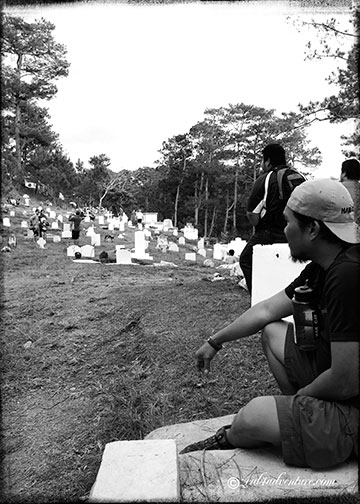
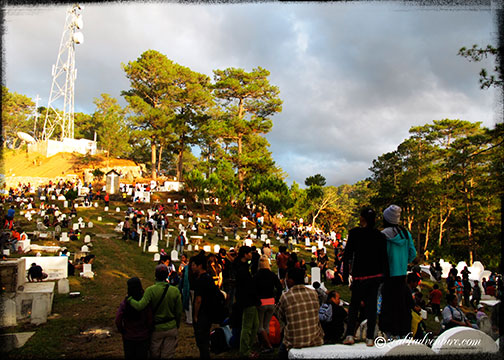
Like me, many go to witness, document or to just experience this amazing tradition unique to the northern Kankanays.

spectators-wait

more-spectators


Chaya and Her Phuket

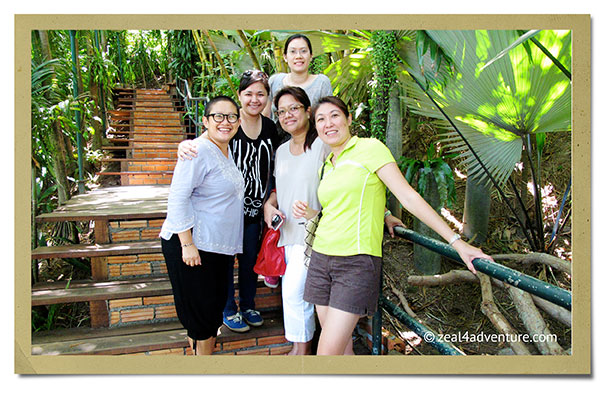
Apologizing for being a tad late, she led us to her car, which was double-parked in front of our hotel. She is Khun Kritchaya or Chaya for short, founder of Phuket Heritage Trails and a Phuket native.

Chaya-and-team.jpgChaya with my team

Spend a few hours with her and you will learn to appreciate Phuket. She talks about the people, its history and its food with a real passion for her town. In her little sedan, she drove us all over town proudly introducing her Phuket to us. She said she aims to promote the culture and history of her hometown in a responsible and educated manner, to present the essence and beauty of Phuket Town.

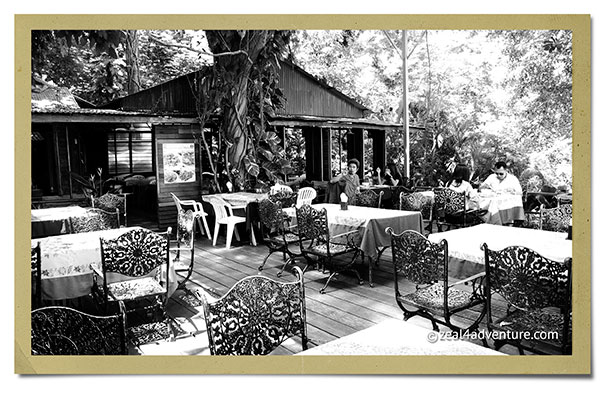
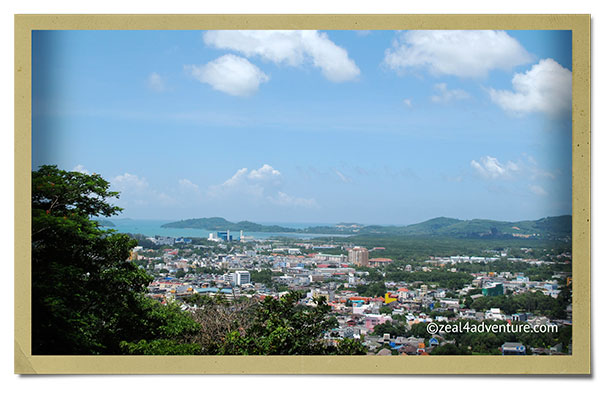
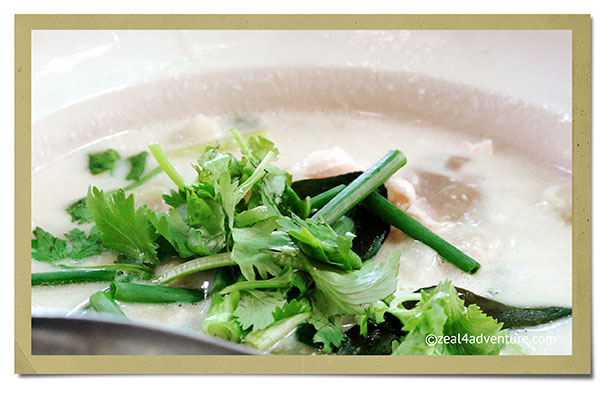
Tunk-KaOur first stop was lunch at an excellent local restaurant in Rang Hill overlooking Chalong and a bit of Phuket town. Rang-Hill-ViewTunk Ka Café is perched on the side of the hill and has managed to become an institution in Phuket since it opened sometime in the 1970s. Tunk-Ka-mealIt was an excellent sampling of local food in a beautiful surrounding with a magnificent view to boot.

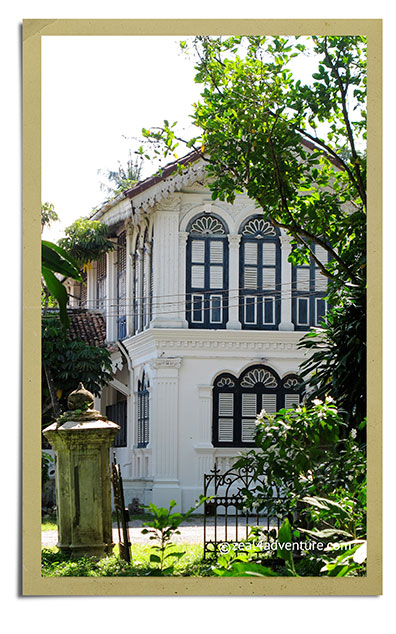
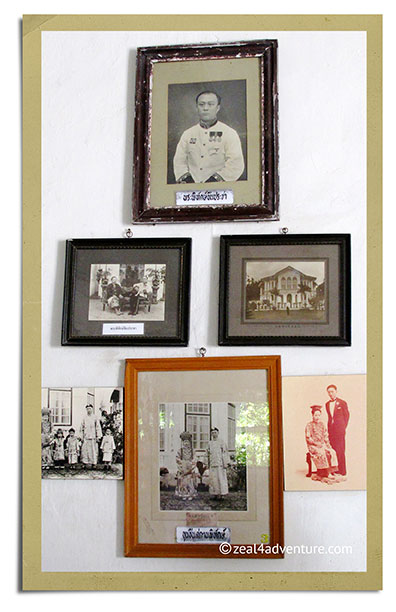
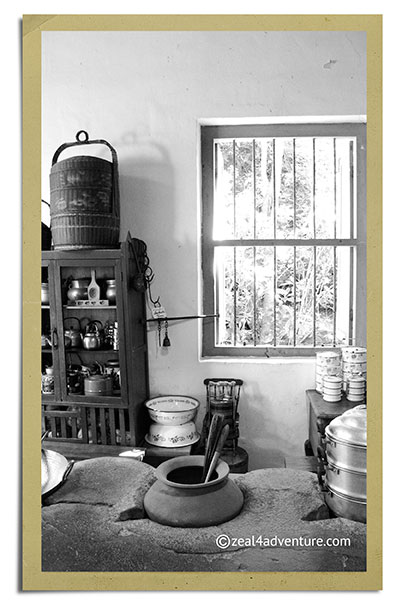
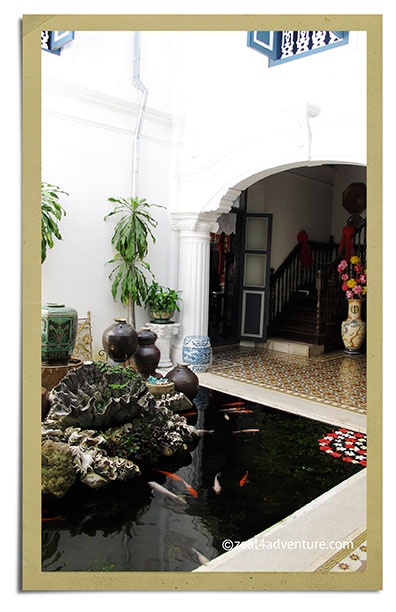
From authentic Thai cuisine, we then moved on to a Sino-Portuguese house. Baan-ChinprachaAt Baan Chinpracha House, we had a peak on the lifestyle of the wealthy. Built in 1903 during Phuket’s economic boom from the mining industry. It is today a landmark as well as a cultural and historical center. family-photosThe property is still in the family and the current owner, a sixth generation descendant still live upstairs. Although occupied, the owner has opened up certain areas of the house to the public. chinpracha-kitchenThe ground floor somewhat acts as a museum.
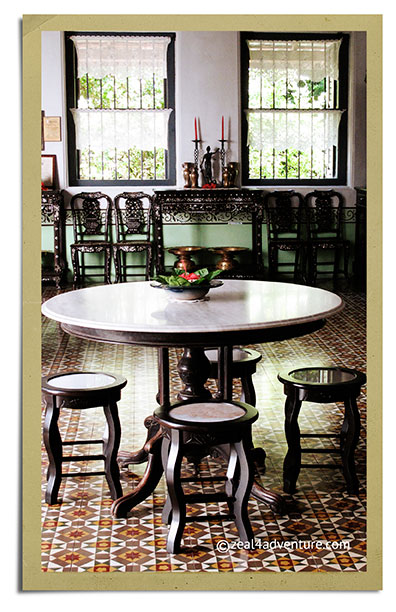
Chinpracha-livingroomAs you enter the house, the living room greets with a little table and stools (reminiscent of that from my grandmother’s house, truth to tell). The main attraction and the most striking in the room, however, is the inner courtyard that opens to the sky for light and ventilation. chinpracha-courtyardA beautiful fish pond decorated with plants around it added to its charm. And I must say that it had me at the sight of the Machuca floor tiles.

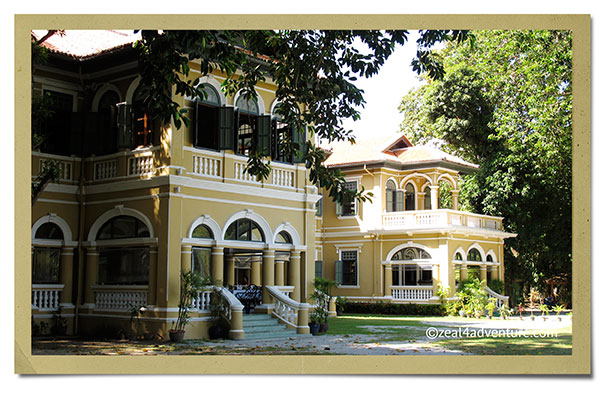
Blue-ElephantNext door and another outstanding Sino-Portuguese house, the 100-year-old Governor’s Mansion is home to the Blue Elephant Restaurant and Cooking School, a famous cooking school from Bangkok.

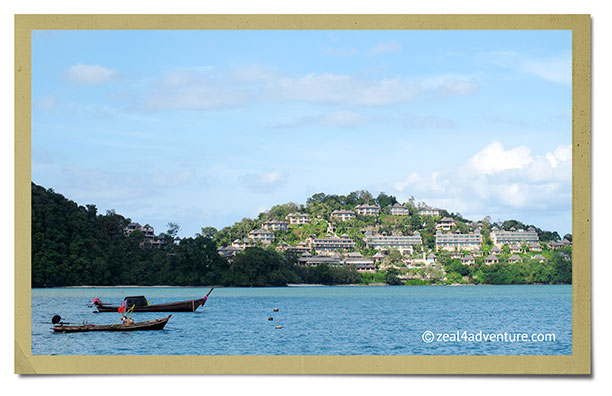
Then we drove 6 kilometres out of Phuket town, passed a bridge to Ko Siray.  It is worlds away from the modern and swanky, teeming with sun-baked tourists of Phuket’s west coast beaches. swanky-resortsThis small island with magnificent hilltop views and scenic roads is home to the largest Sea Gypsy Village in Phuket. Sea-GysiesAlso known in Thai as Chao Leh, the sea gypsies are known to be the very first inhabitants of the Andaman coast regions of Thailand, Myanmar, and Malaysia. Due to their exposure to sun and sand, many of them have reddish colour hair. Facially, their features are quite different from the inhabitants of the lands they pass through. Today only a few thousand remains and only a small portion of them are still nomadic. sea-gypsies-happyThey live a simple life – they fish, they sell and they buy beer and they seem genuinely happy and content.
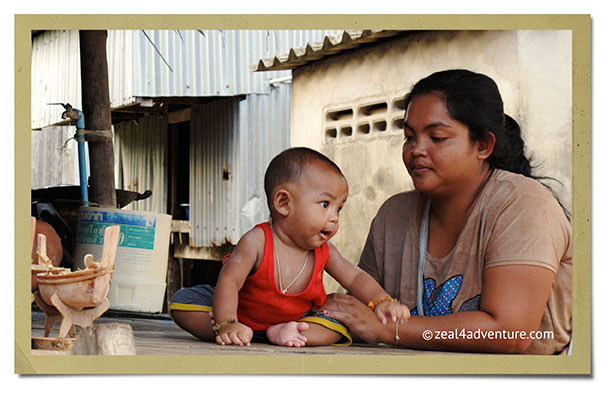
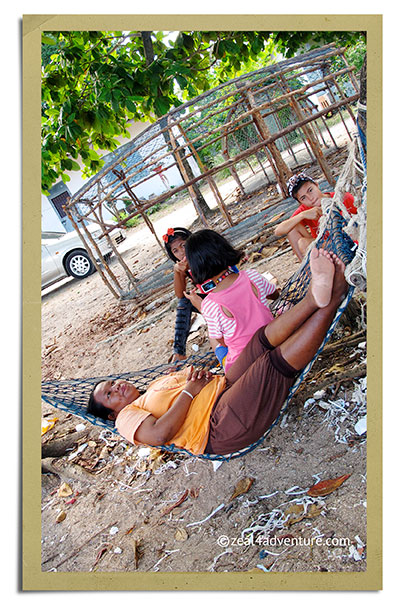
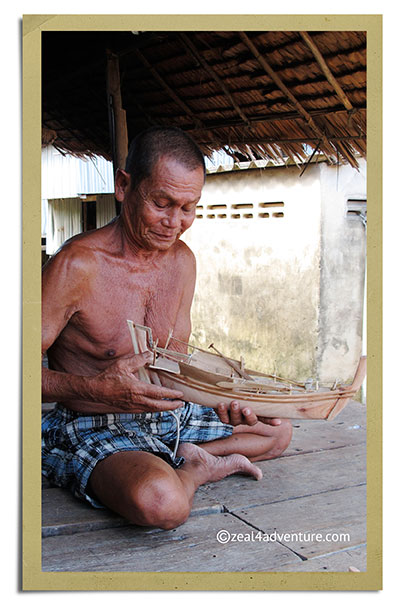
sea-gypsies-boat-makerI recall Chaya telling us how as sea people, they understand the behavior of the sea. During the 2004 tsunami where Phuket was one of the hardest hit, the sea gypsies were spared.  While the others stopped and observed, they ran straightaway to the hilltop for shelter when they saw the receding sea.

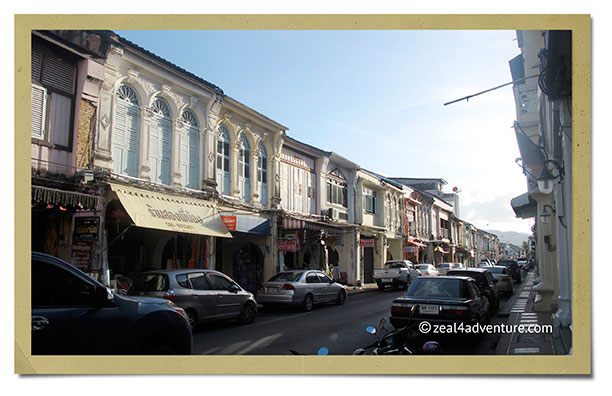
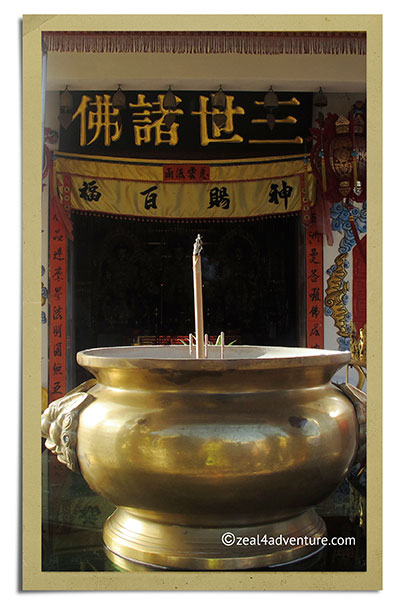
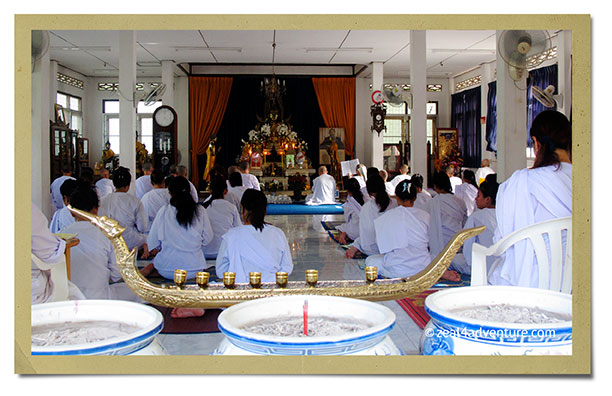
The island of Phuket is ethnically diverse and Thais are relative newcomers here. A flood of ethnic Chinese started coming from Malaysia and Singapore in the 1800s to explore the local tin mines.   Many settled in Phuket to run the mines and, later on, built the town hence the many shophouses in the Sino-Portuguese architecture similar to Penang’s Georgetown.shophouses The town today is a mix of of different ethnic race and scattered around the island are Chinese Taoist Shrines, Thai Buddhist Temples they call Wats and Muslim Mosques.temple Chaya’s itinerary had stops at a Chinese temple, a Buddhist temple and a fascinating nunnery where she temporarily resides at the time of the tour.nunnery

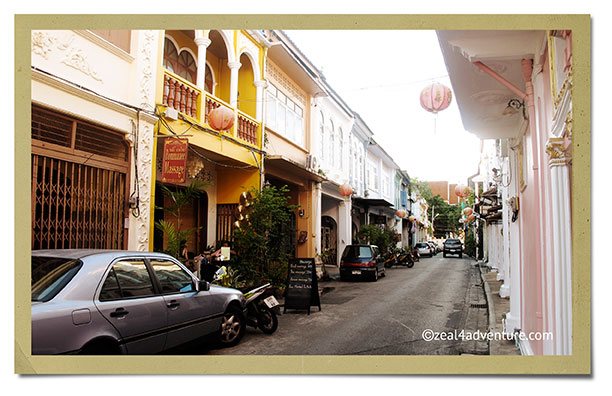
And before returning us to our hotel, we passed by Soi Romanee. This charming little street that connects Thalang and Dibuk Rd. is one of the oldest in Phuket Town. soi-romaneeIt was once stigmatized as a den of brothels and opium houses for the tin miners. Today, it is known as one of the most attractive lanes on the island as it was the first to be renovated. soi-romanee-guesthouseToday’s Romanee is a charming little street full of life and quaint little bars where you can sit and soak up the ambiance.   There’s even a jazz and blues performance that takes place on the last Sunday of each month from November to April.

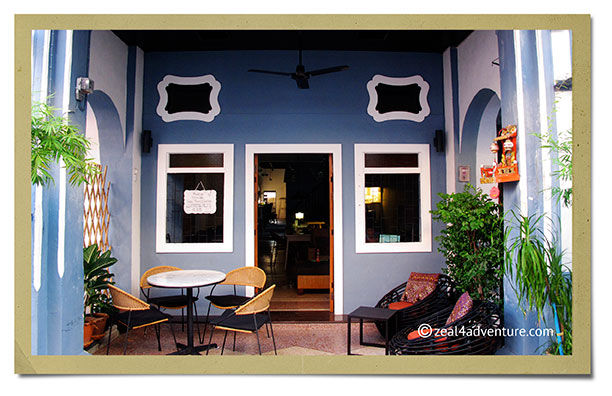
Though few tourists linger here, the Old Town is one of the more culturally interesting places on the island. It is an intriguing mix of old and new, simple and sophisticated. Phuket Town is an infusion of current art, music, and food attracting a style conscious crowd, mostly Thais. Once reduced to an abandoned shell, shophouses and homes have been refurbished into restaurants, bars, and guesthouses that are worth exploring and discovering.

And with this, I wish you all a Happy Hearts Day!

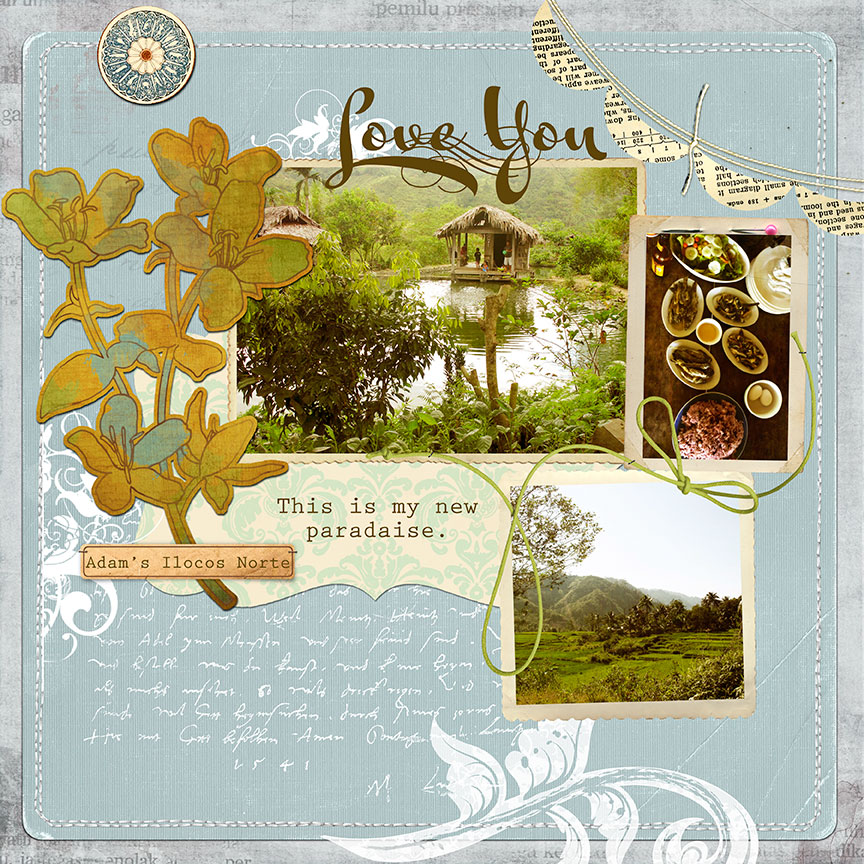
My New Paradise

AdamsCredits: JSprague Digi in Deeper course material.

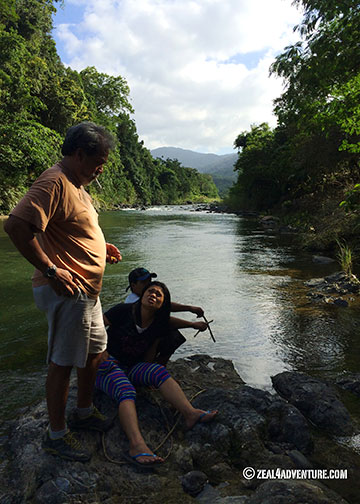
Adams.  A familiar name yet peculiar for the Ilocos Norte, yes?  With names like Laoag, Pagudpud, Paoay… Adams sounds off.  The first time I heard of Adams was 16 years ago when Anton explored the river with fellow guides. He raved not only about the river but its natural surroundings as well.at-the-river

He went back several times to raft and to kayak the Bulo River but never with me. In 2009 on an Ilocos Road Trip, we attempted a visit to Adams to hike to the waterfalls. It rained, and we chickened out.  We never made it to the town.

2009-AdamsThis was at the junction where we’d take a habal-habal (motorcycle for hire) to take us to town.

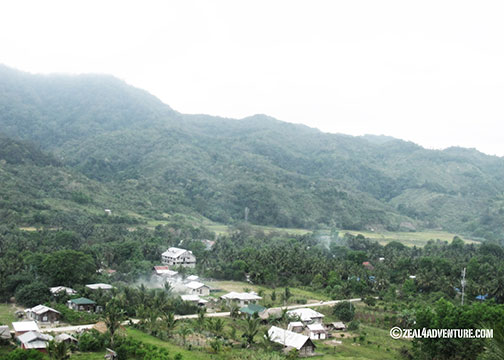
view-of-the-townSprawling over a land area of 159.31 square kilometers on the northern coast of Ilocos Norte,

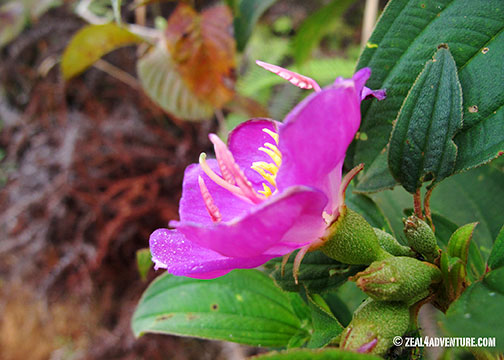
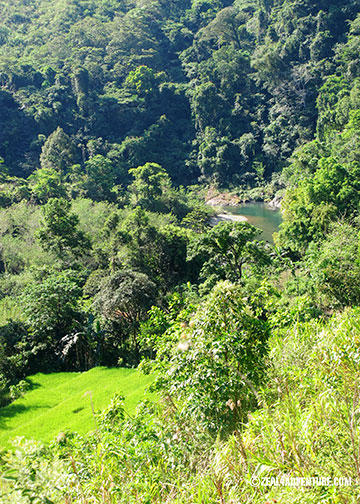
floraAdams is a treasure trove of rainforests with rare flora and fauna, centuries old trees,

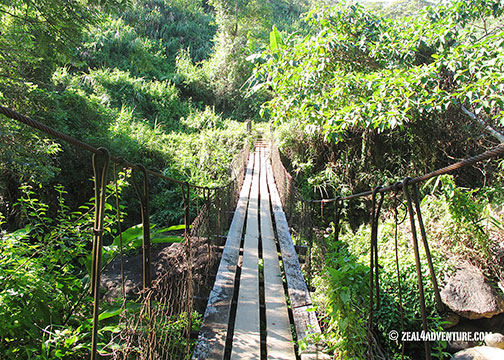
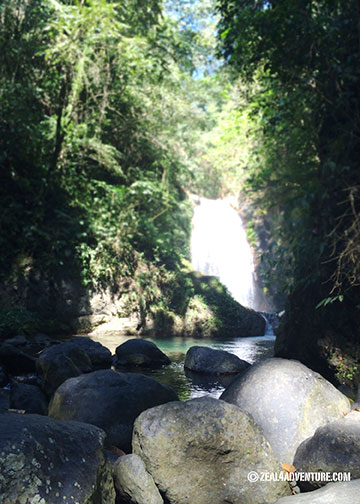
hanging-bridgehanging bridges and waterfalls.

anuplig-fallsAnuplig Falls
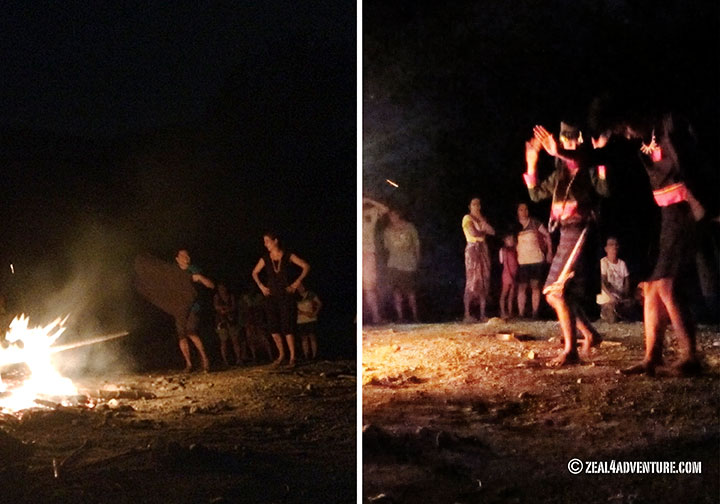
cultural-danceWe were treated to a cultural show.

It is a small town of only one village but is a melting pot of ethnic groups composed of the Yapayao or Itneg, Ilocano, Igorot, Kankan-ay and Ibaloi, which explains why their cuisine is different from the Ilocano dishes we know.

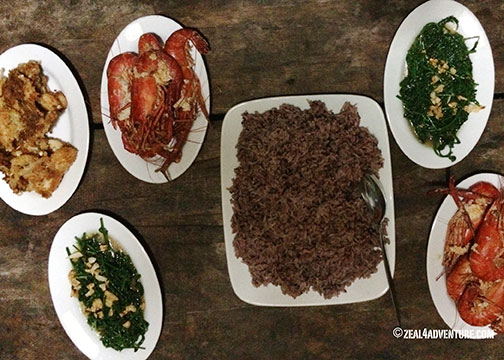
local-produceWe had fried frog, udang (river shrimps), stir-fried pako, and mountain rice.

It is a hodgepodge of the various ethnic groups and what is locally available like gabi (Taro), crab lets, baby damo (wild boar), frogs, Udang (river shrimps), purple mountain rice, and my favorite, stir-fried pako (fiddlehead fern).

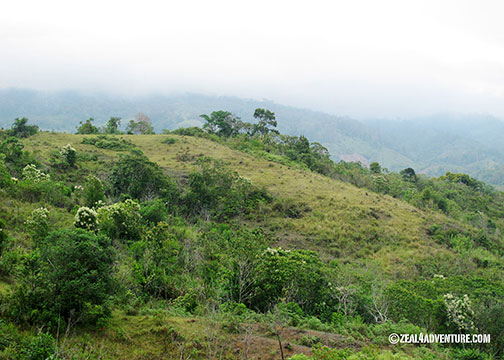
baguio-climateLike its name, it is a divergent from the rest of the region.  The climate is pleasantly cool especially at this time of the year, with temperatures just a few notched higher than Baguio.

I wish I had made more effort to visit this mountain-river town. It took me fifteen years to finally set foot here. My first trip to Adams was last year around this time. Ask me how many times I’ve been back since. Four so far. I have fallen in love with the area. Expect more posts from me. Meanwhile, here are some photos to whet your appetite for the place.  This is my new paradise.

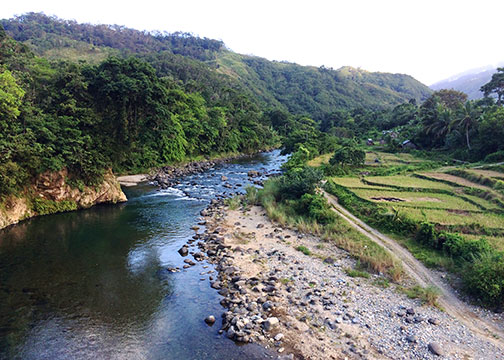
bulu-riverThe Bulo River from a bridge.
enroute-to-anupligLush forest en route to Anuplig falls.
entertainmentHospitality to the hilt.  Entertainment provided by the villagers.
Ilyn's-HomeystayIlyn’s Homeystay: our home in Adams.
lover's-peak-2A beautiful point called “Lover’s Peak”
lover's-peakLovely grounds at Lover’s Peak.

Going Back in Time

Unless it is really impressive, I rarely write about accommodations on this blog. But this beach resort has definitely impressed. It’s a destination of its own, a place to pause and recharge, do nothing and pretend that you’re from an era of yesteryear.

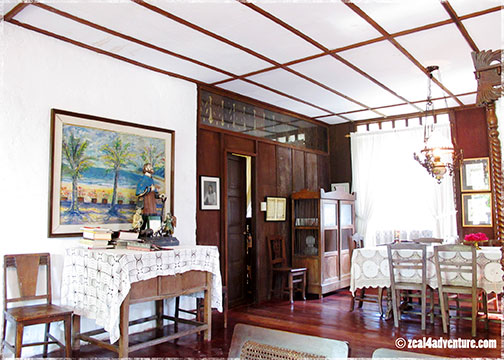
antique-furnitures

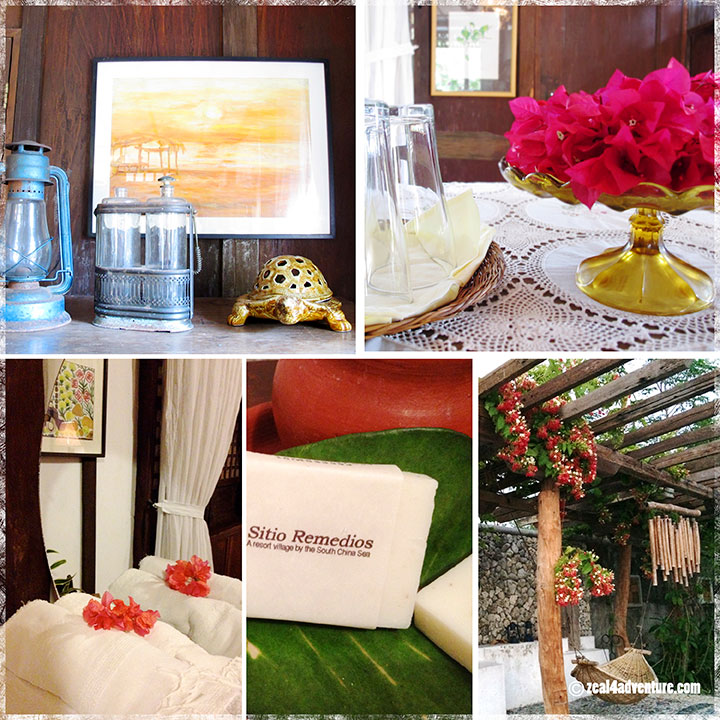
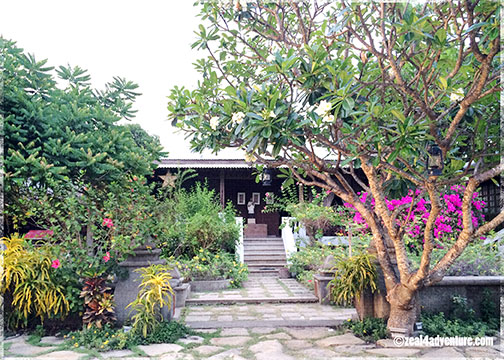
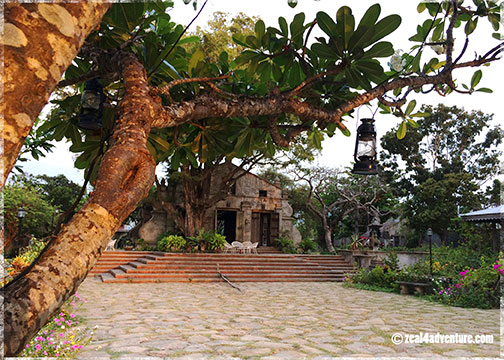
In Victoria Village in Currimao, on an 18,000 square meter land facing the South China Sea sits an amazing recreation of a typical mid-20th-century village. little-detailsUndeniably a work of love by owner Dr. Joven Cuanang, a Medical Director of St. Luke’s Hospital, his love for the arts greatly manifested in this stunning village he calls Sitio Remedios.

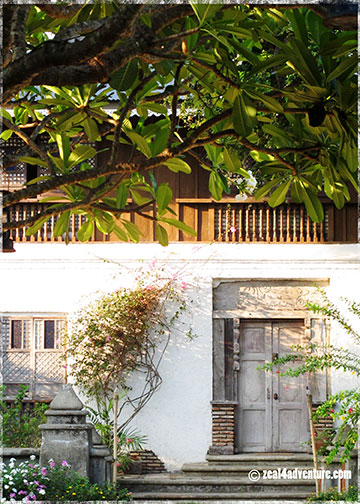
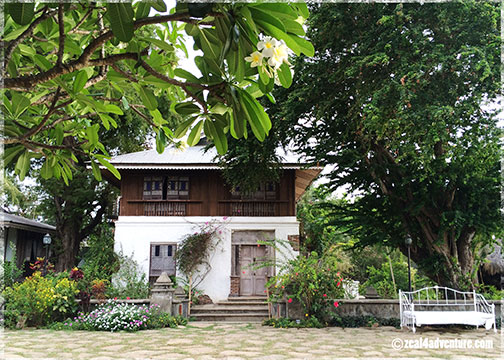
salvaged-doors-and-windowsIts main attraction is the rows of vintage-style Ilocano houses made of salvaged bricks and woods from mid-century houses (about to be demolished) to resemble old ancestral houses. Most of them were named after the town of Ilocos Norte such as Batac, Dingras, Piddig, Bacarra and San Nicolas.

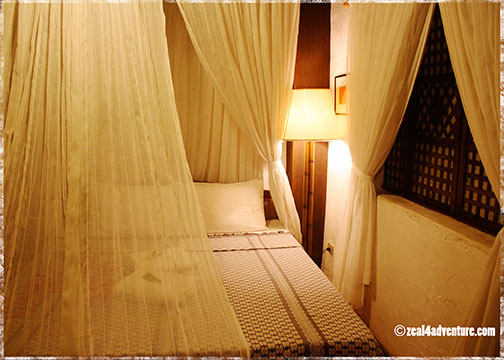
balay-dingrasThe bungalow assigned to us, Balay Dingras, has 2 rooms, dining-area-dingrasa living and dining area, and a spacious front porch that leads out to the plaza.balcony-to-plaza Furnished with antique furniture, a daybed even in the sala, decor are vintage and to complete the look, crocheted tablecloths, vintage-motif-bedInabel (a local weave) woven bedding, and blankets were used. Each room has a Queen sized bed and its own bath.

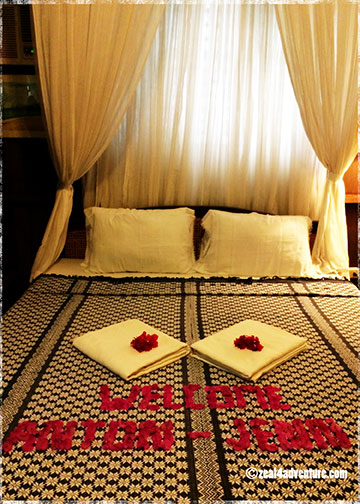
welcomeA welcome message on our bed – a nice touch.

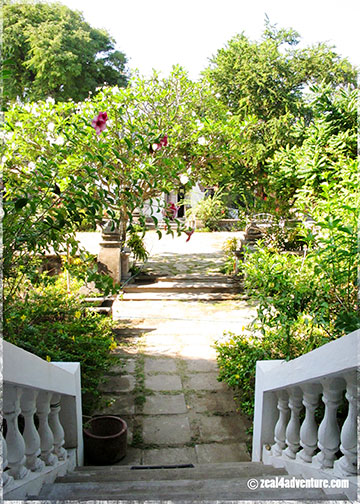
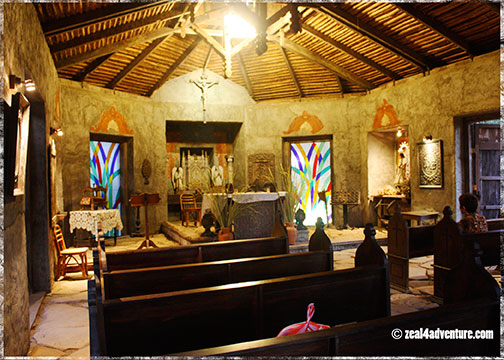
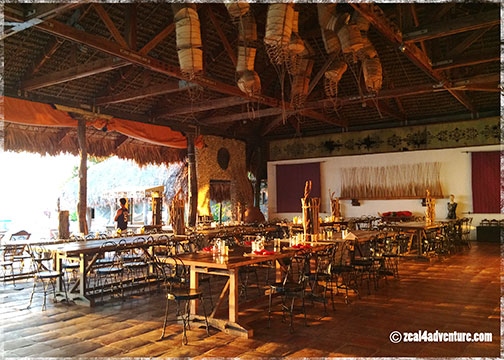
Dingras and all the other balays (house) face the square they call Plaza Manzanilla. housesLaid out in a grid typical of Spanish times, fencing off each house are manzanilla (hence the name), Bougainvillea, and gumamela bushes and few ancient trees adding character to the square.  chapel-and-plazachapel-interiorA chapel that opens out to the plaza, a pool facing the sea and a dining hall that serves exceptional home-cooked Ilocano favourites completes this village.dining-hall

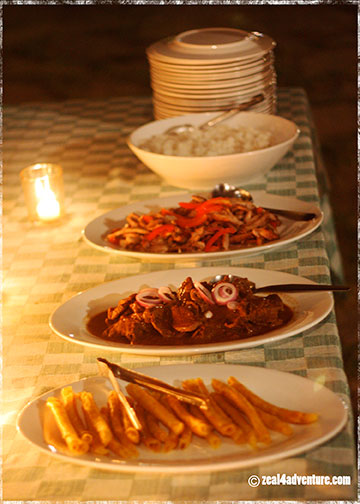
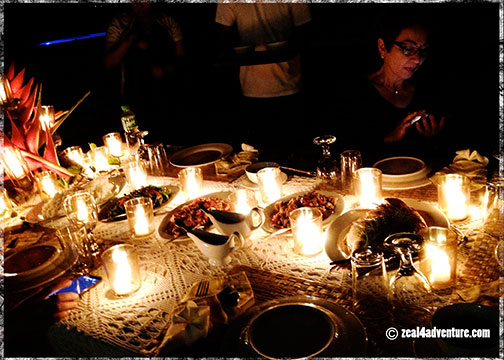
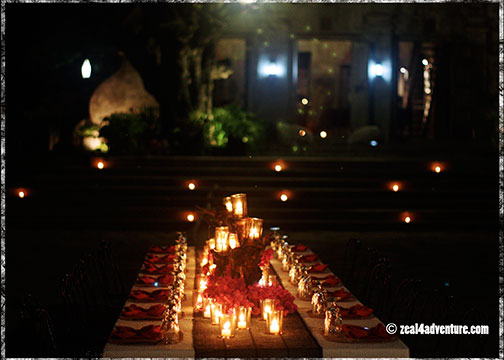
Tucked quite away from the main highway, all our dinners were had at the resort. Turned out to be the best decision we’ve made. Meals were simple yet superb and very well prepared.  foodThe dishes were served buffet style and depending on what’s available in the market.  dinner-by-the-poolDinner venues change every night, one night in the main dining hall, another near the pool area and our last night was a romantic setting at the plaza. candlelit-dinner-settingHow can you not feel special and totally recharged with such detailed service?

Currimao is in the southwestern part of Ilocos Norte, near the northern border town of Paoay. An hour away from Vigan, and only 25 minutes away from Laoag, Sitio Remedios is an ideal base to those who prefer to explore the Ilocos Region leisurely.

Useful Info:

Sitio Remedios: Barangay Victoria, Currimao, Ilocos Norte.  Tel (63)917-3320217

Ubud

I’ll drop everything and hop on a flight with you just at the mention of the word. Ubud is one of the places I go to recharge (read my old post on Ubud here). The cultural heartland of Bali, surrounded by rice fields and lush greenery, is my place of rest and inspiration.

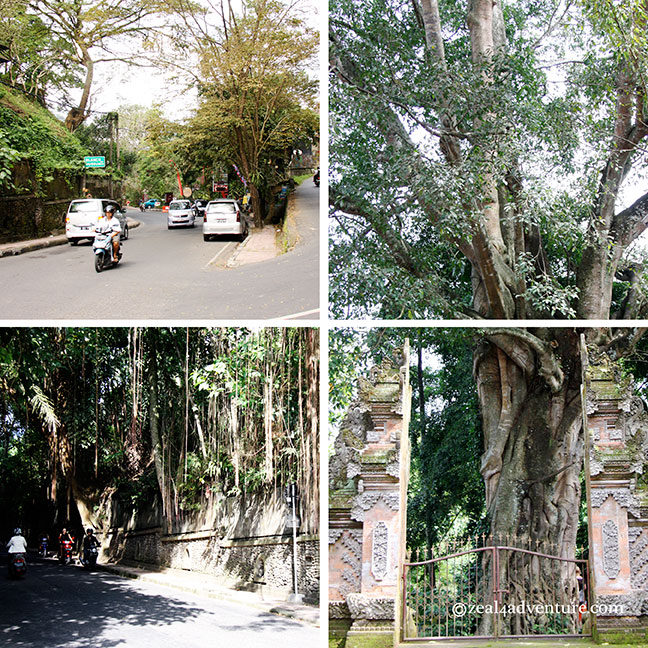
lush-greeneriesIt’s a town about 300 meters above sea level so it is comfortably cooler than the rest of the island. The main reason Ubud appeals so much to me is because it feed my needs. In Ubud, I get to relax, be artistically inspired by its art and culture, enjoy the good (but not necessarily expensive) food and be in the midst of nature.

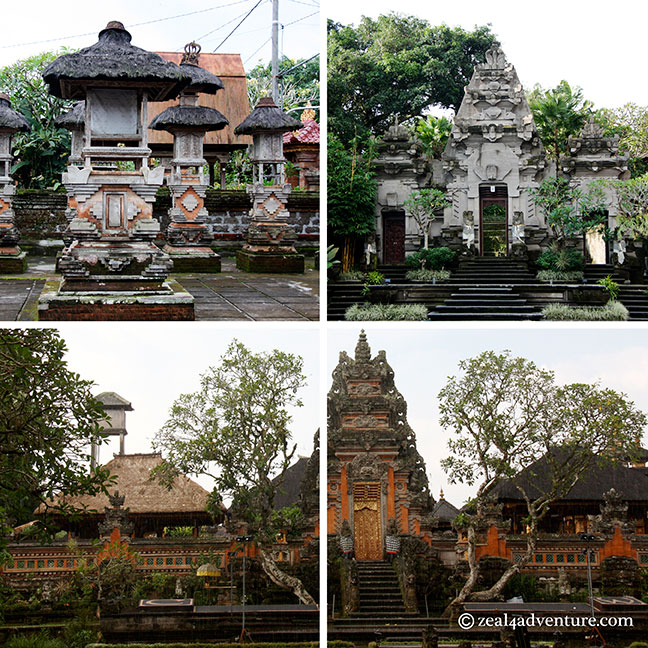
architectureThis town in the middle of Bali has been known for over a century as an artist village, a cultural center that draws those who seek crafted treasures and/or architectural inspiration. The cultural and traditional art in Ubud were preserved because when it became a Dutch Protectorate in the 1900s, the colonialists didn’t interfere much.

art-sceneIt was only in the 1930s when the Royal family encouraged foreign artists to Ubud did the modern era began in Ubud, eventually creating a dynamic art scene. Consequently, a treasure trove of museums and galleries now call Ubud home.

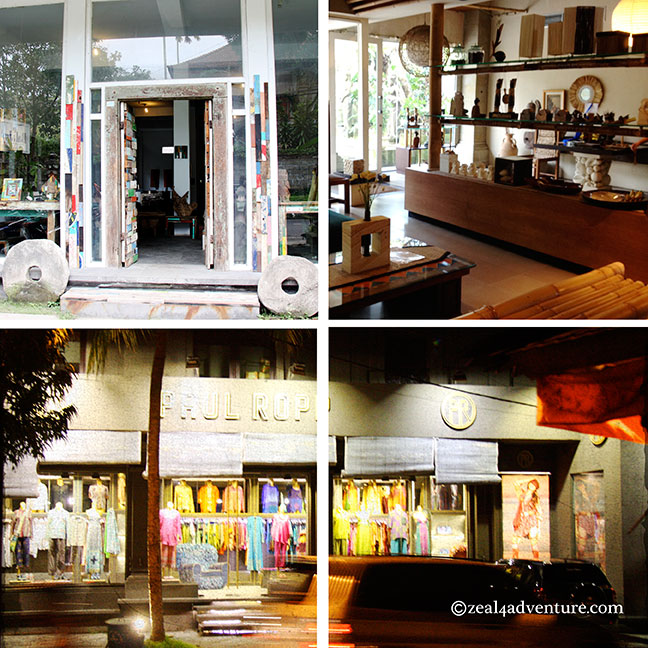
retail-therapyUbud is a haven for shoppers, truth to tell. Monkey Forest Road, Jalan Raya and Hanoman Streets are strips of retail therapy treats – from beautiful arts and crafts, local designer clothes and jewelry to unique housewares and antiques.

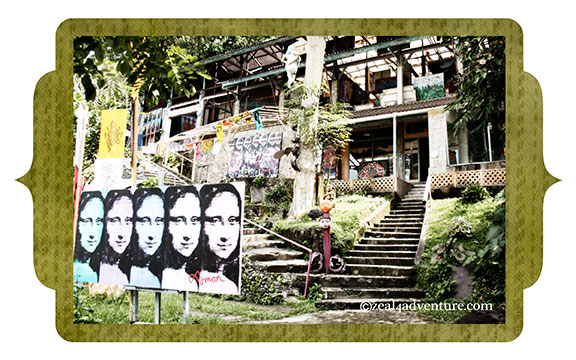
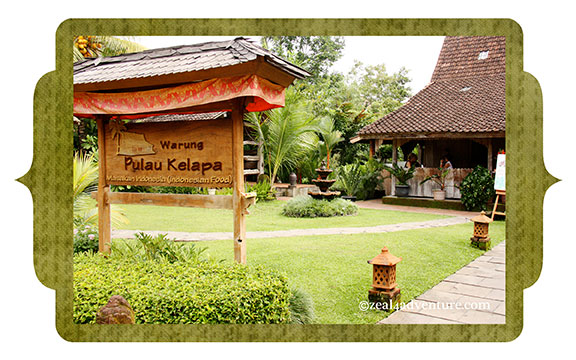
warungIt is also home to restaurants, cafes and warungs (local eateries), and a foodie’s haven. The whole island, in fact, has an exciting culinary scene and Ubud is right up there.

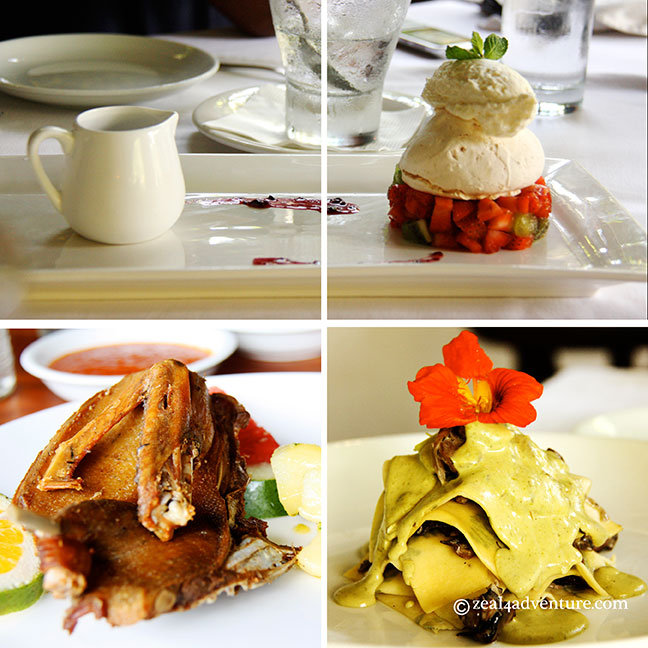
gastronomic-delight-At first glance, Ubud seemingly may consist of local eateries but it has its fair share of creative restaurants featuring a fusion of different cuisines. Every visit, I discover new jaunts but try to revisit one or two favourites.  More on Ubud Eats here.

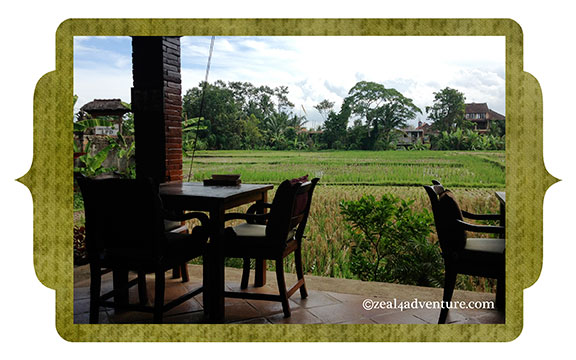
rice-fieldsNature lovers will love the countryside feel of Ubud. Cafes and lodgings surrounded by rice fields abound.

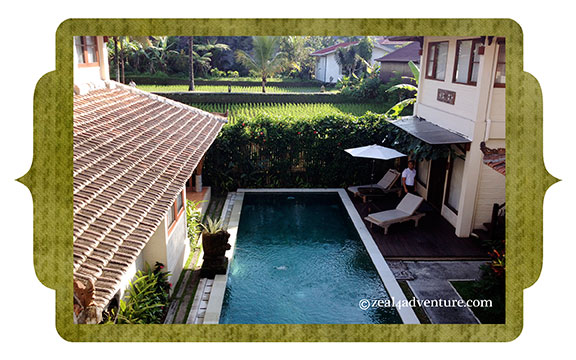
resortThe view of the rice field from our resort, Munari Resort and Spa.

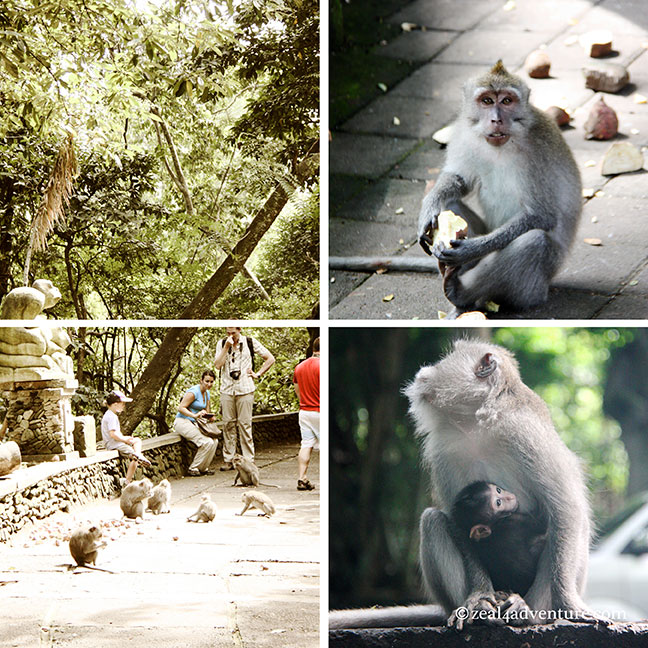
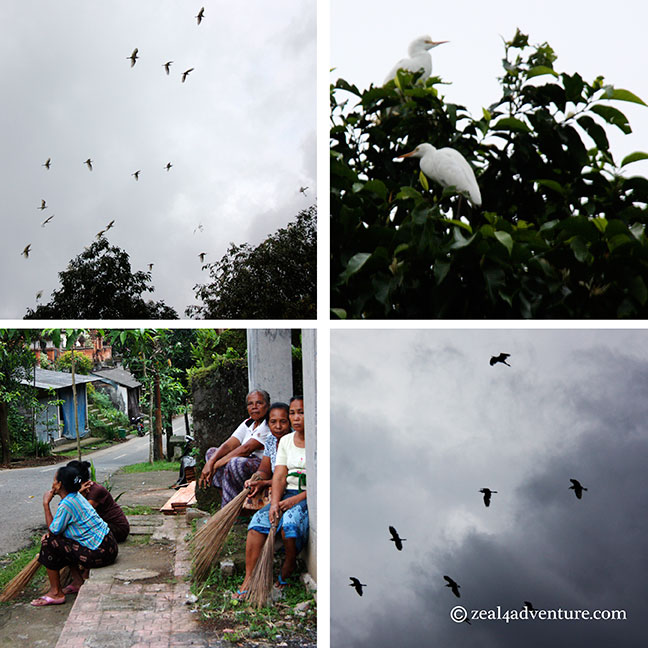
While birds and animal lovers will enjoy an afternoon in either the Monkey Forest or head out to Putulu Village for some white heron (kokokan) sightings.

Monkey-ForestThese herons, thousands of them, have inhabited the trees of Putulu since 1965.

white-heronsThey return to rest at around 6 pm every night so it is best to go an hour or so earlier, find yourself a warung and enjoy a few drinks of cold beer while you wait.

The one lure that calls out the loudest and the one I truly look forward to is the pampering. You can’t walk more than a few meters without passing a spa.

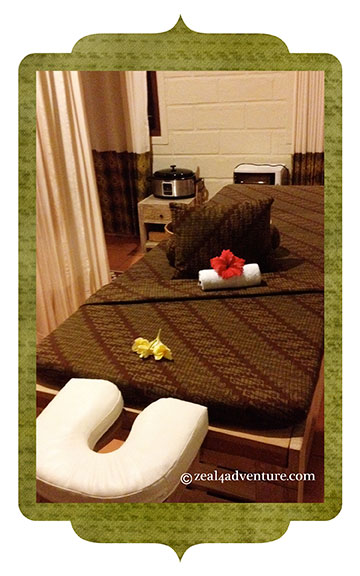
massageGetting a daily massage is a norm in an area swarming with spas – a traditional Balinese massage one day, a Javanese Lulur Scrub another and what about a four-hand massage or coffee scrub for that special treat before going home?

Ahh… just writing this post had me yearning for another de-stressing visit to Ubud. Sigh…