Begnas: A Ritual for Good Harvest

Happy and contented with finally being able to see up close the Panag-apoy, witnessing another festival is, what I would like to think of as, a bonus.
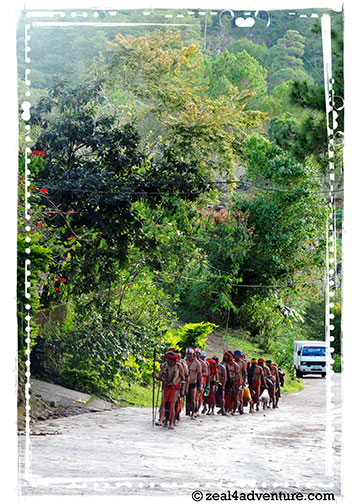
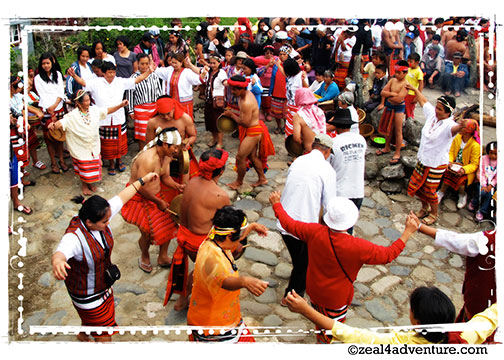
a-few-days-ago-2Walking to town from Ex-Mayor Killip’s house, which we rented for our stay, we saw these men in traditional Igorot clothes.

Former Sagada Mayor Tom Killip invited us to watch their ritual for a good harvest if we have time before heading down. Of course, we have time, we will make time.
dancing-2

Deeply rooted in culture and tradition, the Kankanaey community of Sagada celebrate a Rice Thanksgiving ritual that follows the cultural calendar of the Igorot. The dates of the Begnas are usually decided by the tribal leaders via age-old omen and signs and, therefore, have no fixed dates.elder
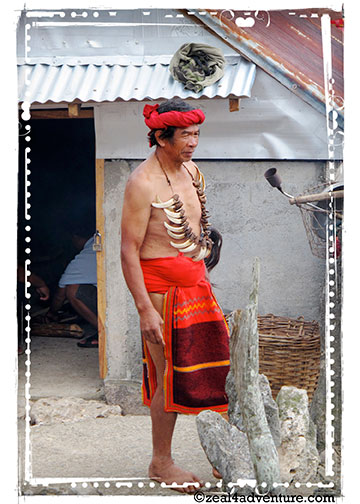
It is generally held to mark the different agricultural cycle—pre- planting or land preparation, planting and harvest—and apparently happens three times a year, loosely in March, June and November.

We were advised to be there early so not to disturb their celebration. Being early has its advantages.vantage-point
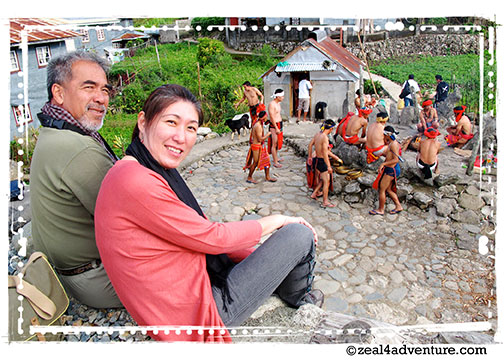
From our vantage point, we were able to watch the celebration up close without being in the way.gathering-in-the-dapay
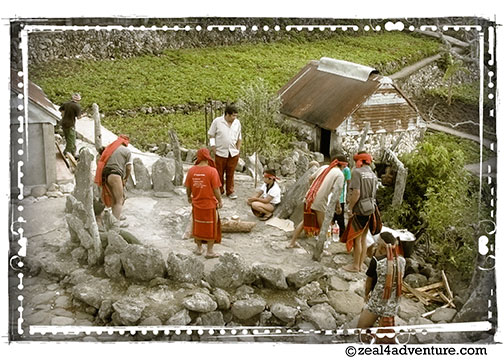
Arriving in traditional clothes, men and women from different barangays gather in the hosting dap-ay.to-the-patpatayan
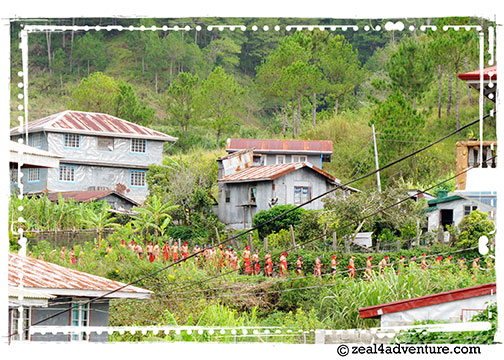
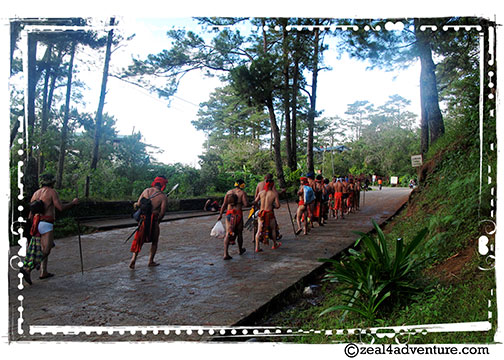
It starts with a group of men in a single file going off to the rice fields to sacrifice a pig on sacred ground the community calls patpatayan.practicing
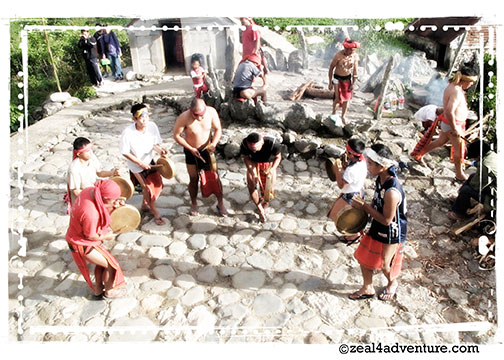
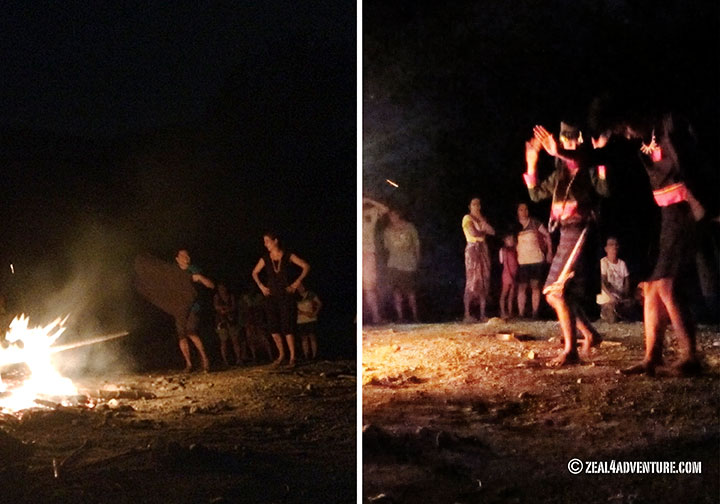
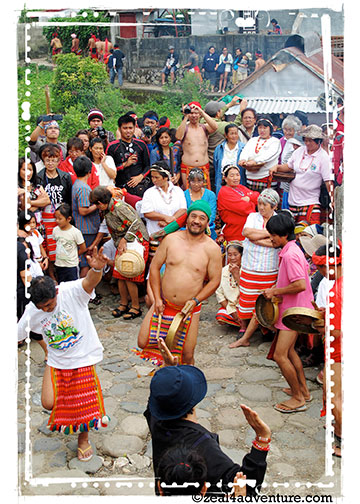
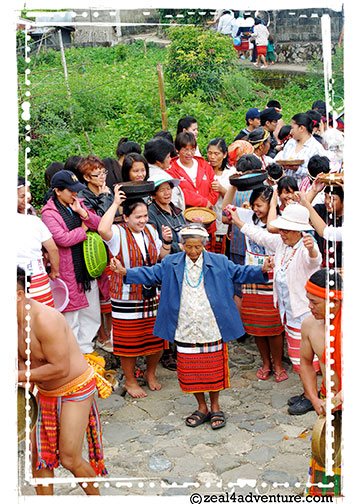
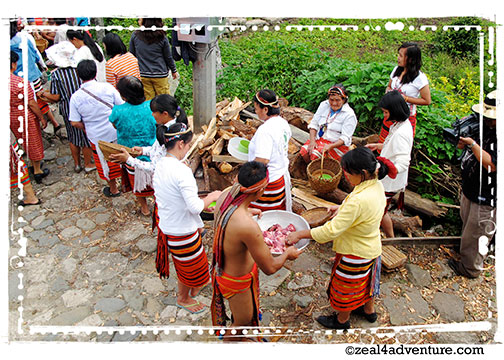
Meanwhile, the men left in the dap-ay started to perform their traditional dances, not to entertain us (but perhaps themselves) but that we were.   After a half an hour perhaps, they came back, still in single file, to the dap-ay with the pig divided into pieces. The ceremony ends with everyone participating in the dance and the pieces distributed to each community.
dancing-3

pig-distribution

I am honored to have seen this tradition and was well worth setting our trip back for a few hours.

I leave you with more photos of the celebration:
a-few-days-ago

dancing-4

dancing

My New Paradise

AdamsCredits: JSprague Digi in Deeper course material.
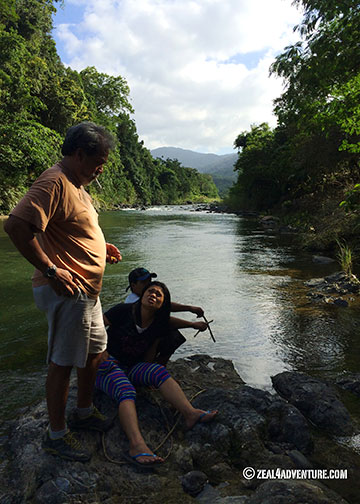
Adams.  A familiar name yet peculiar for the Ilocos Norte, yes?  With names like Laoag, Pagudpud, Paoay… Adams sounds off.  The first time I heard of Adams was 16 years ago when Anton explored the river with fellow guides. He raved not only about the river but its natural surroundings as well.at-the-river

He went back several times to raft and to kayak the Bulo River but never with me. In 2009 on an Ilocos Road Trip, we attempted a visit to Adams to hike to the waterfalls. It rained, and we chickened out.  We never made it to the town.

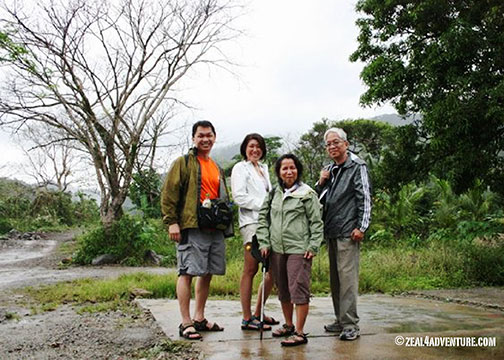
2009-AdamsThis was at the junction where we’d take a habal-habal (motorcycle for hire) to take us to town.

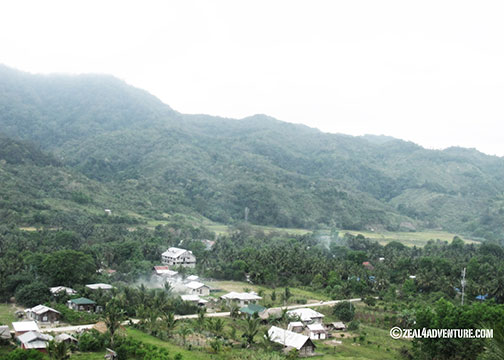
view-of-the-townSprawling over a land area of 159.31 square kilometers on the northern coast of Ilocos Norte,

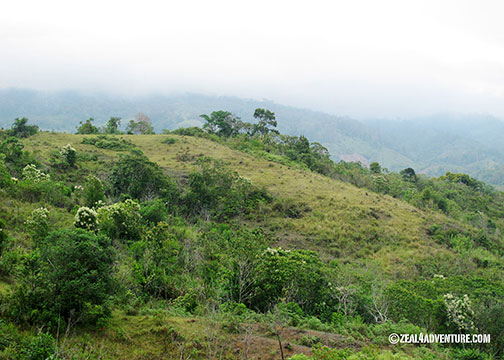
floraAdams is a treasure trove of rainforests with rare flora and fauna, centuries old trees,

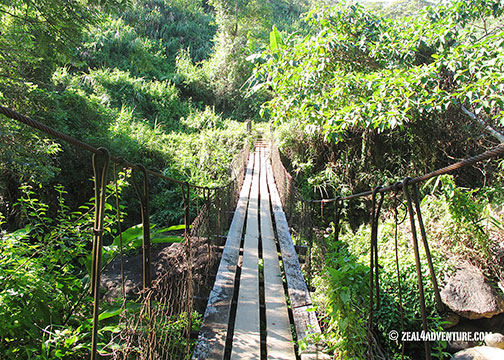
hanging-bridgehanging bridges and waterfalls.

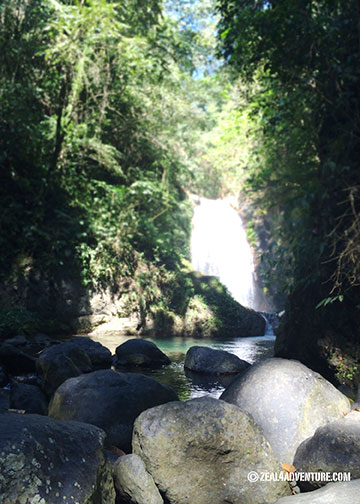
anuplig-fallsAnuplig Falls
cultural-danceWe were treated to a cultural show.

It is a small town of only one village but is a melting pot of ethnic groups composed of the Yapayao or Itneg, Ilocano, Igorot, Kankan-ay and Ibaloi, which explains why their cuisine is different from the Ilocano dishes we know.

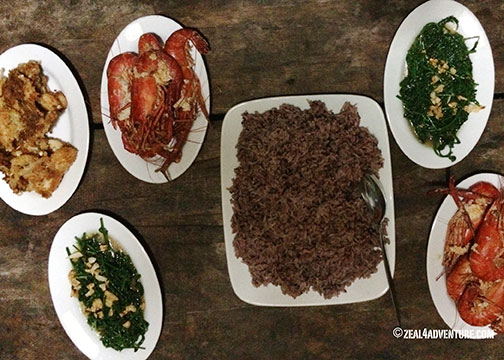
local-produceWe had fried frog, udang (river shrimps), stir-fried pako, and mountain rice.

It is a hodgepodge of the various ethnic groups and what is locally available like gabi (Taro), crab lets, baby damo (wild boar), frogs, Udang (river shrimps), purple mountain rice, and my favorite, stir-fried pako (fiddlehead fern).

baguio-climateLike its name, it is a divergent from the rest of the region.  The climate is pleasantly cool especially at this time of the year, with temperatures just a few notched higher than Baguio.

I wish I had made more effort to visit this mountain-river town. It took me fifteen years to finally set foot here. My first trip to Adams was last year around this time. Ask me how many times I’ve been back since. Four so far. I have fallen in love with the area. Expect more posts from me. Meanwhile, here are some photos to whet your appetite for the place.  This is my new paradise.

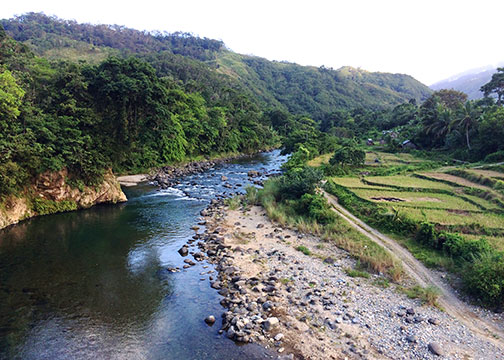
bulu-riverThe Bulo River from a bridge.
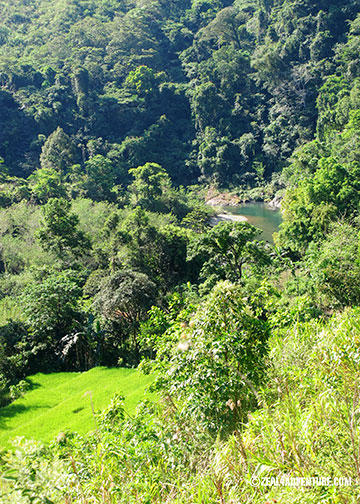
enroute-to-anupligLush forest en route to Anuplig falls.
entertainmentHospitality to the hilt.  Entertainment provided by the villagers.
Ilyn's-HomeystayIlyn’s Homeystay: our home in Adams.
lover's-peak-2A beautiful point called “Lover’s Peak”
lover's-peakLovely grounds at Lover’s Peak.

Going Back in Time

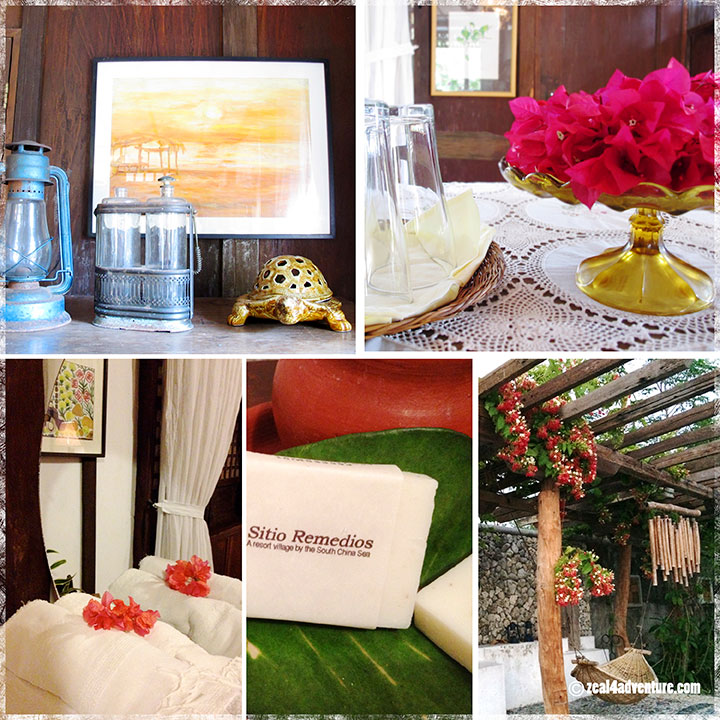
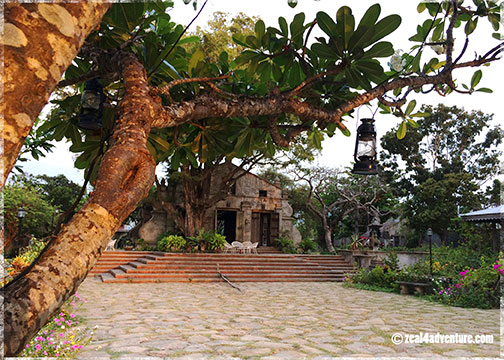
Unless it is really impressive, I rarely write about accommodations on this blog. But this beach resort has definitely impressed. It’s a destination of its own, a place to pause and recharge, do nothing and pretend that you’re from an era of yesteryear.

antique-furnitures

In Victoria Village in Currimao, on an 18,000 square meter land facing the South China Sea sits an amazing recreation of a typical mid-20th-century village. little-detailsUndeniably a work of love by owner Dr. Joven Cuanang, a Medical Director of St. Luke’s Hospital, his love for the arts greatly manifested in this stunning village he calls Sitio Remedios.

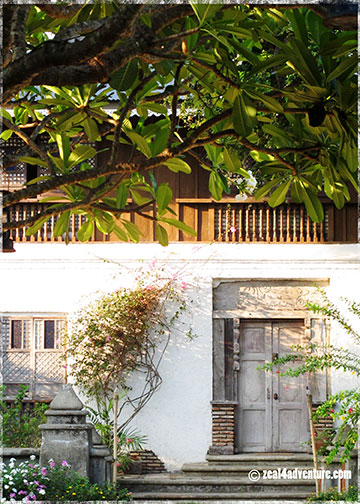
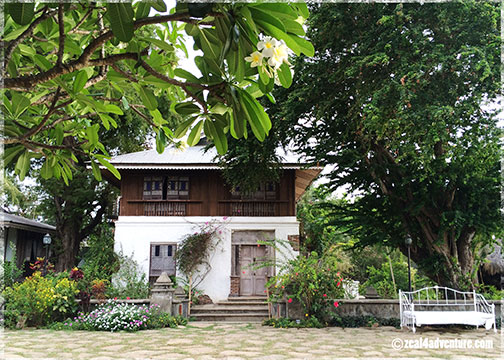
salvaged-doors-and-windowsIts main attraction is the rows of vintage-style Ilocano houses made of salvaged bricks and woods from mid-century houses (about to be demolished) to resemble old ancestral houses. Most of them were named after the town of Ilocos Norte such as Batac, Dingras, Piddig, Bacarra and San Nicolas.

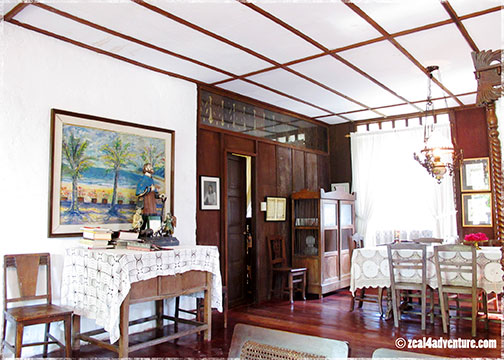
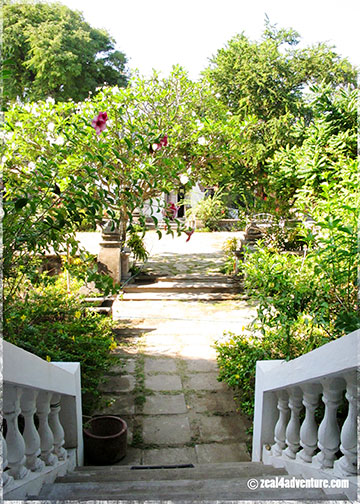
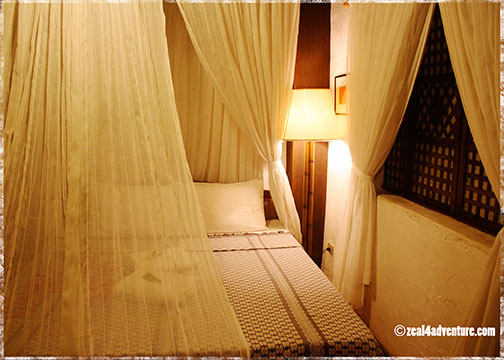
balay-dingrasThe bungalow assigned to us, Balay Dingras, has 2 rooms, dining-area-dingrasa living and dining area, and a spacious front porch that leads out to the plaza.balcony-to-plaza Furnished with antique furniture, a daybed even in the sala, decor are vintage and to complete the look, crocheted tablecloths, vintage-motif-bedInabel (a local weave) woven bedding, and blankets were used. Each room has a Queen sized bed and its own bath.

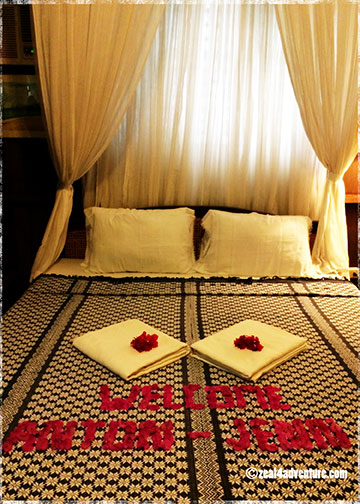
welcomeA welcome message on our bed – a nice touch.

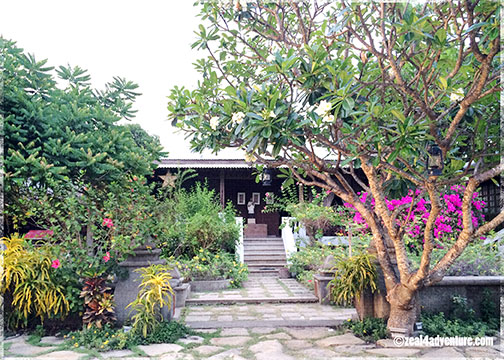
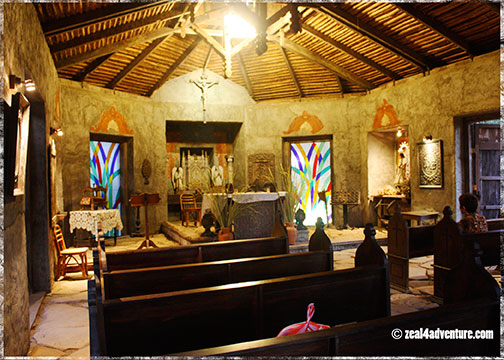
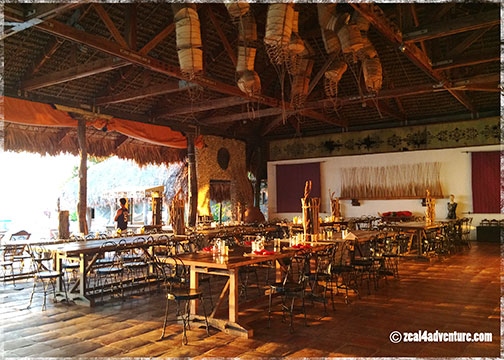
Dingras and all the other balays (house) face the square they call Plaza Manzanilla. housesLaid out in a grid typical of Spanish times, fencing off each house are manzanilla (hence the name), Bougainvillea, and gumamela bushes and few ancient trees adding character to the square.  chapel-and-plazachapel-interiorA chapel that opens out to the plaza, a pool facing the sea and a dining hall that serves exceptional home-cooked Ilocano favourites completes this village.dining-hall

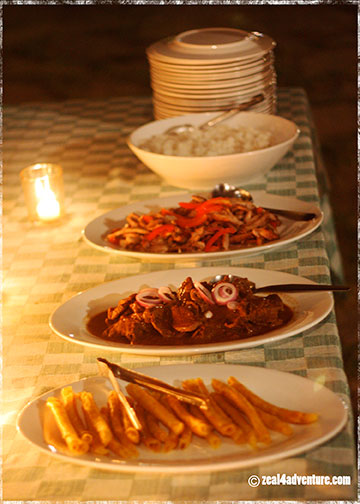
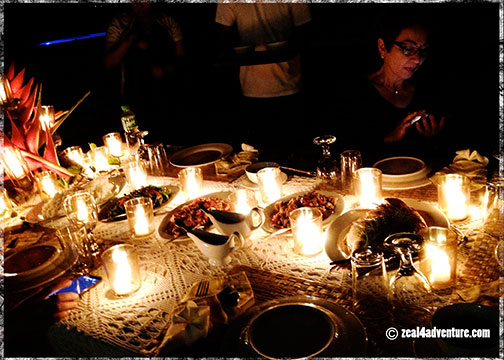
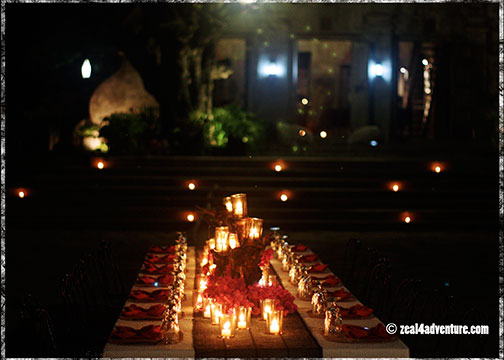
Tucked quite away from the main highway, all our dinners were had at the resort. Turned out to be the best decision we’ve made. Meals were simple yet superb and very well prepared.  foodThe dishes were served buffet style and depending on what’s available in the market.  dinner-by-the-poolDinner venues change every night, one night in the main dining hall, another near the pool area and our last night was a romantic setting at the plaza. candlelit-dinner-settingHow can you not feel special and totally recharged with such detailed service?

Currimao is in the southwestern part of Ilocos Norte, near the northern border town of Paoay. An hour away from Vigan, and only 25 minutes away from Laoag, Sitio Remedios is an ideal base to those who prefer to explore the Ilocos Region leisurely.

Useful Info:

Sitio Remedios: Barangay Victoria, Currimao, Ilocos Norte.  Tel (63)917-3320217

Ubud

I’ll drop everything and hop on a flight with you just at the mention of the word. Ubud is one of the places I go to recharge (read my old post on Ubud here). The cultural heartland of Bali, surrounded by rice fields and lush greenery, is my place of rest and inspiration.

lush-greeneriesIt’s a town about 300 meters above sea level so it is comfortably cooler than the rest of the island. The main reason Ubud appeals so much to me is because it feed my needs. In Ubud, I get to relax, be artistically inspired by its art and culture, enjoy the good (but not necessarily expensive) food and be in the midst of nature.

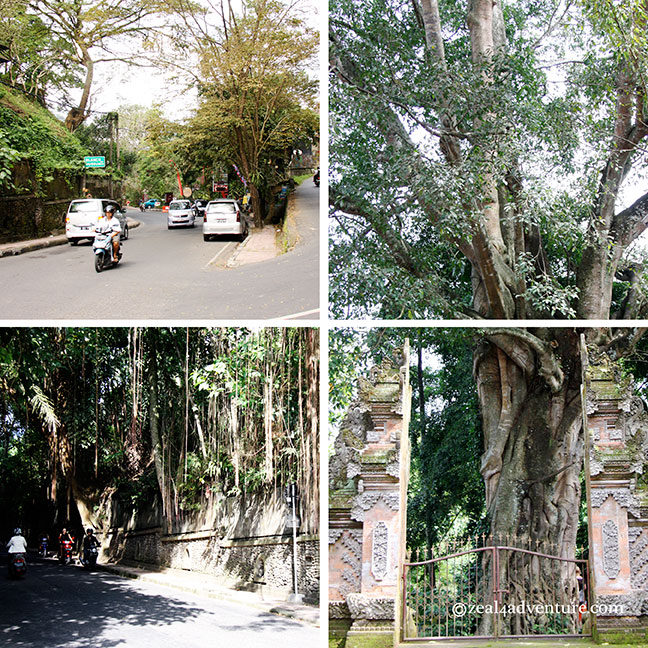
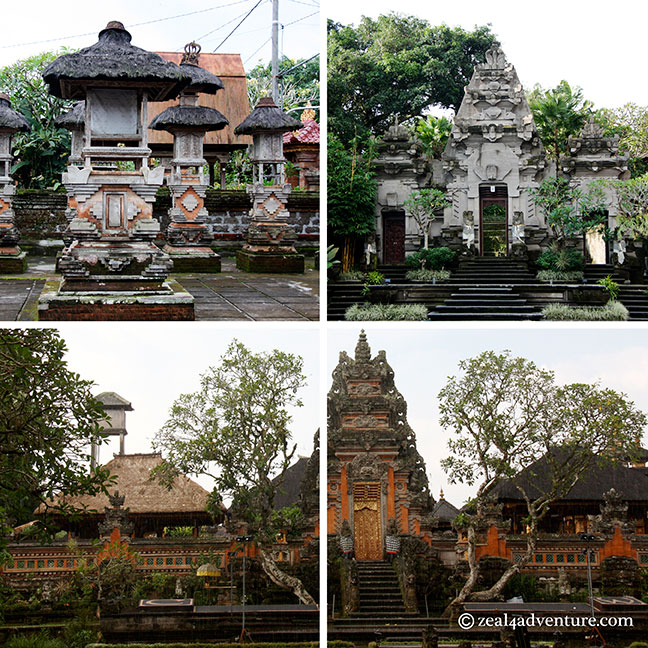
architectureThis town in the middle of Bali has been known for over a century as an artist village, a cultural center that draws those who seek crafted treasures and/or architectural inspiration. The cultural and traditional art in Ubud were preserved because when it became a Dutch Protectorate in the 1900s, the colonialists didn’t interfere much.

art-sceneIt was only in the 1930s when the Royal family encouraged foreign artists to Ubud did the modern era began in Ubud, eventually creating a dynamic art scene. Consequently, a treasure trove of museums and galleries now call Ubud home.

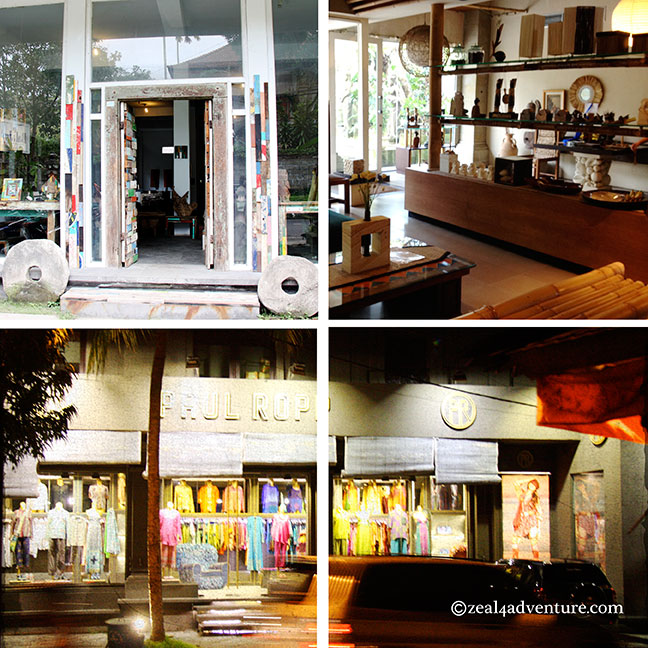
retail-therapyUbud is a haven for shoppers, truth to tell. Monkey Forest Road, Jalan Raya and Hanoman Streets are strips of retail therapy treats – from beautiful arts and crafts, local designer clothes and jewelry to unique housewares and antiques.

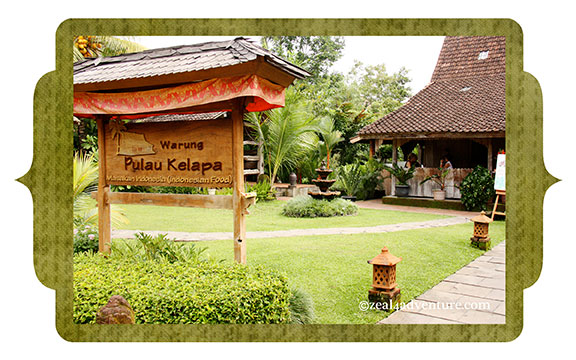
warungIt is also home to restaurants, cafes and warungs (local eateries), and a foodie’s haven. The whole island, in fact, has an exciting culinary scene and Ubud is right up there.

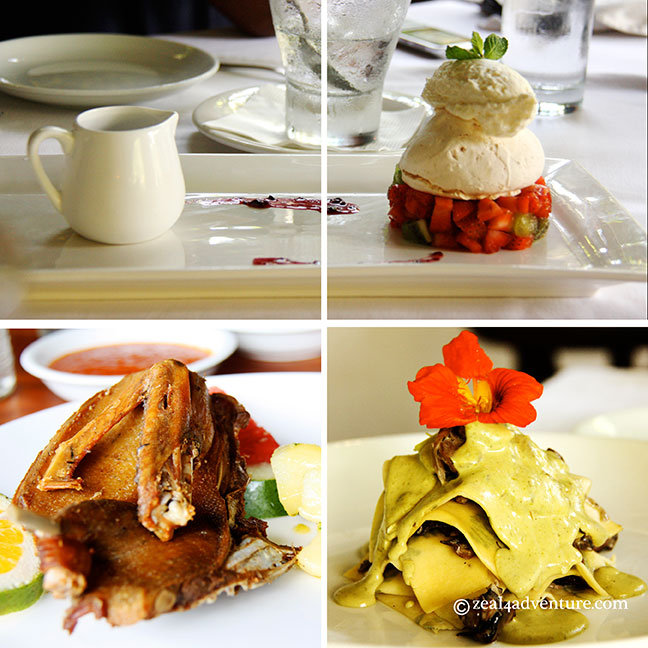
gastronomic-delight-At first glance, Ubud seemingly may consist of local eateries but it has its fair share of creative restaurants featuring a fusion of different cuisines. Every visit, I discover new jaunts but try to revisit one or two favourites.  More on Ubud Eats here.

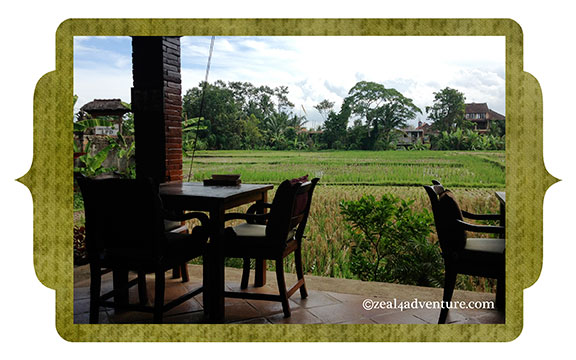
rice-fieldsNature lovers will love the countryside feel of Ubud. Cafes and lodgings surrounded by rice fields abound.

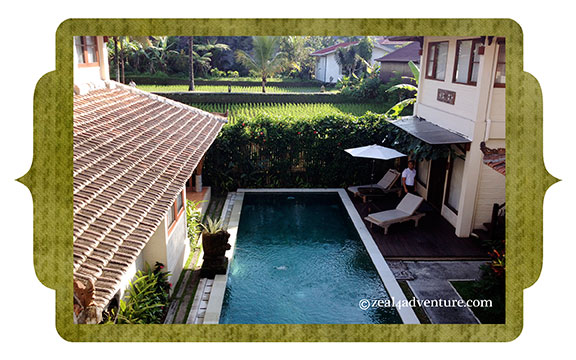
resortThe view of the rice field from our resort, Munari Resort and Spa.

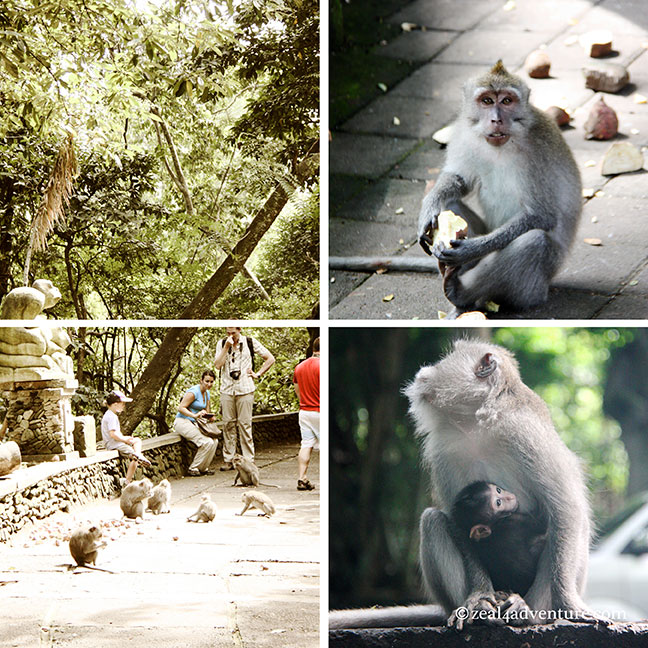
While birds and animal lovers will enjoy an afternoon in either the Monkey Forest or head out to Putulu Village for some white heron (kokokan) sightings.

Monkey-ForestThese herons, thousands of them, have inhabited the trees of Putulu since 1965.

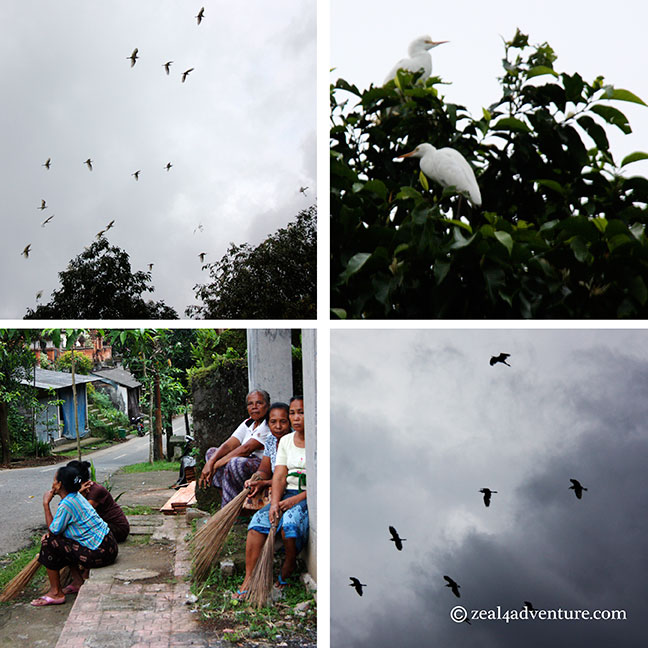
white-heronsThey return to rest at around 6 pm every night so it is best to go an hour or so earlier, find yourself a warung and enjoy a few drinks of cold beer while you wait.

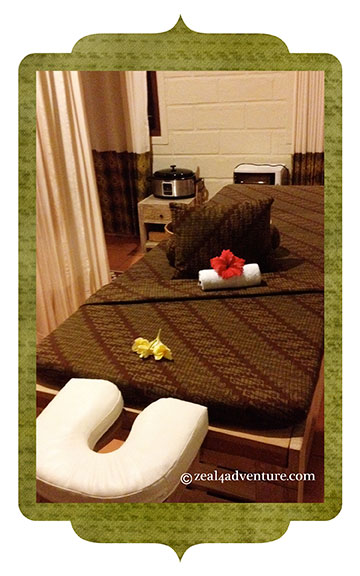
The one lure that calls out the loudest and the one I truly look forward to is the pampering. You can’t walk more than a few meters without passing a spa.

massageGetting a daily massage is a norm in an area swarming with spas – a traditional Balinese massage one day, a Javanese Lulur Scrub another and what about a four-hand massage or coffee scrub for that special treat before going home?

Ahh… just writing this post had me yearning for another de-stressing visit to Ubud. Sigh…

Hanoi’s Charm

Lake-2

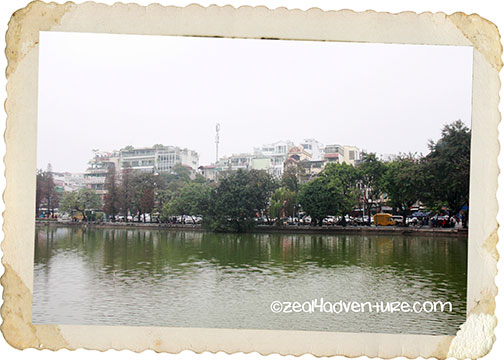
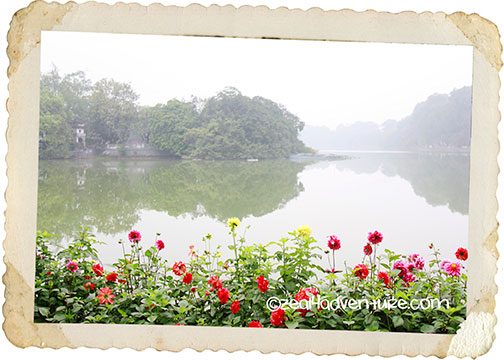
One reason I love Hanoi is this stunning lake. Serene, spellbinding, and picture-perfect – makes for a pleasant walk, and you will definitely walk by it more than once a day.  And because the Old Quarter surrounds it, it is a good reference point when navigating the city.

The-Old-Quarters

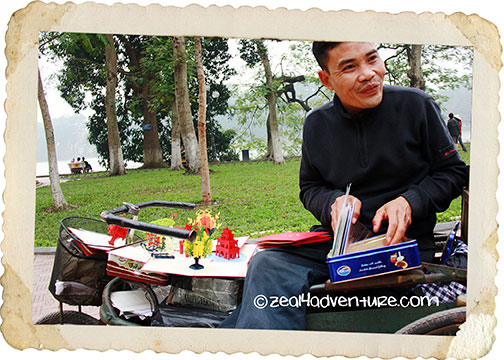
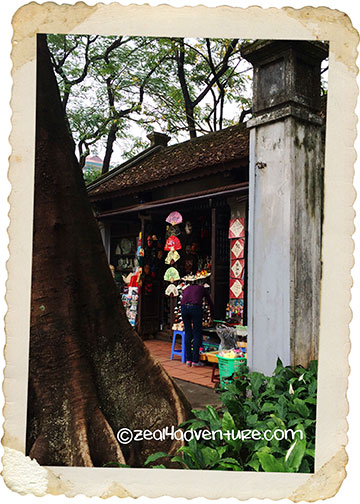
Hoan Kiem Lake is the heart of Hanoi.  Everything happens around it, from early morning workouts (think yoga, tai chi and even aerobics) to old men whiling away time playing mahjong and vendors selling their stuff.

Fruit-Vendors

crippled-vendor

shops

Not to mention the wandering tourists that flock to this mesmerizing lake. Never a dull moment in this part of the city, that’s for sure.

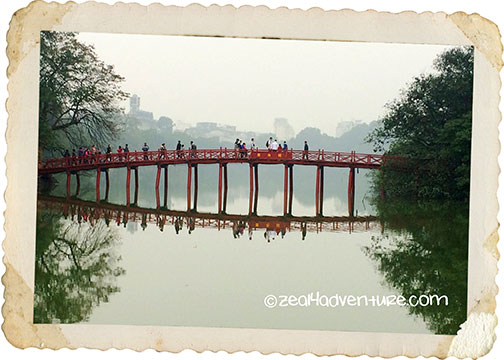
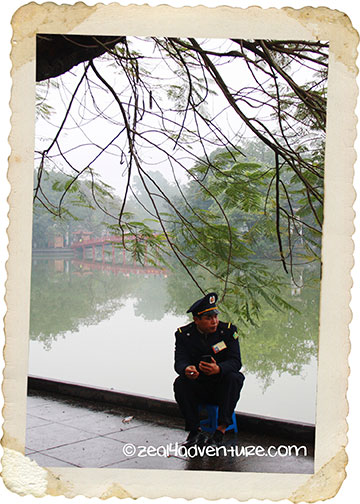
What makes the lake so smashing is the striking red bridge called The Huc Bridge leaping out of the serene blue-green water.

The-Huc-Bridge

It connects the shore to the Jade Island on the northern coast of the lake.

jade-island

On the island stands the Ngoc Son Temple (the Temple of the Jade Mountain).

Legend has it that in the mid 15th century, Heaven sent Emperor Le Loi a magical sword, which he used to battle against the neighboring countries, driving away the Chinese from Vietnam. When peace prevailed, a giant golden turtle grabbed the sword and disappeared in the depths of the lake (named Thuy Qua then) inspiring the name Hoan Kiem , which means Lake of the Restored Sword.

lake-3

lake-4

Segovia: An immersion in Architecture and Historic Treasures

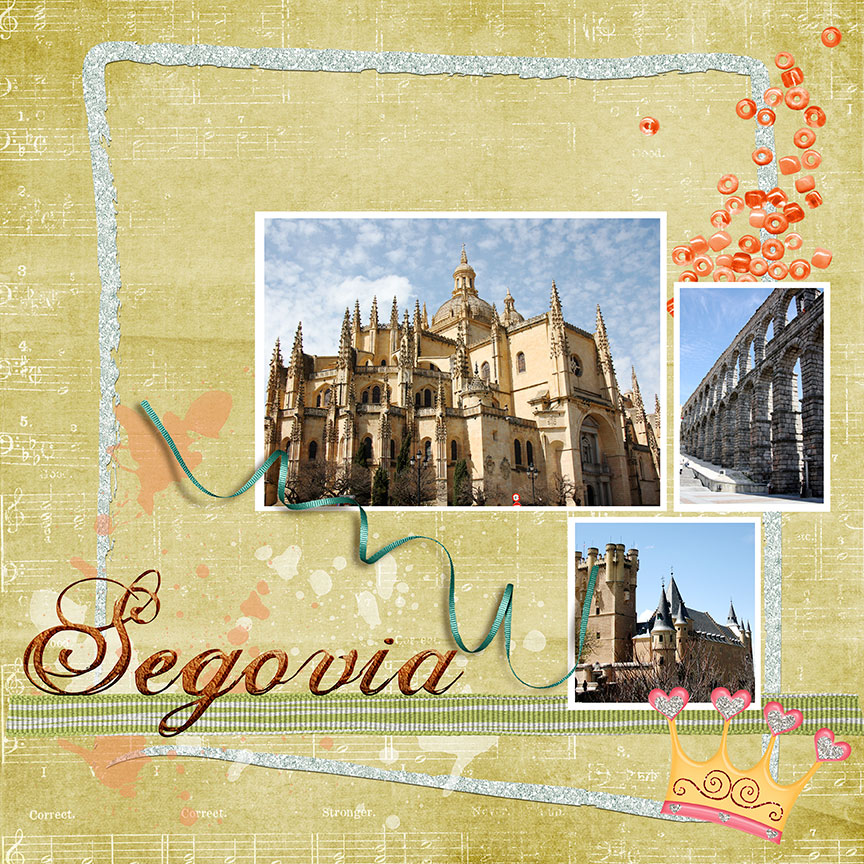
SegoviaCredits:  Elements by Haynay Designs, Plum Dumpling Designs, Pri Rocha, Sahlin Studio, Trixie Scarp Designs, Wimpy Chompers; Paper by Wimpy Chompers; Alpha by MissBehaving 2011

A visit to picturesque old city Segovia was an excellent way to cap off this month-long West Mediterranean trip. We spent the day exploring a castle, devouring a roasted suckling pig, taking lots of photographs and people watching.

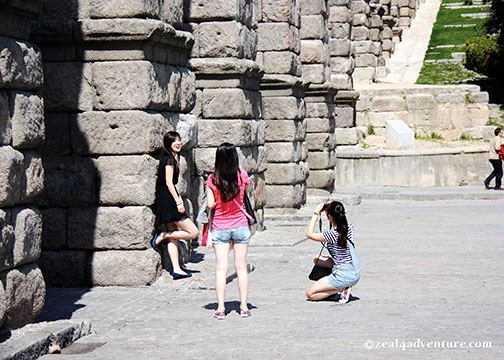
tourists

This once sleepy Castilian town had a lot to offer and had us in awe at every turn, suffice it to say that we had a fun stroll.

wandering

A UNESCO World Heritage City, visitors fill the twisting alleyways wandering around a multitude of historic buildings, churches, and monuments.

Located just 80 kilometers from Madrid, it is only a 30-minute high-speed train ride away. If you have the time, seize the opportunity and take a trip to the walled old town of Segovia.

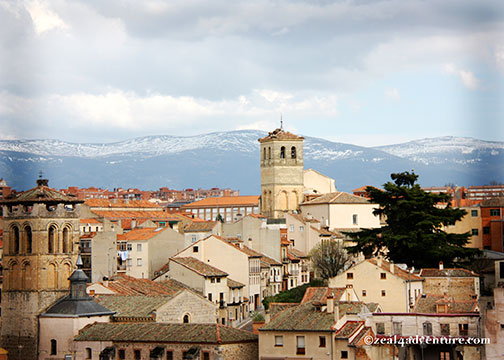
town

It is a good way to travel back in time, explore the fascinating UNESCO World Heritage-listed city by foot.

The Aqueduct

aqueduct-2

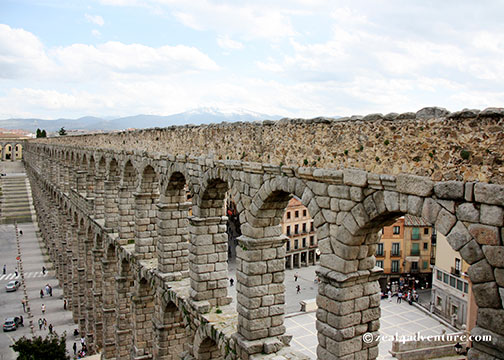
An impressive aqueduct built sometime in the 1st or 2nd century supplied water to the small town of Segovia, perched on a steep isolated hill and joined by two rivers.

aqueduct

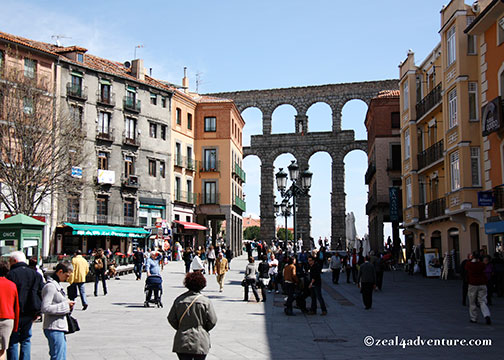
The magnificent aqueduct bridge carried water from the Fuente Frio River traversing about 15km before entering this town.

Aqueduct-4Today its boasts of being one of the most significant and best-preserved works of Roman engineering on the Iberico Peninsula.

Segovia Cathedral

Cathedral

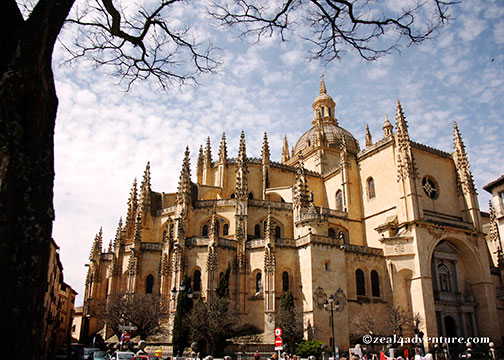
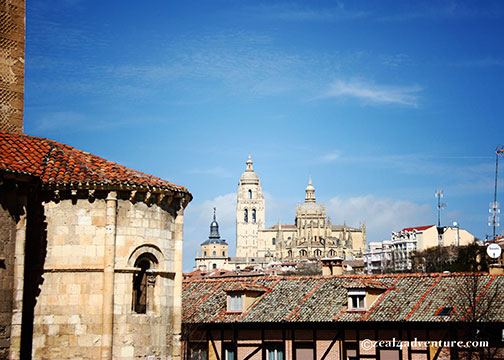
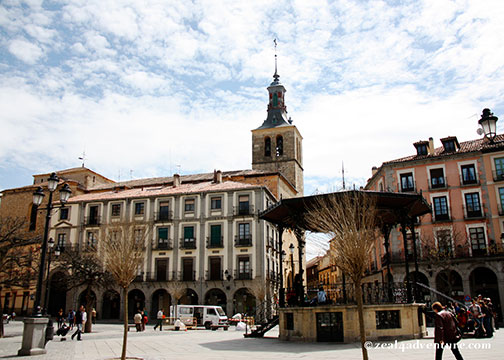
On the highest point in the old town, fronting the historic Plaza Mayor (Segovia’s main square) stands the Cathedral of Segovia, one of the last Gothic Cathedral built in Spain and Europe.

Plaza-Mayor-and-cathedral

The construction began in the early 16th century to replace an earlier cathedral destroyed during the war of the comuneros, a revolt against the King. I am awed by the details of this church.

cathedral-up-close

Alcazar

alcazar-2

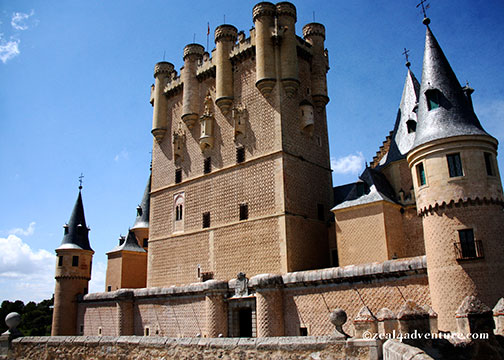
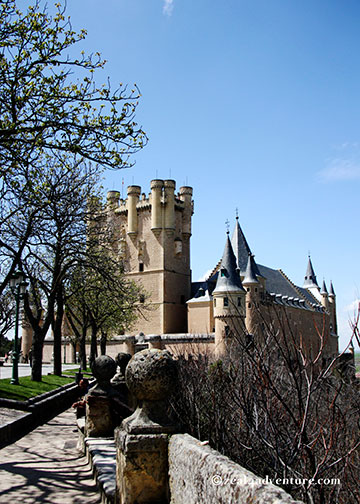
Now, this looks like a castle straight out of a Disney fairytale.

alcazar-4

The castle rises out on a rock between the confluence of the Eresma and Clamores Rivers, a testament to its original military status. Being the favorite residence for Kings of Castile, the Alcazar was transformed from a small castle into an extraordinary palace.

alcazar-3

It played a crucial role in Spanish history because it was used in various ways throughout history.

alcazar-interior-2

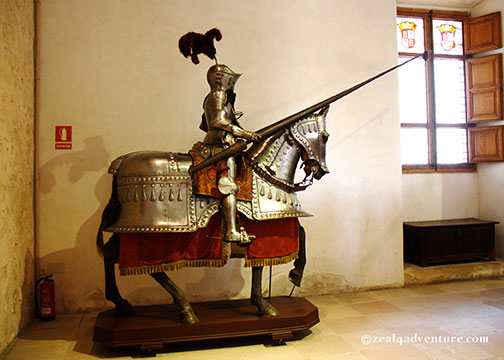
Originally built as a fortress, it had served as home to royals before it became a state prison, a Royal Artillery College, and a military academy. Currently, it is a museum and home to the Spanish General Military Archive.

Lunch at the Meson de Candido Restaurant

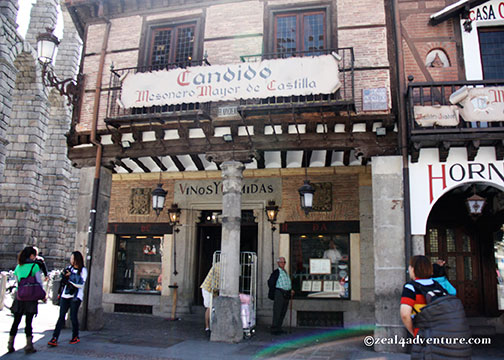
Plaza de Azoguejo 5, 40001  +34 921 425911

Meson-de-Candido

An attraction in itself, the restaurant was declared a national monument in 1941. Set in a delightful 18th-century building next to the aqueduct, it is most famous today for its wood-fire roasted suckling pig, cochinillo.

cochinillo-ritual

Served with a short speech and a ceremonial cutting of the pig with a plate,

cochinillo-ritual-2

this famous dish was a delight—crispy skin and flavorful and fork tender meat is hard to beat. Also, worth noting is their Sepulveda-Style Roasted Lamb.

Rich in architecture treasures, it was a joy to wander through this town. Presenting below a few more photos to delight in.

Segovia-CathedralThe Cathedral from afar.
alcazar-interiorStained Glass wall at the Alcazar
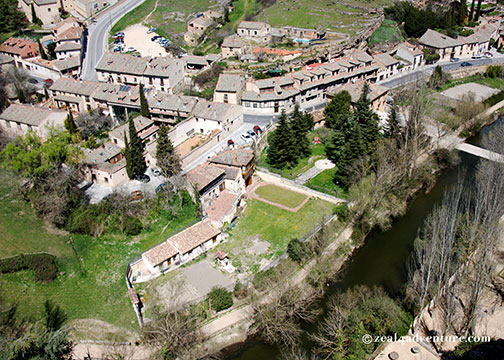
view-from-the-alcazarA view from the Alcazar
Aqueduct-3The Aqueduct up close
plaza-medina-del-campoPlaza Medina del Campo
Azoguejo-Square-2The Azoguejo Square with the Aqueduct as backdrop
Plaza-MayorPlaza Mayor of Segovia
from-the-castleA view from the castle
peddlersPeddlers line the periphery of the aqueduct
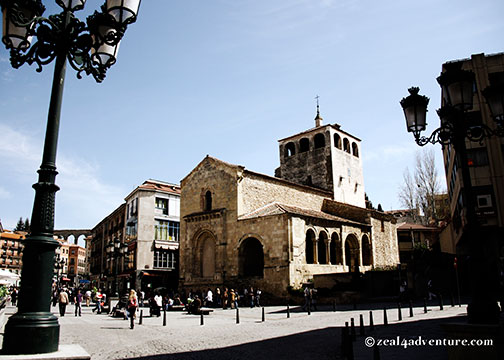
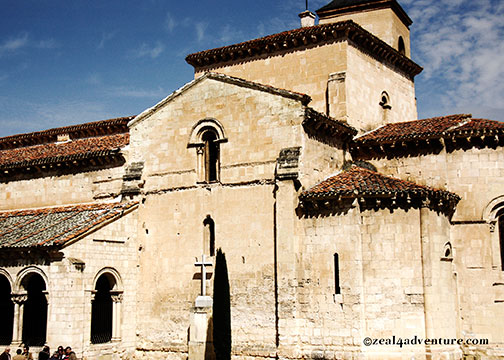
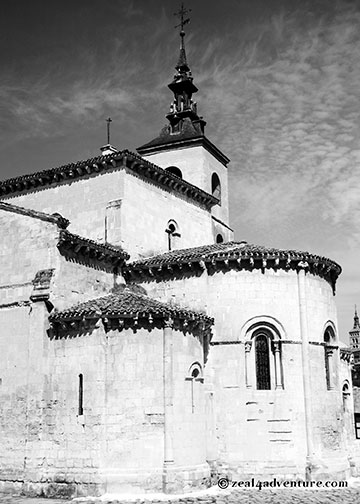
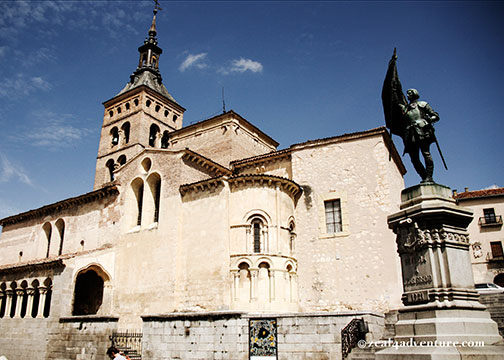
Iglesia-de-San-Martin-2Iglesia de San Martin
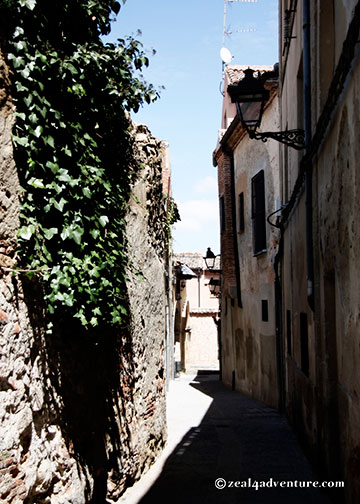
narrow-roadNarrow winding road of Segovia
Iglesia-de-San-MartinIglesia de San Martin
Juan-BravoA statue of Juan Bravo: a leader of the rebel Comuneros in the Castilian Revolt of the Comuneros.

Queluz

Plan to stop at nearby Queluz on your way back to Lisbon from Sintra.

IMG_9527

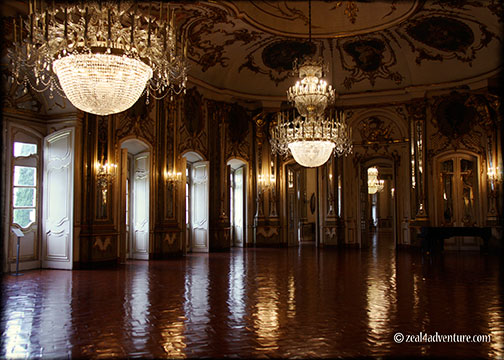
The national palace is worth the detour.  Be sure though to buy a ticket to Queluz, or you won’t be able to get off at your end destination. That was what happened to us when we decided mid-way to get off at Queluz instead of heading straight back. When we arrived at the Rossio station, the tickets we had were void, and we couldn’t get out. Apparently, the time started ticking once we got on the train and what should have taken 45 minutes took us 2 hours. We should have bought another ticket back to Rossio when we got off at Queluz — explained Mr. Operator. With many apologies, we asked to be freed with the promise of paying what was due. Kind Mr. Operator let us out, even waved our arrears. Smiling and shaking his head, I wonder how many mindless tourists did the same thing?

IMG_9542

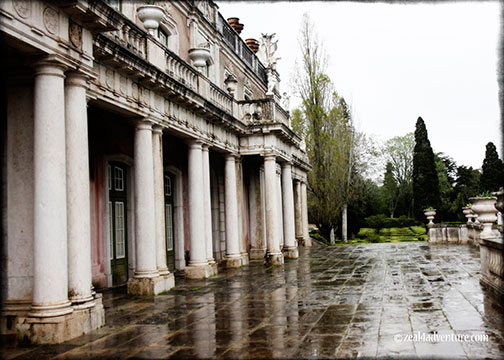
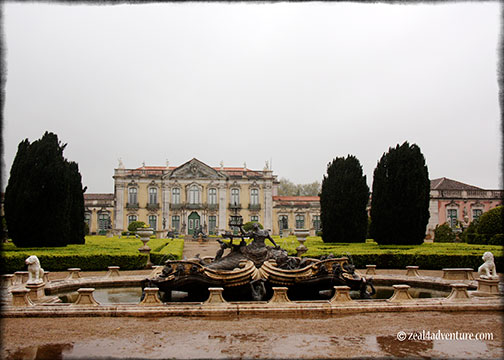
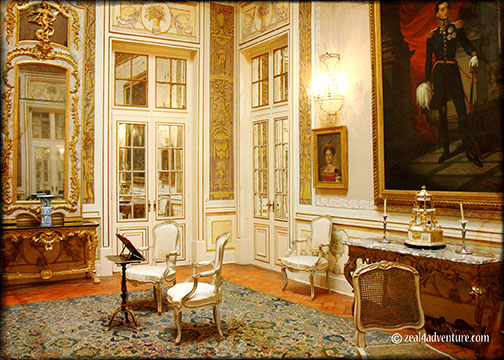
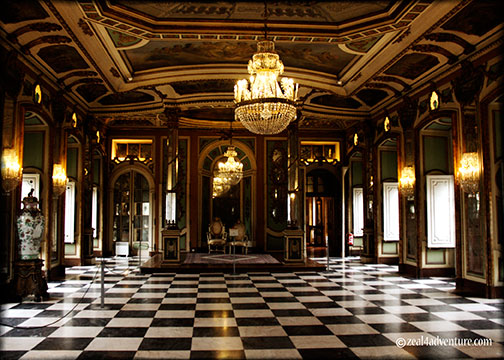
It was, however, worth the hassle. Queluz is a rather unremarkable suburb but its National Palace, in its pink Rococo glory, is a remarkable example of Portuguese Romantic architecture. Although smaller, it shares much of Versailles’ sense of grandeur in its ornate decorations and exquisite gardens.

IMG_9520

It is because Portuguese architect, Mateus Vicente Oliveira designed it in homage to the famous palace outside Paris France. Built as a summer retreat for Dom Pedro, the famous Duke of Braganza, who later married his niece, Queen Maria I.

IMG_9532

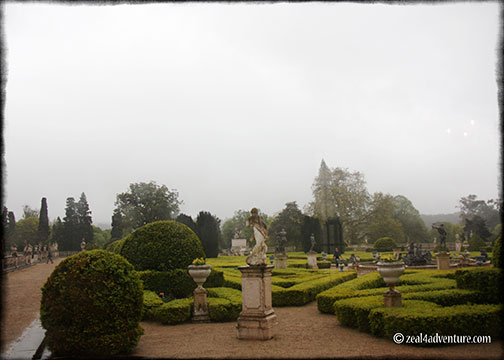
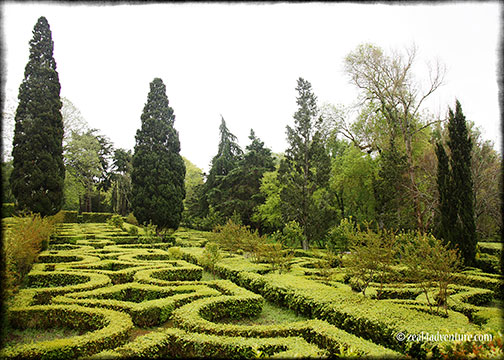
Famed for the glory of its gardens, which include a large topiary parterre, formal terraces and fountains at the rear of the palace. The interior’s attention to detail is no less than that of the exterior.

IMG_9509

IMG_9512

IMG_9523

The palace is a 10-minute walk from the Sintra train line, turning left out of the Queluz-Belas Station. Signs will lead you to a cobbled square with a statue of Queen Maria I. Facing directly into the plaza is the façade of the palace.

Romancing with Sintra

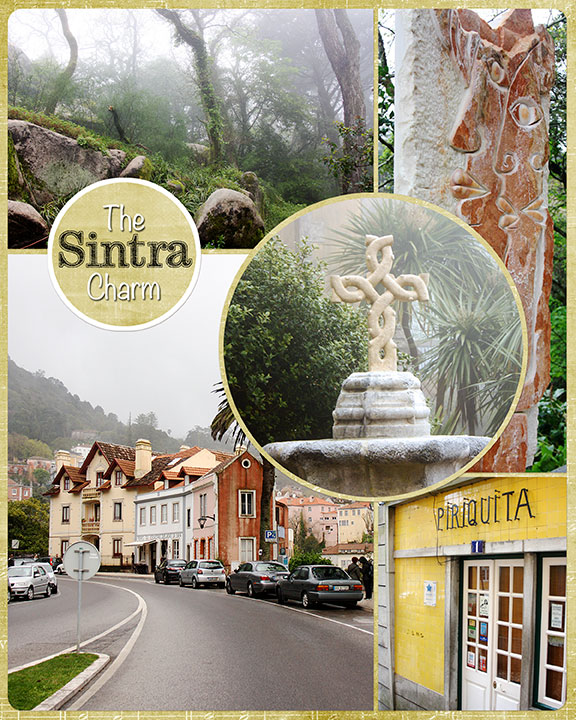
Sintra-collageCredits: J Sprague Photo Collage Template version 3; Paper by Wimpychompers Creations

If you have an extra day in Lisbon, I suggest you head out to Sintra. It’s just a 45-minute train ride from the Rossio Station and well worth the trip.

first-glimpse

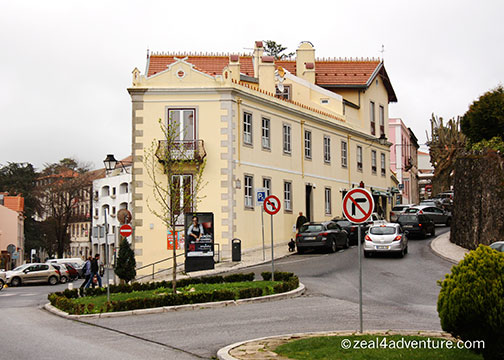
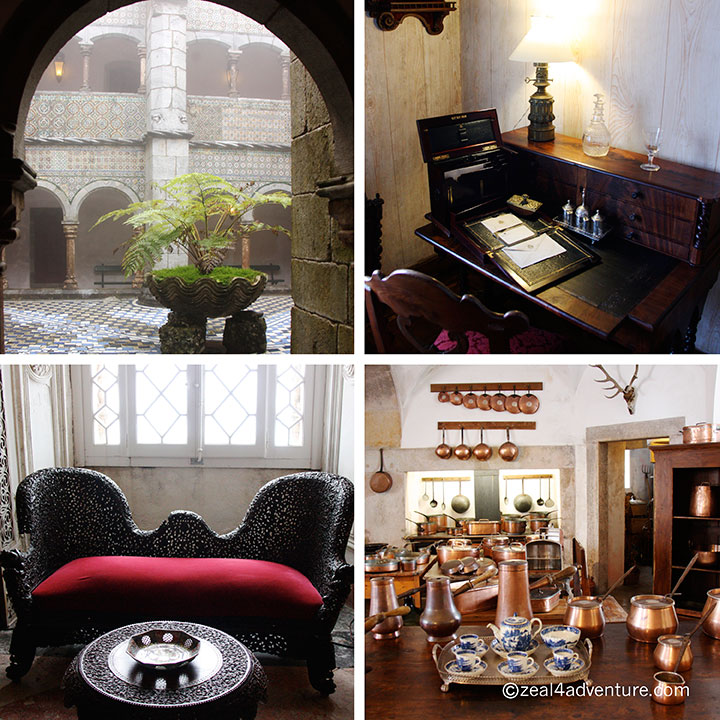
Walking into Sintra is like treading on fairytale land, more so on a gloomy day as when we were there. Known for its many romantic 19th-century architectures, Sintra is an outstanding reference for Portuguese culture.

fairytale town

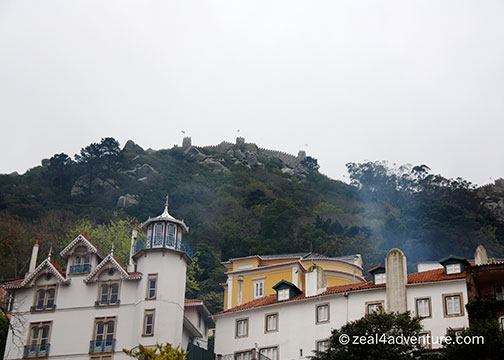
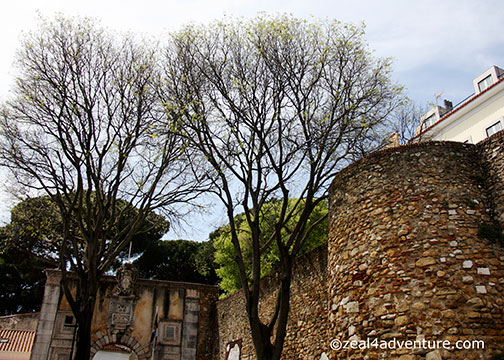
Royal castles, mansions, and chalets scatter around the verdant rolling hills and peaks of the Sintra mountain range. The long sections of walls winding around the high peaks of the Serra reminds of century’s past.

stonewalls-of-the-moor-castle

The Moors Castle high above Sintra

Here, at the Central Western Portuguese coast, at the northern-most stretch of the protected Sintra-Cascais Natural Park, history, archeology, architecture and natural beauty meld into a beguiling and magical town.

It’s UNESCO World Heritage-listed center, the Sintra Vile is a 15-minutes walk from the train station.

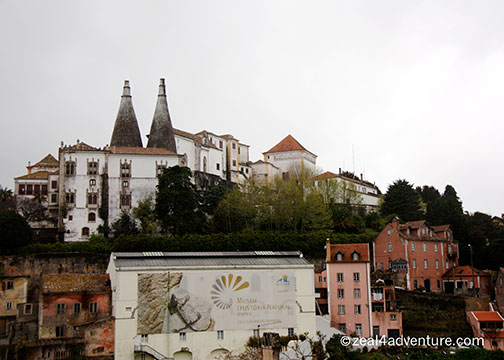
Palacio-Nacional-de-Sintra

The Palacio Nacional de Sintra dominates the old town. Its iconic twin conical chimneys can be seen from far away. We, however, only had time to visit 2 Castles that day:

Sintra Castelo dos Mouros (The Moor Castle)

Castelo-dos-Mouros

A classic ruined castle set amidst the lush forests of the Serra de Sintra. Established by the Northern African Moors during the 9th century to guard the town but fell into disrepair after the Christian conquered Portugal. The castle was restored and transformed into a romantic ruin in the 19th century by King Ferdinand II.

Pena National Palace

Pena-exterior

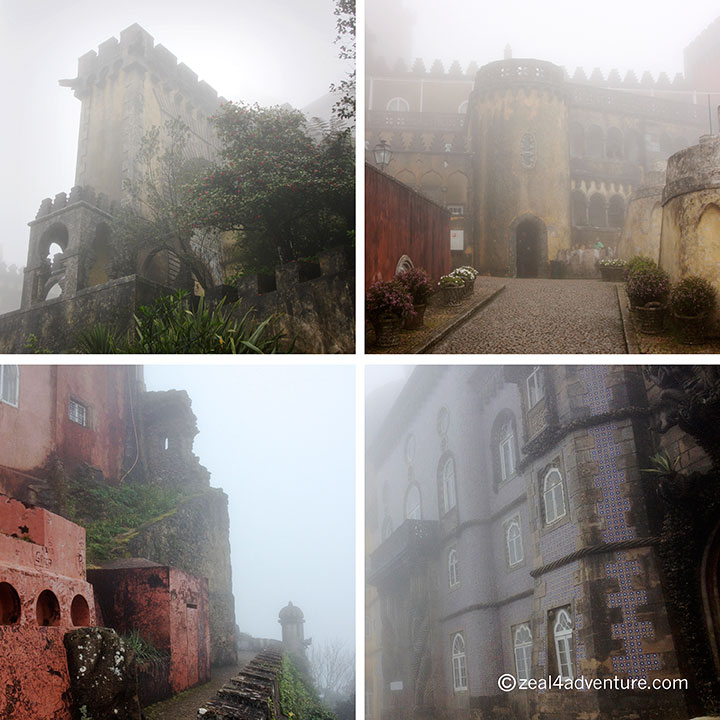
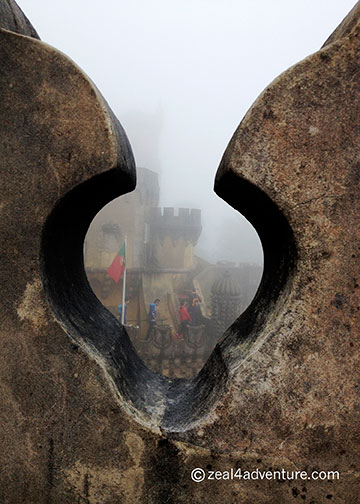
On top of a hill stands an eccentric palace built in the 19th century for Dom Fernando II, an artistic king who wanted the palace to resemble that of an opera. Despite the hodgepodge of styles, the castle looks surprisingly harmonious and the use of yellow, pink and purple colors completed the “fairytale” quirkiness of the palace.

Pena-interior

A Protected National Monument, the Palace is considered to be one of the world’s best examples of architectures from the Romantic era.

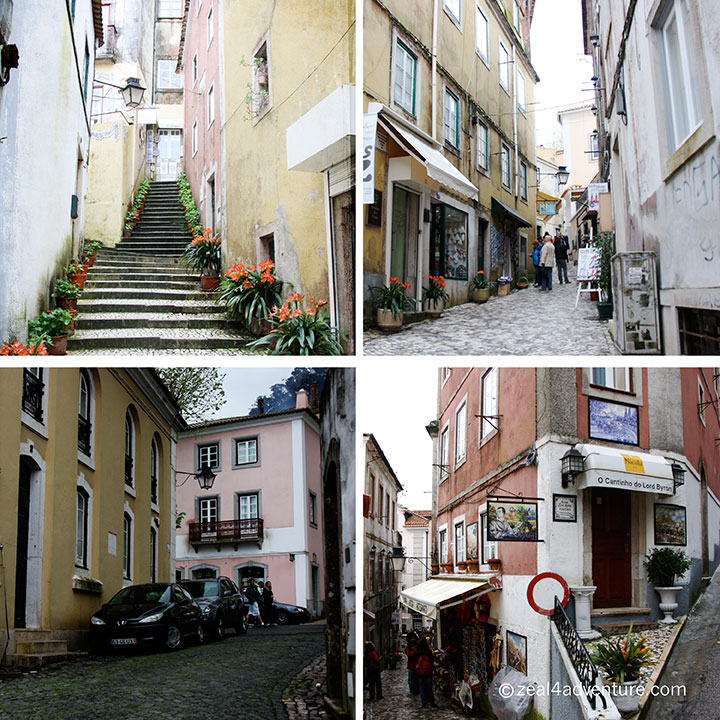
medieval-streets

The medieval streets of Sintra Vile lead to many treasures – craft shops selling a host of local artisan specialties, a range of cafes and restaurants or even townhouses that exude the air of past glories.

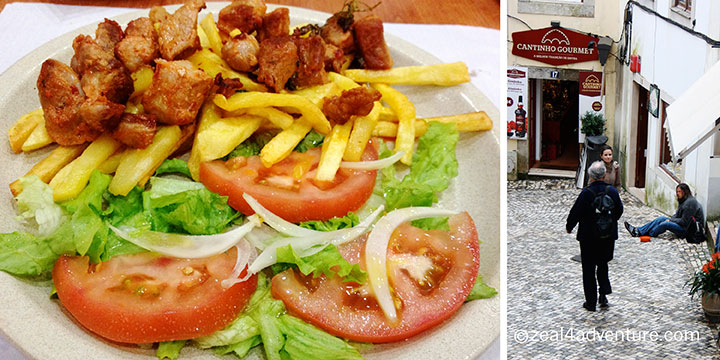
Cantinho-Gourmet

In one of the narrow streets, we found a small café (Cantinho Gourmet) for a pretty good lunch prepared by an old lady. In another part of town is A. Piriquitos.

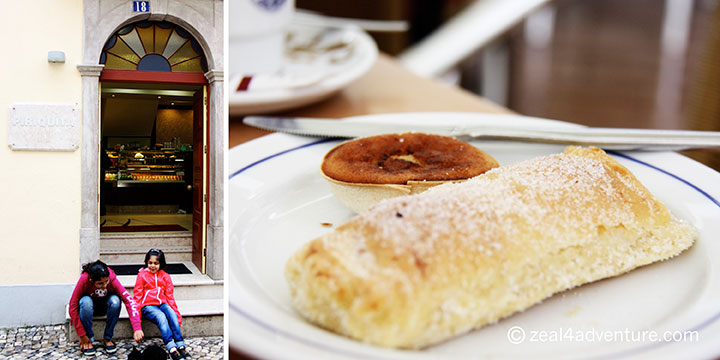
traveisseros-and-queijadas

Here we had the famed delicacies of the village, Queijadas de Sintra and Travesseiros. Delicious treats not to be missed.

Pena-Palace

In this region north of Lisbon, the center town of Sintra is only half the story. A must-do day trip but if time permits, a few nights stay is ideal to spend time exploring the surrounding beaches and the many seafood restaurants. The other half is a spectacular stretch of Atlantic coast with rugged cliffs, crashing waves and near-empty stretches of sandy beach, which calls for another visit in the future, perhaps.

Useful Info:

A Piriquita: Rua Padarcias 1/7; +351 219 230 026

Pena National Palace: Estrada da Pena; +351 219 237 300

Castelo dos Mouros: Parque de Monserrate, Estrada da Pena; +351 219 237 300     Opening Hours: 9:30AM-8:00PM; shorter hours in low season

Alfama: The Home of Lisbon Blues Music

“Alfama” recommends Hossein. For an authentic fado vadio, our “unofficial” guide guaranteed that this place is it, writes down the name and address of the bar, then points it out on our map.

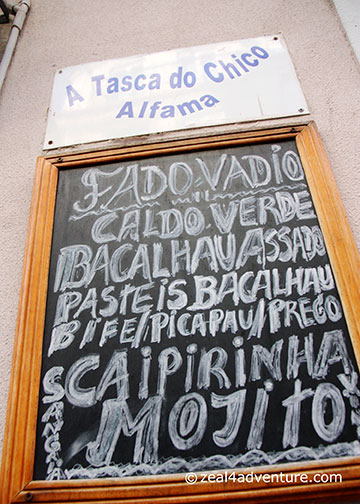
A-Tasca-do-Chico-signage

On Rua Dos Remedios, we found A Tasca do Chico. It was Fado Vadio (amateur fado singers) night.

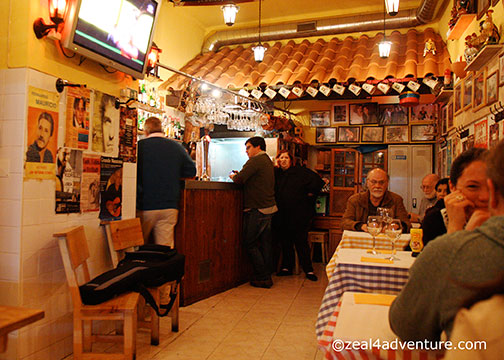
A-Tasca-do-Chico

The small joint only had a few tables, perfect for intimate and informal performances.

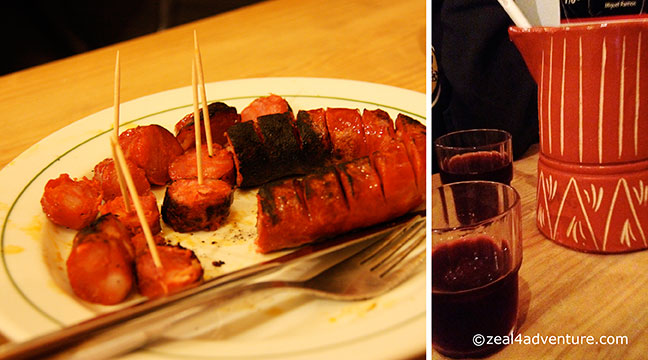
tapas-and-sangria

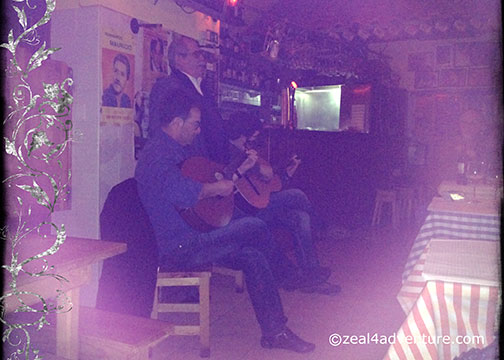
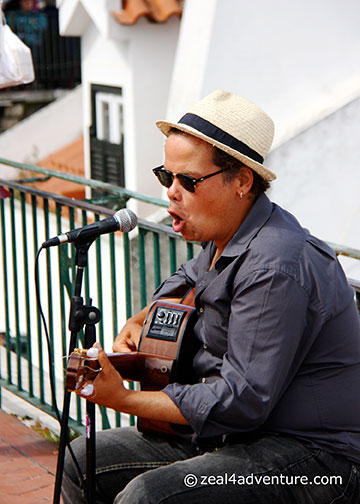
Dinner was simple but we were there for Fado anyway. It was an absolutely enjoyable evening of soulful music. A must in Lisbon.  Really.  Don’t leave Lisbon without a live experience of Fado music.

Fado

So what is Fado? I too, have  never heard of it until I read up on Lisbon. It is a music genre traced back to the 1820s and 1830s at best. Although difficult to trace, it seems to have its roots in the merging of Portuguese, Moorish and African culture. Fado songs can be about anything but it is a traditional form of urban folk music. The Portuguese language has a word, saudade, which roughly means nostalgia or homesickness with a bittersweet longing. Fado music is exactly that. It often conveys a yearning for what could have been or what cannot be. Most of its lyrics are about lost or unrequited love, jealousy and passion, death, and the lives of the Fadistas (fatalists).

There is no better place to experience the nostalgia of Fado than in Lisbon’s oldest district, Alfama. But it is not only famous for its Fado music as to visit Alfama is to visit the architecture, sound and smell of old Lisbon.

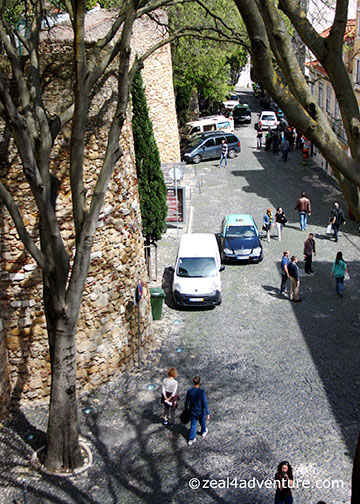
And so we went back the following day. Alfama is Lisbon’s most symbolic quarter. The oldest district of Lisbon spreads down the southern slope from Castelo de Sâo Jorge to the River Tagus. The Mouraria and Alfama (both old districts) were relatively spared during the Great Earthquake,

narrow-street

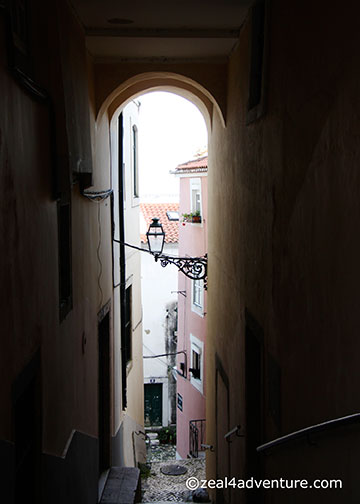
thus remains the charm of winding narrow streets and crumbling walls.

castelo-de-sao-jorge

A walk through the old-fashioned residential neighborhood is like stepping back in time.

Alfama

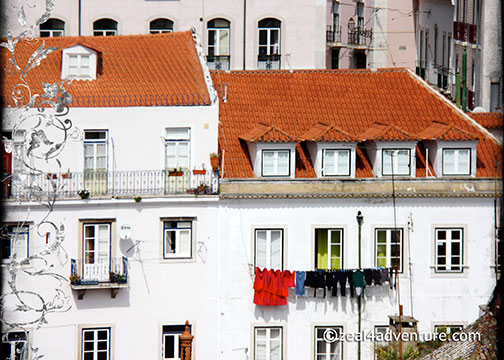
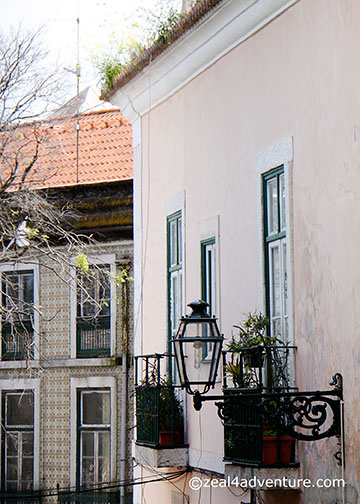
It’s a village still made up of tiny spaces, whitewashed houses with iron balconies adorned with pots of flowers and drying laundry.

The best way to get to know Alfama is to wander around.

view

The outstanding views, the churches, and the breathtaking panorama of the city from the castle were worth another trip back the next day. Some scenes from our wanderings:

from-castelo-de-sao-jorge

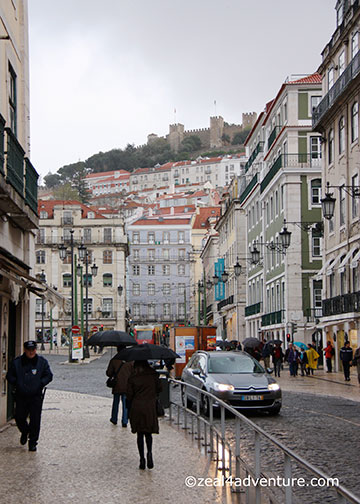
Although we didn’t have time to explore, Castelo de Sâo Jorge is a Moorish castle occupying a commanding hilltop overlooking the historic center of Lisbon and Tagus River.

IMG_9367As in from Baixa.

It can be seen from almost everywhere on the city.

Miradouro-de-Santa-Luzia

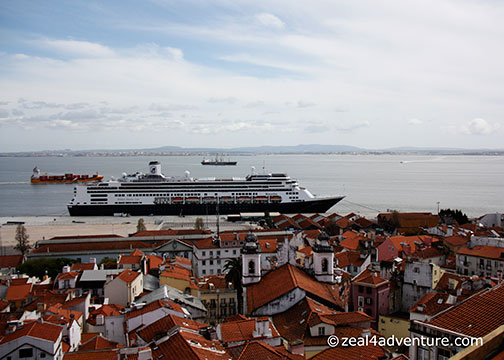
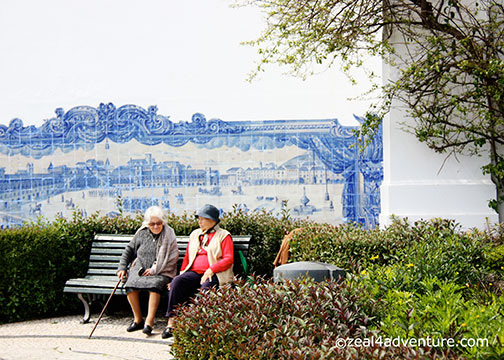
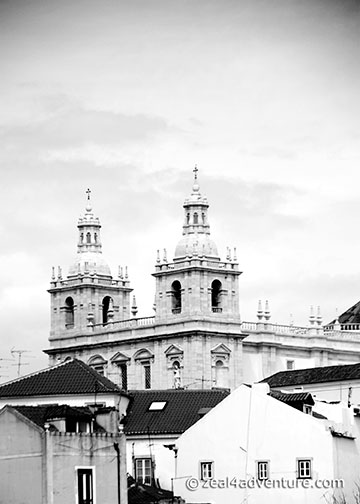
Miradouro de Santa Luzia is a romantic terrace by the church of Santa Luzia with a view of the river and Alfama. On the outside wall of the church are 2 tiled panels, one of Gomercio Square before the quake and another showing Christians attacking the castle.

Miradouro-das-Portas-do-Sol

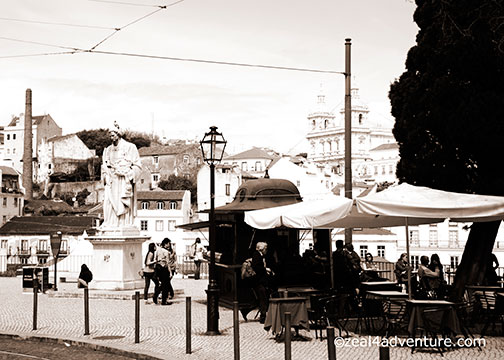
A few steps away from Miradouro de Santa Luzia is a balcony that opens to the river offering spectacular views over Alfama.  A statue of St. Vincent holding a boat and 2 ravens also stands proud watching over the district. Miradouro Das Portas Do Sol.

Sao-Vicente-de-Fora

From the balcony, one can spot Sâo Vicente de Fora Monastery, an exceptional 16th-century monument located outside the city walls. “De Fora” means on the outside.

Santa-Engracia-Church

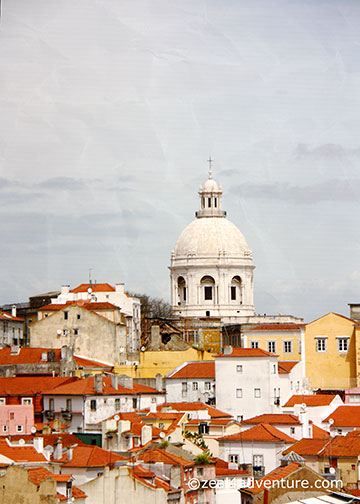
Church of Santa Engracia or Portugal’s National Pantheon. This 17th-century monument was converted in the 20th century into the National Pantheon. It is now the burial-place for a number of Portuguese personalities.

approaching-alfama

entertainment

IMG_9665

Useful Info:

Getting There: 

tram-28

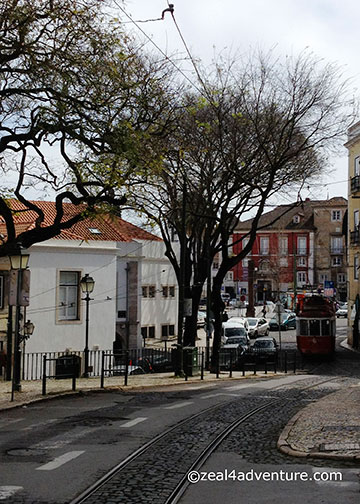
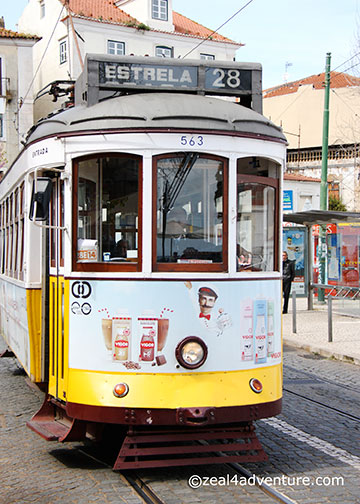
Walk from Rossio or take tram no. 28

A Tasca do Chico (Alfama)
Rua Dos Remedios, 83
+351 965 059 670
 
 
References:
Portuguese Fado Music 101 – About. (n.d.). Retrieved from http://worldmusic.about.com/od/europeanjudaica/p/PortugueseFado.htm

A Glimpse of Granada

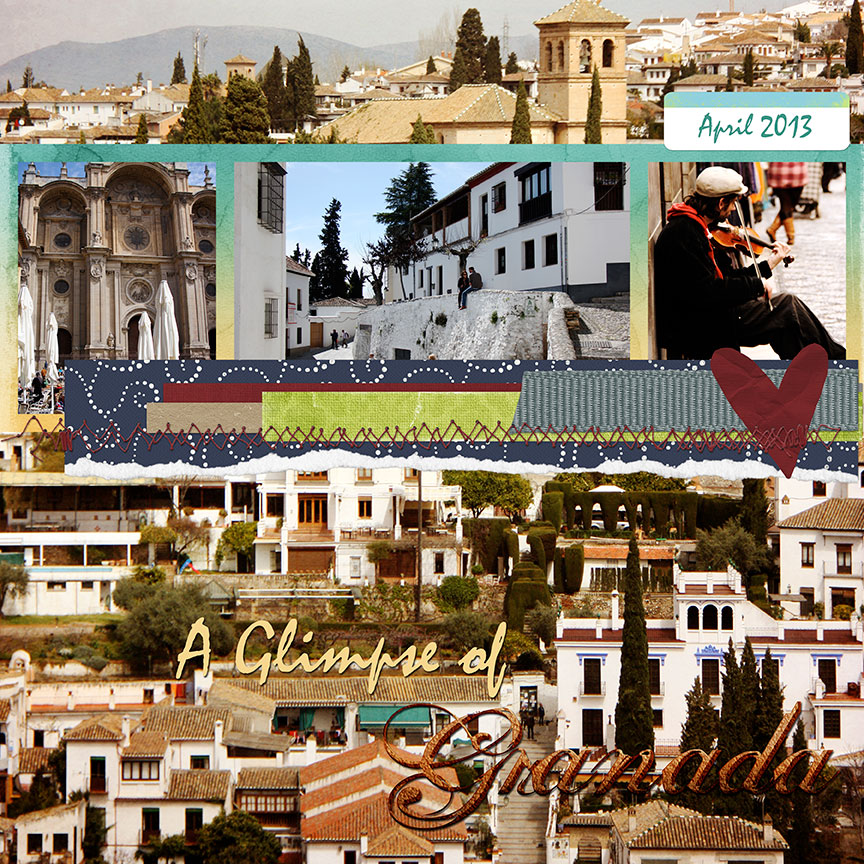
Glimpse-of-GranadaCredits: Papers by Scrapmuss Design; label and border element by Splendid Fiins; Suede Alpha by MissBhaving

Outside of (the little I know of) the Alhambra, I know close to nothing about Granada. After all, I didn’t plan to venture out this far from Seville. So expectation was kept to a minimum.

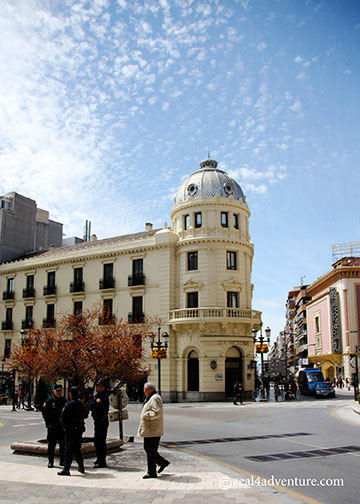
calle-puerta-realThe NH Hotel at Puerta Real, the crossroad of the city’s shopping zone.

Crossing Calle Puerto Real on our way to lunch, the beautiful bourgeois architecture instantly left an impression.

desolate

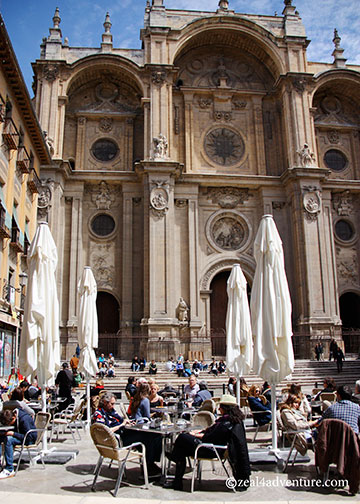
Although we passed some streets that seemed desolate, we soon found ourselves in the heart of the city where the Cathedral and the Alcaiceria, the Moorish Silk market of way back, impressed once more.

cathedral

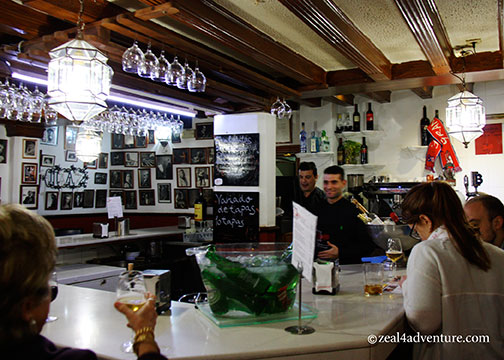
Lunch, arranged by the Noval brothers (our guide and driver), was at the Restaurante Sevilla—a stone throw away from the Cathedral, at the fringe of the Alcaiceria.

restaurante-sevilla

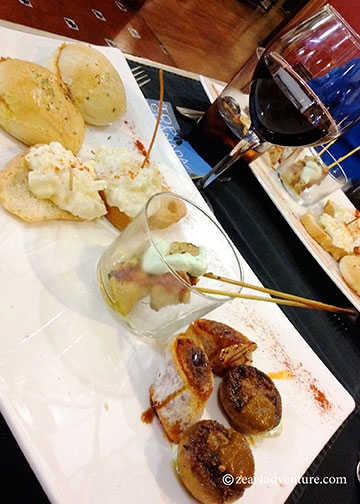
In a small, old style Spanish bar, we were served yet another excellent meal of tapas.

tapas

Quite in keeping with the cuisine’s good repute. Andalusian cuisine has yet to disappoint.

The best way to experience the city’s old yet vibrant center is to walk it.

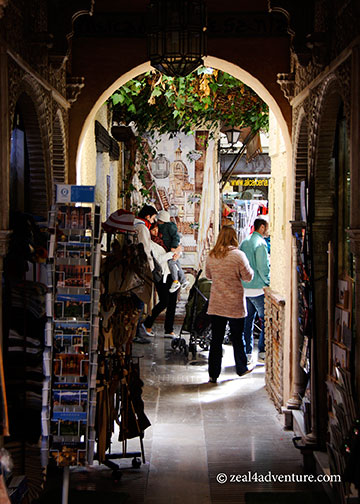
Alcaiceria

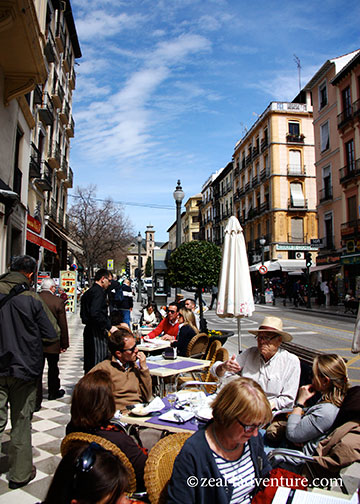
So after that fulfilling lunch, we inched our way out of the Alcaiceria to the busy Plaza Nueva, which despite the name, is the oldest square.

busy-plaza-nueva

Lively cafes and bars, along with Moorish and Renaissance monuments and landmarks scatter around here.

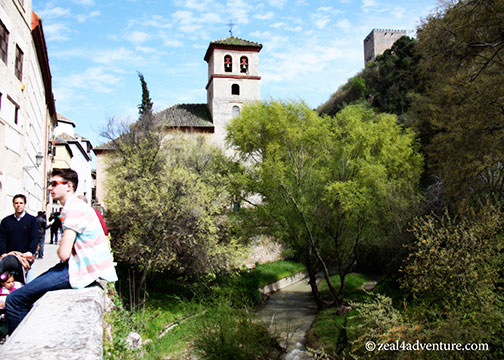
A short distance on the east, right where the Carrera de Darro begins, the Rio Darro emerges from underground.

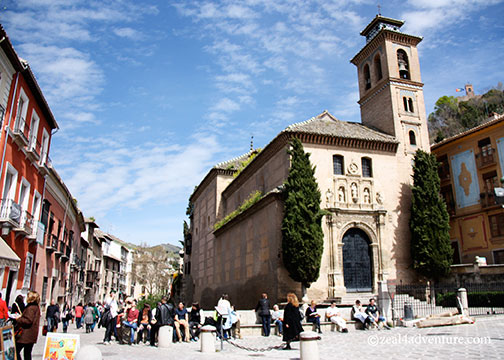
Iglesia-de-San-Gil-y-Santa-Ana

Here too lies one of the best remaining churches of Mudejar architecture, the 16th century Iglesia de San Gil y Santa Ana.

cafes-along-carrera-del-darro

It was strolling along the Carrera de Darro that Granada called to me. “One day,” I told Anton, “we will sit and absorb the pulse of the city in one of these cafes.”

artists

To assimilate with the carefree students and free-spirited artists that fill the streets for even just a few days would be pretty cool.

Follow the river and you will come across Paseo de los Tristes.

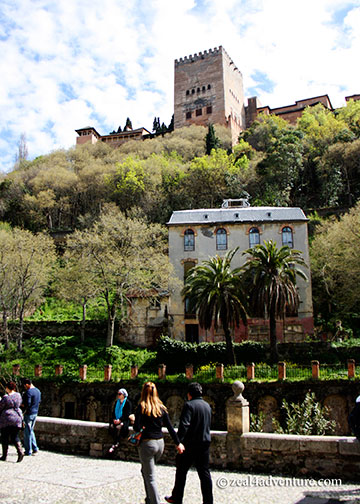
Alhambra

A picturesque street with a river running along it, the Alhambra keeping watch from atop.

Granada has an unmistakable Moorish soul, most likely because it was the last city to be reconquered by the Catholic Monarchs.

darro-river

Lying at the confluence of 4 rivers—the Beiro, Darro, Genil, and the Monachit, separated by the gorge of the Rio Darro. The city is set between 2 outlying hills, the Alhambra hill on the south and the Albaicin, on the north.

Albaicin, a UNESCO World Heritage site, is the old Moorish quarter of Granada.

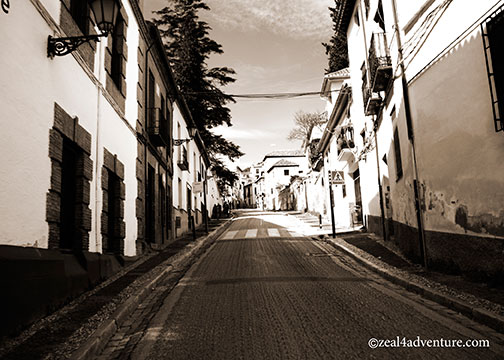
cobbled-streets

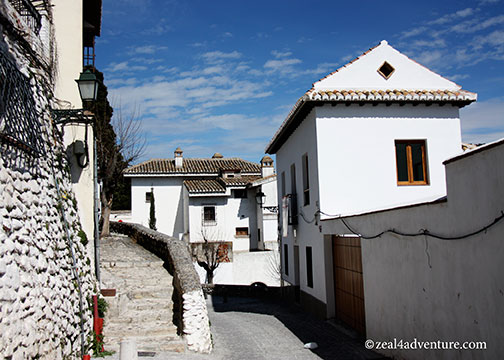
Walking through its narrow and winding cobbled streets will take you back over 1500 years. It holds a vast amount of Granada’s historic buildings and plazas.

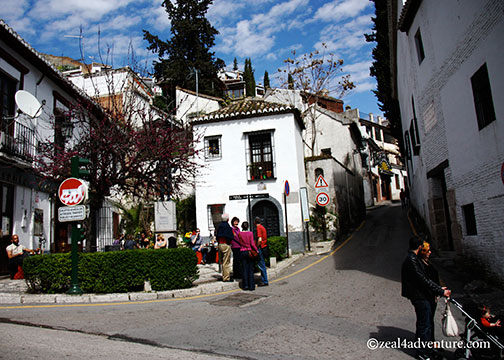
residential-district

Although a residential district on the whole, it is host to many restaurants, bars as well as guesthouses oozing with classic Andalusian charm.

andalusian-charm

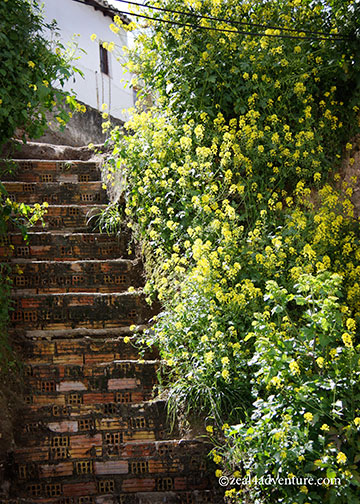
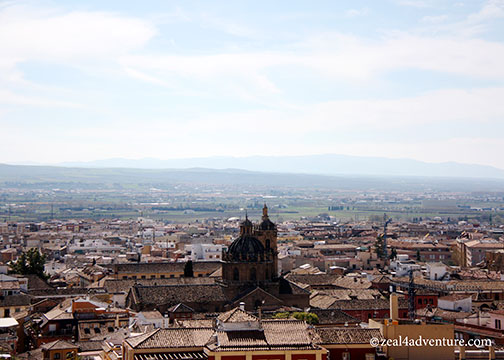
Above all, this beautiful residential neighborhood delivers some incredible view of the Alhambra and much of the city.

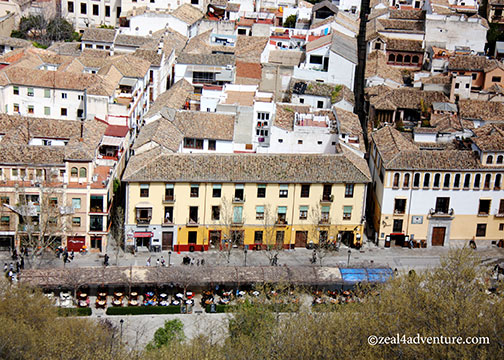
view-of-the-city-from-AlbaicinView of the city from Albaicin
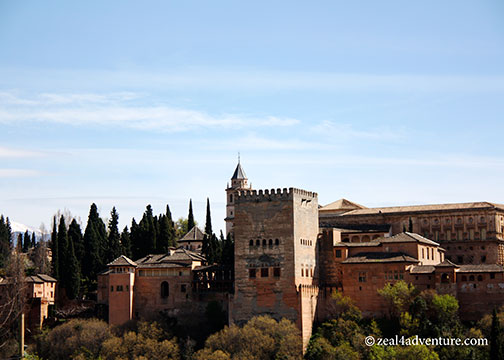
alhambra-from-albaicinAlhambra from Albaicin

More of Granada through my lens:

albaicin-restaurantsA Plaza in Albaicin
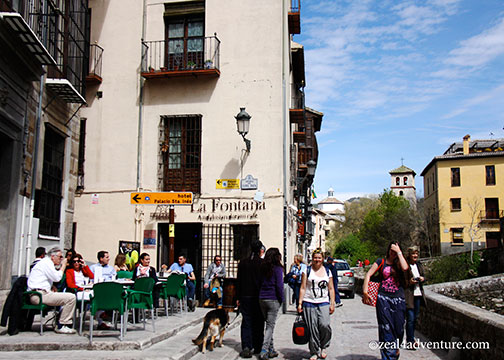
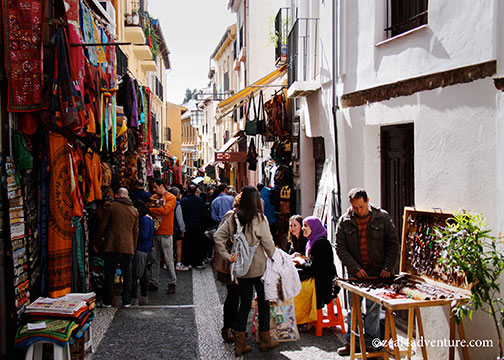
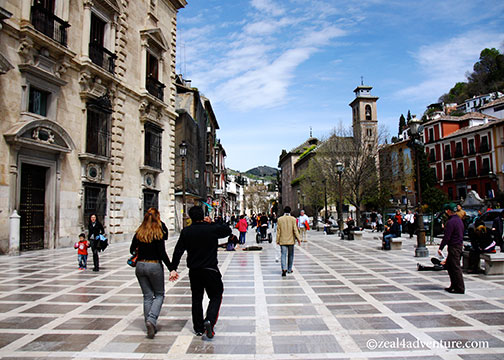
calle-caldereria-nuevaCalle Calderreria Nueva–a narrow street close to Plaza Nueva, holding tourist shops, a few restaurant and a few merchants typical of the old Moorish quarter.  Not quite similar but oftentimes referred to the medina found in Morocco.
carmen-es-2The Carmen es—rows of beautiful houses—line the streets of Albaicin.
real-chancilleriaThe Real Chancilleria at Plaza Nueva
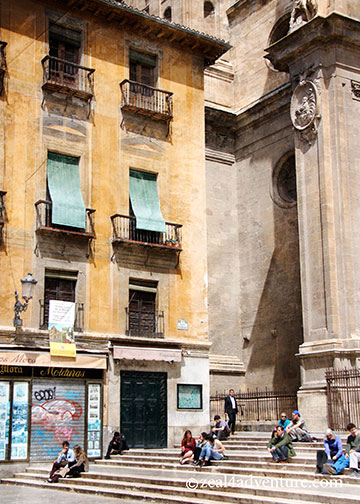
cathedral-surroundingsSteps of the Cathedral where people hang out
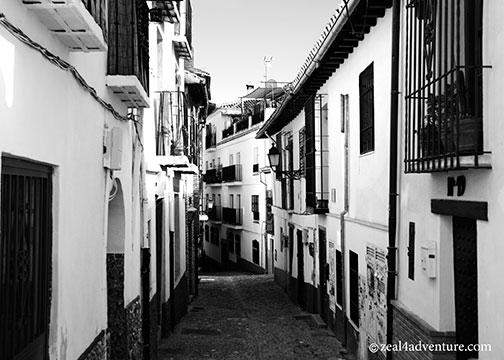
narrow-streetsNarrow streets of Albaicin
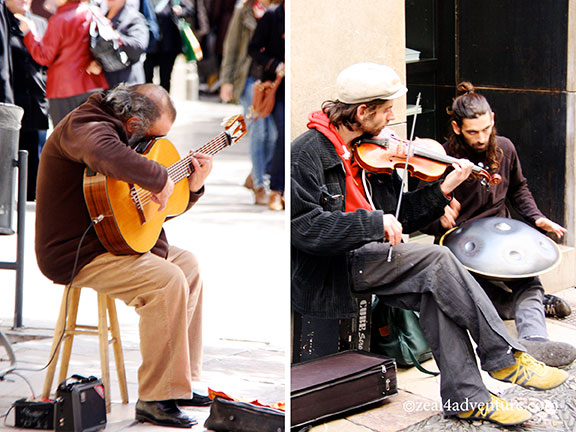
musiciansMusicians found in every corner — Alcaiceria
GranadaA glimpse of the city from the Alhambra

Useful Info:

Restaurante Seville
Calle Oficios, 12
+34 958 221 223