A Moment with a Lang Dulay

I have learned to appreciate art in various forms – from painting, pottery, sculpture to graphic and interior designs, to even the performing arts – and most recently, the artistry of weaving, more specifically T’nalak weaving.

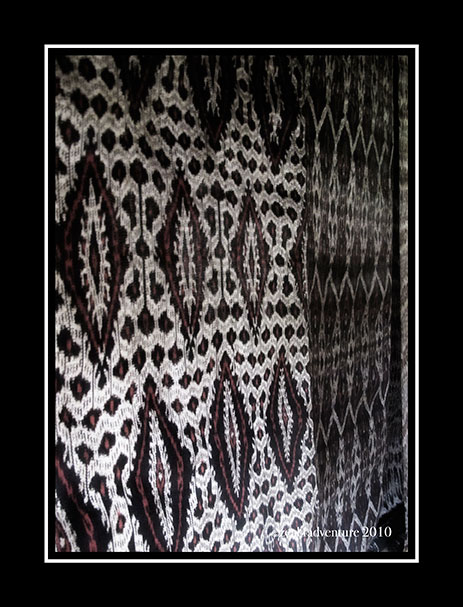
The T’bolis are known for their traditional fabric called T’nalak.  This is made of long threads of Philippine-grown abaca fibers dipped in red and dark brown dyes.  I am awed that it takes an enormous amount of time (like 6 months) to finish a 5m x 0.60m piece.  And it is woven by “dreamweavers” whose designs are inspired by their dreams.

Gawad sa Manlilikha ng Bayan (GAMABA) is a program aimed at celebrating and safeguarding the work of indigenous and traditional artists of the Philippines.  It provides recognition to National Living Treasures, the highest honor given to indigenous folk artist for their outstanding work in creating, preserving and promoting traditional art forms that are threatened with extinction.  Awardees are artists who have manifested willingness to share their rare skill with others, especially younger members of their community.

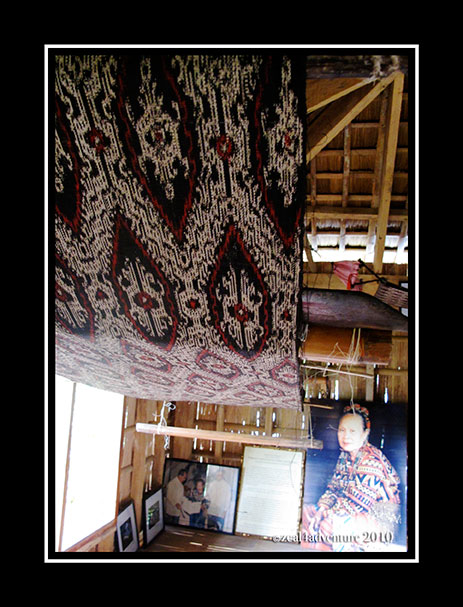
Lang Dulay, known as THE Dreamweaver, fit that bill.  A National Living Treasure awardee since 1998, this 85-year-old native from South Cotobato opened a training center in Lake Sebu.

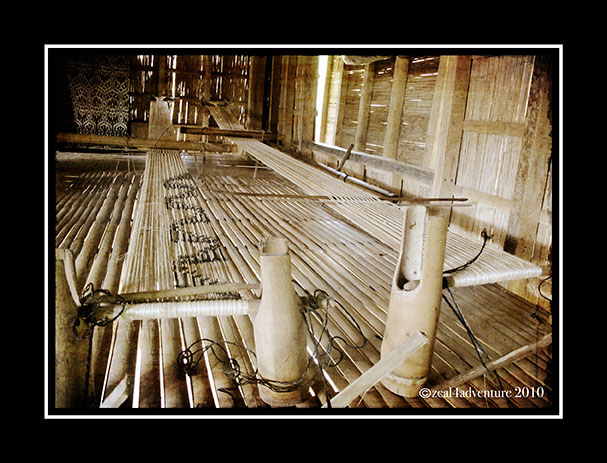
Her workshop is a 4m x 10m elevated rectangular bamboo/nipa hut

Her students.  Unfortunately at the time of visit, the center was closed due to some affair.

and this is where she trains her students,

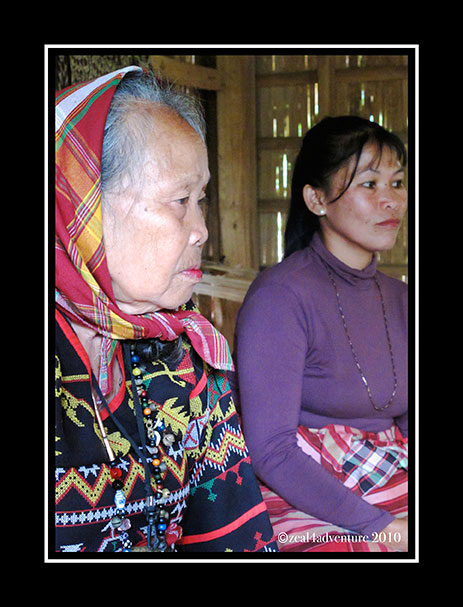
including this protégé.

Her works are incredible but most of all, her heart is awe-inspiring.  What a great privilege and honor to meet such a humble and gifted person who is National Artist in stature.

A Must See

Cirque du Soleil.  Oh yes, O Manel was part of the lure but this 90-minute mega production was one major reason why I found my way back to Macau.  The award winning creation that began with a group of street performers in Quebec is known the world over for its innovative shows.  Zaia – the one staged at The Venetian Resort in Macau – is wall-to-wall with breathtaking aerial acrobatics, entrancing special effects and fluid dance and movements, that captivated me from the moment the stage lit up.

So to The Venetian we went just for this.  And while we were there, we might as well explore the much talked about Resort-Hotel that supposedly played a crucial role in transforming this once rural part of Macau – even sleepier than old Macau towns – into one of the biggest tourist destination in Asia.  It is home to Asia’s largest casino with 1,000 slot machines and over 600 gaming tables bustling 24/7.

Never a dull moment, The Venetian is filled to the brim with activities at every turn.

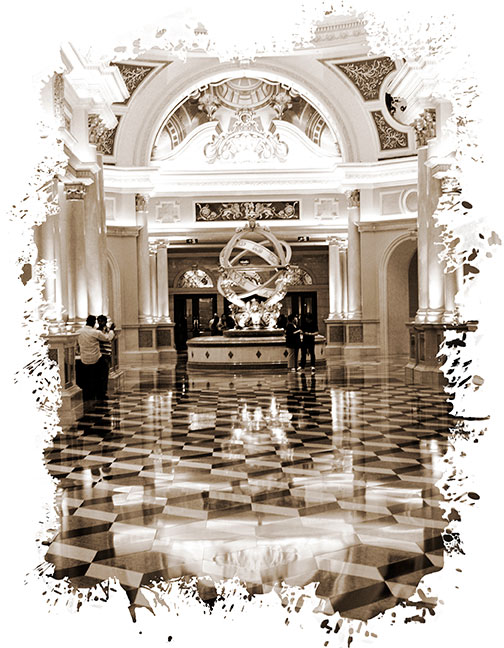
As one enters, one gets transported to lavishness, owing to its décor.  The resort boasts of 19 remarkable restaurants but because we were pressed for time, we settled for the food court, which in itself had quite an interesting selection.

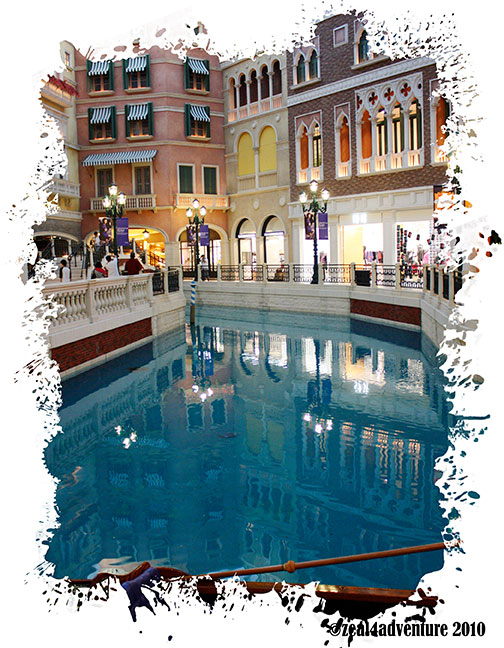
We also found ourselves wandering around, browsing through boutiques and brand name outlets along the Grand Canal Shoppes.

The Venetian sits on Cotai strip, a 5.2 km section of reclaimed land that now links the 2 former islands of Coloane and Taipa in the Pearl River Delta just across from Peninsular Macau.

Getting There:

Complimentary Venetian shuttle buses depart throughout the day from the Macau Ferry Terminal, Border Get and Lotus Ferry Terminal to the Venetian Macau Hotel – Resort.   Sands Casino also provides shuttle buses between the 2 hotels.  For a more up to date schedule, click here.

Other useful information:

Book Cirque du Soleil online here.

Scenic Sunday

Oh Manuel!

It’s a funny thing about life; if you refuse to accept anything but the best, you often get it. – W. Somerset Maughem

Reservations were made and off we went to Taipa to lunch.  Those with insider knowledge or Macanese connections will head to Taipa for some great culinary experience.  Tucked away in a quiet street just on the edge of Taipa Village is one of Macau’s best-kept secret, a homey, welcoming hole in a wall called O’ Manel or more formally known as Manuel Cozinha Portuguesa.  Manuel Pena, a Portuguese and his Chinese wife owns this tiny restaurant that serves fantastic Portuguese food.

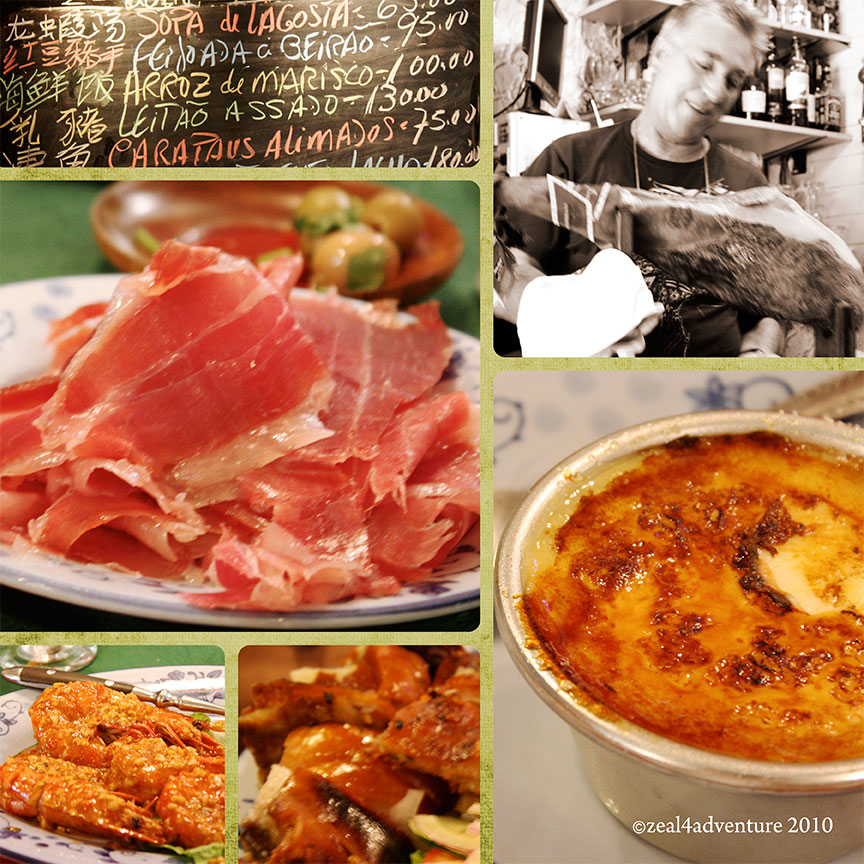
In his restaurant, Manuel waits on tables himself, supervises the preparation of the dishes and does the cooking himself, sometimes with the help of his wife.  There are no menus only a blackboard; in it written are the specialties for the day.

Clockwise:  menu board; Manuel Pena and his Pata Negra; Caramel Creme; Roasted Suckling Pig; one order of Pata Negra, sliced.

For starters, we had slices of Pata Negra (or jamon iberico in Spain), a favorite since I first tried it in Seville years ago.  So memorable this Pata Negra was during my first visit to this restaurant some 3 years back, I came back with that in mind.  Fresh fish and shellfish are found on virtually every Portuguese menu and it is not surprising that we were served Garlic Prawns and a wonderfully citrus Clams in lemon sauce with a hint of coriander.  Roast suckling pigs, popular in the north of Portugal came highly recommended.  We were ecstatic that it was perfectly roasted with skin that crackled so loud we ordered one more.

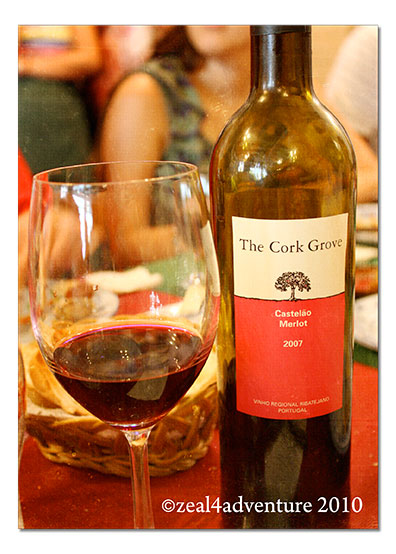
We washed all these down with a glass or two of this lovely Portuguese Merlot and capped this splendid meal with a most typical Portuguese dessert, Caramel Cream.  Mmmm…  overindulged, most definitely.

The restaurant when we entered

In less than thirty minutes

This small casual restaurant with its limited number of tables fills up quickly so book ahead.

Manuel Cozinha Portuguesa
Rua de Femão Mendes Pinto, N90 R/C
Taipa, Macau
For reservations call:  (853) 28827571 or 28825811

Five Reasons Why…

You should try Whitewater Rafting at least once in your life.

Credits:  Bannerwoman Designs Worn, Folded Edges, Judy Meibusch Doodle Dot elements, LivEdesigns SSunFun Alpha

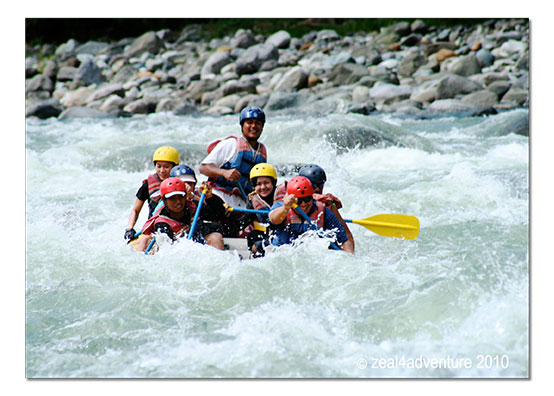
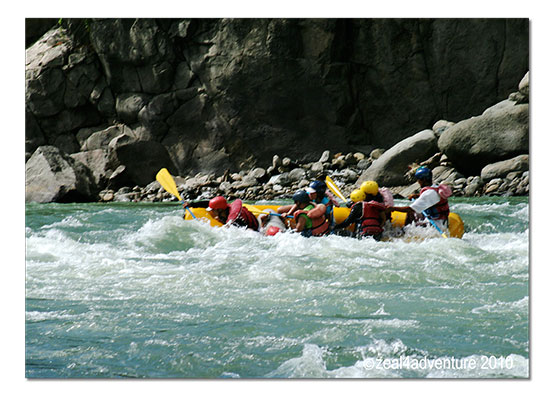
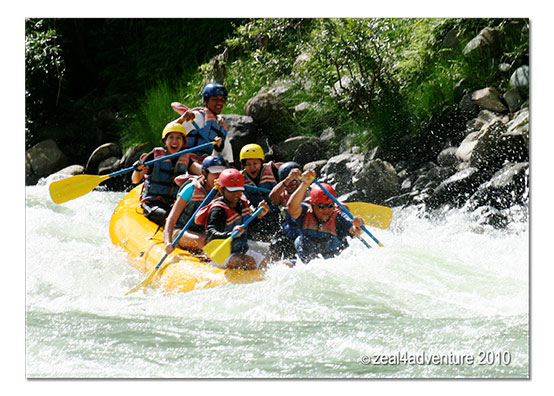
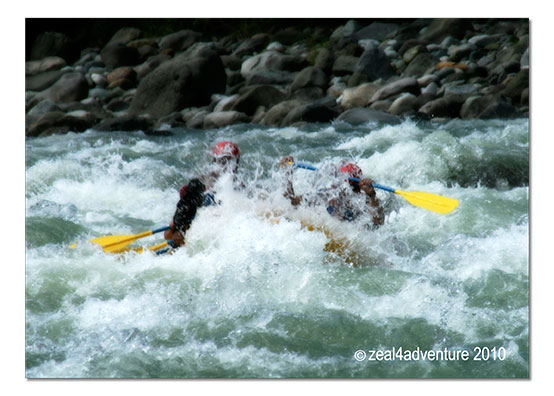
Ever since my first rafting experience in 1999, I was hooked (see here, here and here).  I can’t count the number of times I’ve rafted the Chico, after all as they say, you never run the same river twice.  And I felt it time to share this exhilarating experience with my team.
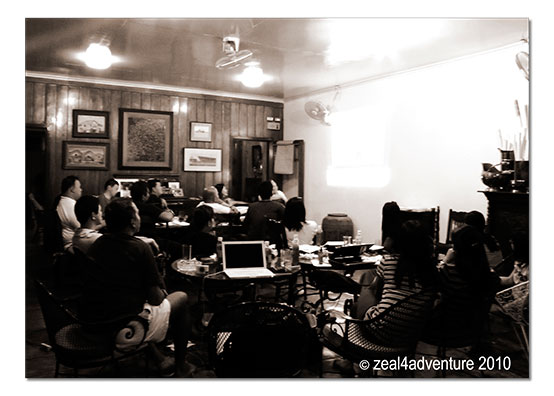
So for 3 days in January, we found ourselves in Tuguegarao slaving away, devising strategies for the year
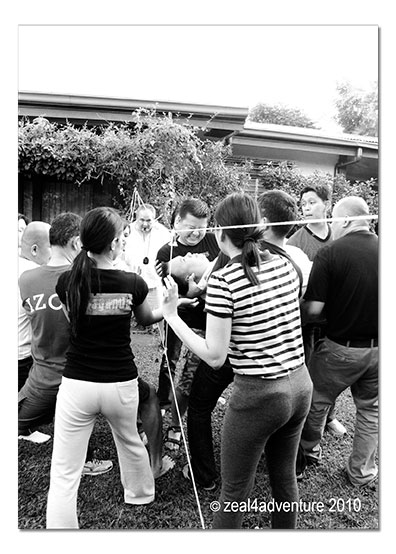
with a little bit of team building on the side.

Then on day 3, we spent an adrenalin-filled day at the Chico River in Kalinga.  Here are insights gathered from this experience.

It’s Liberating

When was the last time you’ve tried something at least once in your life?  I am one to try almost anything (I say almost because I have yet to convince myself about bungee jumping) at least once.  Whitewater rafting may not be for everyone but you’ll never know unless you’ve tried it.

I’ve rafted with many first timers with sedentary lifestyles through the years and as often as not, they at the very least, had a blast and in numerous occasions, a wild side they never knew they had is kindled.
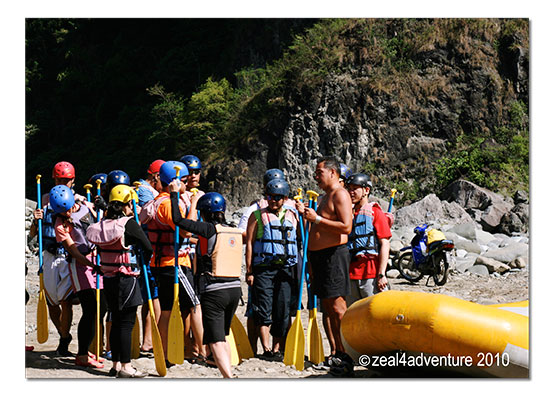
Anton Carag, charismatic mover and shaker of whitewater rafting since 1998 at the Chico

Many among my team were apprehensive before the run and listened intently to Anton Carag lecturing on proper paddling techniques, what to do when one falls off and how to get back on the raft.
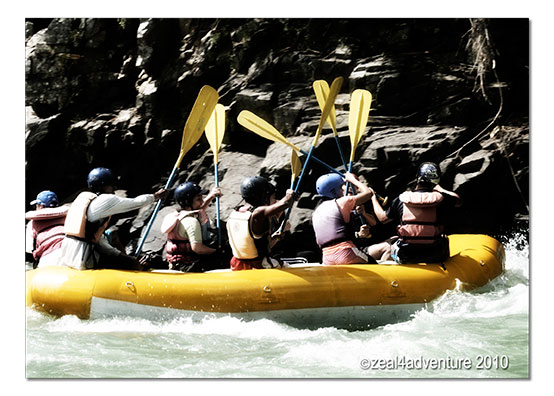
Doing a Hi-Five for a job well done

I saw how their fears transformed to confidence after the first few rapids.  They started to have fun.

Some even enjoyed the falls, bringing home stories of how they survived it etc.  It also helps to know that two internationally recognized wilderness specialists trained Anton and his team of guides some 10 years ago.

It Fosters Team Spirit

Rafting only works if everyone works as a team.  Listen to your leader and follow exactly the commands.  If the team fails to act as one, the raft may capsize.  If you’re not prepared to drink gallons of water, you probably don’t want this.   It’s also a hassle getting back on the raft and if the water’s low, you will most likely be going home with bumps and bruises as a remembrance from the river.  But hey, isn’t that proof of that adventurous spirit you thought you never had?  So listen to your guide and be in sync with your teammates.

It’s Actually Safe
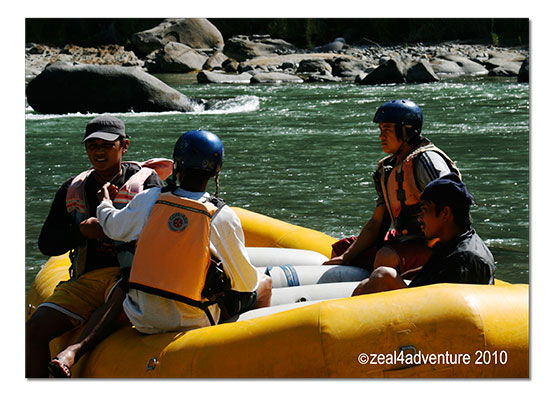
First of all, the guides (mostly natives of Kalinga) know the river like the back of their hands.  And to reiterate, top-notched, seasoned river guides with international experience trained most of them.  But in case you didn’t follow instructions or to put it nicely — misunderstood the guide’s instructions and you fall off or worse, the whole raft flips, not to worry because the equipments, most especially the vest you are wearing (I can only speak of AEPI’s as I am not familiar with the other outfitters) is US-certified safe.  This means that when you’re under, the vest is buoyant enough to carry you out.  Sometimes with a little help from you, but hey again, sometimes you need to work a little harder eh?

It promotes Eco-tourism

And provides jobs.  Whitewater rafting is part of the new adventure and eco-tourism that the Philippines have to offer.  Most of the guides used are from neighboring communities and the more tourists, more jobs and other business opportunities are not far behind.  It also teaches us to respect and appreciate Mother Nature.

It’s Gorgeous Out There
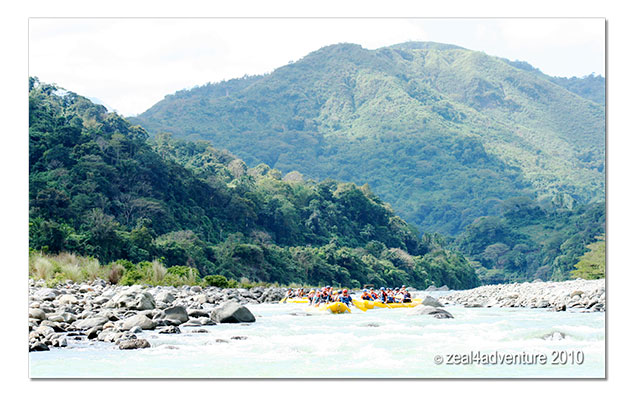
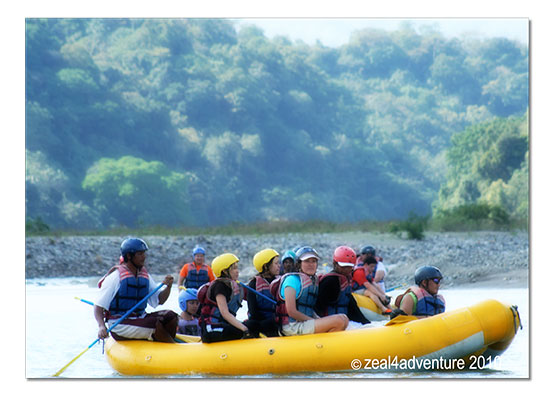
Spectacular views of the Cordillera Mountains coupled with beautiful riverbanks and clear waters (not always the case though) surrounds the whole stretch of the run.  Unspoiled.  Pristine.
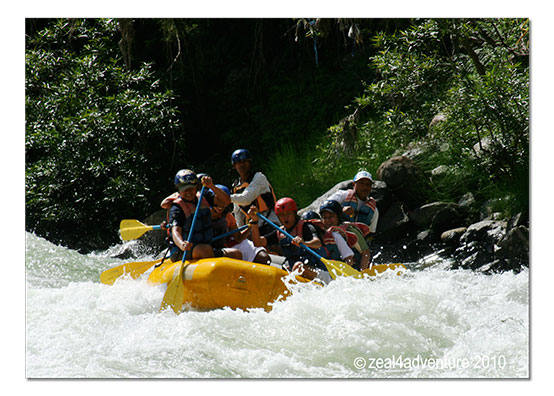
Except for raging rapids that never fails to stir up your adrenalin, the only other sounds you hear are chirpings of birds and the flow of the river.  Serenity in a most natural setting.
Excellent Food at Casa Carag

The 6th reason why you should try whitewater rafting with AEPI.  The food is just extraordinary.
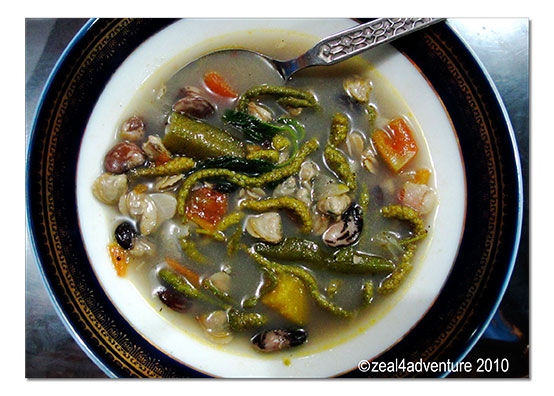
Nothing is ordinary, from the longganisa, Salinas and hot native chocolate for breakfast, to the local Ibanag dishes such as their pinakbet and inabraw.  It’s all good!

So, at the first chance of rain (which is sadly a long way off), book a package with AEPI and experience the ultimate adventure of your life.  Season starts in August and ends in February.

*  All photos at the river courtesy of AEPI.

Contact Details:
Anton Carag, Jr.
Mobile:  (63)917-532-7480
Landline: (6378)844-1298
Email:  aepi@whitewater.ph; anton@whitewater.ph; whitewater1ph@yahoo.com

Keeping Watch Through the Years

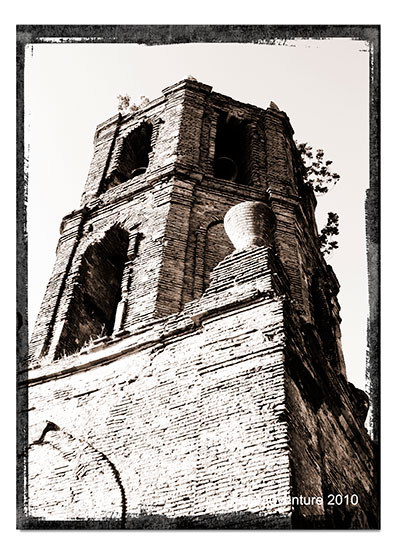
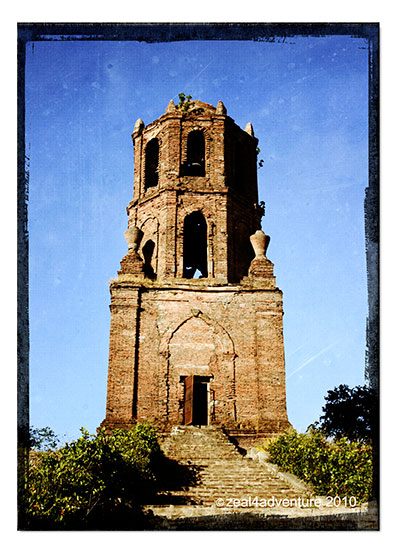
Just a stone’s throw away from Vigan is an old bell tower standing alone on a hill watching guard over the town of Bantay.

It is without a doubt one of the most dramatic belfries in the region (and one of my favorite) owing to a superb view of  the mountains of Abra

and exquisite sunsets bringing forth a golden charm to the brick and slime walls.

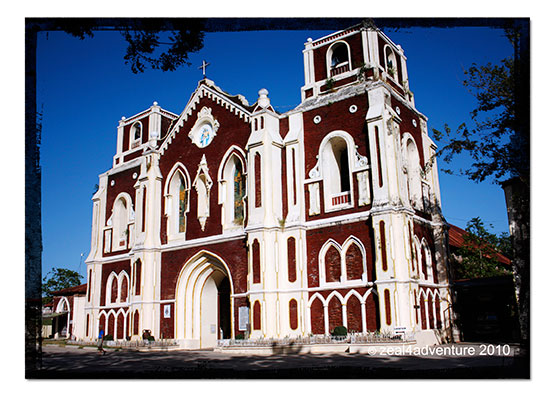
Also used as watchtower for invading enemy forces during World Wars I and II, it was constructed separately, as many Spanish churches are in Ilocos, from its main church, St. Augustine Parish Church, also known as Bantay Church.

Built in 1590 with design reminiscent of the Old Spanish architecture using local indigenous materials like brick and slime.

Damaged during World War II and was restored in the 1950s in neo-gothic design as seen today.

Scenic Sunday

Kapuluan Vista Resort

On my next trip to Maira-ira, this is where I am staying.  This road trip happened on a long weekend and we didn’t book early enough to secure us enough rooms.  The website photos lured me to this resort so even if we ended up staying somewhere else, we made it a point to have lunch here, just to see if we missed anything.

A far cry from where we stayed (that’s for sure!)

The entrance alone made me feel like weeping.  How could we have taken our sweet time, knowing that it was a long weekend?  Lesson learned – never underestimate even the remotest resort.  It was not so much the entrance (although it has a charm of its own, don’t you think?)

Great spot to laze around and finish your book

but the beach across the street almost tempted me to stay and savor my own solitude for a while.  But the tummy calls and so we ventured inside.

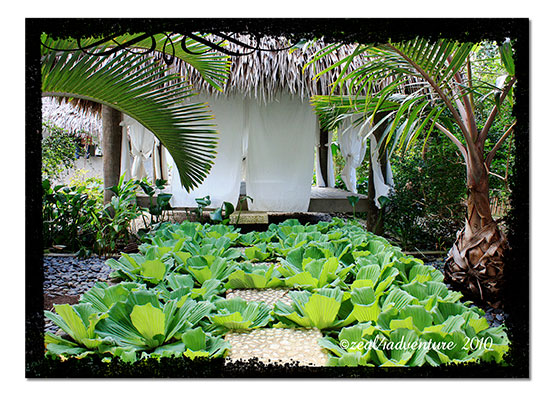
Once inside, we were greeted with modern minimalist lines, cogon (thatch) roofs and the use of bamboo here and there provided the local touch.

The pool invites for a dip and those lounge chairs lures us to laze around while we wait for our food.

No fancy fare but pretty good.

The outdoor massage area spells Tranquility (with a capital T).

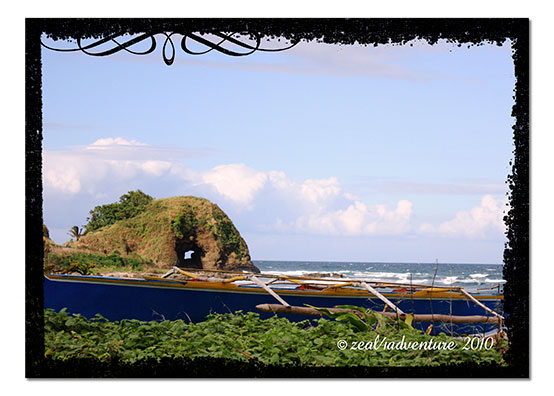
Blue bancas on Blue Lagoon

Just a stone’s throw away from Blue Lagoon, Kapuluan Vista Resort is a haven for surfers really, the owners being surfers themselves.  The guests, while we were there were a mixture of locals and foreigners, surfers no doubt.

Still 1.5 hours away from Laoag and at least 15 km from Saud beach in Pagudpud, this resort out in the middle of nowhere is another hidden gem discovered.  And even if a surfer you are not, the cozy atmosphere is reason enough to stay a night or two.  A great place to recharge from the daily grind, if you ask me, and a return sometime in the near future is likely to happen.

How to get there:

There will be signboards on a spot where the road forks, also known as Gaoa (pronounced Gawa, I think).   It will be on the left side if you are traveling north.  Follow the road where the signboard leads, which will turn into a dusty stretch.  Before reaching the resort, there will be some settlements along the way.

Click below for more My World entries.

The Great Land That is Alaska

Credits:  Template by Crystal Wilkerson; Paper by Jessica Sprague.

“Alyeska” to the Aleut people means the great land and those who have visited would likely agree.  It is a vacation paradise, America’s last frontier, if you will.   Raw with a touch of exotic, Alaska is magnificent sceneries one after the other.  Our trip was rugged yet luxurious – thanks to our cruise ship extravagance, which balanced everything out.  Although more than half of the tourists came through a cruise ship, if I were to do it again, I would explore traveling by land to allow for longer stays in each town.  But if you are pressed for time and have constraints in budget, contrary to popular belief, taking a cruise is an economical way to cover Alaska.  Consider this:  you hit 3 birds in one stone, your means of transport, your accommodation and let’s not forget the overflowing sustenance offered on board.
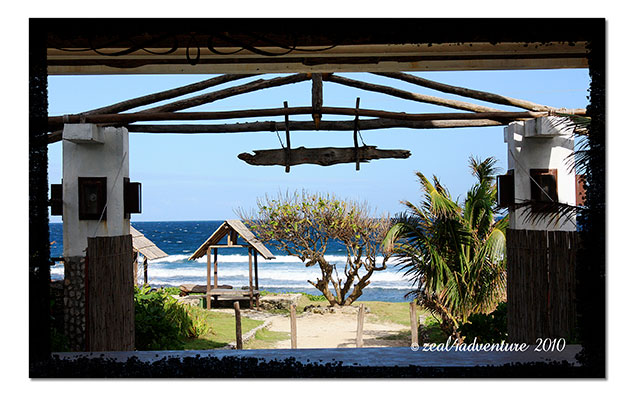
My allure with Alaska started with the TV series, Northern Exposure.  Shown in the early to mid 90’s, it actually aroused my fascination to charming quaint towns such as Sagada and Banaue – closer to home rugged towns that I frequent.  Alaska was a far-fetched dream that came true.

Wildlife.  Humpback whales and bald eagles to be more specific thrive in Alaska.  This is an area full of wildlife as evidence in the wildlife and whale watching tours available in many towns.  Alaska is a perfect archetype of the great outdoors.  And if you are no stranger to this blog, you already know that I love the great outdoors, and the great wildlife.  Charming towns + great outdoors + wildlife galore = money and time well spent.

Feast to My Senses

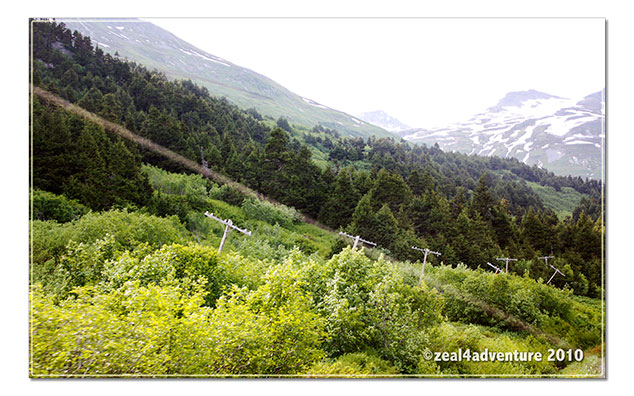
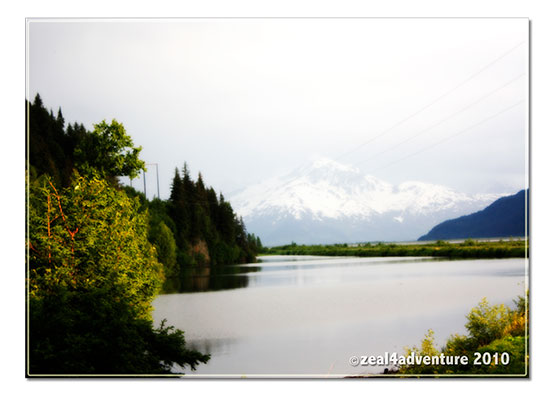
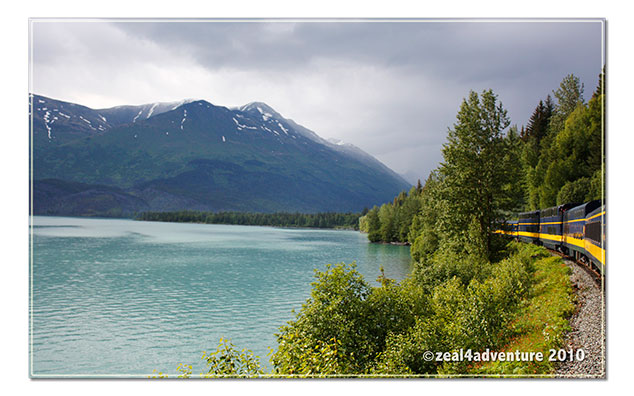
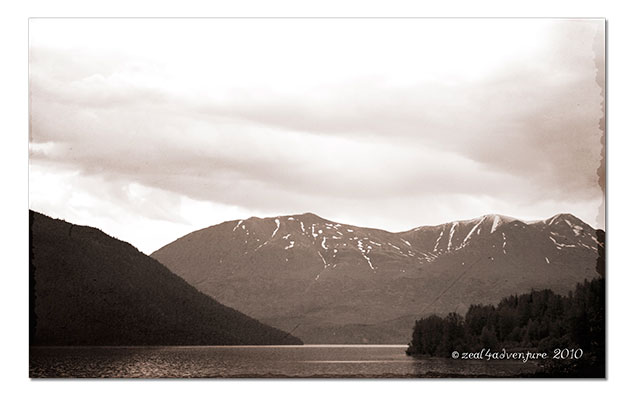
Winding through stretches of wilderness, passing through primeval forests of Sitka spruce and aqua colored river and lakes surrounded by towering mountains in slow-mo with Ennio Morricone scoring in the background is a scene that still plays in my mind 8 months after.  Yes, the stunning and equally dramatic scenery deserves no less than an Ennio Morricone score.

Here’s one of my favorite Morricone score:  Love Theme from Cinema Paradiso

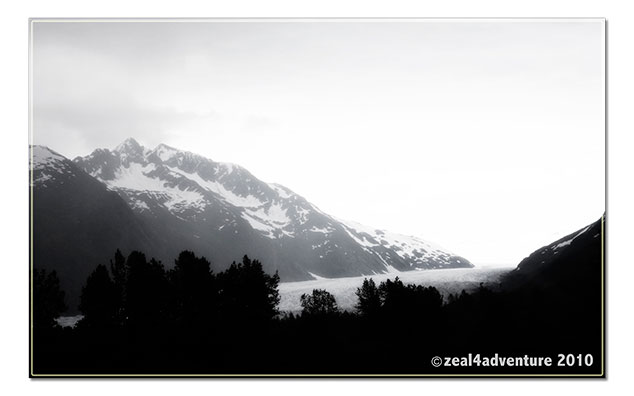
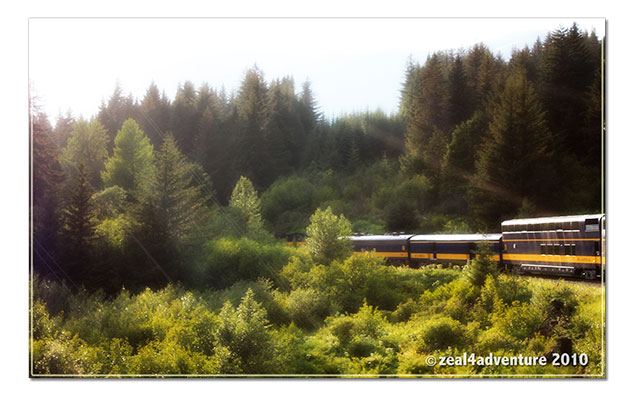
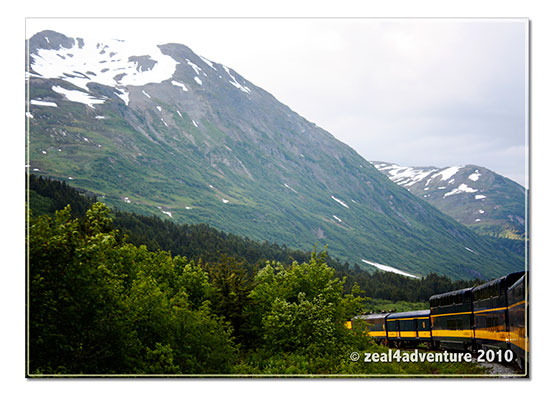
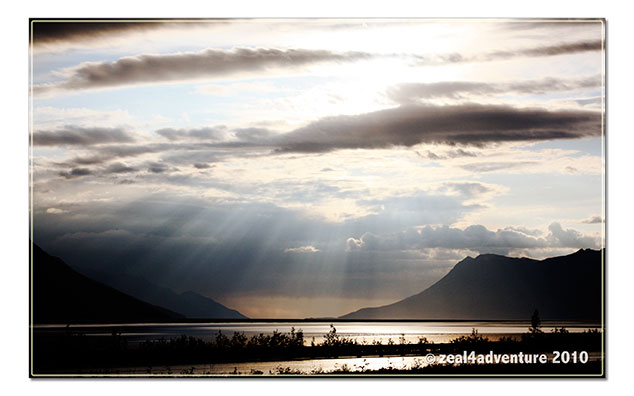
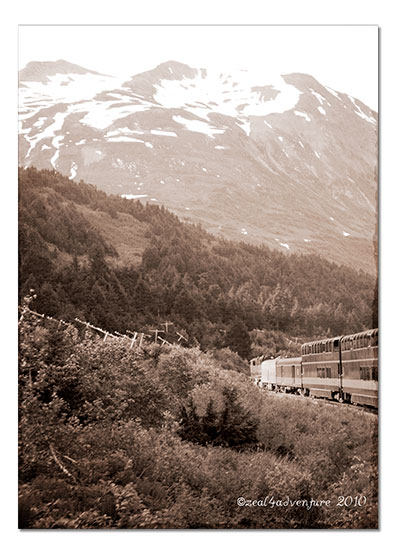
From the moment our journey started in Seward, it quickly began its climb through stunning forests, a string of massive glacier to lakes and river sceneries that only seem to escalate as the sun gets more golden on our approach to Anchorage.  Hands down, one of the finest voyages I’ve ever taken, a real feast to my senses.  The late Alaskan sunset (luckily) also meant good light for most of the trip, which resulted to this.

At some point, the tracks made a perfect U, which allowed for these shots:

Yeah, it rained at one point too.

And last but not the least!  Some shots taken as we approached Anchorage at 10pm!

If you ever find yourself in Seward, Alaska, don’t think twice… book yourself a ticket at Alaska Railroad Corporation for the best scenic ride of your life.

Click icon below for more scenes from around the globe.

Scenic Sunday

Maira-ira, Kiteboarding and Happy Memories

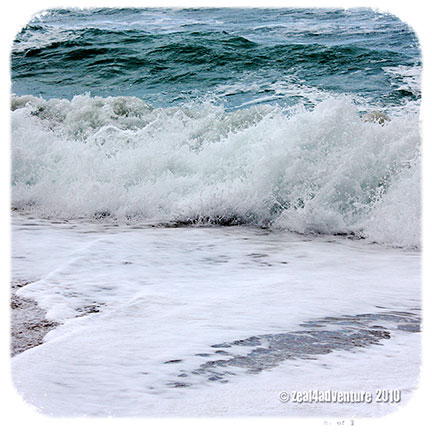
There’s something about white sand and strong waves crashing on the shore that evoke memories of my childhood.  Perhaps because my earliest recollection of the beach was when I was 4, living in the US with my family (of course), vacationing then in Miami Beach.  I played with the waves, trying not to get my feet wet by outrunning the waves crashing on shore.  Fun but futile because I think I ended up wet anyway.

Approach to our resort — Hannah’s (shhh… it looks better from afar!)

We arrived at Maira-ira point practically sundown and oblivious to how pristine the beach across the street from our resort was.  We woke up to an overcast morning, greeted with strong amihan winds.  Perfect for surfers, I thought.

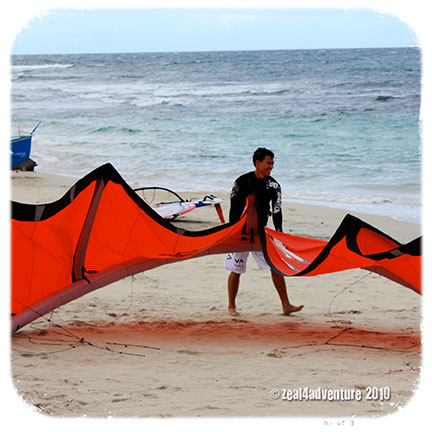
Well, there you have it… it was the first time I saw kiteboarders in action.  I learned about this sport from a friend J a few years back.

And what do you know?  It was J surfing the waves on his kiteboard.  It was fascinating to watch and I’m sure more than thrilling to be on board.

That’s not J!  Tee hee!   😀

J’s been convincing me to try it… yeah, yeah!  Perhaps someday… for now, I’m happy wading through the waves.

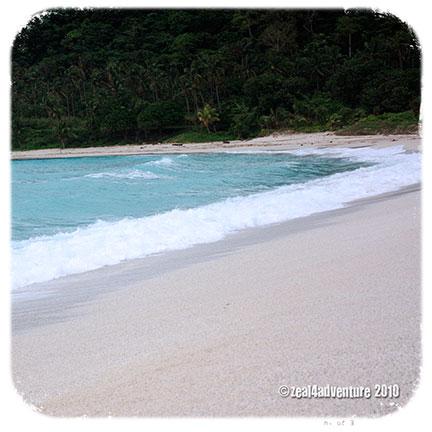
The Blue Lagoon, as it is aptly known, is nestled around hills on a crescent cove that can be truly private and hidden from the mainstream beach-combing crowd.

I like my beach that way.

From the road, partly hidden from trees and other vegetations, a sign pointing to some stairs leads to the beach.

sand up close

Sand definitely not “Boracay” fine but I like it that the tiny white pebbles stay put in super strong winds.  God knows best, doesn’t He?