Medicine Lake: The Lake that isn’t

lake-sepia

There are lots of glorious lakes within Jasper National Park but there is one lake that lured us no end.  Medicine Lake, just approximately 20km southeast of the townsite.  A geological rarity.  Why? you ask.  We all assume that Medicine Lake is a normal mountain lake but it isn’t.  It is perhaps best described as a sinking lake that has holes in the bottom like a bathtub without a plug.  During intensified runoff of summer, too much water flows into the lake filling the drain.  Before long, the lakebed begins to fill and by late spring, early summer (which was about the time we were there), Medicine Lake is in its full glory.

 lake

Medicine Lake is located along the road to Maligne Lake, a lake almost synonymous with Jasper. On our way to Malign Lake one evening, the still water perfectly reflecting the mountains and the sky caught our attention.  And so we stopped and admired its glory. 

pines

A great road route to spot wildlife, we were told, was also probably the main reason why we ply that route more often than once during our stay in Jasper.  It is Caribou land and we got word from a tourist we met earlier that there were caribous and bears (ok maybe he was exaggerating and there was only one) lurking around.  More than enough reason to go back again and again even if we were out of luck as far as caribous and bears were concerned.  It is, after all, a glorious lake, er, body of water(?) during the summer months.
stairs

Sunwapta Falls: Turbulent Waters

saveimagess

IMG_2803

Not far from the Icefields Parkway, south of Jasper, is the aptly named Sunwapta Falls meaning “turbulent waters” in the native tongue of the Stoney Indians. 

 IMG_2817

Originating from the Athabasca Glaciers, the volume of water caused by the glacial meltdown was high in early summer, when we were there.

 IMG_2831

The small island in the middle of the Sunwapta River just up stream of the falls is, in my opinion, what makes the upper Sunwapta Falls beauteous. 

IMG_2808

Make sure to detour to this falls when in the area.  For more Sepia Scenes, click here.

Sweet Jasper

Scenic Sunday

Jasper

Credits:  Template:  Katy Larson Kiseed Studio;  Paper:  LivEdesign Sing4Spring PP3 and SP2;  Elements:  LivE S4S Spring String 2;  Alpha Tags:  LivE Sing4Spring Alpha Tags

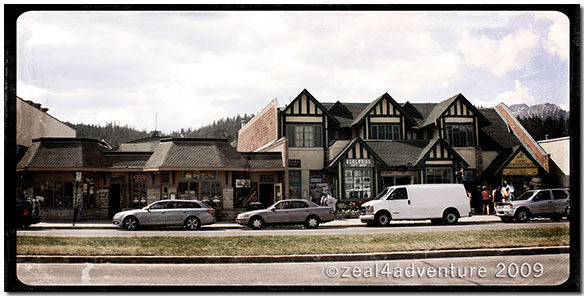
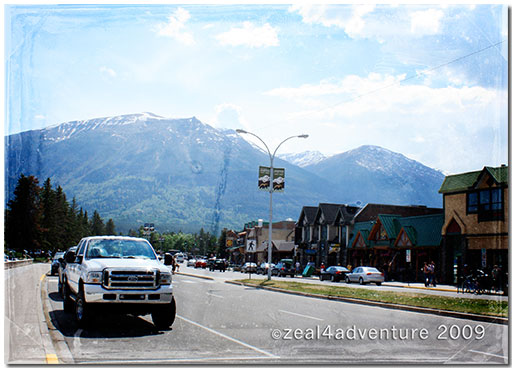
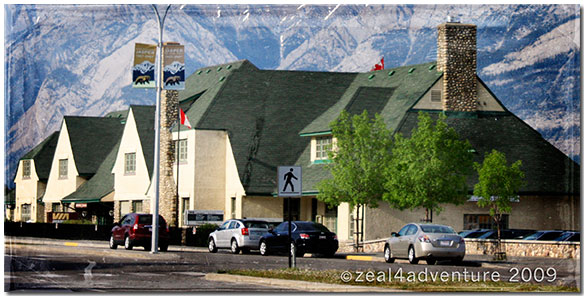
“Must not miss Jasper,” my well-traveled friend advices.  “It is a town you will adore.” Anyone who knows me knows that I love quaint, rugged towns and this little town where peaks crown the horizon in every direction is indeed a town I have regarded as one of my top picks.  The largest and the most northerly of Canada’s Rocky Mountain National Parks and one of the group of 4 national park and 3 provincial parks which together are designated by UNESCO as the “Canada Rocky Mountain Park World Heritage Site”.

Quieter then the 2 previous towns, Jasper feel more like a friendly small town than a tourist town.  It is because nearly one quarter of Jasper’s population is not dependent on tourism.  Canadian National, Canada’s largest railroad, employs hundreds of people who call Jasper home.

If you’re into small quaint towns (filled with abundant wildlife) as I am, this rugged, not-so-little piece of wilderness will become your favorite spot as well once experienced.  In my next few post, you’ll see why.  So consider this an intro to one of my favorite places.

Negros Heritage (Part 2)

mwtwhite2

Part 1 here

The Ruins

ruins-facade

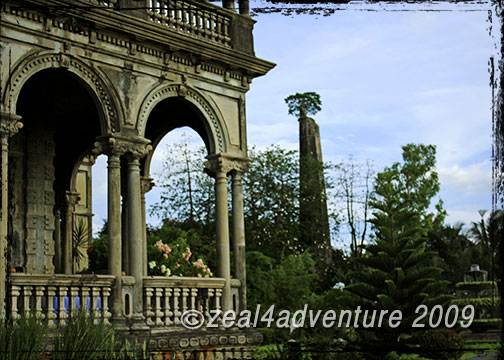
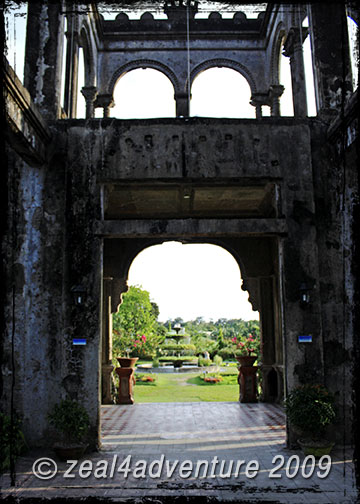
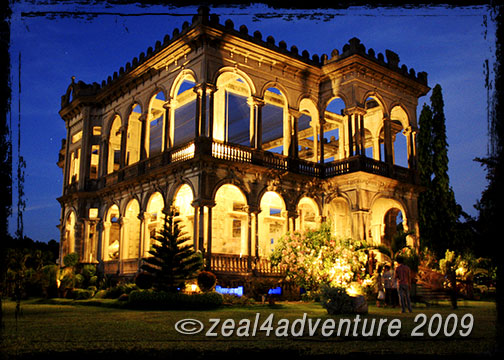
On an extensive and beautifully landscaped grounds lies this once lavish early 20th century concrete that showcases what is left of Don Mariano Ledesma Lacson’s ancestral home also in Talisay City.  This mansion has a lovely story and this sign tells it best.

structure-sign

shell-inspiredNotice the shell-inspired design at the top of the structure

It was said that out of depression and a broken heart, this mansion was built after the death of Don Mariano’s his first wife, Maria Braga, a Portuguese from Macau and became his residence with his unmarried children.  It had in it one of the finest furniture, chinaware, and decorative items as the father of Maria Braga was a captain of a ship that sailed across Europe and Asia.  He would bring with him these items.

columns

The massive and indestructible stonework almost stood against the inferno that engulfed the house in 1942.  The guerillas first ignited three drums of gasoline, which failed to even burn the 3-inch wooden floors.  On their second try, they had to mix three drums of used oil and a drum of gasoline which subsequently destroyed all the woodwork and brought down the roof as it burned for 3 days.

simborio

The mansion was built beside the sugar farm and at the background is a simborio.  It’s the local name for smoke stock or chimney.  It was a vent used for the muscovado mill.

fountain-from-inside

stairs

Fast forward to present day, Pacita Lopez Heredia won the 3.6-hectare farmland, which included this structure in a lottery held by the heirs when the vast plantation was partitioned among them.  The cost of rebuilding was so unfathomable, even the priests refused it when it was offered to them as a donation.

wine

That being the case, her son Raymond Heredia Javellana started rehabilitating the ruins in 2006 turning his family inheritance into a tourist attraction and café.  A dream come true for Javellana.

angled-golden-hour

golden-hour1

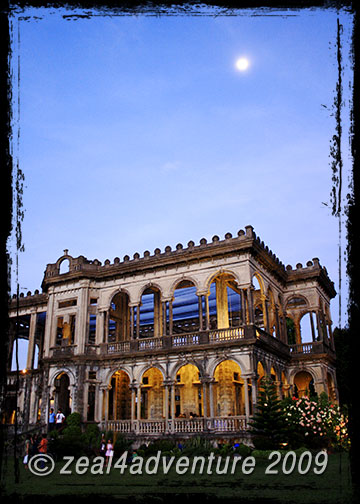
Even when reduced to skeletal frame, the 2-storey mansion is breathtaking especially when bathed in the golden glow of sunset.

ruins-at-dusk-2

Best enjoyed during dusk and if you stay a little longer, this is what you’ll see.

ruins-at-night

The Ruins opens daily from 8:30am to 8:00pm.  Fee is P25 per head.  It has a café and a mini gold course at the back garden.  For more information:  (034) 4952790.

grassy-ruins

Can you see that blurry image?   😯

To enjoy more worlds, click here

Negros Heritage (Part 1)

mwtwhite1

Back in the days when sugar barons own large pieces of land that makes a hacienda, Negros was the biggest sugar producer in the country.  The wealth of the island of Negros is from its volcanic soil, which is ideal for agriculture.  The collapse of the textile industry in the 19th century attracted Spaniards from Spain and Manila, the French and people from neighboring provinces, which started the sugar industry.   But what are known as the Negrense Hacienderos (sugar barons) are from its neighbor Ilo-ilo in origin and ancestry.

The expansion of the sugar industry in the 1850’s and the opening of the Suez canal flooded Bacolod with European fineries and artworks.  Baroque churches and sprawling mansions rose across the Negros landscape and Spanish culture blossomed in the tropics.

churchSilay’s most famous landmark is the Church of San Diego.

The Negrenses lived the good life in those days.  The golden years of the sugar magnate, however came to an end in the 1980’s and the sugar industry swiftly declined leaving many tycoons landless.

jison

Many however held on to their ancestral homes, turning them to galleries or museums.  Some actually still live in it like that of our hosts’ residence, where we stayed during our stay.  The house was once used as a set for Oro Plata, Mata, a well-acclaimed film of period setting.

Silay and its neighboring towns such as Talisay abound in well-preserved ancestral homes and aside from staying in one, we dropped in on some.  Come, let’s explore some of these houses together.

Balay ni Tana Dicang

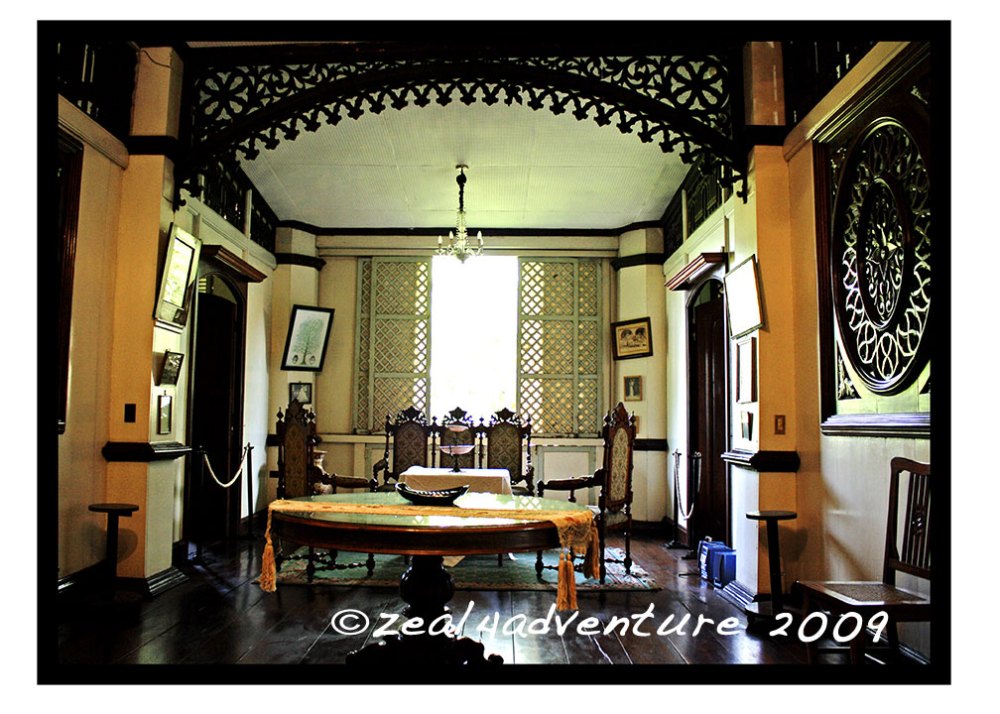
One house that is in perhaps the best state of preservation is the stately 1880 “bahay-na-bato” (literally house of stone) of Don Efigenio Lizares y Tyeres and Doña Enrica “Dicang” Alunan y Labayon built in coral stone and various hardwood.  Engaged in the production of sugar and owning several haciendas, they built their 1st house of modest size, it however was burned down by the guerillas during World War I.  What is standing today is their 2nd house built in 1880 in Talisay, larger than the first hence the name Balay Dako (big house). The couple had seventeen children, Efigenio died in 1902, leaving his widow to raise fifteen children (2 died early) on her own for the next 4 decades.  Kapitana Dicang as she was popularly known (which was later shortened to just Tana Dicang) assumed the management of the haciendas and continued to acquire more.  She was an extremely enterprising lady, apart from being a great haciendera, she was a grocer, cigar manufacturer and a famous confectionery as well.  How she raised her children was one that was instilled in stern discipline in the family and her sons and daughters took her word as law.

tana-dicangThe bust of Don Efigenio and Tana Dicang

boyencyclopediaThat’s a set of encyclopedia.

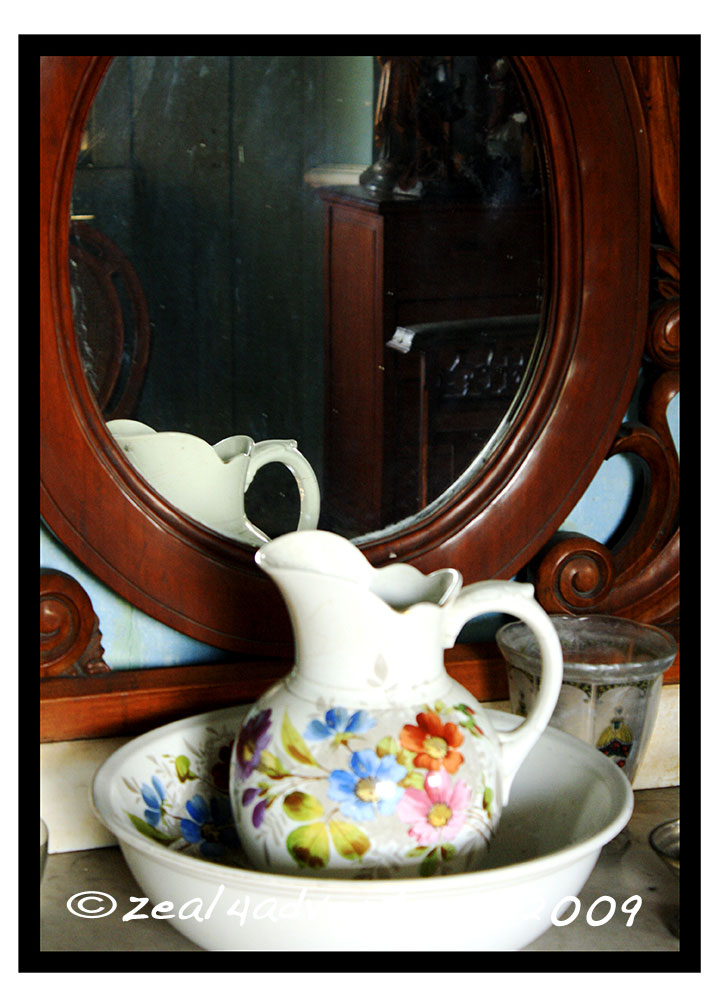
untitled-1washbasin1

capizWindows were made of capiz shells

This recently opened balay, although not as famous as Balay Negrense, echoes the lifestyle of past splendor down to the chinas, furnitures and other accessories.

td-foyer

The ground floor houses K (for Kapitana) gallery and the stairway leads to the entrance hall on the 2nd floor.  The floors are from “balayong” wood custom cut – meaning the floor planks stretched from one point to the other in one piece.

td-window1

Balay ni Tana Dicang
36 Rizal St., Talisay City
Negros Occidental
For details call:  (34)4952104


More houses to come…  For a glimpse of other worlds, click here.

WS# 12: Inasal Nga Manok

inasal

That’s grilled chicken in Ilonggo and the pride of Bacolod.  Marinated with a reddish, sometimes yellowish hue from achuete (annatto seeds), this Bacolod delicacy is a hit not only in the south but has conquered the palates of Luzon as well, evident in the sprouting of several Bacolod Chicken Inasal food chains in Metro Manila.  Nothing is as authentic though as having it right where it originated.  And so we trekked to Chicken House and Chicken Deli (on different days, of course), the former slightly better than the latter but they say that the best would be the ones you find in Manukan Village.  Here, one gets the whole experience down to the “not so clean” eateries and al fresco dining sans ambience.  We however, never found our way there this time but not without trying, we simply ran out of days and time.  Another reason to return.

inasal-isol

Served by the parts in barbeque sticks, pecho (thigh), paa (leg) but the best (at least for me) is got to be the isol (ass).  Yes chicken ass!  Chicken House has the best, I was told and true enough, it perhaps was the best ass I’ve ever had.  Crunchy on the outside and tender and juice just how it should be on the inside.

This grilled chicken with a little bit of sinamak (Vinegar the ilonggo way- vinegar, garlic, ginger and chilies), soy sauce, calamansi (our local lime) and fresh sili labuyo (chili)= YUM!

PhotoHunt: Four

photohunter7iq1ph-4x4b

Credits:  Frame – Akiloune kit so natural cadre

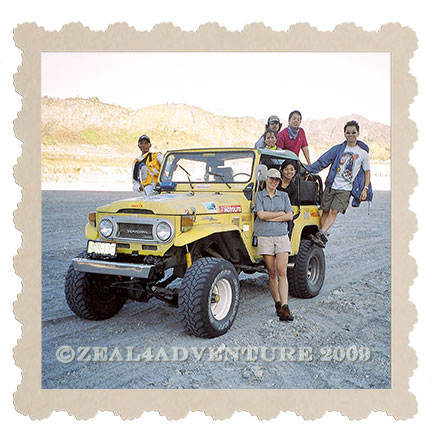
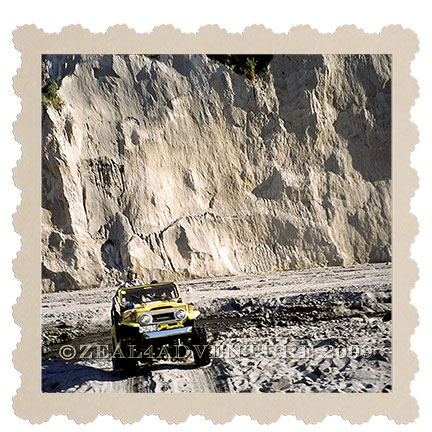
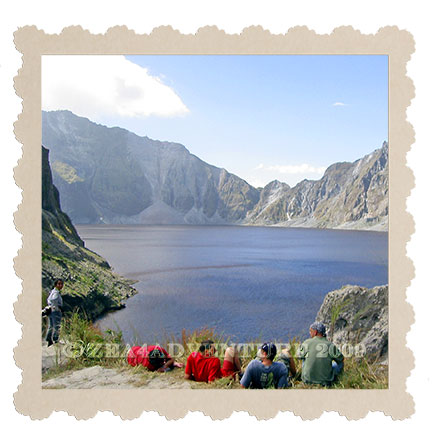
Taking a 4X4 off-road jeep makes trekking Mt. Pinatubo a walk in the park.  What used to be a whole day trek requiring overnight camping in 1999 (when we first trekked this beautiful landscape) is now down to 1 hour of 4X4 ride and about 45 minutes hike to the crater lake.  A far cry eh?

ph-4x4

This was taken 5 years ago when the service of 4X4s already existed but still required a grueling 2 hour trek to the crater and hours of rutty ride to the jump-off.  The experience however made the journey exceptionally memorable.

In June 1991, after more than 4 centuries of slumber, this volcano erupted so violently (coupled with an unfortunate tropical storm) that its ashes covered almost the entire island of Luzon and permanently changed the landscape of Pampanga, Tarlac and Olongapo.  Hundreds of millions of dollars in prime properties and infrastructure was likewise ruined.

pinatubo-crater

The crater lake as it looked in 2004.

 Source: http://park.org/Philippines/pinatubo/ and
 http://geography.about.com/od/globalproblemsandissues/a/pinatubo.htm

This week’s Photo Hunt theme is Four.  To join the fun or enjoy more entries, please click here.

Reminiscing Batanes

mwtsquare

The first time I became aware of this group of islands called Batanes was when I saw this Filipino film –  “Hihintayin Kita sa Langit” which catapulted to stardom two established actors in my side of the world (and it just dated me too). Since then I became obsessed in stepping foot on this islands of the Ivatans.  In 1997, that obsession came to fruition.  It was my first taste of rugged travels.  I feel privileged to have witnessed the Batanes of before… before its commercialization to a certain degree, that is.  At that time, there was only one jeep going around the island of Batan.  So we walked almost everywhere, even climbed an idjang – a pre-hispanic mountain fortress where the locals sought refuge during tribal conflicts. There were only a few places to lodge; we stayed at Mama Lily’s.  It was clean and comfortable albeit spartan.  And because there were hardly any restaurants then, we’d have home cooked meals courtesy of our host.  Fortunately, she cooks and cooks well.

Getting to Sabtang is an adventure of its own.  The only way to get there is by boat or what they call falowa.  If the sea gets a bit rough, expect your inside to turn topsy turvy as well.  Expect to take the trip with chickens, goats and sometimes a cow… yes a cow!  We’d hike the whole island, spending the night camping in a school gym at Sumnanga; halfway around the island, then we’d walk back the next day to catch the falowa back to the main island, Batan.  Those were the days.
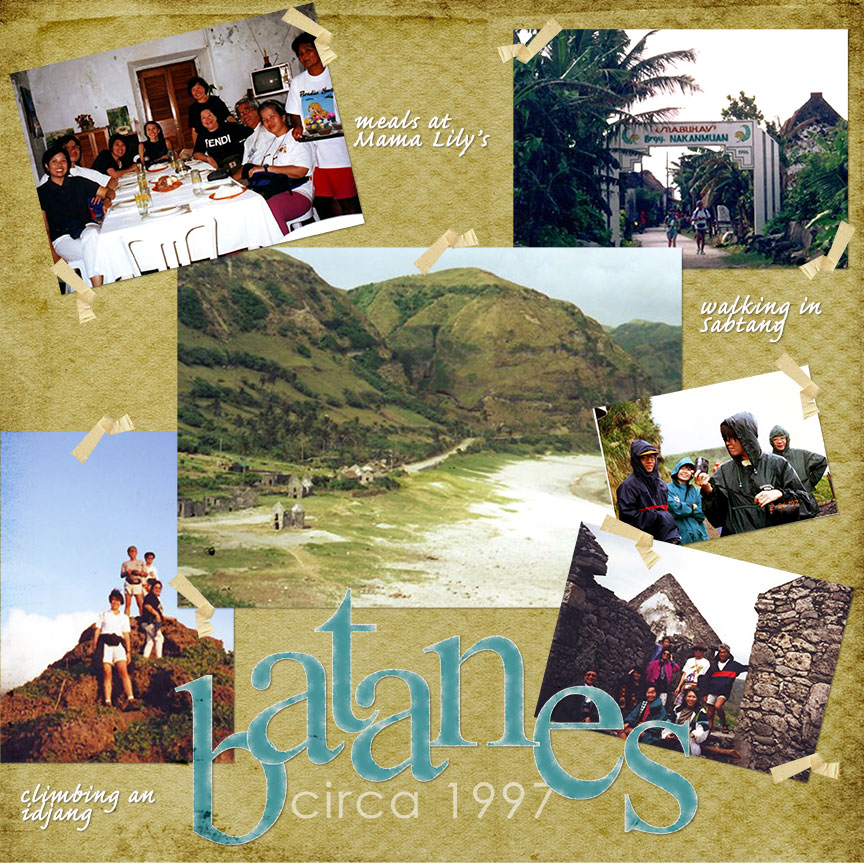
batanes-circa-97Credit: Paper – Joyful Hear Designs Plain Jane – Olive; Alpha – PDuncan Carnival Alpha; Element – Hoyfyl Heart Designs – Plain Jane Tape

Nine years after my first Batanes encounter, I found myself back in 2006. There were evident changes – vehicles, more than one and more than one kind were now all over the island.  There were a lot more lodges and inns, some restaurants, even a pizza place but despite all this, it is still the Batanes I reveled in almost a decade ago.  Mama Lily has long migrated to the US and when I passed her house, fond memories (of her food actually) came flashing by.
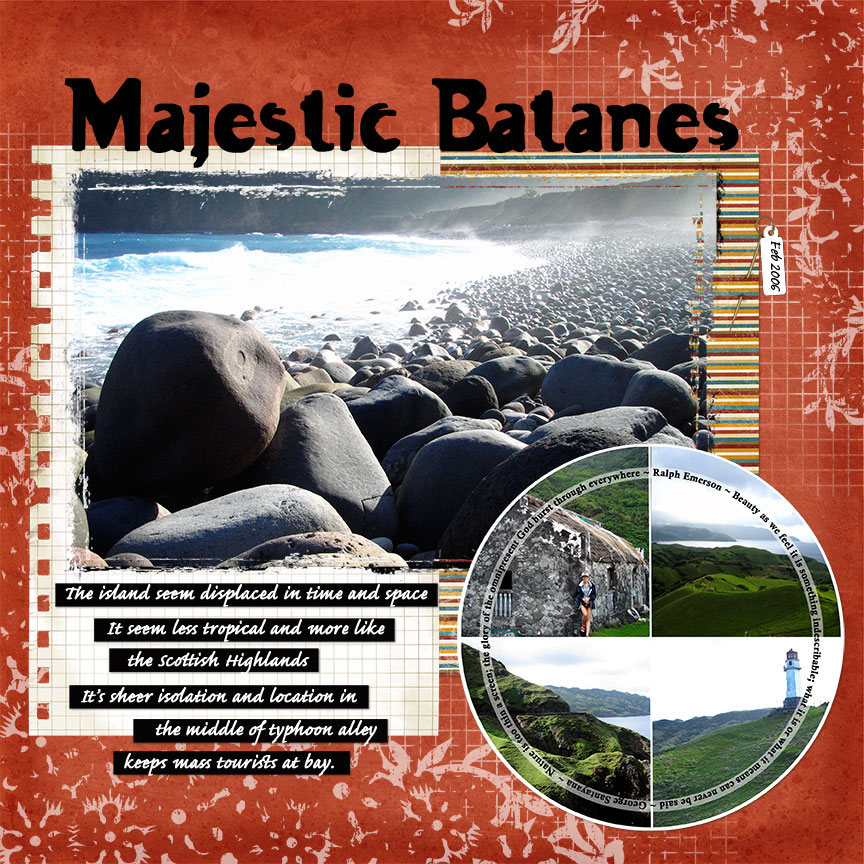
batanes1Credits:  Alpha – Asman; Papers – KPertiet Cotton Easter – red; KPertiet King Me Paper; KPertiet Graph Note Paper; Overlay – KPertiet Graphic Sun Prints OV; Tag – KPertiet Stick Pon2 Red Tag; Template – JSprage 4 square template; Frame- JSprague Grunge Frame 1

Sabtang, my favorite island of Batanes, has not progressed as much as Basco has.  The only way there is still by falowa (and still taking on both humans and animals).  Sabtang still leaves me breathless.  It makes you feel like you’re in another world.  Although you can now arrange for a vehicle to take you around the island, walking is still the main means especially among the locals.  Truth to tell, you get see more of the island by foot so if you can, take the vehicle up to a certain point (probably Chavayan) and hike the rest of the island.  Still no inns and only a few stores that offer food in the island, our contact in Basco, had someone cook dinner for us.  The food was great but we were so stirred by their warm reception.  Their pride was so evident as they talk about their island and simple cuisine (which consisted of a lot of root crops, turmeric and seafood, particularly lobster, crabs et al). Camping days are likewise over, the School of fisheries in Centro has dormitory rooms, albeit few and basic, indoors nevertheless.  I heard that there now exists a Sabtang Lodge, which I have yet to verify and see for myself.
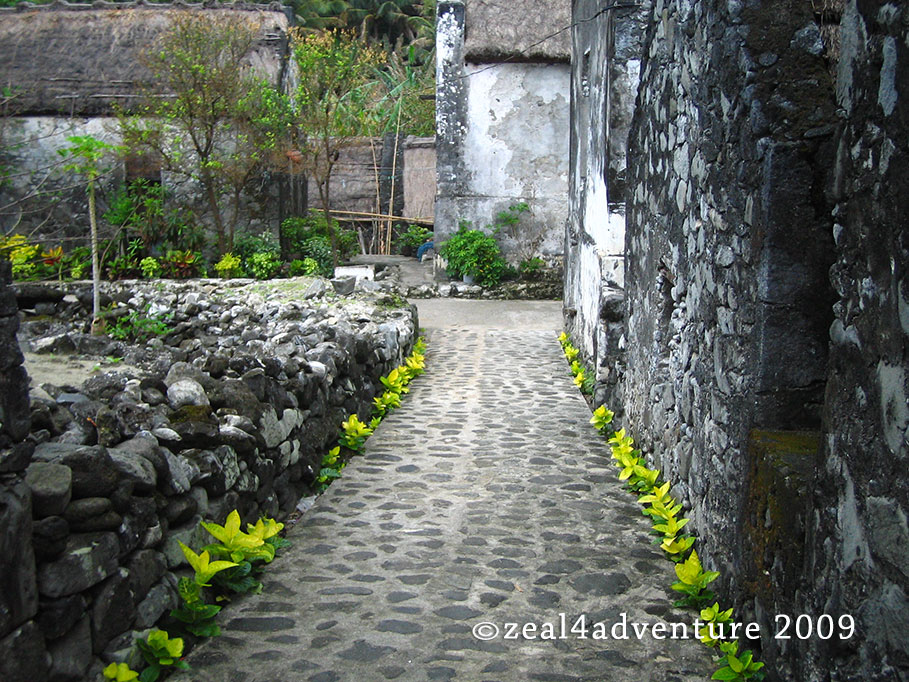
chavayan_0828

It is now possible to fly to Itbayat when the only way to get there before was by falowa – four hours of rough sea.  Sheer torture, I’m sure.  Itbayat, the farthest northern inhabited island, can be considered the Philippine’s last frontier.  Its rocky island is a great place for trekking.  We barely scratched the surface as we only did an overnight.  We visited a cave that led to a rocky hilltop overlooking the sea.  It was awesome and quite different from islands of Batan and Sabtang.  This needed going back to and we decided that this year would be a good time to go… well we tried.
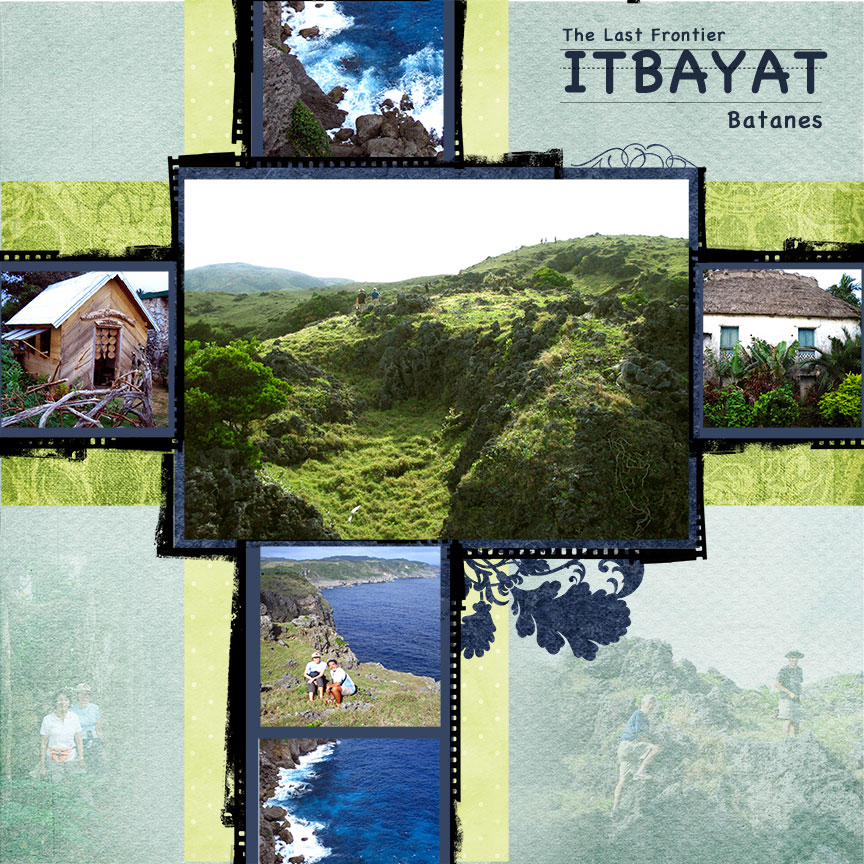
itbayat-islandCredits: Paper – DJE PP3, Joyful Heart Designs Plain Jane-Seafoam, Scarlet Heels Media Carnival PP1; Frames – JSprague Flurish Frame, KPertiet Snap Frames; Element – Jack n Me Alpha blank

Needless to say, plans didn’t pull through. Why? You ask.  First, we found out that the airport where the planes takes off to Itbayat is currently under construction and there is still no solid plan as to its resumption.  And to my dismay, but to my friend, S‘s delight… you see, she had to back out of this trip because of this thing called work.  But I digress.  So to my dismay, when some (I wasn’t about to cancel) went to cancel their flights with Zest Air (formerly Asian Spirit), they found out that flights in February were still up in the air (no pun intended).  They revealed that their entire January flights were canceled due to aircraft shortage.  Unbelievable!  We didn’t have a sure flight to Batanes after all?  And we weren’t informed about it until someone went to cancel?  By that time SeaAir (the other Airline that flies to Batanes) was fully booked.  Hmmph!!  But it’s only February, you may wonder.  Well, we could if we really want to push it and go in March or April but I just love it there during the cool, breezy months.  It’s really the best time to go.  After summer comes typhoon, and you don’t want to be there at that time, believe you me! So perhaps next year and perhaps not with Zest Air.   😉

And that’s “the not so sad” tale of my recent Batanes trip that never was.   😕

This has been my entry to That’s My World Tuesday.  Go visit to see more.


Ibulao Ibulao

mwtnarrowbanner1

my-fix


This was taken in Ibulao River, Kiangan.  Not many have rafted or even know of this river (I think) and as the photos on the slideshow below exhibits, it is a fantastic 3 hours of rafting experience with a view so impressive.  An interesting place rich in history, Kiangan is believed to be the first human settlement in Ifugao.  This is also where Ifugao and American troops helped force General Yamashita to make his informal surrender in World War II.

We stayed in a charming hostel owned by the Kalugdans, I remember the food to be superb.  This was a special trip organized by Adventures and Expedition Philippines Inc. (AEPI) to explore the river.  They have since run several trips running the upper portion of the river.  Definitely worth a try.

This has been my entry to That’s My World.  Go visit and  find other worlds here.

Getting There:

Take either Autobus or Florida Bus Line to Banaue, get off at Kiangan.


Contact Details:

Auto Bus
Espana cornor Catalina,
Sampaloc, Manila
Phone:  735-8096

Bus fare:       P 460

Florida Bus Line
Sampaloc, Manila
Phones:  743-3809 / 731-5358 / 493-3667

Bus fare: P 450

Sleeping Arrangements:

Kalugdan Hostel, Kiangan
Ibulao Ibulao
Dra. Tess Kalugdan
0919-694-5964
totokalugdan@yahoo.com
 
Adventures & Expeditions Philippines Inc. (AEPI)
Anton Carag
0917-532-7480
whitewater1ph@yahoo.com