A World Heritage Expedition

mwtwhite4

“We woke up to a perfect storm”, aptly described by a friend of the bad weather that welcomed us one morning as we approached the Sulu Seas on our way to Tubbataha Reefs National Marine Park, simply called Tubbataha.  The park was declared a National Marine Park in 1988 and a UNESCO enlisted World Heritage Site in 1994.
minerva1

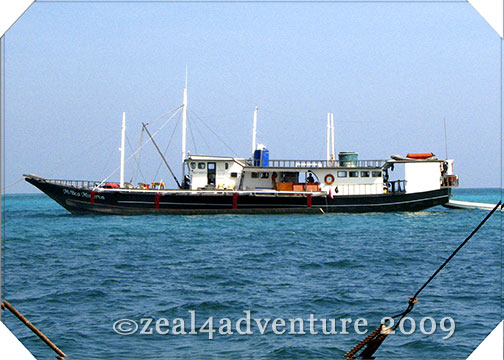
We were on an expedition on board the M/V Minerva, a research vessel owned and operated by WWF-Philippines, which opened the Cagayancillo micro-archipelago and Tubbataha Reefs to non-divers.  Yes NON-DIVERS.

Intrigued with Tubbataha, I’ve always wondered what it was all about.  “A must-see and a must-do especially if you are a diver”, I was told, which made me all the more attracted to it, never mind that I didn’t dive (then).  The hindrance was the cost and not to mention, the divers will be underwater while I will be left above, trying to get a glimpse of the world beneath (or so I thought).  So when I got hold of this offer to join the expedition… you guessed it, I jumped right at the chance.  Worth every centavo… good food

sunset

and awesome sunsets were just the tip of the iceberg.
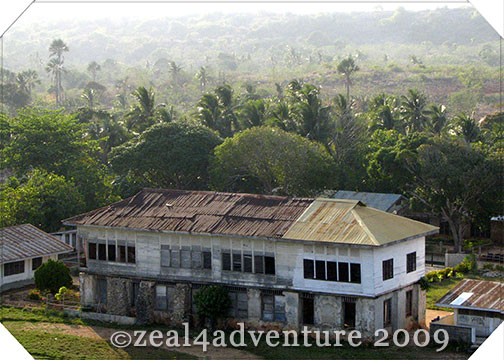
cagayancillo

Cagayancillo was a discovery, but best of all, we were brought to snorkeling sites (as opposed to dive sites), and without having to don a scuba gear, we saw jacks (schools of ’em) in our face, sea turtles, even reef sharks, stingrays and barracudas owing to very clear visibility.  It was a turning point, so to speak.  Took up scuba diving soon after and turned out to be one of the best decision ever.   🙂
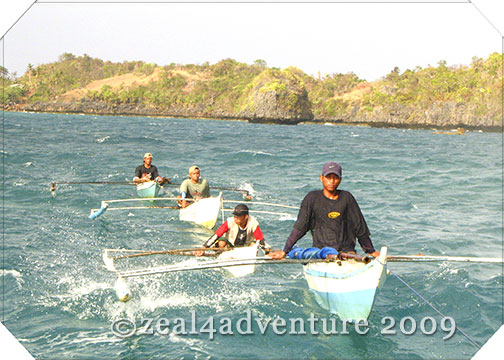
tubbataha

A reef ecosystem made of 2 atolls; Tubbataha is home to many marine species and is recognized as being probably the best diving in the Philippines and amongst the best in South East Asia.  Politically part of Cagayancillo, Palawan, the name Tubbataha comes from the dialect of the Samal, seafaring people of the Sulu region, and means “long exposed reef”.
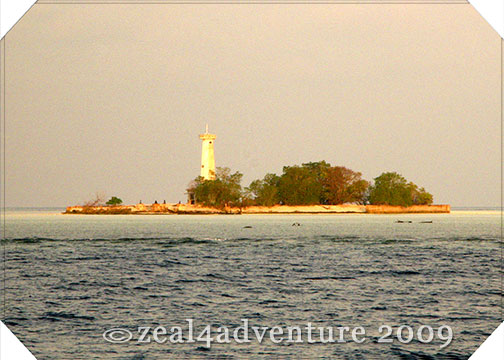
lighthouse

The remoteness of Tubbataha Reefs has been its greatest protector against our exploitation.  There are no permanent residents here and the reefs are only accessible by live-aboard dive boats.  Not exactly cheap and easy.
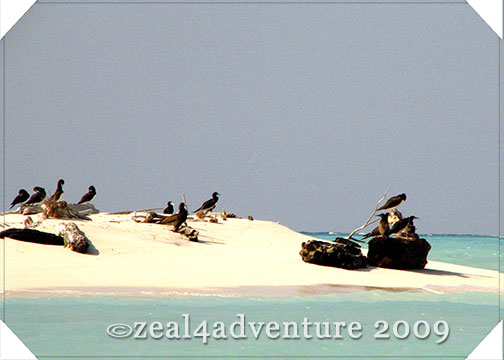
bird-island

Situated on the north face of the north atoll is a large reef popularly known as Bird Island due to the numerous “boobies” and “noodies” that nests in the islet.

bobbies1

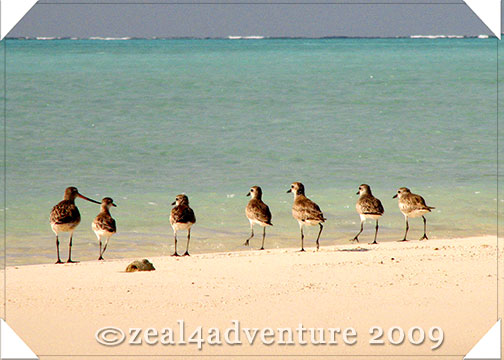
We were greatly charmed by these critters from afar.  The nearest we could get to them is thru telephoto lenses as stepping foot on this island is reserved for rangers and researchers.  Be that as it may, it was the most spectacular sight I’ve seen as far as bird watching is concerned.
noody

A project of WWF-Philippines, it aims to encourage and demonstrate to the commercial tour operators that there is a market in the non-divers.  The hope is that with the support of such operators, Tubbataha Reefs will raise funds each year to pay for itself.

Enjoyed myself immensely that I went on the expedition twice.  The first time, as a paying volunteer (to check out the sites) and the second was when it ran its first commercial trip in 2007.

The expedition takes you to not 1 but 3 World Heritage Sites.  Aside from Tubbataha, the expedition kicks off and/or concludes with a trip to Miag-ao church and the Puerto Princesa Subterranean underground river.

For the 2009 trip details, click here.

I hope you enjoyed my world this week.  To enjoy more worlds, hop on over to My World Tuesday.

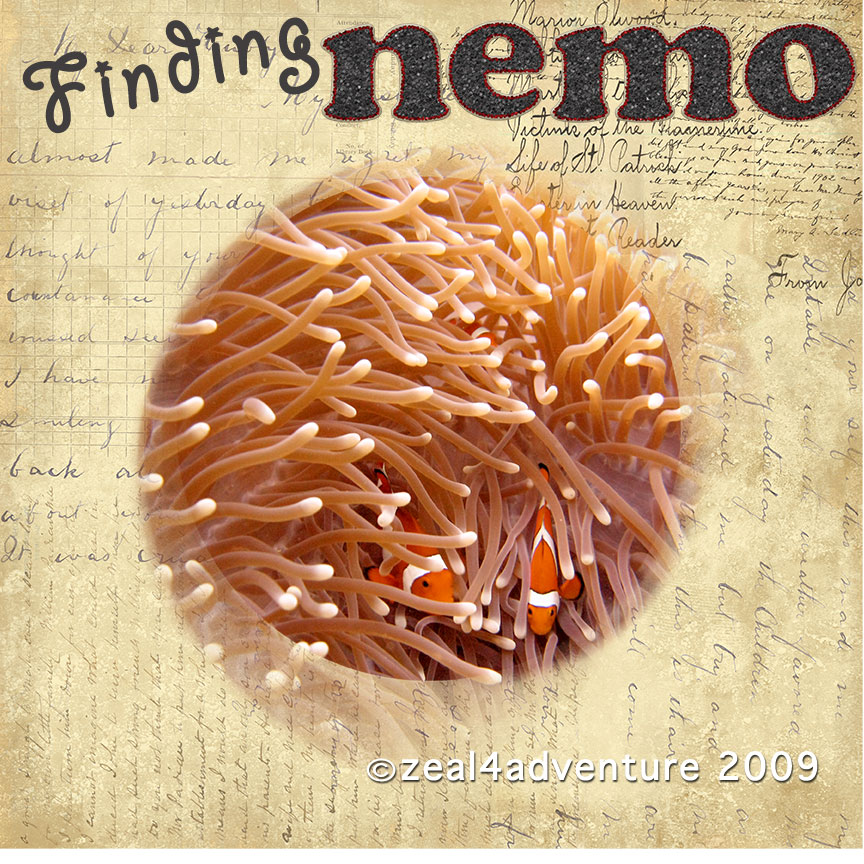
WS# 10: Finding Nemo

ws10-finding-nemoCredits:  Digital Couture Chipwglit Alphas, KPertiet Vintage text paper.

It’s summertime… yes it’s time to go diving again… and yes, that’s Nemo!

Nemo in the real (sea) world is called a clownfish.  They are a type of fish that lives in saltwater habitats.  It is also called an Anemone fish.  That bed of soft tentacles that sort of make up their home is called a Sea Anemone.  Clownfish live in a symbiotic relationship with certain sea anemones.  This means they benefit from living with the sea anemone, and the sea anemone benefits from the presence of the clownfish.  In the ocean, the clownfish are protected from predator fish by the stinging tentacles of the anemone, while the anemone receives protection from polyp-eating fish, which the clownfish chases away.

Clownfish have a few ocean predators, but their greatest threat is humans. People who catch clownfish and keep them as pets in aquariums are making a mistake. There are only ten out of more than one thousand types of anemone that are able to host these fish. Many people put the fish in a tank with the wrong anemone. In captivity, the clownfish can live from 3 to 5 years. In the wild, they live 6 to 10 years.

Clown fish live in sheltered reefs or in shallow lagoons, usually in pairs.  They live in warmer waters of the Pacific Ocean and Indian Ocean including the Philippines where this shot was taken, specifically in Anilao, Batangas.

Anilao, just 3-4 hours from Manila is a popular dive spot known worldwide.  The waters abound in marine life, corals and amazing diversity of fishes.  Because of its proximity, it has become one of my favorite weekend getaway.

I hope you had as great a weekend as I had!  Have a splendid week ahead!   🙂

Source: http://www.tolweb.org/treehouses/?treehouse_id=3390

Photo Hunt: Hands

photohunter7iq3ph-hands

The Massais make fire by hand without matches.  Although still living in primitive abode made of cow dung, it is uncertain whether the tribe still actually use this mode of fire making.  Noted as a vanishing tribe, the Massais struggle to keep their culture as modern influences lurk around their surroundings.  More on the Massais here.

Market, Market!!

mwtwhite3

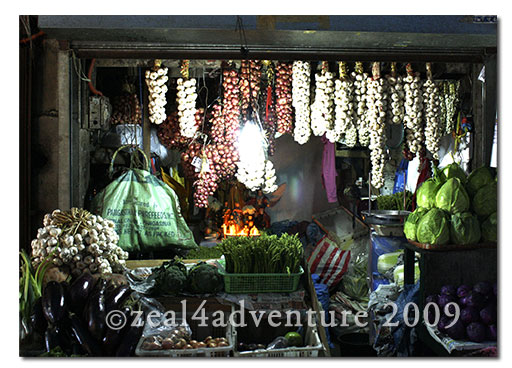
I love visiting markets, especially if it is the local market.  It is for me, the soul of a city.  The market reveals so much about the culture of a place.  It is, after all, where the locals go to get their fresh produce and livestocks.  Baguio is no exception and it is actually one of the highlights whenever I find myself there.  A trip to Baguio will never be complete without a trip to the market.

baguio-veggies-2

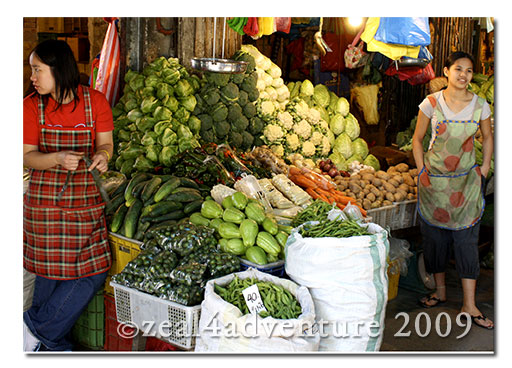
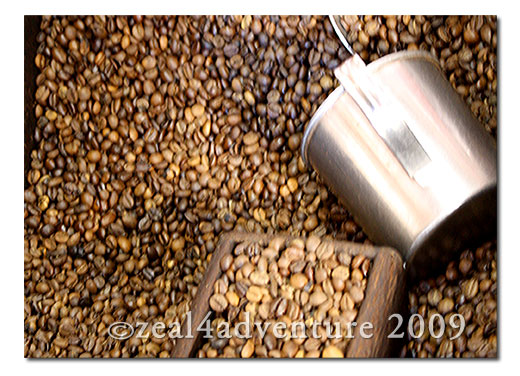
Located high up in the mountains of the province of Benguet and due to the cold weather, fruits, vegetables and even coffee beans grow beautifully and abundantly in this “city of pines”.  The province provides the entire Luzon majority of its vegetables, so they don’t get any fresher in this city.

fruits

You’ll find stalls upon stalls of various types of produce obviously from fresh fruits

baguio-veggies

and vegetables

red-rice

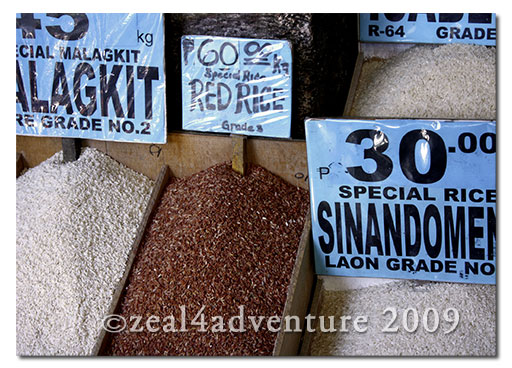
to organic red mountain rice

baguio-coffee

to coffee. Garcia’s is at the top of my list for good quality coffee beans.  Quite a variety to choose from and best of all, they deliver to Manila for a fee and I think a minimum order of 5 kilos.

longganisa

Also ranking high on my list (more than the veggies actually) is the delectable longganisa (Filipino style sausages).  They are just the yummiest and I always go for the Baguio special garlic flavor, the one they serve at the Baguio Country Club.  Just writing about it makes me want to cook me some longganisa… haha!  😀

This is the last post on my recent Baguio trip and my entry to My World.  To have a glimpse of other beautiful worlds, visit My World Tuesday.
Garcia’s Pure Coffee
No. 10-A Chuchria Section, Hangar Market, Baguio City
Mobile:  09175071365

PhotoHunt: Yellow


photohunter7iq2

sunflowersCredits:  Paper – Karen Lewis About a Boy paper – brown; Frame – Karen Lewis About a Boy shadow frame; Embellishments – Karen Lewis About a Boy stitches

Today’s theme was easy and the first thing that came to mind was the sunflower shots I took last New Years in Sagada, Mt. Province located at the Northern Part of the Philippines.  Sagada is fast becoming a tourist destination if not for the distance and the accessibility, it would have been one of  THE tourist destination sharing the stage with Boracay and Palawan.  You’ll find my earlier Sagada posts here and here .

Sunflowers are abundant in Sagada.  Growing ubiquitously in the wild, this yellow flower adds to the charm of Sagada.  It attracts birds, bees and butterflies.  Today though in other parts of the world, it is grown for food and not just for birds.  So not only is it a sight for sore eyes, it is also an important source of food.  Sunflower oil is a healthy vegetable oil and sunflower seeds are enjoyed as a healthy snack and ingredients to many foods.  I particularly like sunflower seeds on my granola.

This week’s Photo Hunt theme is yellow, to join in the fun of photo scavenging, go here.

Panagbenga

mwtwhite2flower

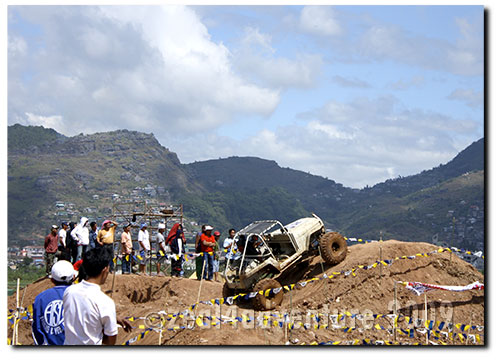
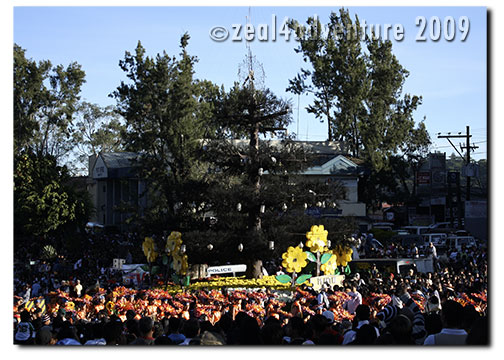
My visit to Baguio,our summer capital coincided with the Panagbenga Festival.  I was there more to support my friends’ participation in the 4×4 off road challenge in La Trinidad.

4x41

But I obviously will not pass up the chance to witness even just a glimpse of the well- attended festival.  We failed on our first attempt to even get close to the area so the following day, we woke up really early (like 5AM), walked to Session Rd. and caught the commencement of the parade.  Come join me in the festivities!

crowd

crowds-2

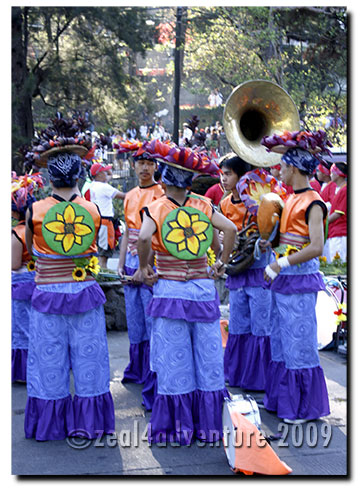
Panagbenga is a kankanay term for “a season of blooming”.  It is also known as the Baguio Flower Festival.  It is held during the month of February, a month-long annual flower festival and was created as a tribute to the city’s flowers and as a way to rise from the devastation of the 1990 Luzon earthquake.

jimmsjolibeelhuilierpharoah

san-miguel

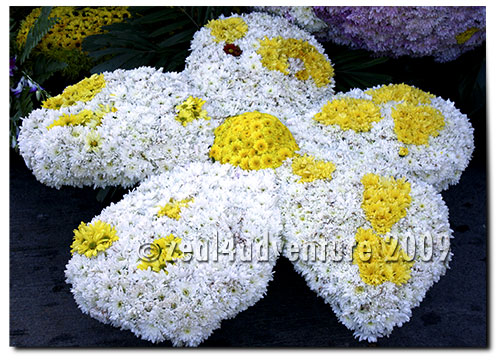
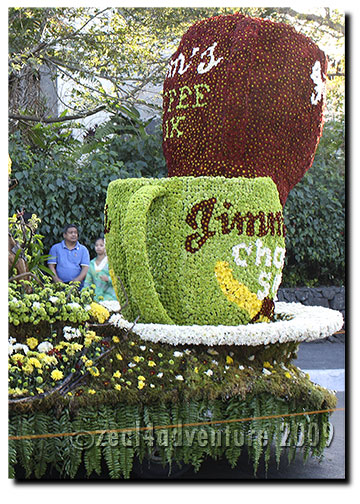
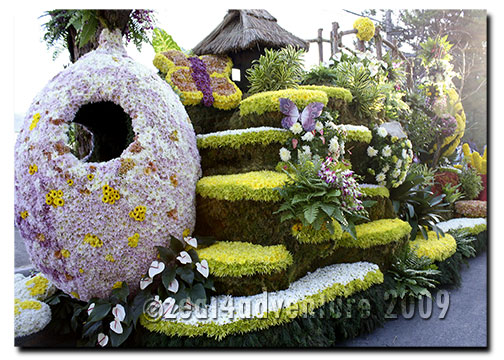
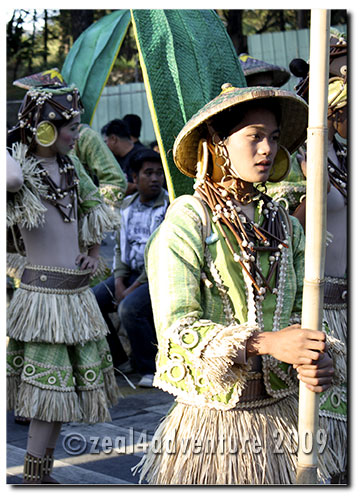
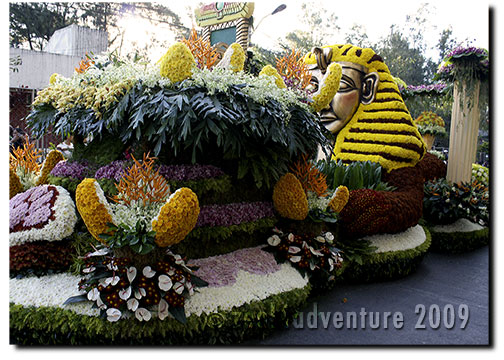
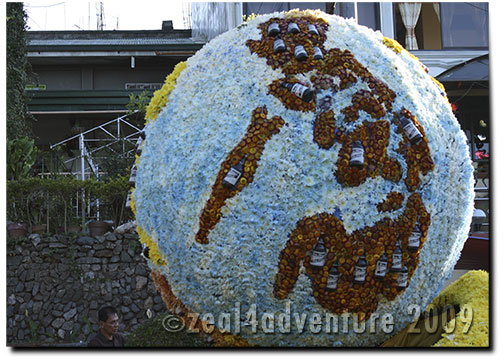
The festival includes floats that are decorated with flowers.  It also includes street dancing presented by dancers clad in flower-inspired costume, that is inspired by the Bendian, an ibaloi dance of celebration that came from the Cordillera Region, where Baguio is.

panagbenga-dancersband

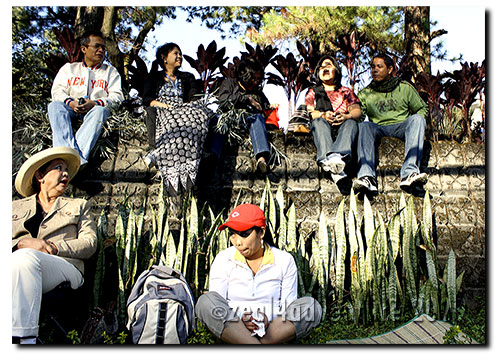
We didn’t stay to catch the actual parade as there was just too many people and I don’t particularly like crowds.  We instead decided to go to the market while everyone was busy with the festival but I was pleased to have witnessed even just a glimpse of the Panagbenga Festival.

This is my entry to this week’s My World Tuesday.  For a glimpse of more worlds, click here.
Source:  Wikipedia

WS# 9: I love Pesto!

ws-pesto

Absolutely love it!  It has become one of my favorites since the time I discovered it in the early ‘90s.  Love it on anything and as anything.  Be it a spread on sandwiches, on pizza, as dressing, or simply in pasta, the more common application.  Best of all, it is the easiest thing to do.

Last Saturday, while browsing around my favorite Saturday market, I chanced upon gorgeously fresh basil leaves.  Bought me some, went home, got my processor, got some garlic, pine nuts (I always have them just in case but you can use about any kind of nuts — cashew is yummy too), olive oil and some cheese (again parmesan is the norm but since I ran out of it, I used aged cheddar or any hard cheese you may have).  Had some left over parsley so I threw that in too.  Blend them all together, don’t forget to season with salt, boil some Penne and voila!  Lunch!

So here’s some testament that I haven’t forgotten the resolution I devised early this year and that is to eat more greens.   😀

PhotoHunt: Four

photohunter7iq1ph-4x4b

Credits:  Frame – Akiloune kit so natural cadre

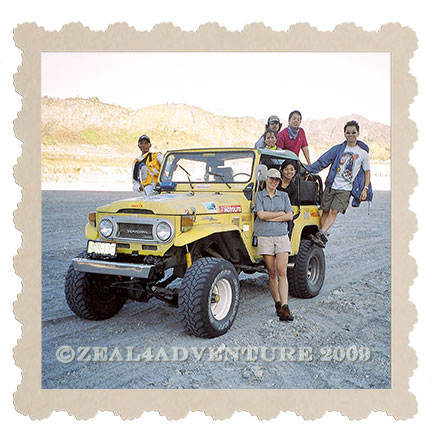
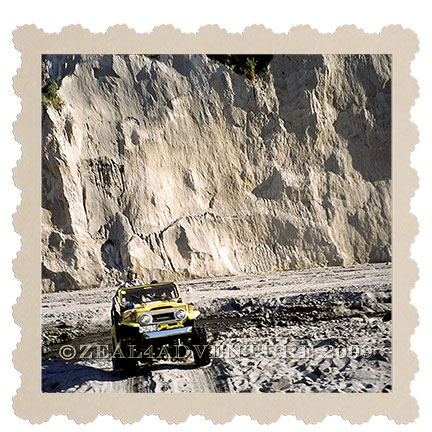
Taking a 4X4 off-road jeep makes trekking Mt. Pinatubo a walk in the park.  What used to be a whole day trek requiring overnight camping in 1999 (when we first trekked this beautiful landscape) is now down to 1 hour of 4X4 ride and about 45 minutes hike to the crater lake.  A far cry eh?

ph-4x4

This was taken 5 years ago when the service of 4X4s already existed but still required a grueling 2 hour trek to the crater and hours of rutty ride to the jump-off.  The experience however made the journey exceptionally memorable.

In June 1991, after more than 4 centuries of slumber, this volcano erupted so violently (coupled with an unfortunate tropical storm) that its ashes covered almost the entire island of Luzon and permanently changed the landscape of Pampanga, Tarlac and Olongapo.  Hundreds of millions of dollars in prime properties and infrastructure was likewise ruined.

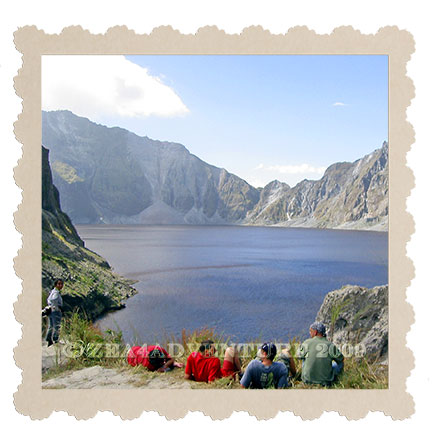
pinatubo-crater

The crater lake as it looked in 2004.

 Source: http://park.org/Philippines/pinatubo/ and
 http://geography.about.com/od/globalproblemsandissues/a/pinatubo.htm

This week’s Photo Hunt theme is Four.  To join the fun or enjoy more entries, please click here.

African Groove

african-grooveCredits:  Papers – JSprague 07, MCO Beautiful Journey 02;  Embellishments – JHE Twilled Phrases blank, Leona Apron Strings2 pldlabel, MCO Topper;  Overlays – KPertiet Sanded overlay, MCO Boho Flourishes;  Paper Mask – MCO Scalloped Paper Mask;  Alpha – JSprague Dauphin Alpha

This was taken in Lake Nkuruba Nature Reserve in Fort Portal.  It is also home to orphans of AIDS victims.  Part orphanage, part guesthouse, the money earned from the guesthouse (and various donors) helps sustain the orphanage.  Most of the time, a show is prepared for guests.  Performing with gusto, we watched, entertained by their zeal.  They showed pride as they performed in front of a handful of delighted foreigners.  These children definitely have the groove!

red-colobus

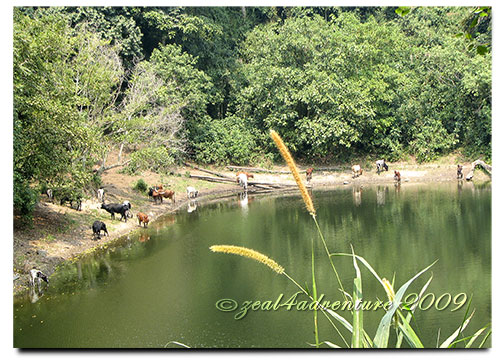
Red Colobus among the many wildlife found at the forest.

lake-nkuruba

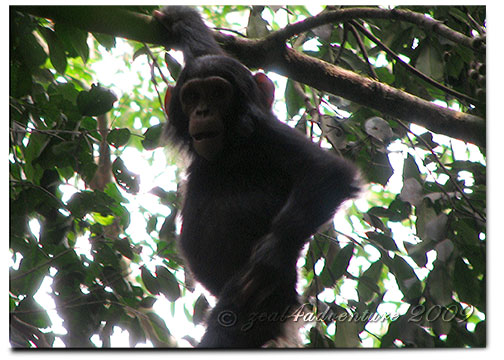
Lake Nkuruba was our jump-off point to an up close encounter with the chimpanzees.  Uganda is home to gorillas (in Rwenzori Forest) and chimps (in Kibale Forest).  Unable, however, to see the gorillas due to time, budget constraints and the government’s policy on permits, we went on the chimpanzee trek.

chimps

fort-portal

A small town with one main road, we found our way to this western town of Uganda the hard way.  In fact the highlight of our African adventure was this journey to Fort Portal and Lake Nkuruba.  It’s a story all its own so stay tuned.   😀
Long and Winding Road

mwtwhite1

pine-2

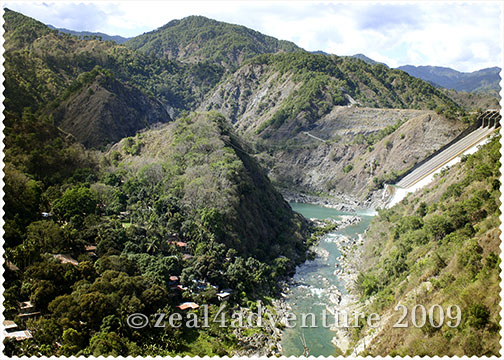
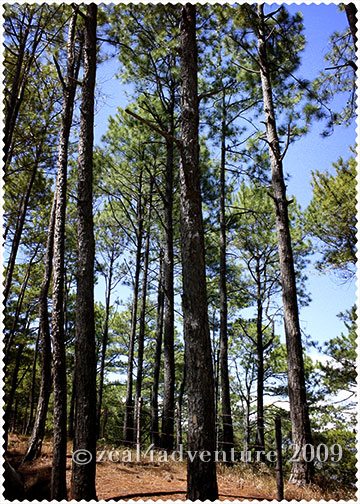
On our way to Baguio 2 weekends ago, joining my friends from Tuguegarao I took the long route to the “pine city”.  Took us a leisurely 8 hours (with several stops along the way) to arrive through the newly rehabilitated Baguio-Aritao Road passing Ambuklao Dam.  It was a scenic albeit winding road almost all of 104 kilometers.

aritao1

It may be long for me who hail from Manila but for my friends from Northeastern Luzon, the road provides a shorter route cutting 2-3 hours by avoiding the longer Pangasinan and Neuva Ecija route via Dalton Pass.

ambuklao

At one point, we stopped along the road to take some photos and soak in the scenery.

pineFor more entries of other worlds, click here.