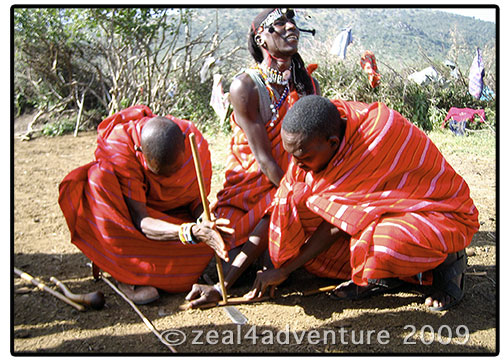
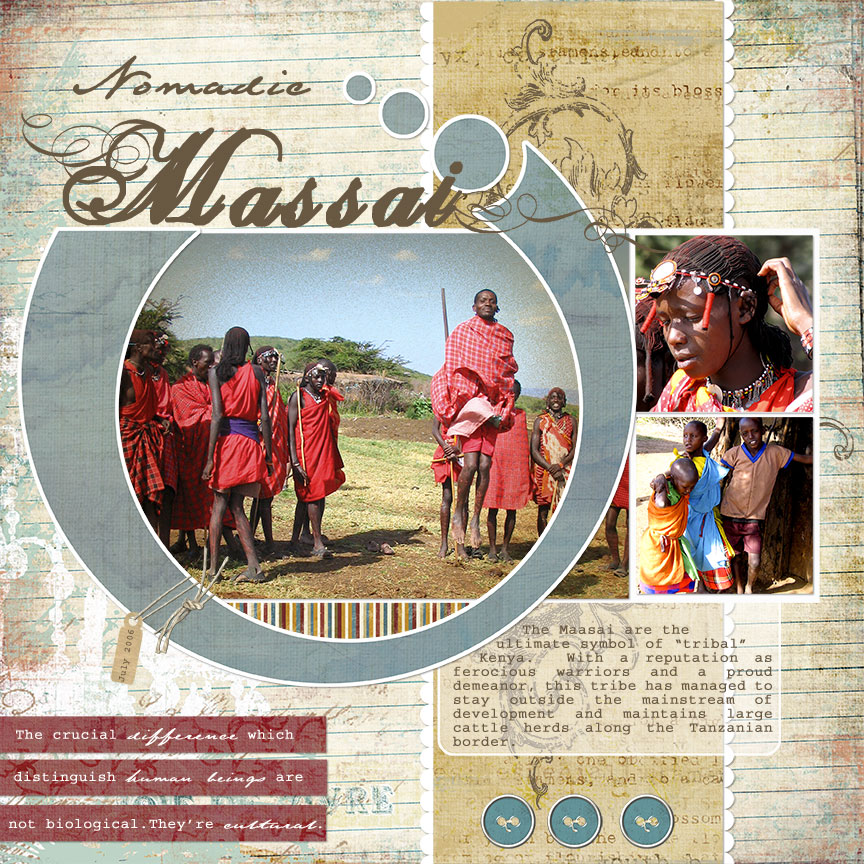
The Massais make fire by hand without matches. Although still living in primitive abode made of cow dung, it is uncertain whether the tribe still actually use this mode of fire making. Noted as a vanishing tribe, the Massais struggle to keep their culture as modern influences lurk around their surroundings. More on the Massais here.
Author: Jenn
Market, Market!!
I love visiting markets, especially if it is the local market. It is for me, the soul of a city. The market reveals so much about the culture of a place. It is, after all, where the locals go to get their fresh produce and livestocks. Baguio is no exception and it is actually one of the highlights whenever I find myself there. A trip to Baguio will never be complete without a trip to the market.

Located high up in the mountains of the province of Benguet and due to the cold weather, fruits, vegetables and even coffee beans grow beautifully and abundantly in this “city of pines”. The province provides the entire Luzon majority of its vegetables, so they don’t get any fresher in this city.

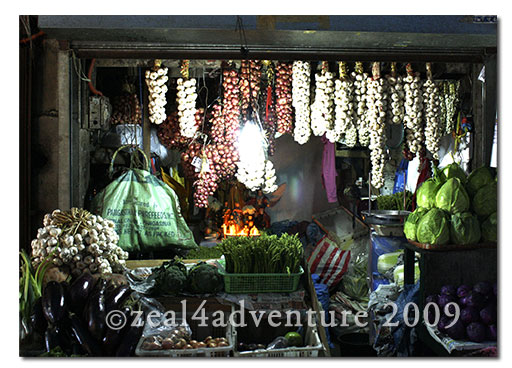
You’ll find stalls upon stalls of various types of produce obviously from fresh fruits

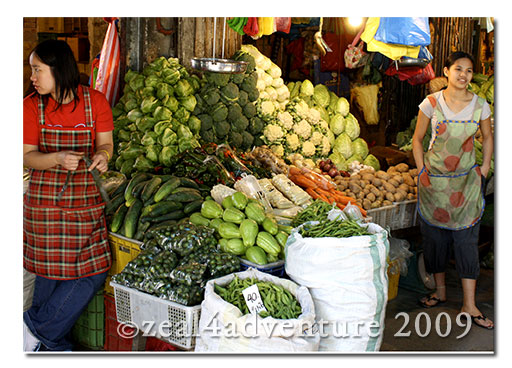
and vegetables

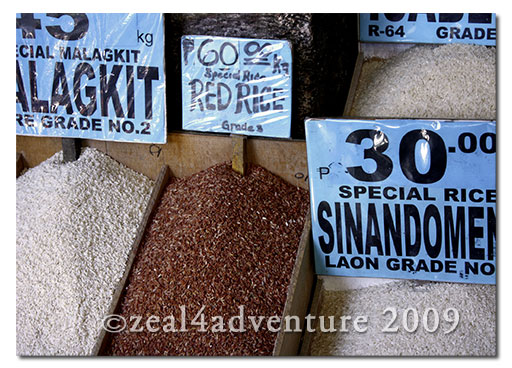
to organic red mountain rice

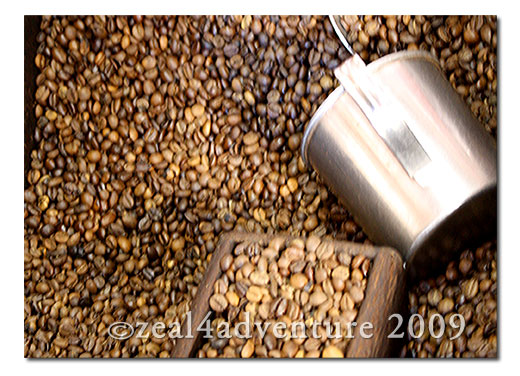
to coffee. Garcia’s is at the top of my list for good quality coffee beans. Quite a variety to choose from and best of all, they deliver to Manila for a fee and I think a minimum order of 5 kilos.

Also ranking high on my list (more than the veggies actually) is the delectable longganisa (Filipino style sausages). They are just the yummiest and I always go for the Baguio special garlic flavor, the one they serve at the Baguio Country Club. Just writing about it makes me want to cook me some longganisa… haha! 😀
This is the last post on my recent Baguio trip and my entry to My World. To have a glimpse of other beautiful worlds, visit My World Tuesday.
Garcia’s Pure Coffee No. 10-A Chuchria Section, Hangar Market, Baguio City Mobile: 09175071365PhotoHunt: Yellow
Credits: Paper – Karen Lewis About a Boy paper – brown; Frame – Karen Lewis About a Boy shadow frame; Embellishments – Karen Lewis About a Boy stitches
Today’s theme was easy and the first thing that came to mind was the sunflower shots I took last New Years in Sagada, Mt. Province located at the Northern Part of the Philippines. Sagada is fast becoming a tourist destination if not for the distance and the accessibility, it would have been one of THE tourist destination sharing the stage with Boracay and Palawan. You’ll find my earlier Sagada posts here and here .
Sunflowers are abundant in Sagada. Growing ubiquitously in the wild, this yellow flower adds to the charm of Sagada. It attracts birds, bees and butterflies. Today though in other parts of the world, it is grown for food and not just for birds. So not only is it a sight for sore eyes, it is also an important source of food. Sunflower oil is a healthy vegetable oil and sunflower seeds are enjoyed as a healthy snack and ingredients to many foods. I particularly like sunflower seeds on my granola.
This week’s Photo Hunt theme is yellow, to join in the fun of photo scavenging, go here.
Panagbenga
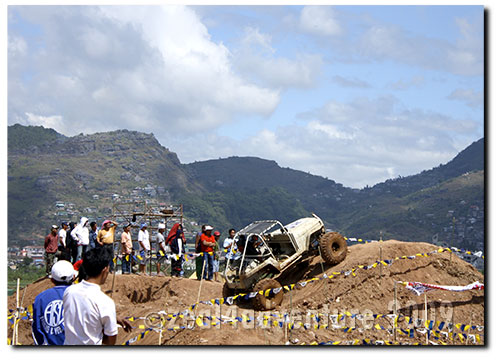
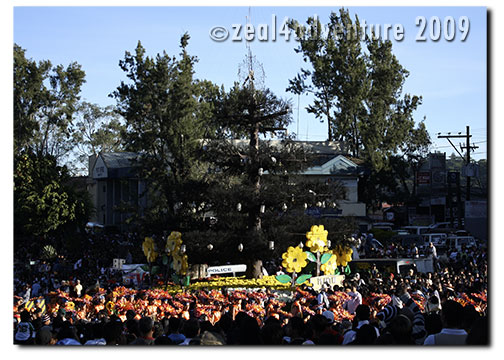
My visit to Baguio,our summer capital coincided with the Panagbenga Festival. I was there more to support my friends’ participation in the 4×4 off road challenge in La Trinidad.

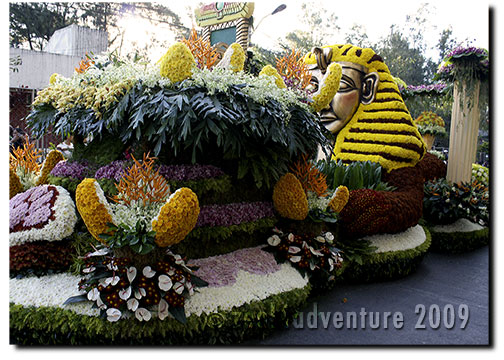
But I obviously will not pass up the chance to witness even just a glimpse of the well- attended festival. We failed on our first attempt to even get close to the area so the following day, we woke up really early (like 5AM), walked to Session Rd. and caught the commencement of the parade. Come join me in the festivities!


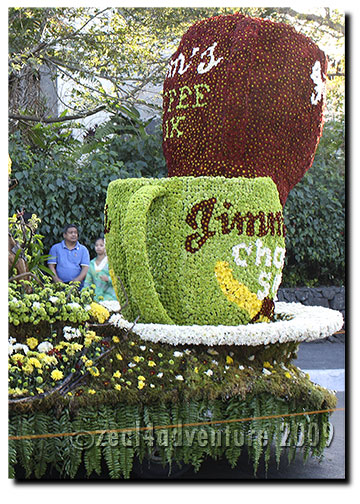
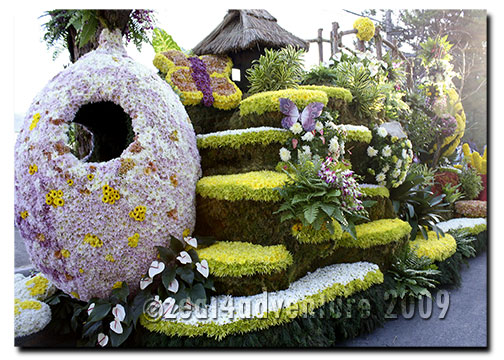
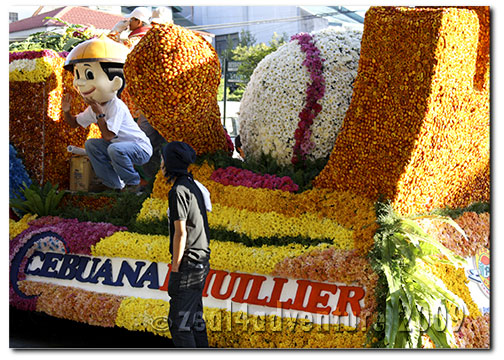
Panagbenga is a kankanay term for “a season of blooming”. It is also known as the Baguio Flower Festival. It is held during the month of February, a month-long annual flower festival and was created as a tribute to the city’s flowers and as a way to rise from the devastation of the 1990 Luzon earthquake.


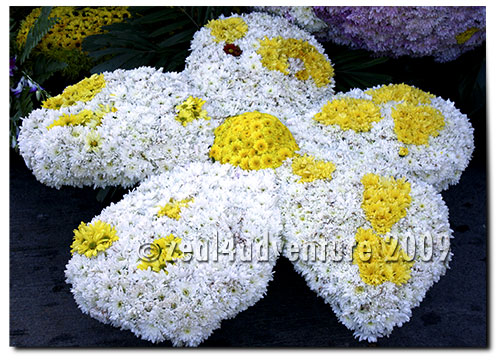
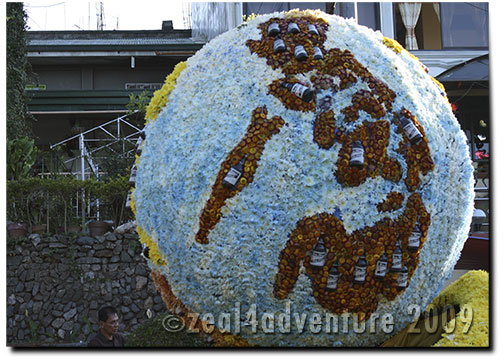
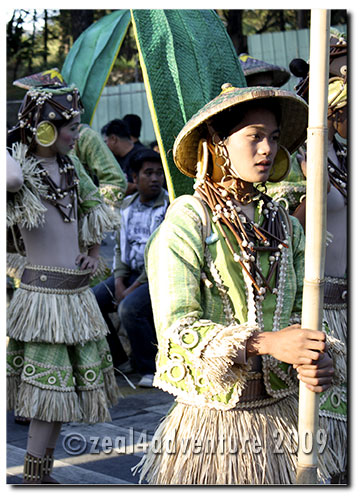
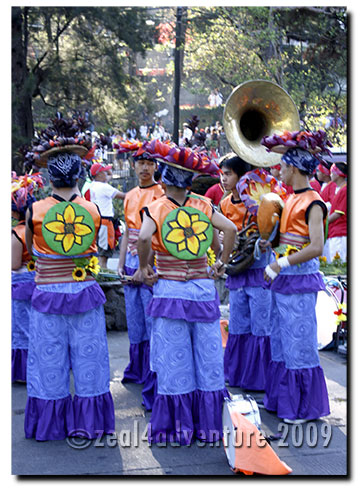
The festival includes floats that are decorated with flowers. It also includes street dancing presented by dancers clad in flower-inspired costume, that is inspired by the Bendian, an ibaloi dance of celebration that came from the Cordillera Region, where Baguio is.


We didn’t stay to catch the actual parade as there was just too many people and I don’t particularly like crowds. We instead decided to go to the market while everyone was busy with the festival but I was pleased to have witnessed even just a glimpse of the Panagbenga Festival.
This is my entry to this week’s My World Tuesday. For a glimpse of more worlds, click here.
Source: Wikipedia
WS# 9: I love Pesto!

Absolutely love it! It has become one of my favorites since the time I discovered it in the early ‘90s. Love it on anything and as anything. Be it a spread on sandwiches, on pizza, as dressing, or simply in pasta, the more common application. Best of all, it is the easiest thing to do.
Last Saturday, while browsing around my favorite Saturday market, I chanced upon gorgeously fresh basil leaves. Bought me some, went home, got my processor, got some garlic, pine nuts (I always have them just in case but you can use about any kind of nuts — cashew is yummy too), olive oil and some cheese (again parmesan is the norm but since I ran out of it, I used aged cheddar or any hard cheese you may have). Had some left over parsley so I threw that in too. Blend them all together, don’t forget to season with salt, boil some Penne and voila! Lunch!
So here’s some testament that I haven’t forgotten the resolution I devised early this year and that is to eat more greens. 😀
PhotoHunt: Four
Credits: Frame – Akiloune kit so natural cadre
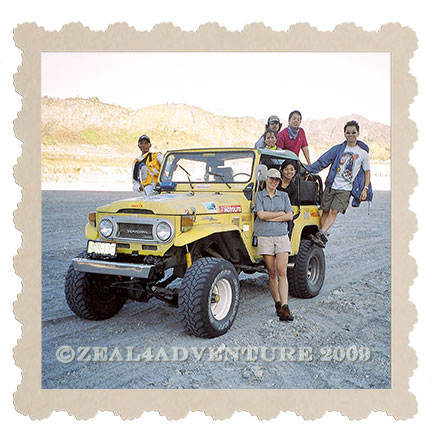
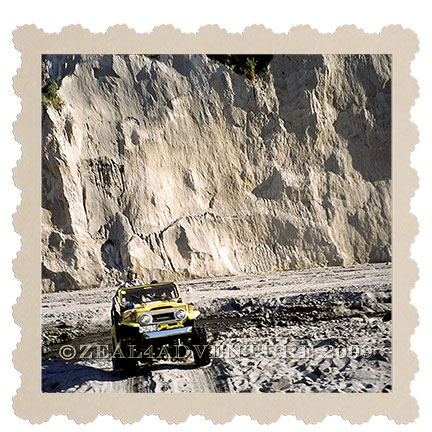
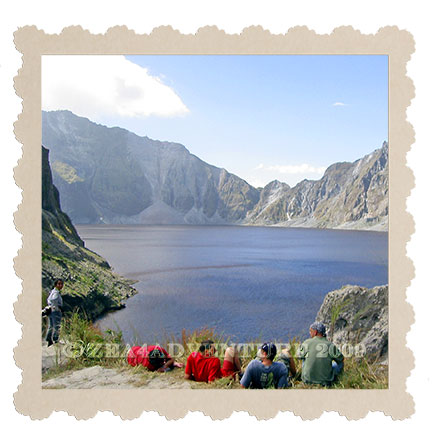
Taking a 4X4 off-road jeep makes trekking Mt. Pinatubo a walk in the park. What used to be a whole day trek requiring overnight camping in 1999 (when we first trekked this beautiful landscape) is now down to 1 hour of 4X4 ride and about 45 minutes hike to the crater lake. A far cry eh?

This was taken 5 years ago when the service of 4X4s already existed but still required a grueling 2 hour trek to the crater and hours of rutty ride to the jump-off. The experience however made the journey exceptionally memorable.
In June 1991, after more than 4 centuries of slumber, this volcano erupted so violently (coupled with an unfortunate tropical storm) that its ashes covered almost the entire island of Luzon and permanently changed the landscape of Pampanga, Tarlac and Olongapo. Hundreds of millions of dollars in prime properties and infrastructure was likewise ruined.

The crater lake as it looked in 2004.
Source: http://park.org/Philippines/pinatubo/ and http://geography.about.com/od/globalproblemsandissues/a/pinatubo.htm
This week’s Photo Hunt theme is Four. To join the fun or enjoy more entries, please click here.
African Groove
Credits: Papers – JSprague 07, MCO Beautiful Journey 02; Embellishments – JHE Twilled Phrases blank, Leona Apron Strings2 pldlabel, MCO Topper; Overlays – KPertiet Sanded overlay, MCO Boho Flourishes; Paper Mask – MCO Scalloped Paper Mask; Alpha – JSprague Dauphin Alpha
This was taken in Lake Nkuruba Nature Reserve in Fort Portal. It is also home to orphans of AIDS victims. Part orphanage, part guesthouse, the money earned from the guesthouse (and various donors) helps sustain the orphanage. Most of the time, a show is prepared for guests. Performing with gusto, we watched, entertained by their zeal. They showed pride as they performed in front of a handful of delighted foreigners. These children definitely have the groove!

Red Colobus among the many wildlife found at the forest.

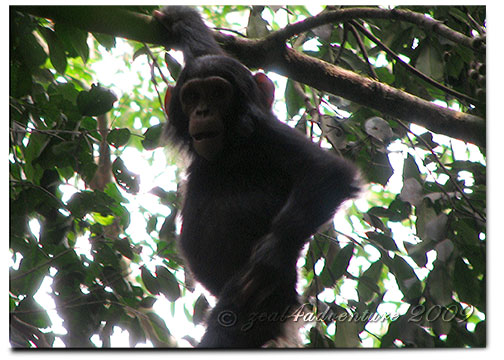
Lake Nkuruba was our jump-off point to an up close encounter with the chimpanzees. Uganda is home to gorillas (in Rwenzori Forest) and chimps (in Kibale Forest). Unable, however, to see the gorillas due to time, budget constraints and the government’s policy on permits, we went on the chimpanzee trek.


A small town with one main road, we found our way to this western town of Uganda the hard way. In fact the highlight of our African adventure was this journey to Fort Portal and Lake Nkuruba. It’s a story all its own so stay tuned. 😀
Long and Winding Road

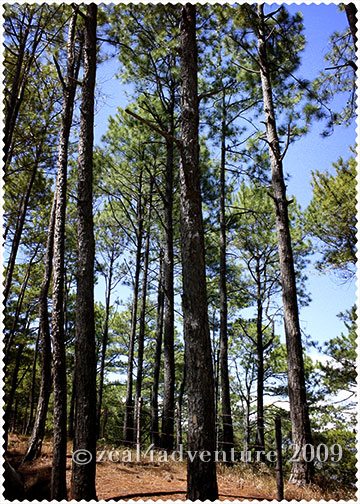
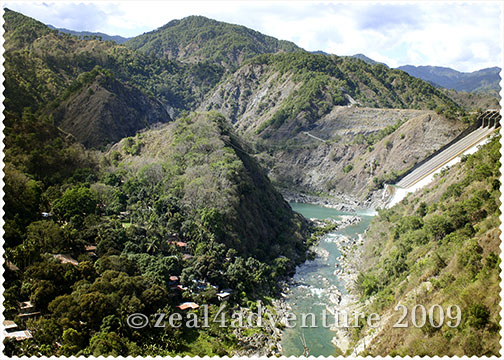
On our way to Baguio 2 weekends ago, joining my friends from Tuguegarao I took the long route to the “pine city”. Took us a leisurely 8 hours (with several stops along the way) to arrive through the newly rehabilitated Baguio-Aritao Road passing Ambuklao Dam. It was a scenic albeit winding road almost all of 104 kilometers.

It may be long for me who hail from Manila but for my friends from Northeastern Luzon, the road provides a shorter route cutting 2-3 hours by avoiding the longer Pangasinan and Neuva Ecija route via Dalton Pass.

At one point, we stopped along the road to take some photos and soak in the scenery.
For more entries of other worlds, click here.
WS #8: Fresh Berry Goodness
Despite a crazy week in Baguio City, it was a weekend full of activities including swimming through a sea of people during the Panagbenga festivities. This post however is not about the festival (that will be for another post) but about my visit to a wild bluberry plantation in Tublay and the strawberry capital of Baguio, La Trinidad.

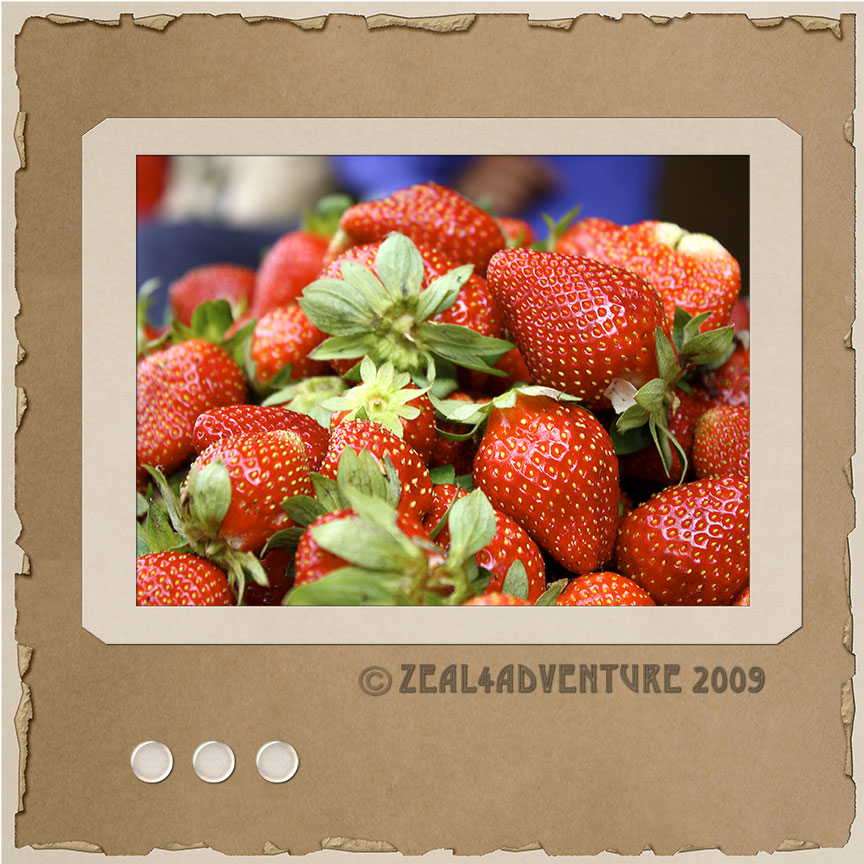
Strawberries (and blueberries) are all-time favorites. Strawberries, however, tops the list especially if they are firm and sweet. The strawberries that greeted us that day, probably just a few hours after harvest, looked so fresh and shiny, almost like plastic. I had to restrain myself from eating the whole 2 kilos of it.

The next town, Tublay where we dropped by a blueberry plantation, is just a few minutes away from Trinidad. Not exactly the blueberries we are familiar with, these blueberries are tropical and thrive in less harsh weather. As an aside, I learned that majority of blueberries flourish in harsh weather, the colder it is, the better for the blueberries. Our blueberries are smaller and have less meat but that tiny piece of fruit is so bursting with flavor. Because it is grown in the wild, supply is scarce. It’s virtually gone even before harvest is completed.

And the view is enough to make the trip worthwhile.

Lucky for me, berries are said to contain phytochemicals and flavanoids that may help to prevent some diseases. Eating a diet rich in blueberries, strawberries and other berries may help reduce your risk if several types of cancer.
For more weekend snapshots, click here.
Massai – A vanishing race
Africa—my biggest trip so far and a dream vacation not exactly at the top of my priority list. I found my way to Africa quite by chance. A few years ago, a friend of mine did a year of volunteer work in Mombasa, Kenya. One day, I received an email from her inviting us (her traveling buddies) to join her on a safari. The thrill-seeker in me cannot NOT take this opportunity, so in June of 2005, I found myself on board a flight enroute to Nairobi. Turned out to be by far the greatest experience ever. Extraordinary adventures that made it to my list of firsts.
Credits: Brushes – DDMWISE a la Mode, NRJ Funky Vintage8; Papers- Defining flowers – jen wilson, Kpertiet King Me paper, Lumiene – jen wilson, strip – jen wilson, Tjd Kuwtj hardwood 3; Elements – KPertiet – Hemp Tie, Linda GB Tiny tags_all worn, Lynng_barcelona button 2
To kick off this African Adventure series, I’d like to introduce to you to the Massai of East Africa. They are after all one of the better-known African tribe. They live on the Serengeti Plain near Kenya and Tanzania. A unique society with a rich history steeped in culture and tradition, however with the interference of the west, the Massai are at risk of losing that culture within our lifetime.
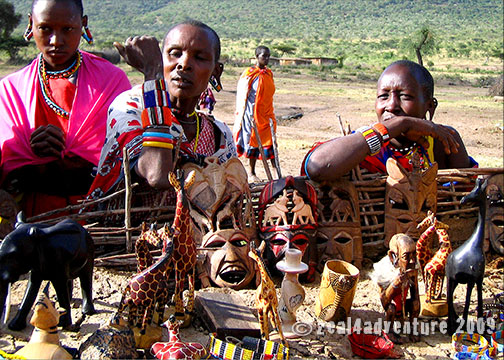
It was quite evident at the time of our visit to a village that they have become more and more entrenched in a market economy. Souvenirs were peddled in one area of their village. The Massai are pastoral people who live mainly off their cattle. Traditionally, livestock is their primary source of income. Beyond being used for food, it may be traded for beads and clothing. Until recently, it was illegal to sell livestock for cash. But the modern day comforts have lured many a younger Massai to the Western culture. In a bar in Arusha in Tanzania, we were introduced to a Massai in regular modern day get up (sans their signature shoes made of rubber tires and red wraps) playing billiards with the locals. If not for their very distinct earlobe hole and beads and other accessories, they blend in really well with the others.
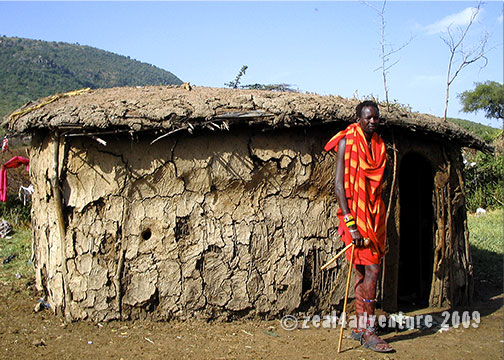
Despite that, majority of this red wrap cladding people still live in traditional Massai abode made of cow dung and mud. I know, I know! We entered one of it upon their invitation albeit hesitantly and with a huge sigh of relief, we found that it wasn’t stinky at all! 😯
They are known to be fierce warriors and hunting and killing a lion is common still today for these warriors to sort of prove their manhood and test their courage.
I am pleased to have caught a glimpse into the lives of this interesting set of people before outside interference completely change them.